16 Soft Minimal Home Style Ideas For Calm Living
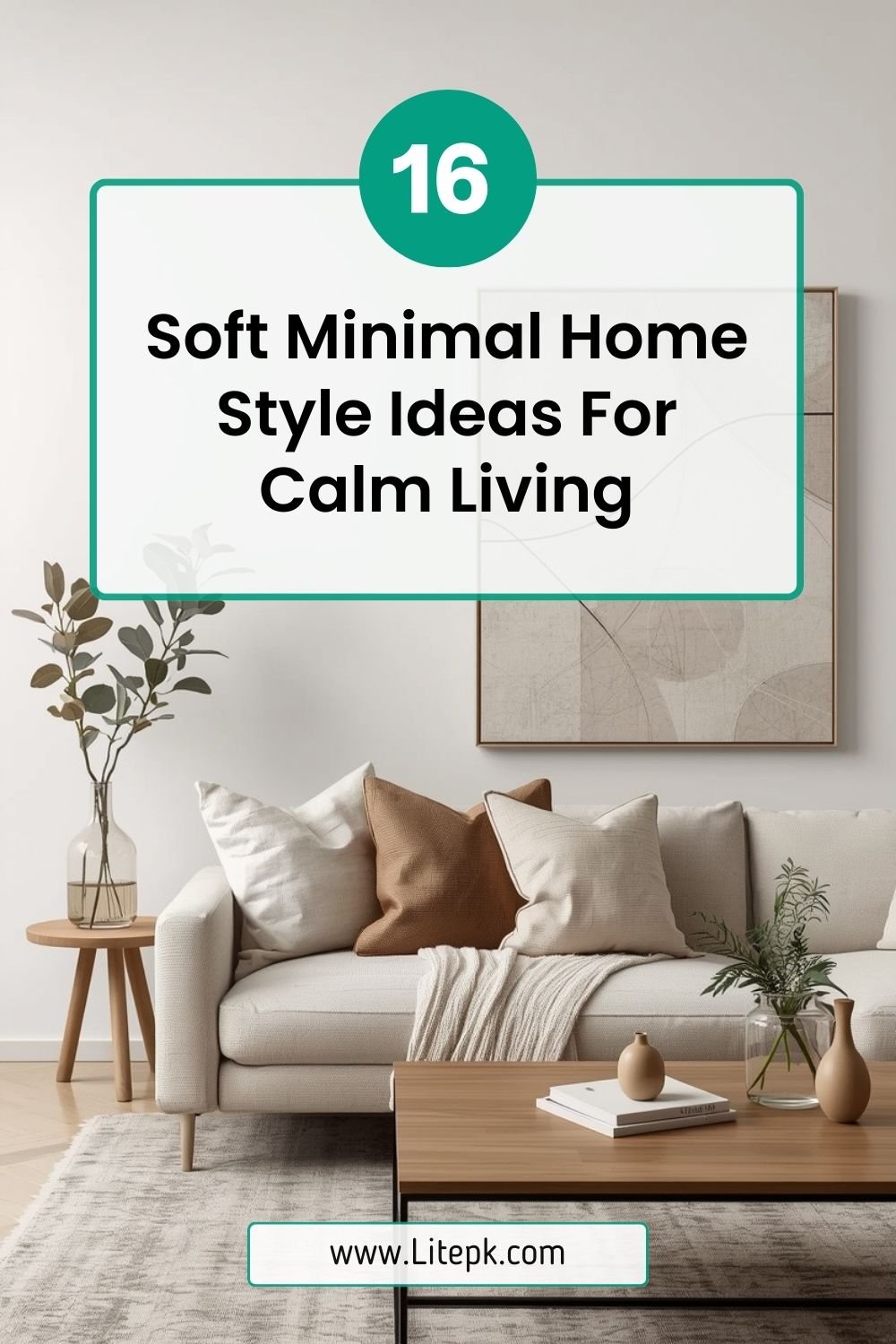
Soft minimal home style is more than a design trend — it is a gentle philosophy of living that blends simplicity with warmth. By focusing on intentional choices, calming textures, and quiet visual harmony, this aesthetic transforms everyday spaces into peaceful sanctuaries.
In a fast-paced world filled with visual noise and clutter, soft minimal interiors create a sense of emotional grounding. This guide explores beautifully curated ideas that help you design a home that feels serene, elegant, and deeply restorative.
1. Neutral Layered Color Palettes

Soft minimal home style begins with a calming neutral color palette that gently wraps your space in tranquility. Shades like warm beige, soft cream, pale taupe, and muted greys create a cohesive environment that reduces visual stimulation. Instead of stark contrasts, the focus is on subtle tonal variations that bring depth without overwhelming the senses.
Layering neutrals through walls, textiles, and furniture enhances visual softness. Combining matte finishes with textured surfaces such as linen or boucle introduces warmth while maintaining simplicity. The key is to avoid monotony by balancing undertones and natural light reflection for a soothing atmosphere.
2. Sculptural Yet Functional Furniture

In soft minimal homes, furniture acts as both utility and art. Sculptural silhouettes with organic curves bring subtle visual interest without adding clutter. Rounded coffee tables, arched chairs, and smooth-edged consoles contribute to a gentle spatial flow.
Functionality remains central, ensuring each piece has a clear purpose. Opt for handcrafted wooden forms or soft upholstered shapes that invite touch and comfort. This balance between artistry and practicality supports mindful living and reduces unnecessary visual complexity.
3. Soft Natural Lighting
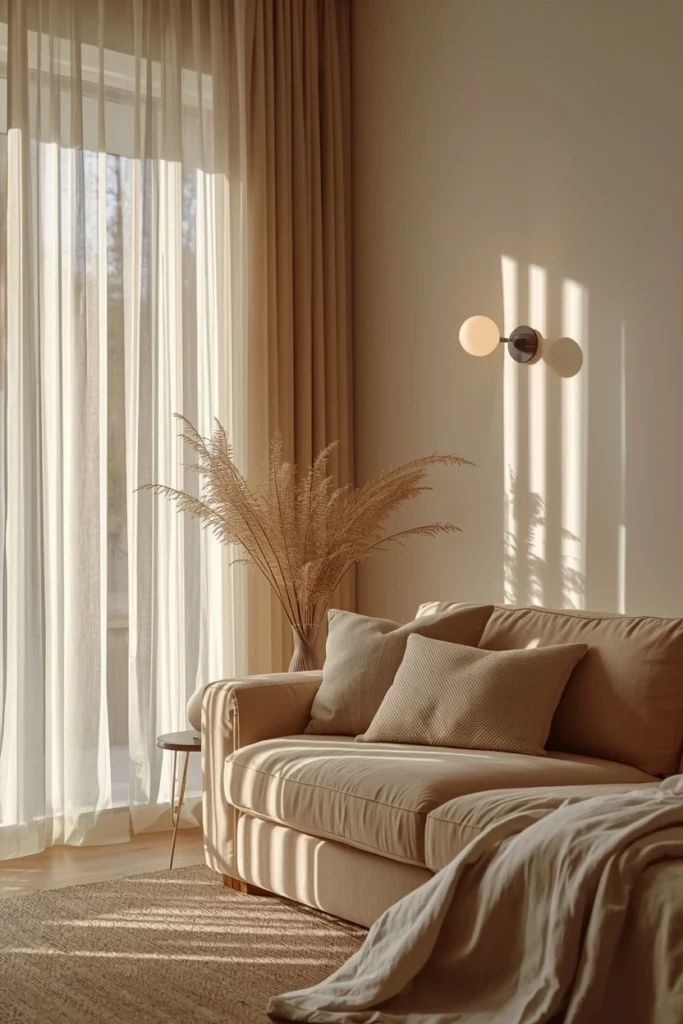
Lighting plays a crucial role in establishing emotional calm within soft minimal interiors. Natural daylight filtered through sheer curtains creates a diffused glow that softens architectural edges and highlights textures gently.
Layered lighting solutions such as warm wall sconces and subtle floor lamps enhance evening serenity. Avoid harsh overhead lighting and instead focus on warm tonal bulbs that mimic sunset hues. This approach nurtures a restorative ambiance conducive to relaxation and mindfulness.
4. Textured Minimal Textiles

Minimalism does not mean eliminating comfort. Textiles like wool throws, linen drapes, and cotton rugs introduce tactile richness while maintaining visual simplicity. Soft minimal design prioritizes sensory warmth over decorative excess.
Neutral textured layering enhances emotional comfort and spatial depth. By mixing natural fibers in understated patterns, homeowners create an inviting environment that feels grounded yet uncluttered.
5. Earth-Inspired Materials
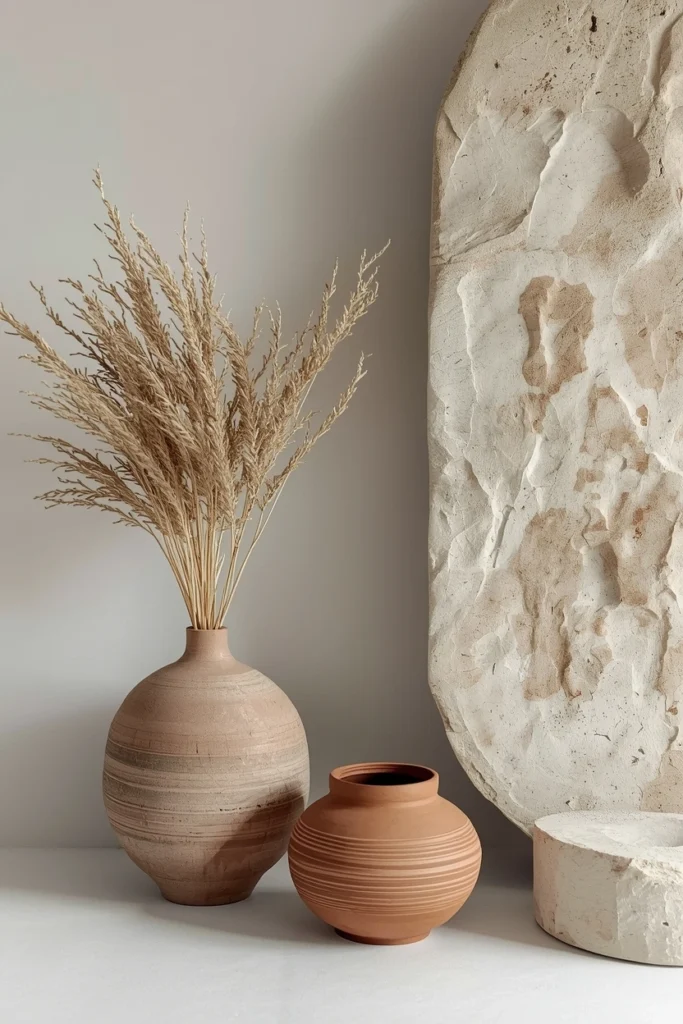
Incorporating natural materials strengthens the calming essence of soft minimal homes. Stone, raw wood, clay, and organic ceramics establish a grounded connection to nature, reducing artificial visual stimulation.
These materials age gracefully, adding authenticity and quiet character over time. Their subtle imperfections create a lived-in softness that aligns perfectly with slow living philosophies and mindful home design.
6. Subtle Wall Art and Sculptural Decor
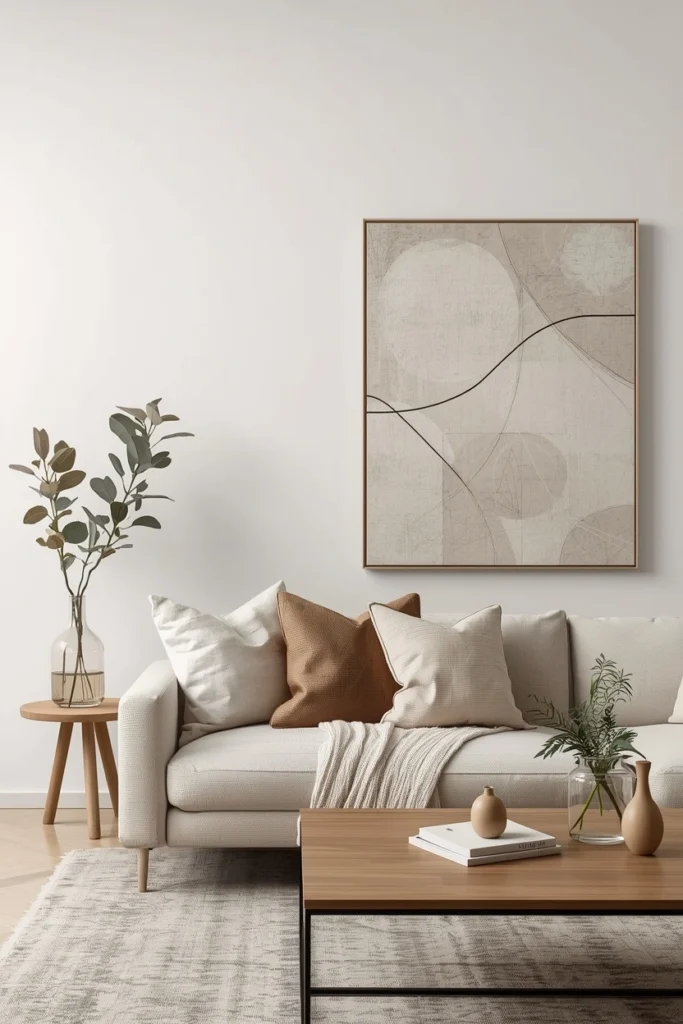
Wall decor in soft minimal spaces should evoke emotion without dominating attention. Sculptural art pieces, abstract line drawings, and textured wall panels introduce visual depth while maintaining serenity.
DIY sculptural decorating aligns beautifully with this style, encouraging intentional handmade expressions. Choosing neutral-toned art ensures harmony while allowing personal storytelling through subtle creative elements.
7. Open Breathing Spaces
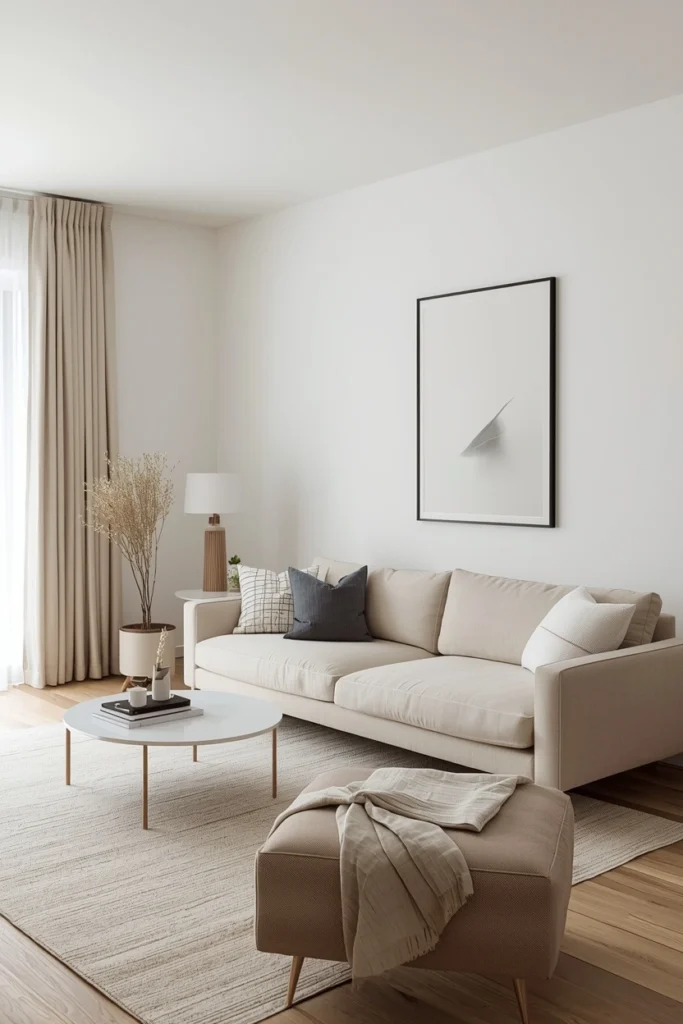
Negative space is essential in soft minimal home styling. Allowing areas to remain visually uncluttered creates mental clarity and spatial calm. Open layouts enhance natural movement and improve emotional comfort.
Furniture should be arranged thoughtfully to maintain flow rather than fill every corner. This approach transforms emptiness into a design element that supports peaceful daily routines.
8. Organic Curves in Architecture
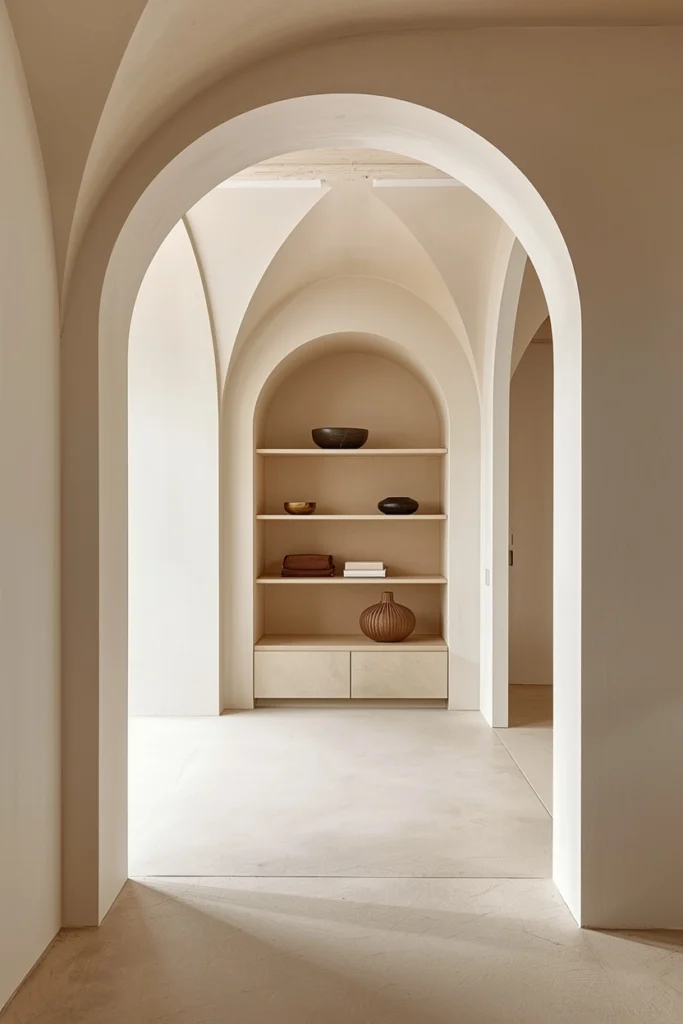
Soft curves soften structural rigidity and create a sense of gentle movement within interiors. Arched doorways, rounded niches, and curved shelving introduce a flowing visual rhythm.
These organic shapes mimic natural forms, reinforcing tranquility and emotional comfort. They help balance minimalism’s structured tendencies with warmth and approachability.
9. Minimal Yet Meaningful Decor Objects
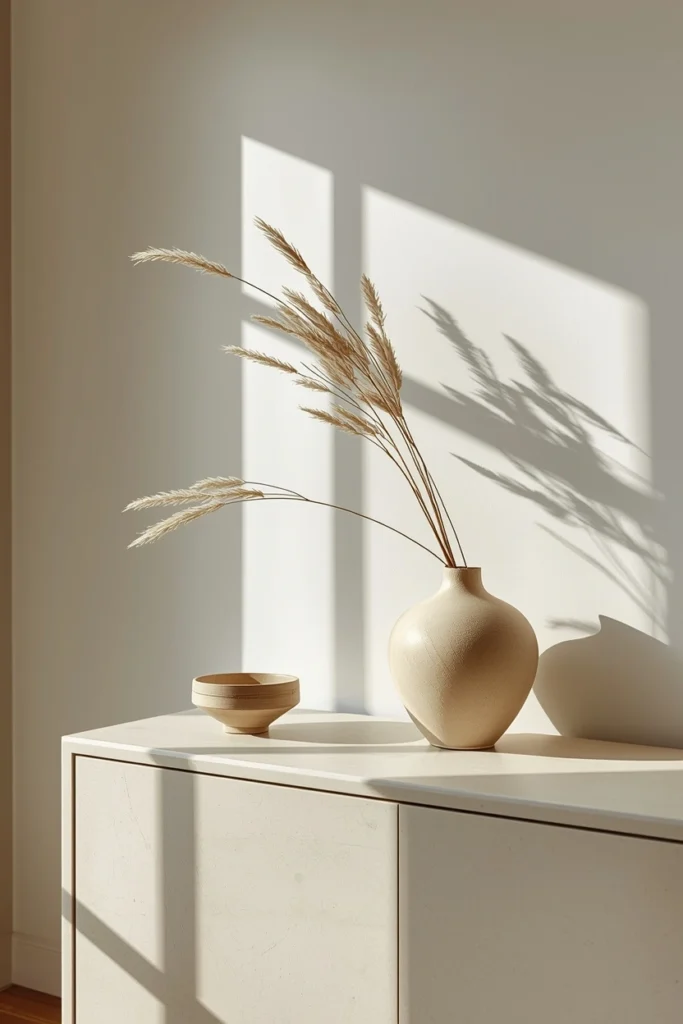
Decor pieces should be intentional and emotionally resonant. A single handcrafted vase or sculptural bowl can carry more visual impact than multiple decorative items.
Soft minimal styling prioritizes storytelling through fewer, meaningful objects. This reduces sensory clutter and strengthens personal connection to the space.
10. Calm Bedroom Sanctuaries
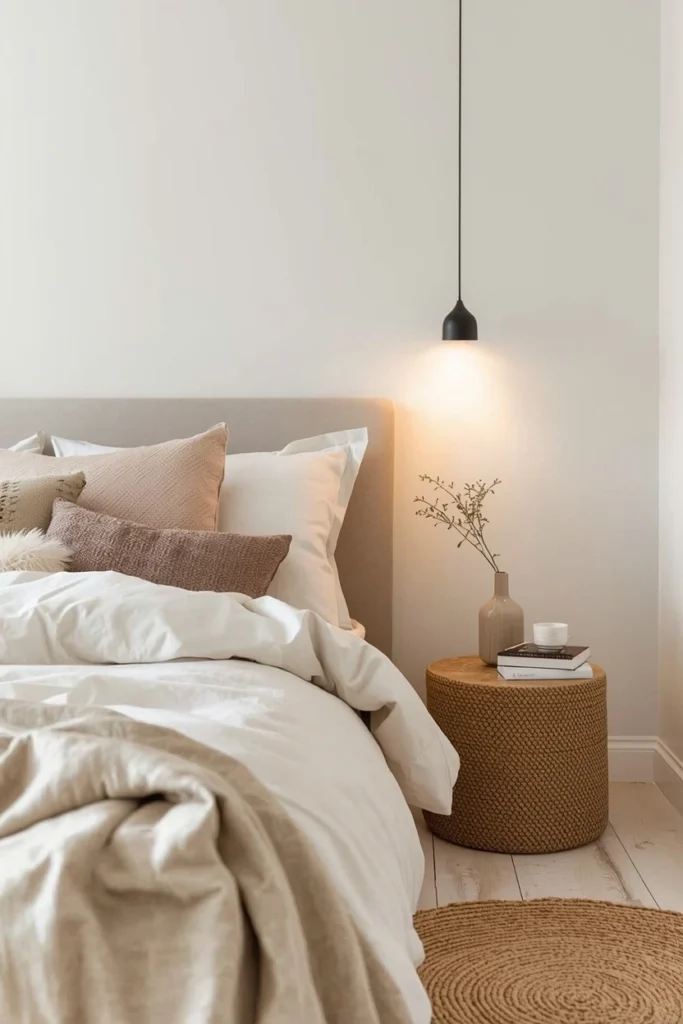
Bedrooms designed in soft minimal style emphasize rest and emotional restoration. Soft bedding layers, muted palettes, and minimal decor support deeper relaxation and improved sleep quality.
Avoid overstimulation by reducing technological distractions and focusing on natural textures. A serene bedroom environment nurtures mental wellbeing and supports slow living habits.
11. Gentle Indoor Greenery

Plants introduce life without disrupting minimal harmony. Choose soft foliage varieties like olive trees, eucalyptus, or rubber plants that complement neutral tones.
Greenery enhances air quality and emotional wellness, reinforcing biophilic design principles. Minimal plant arrangements maintain visual calm while adding organic vitality.
12. Soft Minimal Kitchen Styling
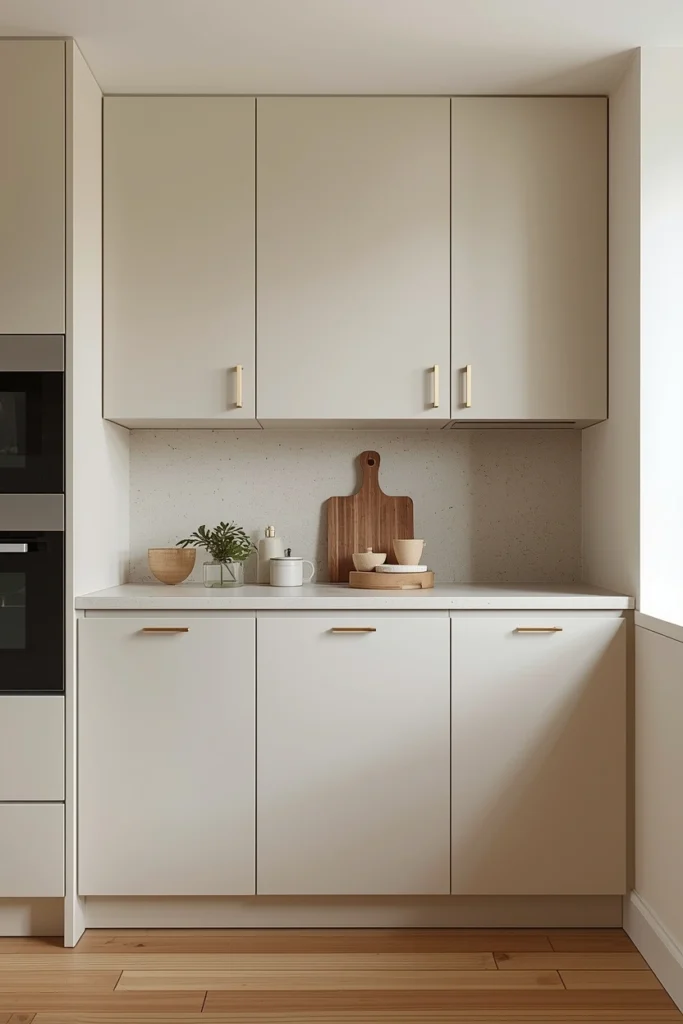
Minimal kitchens benefit from concealed storage, matte finishes, and neutral surfaces. Keeping countertops clear supports mental clarity and efficient daily routines.
Natural stone countertops and wooden accents introduce warmth without compromising simplicity. The result is a functional yet calming culinary environment.
13. Layered Soft Flooring
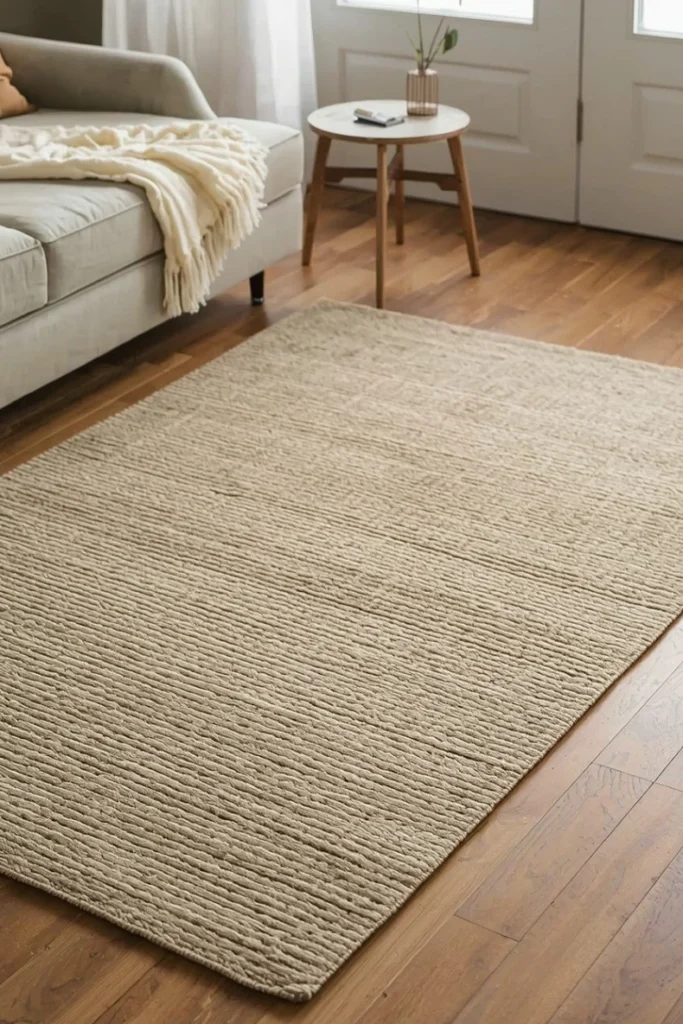
Flooring contributes significantly to sensory comfort. Soft rugs layered over wooden or stone floors add warmth and acoustic softness.
Neutral woven textures enhance spatial coziness while maintaining visual harmony. This subtle layering approach enriches comfort without introducing clutter.
14. Warm Minimal Entryways
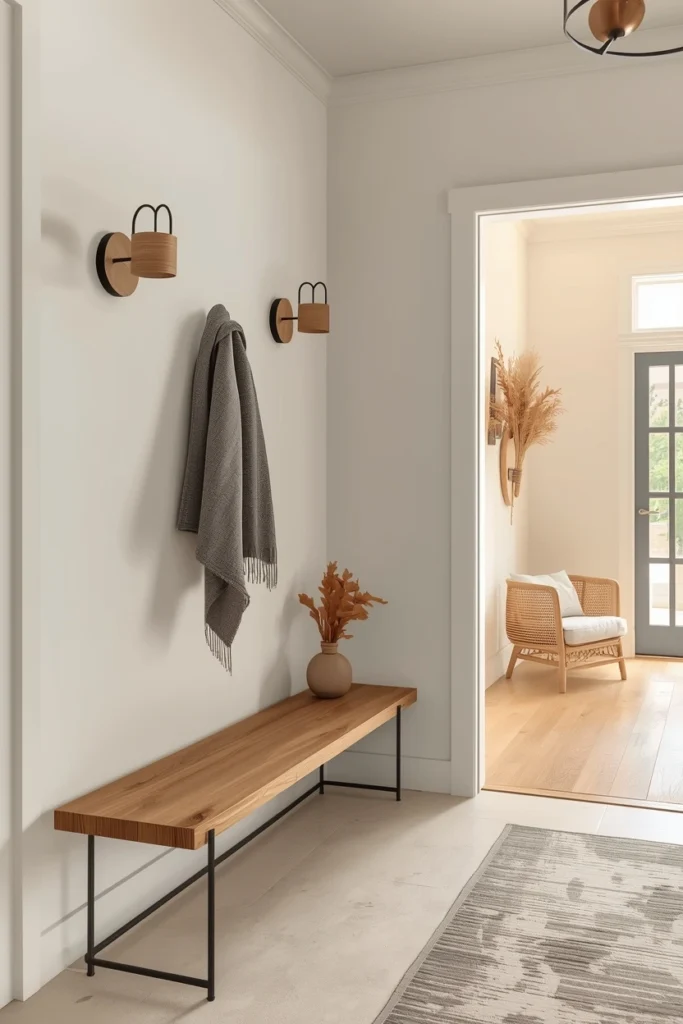
Entryways set the emotional tone of a home. Soft minimal styling focuses on uncluttered storage, warm lighting, and welcoming natural textures.
A simple bench, neutral wall hooks, and sculptural lighting create a gentle transition between exterior chaos and interior calm.
15. Monochromatic Bathroom Serenity
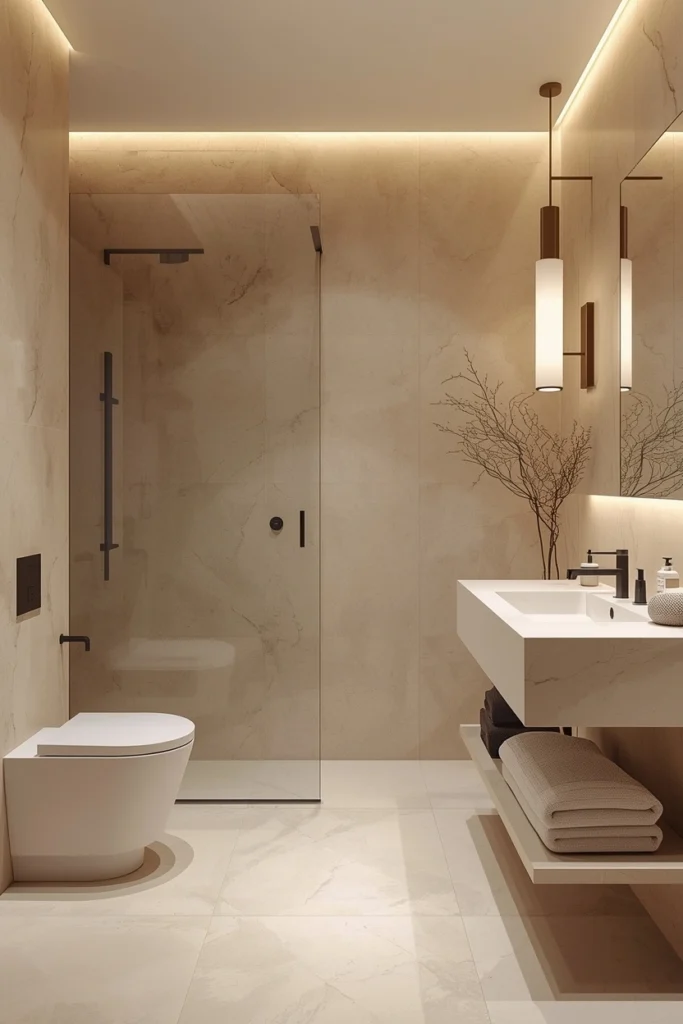
Bathrooms designed with tonal consistency promote spa-like tranquility. Soft stone textures, matte fixtures, and minimal accessories enhance sensory calm.
Neutral monochrome palettes prevent visual distraction, supporting restorative routines and emotional relaxation.
16. Mindful Multi-Purpose Spaces
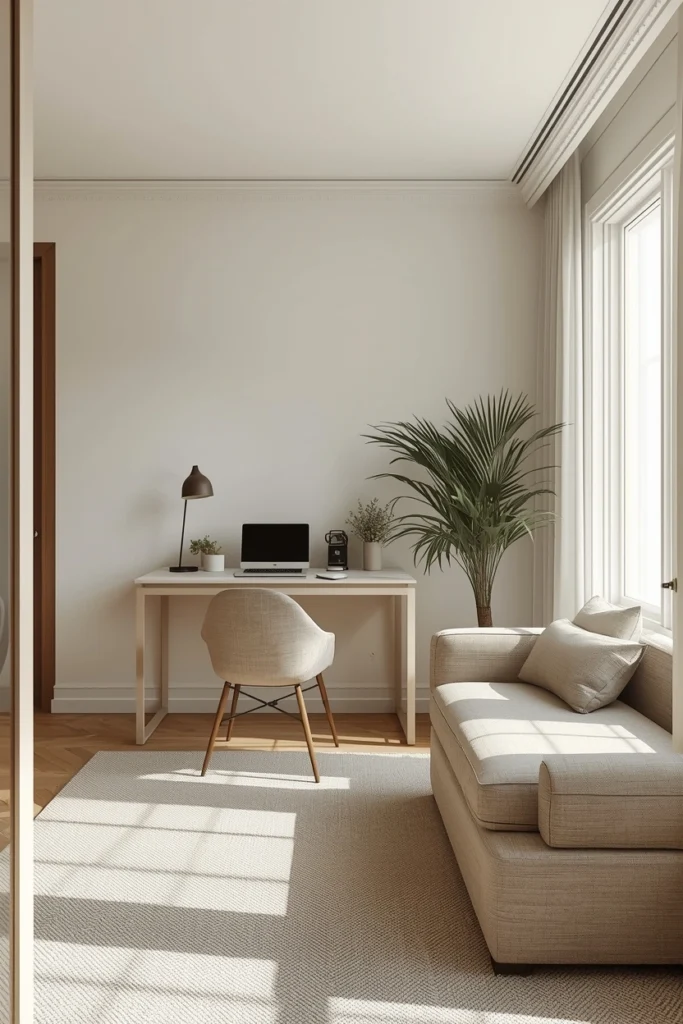
Modern homes benefit from flexible spaces that support productivity and relaxation. Soft minimal styling ensures multi-purpose areas remain visually calm and adaptable.
Using modular furniture and neutral zoning techniques allows spaces to evolve with lifestyle changes while maintaining aesthetic harmony.
Final Thoughts
Soft minimal home style is not about removing personality from a space — it is about refining it. By embracing gentle tones, sculptural simplicity, and intentional decor choices, you create an environment that supports both emotional wellbeing and aesthetic clarity. This design philosophy encourages you to slow down, appreciate subtle beauty, and live more mindfully within your surroundings.
As modern lifestyles become increasingly fast-paced, designing a calm home becomes essential rather than optional. Soft minimal interiors provide a restorative foundation that nurtures focus, relaxation, and everyday comfort. By implementing these ideas gradually and thoughtfully, you can transform your home into a timeless sanctuary that reflects both simplicity and soulful elegance.