
11 Stunning Before And After Kitchen Remodels
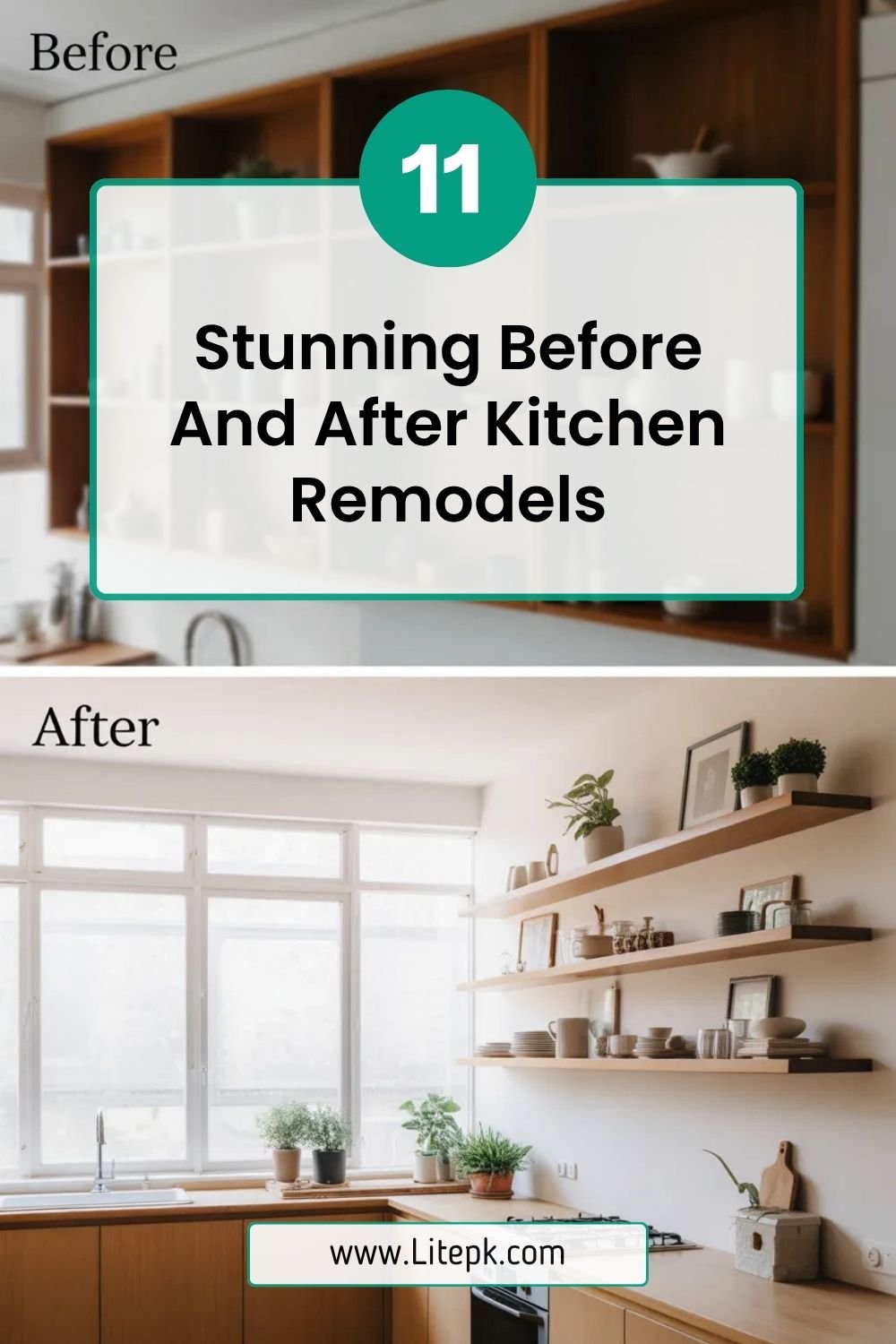
A kitchen remodel has the power to completely transform not just a space, but the way you live in your home. From outdated layouts and dull finishes to bright, functional, and modern designs, the difference between “before” and “after” can be truly dramatic. The best part? Many of these transformations don’t require a massive budget—just smart planning and creative execution.
In this guide, you’ll explore 11 stunning before-and-after kitchen remodels that showcase real design impact. Each transformation highlights practical upgrades, budget-friendly ideas, and designer-level styling that you can apply to your own kitchen.
1. From Dark and Cramped to Bright Open Concept
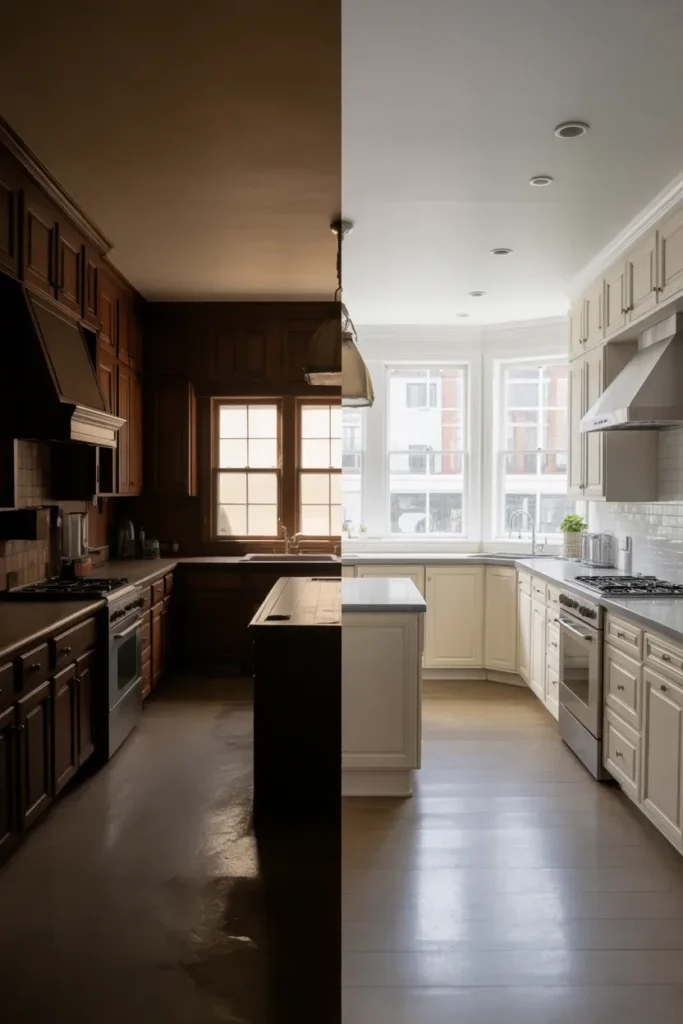
Before the remodel, this kitchen felt enclosed and outdated, with dark cabinetry, limited natural light, and a cramped layout. Walls separated the kitchen from the living area, making the space feel smaller than it actually was. The heavy finishes absorbed light, creating a dull and uninviting atmosphere that discouraged functionality and flow.
After removing the dividing wall and introducing an open-concept layout, the transformation is remarkable. Light-colored cabinets, reflective surfaces, and large windows instantly brighten the space. A central island improves usability while doubling as a social hub. The result is a modern, airy kitchen that feels significantly larger and more welcoming.
2. Outdated Oak Cabinets to Modern Minimalist Style
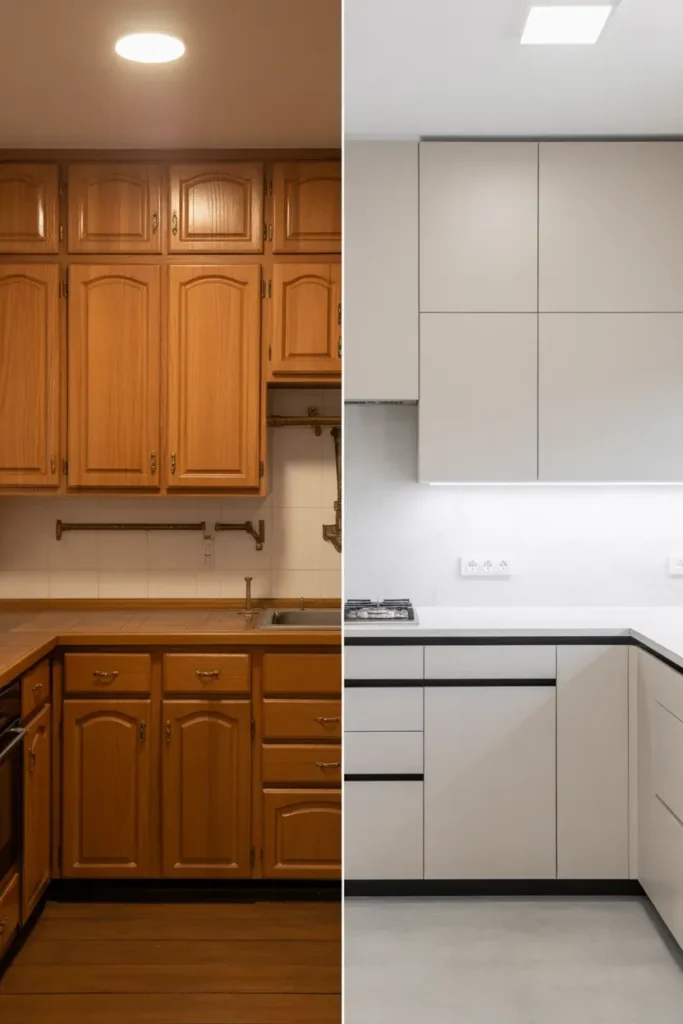
The original kitchen featured bulky oak cabinets that dominated the space with their heavy grain and dated finish. The overall design lacked cohesion, and the cabinetry made the room feel visually cluttered. Combined with old hardware and mismatched colors, the kitchen appeared stuck in the past.
In the after version, sleek flat-panel cabinets in matte white or soft gray create a clean, minimalist aesthetic. Updated hardware in black or brass adds subtle contrast. Removing upper cabinets in some areas introduces openness, while smart storage solutions maintain functionality. This transformation proves that simplifying design can make a kitchen feel more luxurious and contemporary.
3. Small Kitchen to Smart Space-Saving Design
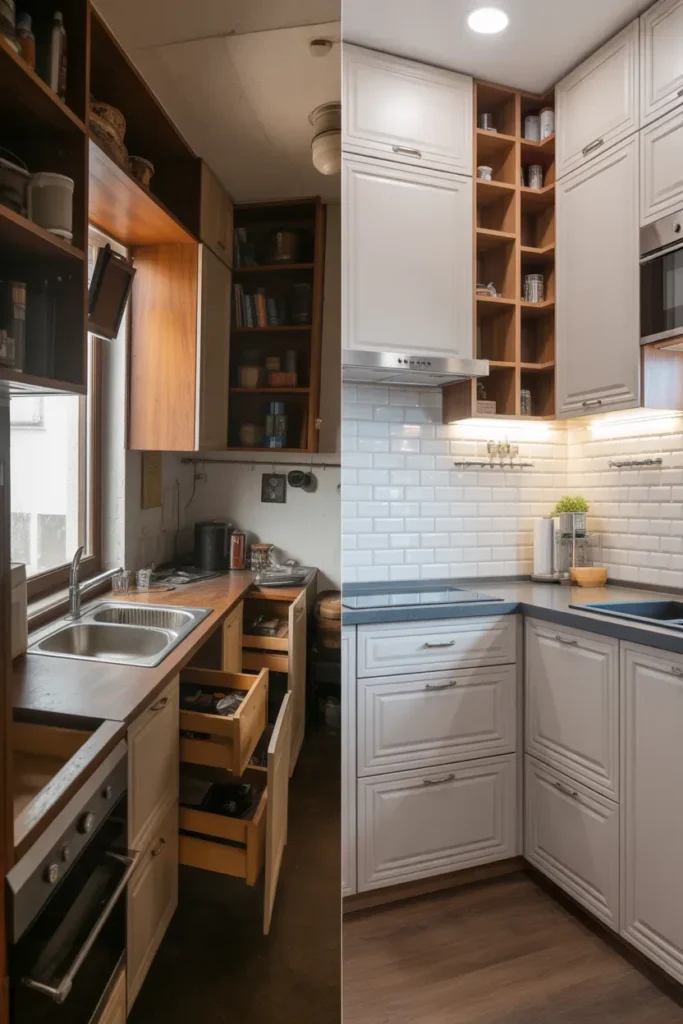
Before renovation, this small kitchen struggled with poor organization and inefficient use of space. Limited counter area, overcrowded cabinets, and awkward layout made cooking difficult. The lack of storage forced clutter onto visible surfaces, making the space feel even smaller.
After redesign, every inch is optimized. Vertical storage, pull-out drawers, and multifunctional elements maximize usability. Light colors and reflective finishes visually expand the room. A compact island or foldable counter adds workspace without overcrowding. This remodel highlights how intelligent design can transform even the smallest kitchens into highly functional spaces.
4. Dull Laminate to Elegant Stone Surfaces
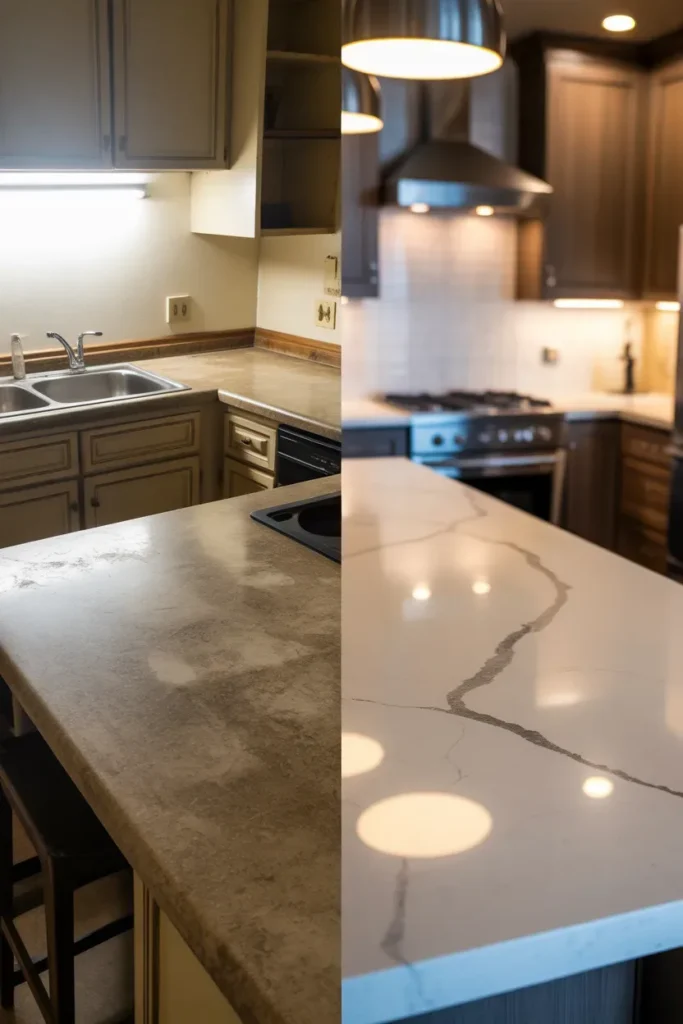
The “before” kitchen featured worn laminate countertops that lacked durability and visual appeal. Scratches, stains, and outdated patterns made the entire kitchen look tired. The surfaces failed to reflect light, contributing to a flat and uninspiring design.
Replacing laminate with quartz or marble-look surfaces instantly elevates the kitchen. The new countertops add texture, shine, and a premium feel. Paired with a matching backsplash, the space feels cohesive and polished. This upgrade alone can redefine the entire aesthetic, proving that surfaces play a key role in luxury design.
5. Closed Cabinets to Open Shelving Style
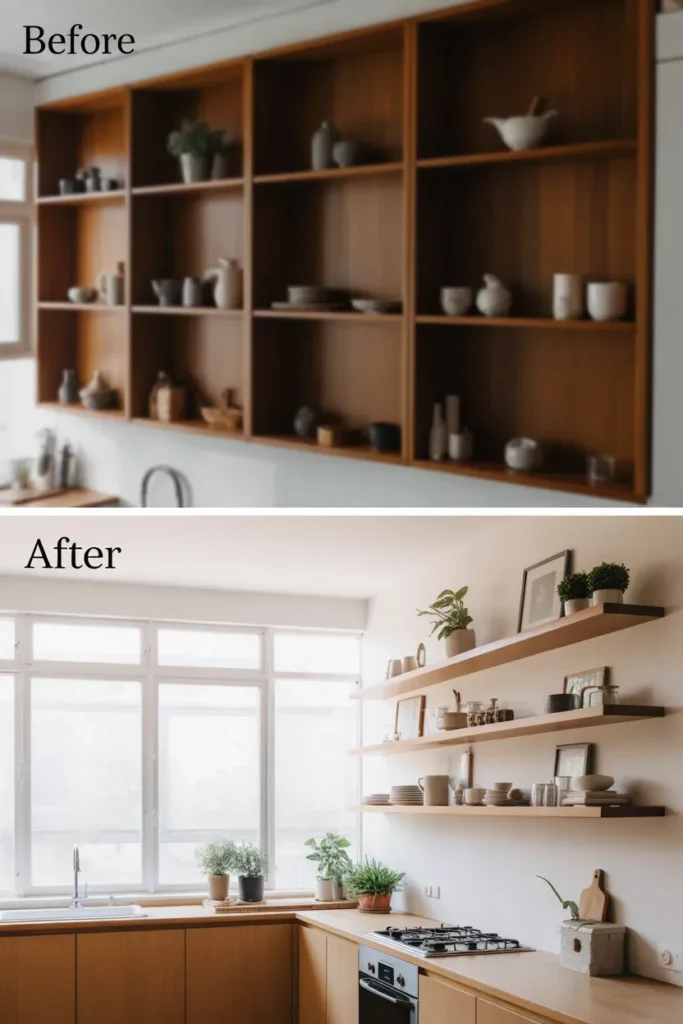
Originally, the kitchen relied entirely on closed upper cabinets, creating a boxed-in feeling. The heavy cabinetry reduced visual openness and made the space feel tight. It also limited opportunities for decorative styling and personalization.
After switching to open shelving in selected areas, the kitchen feels lighter and more inviting. Shelves display curated dishware, plants, and decor, adding character and charm. When styled minimally, open shelving provides both functionality and aesthetics. This change enhances depth and gives the kitchen a modern, designer-inspired look.
6. Poor Lighting to Layered Illumination
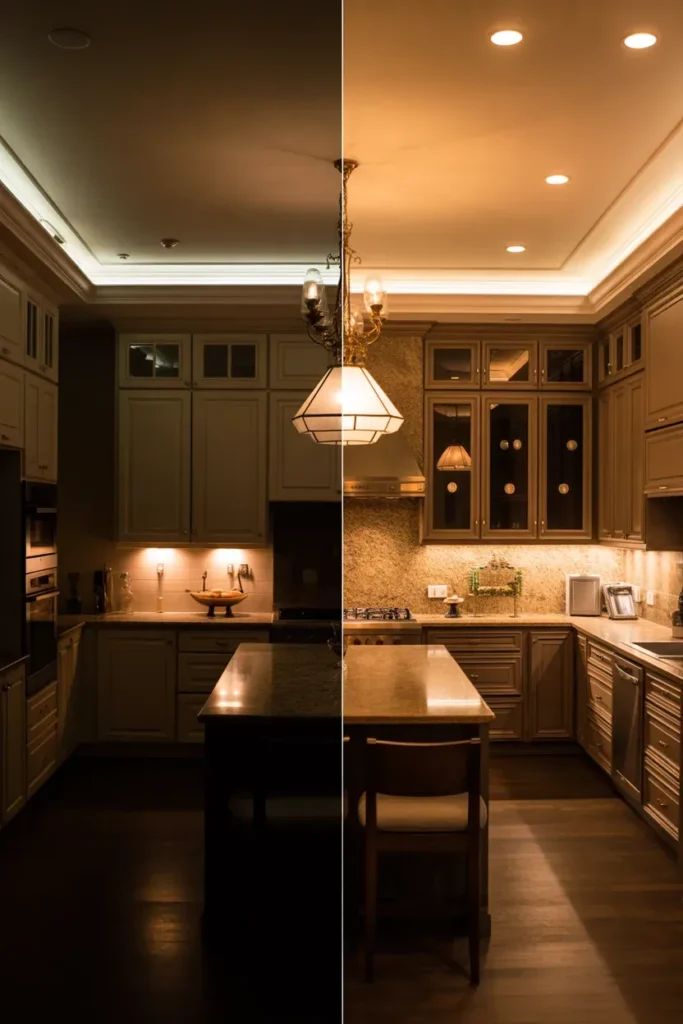
The original kitchen suffered from harsh or insufficient lighting, creating shadows and uneven brightness. A single overhead fixture failed to illuminate work areas properly, making the space less functional and visually unappealing.
The remodel introduces layered lighting, including pendant lights, under-cabinet LEDs, and ambient ceiling fixtures. This combination enhances visibility while adding warmth and depth. The improved lighting highlights textures and finishes, making the kitchen feel more luxurious and inviting.
7. Cluttered Counters to Clean Minimal Surfaces
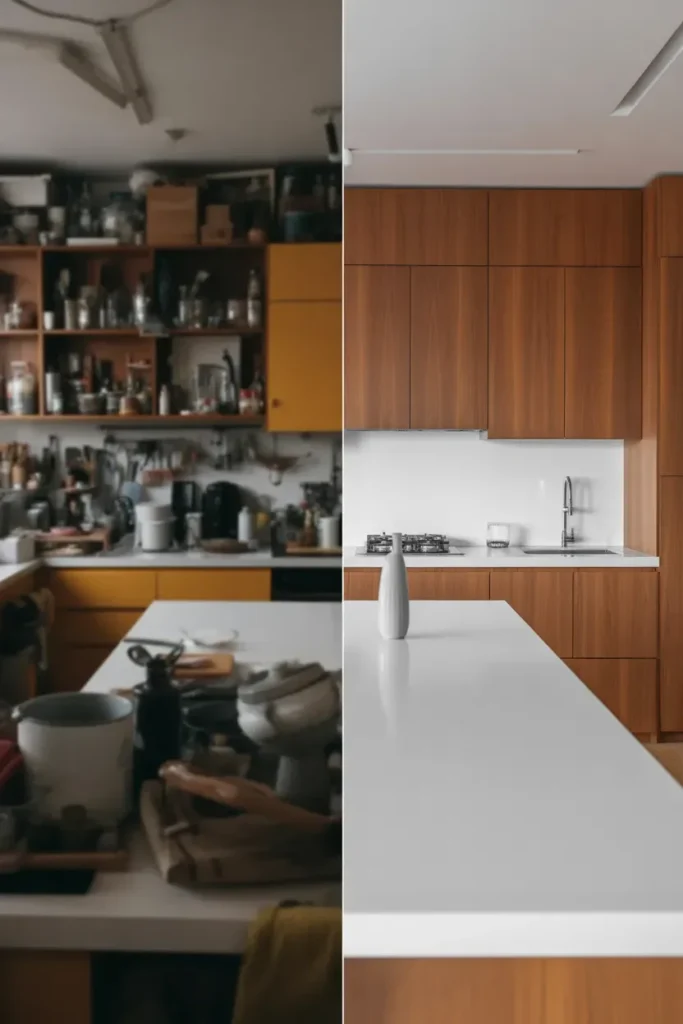
Before renovation, countertops were overcrowded with appliances, utensils, and miscellaneous items. This clutter not only reduced workspace but also made the kitchen feel chaotic and visually heavy.
After decluttering and integrating hidden storage, surfaces become clean and functional. Built-in appliances and organized cabinets keep essentials out of sight. The minimalist approach enhances the overall aesthetic, making the kitchen appear larger and more refined.
8. Mismatched Colors to Cohesive Palette
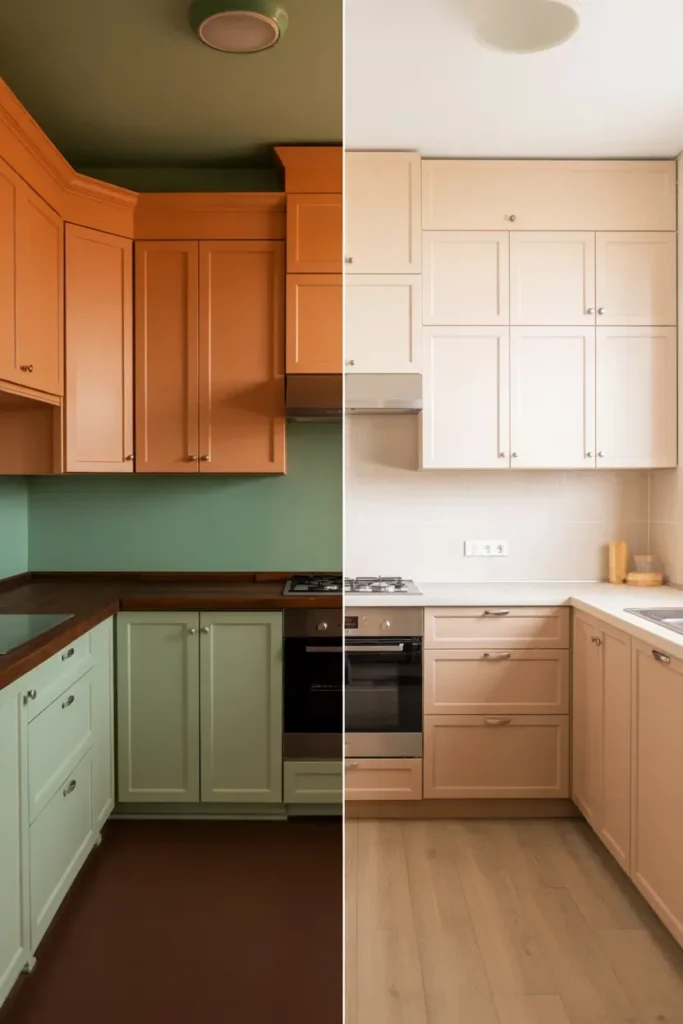
The “before” kitchen lacked a consistent color scheme, with clashing tones across cabinets, walls, and flooring. This inconsistency disrupted visual harmony and made the space feel disorganized.
After selecting a cohesive palette—such as neutral tones with subtle contrasts—the kitchen achieves a balanced and elegant look. Coordinated colors tie all elements together, creating a seamless design. This transformation demonstrates the importance of color harmony in achieving a high-end finish.
9. Basic Backsplash to Statement Feature Wall
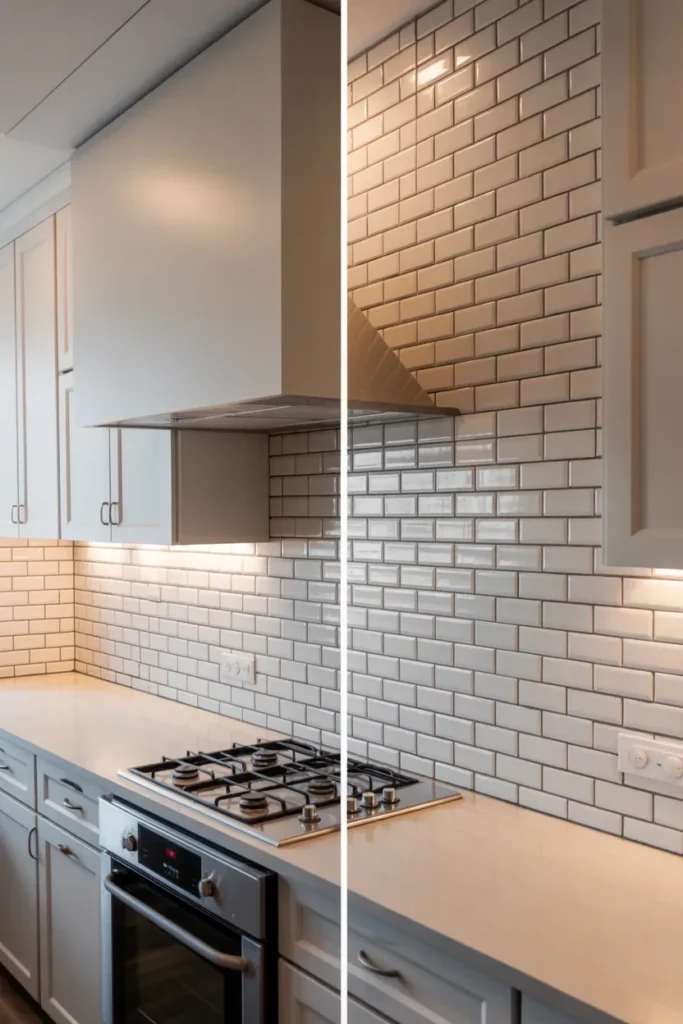
Initially, the kitchen featured either no backsplash or a plain design that added little visual interest. The walls lacked texture and detail, making the space feel incomplete.
The after version introduces a bold backsplash—such as subway tiles, geometric patterns, or marble slabs. This feature becomes a focal point, adding depth and character. A well-chosen backsplash enhances the overall design and contributes to a high-end aesthetic.
10. Old Appliances to Sleek Modern Integration
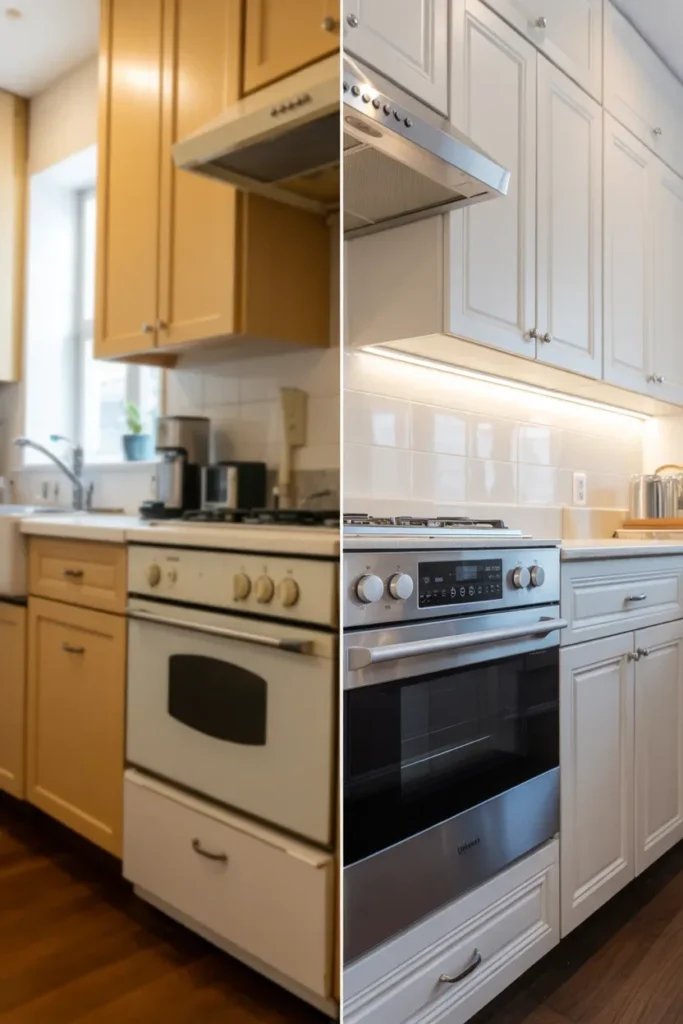
The original kitchen included outdated appliances that disrupted the design and lacked efficiency. Bulky shapes and mismatched finishes reduced the overall visual appeal.
Upgrading to modern, integrated appliances creates a streamlined look. Stainless steel or panel-ready options blend seamlessly with cabinetry. Improved functionality and energy efficiency add long-term value. This upgrade enhances both aesthetics and performance.
11. Plain Layout to Functional Kitchen Island Design
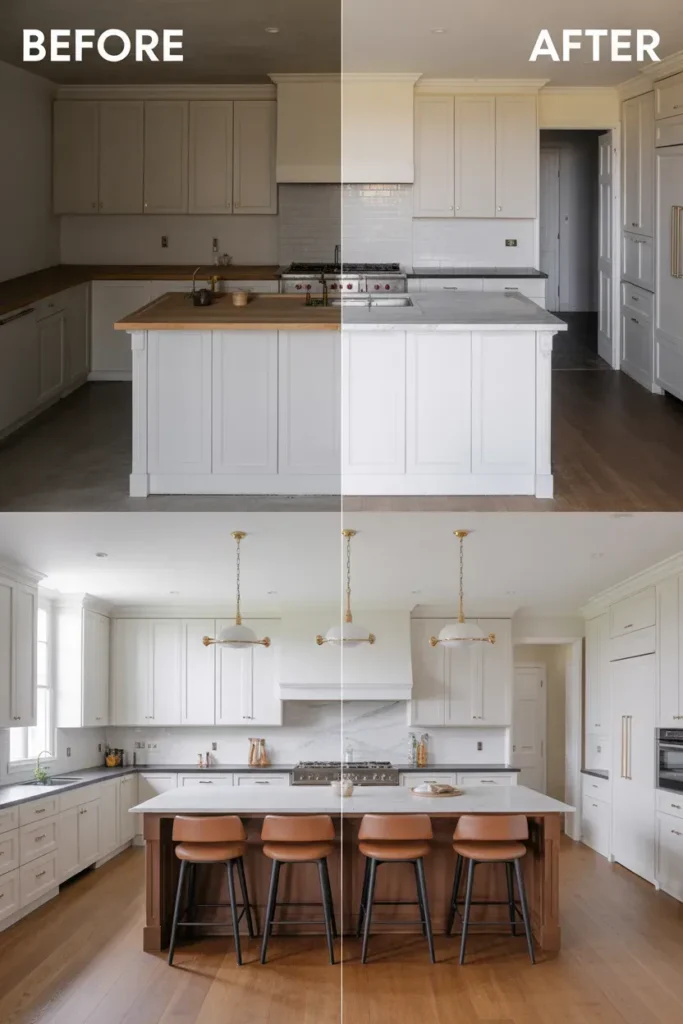
Before remodeling, the kitchen lacked a central workspace, resulting in inefficient movement and limited usability. The absence of a focal point made the layout feel incomplete.
Adding a kitchen island transforms the space into a functional and social hub. It provides additional storage, seating, and workspace. With stylish finishes and lighting, the island becomes the centerpiece of the kitchen, elevating both design and practicality.
Final Thoughts
Before and after kitchen remodels showcase the incredible potential hidden within every space. Whether you’re working with a small kitchen or planning a full renovation, the key lies in smart design choices and attention to detail. From lighting and layout to color and materials, each element plays a crucial role in the transformation.
You don’t need a massive budget to achieve stunning results. By focusing on impactful upgrades and cohesive design, you can create a kitchen that feels modern, functional, and truly inspiring. Let these transformations guide your own renovation journey and help you design a space you’ll love for years to come.