14 Under-Tree Landscaping Ideas That Actually Thrive
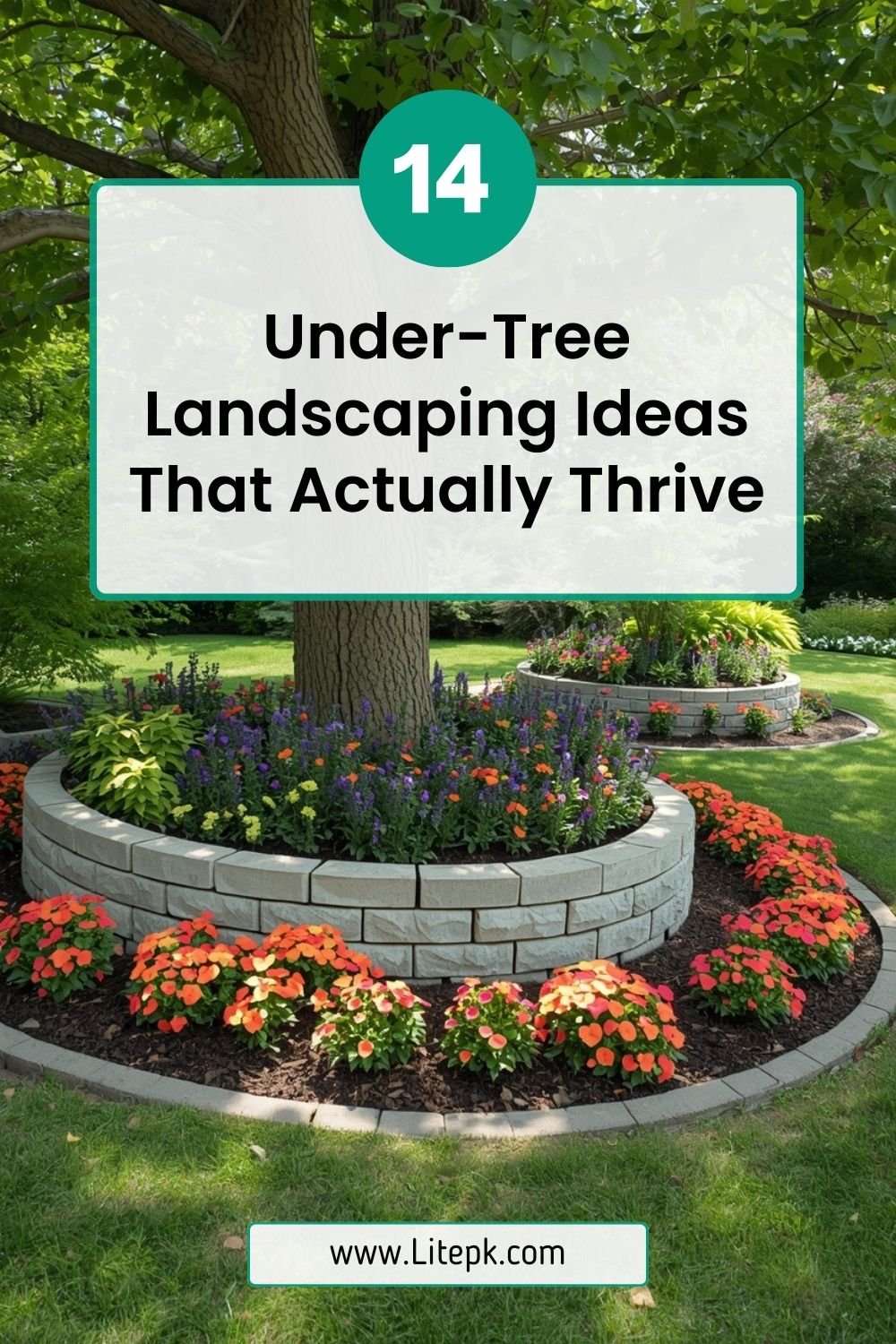
The space beneath trees is often one of the most overlooked yet potentially beautiful areas in any yard. Many homeowners struggle with patchy grass, dry soil, and limited sunlight, leading them to believe that landscaping under trees is simply too difficult. However, with the right planning and plant choices, you can transform these shaded spots into stunning focal points that enhance your entire outdoor space.
This guide explores practical, creative, and sustainable under-tree landscaping ideas that are designed to thrive — not just survive. Whether you want a serene retreat, a decorative garden feature, or a functional outdoor element, these ideas follow smart DIY sculptural decorating principles to create visually balanced and long-lasting results.
1. Shade-Loving Ground Cover Gardens
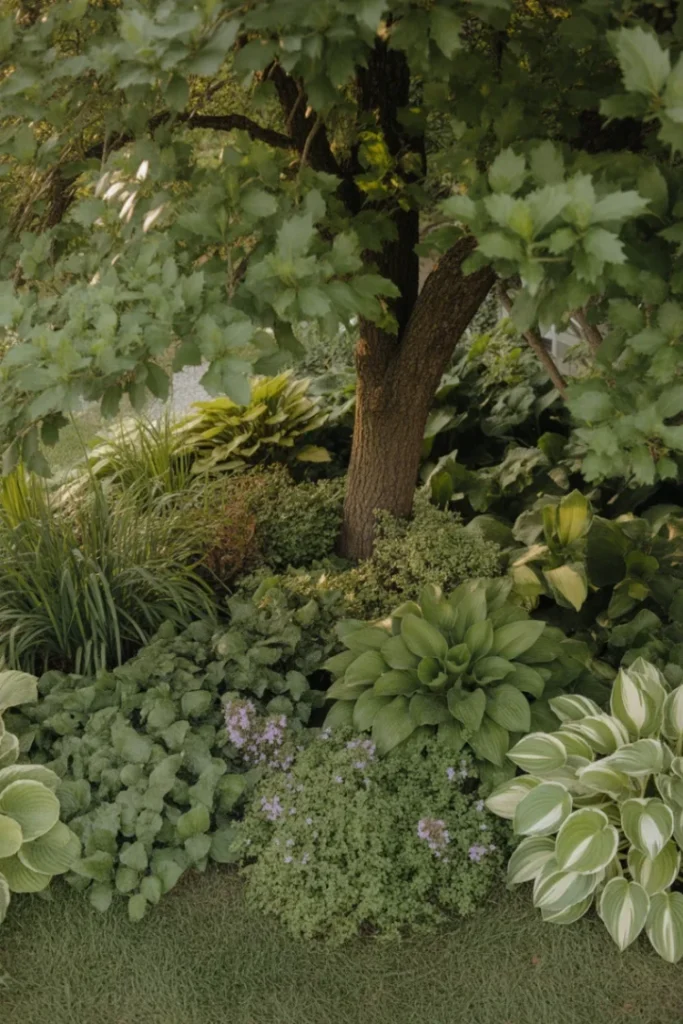
Creating a ground cover garden is one of the most effective under-tree landscaping ideas for reducing maintenance while enhancing visual appeal. Plants like hostas, creeping thyme, or vinca minor thrive in filtered sunlight and help prevent soil erosion. By layering textures and leaf shapes, you can create a sculptural effect that complements the natural structure of the tree.
Ground covers also improve moisture retention and reduce weed growth, making them ideal for busy homeowners. Arrange plants in curved patterns that mimic organic forest growth. This DIY sculptural decorating approach adds depth and movement, ensuring the landscape looks intentional rather than random.
2. Decorative Mulch Ring Designs
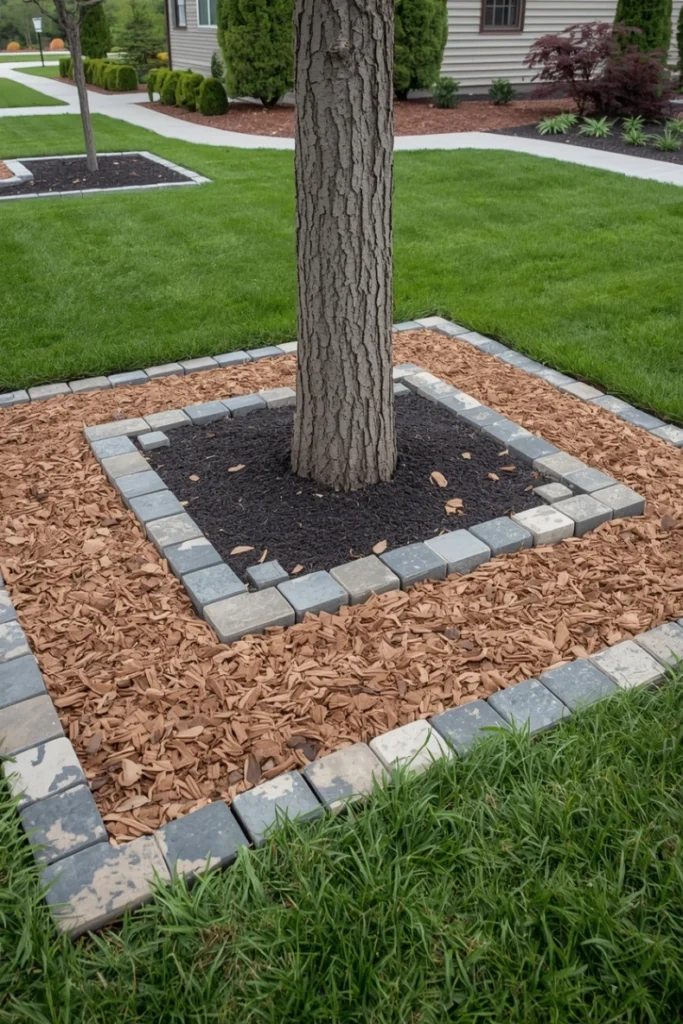
Mulch rings are not only practical but can also be transformed into artistic landscape elements. Using contrasting mulch colors or decorative edging stones creates a sculptural border that defines the tree’s base. This approach enhances soil health while preventing lawn equipment damage to roots.
For a more modern look, incorporate geometric or spiral mulch patterns. These sculptural forms guide the eye toward the tree trunk, making it a central design feature. DIY homeowners can experiment with textures like bark chips, gravel, or pine needles for visual diversity.
3. Woodland-Style Fern Gardens
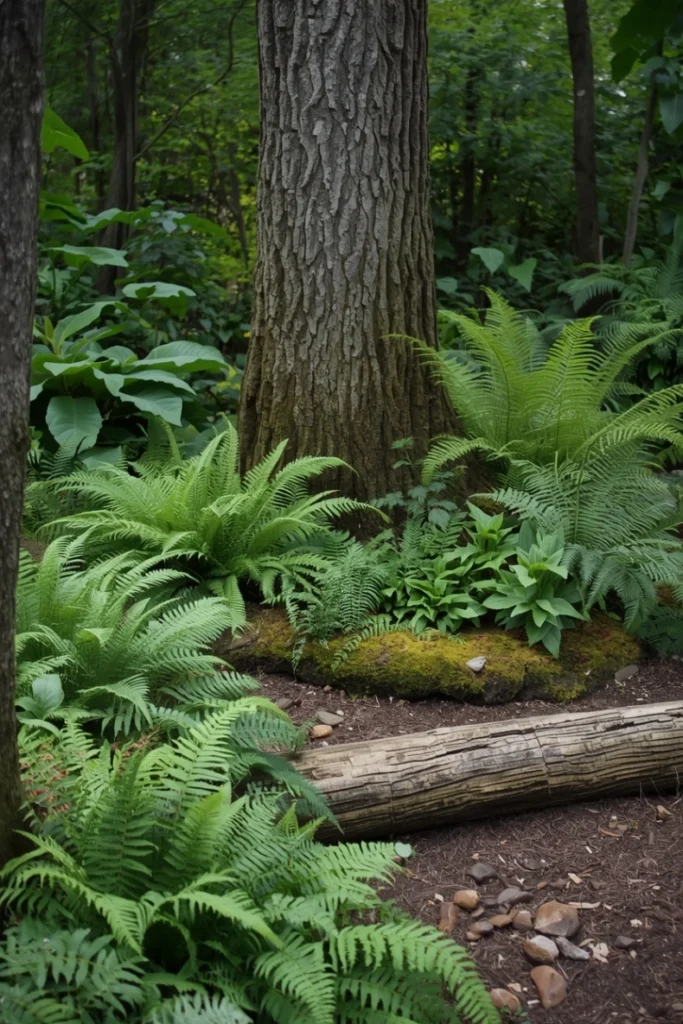
A woodland fern garden creates a peaceful, naturalistic environment under trees. Ferns thrive in shade and add soft, flowing shapes that contrast with the rigid vertical trunk. Combining multiple fern varieties enhances depth and creates a lush, forest-inspired aesthetic.
This idea follows DIY sculptural decorating principles by emphasizing organic repetition and layered greenery. Adding moss, fallen logs, or natural stones strengthens the woodland illusion while supporting ecological balance in shaded areas.
4. Stone Seating Circles Around Trees
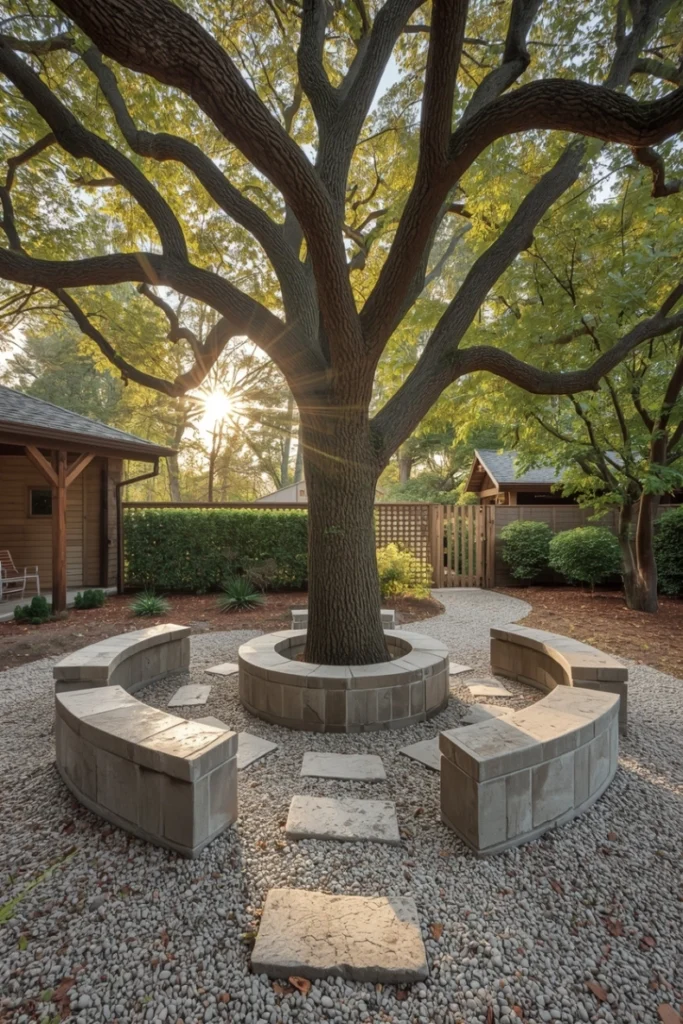
Building a circular seating area under a tree turns unused space into a social hub. Stone benches arranged in a sculptural ring create symmetry and visual weight, anchoring the tree as a natural centerpiece. This design works well in both modern and rustic landscapes.
Using natural materials ensures harmony with the surrounding environment. Incorporating gravel or stepping stones within the circle adds texture and functionality. This approach blends decorative and practical landscaping seamlessly.
5. Under-Tree Flower Bed Layers

Layered flower beds bring color and vibrancy to shaded areas. Choose shade-tolerant flowers such as astilbe, begonias, or impatiens to create tiered planting zones. Arranging flowers by height forms a sculptural gradient that guides visual flow.
Incorporating seasonal bloomers ensures year-round interest. Curved bed edges soften the overall design while maintaining a structured look. This technique enhances both biodiversity and visual impact.
6. Sculptural Driftwood Features
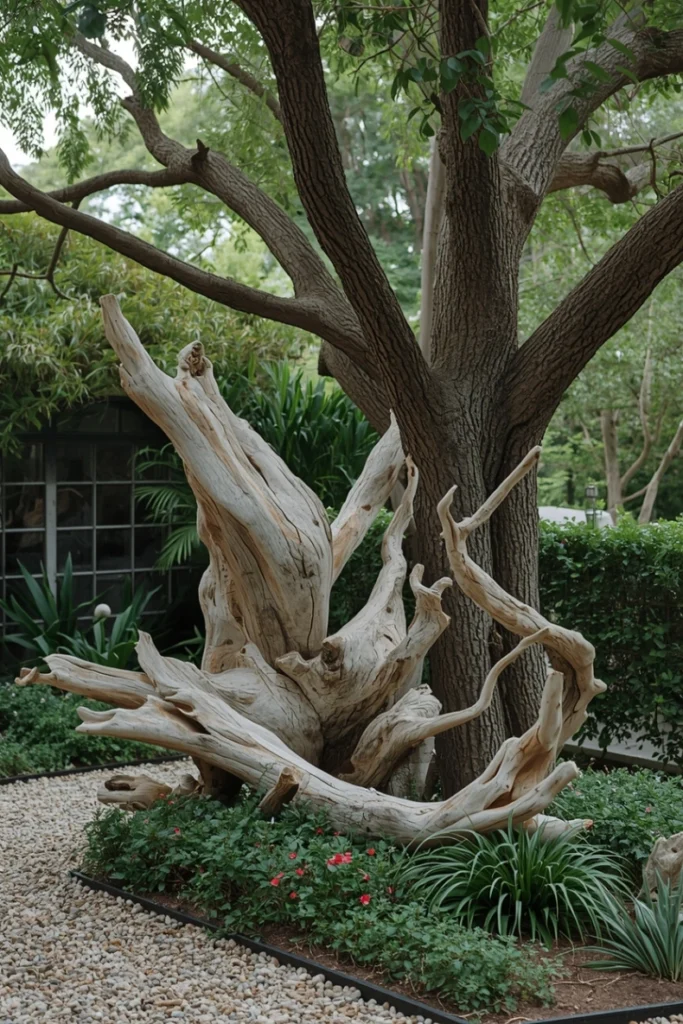
Driftwood pieces can act as natural sculptures beneath trees. Their weathered textures contrast beautifully with living plants, creating a balanced composition. Positioning driftwood diagonally or in clusters adds artistic movement to the space.
This idea aligns with DIY sculptural decorating by using found objects as focal points. Surrounding driftwood with low plants or gravel highlights its form while maintaining ecological harmony.
7. Fairy Garden Landscapes
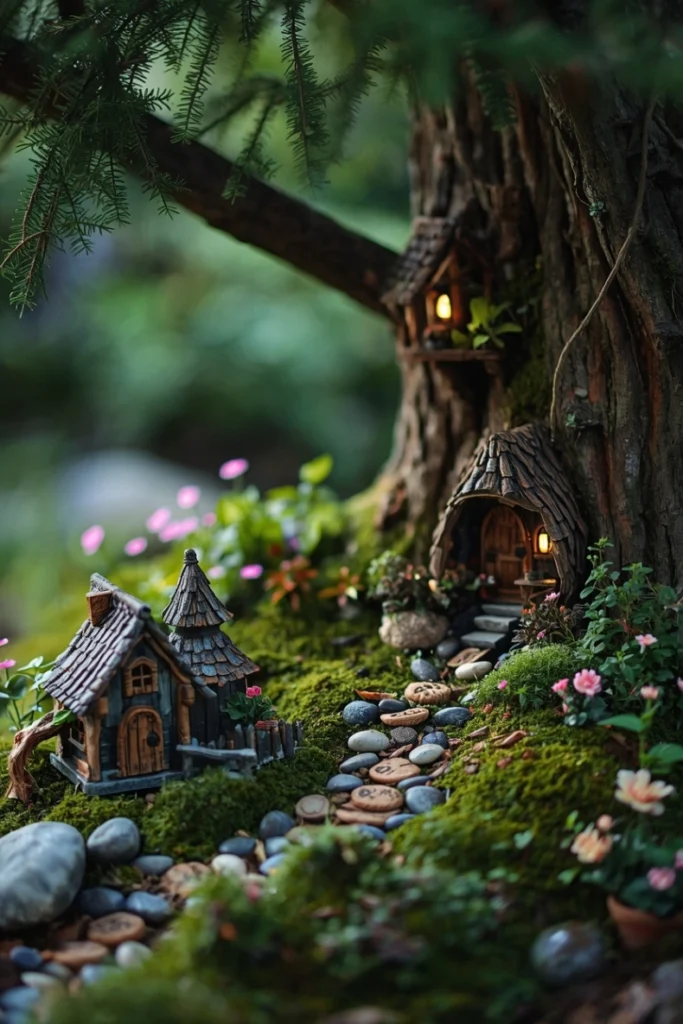
Fairy gardens introduce whimsical charm under trees. Miniature structures, pathways, and tiny plants create storytelling elements that engage viewers. This layered miniature world follows sculptural design by focusing on scale and perspective.
Combining moss, pebbles, and small flowering plants enhances realism. These gardens are ideal for families and add personality to shaded corners without overwhelming the natural environment.
8. Gravel Zen Garden Under Trees

Zen gardens provide a minimalist yet striking under-tree landscaping solution. Raked gravel patterns create sculptural movement, symbolizing flowing water or wind. This calm design enhances meditation and relaxation.
Adding a few carefully placed rocks or bonsai elements maintains balance. The simplicity of a Zen garden reduces maintenance while delivering strong visual impact.
9. Rustic Log Border Gardens

Using reclaimed logs as borders creates a rustic sculptural frame for under-tree plantings. Logs introduce organic texture while defining planting zones. This eco-friendly method aligns with sustainable DIY landscaping.
Over time, logs blend into the natural environment, enhancing authenticity. Combining them with shade plants and moss produces a cohesive woodland aesthetic.
10. Mosaic Stepping Stone Paths
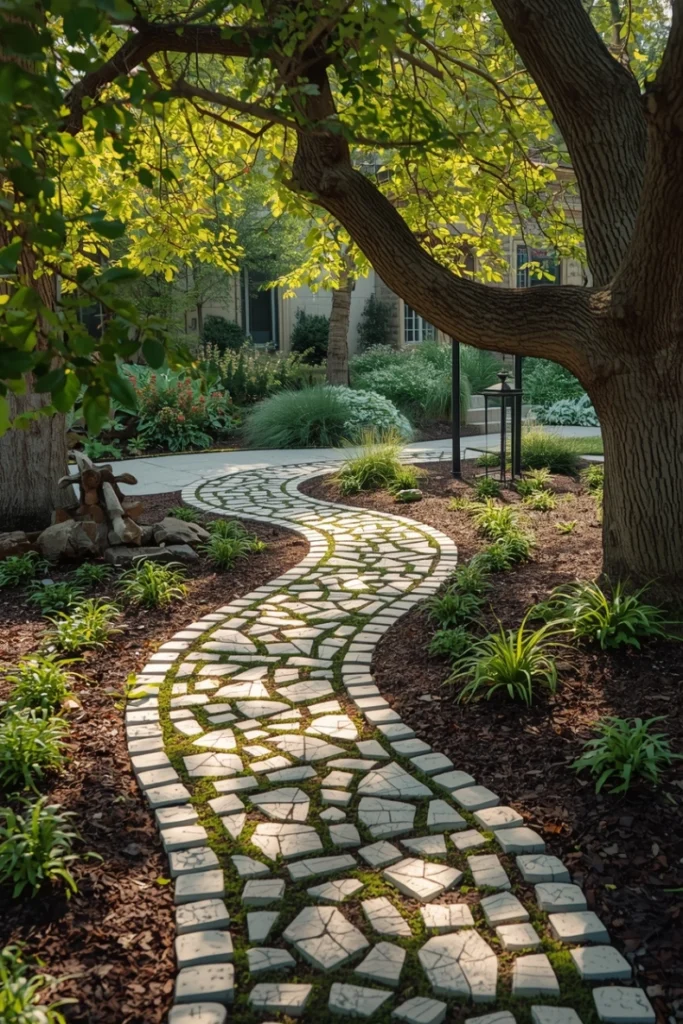
Mosaic paths add artistic flair beneath trees. Colorful stone patterns guide movement while acting as sculptural ground art. Curved pathways soften rigid landscape lines and encourage exploration.
DIY homeowners can customize patterns to match overall garden themes. Integrating low plants along path edges enhances cohesion and visual layering.
11. Hammock Relaxation Zones
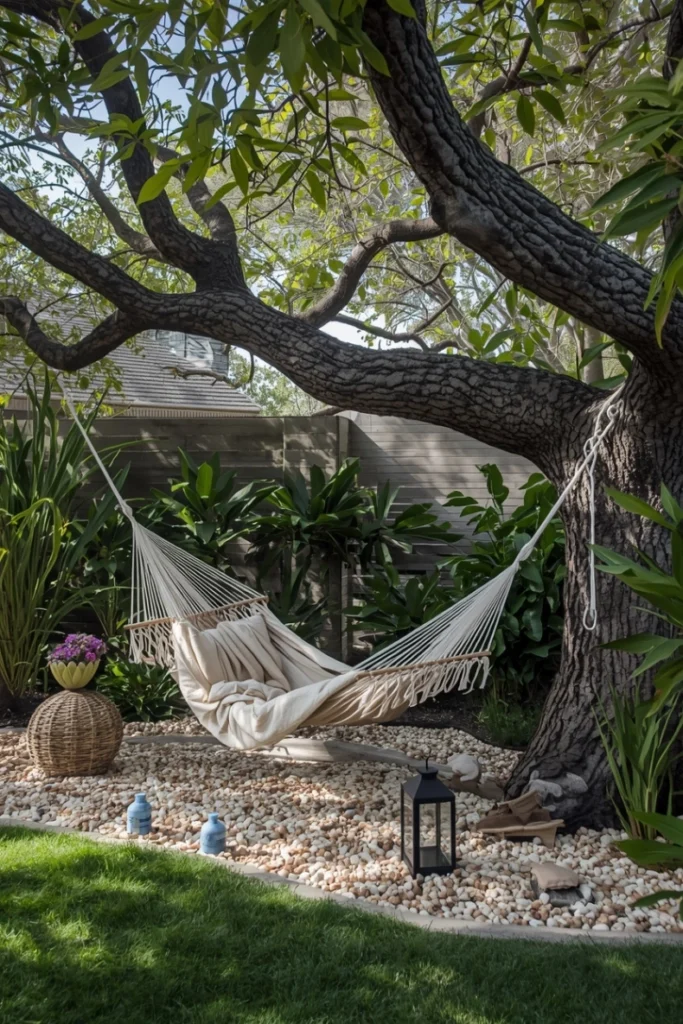
Installing a hammock between trees transforms shaded areas into relaxing retreats. Soft textiles contrast with natural elements, creating a sculptural interplay of materials. This idea balances comfort and aesthetics.
Adding gravel, lanterns, or small plants around the hammock enhances ambiance. The result is a tranquil space ideal for leisure and contemplation.
12. Tiered Planter Sculptures

Tiered planters add vertical interest beneath trees. Using stacked containers or wooden frames creates sculptural height variation. This design maximizes planting space while maintaining visual harmony.
Choose cascading shade plants for a dynamic flowing effect. Combining natural materials ensures consistency with the surrounding landscape.
13. Lantern-Lit Night Gardens
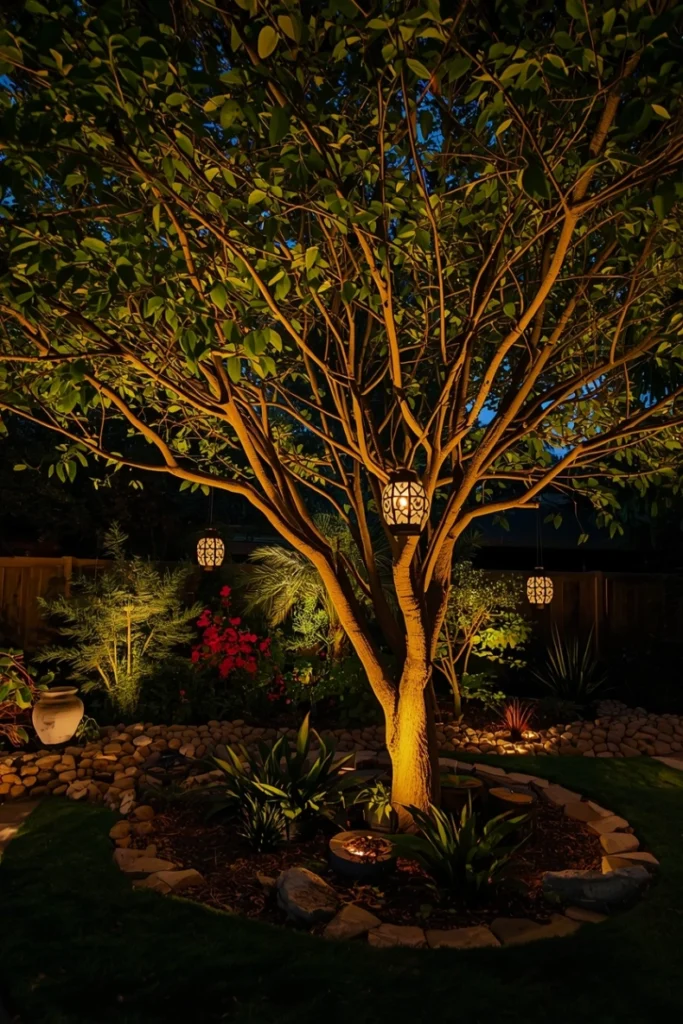
Lighting transforms under-tree areas into magical nighttime landscapes. Hanging lanterns or solar lights create sculptural light patterns that highlight the tree’s silhouette. This approach extends usability after sunset.
Combining lighting with reflective surfaces like stones or water features enhances depth. The result is a dramatic yet calming outdoor atmosphere.
14. Natural Rock Sculpture Beds
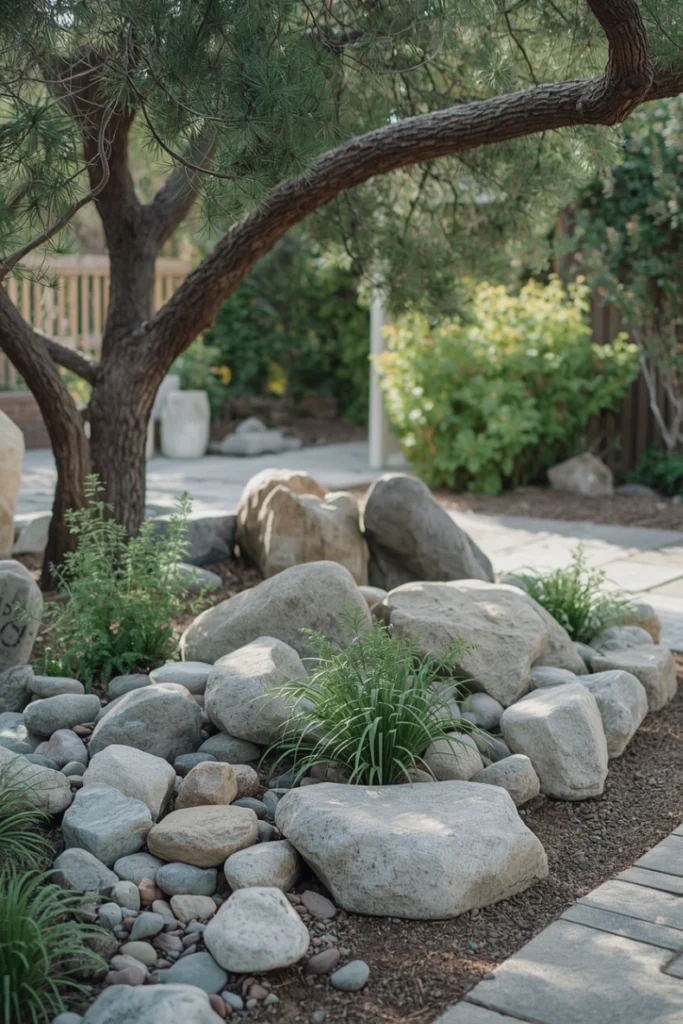
Arranging rocks in sculptural clusters provides a low-maintenance landscaping solution. Rocks anchor the design visually while complementing natural surroundings. Combining them with drought-tolerant plants enhances resilience.
This idea emphasizes balance, scale, and texture — key DIY sculptural decorating principles. Over time, moss and weathering integrate rocks seamlessly into the landscape.”
Final Thoughts
Designing a beautiful landscape beneath trees doesn’t have to be difficult or frustrating. With the right plant choices, thoughtful layering, and a sculptural DIY approach, shaded areas can become some of the most visually appealing parts of your garden. The key is to work with nature rather than against it — embracing texture, contrast, and organic shapes that naturally thrive in low-light conditions.
These under-tree landscaping ideas prove that even the most challenging garden spaces can be transformed into functional, peaceful, and aesthetically balanced outdoor features. By combining creativity with practical planning, you can turn neglected tree bases into stunning focal points that enhance the overall value, harmony, and personality of your outdoor living environment.