
How To Choose The Perfect Color Palette For Any Room

Color is more than decoration—it is emotion, atmosphere, and spatial perception woven together. The right palette can make a compact room feel expansive, a dark corner feel luminous, or a large space feel intimate and grounded. When thoughtfully selected, color becomes the invisible architecture that shapes how a room feels and functions.
If you’ve ever stood in front of endless paint swatches wondering where to begin, this guide on How To Choose The Perfect Color Palette For Any Room will give you clarity and direction. Rooted in sculptural decorating principles, these strategies focus on proportion, balance, light interaction, and intentional layering—so your home feels cohesive, elevated, and timeless.
1. Start With the Room’s Purpose and Mood
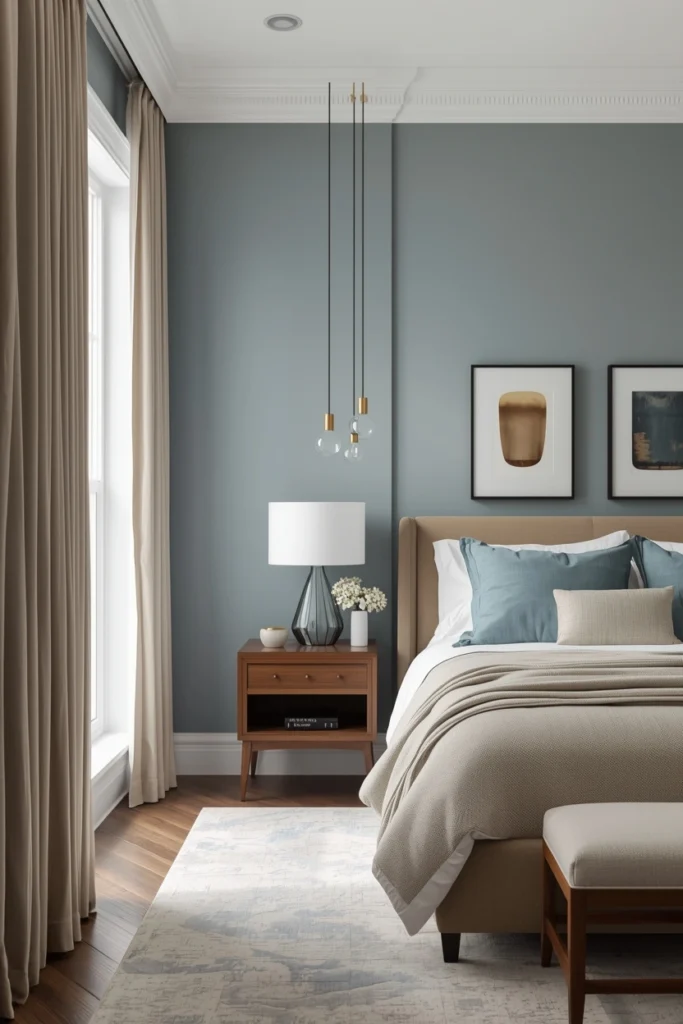
The first step in learning How To Choose The Perfect Color Palette For Any Room is defining how you want the space to feel. A bedroom may call for calm, restorative tones, while a dining room might benefit from warmth and richness. Identify the emotional goal before selecting a single shade. Color psychology plays a subtle but powerful role in shaping daily experience.
In sculptural decorating, mood guides structure. Soft blues and muted greens promote relaxation, while earthy neutrals create grounded comfort. Avoid choosing colors based solely on trends; instead, focus on longevity and alignment with function. When color supports purpose, the room feels intentional and harmonious rather than accidental or overstimulating.
2. Analyze Natural and Artificial Light
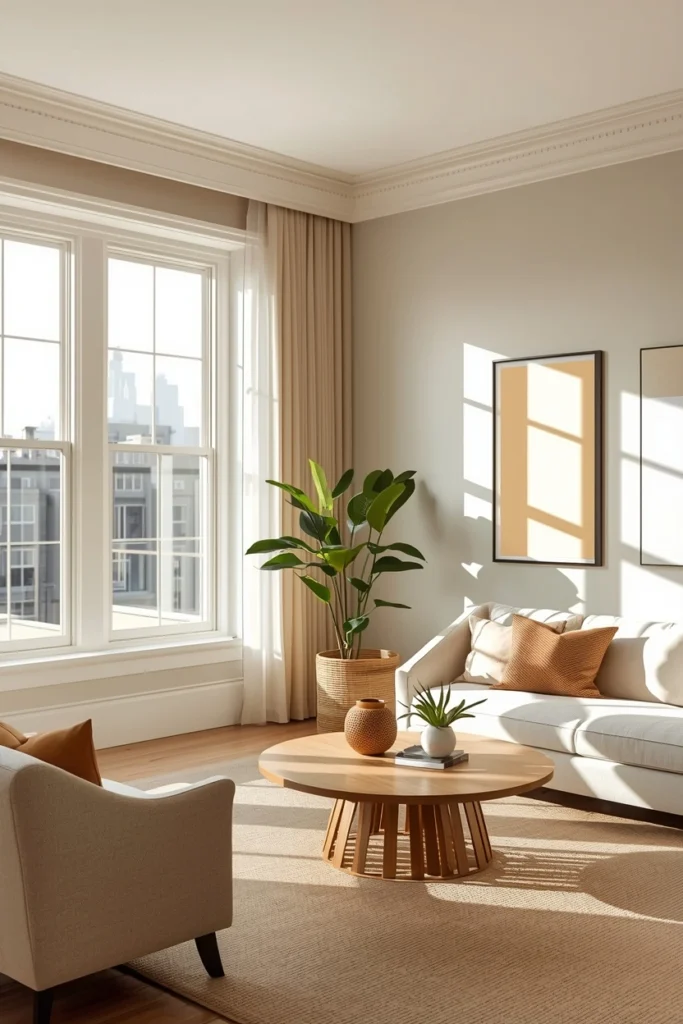
Light dramatically influences how color appears. Understanding lighting conditions is essential when exploring How To Choose The Perfect Color Palette For Any Room. North-facing rooms often have cooler light, which can make certain shades appear muted. South-facing rooms benefit from warmer sunlight, enhancing creamy and golden tones.
Test paint samples at different times of day to observe shifts in hue. In sculptural design, light and color work together to create depth. Avoid selecting colors in artificial showroom lighting alone. By evaluating both daylight and evening illumination, you ensure the palette remains balanced and flattering throughout the day.
3. Choose a Dominant Base Color
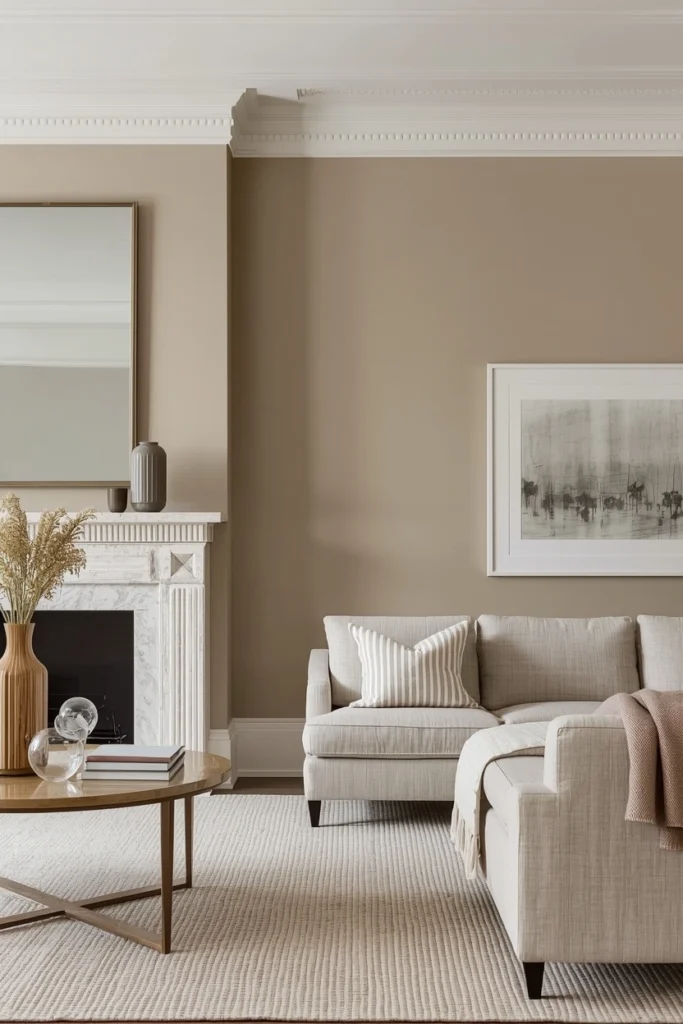
A strong foundation simplifies the process of How To Choose The Perfect Color Palette For Any Room. Begin with a dominant base color that covers the largest surfaces—usually walls or major furnishings. This shade sets the tone and provides continuity.
Neutral bases such as warm white, greige, soft taupe, or muted sage allow flexibility while maintaining sculptural elegance. Avoid overly saturated bases in small rooms unless intentionally dramatic. A cohesive base color unifies architectural elements, reducing visual fragmentation and creating a smooth spatial flow.
4. Apply the 60-30-10 Rule Thoughtfully
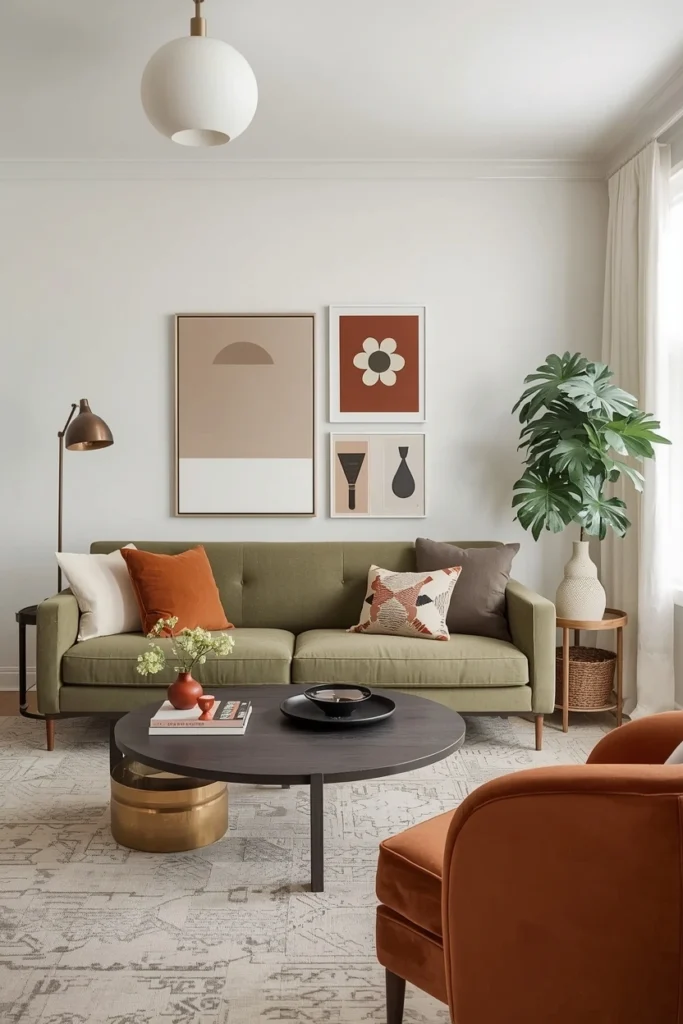
The 60-30-10 rule is a timeless strategy when learning How To Choose The Perfect Color Palette For Any Room. Allocate 60 percent to your dominant color, 30 percent to a secondary hue, and 10 percent to an accent shade. This structured approach ensures balance and prevents overwhelming contrasts.
In sculptural decorating, proportion matters as much as color choice. The secondary color may appear in upholstery or rugs, while the accent can emerge in art or decor. Maintain harmony by selecting tones within a similar temperature range. This framework keeps the palette cohesive and visually stable.
5. Use Undertones to Maintain Harmony
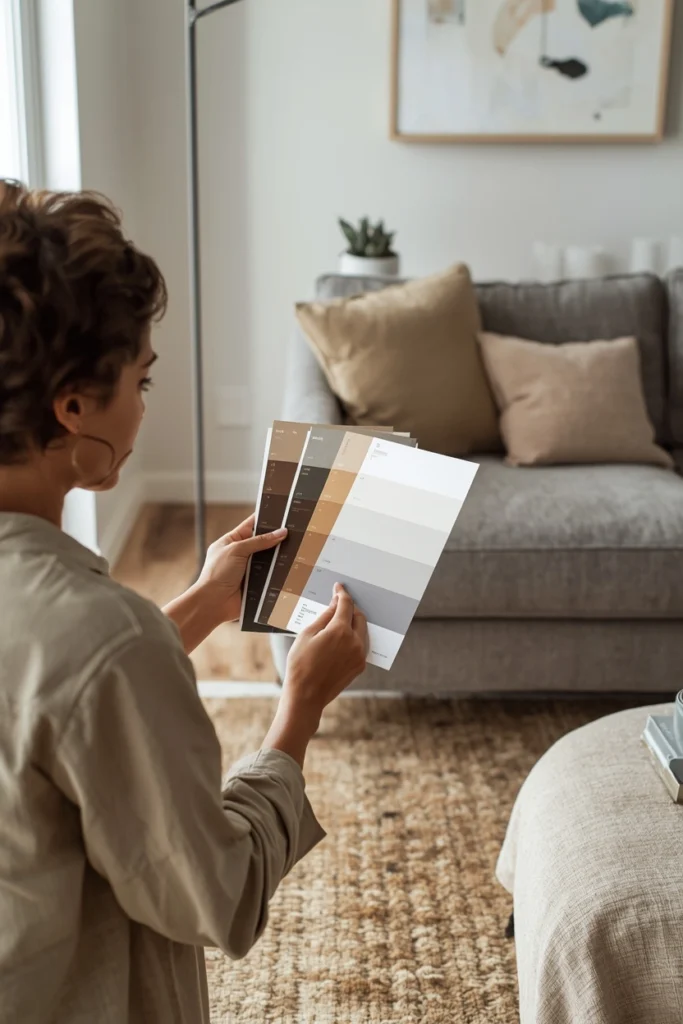
Understanding undertones is critical in mastering How To Choose The Perfect Color Palette For Any Room. Even neutral shades carry subtle warm, cool, or earthy undertones that affect cohesion. Mixing conflicting undertones can create visual tension.
Hold paint swatches against flooring, cabinetry, and large furniture pieces to identify compatibility. Sculptural harmony relies on subtle alignment rather than stark contrast. If your flooring has warm undertones, select complementary warm hues for walls and textiles. Consistent undertones ensure the palette feels intentional rather than mismatched.
6. Draw Inspiration From Existing Elements
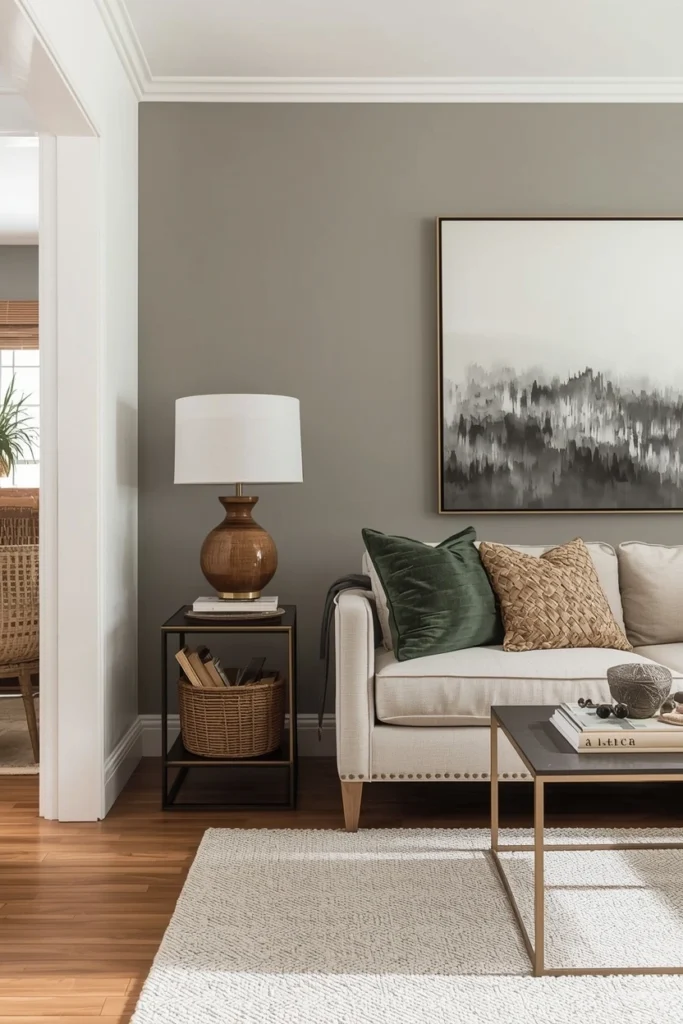
When deciding How To Choose The Perfect Color Palette For Any Room, look at permanent features first. Flooring, countertops, tile, or large furniture pieces should inform your choices. These elements anchor the palette and reduce guesswork.
Select colors that complement rather than compete with these fixtures. In sculptural design, continuity between architecture and decor creates visual calm. Pull secondary hues from subtle veining in stone or woven textiles. This method ensures your palette feels integrated and cohesive.
7. Layer Shades Within the Same Color Family
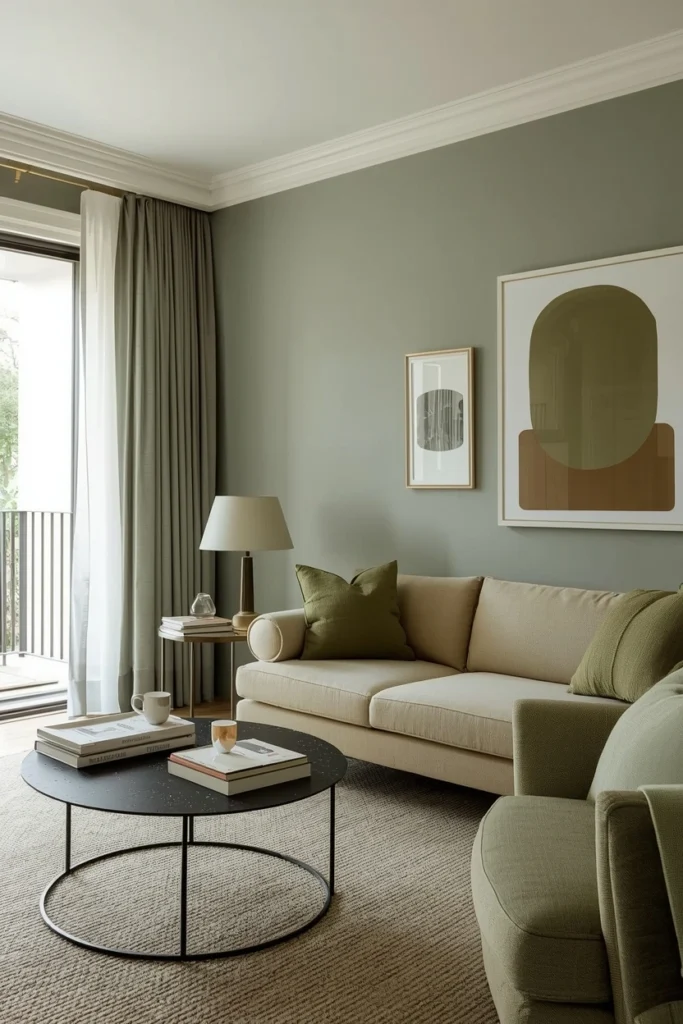
Monochromatic layering is an elegant approach to How To Choose The Perfect Color Palette For Any Room. Instead of mixing many contrasting colors, vary lightness and saturation within a single hue family. This creates depth without chaos.
For example, combine soft sage walls with deeper olive cushions and pale mint accents. Sculptural decorating values tonal layering for its subtle sophistication. The result is cohesive, calming, and visually expansive—especially effective in smaller spaces.
8. Introduce Contrast Through Texture, Not Just Color
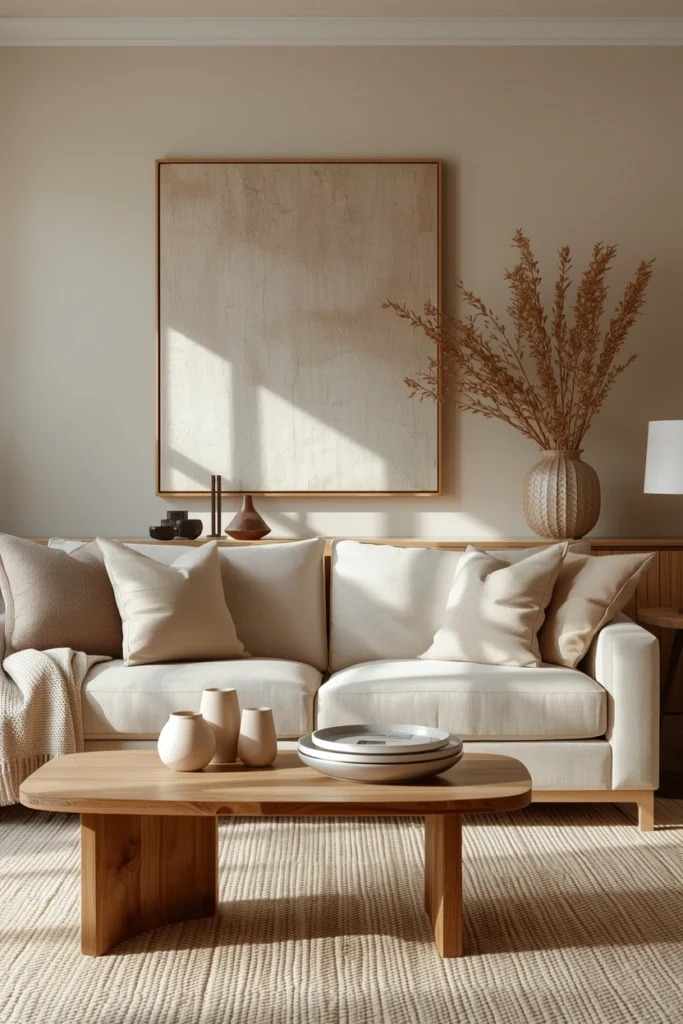
Contrast doesn’t always require bold hues. A refined strategy for How To Choose The Perfect Color Palette For Any Room involves introducing variation through texture. Linen, velvet, wood, metal, and stone add depth even within neutral palettes.
This sculptural technique maintains color cohesion while preventing flatness. For example, pair matte walls with glossy ceramics or woven textiles. The interplay of finishes enhances dimension without overwhelming the eye. Texture adds richness while preserving palette simplicity.
9. Consider the Flow Between Adjacent Rooms
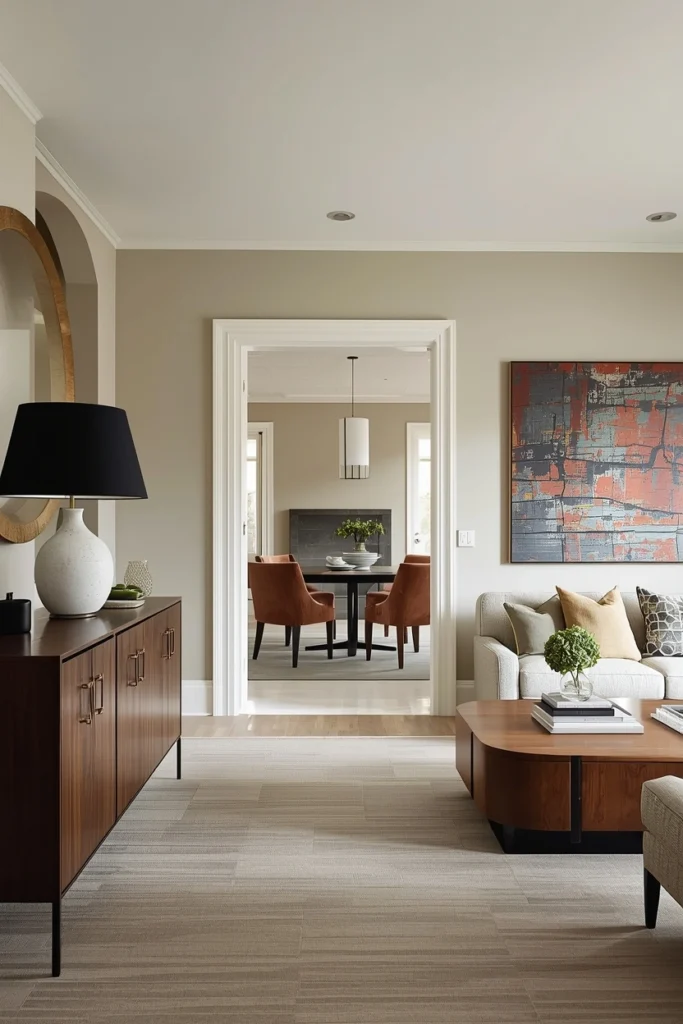
Color should transition smoothly between connected spaces. An essential part of How To Choose The Perfect Color Palette For Any Room is ensuring visual flow throughout the home. Abrupt shifts can disrupt harmony.
Choose complementary tones that relate to one another. Sculptural decorating values continuity and proportion. For open-concept layouts, maintain a consistent base color and vary accents subtly. This approach creates a seamless experience as you move from room to room.
10. Test Before Committing
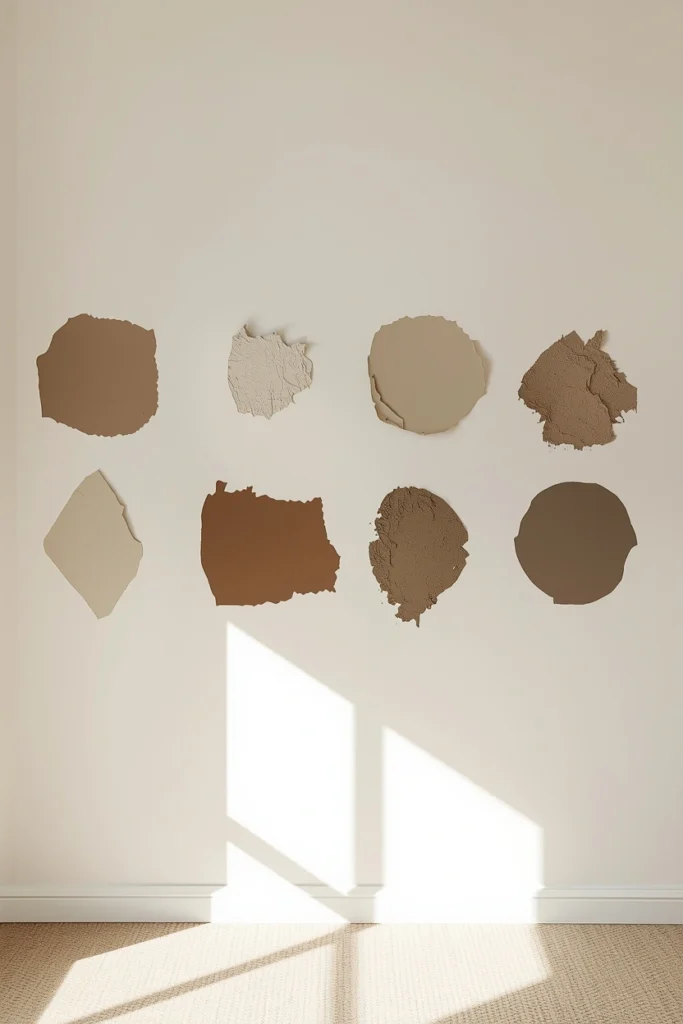
Finally, always sample before finalizing. Testing is a non-negotiable step in mastering How To Choose The Perfect Color Palette For Any Room. Paint small sections on multiple walls and observe them over several days.
Lighting, surrounding decor, and even weather can influence perception. Sculptural decorating emphasizes patience and precision. Sampling prevents costly mistakes and ensures confidence in your final decision. Taking time to test creates a more intentional and satisfying outcome.
Final Thoughts
Learning How To Choose The Perfect Color Palette For Any Room is less about memorizing rules and more about understanding balance, light, proportion, and emotion. When color aligns with purpose and architectural features, the entire space feels harmonious and complete.
By focusing on undertones, structured proportions, layered shades, and sculptural simplicity, you can confidently design rooms that feel cohesive and timeless. The perfect palette doesn’t shout—it supports, enhances, and elevates everything around it.