
12 Pantry Organization Ideas That Save Space
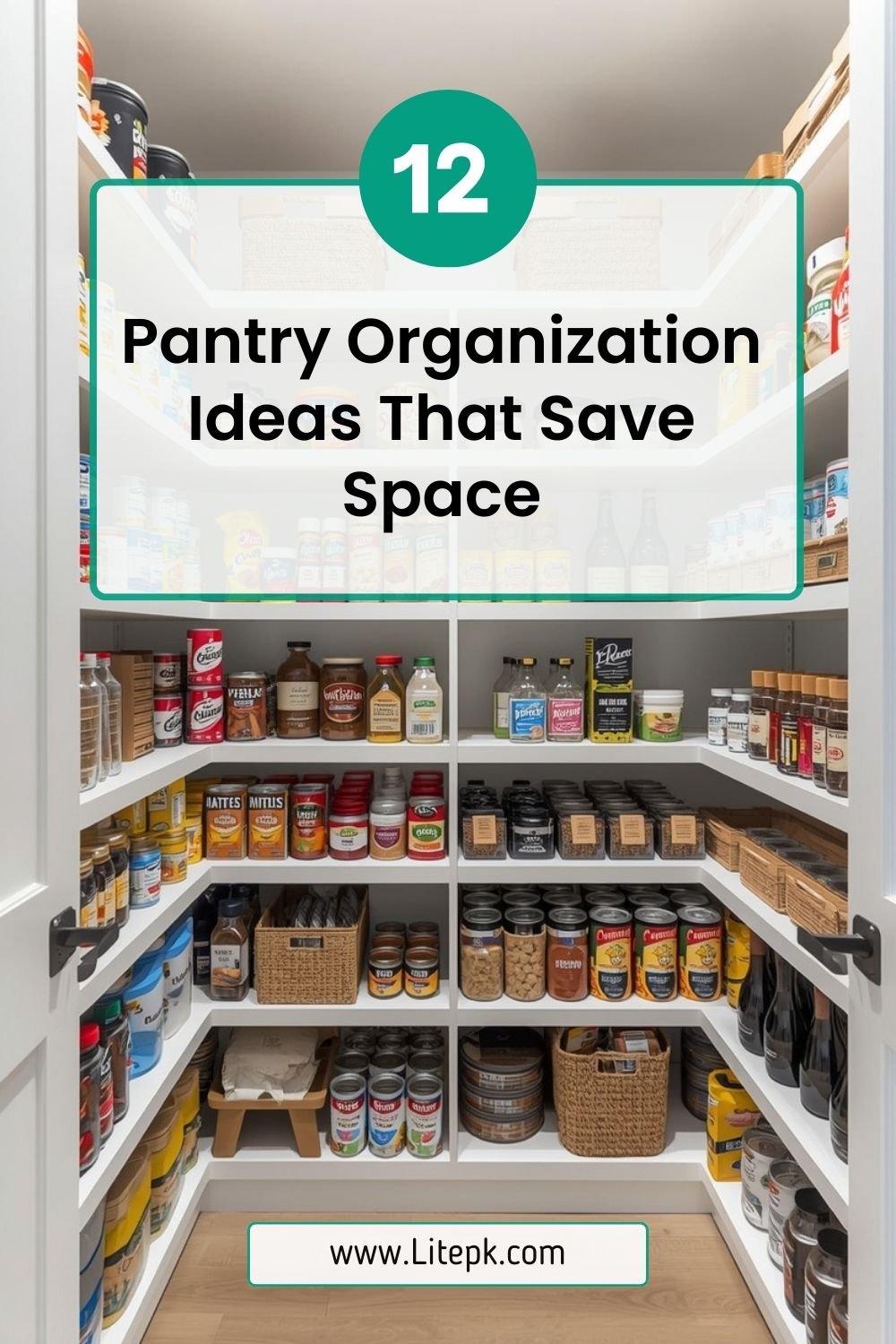
A well-organized pantry can completely transform the way your kitchen functions. Instead of digging through cluttered shelves and mismatched containers, a thoughtfully arranged pantry allows you to quickly find ingredients, reduce food waste, and maintain a calm cooking environment. Good pantry organization is not only about neatness—it’s about creating a system that maximizes space while making daily kitchen routines easier and more efficient.
Modern pantry design also embraces sculptural decorating principles, where organization tools double as design elements. Clean lines, layered textures, balanced storage containers, and intentional shelf styling can turn a simple pantry into a visually pleasing and practical space. These pantry organization ideas focus on space-saving strategies that work in small kitchens, apartments, and large homes alike while maintaining a stylish and cohesive look.
1. Clear Storage Containers for a Clean and Unified Pantry
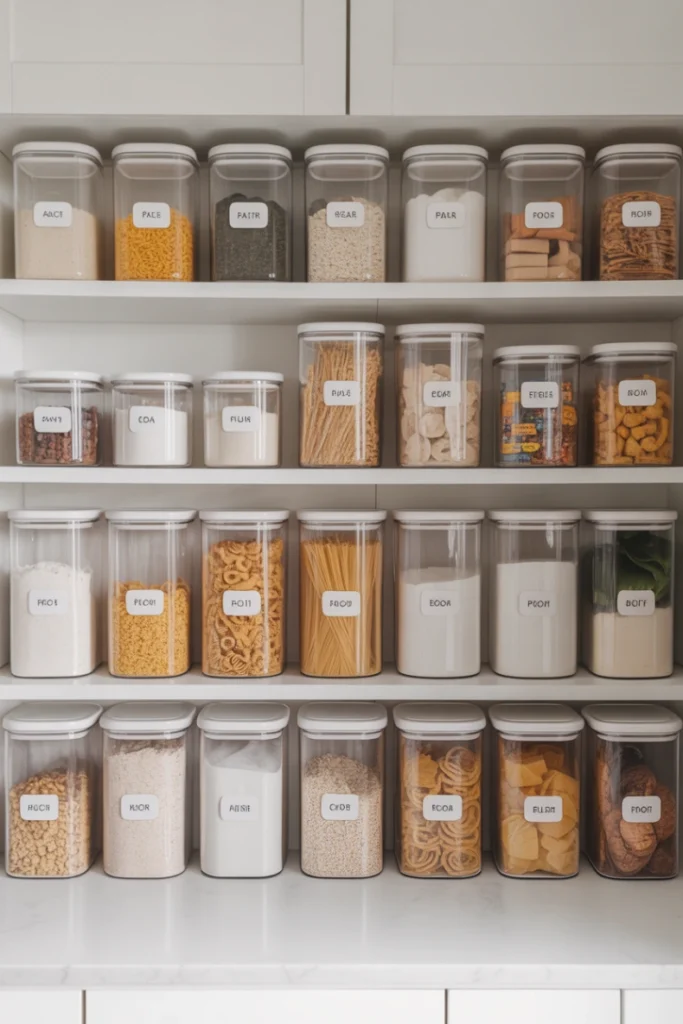
One of the most effective ways to improve pantry organization is by using clear storage containers. Transparent containers allow you to instantly see how much of each ingredient remains, which prevents overbuying and reduces food waste. Items like rice, pasta, flour, cereal, and snacks become easier to access when stored in uniform containers rather than bulky packaging.
From a sculptural decorating perspective, clear containers create visual harmony. When similar shapes and sizes are aligned across shelves, the pantry looks structured and balanced. Labeling each container further enhances organization while maintaining a minimalist aesthetic. This simple strategy transforms cluttered shelves into an orderly system that saves both time and space.
2. Vertical Shelf Dividers to Maximize Tall Pantry Space
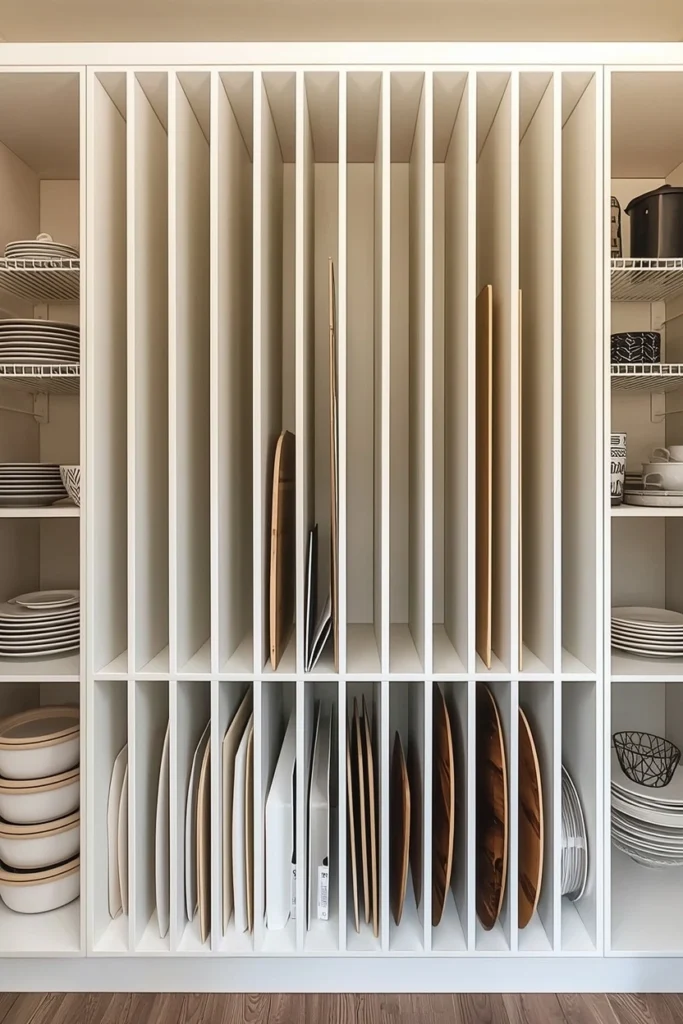
Vertical shelf dividers are a practical solution for making use of tall pantry shelves. Without dividers, large items like baking trays, cutting boards, and platters often end up stacked horizontally, creating unstable piles that waste valuable space. Dividers allow these items to be stored upright, making them easier to access.
In terms of pantry organization, vertical separation also improves visibility. Each category of item can have its own designated slot, preventing items from sliding into each other. The vertical lines of dividers introduce subtle architectural structure, aligning with sculptural decorating ideas that emphasize order, rhythm, and intentional design within functional spaces.
3. Pull-Out Pantry Drawers for Easy Access
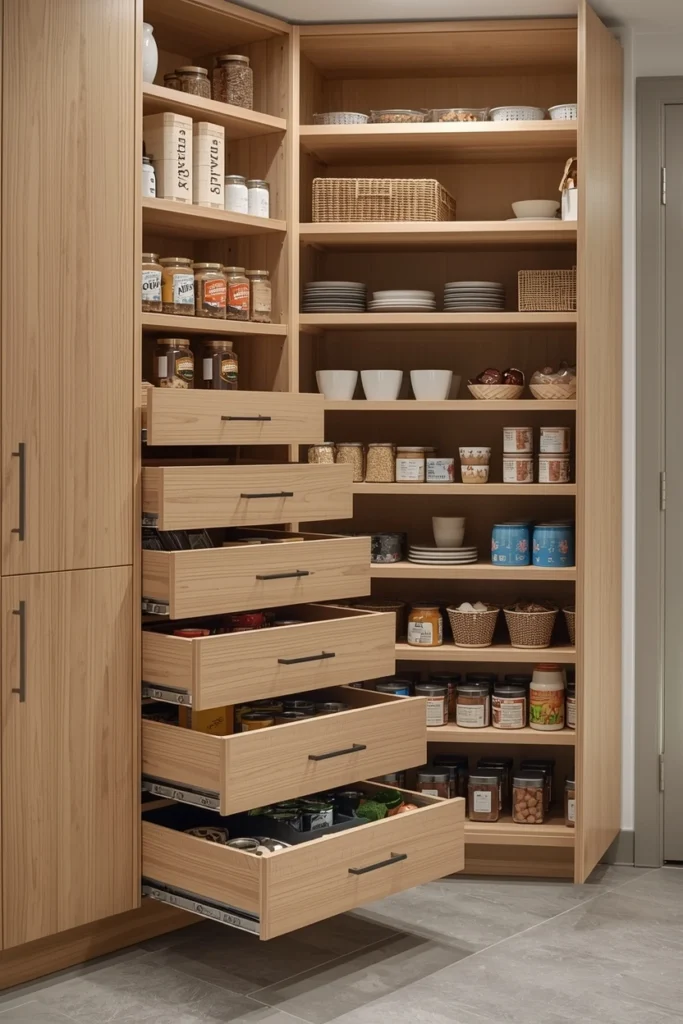
Pull-out drawers are one of the smartest upgrades for a well-organized pantry. Instead of reaching deep into shelves and losing items in the back, sliding drawers bring everything forward with a simple motion. This feature is particularly useful for storing canned goods, packaged snacks, and small cooking ingredients.
For efficient pantry organization, pull-out drawers create clear zones within the pantry. Each drawer can be assigned a category such as breakfast items, baking supplies, or canned vegetables. The layered drawer structure adds depth and dimension, reinforcing the sculptural approach to organization where every storage element contributes to both beauty and practicality.
4. Door-Mounted Storage Racks
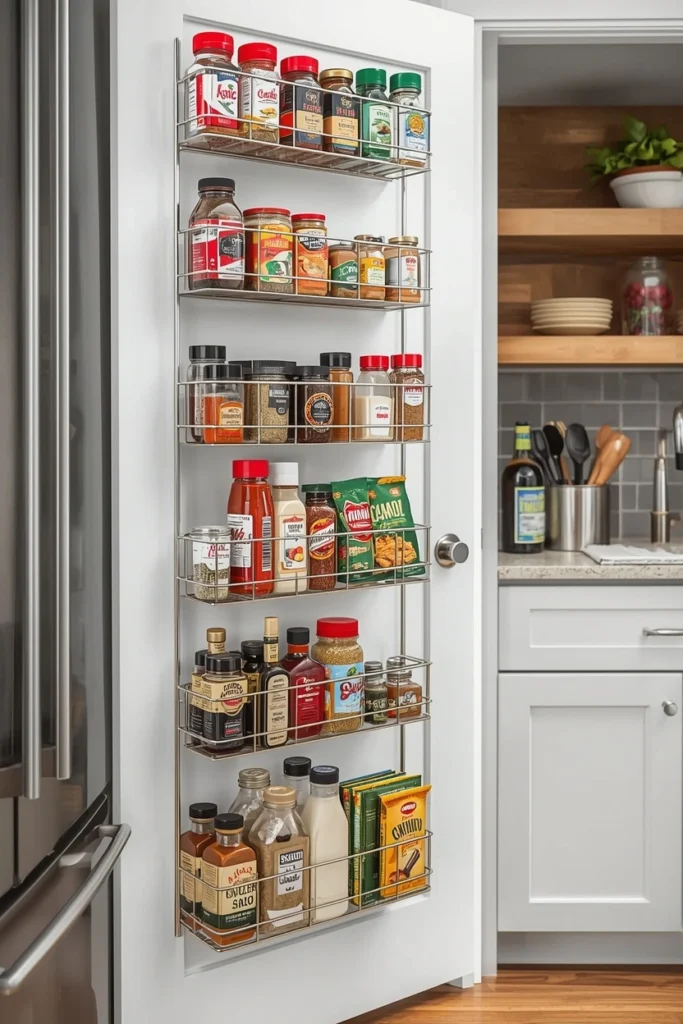
Pantry doors often contain unused storage potential. Door-mounted racks transform this overlooked area into valuable storage space for smaller items like spice jars, condiments, sauces, and snack packets. This keeps frequently used ingredients easily accessible while freeing up shelf space.
Effective pantry organization involves using every available surface thoughtfully. Door racks create a layered storage system that expands capacity without increasing the pantry footprint. From a design standpoint, evenly spaced racks create visual symmetry and maintain a tidy appearance that complements the overall kitchen aesthetic.
5. Tiered Shelf Organizers for Canned Goods
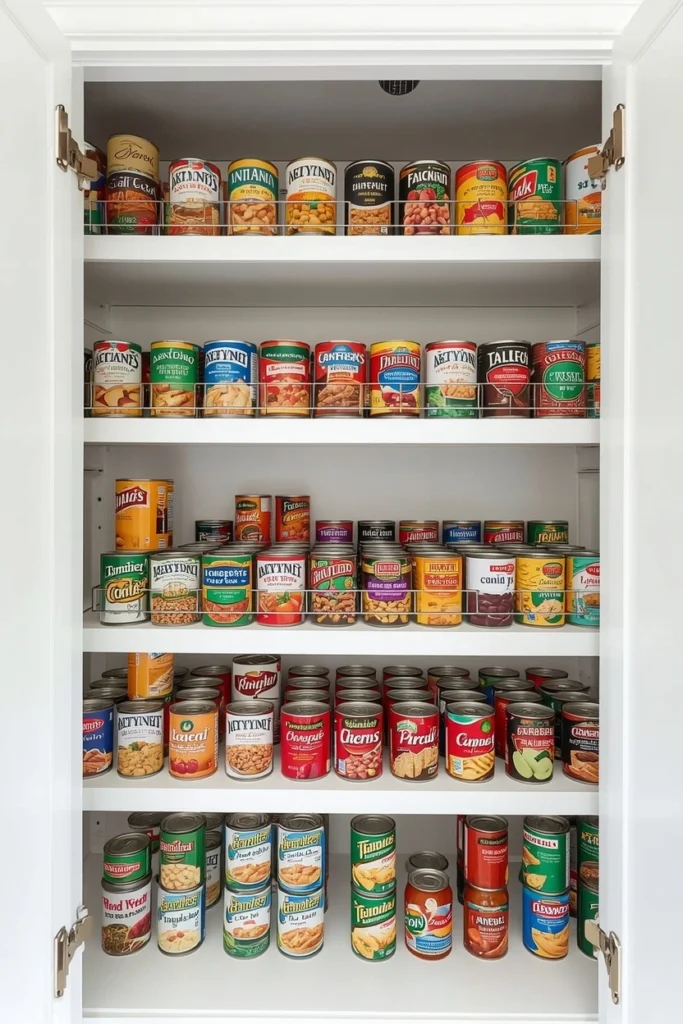
Canned goods are essential pantry staples, but they can quickly create clutter if stacked randomly. Tiered shelf organizers elevate items in rows so that each can remains visible. This arrangement ensures nothing gets lost at the back of the shelf.
For efficient pantry organization, tiered displays allow you to categorize canned foods by type—vegetables, soups, beans, or sauces. The stepped arrangement also introduces visual depth within the pantry. By turning practical storage into a structured display, the shelves achieve a clean and sculptural look that blends organization with design.
6. Lazy Susans for Corner Pantry Shelves
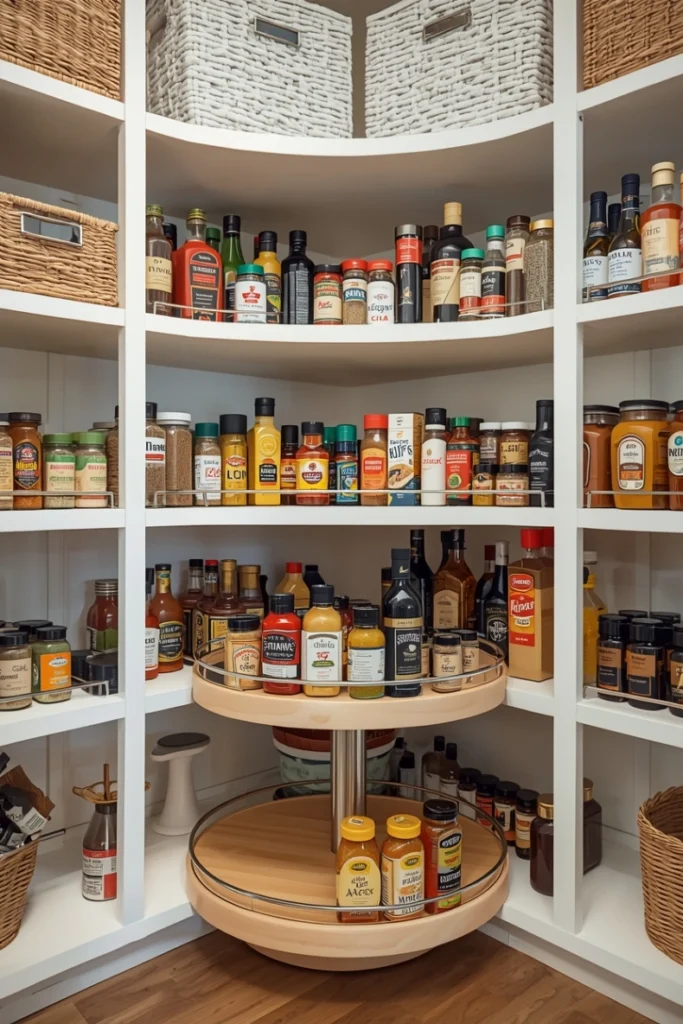
Corner shelves in a pantry often become difficult to access, leading to wasted space. A lazy susan, or rotating turntable, solves this problem by allowing items to spin forward with a simple turn. This design works especially well for spices, sauces, oils, and small jars.
Using rotating trays enhances pantry organization by making every item reachable without rearranging the shelf. The circular motion also introduces a dynamic sculptural element within the pantry layout. Instead of static rows, the rotating platform adds movement and efficiency while maintaining a tidy appearance.
7. Woven Baskets for Grouping Pantry Items
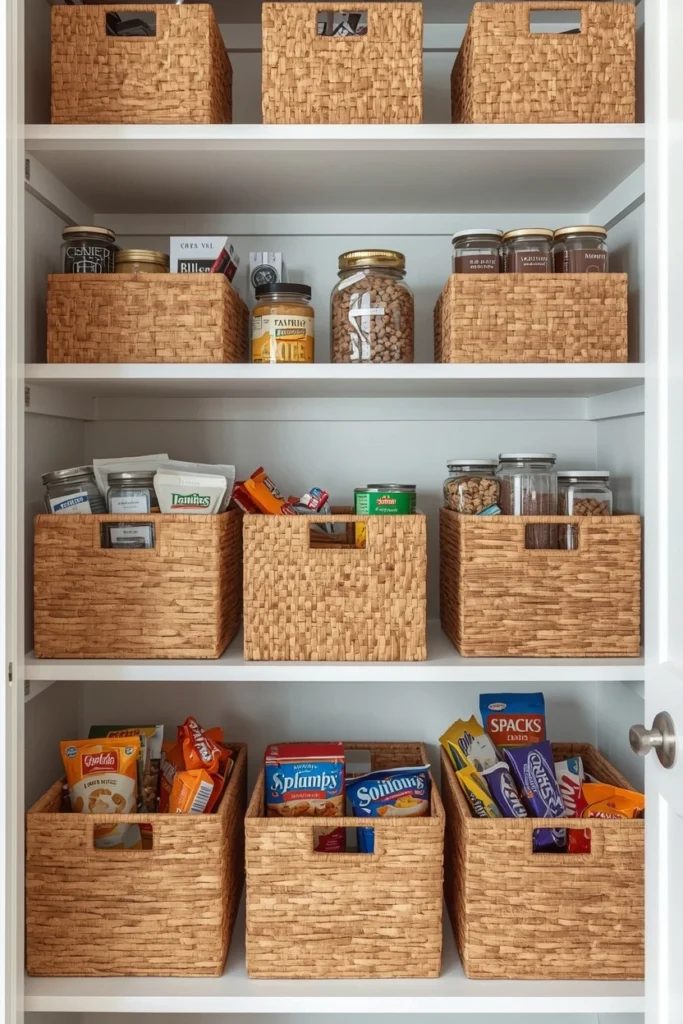
Baskets are a versatile tool for grouping similar pantry items together. Snacks, baking supplies, and breakfast foods can each have their own basket, preventing small packages from scattering across shelves. Woven baskets also add texture and warmth to pantry design.
In pantry organization, baskets create flexible storage zones that can easily adapt to changing needs. Their natural materials introduce visual contrast against smooth shelves and containers. This combination of texture and function aligns with sculptural decorating principles, where storage solutions contribute to the overall aesthetic harmony of the space.
8. Labeling Systems for Consistent Pantry Structure
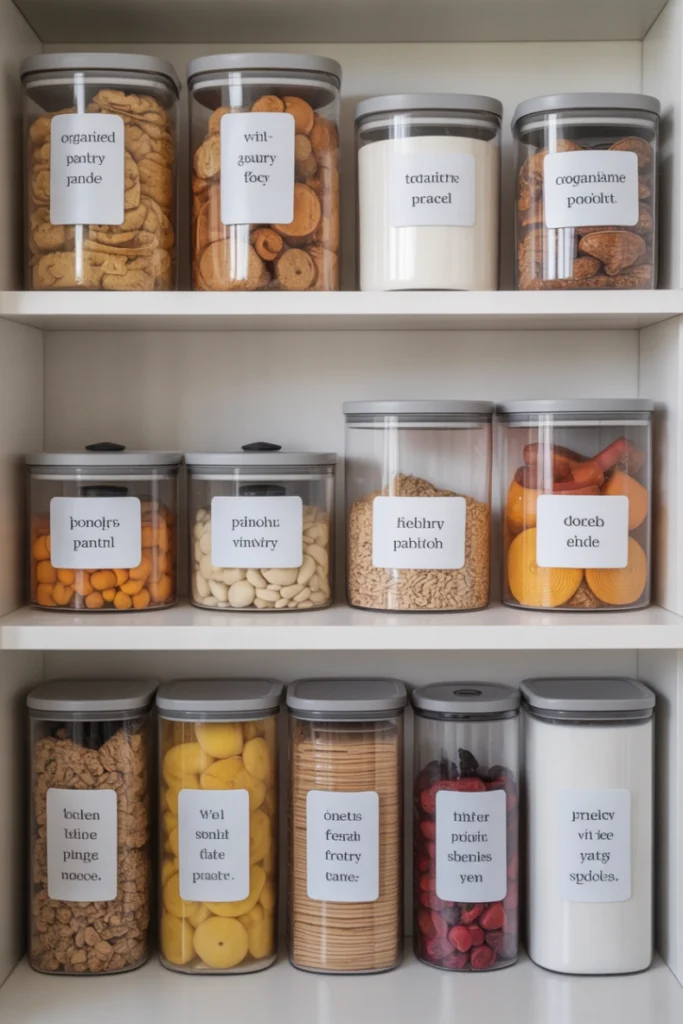
Labels are one of the simplest yet most powerful pantry organization tools. Clearly labeled containers ensure every item has a designated place, making it easier for household members to maintain order.
In well-designed pantry organization, labeling also contributes to visual consistency. Uniform typography, matching label styles, and aligned placement create a cohesive system across shelves. This attention to detail reflects the sculptural decorating mindset, where even functional elements like labels contribute to the visual balance of the space.
9. Adjustable Shelving for Flexible Pantry Storage
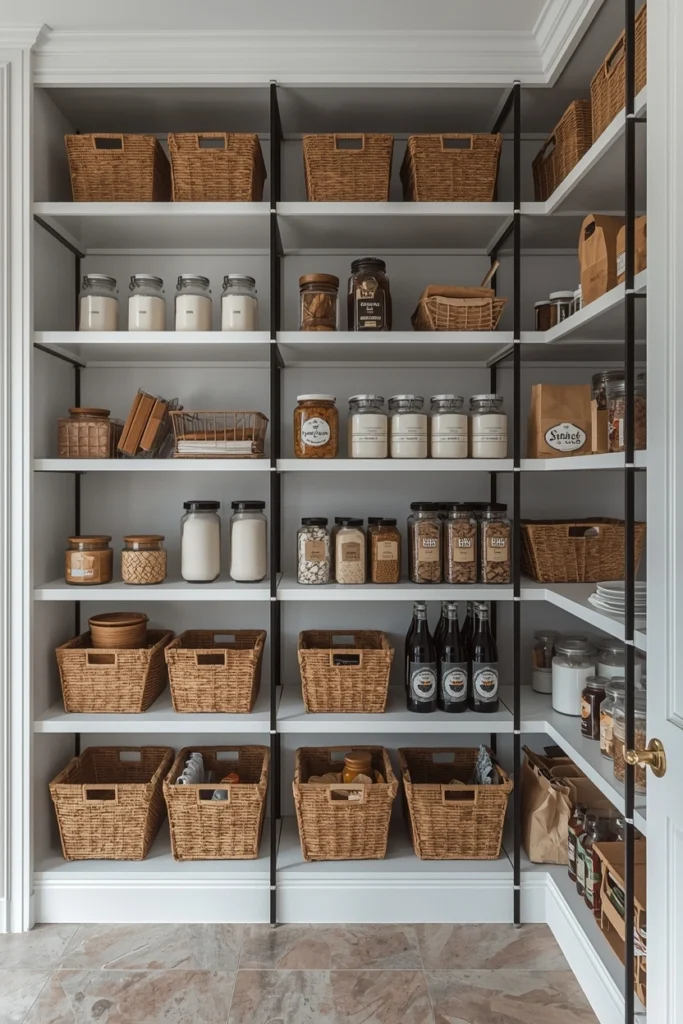
Not all pantry items are the same size, which is why adjustable shelving is essential. Being able to move shelves up or down allows you to create the perfect spacing for tall bottles, bulk containers, or stacked jars.
Flexible shelving improves pantry organization by adapting to changing storage needs over time. It also prevents wasted vertical space between shelves. The modular arrangement creates a structured yet adaptable environment, reinforcing sculptural design ideas that balance practicality with visual harmony.
10. Slim Rolling Pantry Carts
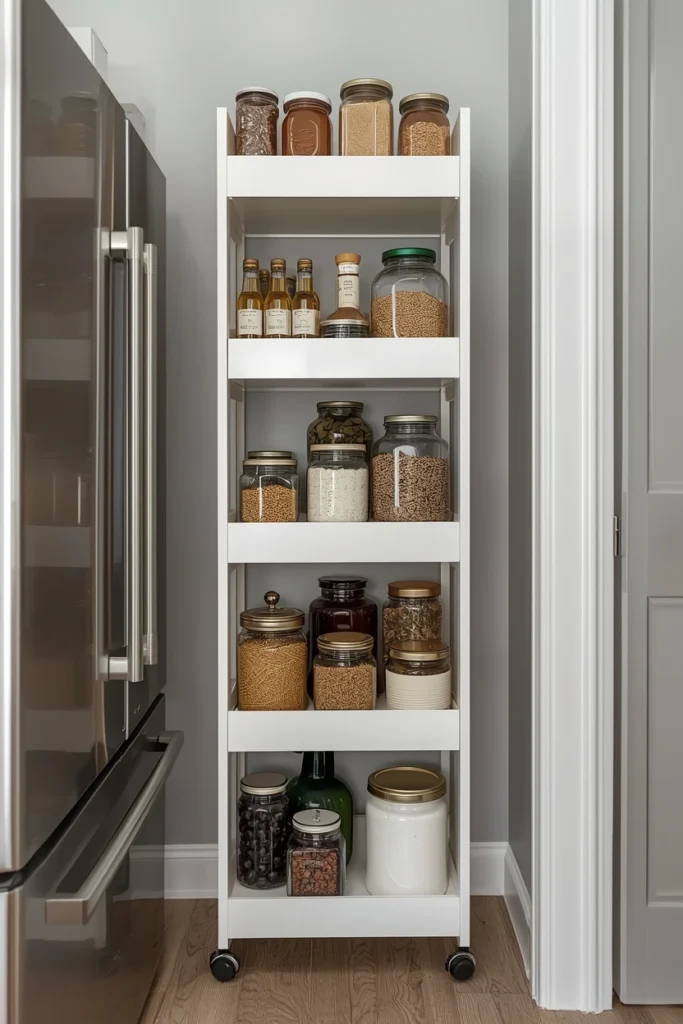
A rolling pantry cart is an excellent solution for kitchens with limited storage. These slim carts can slide between appliances or cabinets while providing multiple shelves for pantry items.
For effective pantry organization, rolling carts allow you to expand storage without remodeling the kitchen. They also keep frequently used ingredients within reach during cooking. Their vertical structure and mobility introduce both efficiency and modern design appeal, aligning with the concept of functional sculptural storage.
11. Glass Jars for Dry Goods Display
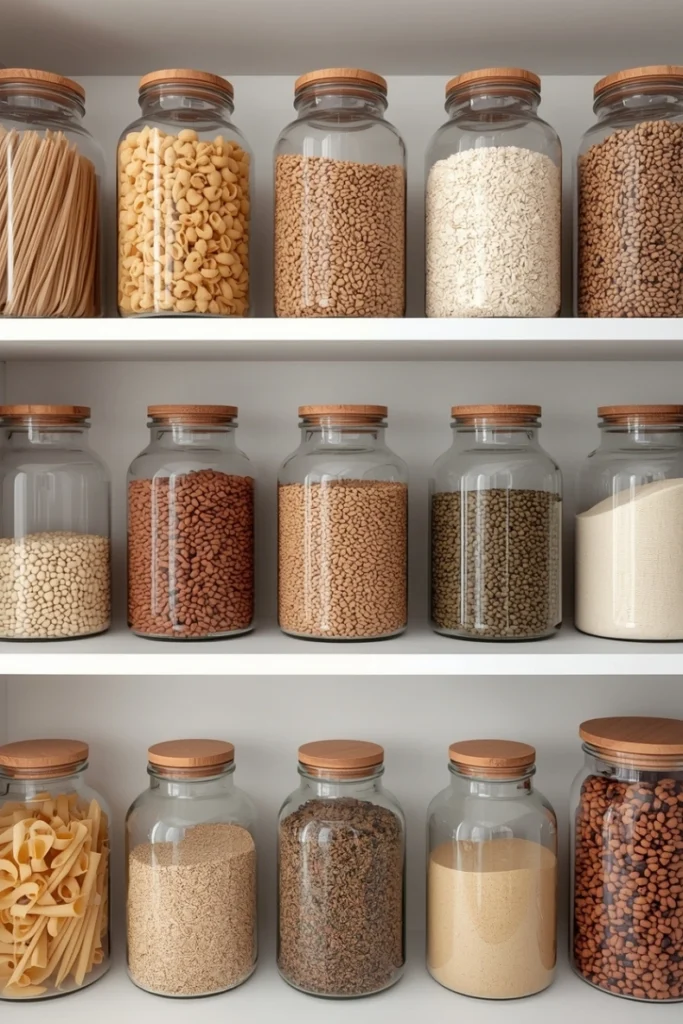
Glass jars offer both practicality and aesthetic value in a pantry. Storing dry goods such as pasta, grains, lentils, and beans in glass containers protects them while making them easy to identify.
From a pantry organization perspective, glass jars create a visually pleasing arrangement when grouped by size or ingredient type. The natural colors of the foods become part of the display, adding subtle visual interest. This method reflects sculptural decorating ideas where everyday items become part of the design composition.
12. Zone-Based Pantry Layout
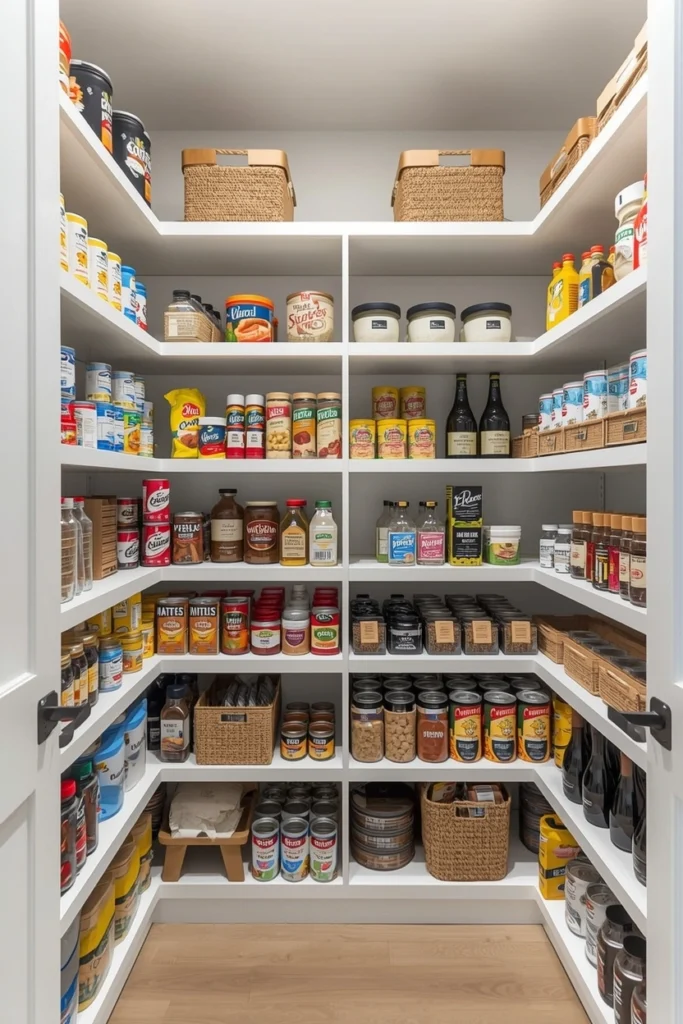
A zone-based layout is one of the most efficient ways to maintain long-term pantry organization. Instead of placing items randomly, the pantry is divided into clear sections such as baking ingredients, snacks, canned goods, breakfast foods, and cooking essentials.
This system ensures that every item has a logical home. It also simplifies grocery restocking and meal preparation. Within sculptural decorating principles, zoning creates structure and visual balance across the pantry. When each section is thoughtfully arranged, the entire space feels calm, functional, and intentionally designed.
Conclusion
An organized pantry is more than just a tidy storage area—it’s a system that supports a smoother and more enjoyable cooking experience. By using smart solutions like clear containers, tiered organizers, pull-out drawers, baskets, and labeling systems, even a small pantry can become highly efficient and visually appealing.
These pantry organization ideas demonstrate how thoughtful design and strategic storage can maximize space while maintaining a clean and harmonious kitchen environment. When organization tools are chosen carefully and arranged intentionally, the pantry becomes a functional extension of the kitchen’s overall design.