17 Organic Texture Home Decor Ideas Designers Love

Organic textures are the secret behind spaces that feel warm, layered, and effortlessly inviting. Instead of relying on bold colors or excessive decor, designers are increasingly turning to natural materials and tactile finishes to create interiors that feel grounded, calm, and visually rich.
If you want your home to feel modern yet timeless, embracing organic textures home decor is one of the most effective strategies. This guide explores 17 designer-approved ideas that focus on layering natural materials, adding depth, and creating a balanced, lived-in aesthetic that feels both elevated and comfortable.
1. Linen Upholstery for Soft Elegance
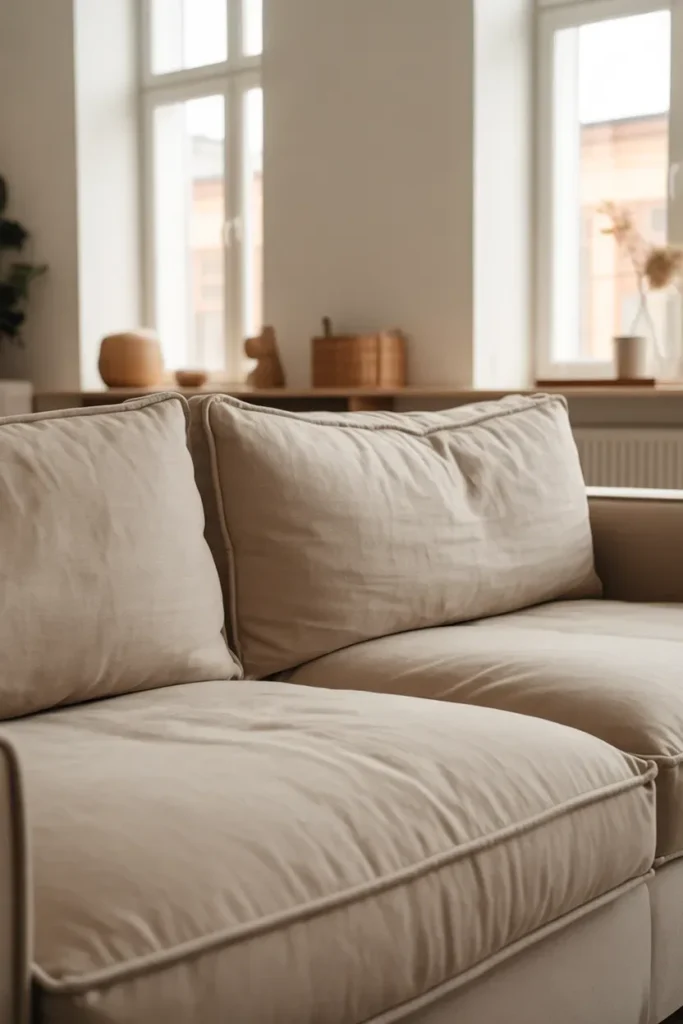
Linen is one of the most loved materials in organic textures home decor due to its breathable quality and subtle texture. Its slightly wrinkled finish adds a relaxed, effortless charm that feels natural rather than overly polished. A linen-upholstered sofa or armchair instantly softens a space while maintaining a refined look.
Designers often pair linen with neutral palettes to enhance its understated elegance. Light beige, ivory, and soft gray tones work best to highlight the fabric’s texture. Over time, linen develops character, making it an ideal choice for homes that embrace a lived-in, organic aesthetic.
2. Raw Wood Furniture With Visible Grain
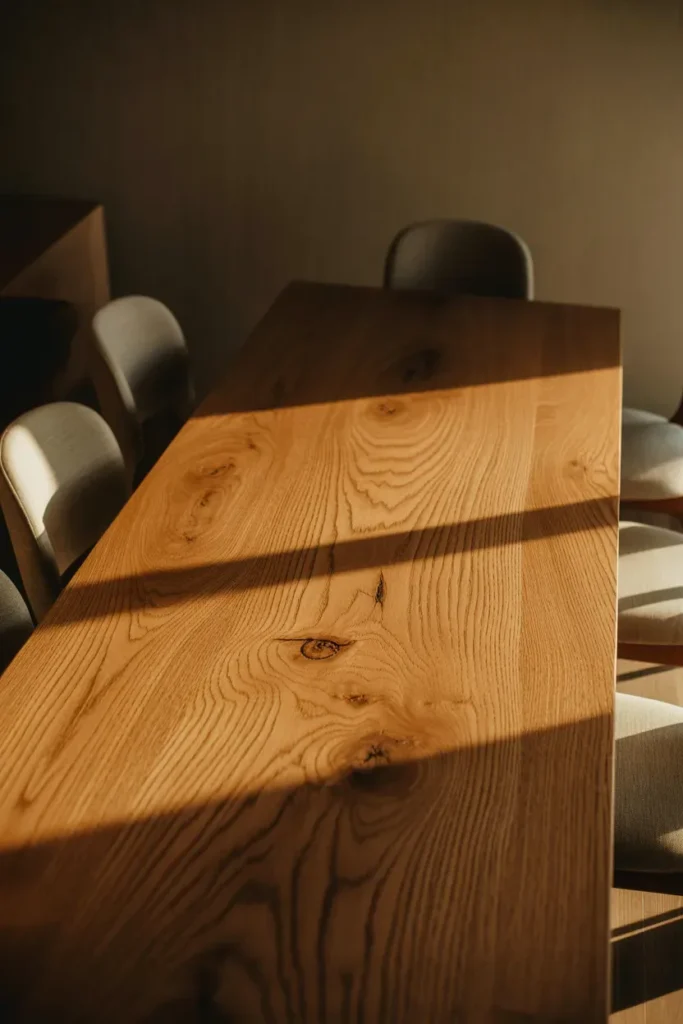
Raw wood introduces warmth and authenticity into interiors. Pieces with visible grain patterns and natural imperfections add character and depth that manufactured finishes cannot replicate. Coffee tables, dining tables, and shelving made from oak, walnut, or reclaimed wood work especially well.
To maintain balance, keep surrounding elements simple and neutral. The richness of wood grain becomes the focal point without overwhelming the space. This approach creates a harmonious blend of rustic charm and modern sophistication.
3. Woven Baskets for Functional Texture
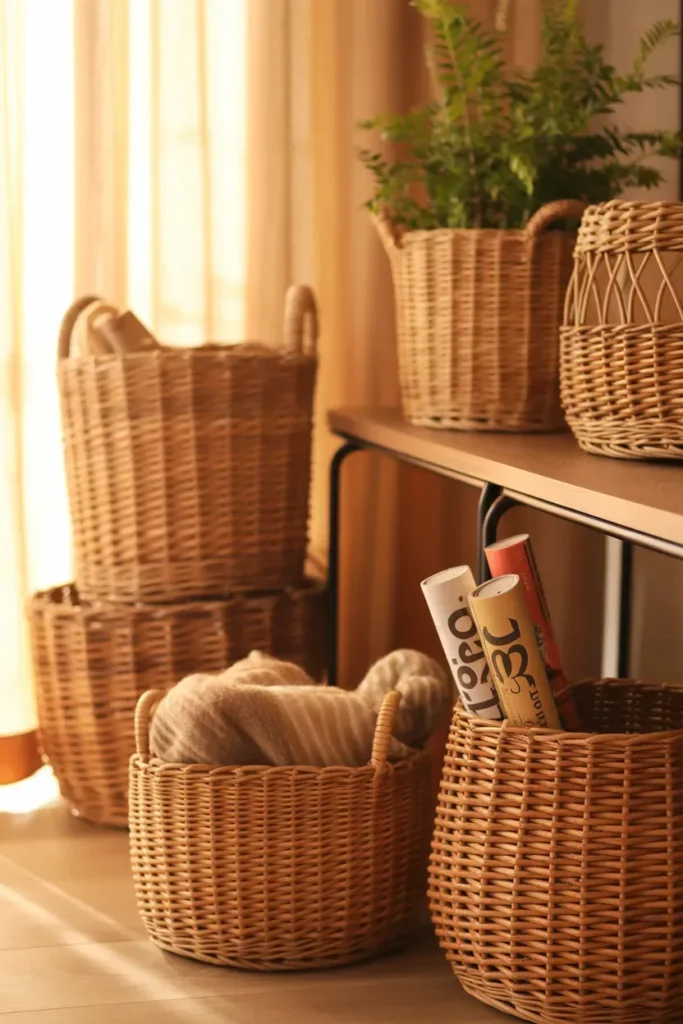
Woven baskets are both practical and decorative, making them a staple in organic textures home decor. Made from materials like rattan, seagrass, or jute, they add tactile interest while providing storage solutions.
Use baskets to store blankets, magazines, or plants. Their natural fibers bring warmth and break up smooth surfaces like wood or metal. Grouping baskets of different sizes creates a layered and visually appealing arrangement.
4. Layered Jute and Wool Rugs
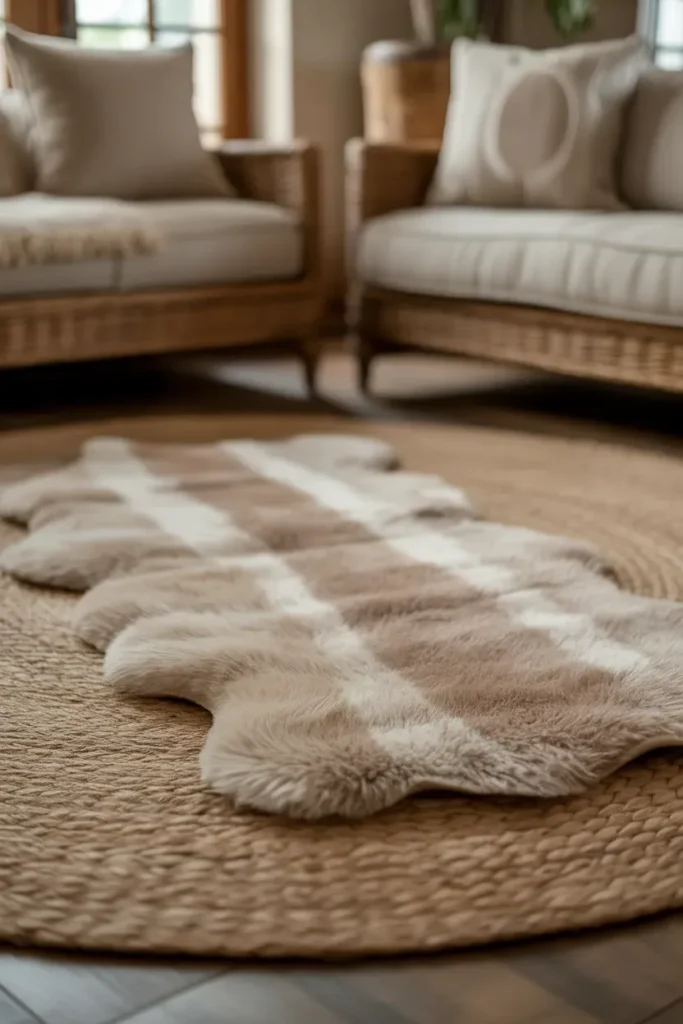
Rugs are essential for grounding a room, and layering them enhances texture and depth. Start with a jute rug as the base for its earthy, coarse texture, then layer a softer wool rug on top for contrast.
This combination creates a balanced look that feels both rustic and refined. Stick to neutral tones to maintain cohesion. Layered rugs add warmth underfoot while visually anchoring the space.
5. Stone and Marble Accents
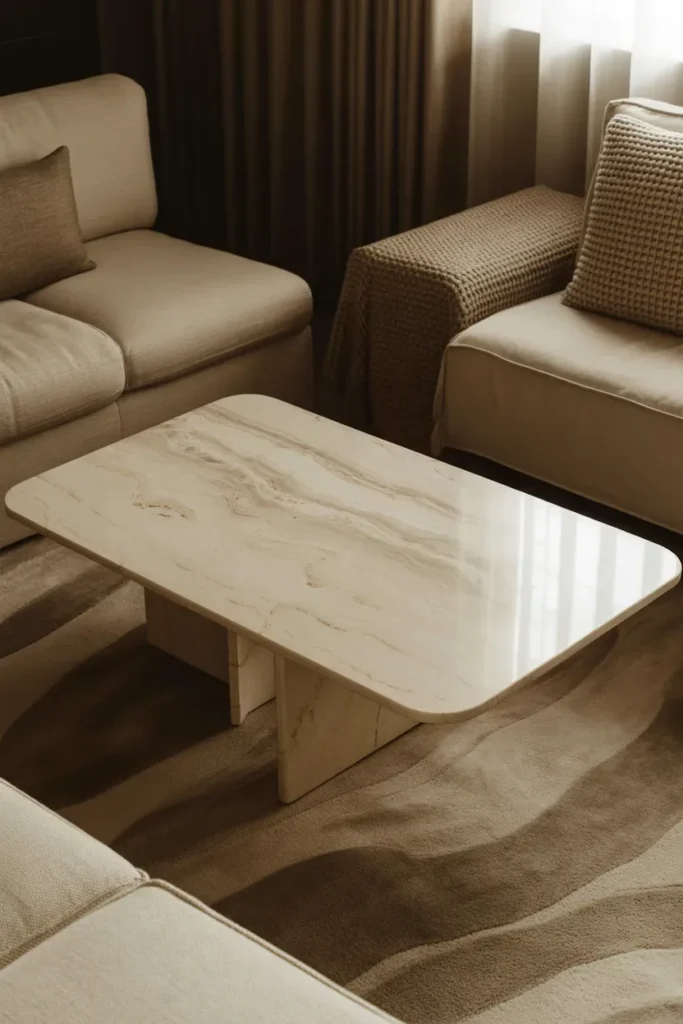
Natural stone elements like marble and travertine add a luxurious yet organic touch. Their subtle variations in color and pattern make each piece unique.
Incorporate stone through coffee tables, countertops, or decorative objects. Pairing stone with softer textures like linen or wool creates a balanced contrast that feels sophisticated and grounded.
6. Clay and Terracotta Decor
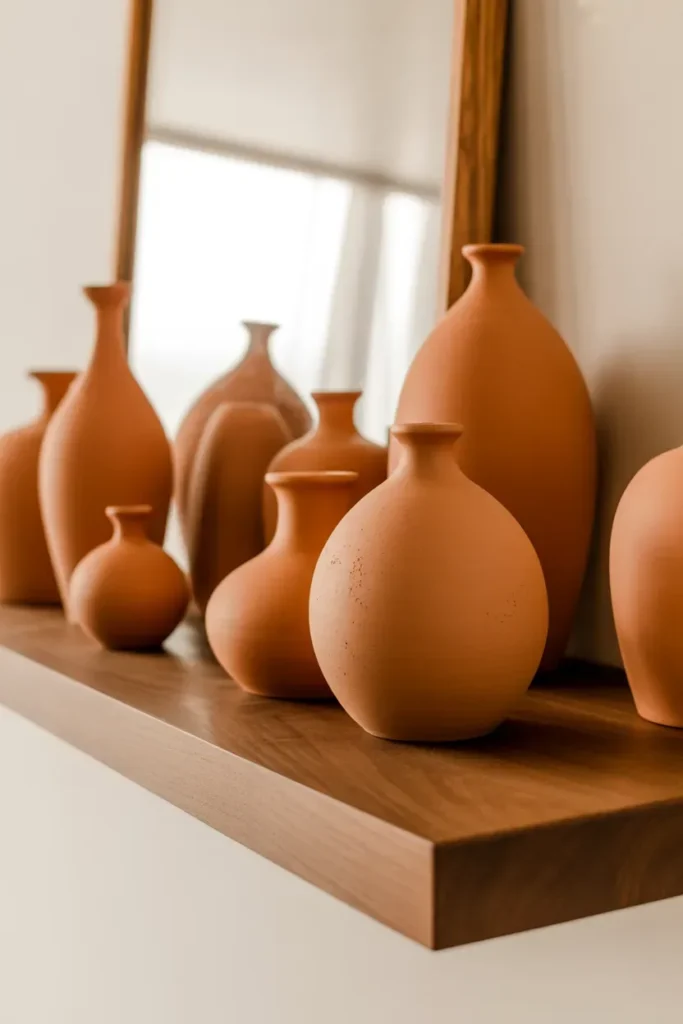
Clay and terracotta pieces bring warmth and earthy tones into interiors. Their matte finishes and handcrafted look add authenticity and character.
Use vases, planters, or bowls in muted terracotta shades. These pieces work well as standalone decor or grouped together for a curated display. Their natural imperfections enhance the organic feel.
7. Textured Wall Finishes
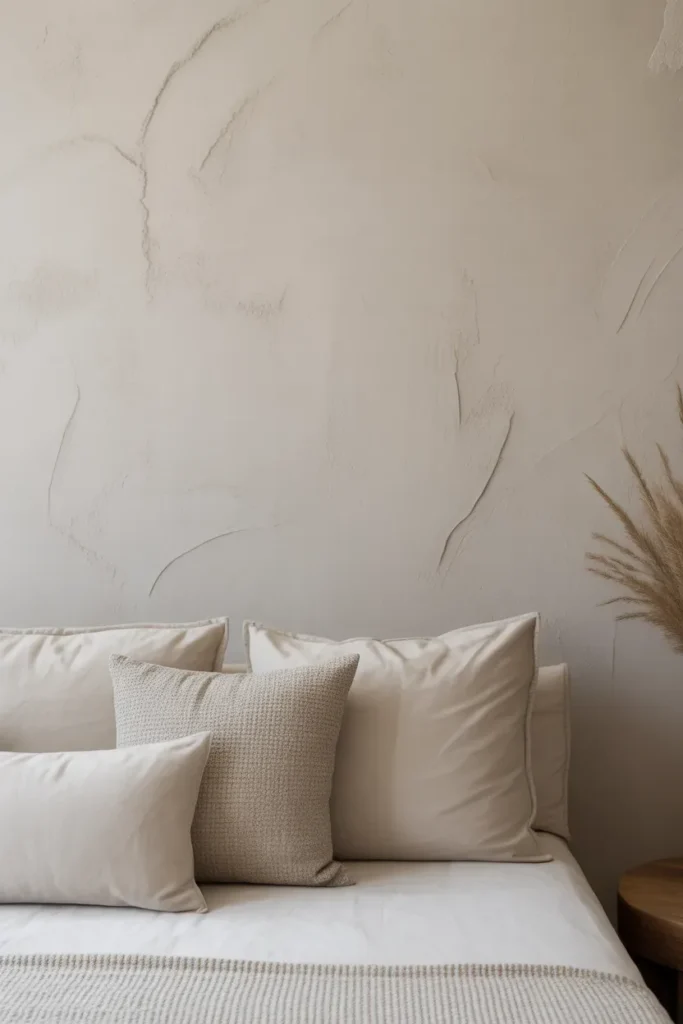
Walls don’t have to be flat. Textured finishes like limewash, plaster, or textured paint add depth and softness to a space.
These finishes create subtle variations that catch light beautifully, enhancing the overall ambiance. Neutral tones work best to maintain a calm and cohesive look.
8. Boucle Fabric Accents
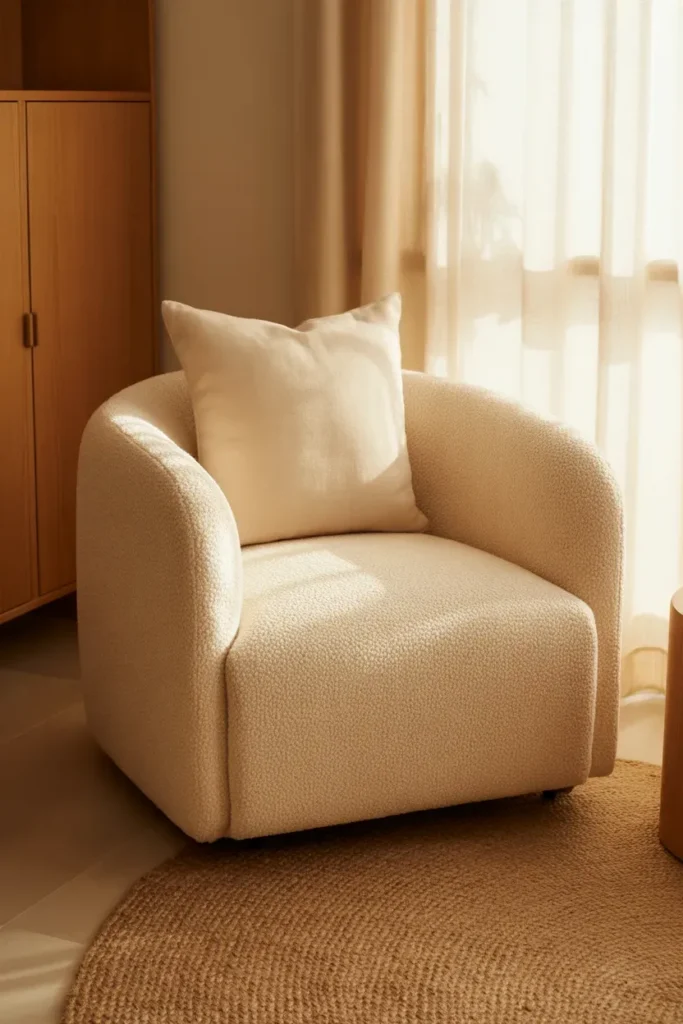
Boucle fabric has a soft, looped texture that adds instant coziness. It’s commonly used in chairs, ottomans, and cushions.
Its tactile quality contrasts beautifully with smoother surfaces, creating visual interest. Keep colors neutral to maintain a refined and cohesive look.
9. Natural Fiber Curtains
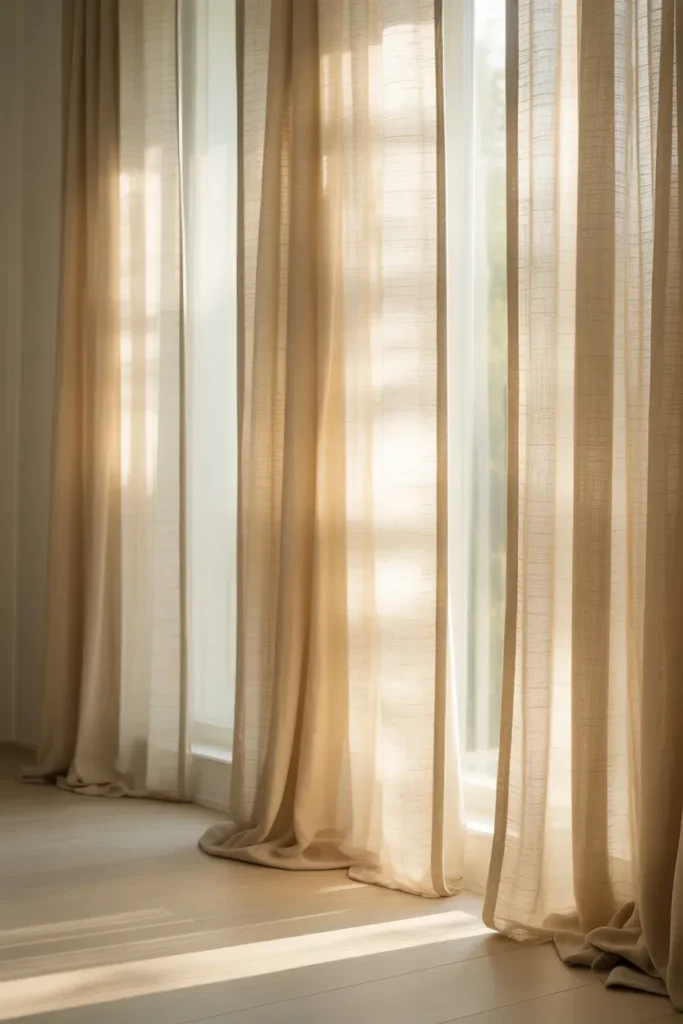
Curtains made from linen or cotton add softness and movement to a room. Their lightweight texture allows natural light to filter through gently.
Floor-length curtains in neutral tones enhance the height of a space while maintaining an airy feel. They contribute to a relaxed yet polished look.
10. Handcrafted Ceramic Pieces
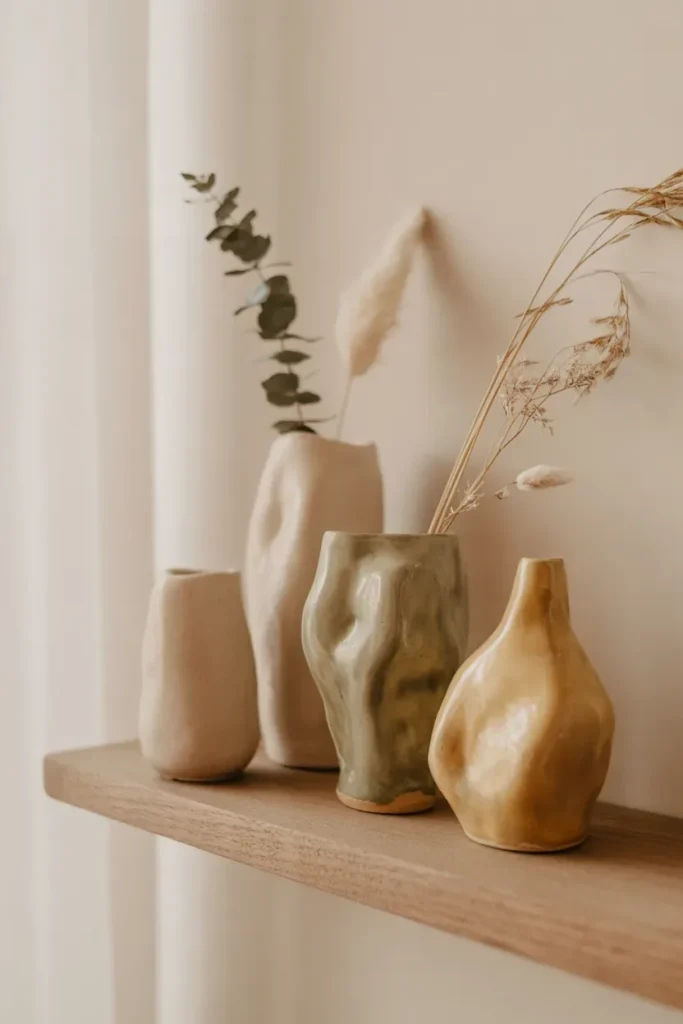
Handmade ceramics add individuality and artistry. Their imperfect shapes and finishes create a sense of authenticity.
Use them as decor accents or functional pieces. Grouping ceramics in similar tones creates a cohesive and curated display.
11. Leather Accents for Warmth
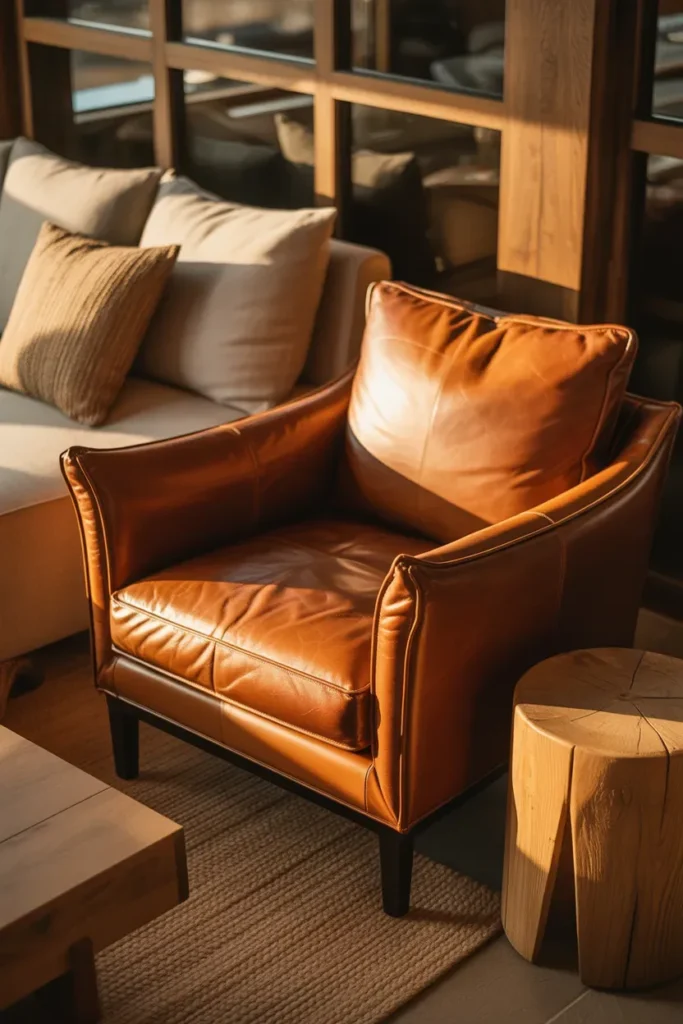
Leather adds richness and depth to interiors. Opt for soft, natural finishes in warm tones like tan or caramel.
Use leather in chairs, cushions, or small decor items. Its smooth texture contrasts beautifully with rougher materials like wood or jute.
12. Indoor Plants for Natural Texture
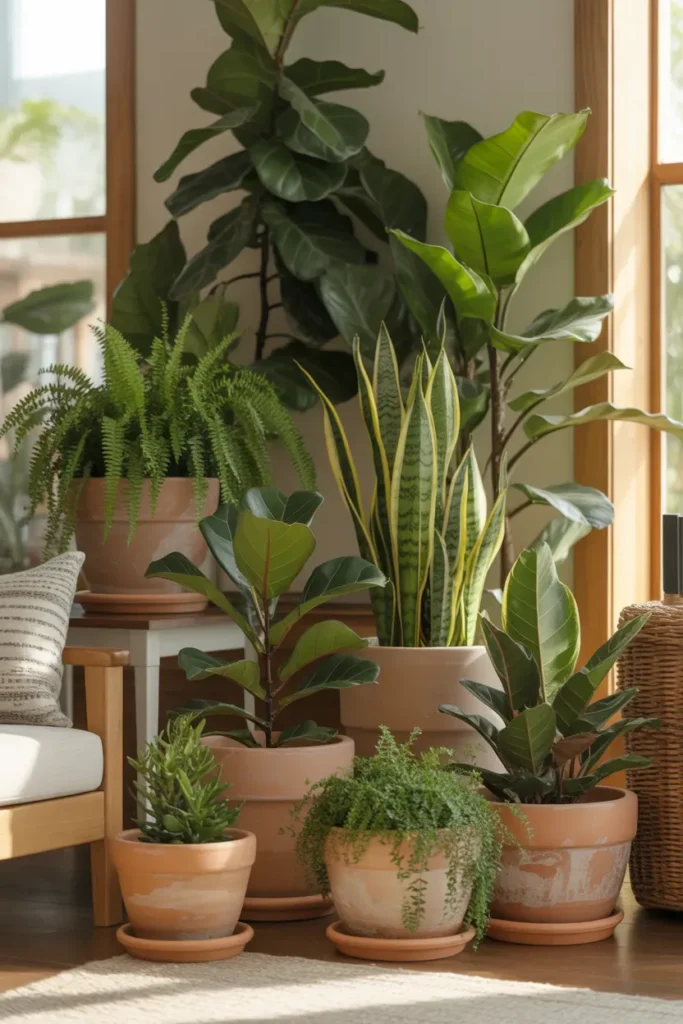
Plants introduce living texture and freshness. Their organic shapes and colors enhance the overall aesthetic.
Choose plants with varied leaf shapes and sizes. Pair them with natural pots to maintain consistency.
13. Layered Throw Blankets
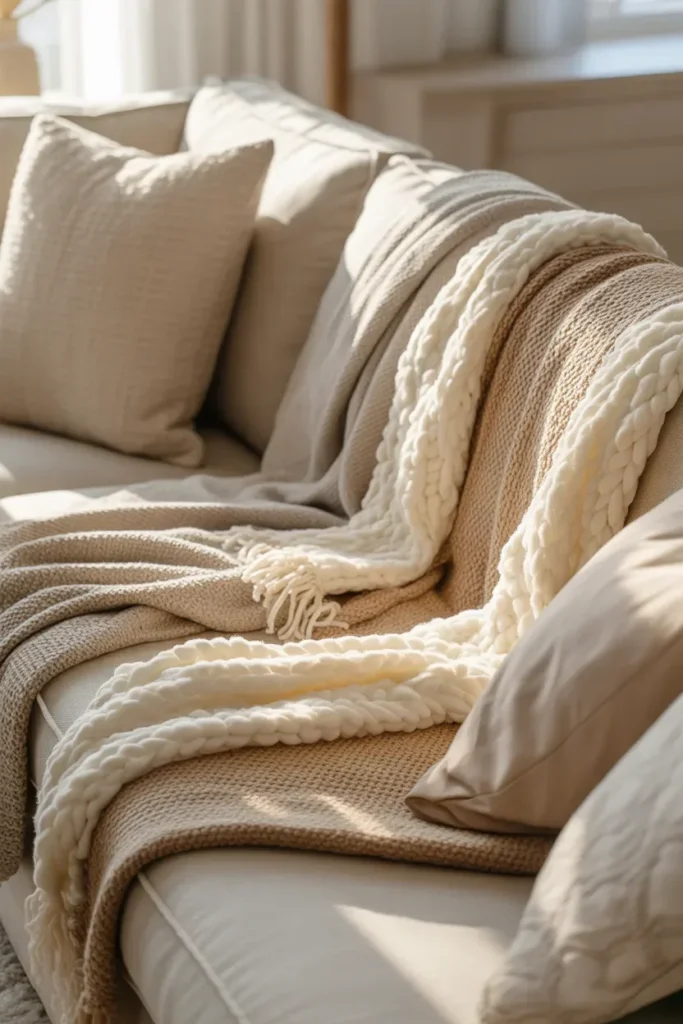
Throw blankets add softness and warmth. Layering different textures like wool and cotton creates depth.
Drape them casually over sofas or chairs for an effortless look. Stick to neutral tones for cohesion.
14. Rattan and Cane Furniture
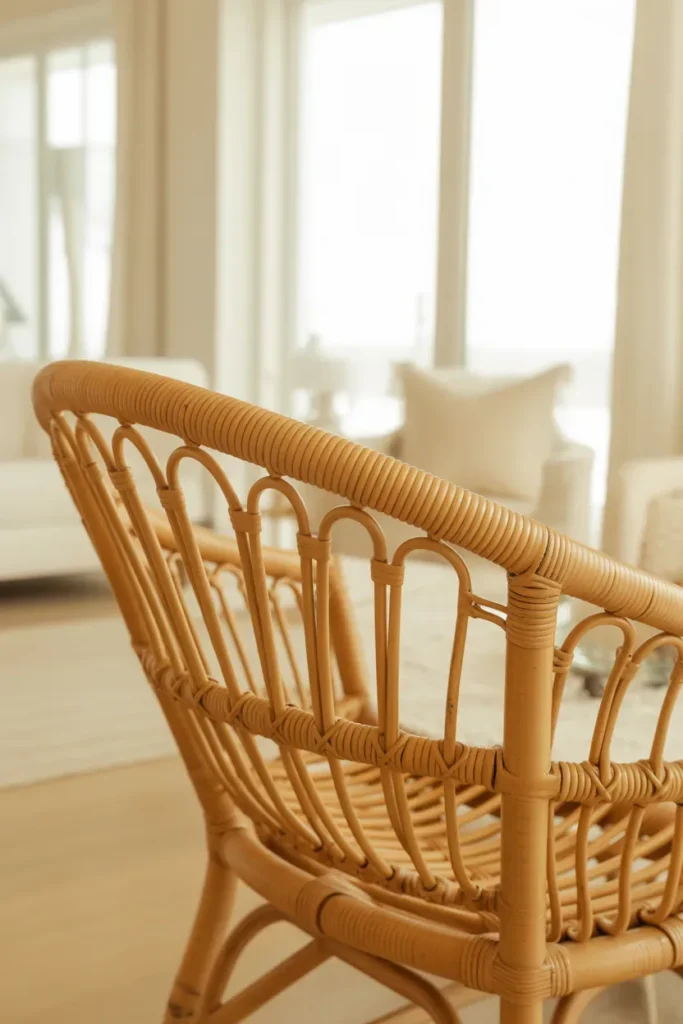
Rattan and cane furniture bring lightness and texture. Their woven patterns add visual interest without heaviness.
Use them in chairs, headboards, or cabinets. These materials work well in both modern and rustic interiors.
15. Textured Bedding Layers
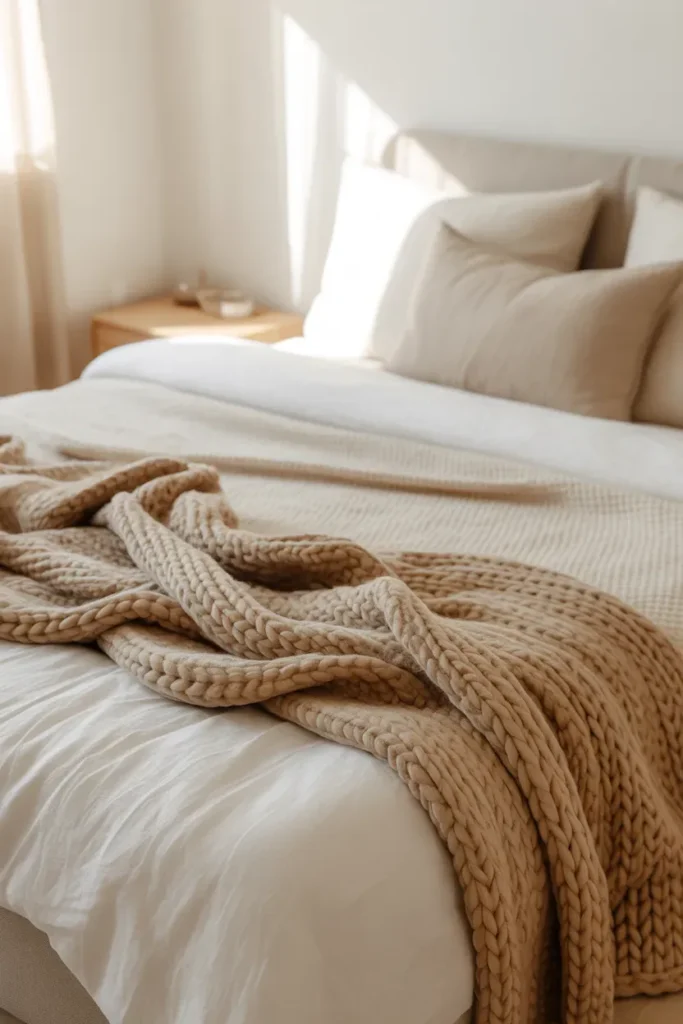
Bedding is an opportunity to introduce multiple textures. Combine linen sheets, cotton blankets, and knit throws.
Layering creates a cozy and inviting bed that feels luxurious yet relaxed. Keep colors soft and cohesive.
16. Natural Wood Wall Decor
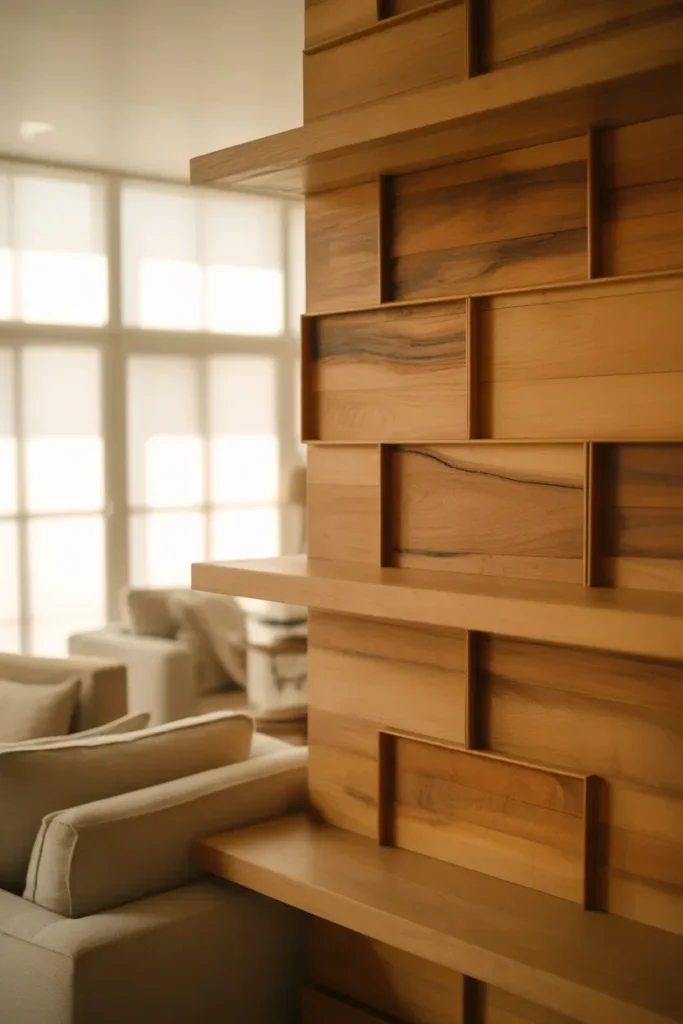
Wooden wall decor adds warmth and dimension. Panels, art pieces, or shelves made from natural wood enhance the organic feel.
Keep designs simple to maintain balance. The natural grain adds visual interest without clutter.
17. Mixed Material Styling
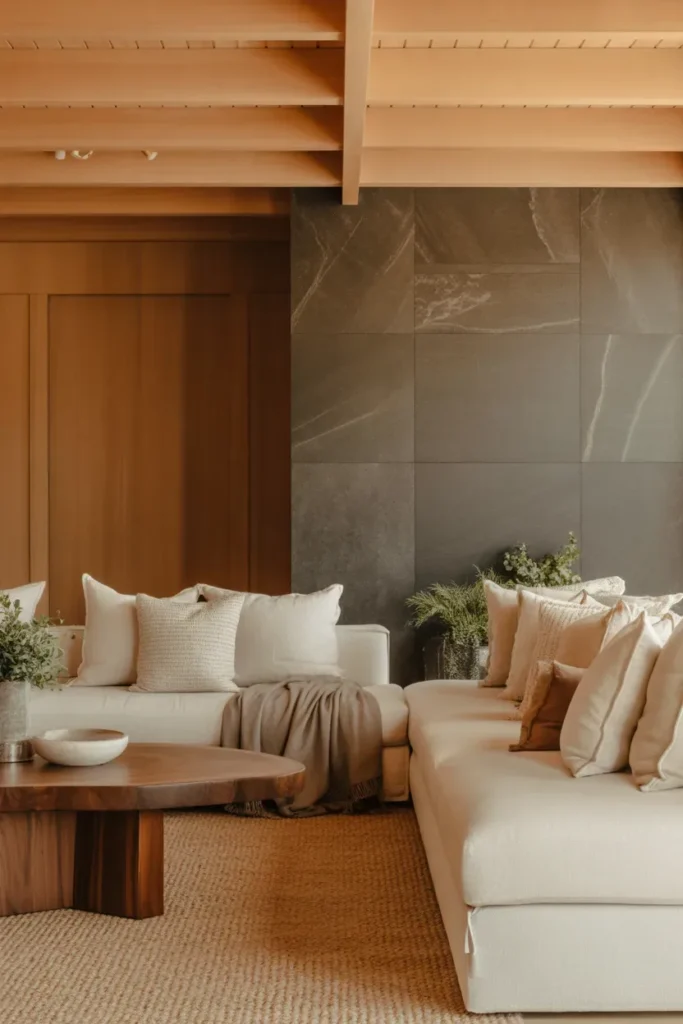
Combining different materials creates a rich, layered look. Pair wood, stone, fabric, and metal in a balanced way.
The key is harmony—ensure colors and tones complement each other. This approach results in a dynamic yet cohesive space.
Final Thoughts
Organic textures home decor is about creating spaces that feel natural, balanced, and inviting. By focusing on materials, layering, and subtle contrasts, you can achieve a look that is both modern and timeless.
These 17 ideas provide a strong foundation for transforming your home into a warm and textured sanctuary. With thoughtful styling and attention to detail, your space can feel effortlessly elevated while remaining comfortable and authentic.