11 Elevated Minimal Interior Style Ideas That Feel Warm
Minimalism no longer means cold, empty, or overly strict spaces. Today’s elevated minimal interior style blends simplicity with warmth, creating homes that feel calm, refined, and deeply inviting. It’s about intentional design—choosing fewer pieces, but making each one meaningful, tactile, and visually rich.
In this guide, you’ll discover elevated minimal interior ideas that transform ordinary spaces into warm, sophisticated environments. Each idea focuses on balance: clean lines paired with soft textures, neutral palettes layered with depth, and simplicity enhanced by thoughtful details.
1. Layered Neutral Color Palette With Depth
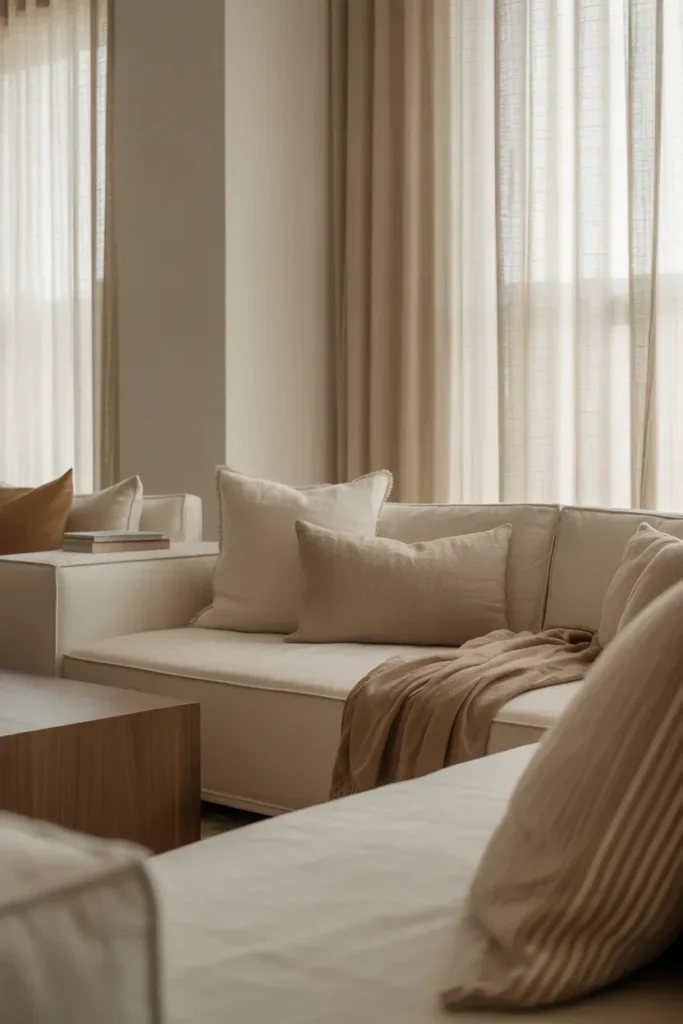
A neutral color palette is the foundation of elevated minimal interior style, but the key lies in layering tones instead of relying on a single shade. Combine warm whites, soft beiges, muted taupes, and light greiges to create visual variation without overwhelming the space. This layered approach prevents the room from feeling flat or sterile while maintaining a cohesive, calming atmosphere.
To elevate the look further, incorporate subtle tonal contrasts through textiles and finishes. Linen curtains, wool throws, and matte-painted walls add dimension without clutter. The warmth comes from the harmony between shades, allowing light to move naturally across the room and highlight textures in a refined way.
2. Warm Wood Accents for Organic Balance
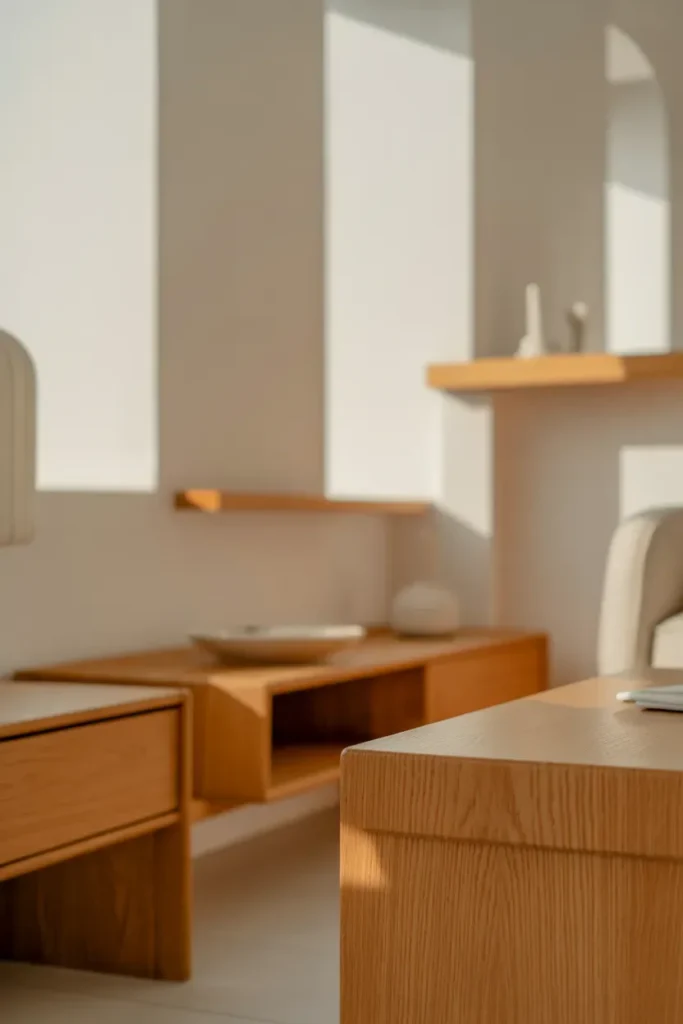
Wood is essential in creating warmth within minimal interiors. Opt for light to medium-toned woods like oak, walnut, or ash to introduce organic texture while maintaining a clean aesthetic. These materials ground the space and soften the sharpness often associated with minimal design.
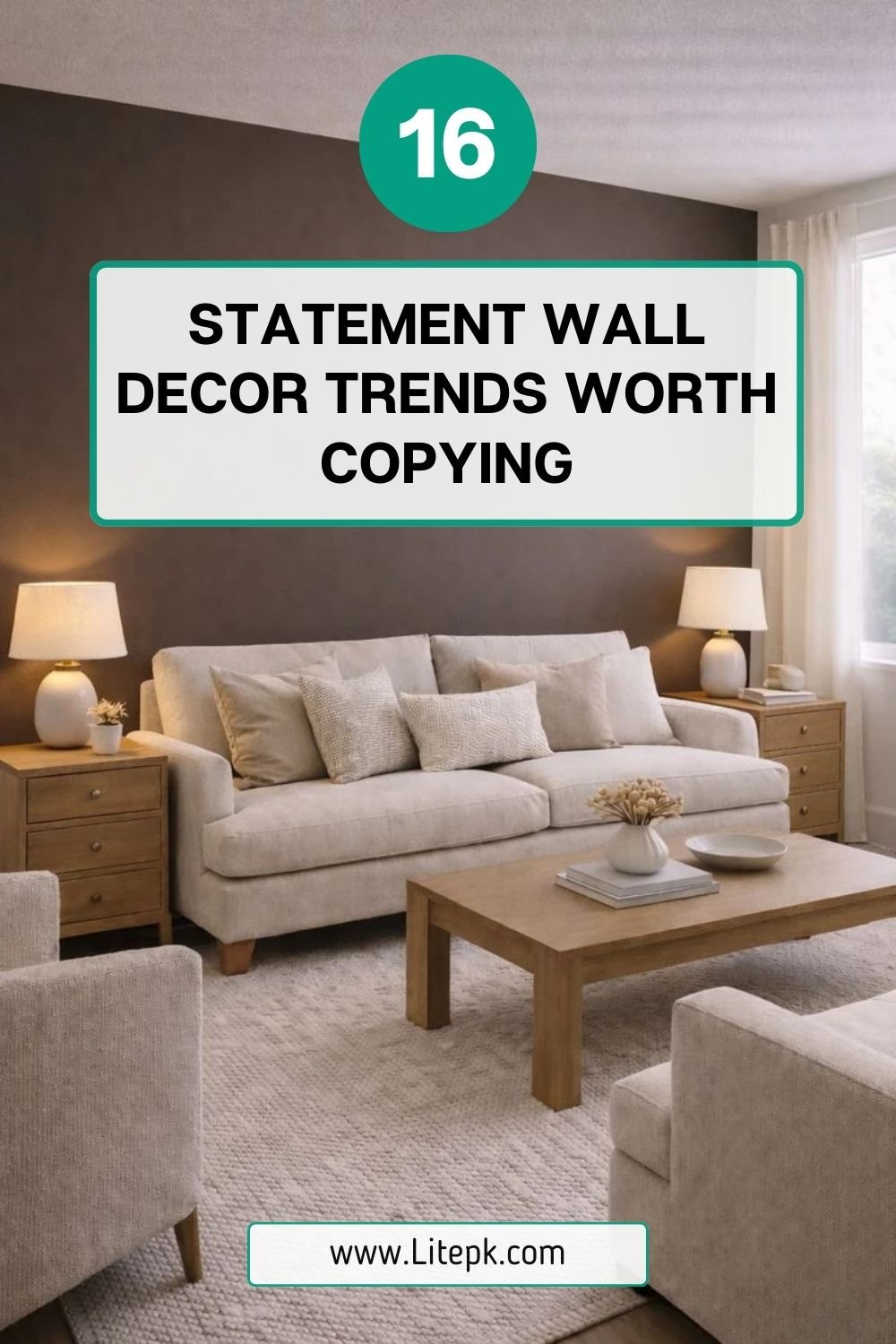
Use wood in key elements such as coffee tables, shelving, or cabinetry. Avoid overuse; instead, let each wooden feature stand out. The contrast between smooth painted surfaces and natural wood grain creates a balanced, elevated look that feels both modern and timeless.
3. Sculptural Furniture as Statement Pieces
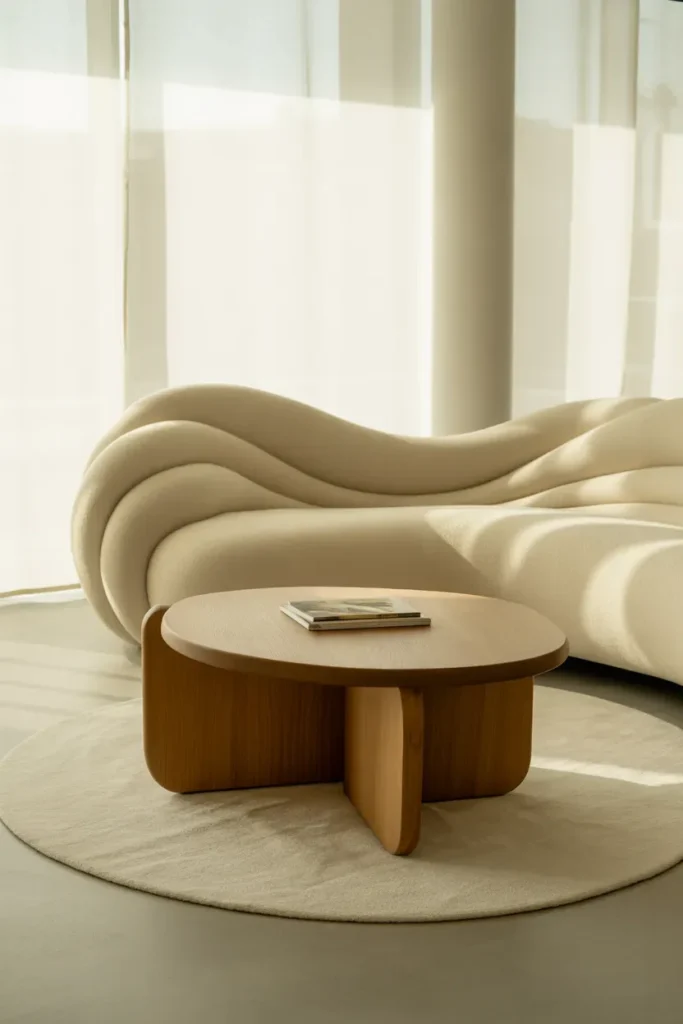
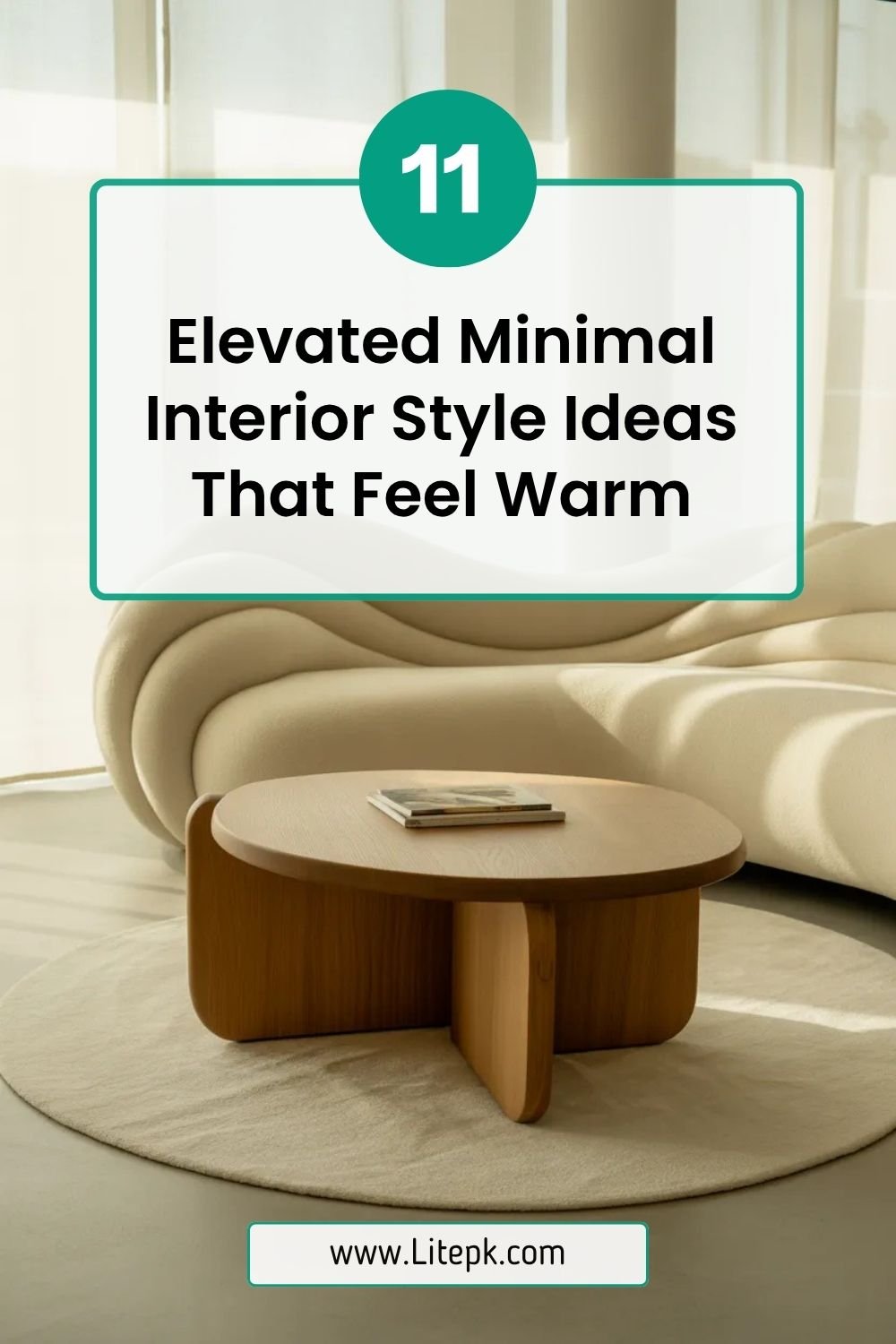
Elevated minimal interiors rely on fewer but more impactful furniture pieces. Sculptural furniture—such as curved sofas, rounded chairs, or geometric tables—acts as both functional and artistic elements. These pieces add personality without requiring additional decor.
Choose forms that feel soft and inviting rather than rigid. Curved silhouettes, in particular, bring a sense of flow and warmth. When placed thoughtfully, sculptural furniture creates visual interest while maintaining the uncluttered essence of minimalism.
4. Soft Textiles That Add Comfort
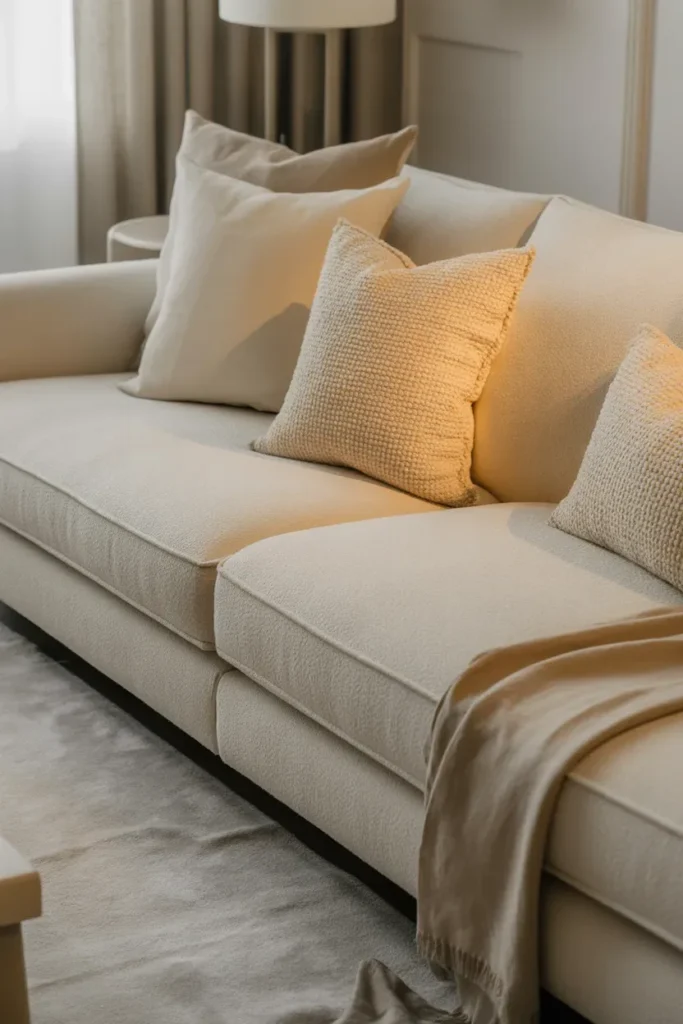
Minimal spaces can feel cold without the right textiles. Introduce softness through layered fabrics such as linen, cotton, wool, and boucle. These materials add tactile warmth while maintaining a clean and cohesive look.
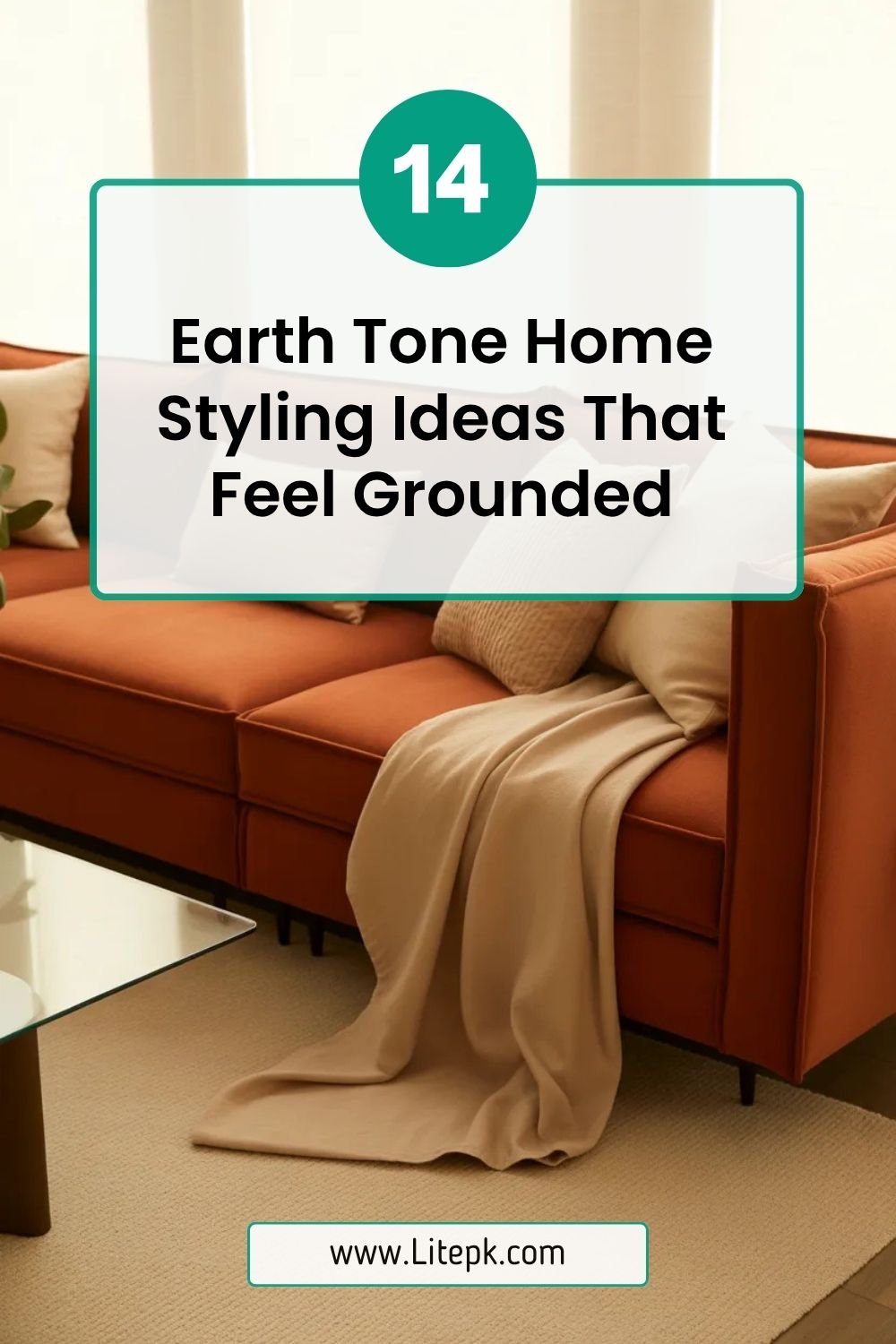
Focus on quality over quantity. A single well-placed throw, a textured rug, or a set of plush cushions can transform the atmosphere. Keep colors within the neutral palette but vary textures to create depth and comfort without visual clutter.
5. Ambient Lighting With Warm Tones
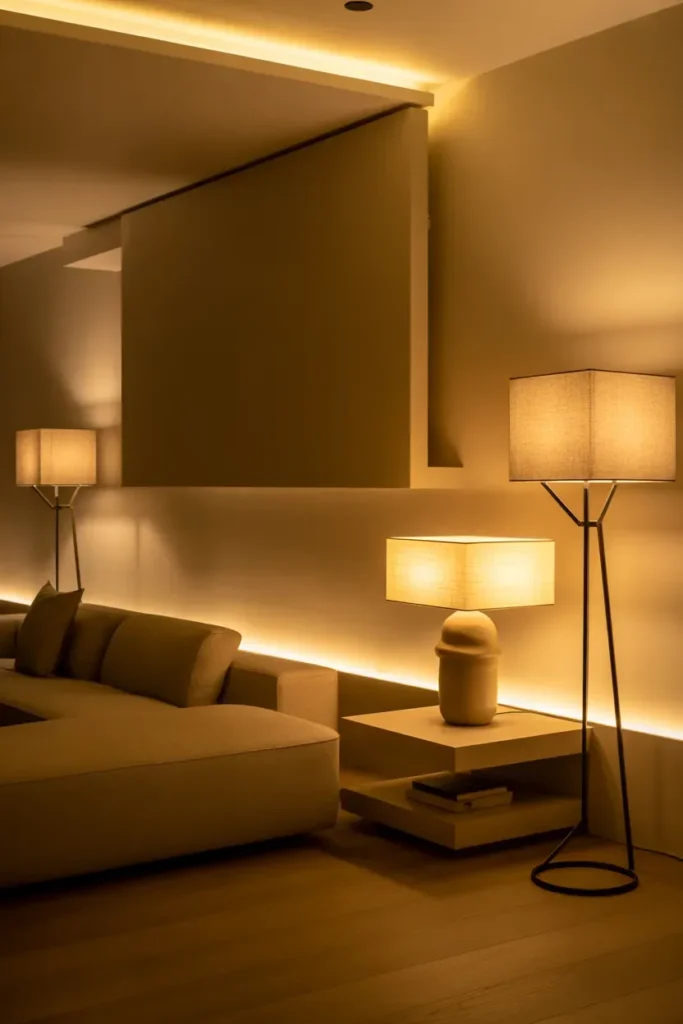
Lighting plays a crucial role in shaping the mood of a minimal interior. Replace harsh white lights with warm-toned ambient lighting to create a welcoming environment. Layer lighting sources such as floor lamps, table lamps, and concealed LED strips.
Soft lighting enhances textures and adds depth to neutral spaces. It also highlights architectural features and furniture shapes, contributing to a refined and elevated aesthetic that feels comfortable at any time of day.
6. Decluttered Spaces With Intentional Decor
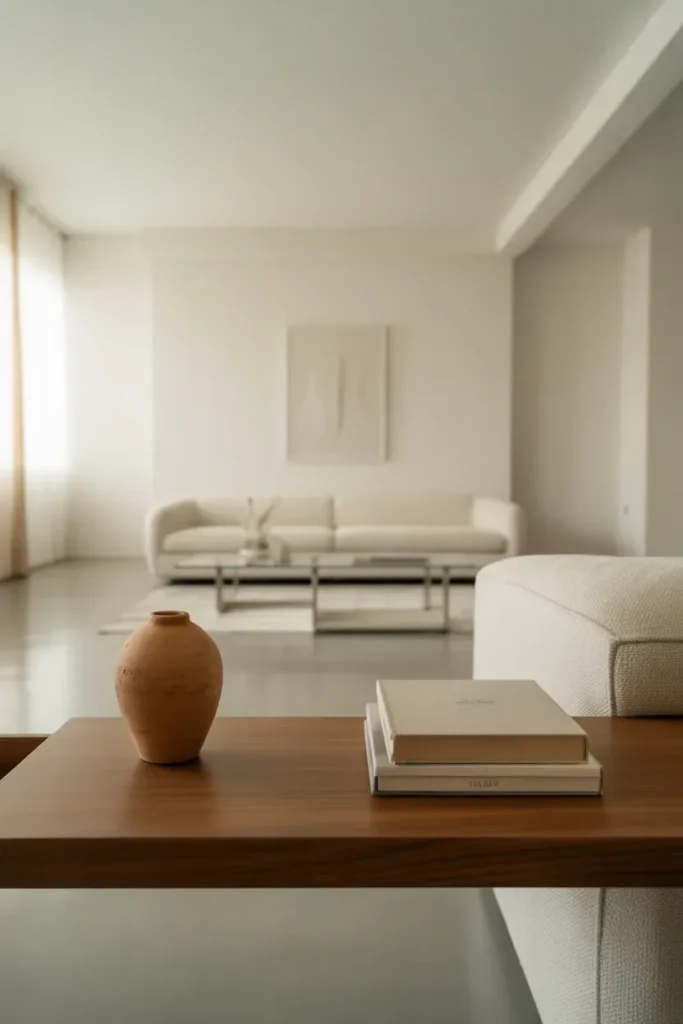
Elevated minimalism is not about removing everything—it’s about keeping what matters. Each item in the room should serve a purpose, whether functional or aesthetic. This intentional approach creates clarity and calm.
Select a few meaningful decor pieces such as ceramic vases, books, or artwork. Arrange them thoughtfully, leaving space around each item to let it breathe. This balance between emptiness and presence defines the elevated minimal interior style.
7. Natural Materials for Authentic Warmth
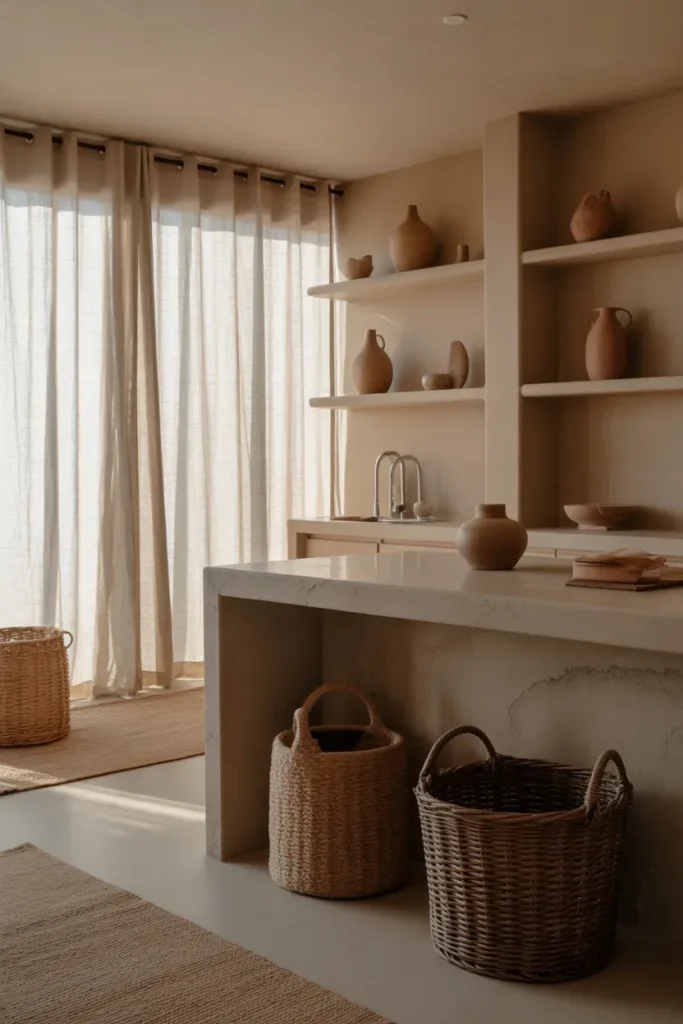
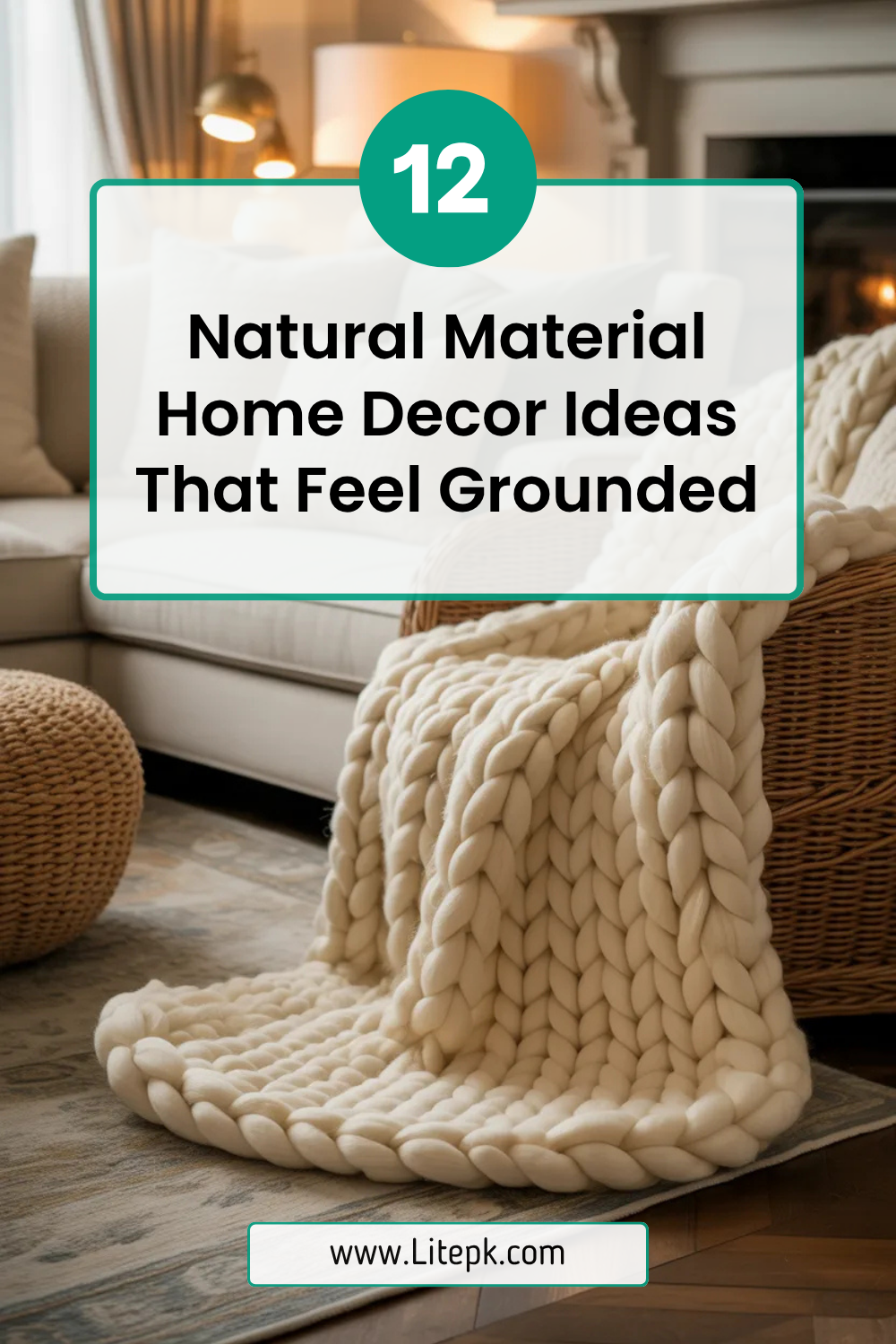
Incorporating natural materials like stone, clay, and linen enhances the authenticity of minimal interiors. These elements bring subtle imperfections that add character and warmth to the space.
Use stone countertops, clay decor pieces, or woven baskets to introduce texture. The combination of natural materials with clean design creates a harmonious environment that feels grounded and timeless.
8. Minimal Wall Decor With Impact
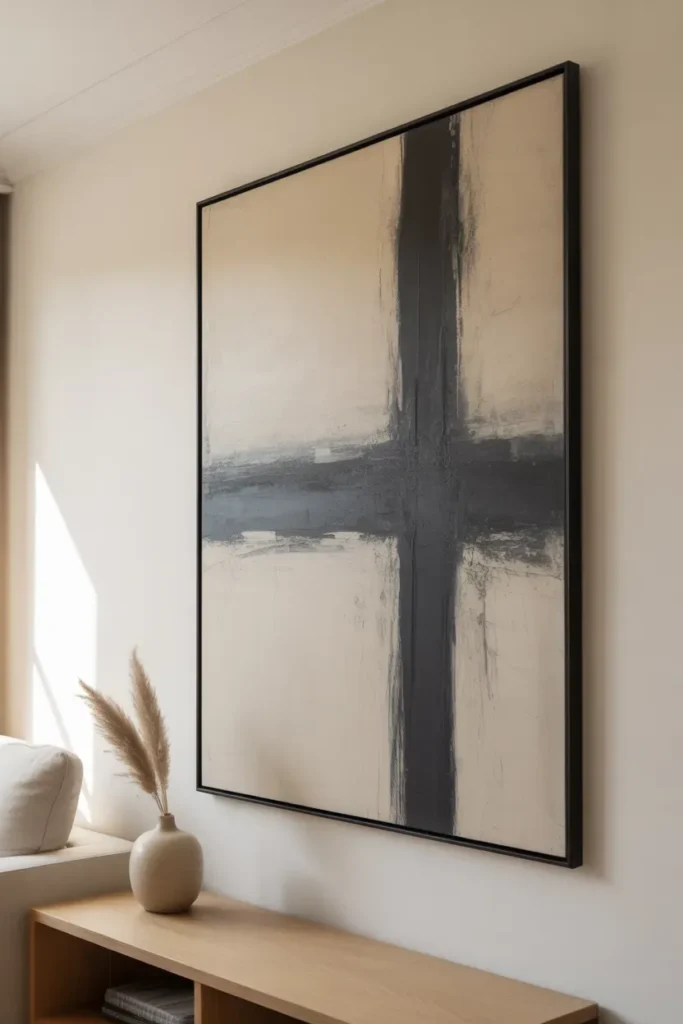
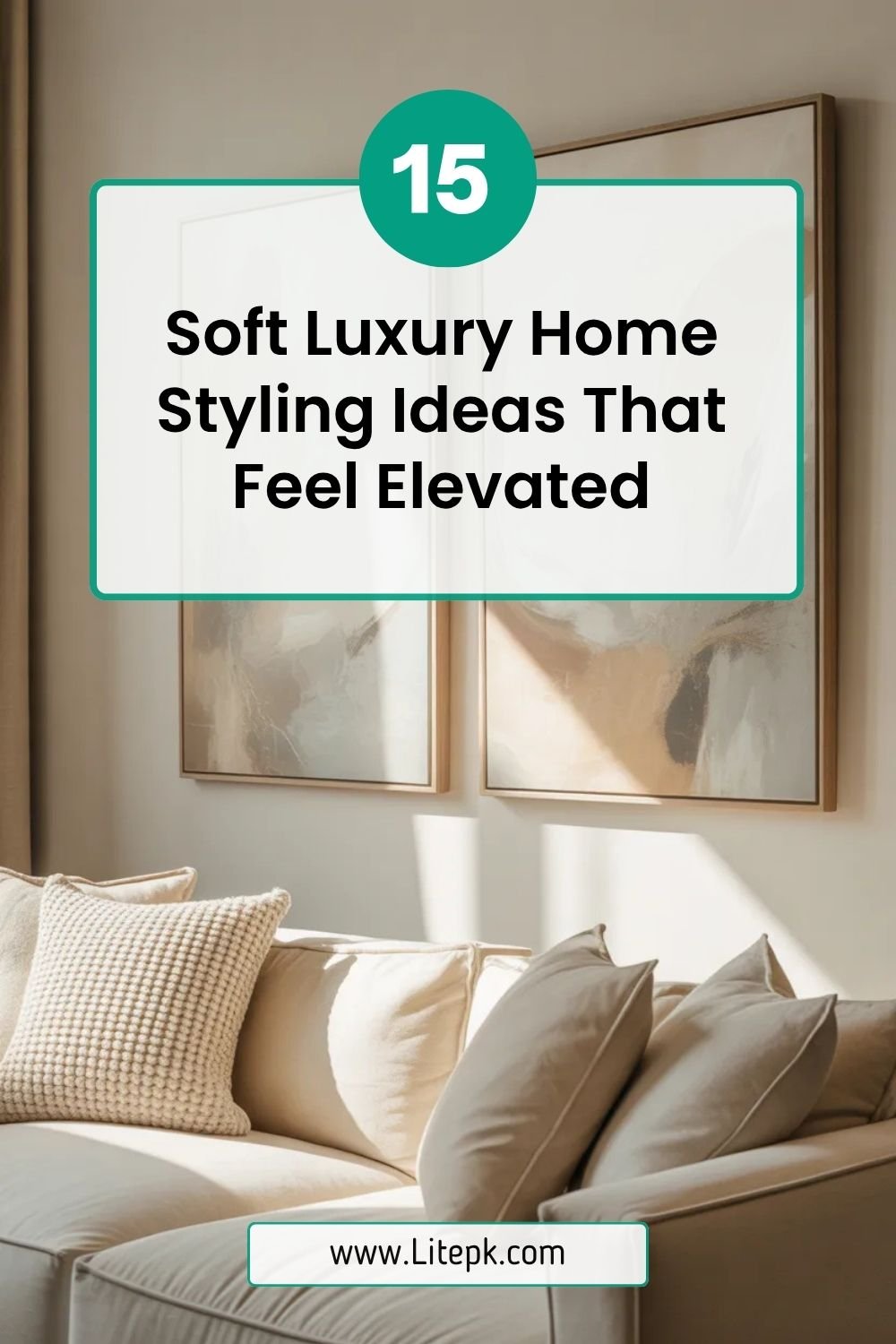
Walls in minimal interiors should feel intentional rather than empty. Choose one or two impactful pieces instead of filling the space. Large-scale artwork, textured panels, or simple framed prints can create a focal point.
Keep frames simple and colors aligned with the overall palette. This approach maintains visual clarity while adding personality and depth to the room.
9. Open Space Layout for Flow
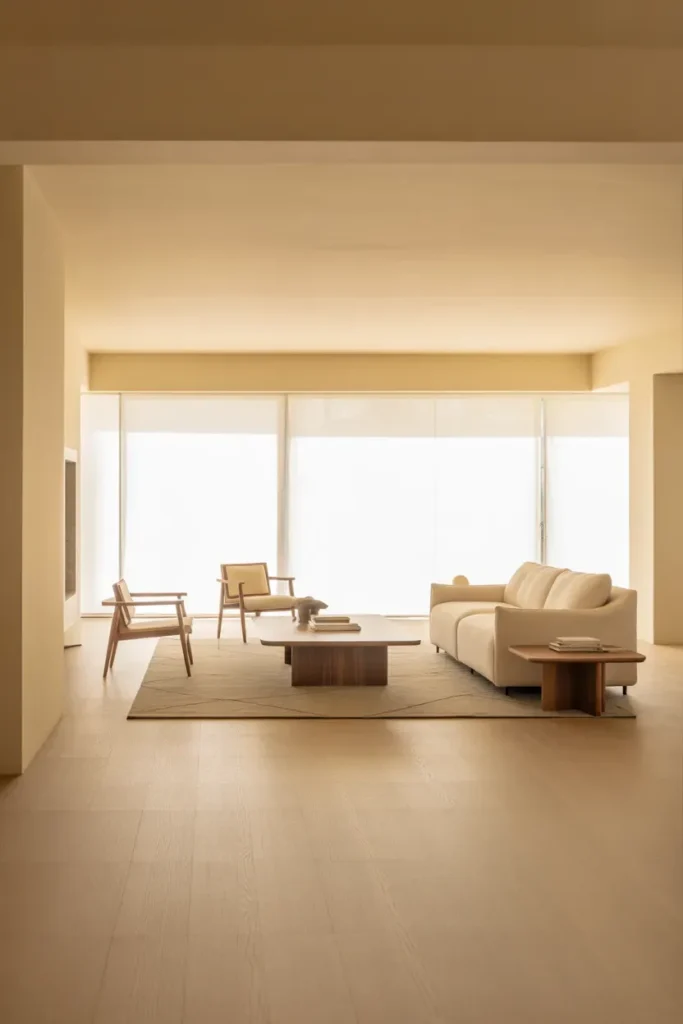
An open layout enhances the feeling of calm and spaciousness in minimal interiors. Arrange furniture to allow natural movement and avoid overcrowding. The goal is to create a sense of flow that feels effortless.
Use rugs or subtle layout changes to define zones without adding barriers. This openness contributes to both functionality and visual serenity, key elements of elevated minimal design.
10. Subtle Contrast for Visual Interest
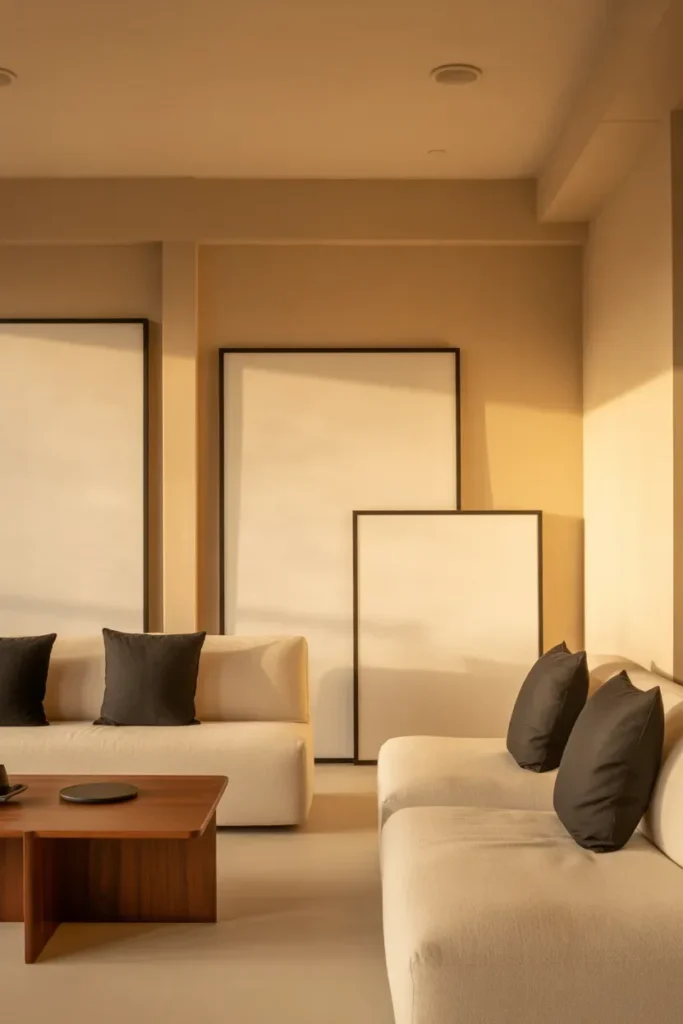
While minimal interiors rely on neutral palettes, subtle contrast is essential to prevent monotony. Introduce darker accents such as charcoal cushions, black frames, or deep wood tones.
These contrasts add depth without overpowering the space. The key is moderation—small touches that enhance the overall composition while maintaining harmony.
11. Personal Touches That Feel Curated
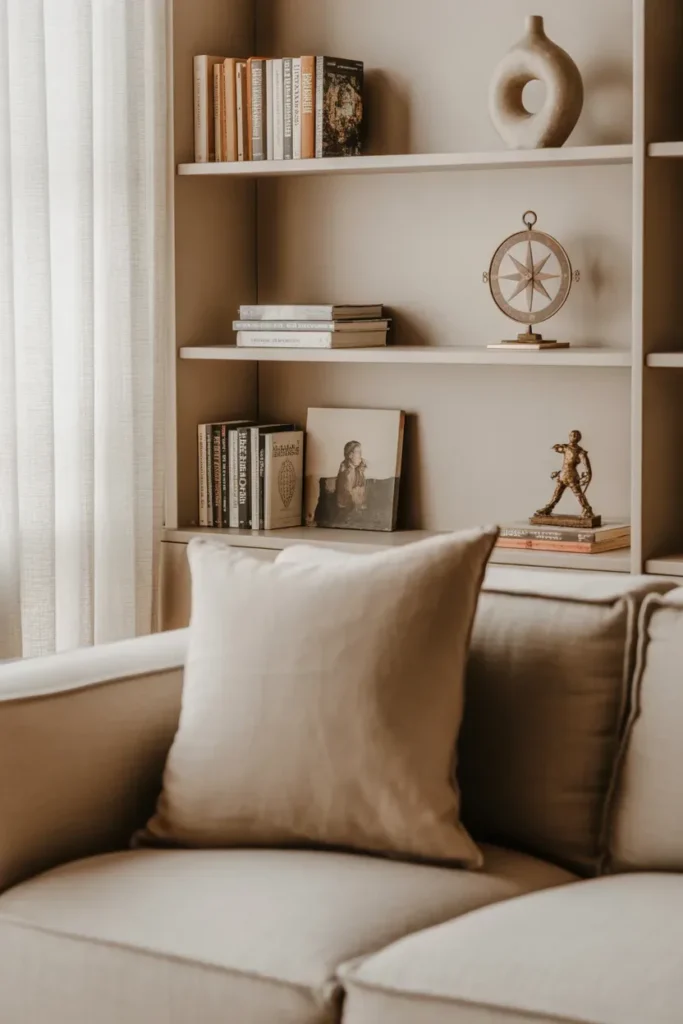
Even the most minimal spaces should reflect personality. Incorporate personal elements such as travel finds, books, or handcrafted items, but keep them curated and intentional.
Display these items sparingly to maintain the clean aesthetic. The goal is to create a space that feels both refined and lived-in, combining minimalism with authenticity and warmth.
Final Thoughts
Elevated minimal interior style is about more than aesthetics—it’s a mindset of intentional living. By focusing on quality, balance, and warmth, you can create spaces that feel both refined and welcoming. The key lies in thoughtful choices: fewer items, richer textures, and a harmonious palette that supports comfort and clarity.
When done right, minimalism becomes not just a design choice but a lifestyle—one that prioritizes calm, beauty, and meaningful simplicity.