
15 Organic Neutral Living Space Ideas That Feel Calm
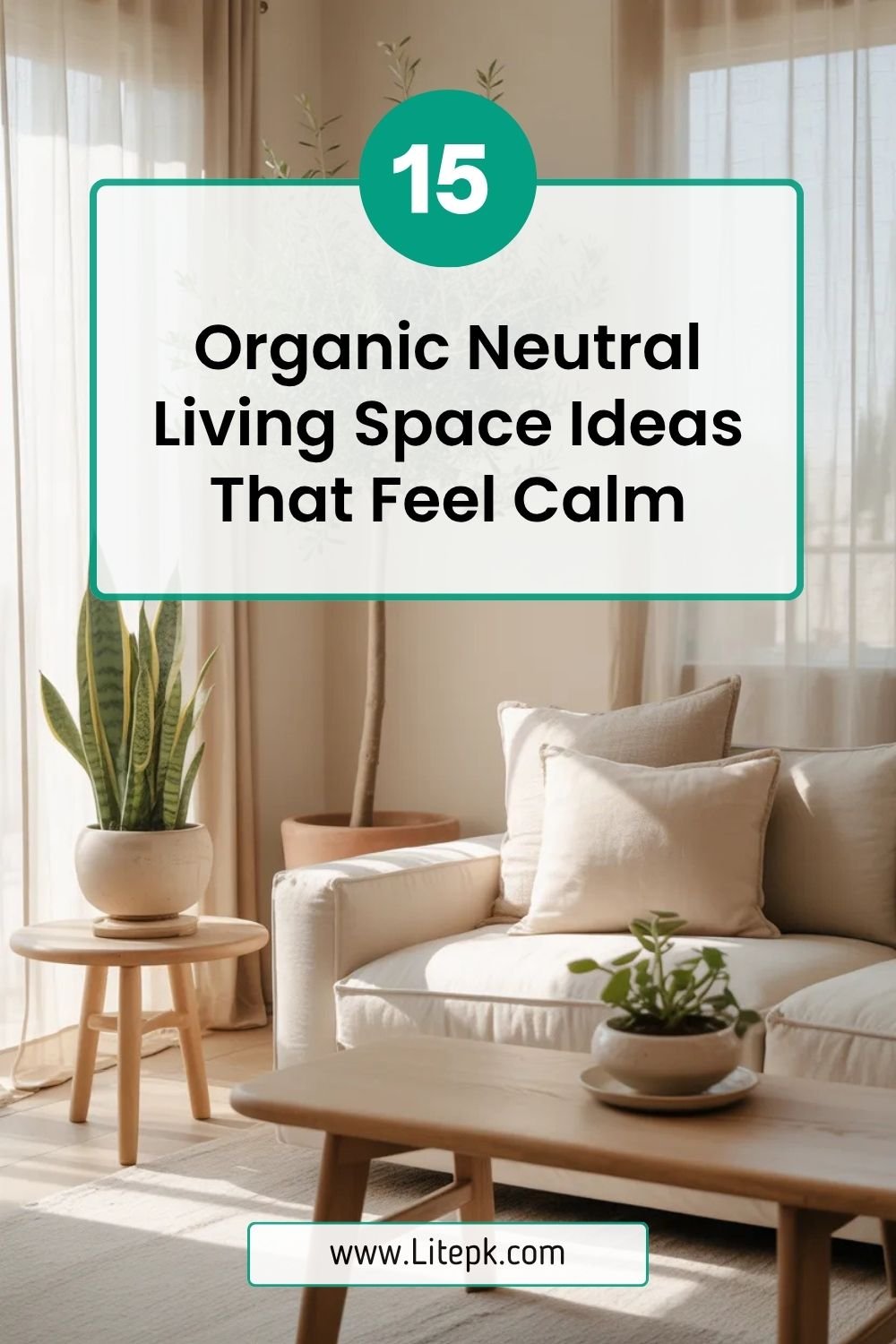
Creating a home that feels calm, grounded, and effortlessly beautiful starts with intention. Organic neutral living spaces have become a leading interior trend because they combine natural textures, soft tones, and minimal clutter to create environments that feel peaceful and lived-in.
If your space feels overwhelming or visually noisy, shifting toward an organic neutral style can instantly transform how your home looks and feels. This guide explores practical, high-impact ideas that help you design a calming living space without sacrificing warmth, personality, or functionality.
1. Embrace a Soft Earth-Toned Color Palette
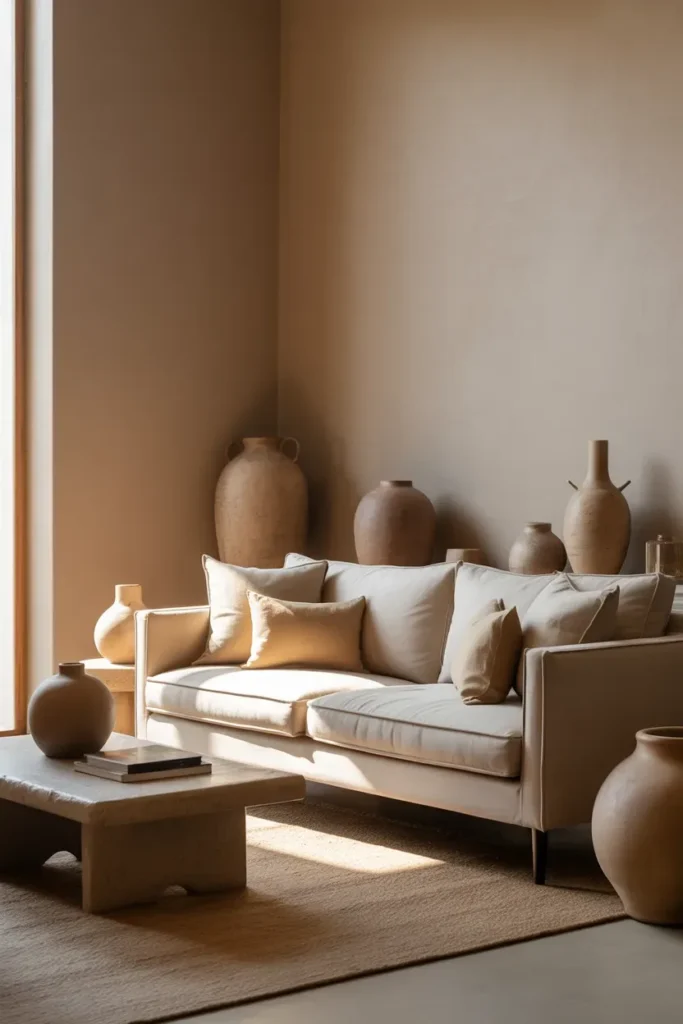
The foundation of organic neutral living spaces lies in a carefully curated color palette inspired by nature. Shades like warm beige, clay, soft taupe, muted olive, and creamy whites create a calming visual base that feels grounded and timeless. These tones mimic natural landscapes, making your home feel connected to the outdoors.
Instead of relying on stark whites or cool greys, opt for warmer neutrals that reflect light gently. Layering similar tones adds subtle depth without visual clutter. This approach ensures your living space feels cohesive, serene, and welcoming while maintaining a refined minimalist aesthetic.
2. Incorporate Natural Materials Everywhere
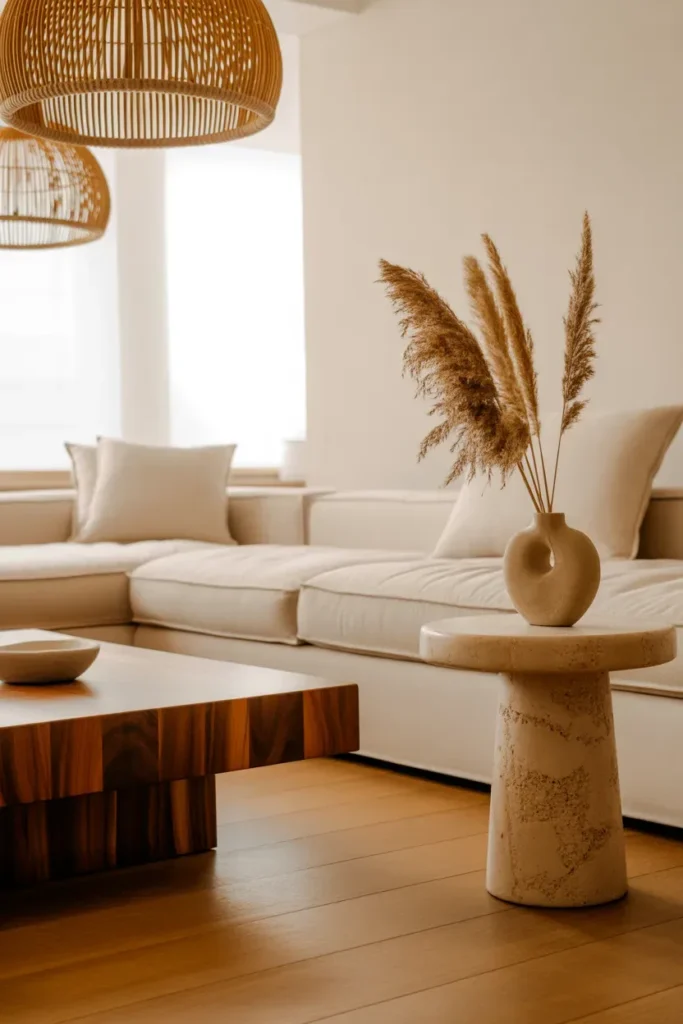
Organic interiors thrive on authenticity, and nothing achieves that better than natural materials. Wood, linen, cotton, stone, and rattan bring texture and depth while maintaining simplicity. These materials create tactile interest without overwhelming the design.
Use wooden furniture with visible grain, linen upholstery, and stone decor pieces to build an organic look. Mixing these elements creates harmony and balance. The goal is to let materials speak for themselves, emphasizing craftsmanship and natural beauty over excessive decoration.
3. Prioritize Minimal Yet Functional Furniture
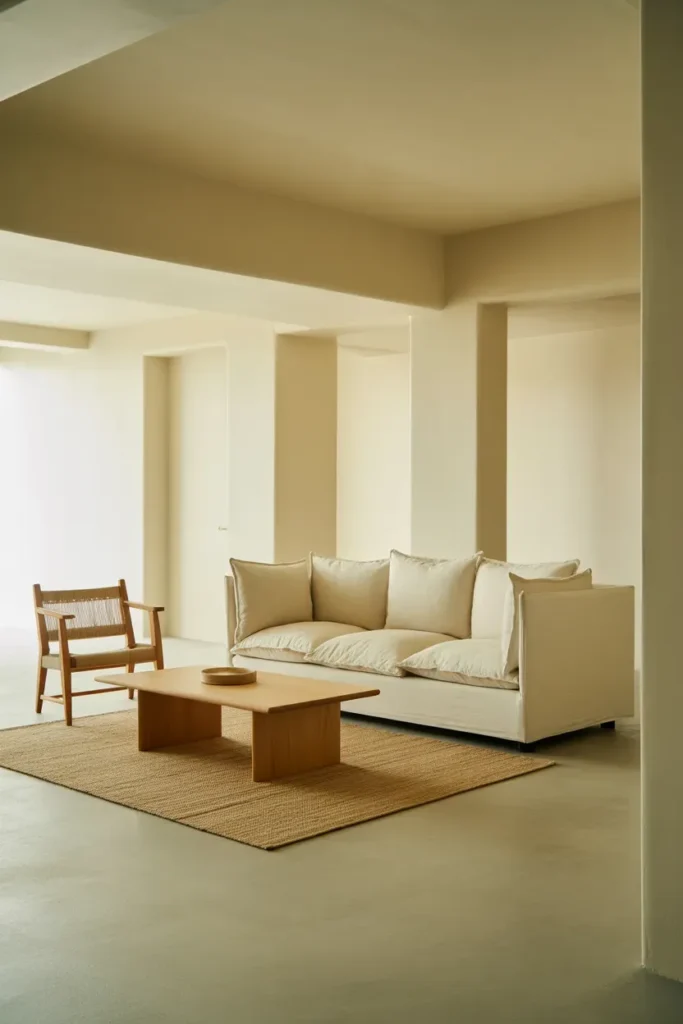
Organic neutral living spaces follow a “less but better” philosophy. Instead of filling your room with multiple pieces, choose furniture that serves both functional and aesthetic purposes. Clean-lined sofas, simple coffee tables, and versatile seating create a balanced layout.
Each piece should feel intentional and contribute to the overall flow of the space. Avoid bulky or overly decorative furniture. Instead, focus on comfort, proportion, and natural materials that enhance both usability and visual harmony.
4. Layer Textures for Warmth
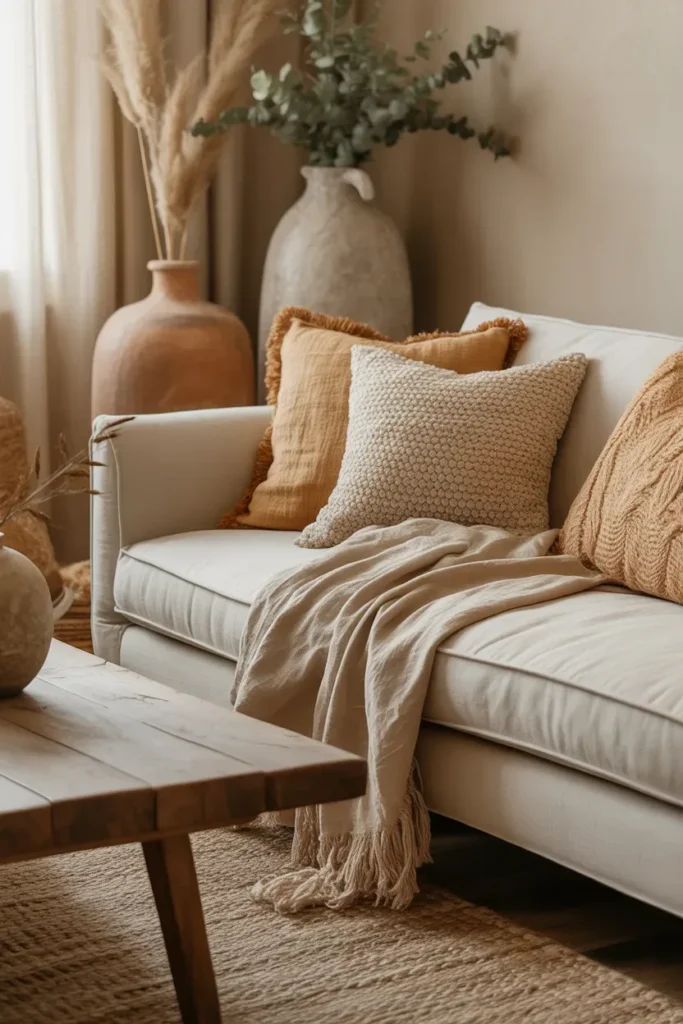
Texture is essential in preventing neutral spaces from feeling flat. Layering soft textiles, rough wood, woven fabrics, and subtle stone finishes adds richness while keeping the color palette restrained.
Think of combining a linen sofa with a wool throw, a jute rug, and a ceramic vase. These layers create visual depth and tactile comfort. The contrast between textures makes the space feel inviting without adding unnecessary visual noise.
5. Maximize Natural Light
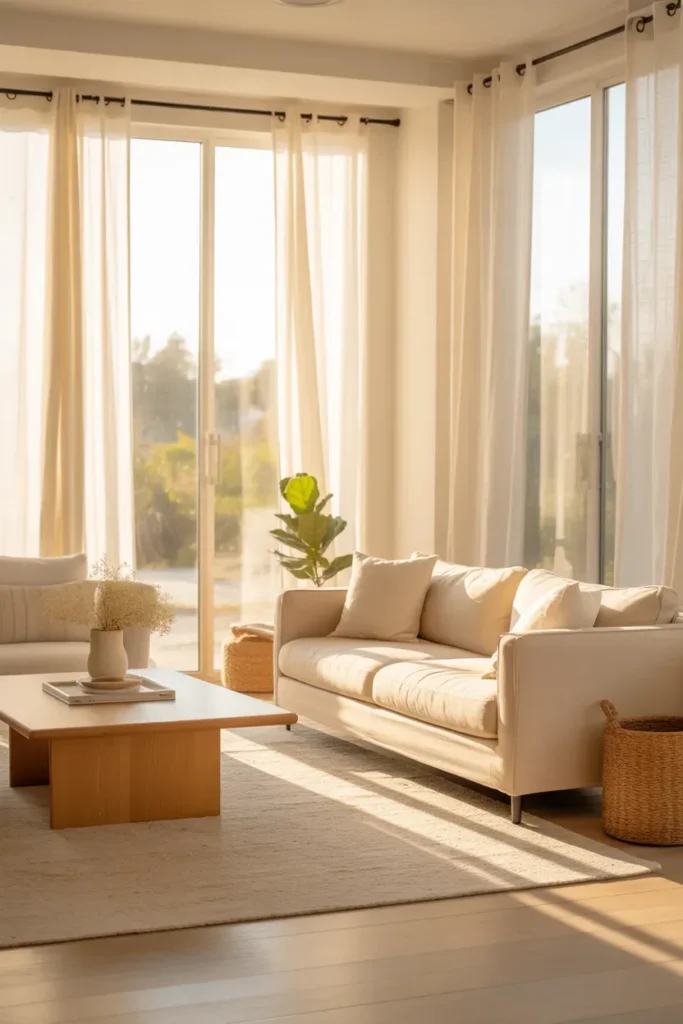
Natural light plays a crucial role in organic interiors. It enhances neutral tones and highlights textures, making the space feel open and breathable. Large windows, sheer curtains, and unobstructed light sources help achieve this effect.
Avoid heavy drapes or dark window treatments. Instead, allow sunlight to filter softly through light fabrics. The result is a living space that feels brighter, larger, and more connected to nature.
6. Add Subtle Greenery
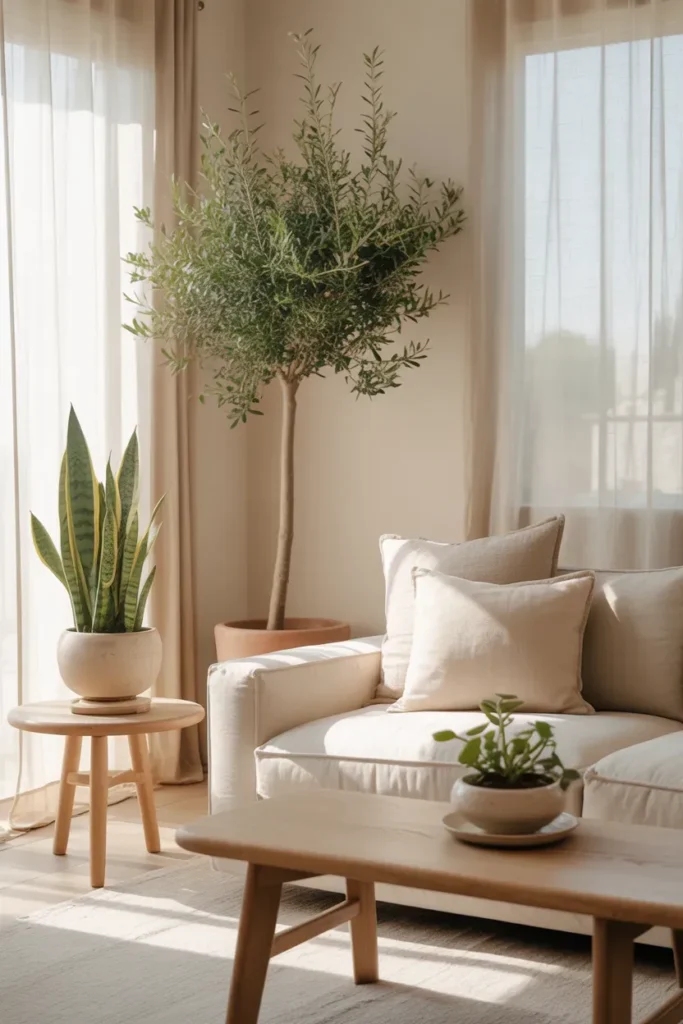
Plants are a natural extension of organic neutral design. They introduce life, color, and freshness without disrupting the calm aesthetic. Even a few carefully chosen plants can transform your living space.
Stick to simple planters in neutral tones and avoid overcrowding. Plants like olive trees, snake plants, or eucalyptus branches complement the organic theme while maintaining minimalism.
7. Choose Handmade and Artisan Decor
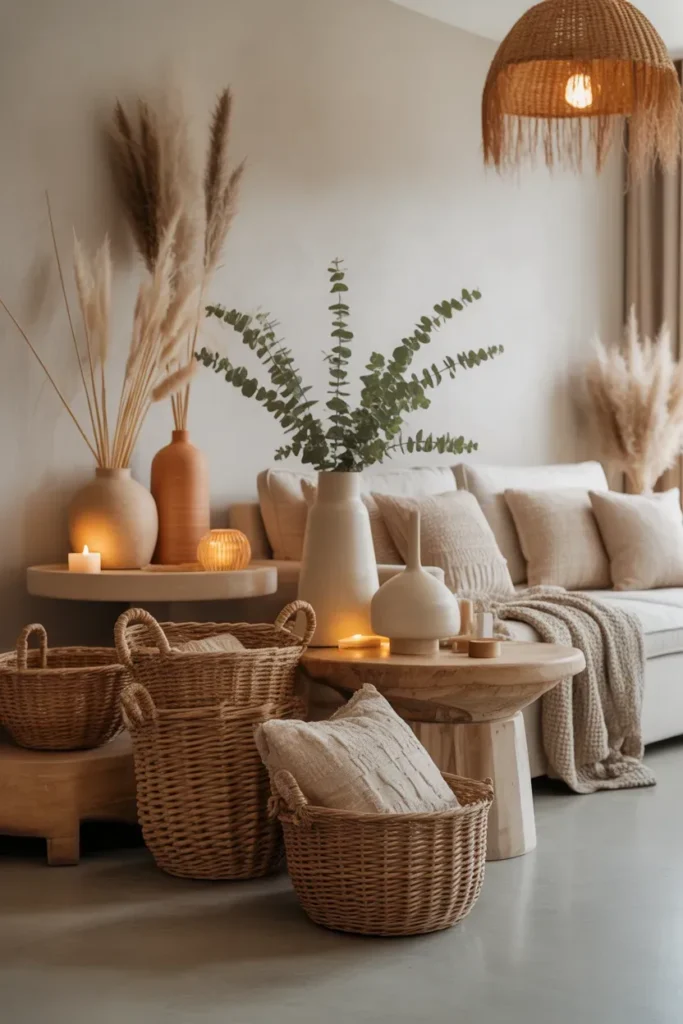
Handcrafted items add authenticity and uniqueness to your space. Ceramic vases, woven baskets, and handmade textiles bring character while aligning with the organic philosophy.
These pieces often feature imperfections that enhance their beauty. Incorporating artisan decor creates a connection to craftsmanship and adds depth without overwhelming the design.
8. Keep Surfaces Clean and Intentional
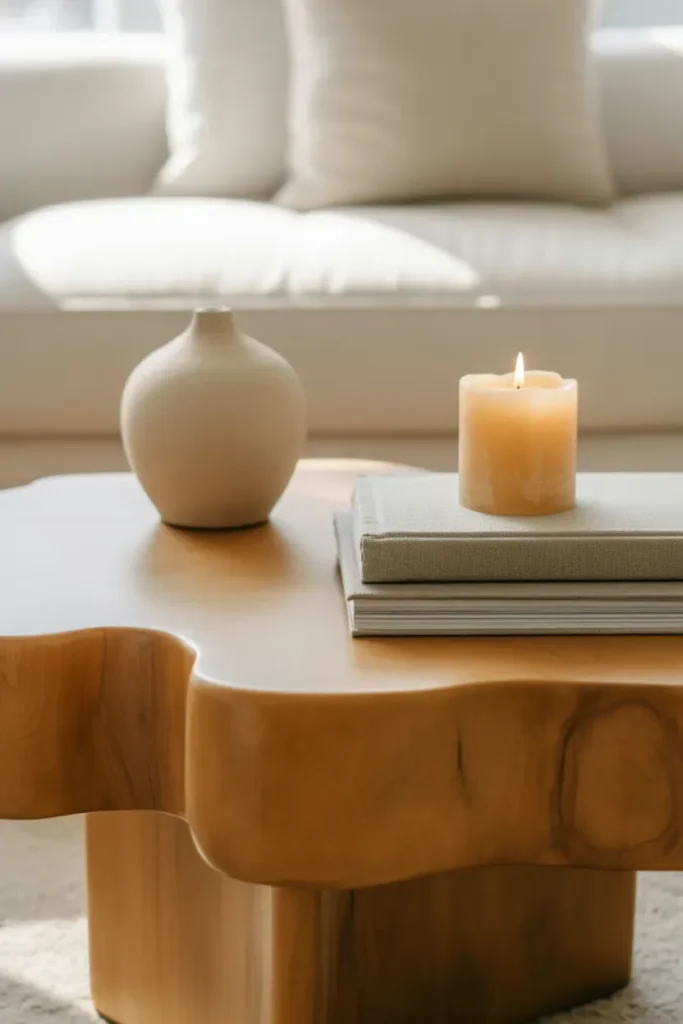
Clutter disrupts the calming effect of organic neutral interiors. Keeping surfaces clean allows textures and materials to stand out. Instead of overcrowding shelves or tables, choose a few meaningful items.
A single vase, a stack of books, or a candle can create a refined look. This approach maintains simplicity while still adding personality and warmth to your space.
9. Introduce Soft Curves and Organic Shapes
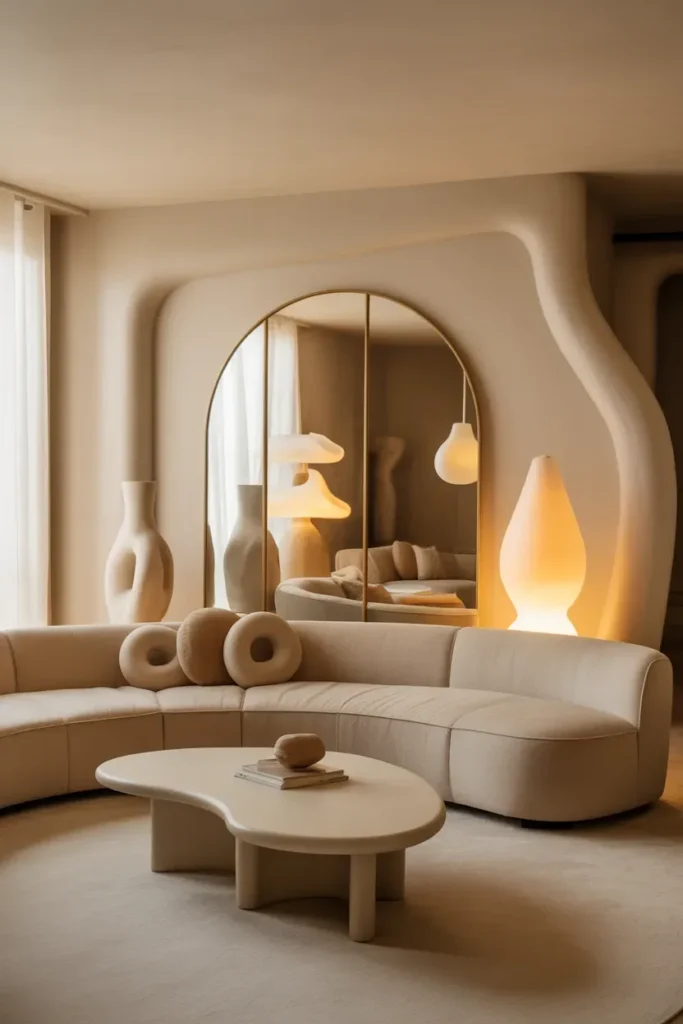
Straight lines can feel rigid, so incorporating curves softens the overall look. Rounded sofas, arched mirrors, and sculptural decor pieces create a more natural and relaxed atmosphere.
These shapes mimic forms found in nature, making the space feel more fluid and harmonious. Combining curved elements with minimal design enhances both comfort and visual appeal.
10. Use Natural Rugs to Ground the Space
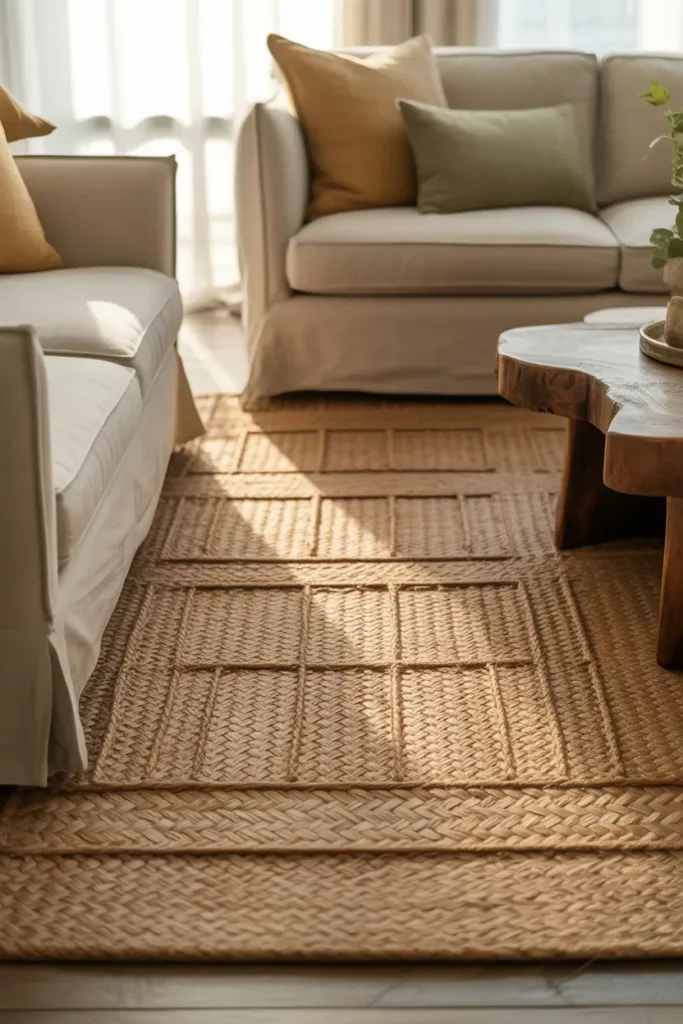
Rugs are essential in defining areas and adding warmth. In organic neutral living spaces, natural fiber rugs like jute, sisal, or wool work best.
These rugs introduce texture while maintaining a subtle look. They anchor furniture and create a cozy foundation without drawing too much attention.
11. Highlight Raw and Imperfect Finishes
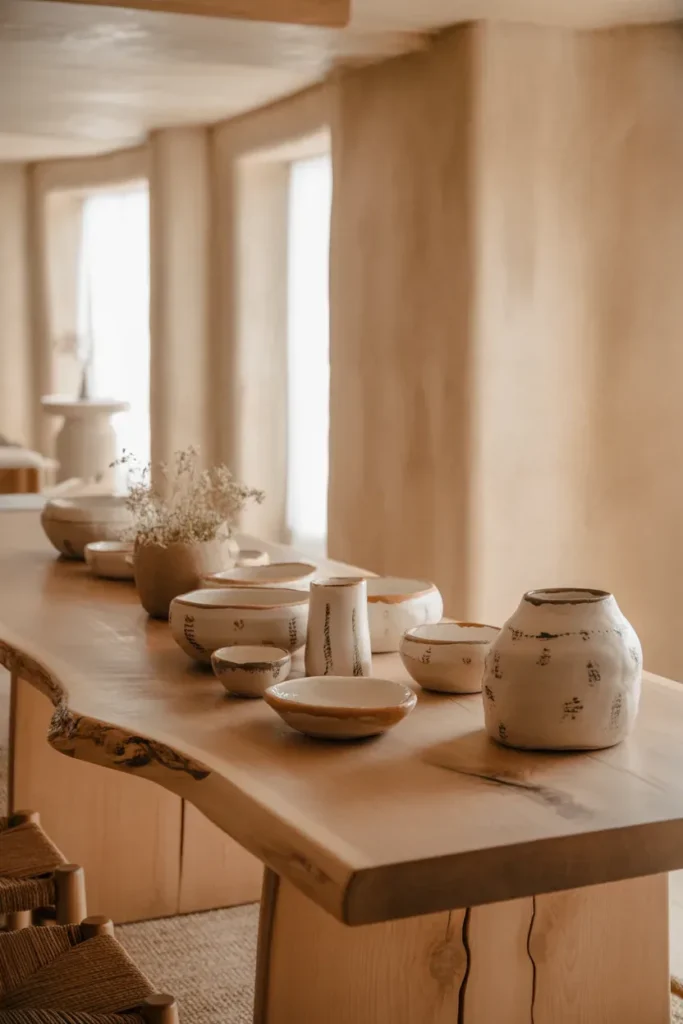
Perfection is not the goal in organic design. Raw wood edges, uneven ceramics, and textured walls add authenticity and character.
These imperfections make the space feel more natural and less staged. Embracing this approach creates a lived-in environment that feels warm and genuine.
12. Create a Cozy Seating Arrangement
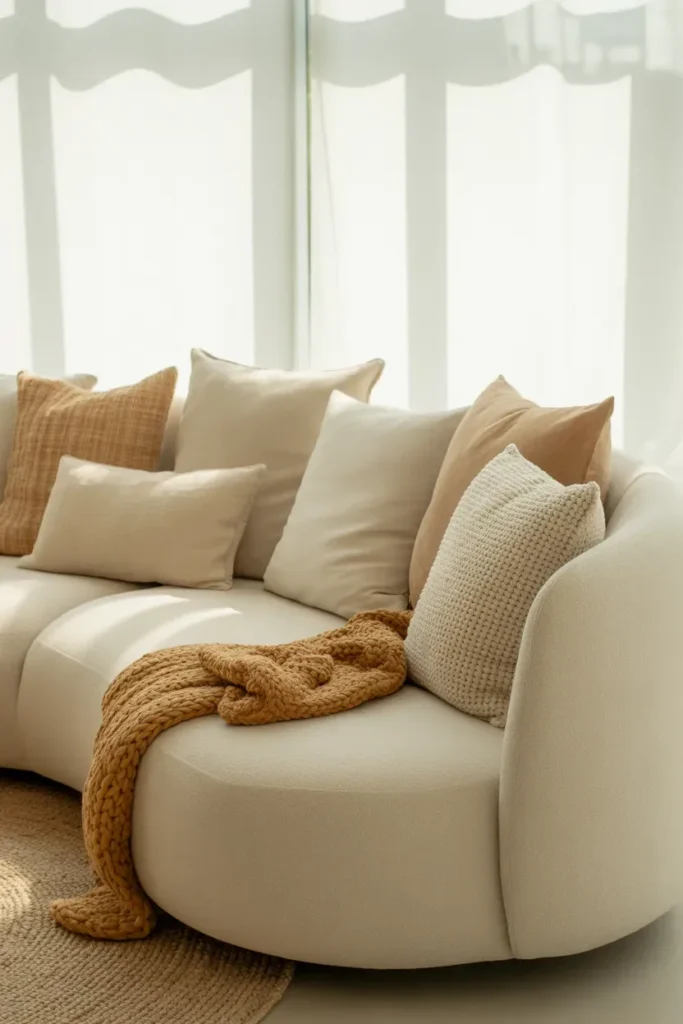
Comfort is central to any calming living space. Arrange seating to encourage relaxation and conversation. Soft sofas, layered cushions, and warm throws enhance comfort.
Keep the layout open and uncluttered while ensuring functionality. A well-planned seating area becomes the heart of your living space.
13. Add Subtle Wall Texture
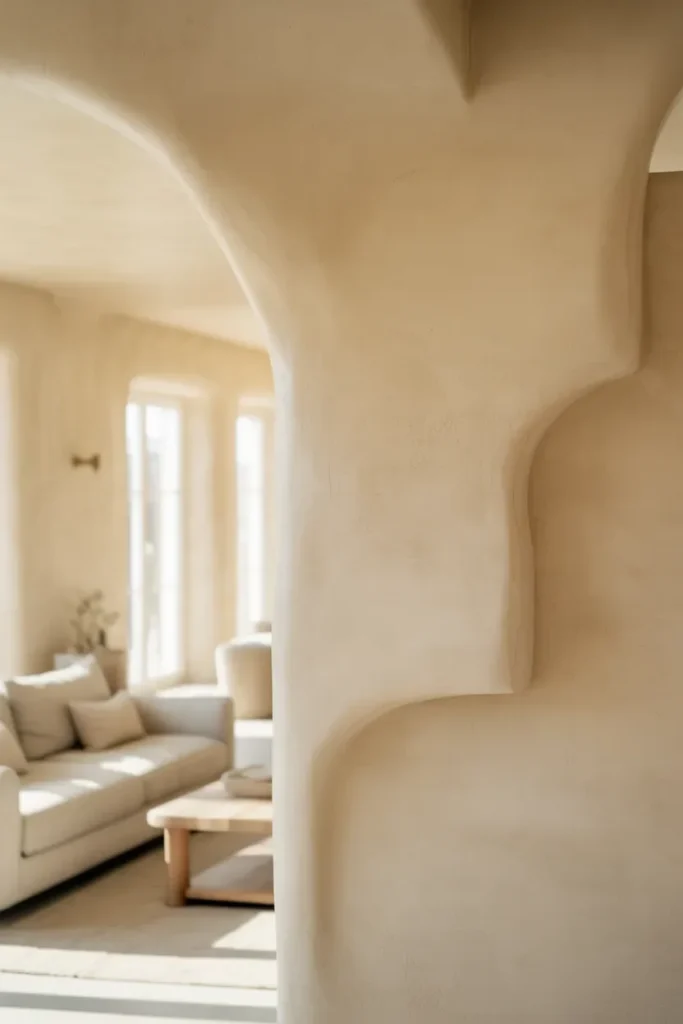
Walls in organic neutral spaces should feel soft and natural. Textured finishes like limewash, plaster, or subtle wallpaper add depth without overwhelming the room.
These finishes reflect light differently, creating a dynamic yet calming effect. Keeping colors neutral ensures consistency throughout the space.
14. Keep Decor Low and Grounded
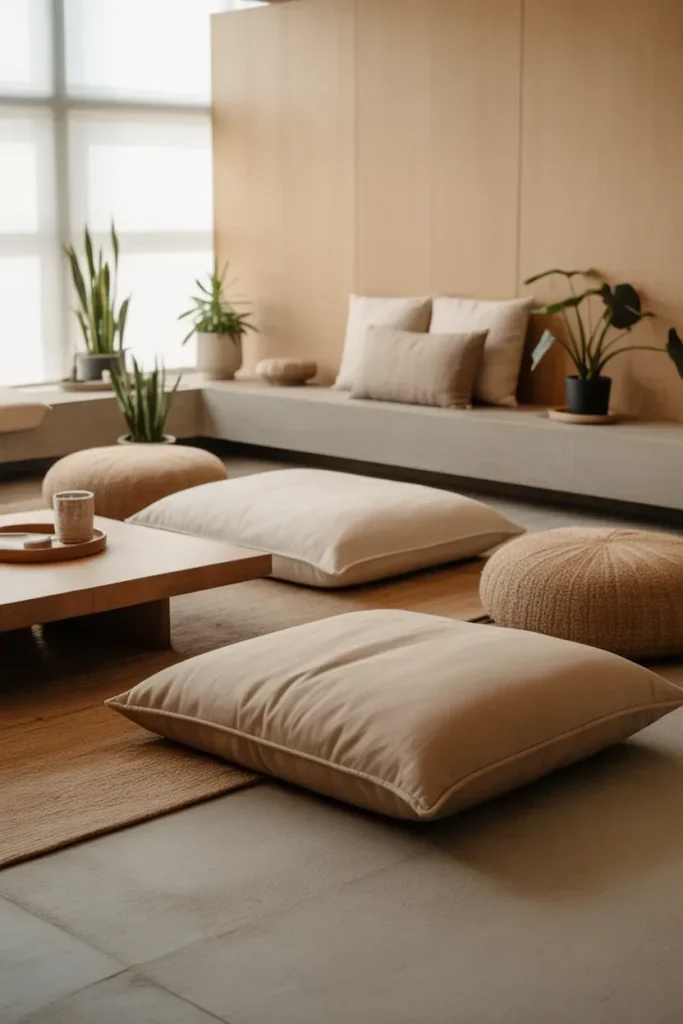
Low-profile furniture and decor create a grounded, relaxed atmosphere. This approach makes the space feel more open and connected to nature.
Use low coffee tables, floor cushions, and simple shelving to achieve this look. It enhances comfort while maintaining a clean, minimal aesthetic.
15. Add Personal Yet Minimal Touches
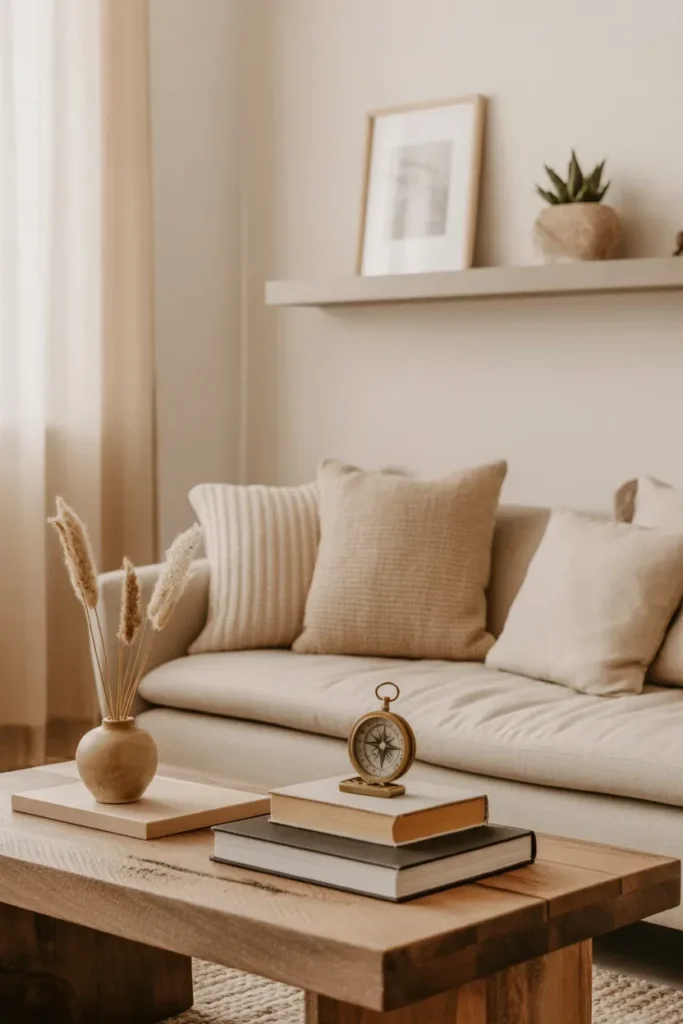
Even the most minimal space should reflect your personality. Incorporate a few meaningful items such as books, travel souvenirs, or artwork.
The key is to keep it intentional and uncluttered. These personal elements make your living space feel authentic and inviting while preserving the organic neutral aesthetic.
Final Thoughts
Organic neutral living spaces are more than a design trend—they represent a lifestyle focused on simplicity, comfort, and connection to nature. By choosing natural materials, warm tones, and intentional decor, you can create a home that feels calm and balanced.
The beauty of this style lies in its flexibility. You don’t need a complete makeover to achieve it. Small changes, like adding textures or simplifying your layout, can have a significant impact. Over time, these thoughtful choices transform your home into a peaceful sanctuary.