17 Small Apartment Decor Hacks Designers Use
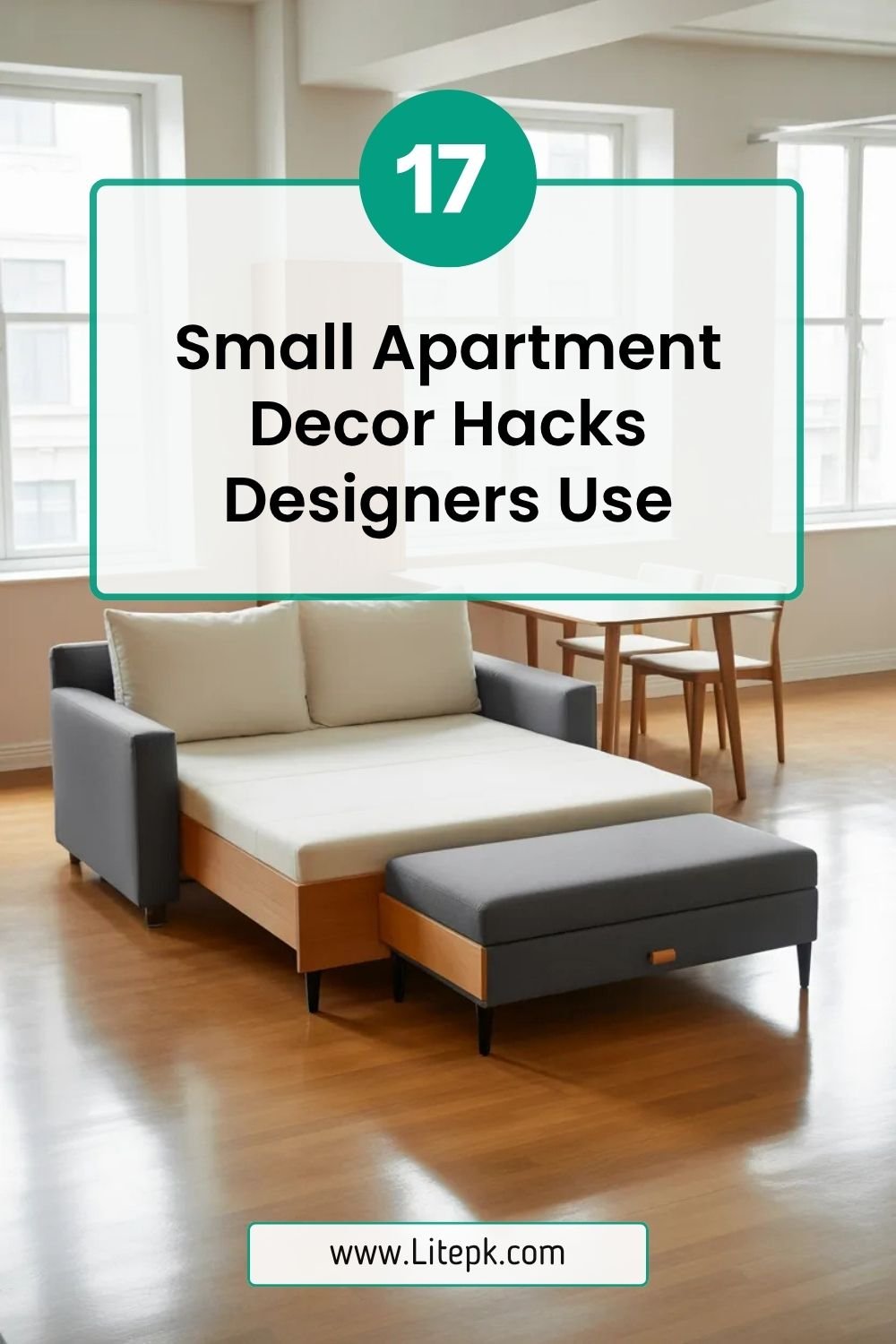
Living in a small apartment doesn’t mean sacrificing style, comfort, or personality. In fact, limited space often pushes creativity further, leading to smarter, more refined design choices that feel intentional and high-end.
Professional designers approach small spaces differently—they focus on flow, scale, light, and multi-functionality. These small apartment decor hacks are proven techniques used by experts to make compact homes feel bigger, brighter, and beautifully curated.
1. Use Light, Neutral Color Palettes
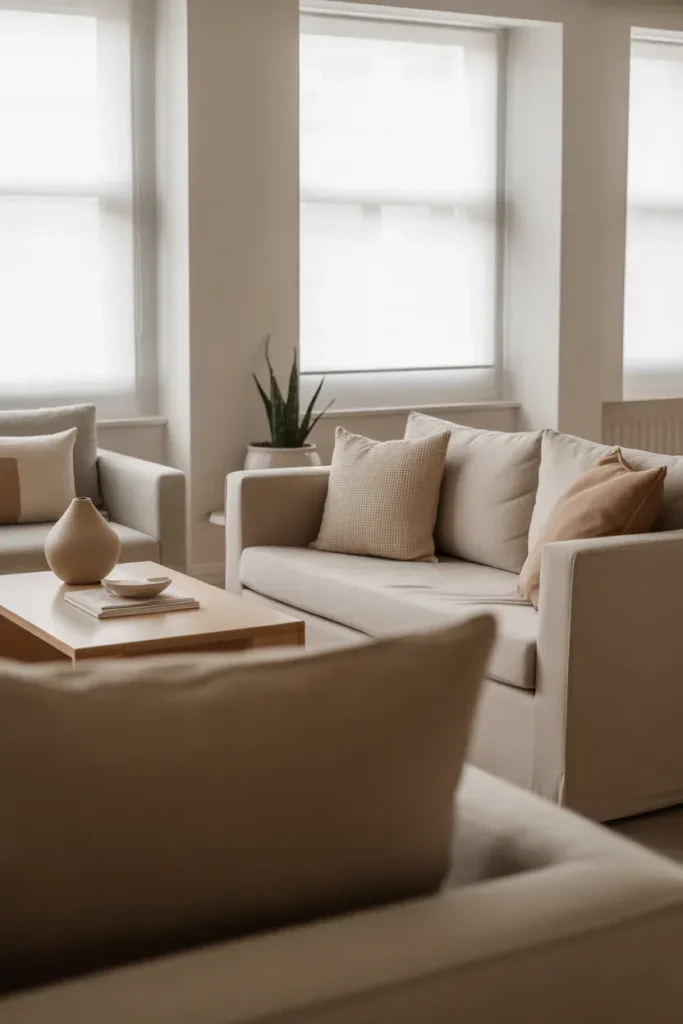
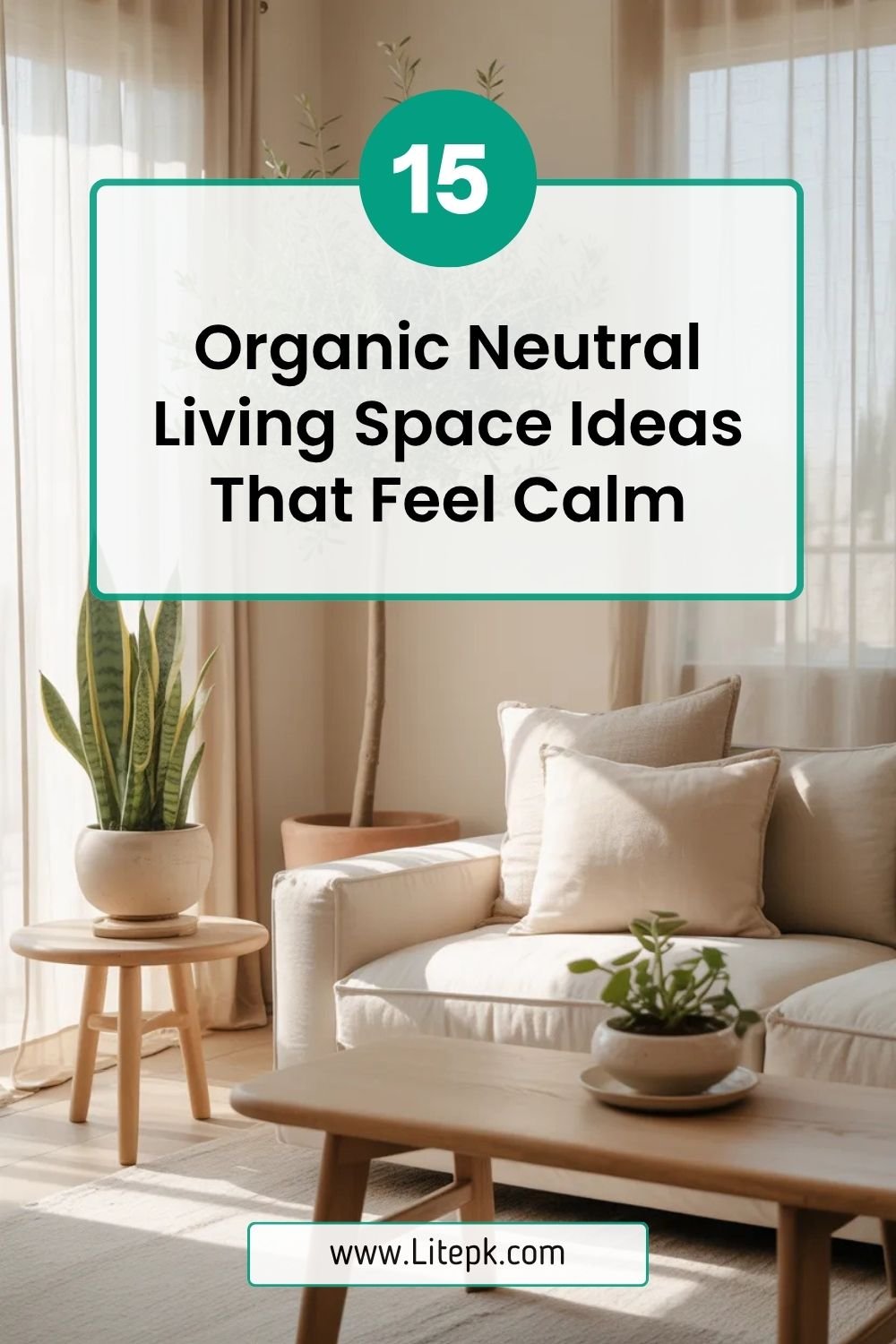
Designers consistently rely on light, neutral tones to make small apartments feel more open and airy. Shades like soft white, beige, warm gray, and muted taupe reflect light effectively, helping walls visually recede rather than close in.
A cohesive neutral palette also creates visual continuity, which is essential in compact spaces. When everything flows seamlessly, the apartment feels larger and more sophisticated. Add subtle contrast through textures rather than bold colors to maintain elegance without clutter.
2. Incorporate Mirrors to Expand Space
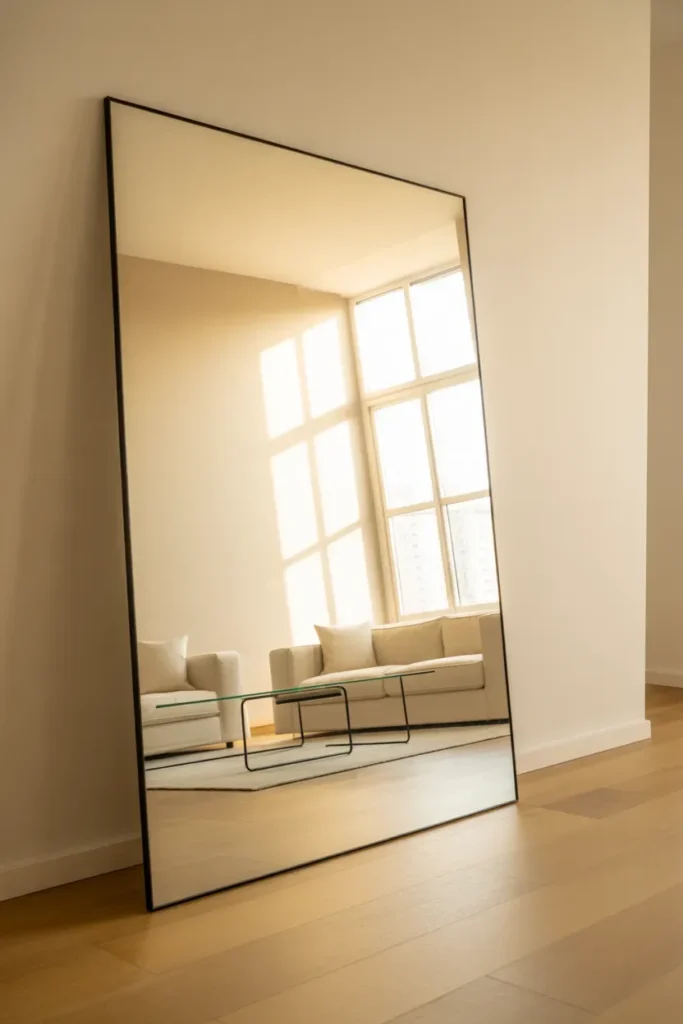
Mirrors are one of the oldest designer tricks for enhancing space perception. When placed strategically, they reflect both natural and artificial light, instantly making a room feel larger and brighter.
Position mirrors opposite windows or along narrow hallways to maximize their impact. Oversized mirrors or mirrored panels can double the visual depth of a room, creating an illusion of expanded space without any structural changes.
3. Choose Multi-Functional Furniture
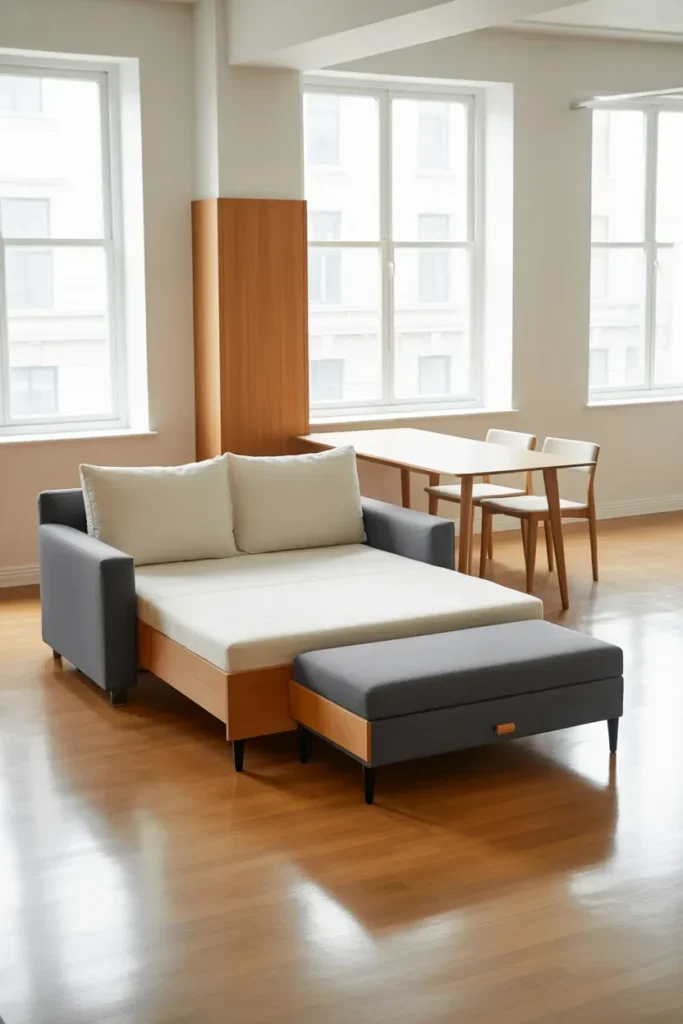
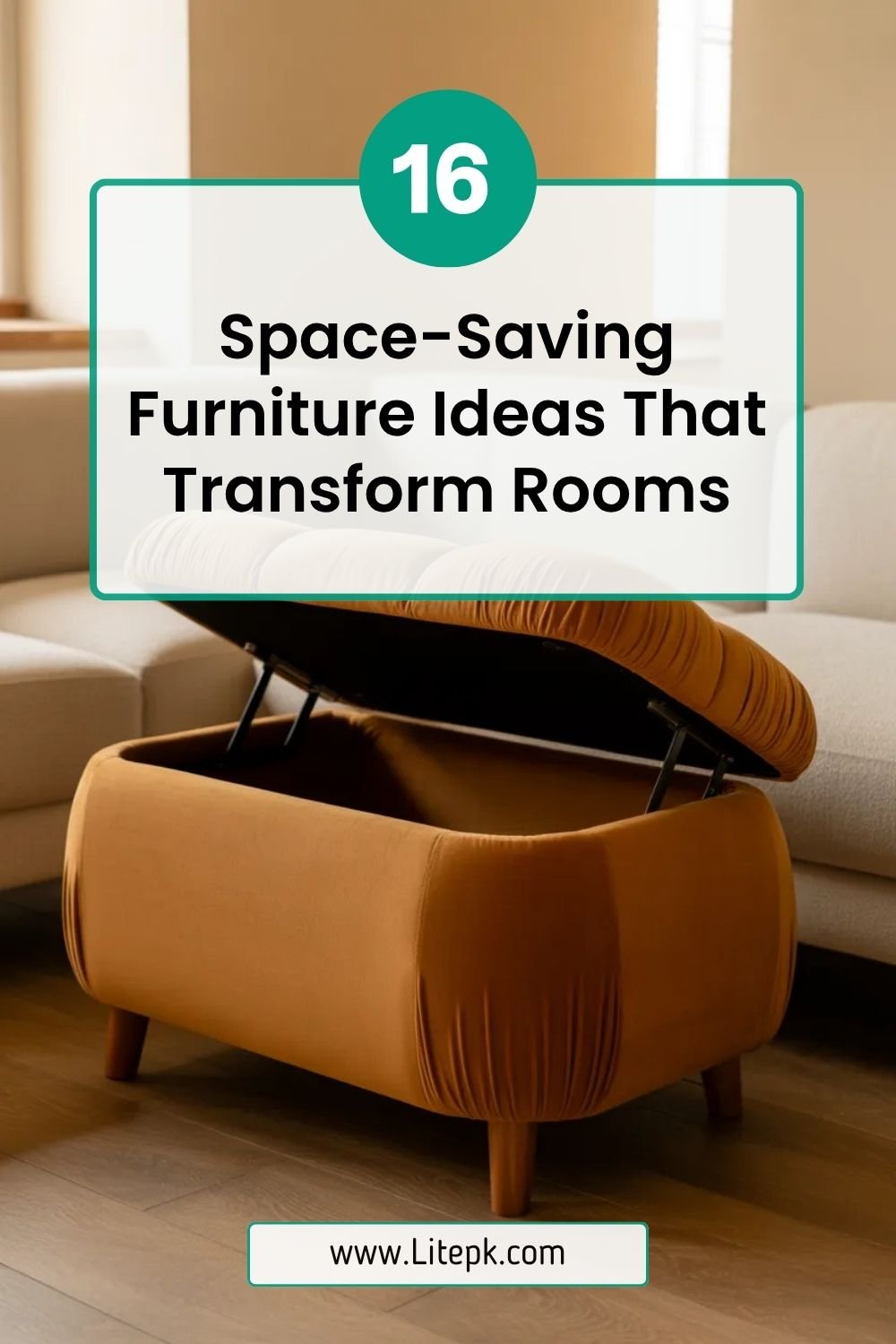
Every piece of furniture in a small apartment should serve more than one purpose. Designers often choose ottomans with storage, sofa beds, or extendable dining tables to maximize usability.
This approach reduces clutter and eliminates the need for extra furniture. A single well-designed piece can replace two or three items, making the space more efficient and visually clean.
4. Go Vertical with Storage
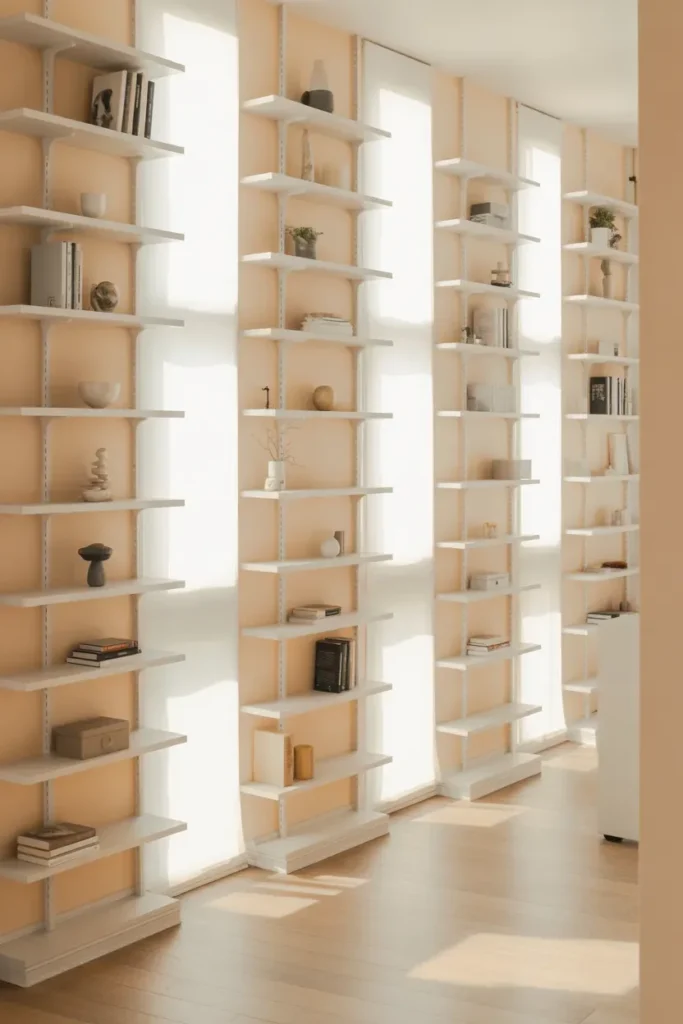
Vertical space is often underutilized in small apartments. Designers use tall shelving units, wall-mounted cabinets, and vertical storage systems to keep the floor clear while maximizing storage.
By drawing the eye upward, vertical storage also creates the illusion of higher ceilings. This makes the room feel more spacious and balanced, especially when combined with light colors.
5. Use Floating Furniture
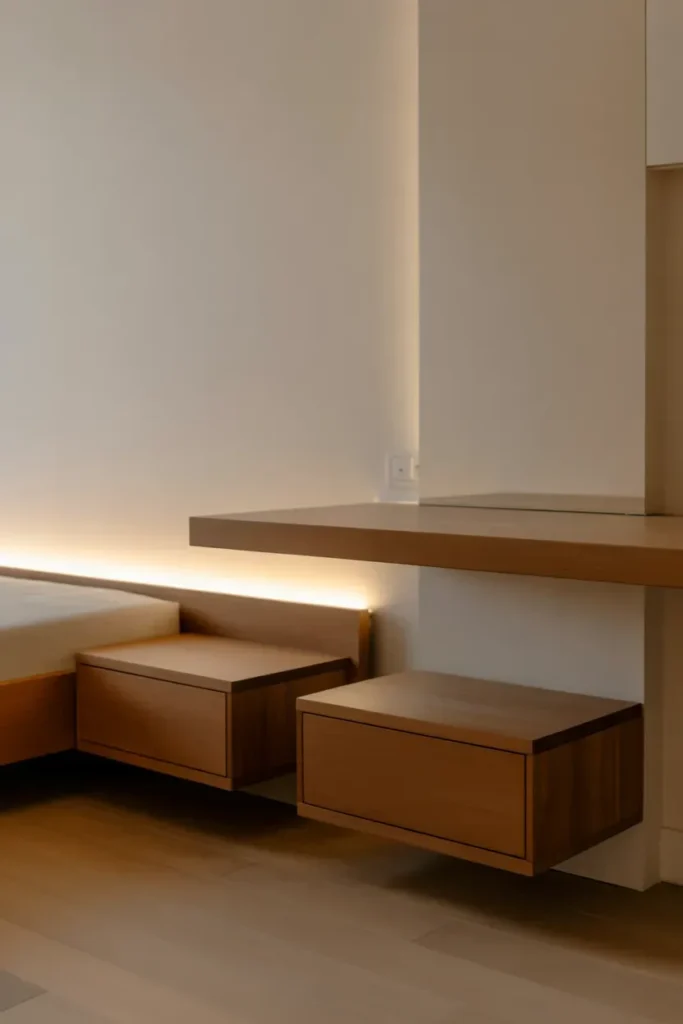
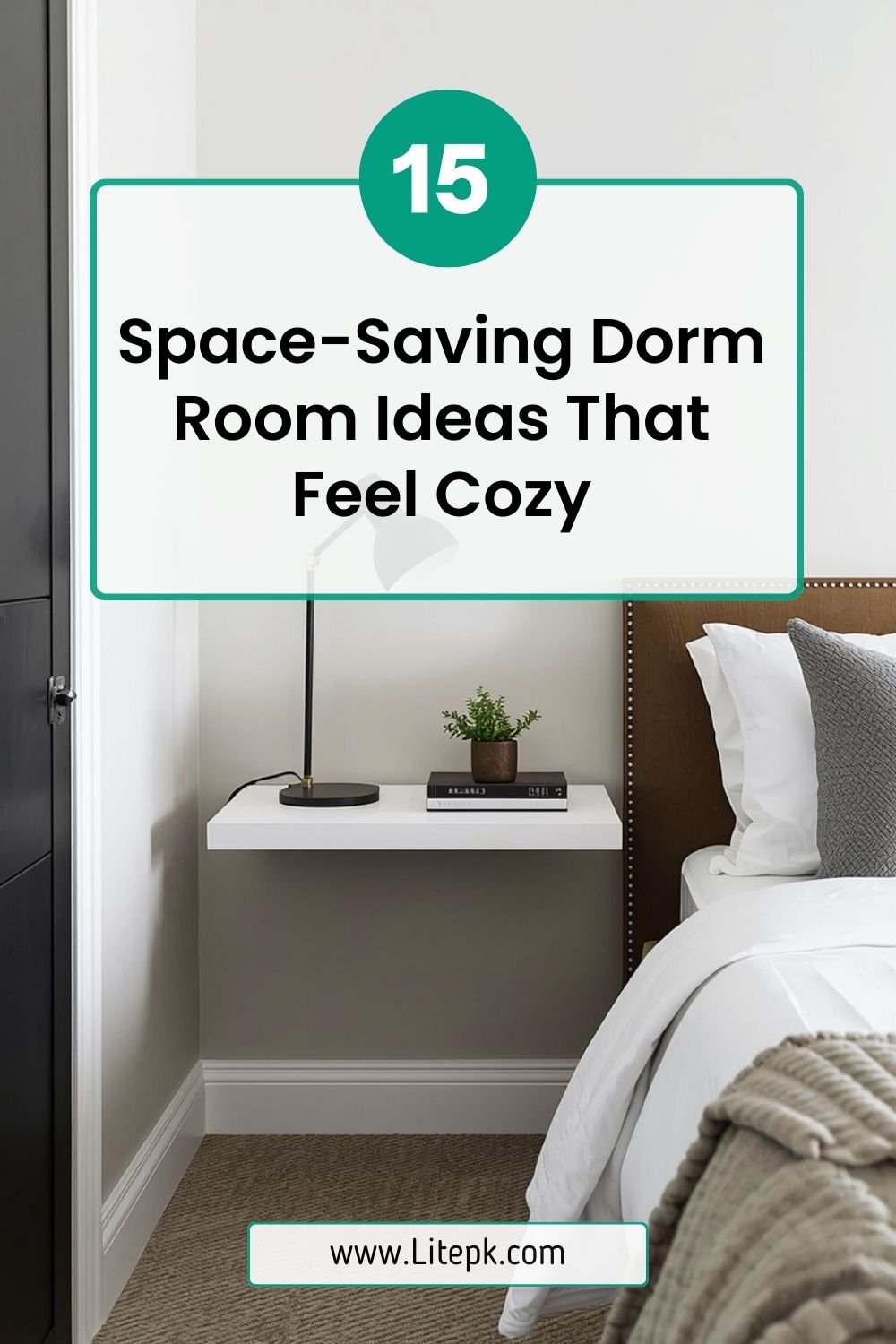
Floating furniture such as wall-mounted desks, shelves, and nightstands creates a sense of openness. With more visible floor area, the apartment feels less crowded and easier to navigate.
This technique also improves functionality by freeing up space for movement or additional storage. It’s a clean, modern solution that designers frequently use in compact interiors.
6. Define Zones with Rugs
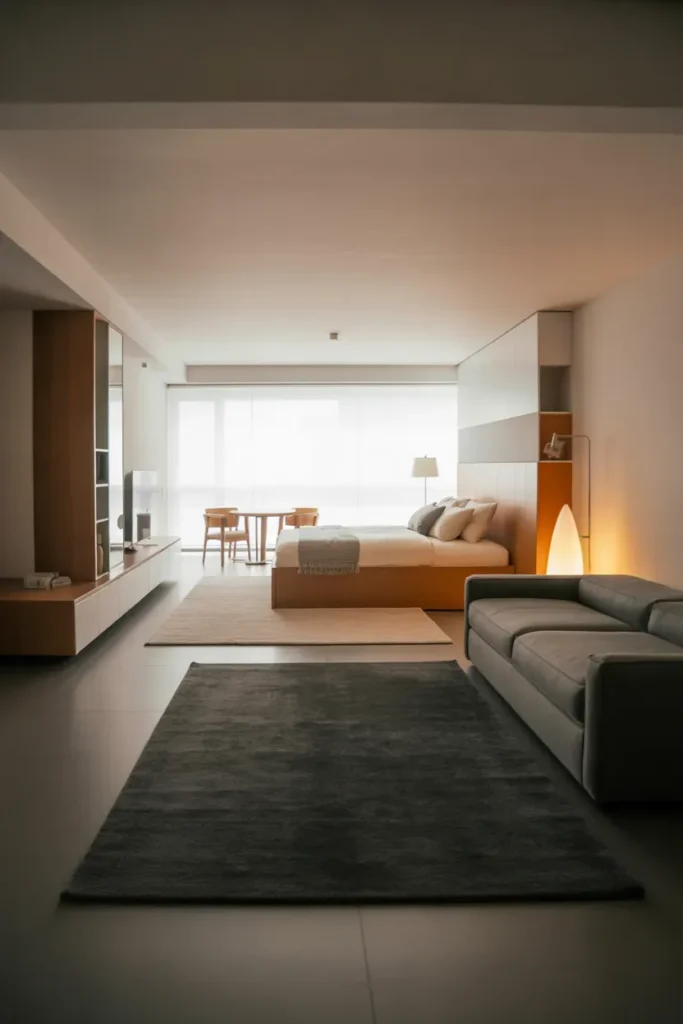
In open-plan apartments, defining zones is essential. Designers use rugs to visually separate areas like living, dining, and sleeping spaces without adding physical barriers.
A well-placed rug anchors furniture and creates a sense of structure. Choose appropriately sized rugs to ensure the layout feels intentional and cohesive rather than fragmented.
7. Add Statement Lighting
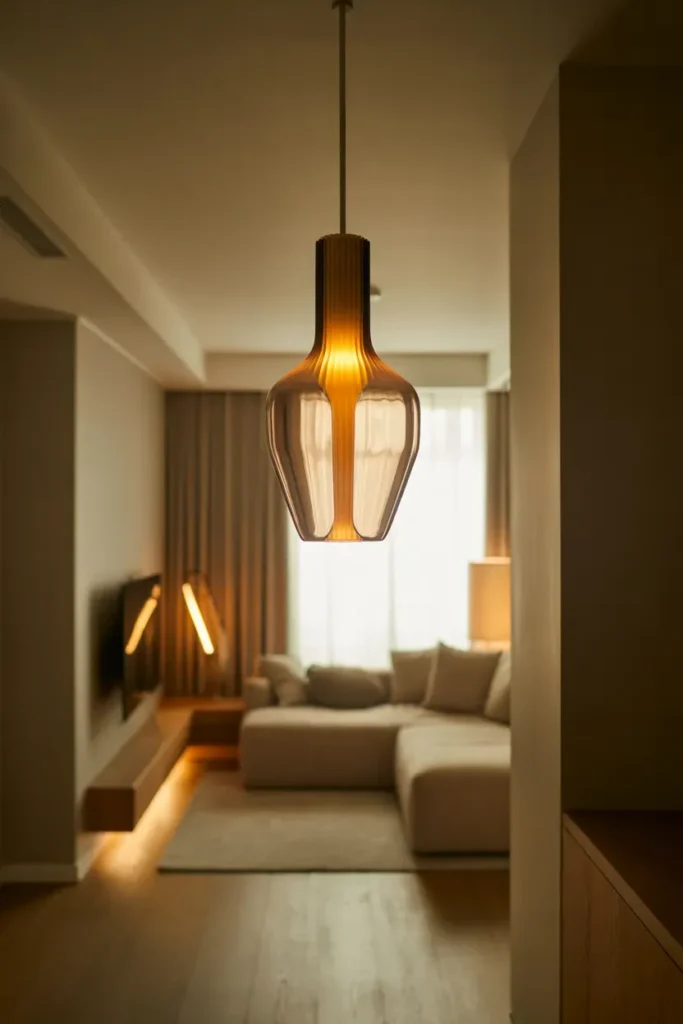
Lighting is more than just functional—it’s a design feature. Designers often incorporate statement lighting fixtures like pendant lights or sculptural lamps to add personality and elegance.
Layered lighting also enhances depth and ambiance. Combining overhead lights with floor and table lamps creates a balanced and inviting atmosphere.
8. Keep Decor Minimal and Intentional
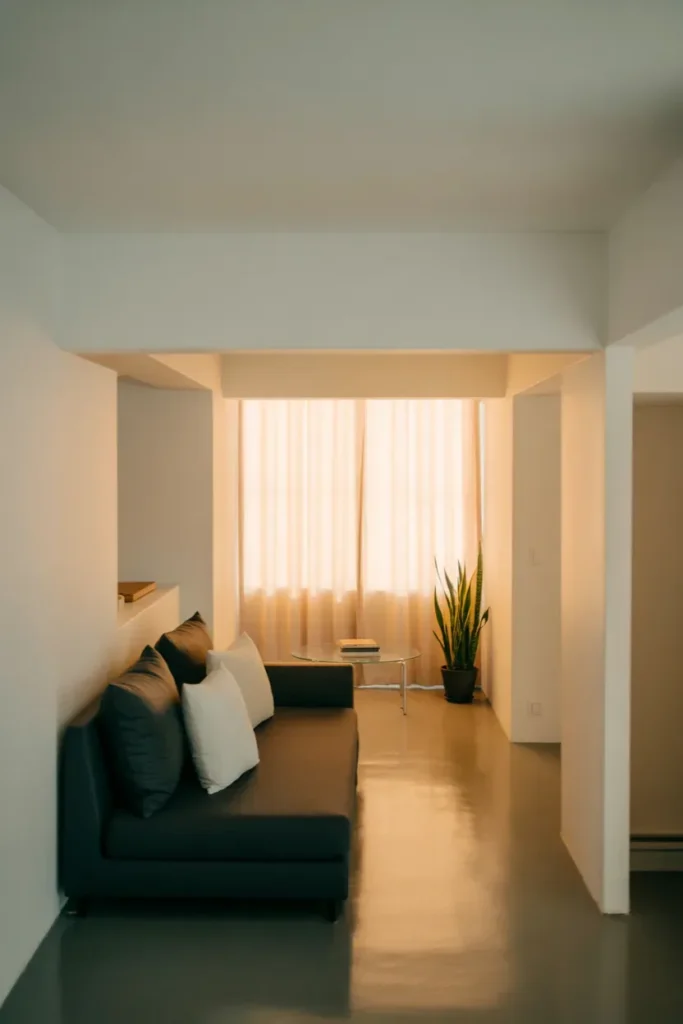
Clutter is the biggest enemy of small spaces. Designers focus on minimalism, choosing fewer but higher-quality decor pieces that make a stronger impact.
This approach creates a calm and organized environment. Each item should have a purpose, whether functional or aesthetic, contributing to the overall harmony of the space.
9. Use Transparent and Glass Elements
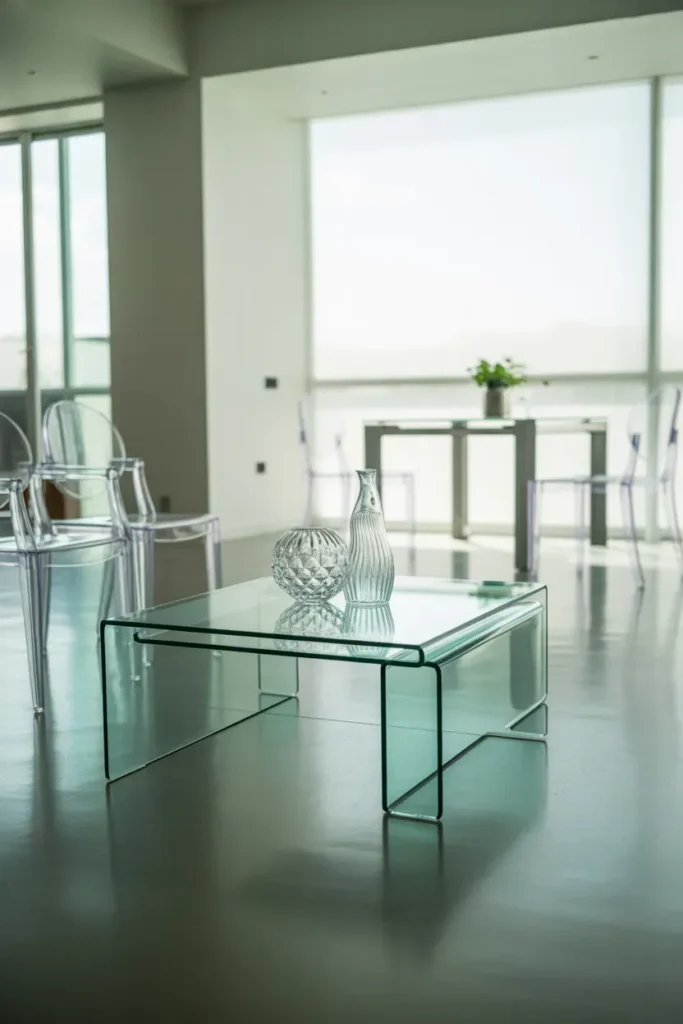
Transparent materials like glass or acrylic help maintain visual openness. Designers often use glass tables or chairs to reduce visual weight in a room.
These elements blend seamlessly into the space, making it feel less crowded. They are especially useful in small living rooms or dining areas.
10. Install Floor-to-Ceiling Curtains
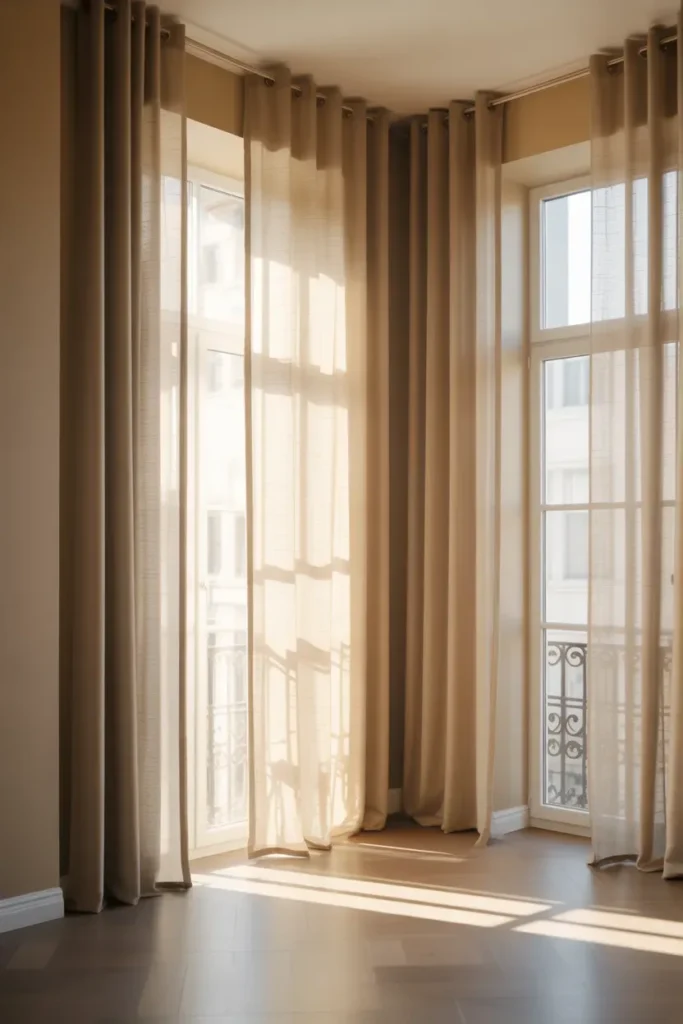
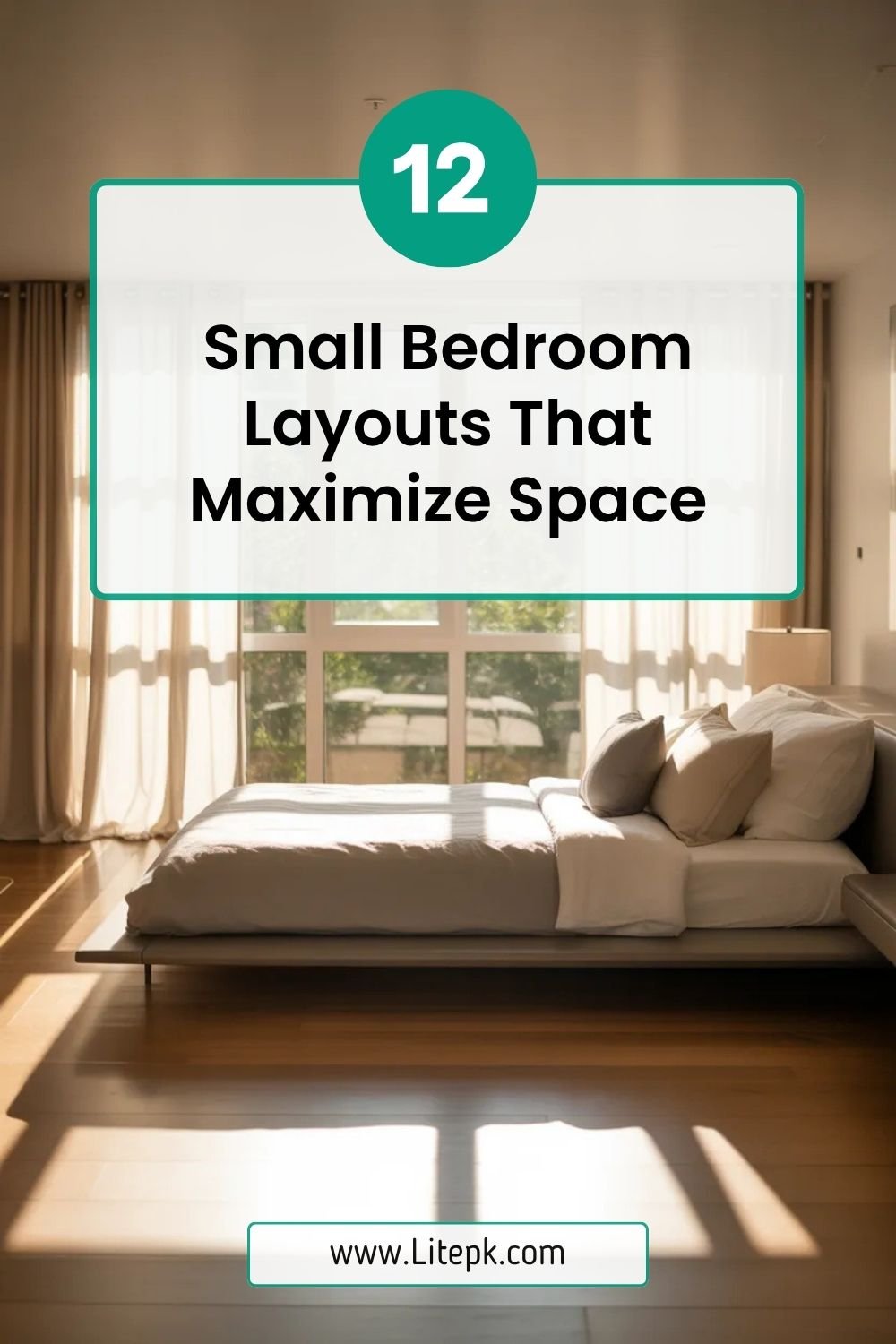
Floor-to-ceiling curtains create the illusion of taller ceilings and larger windows. Designers hang curtains higher than the window frame to enhance this effect.
Choose light fabrics that allow natural light to filter through while maintaining privacy. This simple trick adds elegance and dimension to the room.
11. Incorporate Built-In Storage
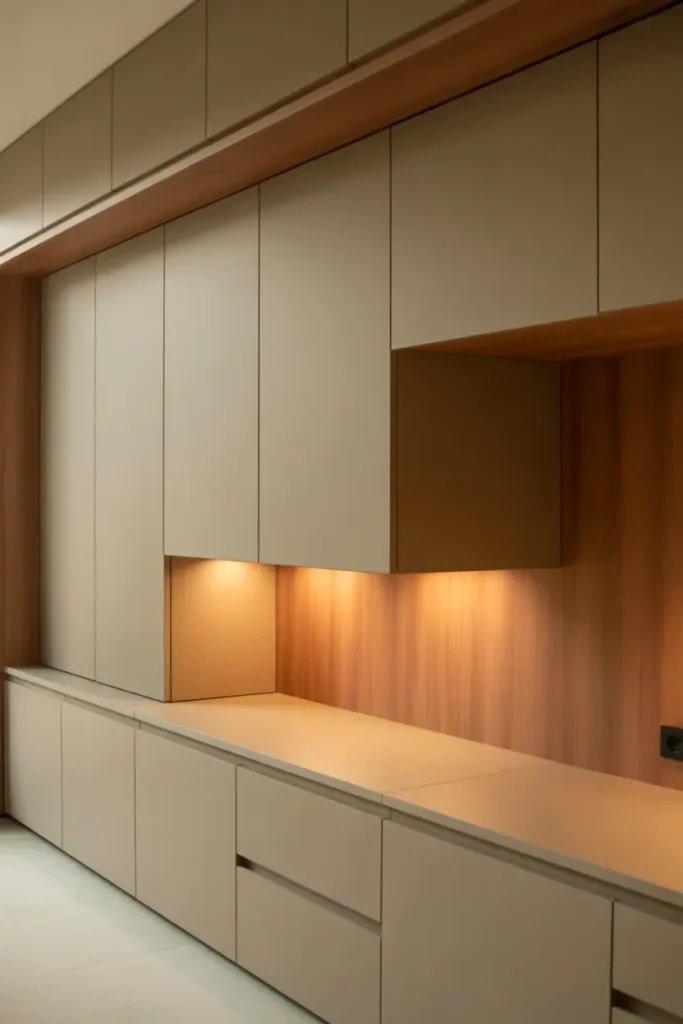
Built-in storage solutions are tailored to fit your space perfectly. Designers use custom cabinets, shelves, and hidden compartments to maximize every inch.
These solutions keep the apartment organized while maintaining a clean, seamless look. Although they may require an initial investment, they offer long-term efficiency and style.
12. Use Bold Accent Pieces Sparingly
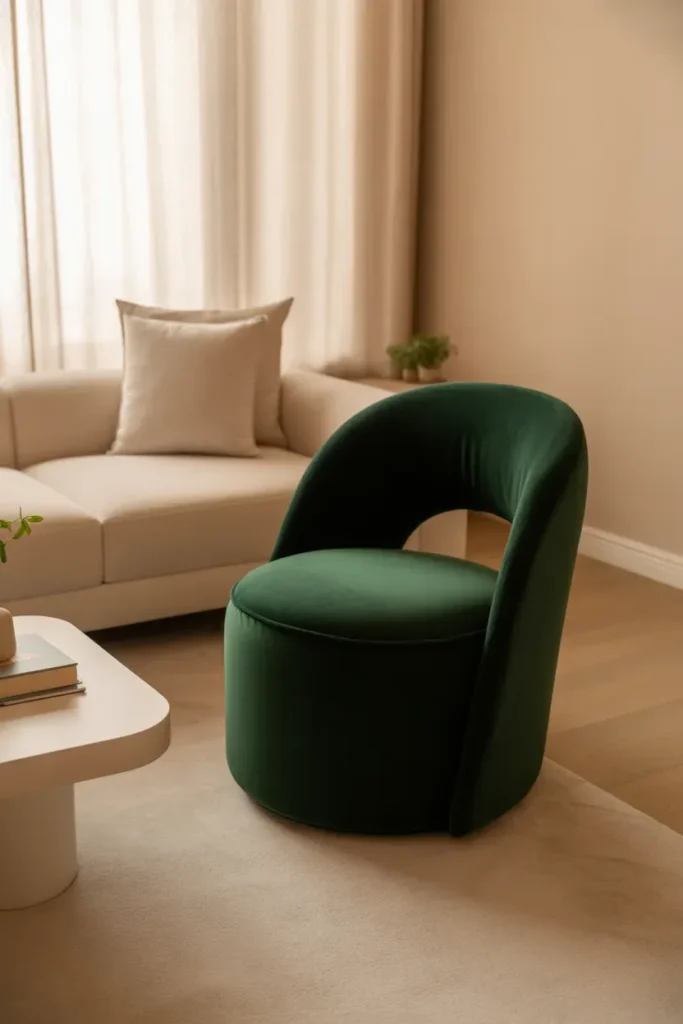
While neutral tones dominate small spaces, designers often include bold accents to add character. A single statement piece, like a vibrant chair or artwork, can elevate the entire room.
The key is balance—too many bold elements can overwhelm the space. Keep the rest of the decor subtle to let the accent stand out.
13. Maximize Natural Light
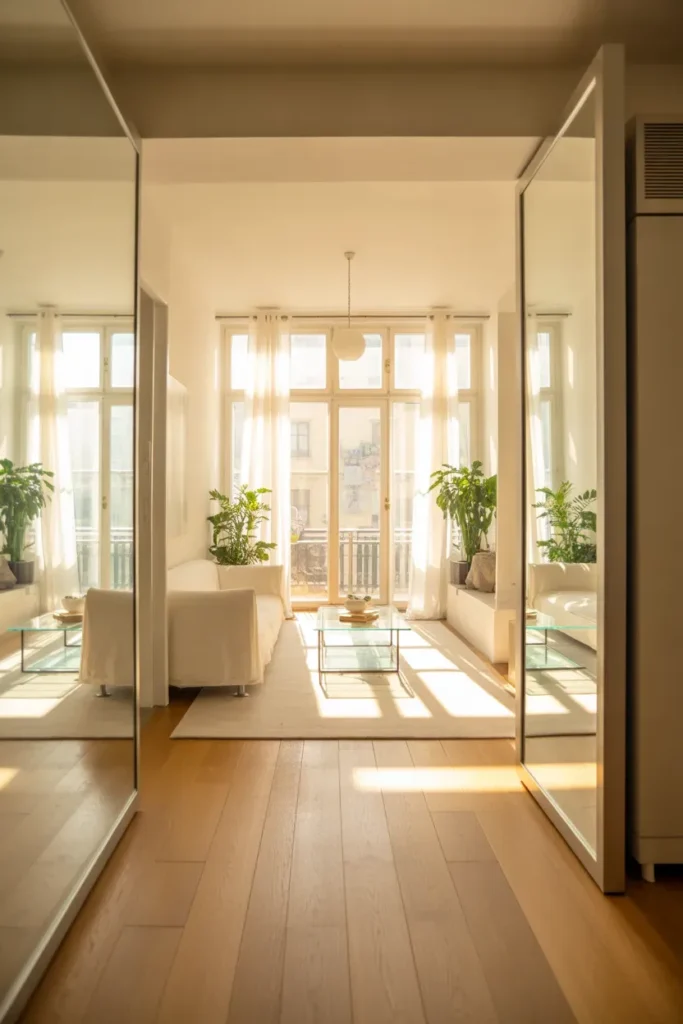
Natural light is one of the most powerful tools in small apartment design. Designers keep windows unobstructed and use reflective surfaces to enhance brightness.
Light-filled spaces feel larger and more welcoming. Use sheer curtains or blinds that allow sunlight to flow freely throughout the apartment.
14. Add Greenery for Freshness
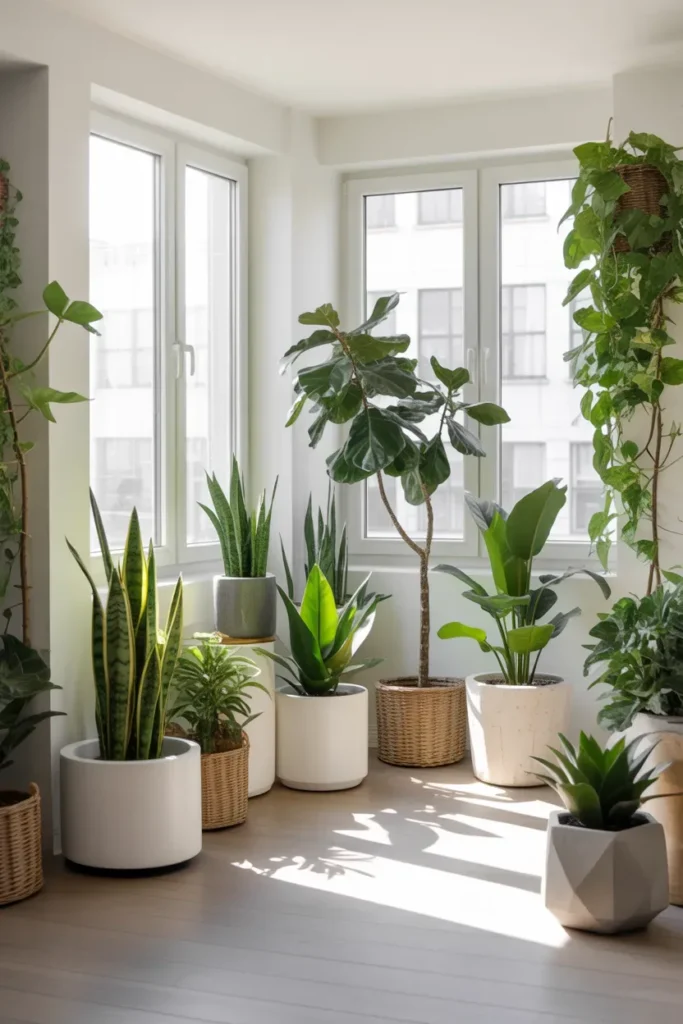
Plants bring life and vibrancy to small spaces. Designers use greenery to soften interiors and create a connection with nature.
Choose compact plants or vertical planters to save space. Stylish pots can also serve as decorative elements, enhancing the overall aesthetic.
15. Use Hidden Storage Furniture
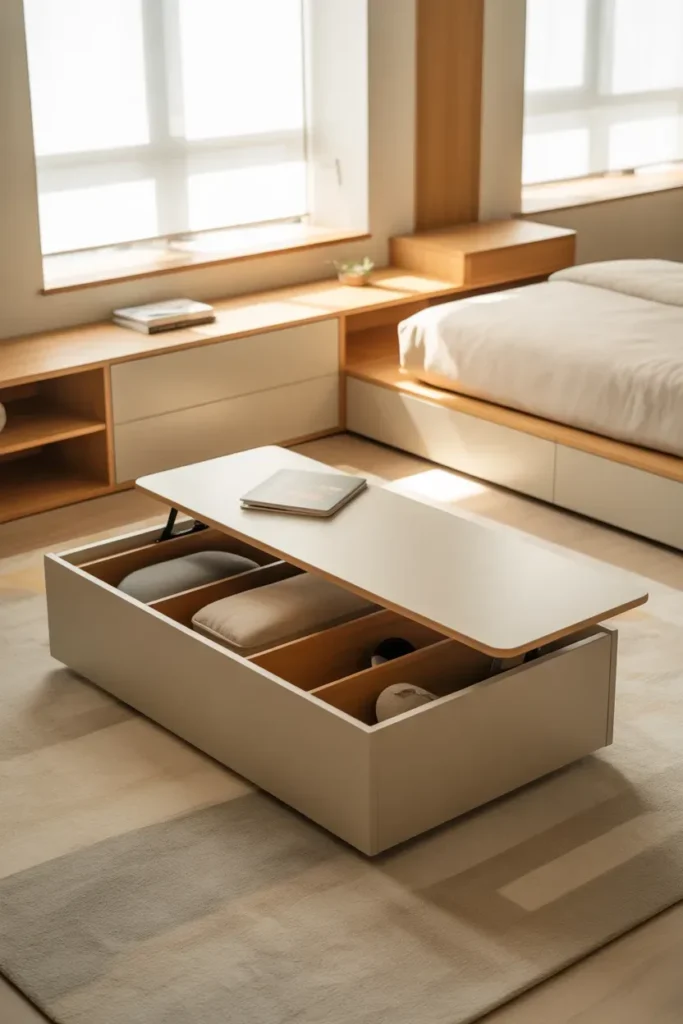
Hidden storage is a game-changer in small apartments. Furniture like storage beds, benches, and coffee tables helps keep clutter out of sight.
This approach maintains a clean and organized appearance while providing ample storage. It’s both practical and visually appealing.
16. Create Visual Continuity
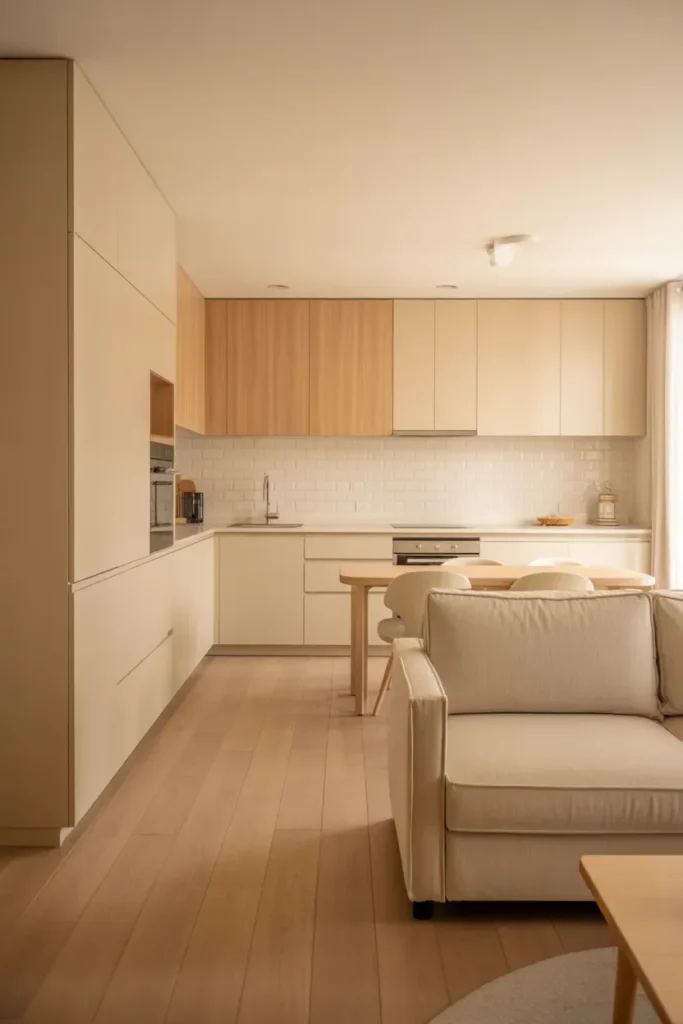
Designers ensure that colors, materials, and finishes flow seamlessly from one area to another. This continuity prevents visual breaks that can make a space feel smaller.
Using consistent flooring, color palettes, and design elements creates harmony and makes the apartment feel more spacious.
17. Personalize Without Overcrowding
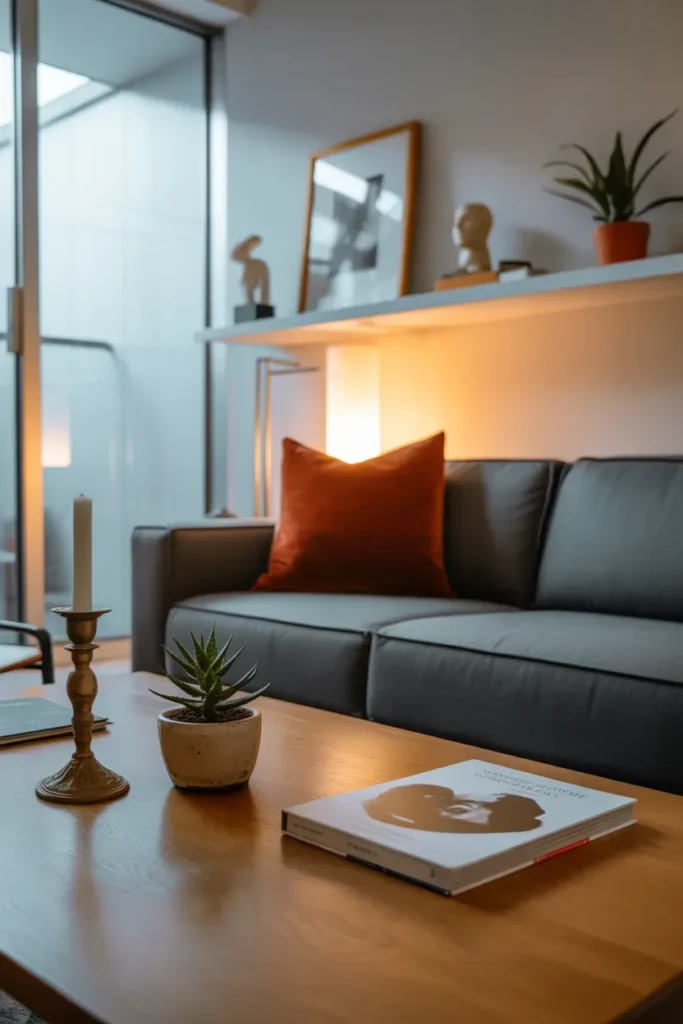
Personal touches make a space feel like home, but designers balance personalization with simplicity. Display a few meaningful items rather than overcrowding surfaces.
Curated decor adds character while maintaining a clean aesthetic. This ensures your apartment feels both stylish and lived-in.
Final Thoughts
Designing a small apartment is about making smart, intentional choices. These small apartment decor hacks used by designers prove that limited space doesn’t mean limited style.
By focusing on functionality, light, and simplicity, you can create a home that feels spacious, elegant, and uniquely yours. Every inch matters—and with the right approach, every inch can shine.