13 Modern Organic Home Decor Ideas Designers Love
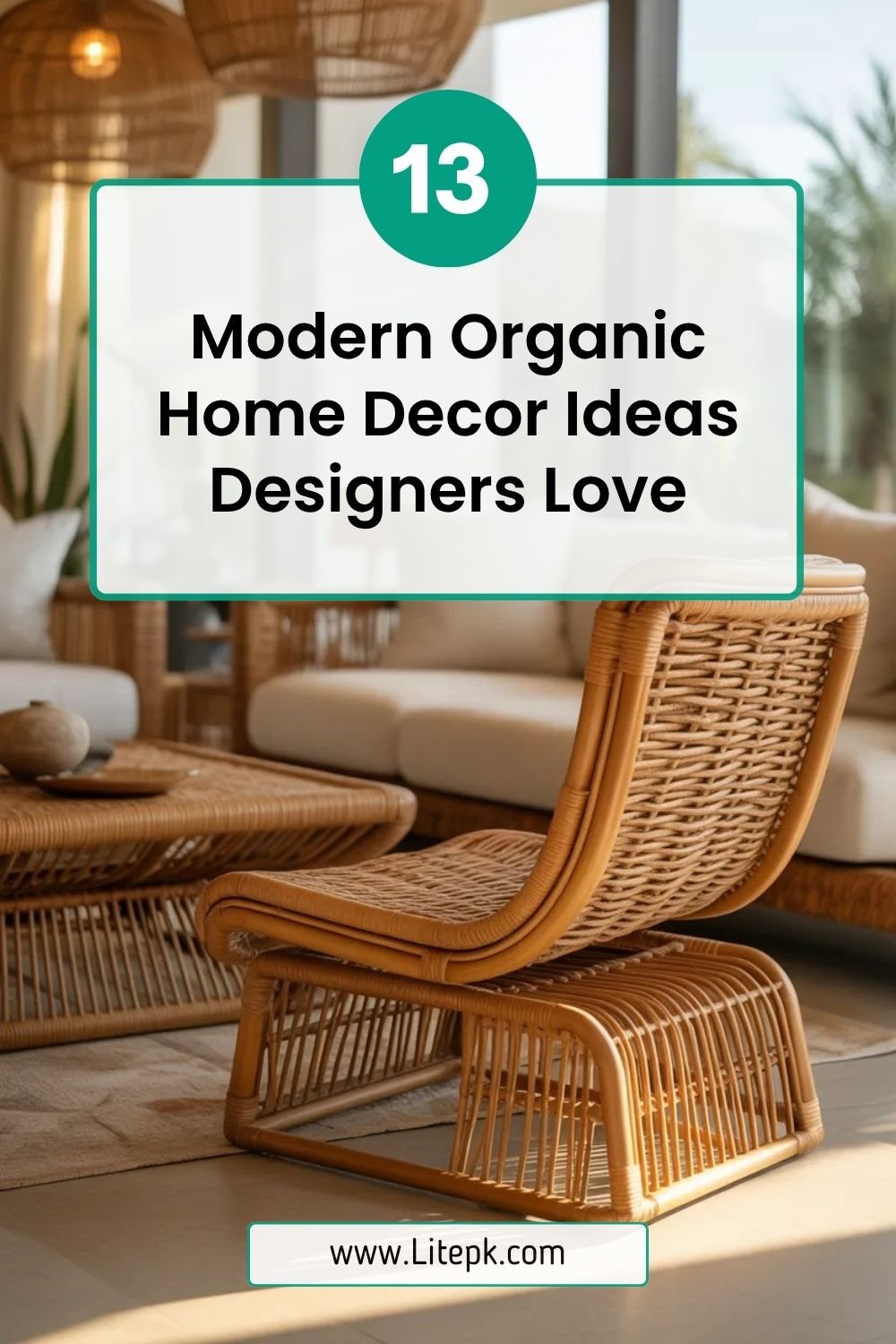
Modern Organic Home Decor is more than just a trend—it’s a lifestyle rooted in balance, simplicity, and nature-inspired beauty. It blends clean modern lines with earthy textures, creating spaces that feel both refined and deeply comforting.
If you’re looking to transform your home into a calming sanctuary without sacrificing style, this guide will walk you through designer-approved ideas that are both practical and visually stunning. Each concept embraces warmth, texture, and natural imperfection—key pillars of modern organic design.
1. Sculptural Wooden Furniture
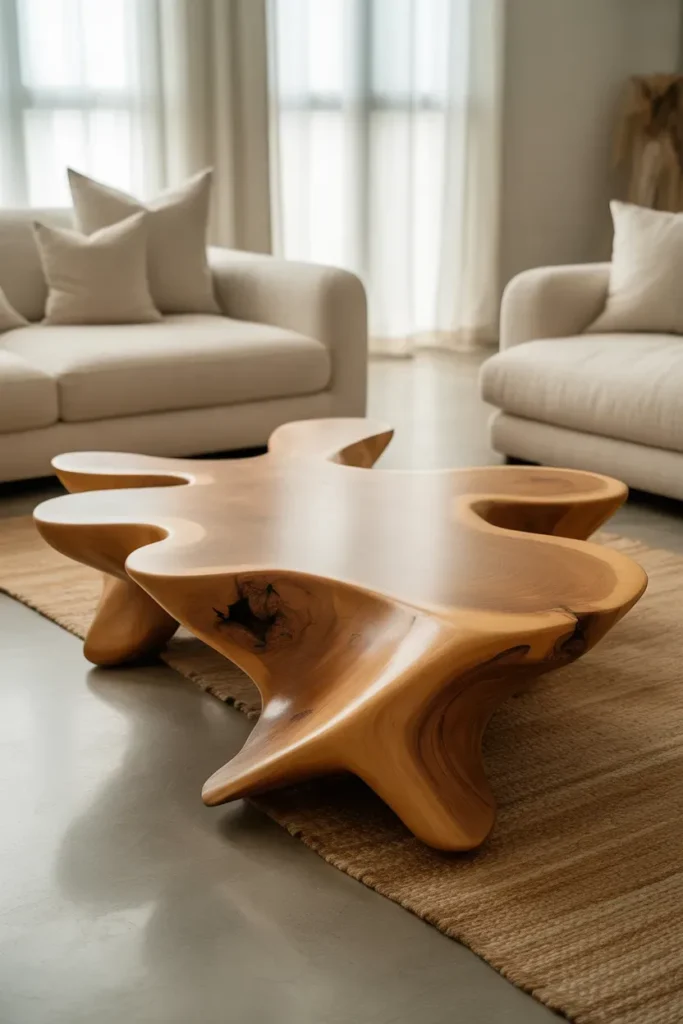
Sculptural wooden furniture is a cornerstone of Modern Organic Home Decor. Instead of standard straight-edged pieces, designers are leaning toward curved, hand-carved, or asymmetrical forms that feel like functional art. Think coffee tables with raw edges or chairs with fluid silhouettes that mimic nature.
These pieces not only add warmth but also act as focal points in a room. The grain, knots, and imperfections in wood enhance authenticity. Pair these with neutral surroundings to let the craftsmanship shine without overwhelming the space.
2. Layered Neutral Textiles
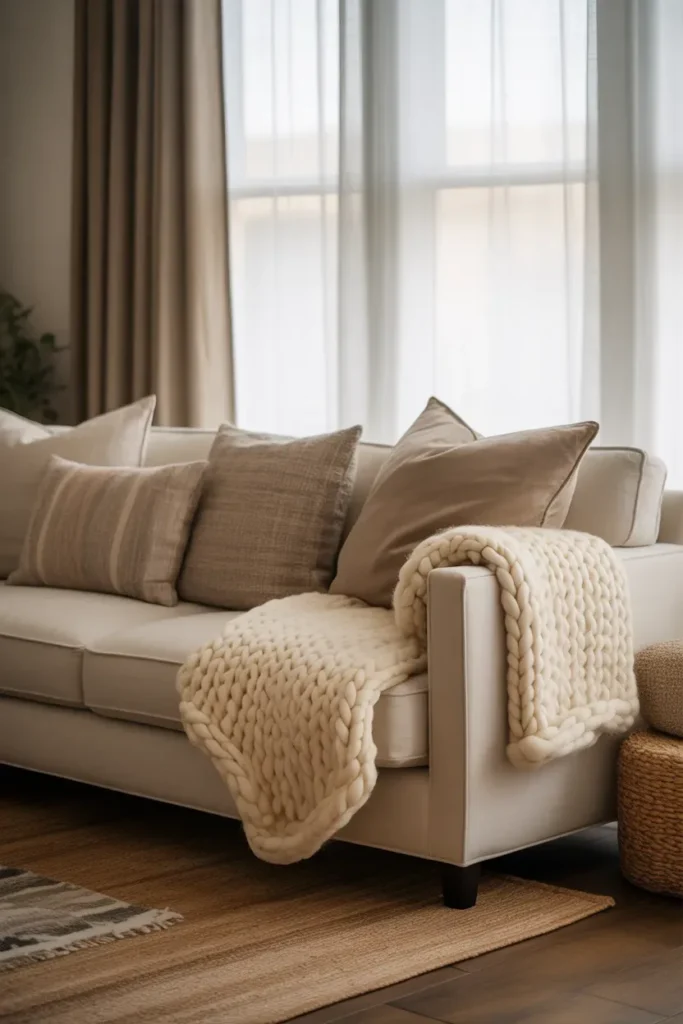
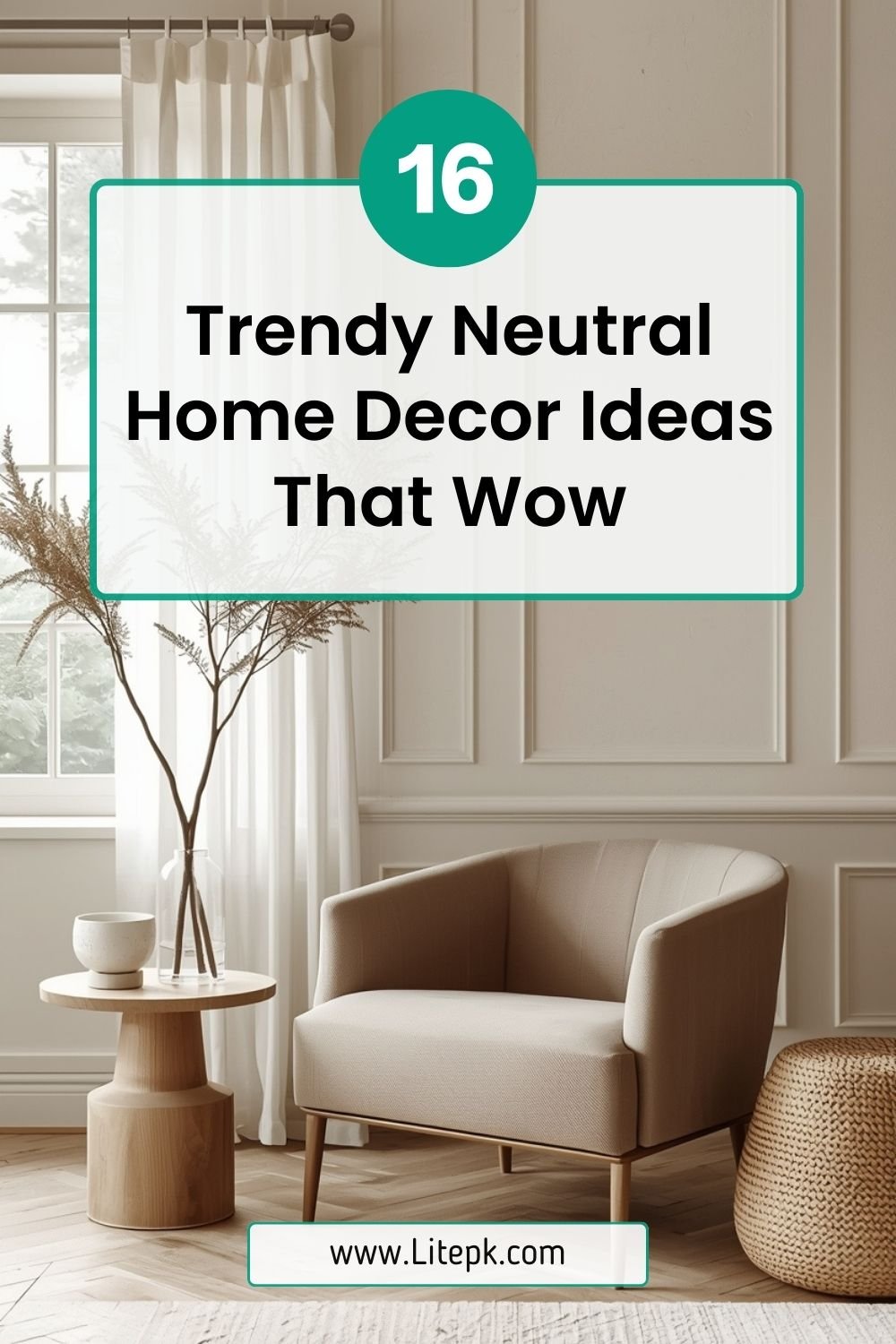
Layering textiles in neutral tones creates depth without visual clutter. Designers often combine linen, cotton, wool, and jute in shades like beige, ivory, taupe, and soft gray to achieve a cozy yet sophisticated look.
The key is variation in texture rather than color. A chunky knit throw over a linen sofa or a woven rug beneath smooth flooring introduces subtle contrast. This layering approach makes a space feel lived-in while maintaining a clean aesthetic.
3. Earthy Color Palette
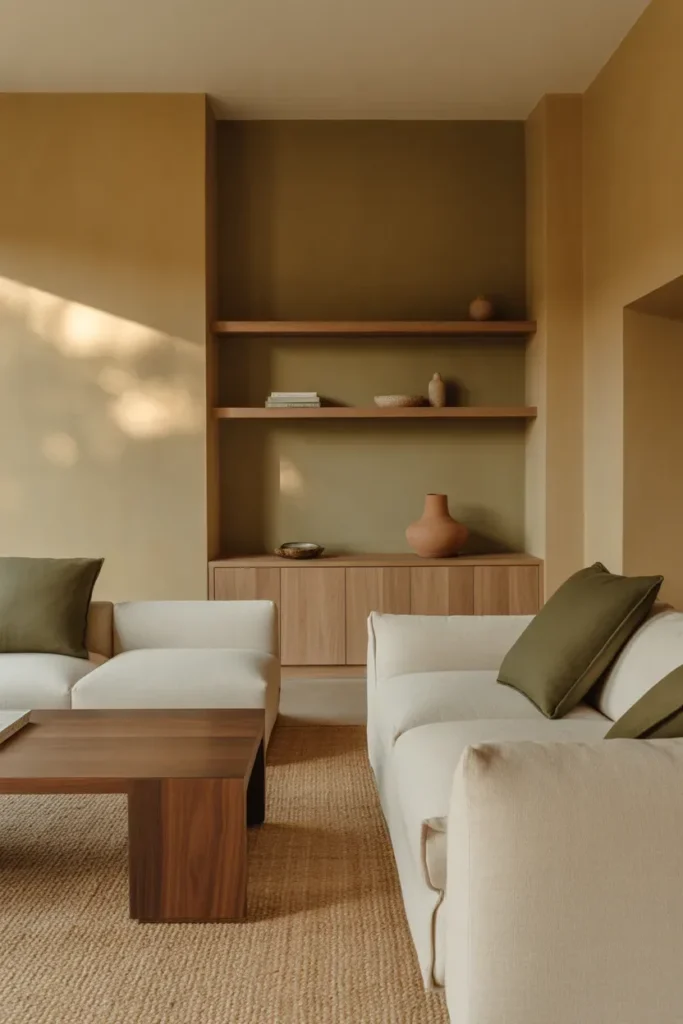
A grounded color palette is essential in Modern Organic Home Decor. Designers favor tones inspired by nature—sand, clay, olive, stone, and warm whites—to create a soothing atmosphere.
These colors help blur the line between indoors and outdoors. When used consistently across walls, furniture, and accessories, they create visual harmony. Accent with darker tones sparingly to maintain balance and avoid heaviness.
4. Natural Stone Accents
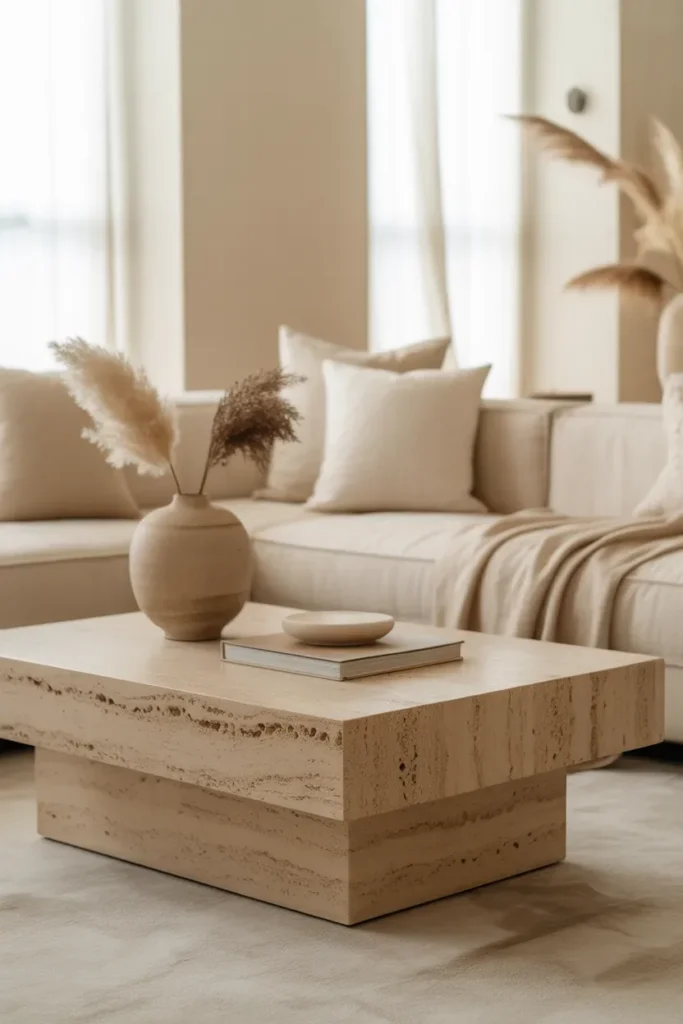
Stone elements add a timeless and grounded feel to interiors. Whether it’s a marble countertop, travertine table, or stone decor pieces, these materials introduce natural variation and elegance.
Designers often use stone as a contrast to softer materials like fabric or wood. The cool texture of stone balances warmth, creating a layered and dynamic environment. Even small accents can elevate the entire room.
5. Indoor Plants and Greenery
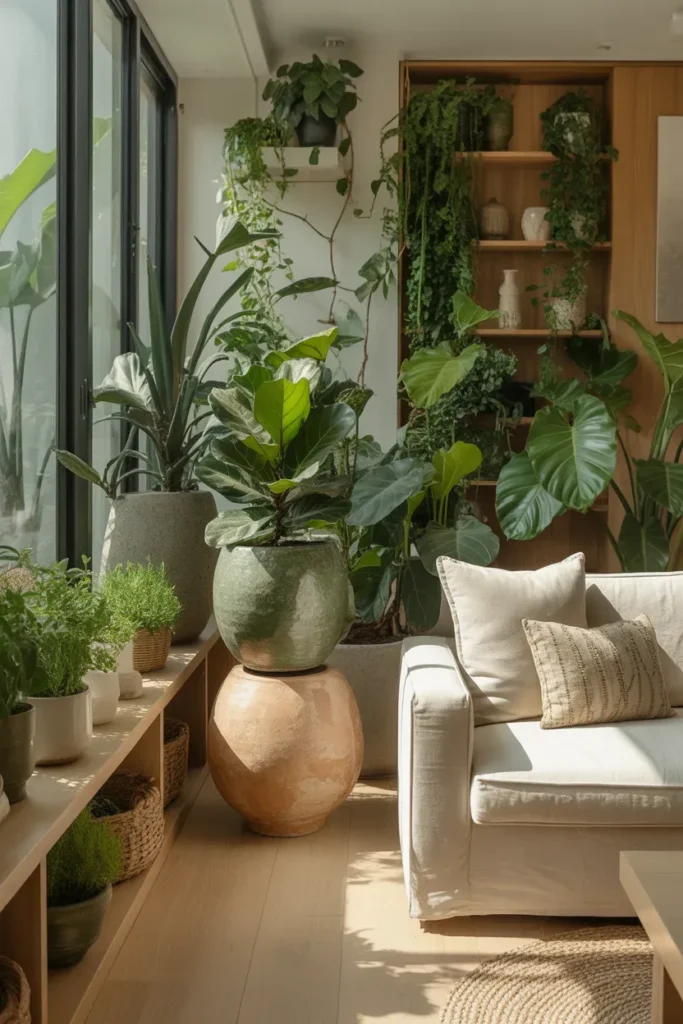
Bringing nature indoors is a defining feature of this style. Large leafy plants, small potted herbs, or even dried branches add life and movement to a space.
Plants not only enhance aesthetics but also improve air quality and mood. Designers prefer placing them in organic-shaped pots made of clay or ceramic to maintain consistency with the theme.
6. Handmade Ceramic Decor
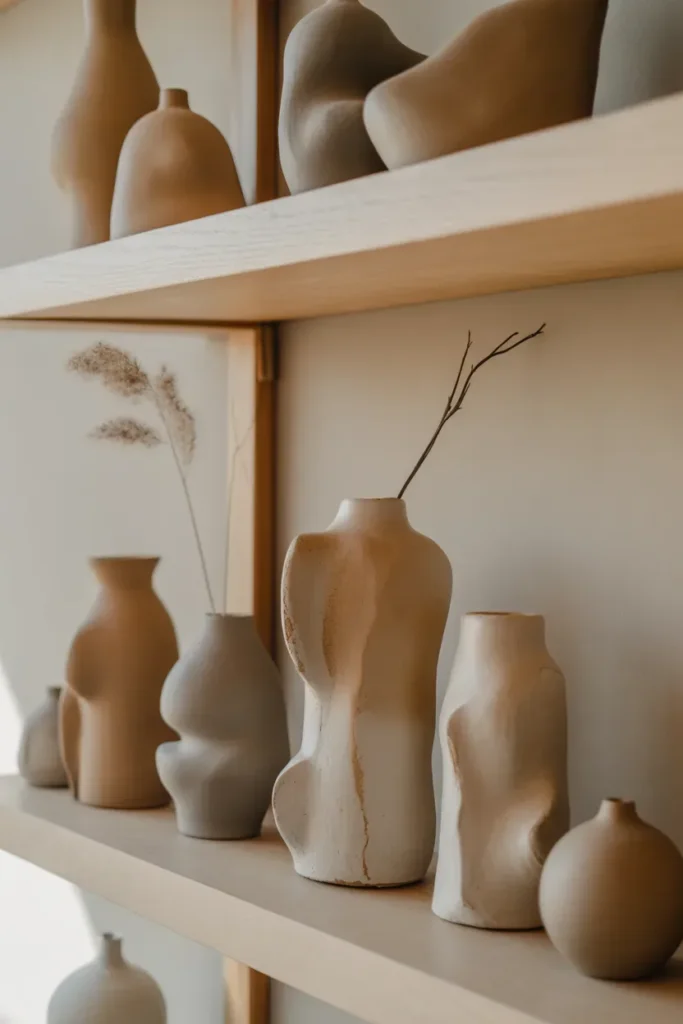
Handcrafted ceramics introduce authenticity and uniqueness. Unlike mass-produced items, handmade pieces have subtle imperfections that add character.
Designers often display ceramic vases, bowls, or sculptures on open shelves or tables. These pieces act as quiet focal points, enhancing the organic feel without overpowering the space.
7. Organic-Shaped Mirrors
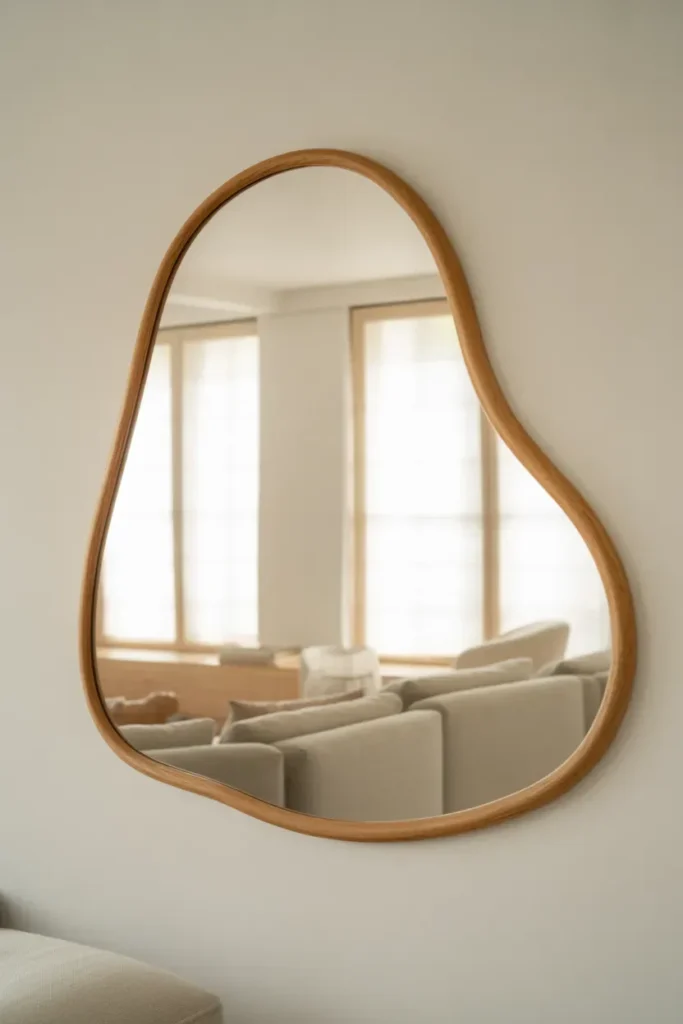
Mirrors with irregular, flowing shapes soften the rigid lines of modern interiors. They reflect light while adding an artistic element.
These mirrors are often framed in wood or metal with matte finishes. Placing them strategically can enhance natural light and create a sense of openness.
8. Woven Natural Materials
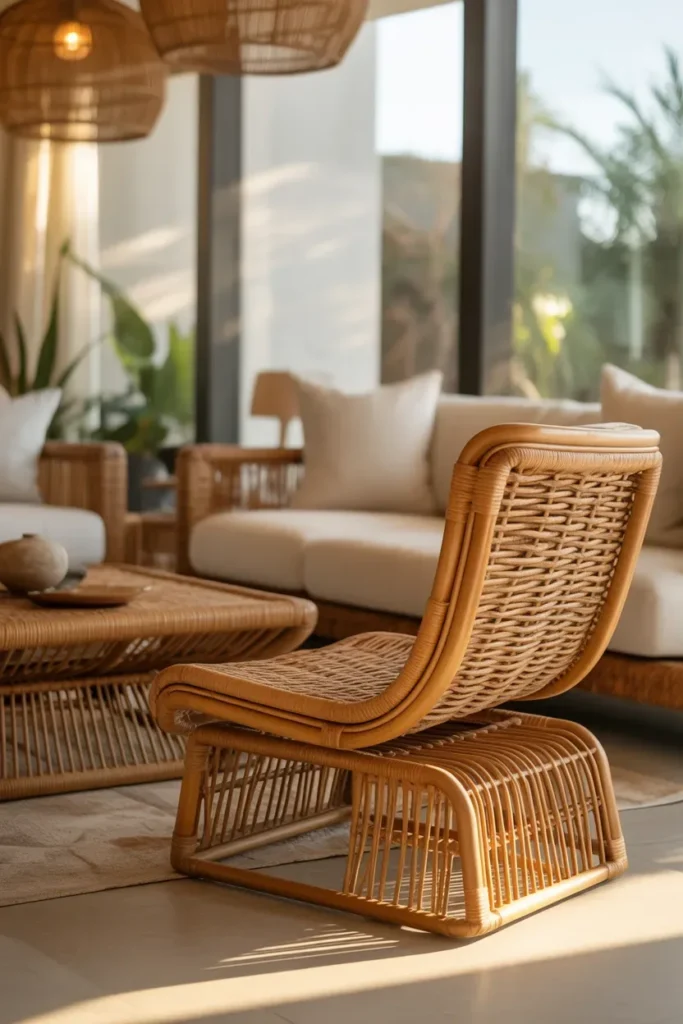
Materials like rattan, wicker, and seagrass bring warmth and texture. Designers incorporate them through baskets, chairs, or lighting fixtures.
These elements create a relaxed and inviting atmosphere. When paired with modern furniture, they add contrast and prevent the space from feeling too sterile.
9. Minimalist Wall Art
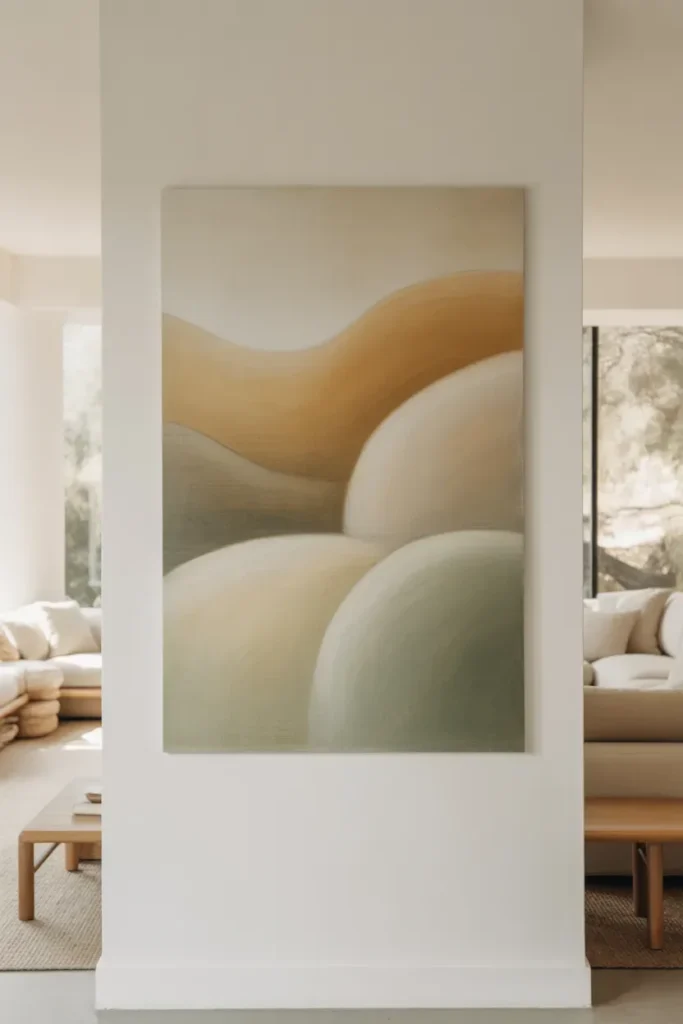
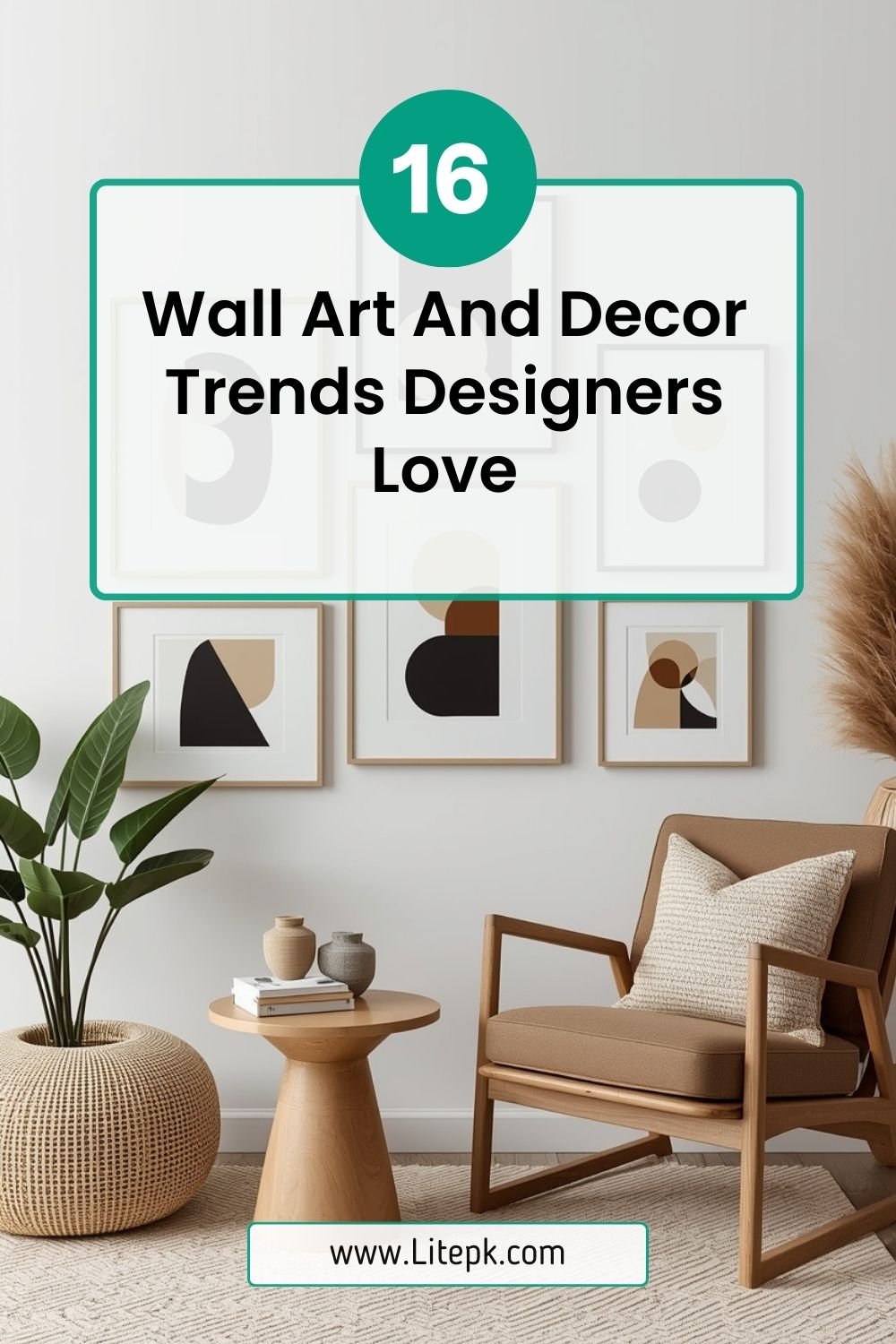
In Modern Organic Home Decor, less is more. Wall art should be subtle and harmonious, often featuring abstract or nature-inspired designs.
Neutral tones and simple compositions keep the focus on texture and material. Oversized pieces with minimal detail work particularly well in creating visual balance.
10. Soft Ambient Lighting
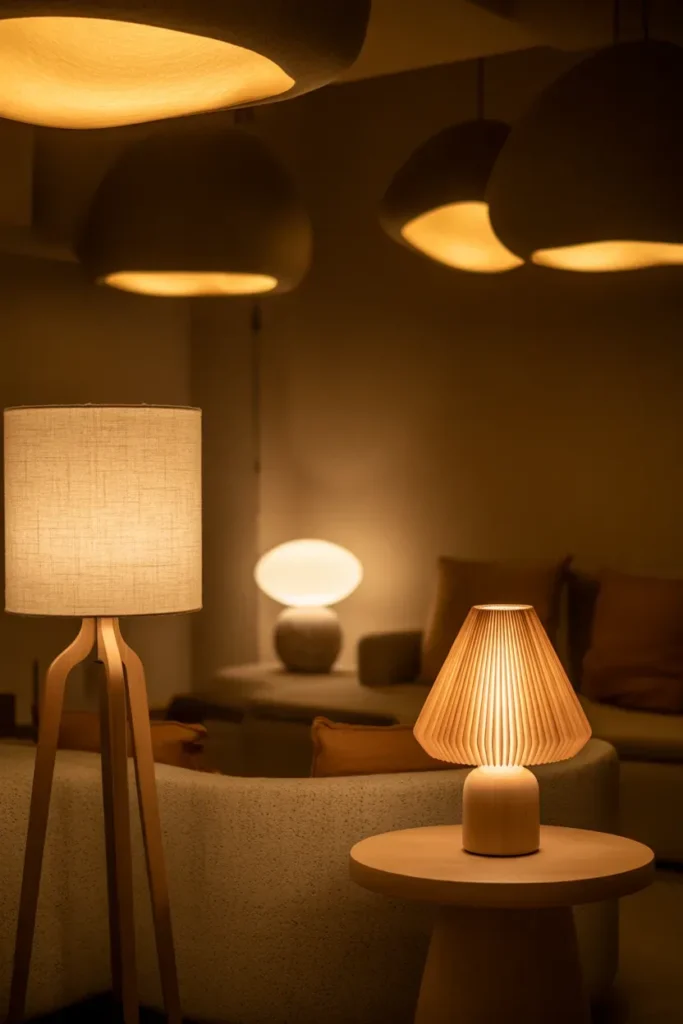
Lighting plays a crucial role in setting the mood. Designers prefer warm, diffused lighting over harsh brightness.
Using layered lighting—such as floor lamps, table lamps, and pendant lights—creates depth. Materials like linen or paper shades enhance the organic feel.
11. Textured Walls
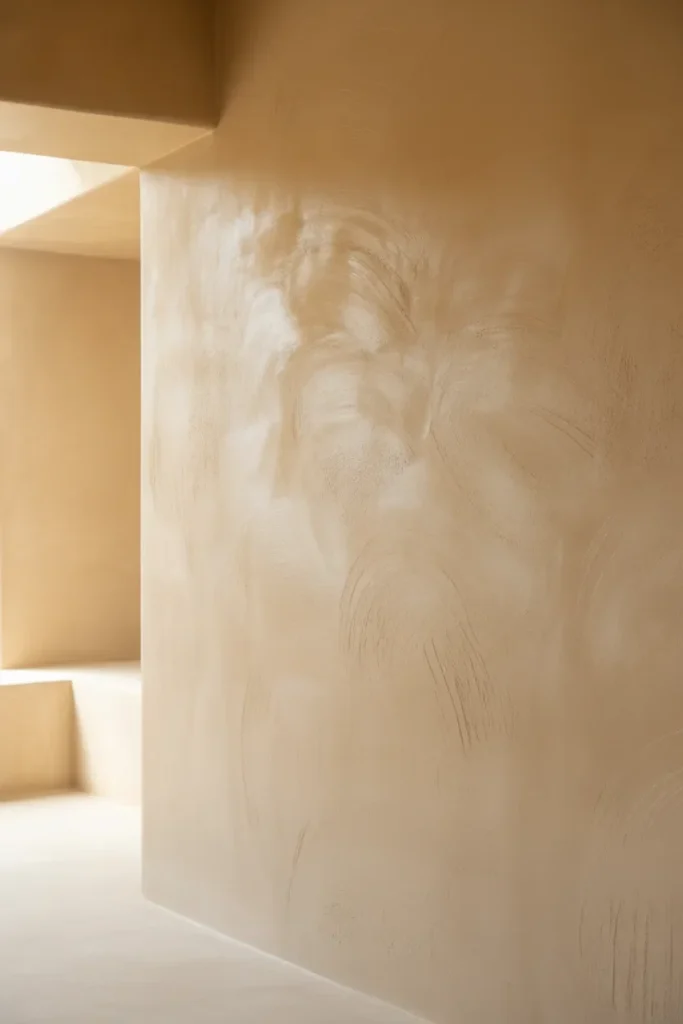
Textured walls add dimension without clutter. Techniques like limewash, plaster, or subtle paneling create depth and interest.
These finishes reflect light differently throughout the day, adding a dynamic quality to the space. They also complement the organic aesthetic by mimicking natural surfaces.
12. Low-Profile Furniture
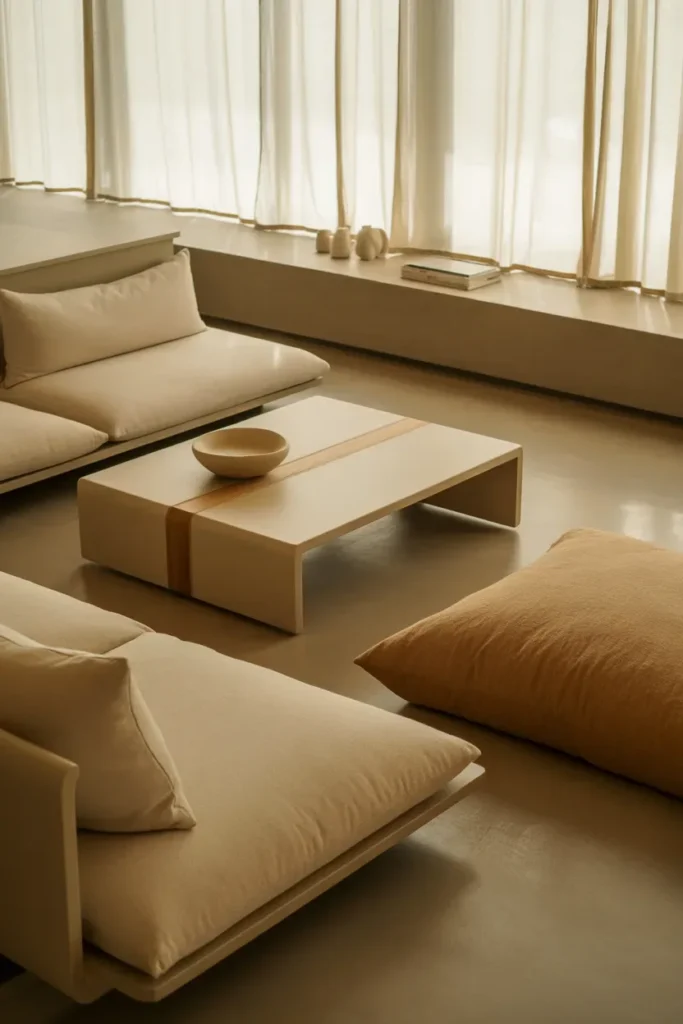
Low-profile furniture creates a grounded and relaxed atmosphere. Sofas, beds, and tables closer to the floor make spaces feel more open and calm.
This approach aligns with the organic principle of simplicity and balance. It also enhances the connection between different elements in the room.
13. DIY Sculptural Decor Pieces
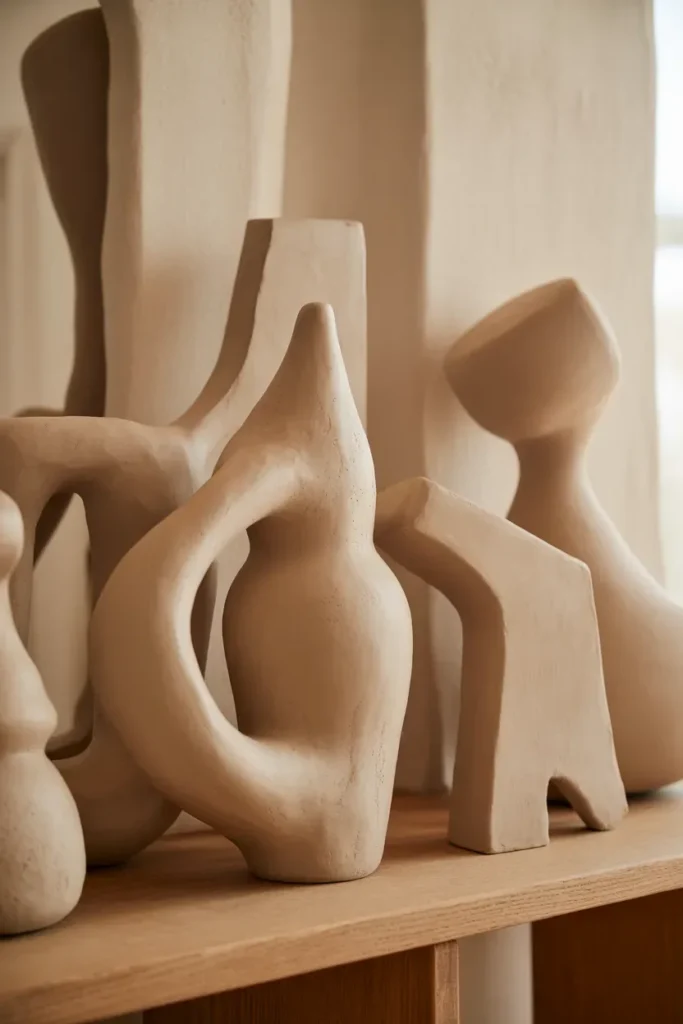
DIY sculptural decor aligns perfectly with modern organic design. Creating your own pieces using clay, plaster, or wood allows for personalization and creativity.
These handcrafted items add uniqueness and tell a story. Designers often use them as centerpieces or accent decor to bring character and authenticity into a space.
Final Thoughts
Modern Organic Home Decor is not just about aesthetics—it’s about creating a space that feels grounded, calm, and deeply connected to nature. By blending clean modern lines with raw, natural elements, you can design a home that is both visually refined and emotionally comforting.
The beauty of this style lies in its simplicity and authenticity. Whether you’re incorporating sculptural wooden furniture, layering neutral textiles, or adding handmade decor pieces, each choice should feel intentional and organic. You don’t need to redesign your entire home at once—start small, focus on textures and materials, and gradually build a cohesive environment.
As designers continue to embrace this trend, one thing remains clear: modern organic interiors are here to stay. They offer a timeless approach to living—one that prioritizes balance, warmth, and a meaningful connection to the natural world.