13 Home Office Trends That Boost Productivity
Working from home has evolved from a temporary solution into a permanent lifestyle shift for professionals, entrepreneurs, and creatives alike. As more people spend extended hours in their home offices, the need for spaces that inspire focus, comfort, and efficiency has become essential.
Modern home office design is no longer just about placing a desk and chair in a spare room. Today’s trends focus on ergonomics, aesthetics, smart technology, and personalization, creating environments that genuinely enhance productivity while supporting mental well-being.
1. Ergonomic Furniture for Long-Hour Comfort
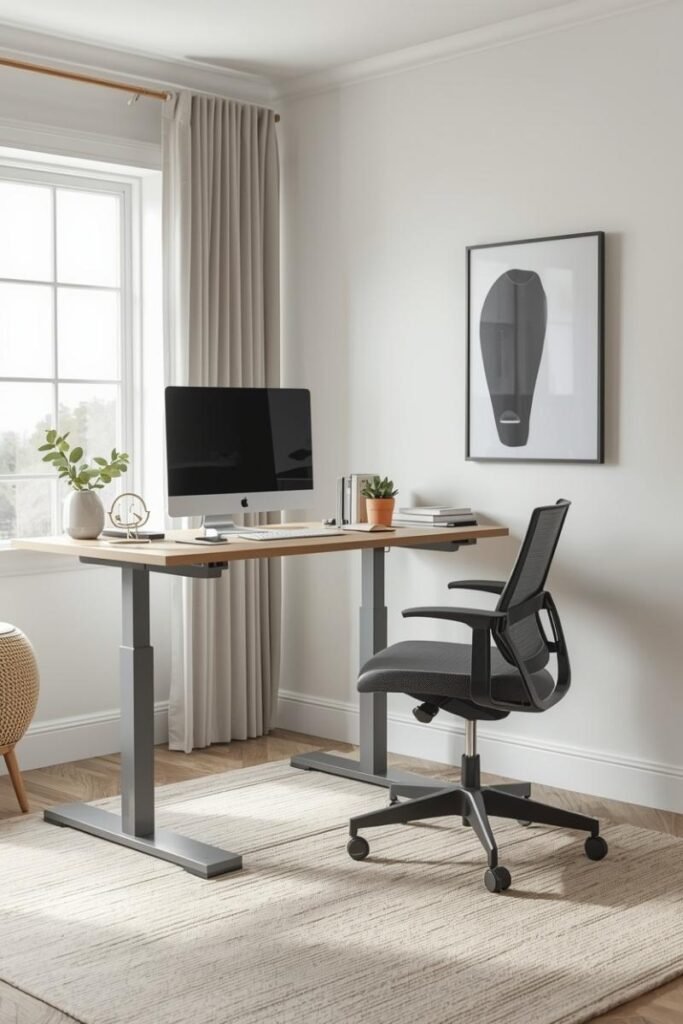
Ergonomic furniture is no longer optional in a productive home office; it is a necessity. Adjustable desks, supportive chairs, and monitor stands are designed to align the body properly, reducing strain on the neck, back, and wrists. These pieces help prevent long-term health issues while allowing professionals to stay focused for extended periods without discomfort.
Beyond health benefits, ergonomic furniture also improves workflow efficiency. Sit-stand desks allow users to alternate positions throughout the day, boosting circulation and energy levels. Chairs with lumbar support and adjustable armrests adapt to individual needs, making the workspace more personalized and comfortable, ultimately leading to better concentration and output.
2. Dedicated Home Office Zones
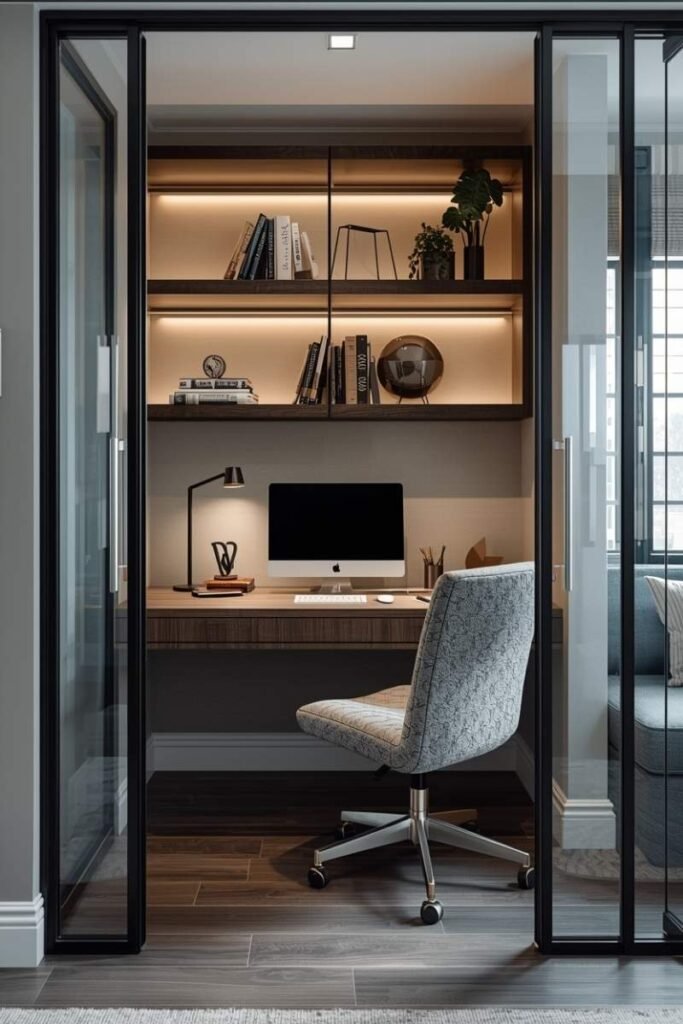
One of the most effective productivity-boosting trends is the creation of a clearly defined home office zone. Whether it’s a separate room or a carefully planned corner, having a dedicated workspace helps establish boundaries between work and personal life. This separation improves focus and reduces distractions commonly associated with working from shared spaces.
Designing a specific office zone also allows for better organization. Storage, lighting, and furniture can be tailored exclusively for work needs. Even in small homes, visual dividers like shelves or glass partitions help create a mental shift into “work mode,” improving discipline and consistency throughout the day.
3. Smart Technology Integration
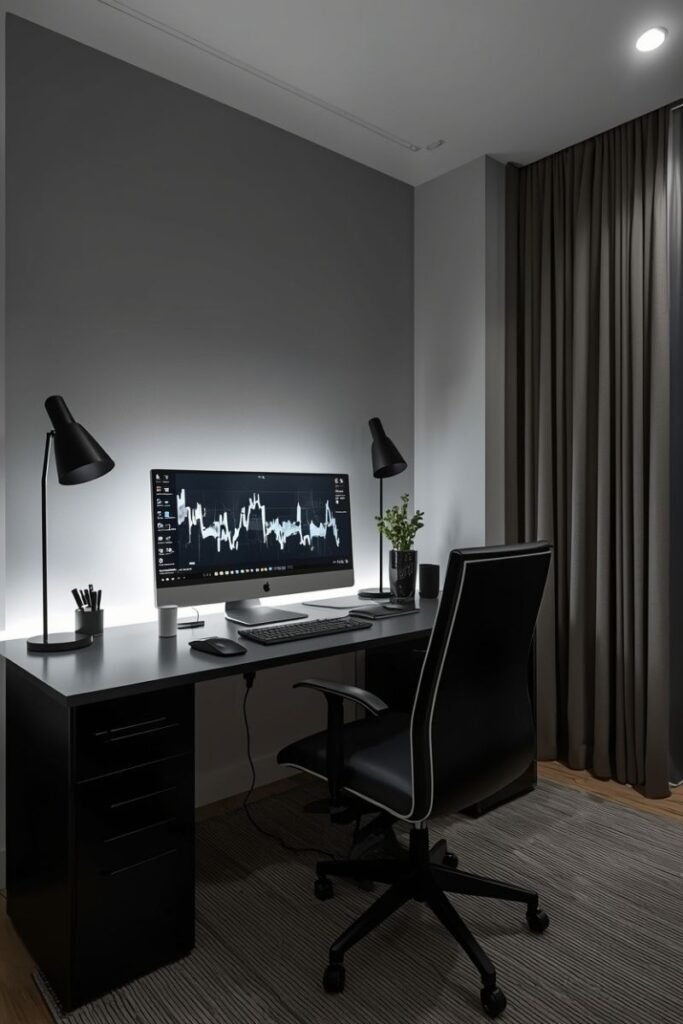
Smart technology has become a cornerstone of modern home office trends. Voice-controlled lighting, automated temperature systems, and smart plugs allow users to customize their environment effortlessly. These features minimize disruptions and let professionals focus entirely on their tasks.
Beyond comfort, smart technology enhances productivity through efficiency. Wireless charging stations, smart monitors, and AI-assisted tools streamline daily workflows. With everything optimized through automation, home offices become intuitive spaces that adapt to work patterns rather than interrupt them.
4. Natural Light and Biophilic Design
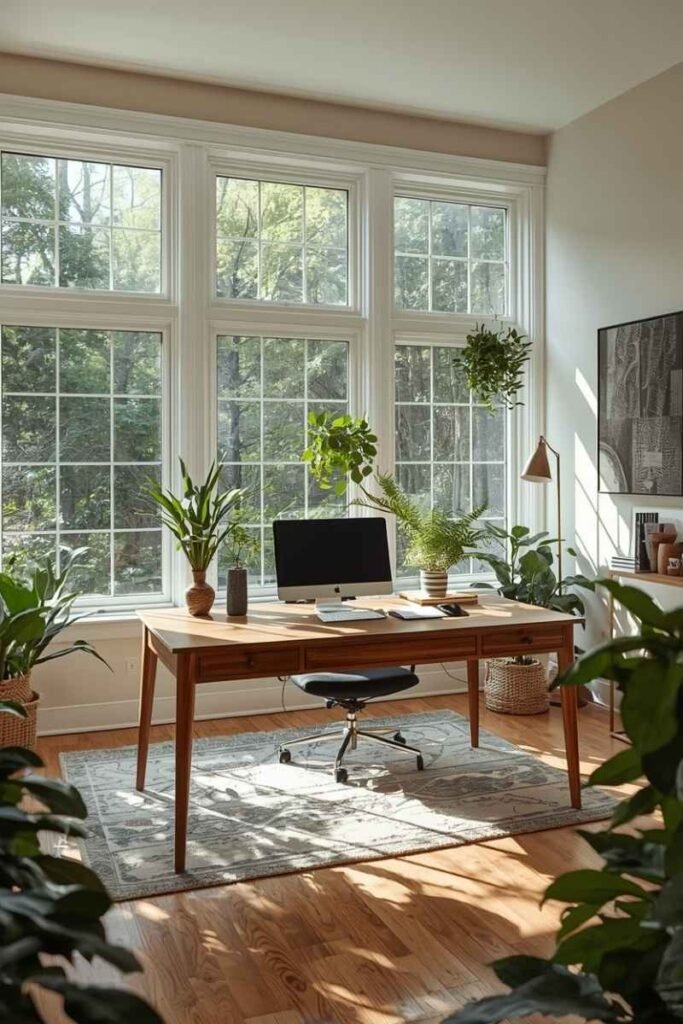
Natural light is one of the most powerful elements in boosting productivity and mood. Home offices designed near windows allow sunlight to reduce eye strain and improve energy levels throughout the day. Studies consistently show that exposure to natural light enhances focus and reduces fatigue.
Biophilic design complements this trend by incorporating plants, natural textures, and organic materials. Indoor plants improve air quality while creating a calming environment. Wooden desks, stone accents, and earthy tones bring a sense of balance, making the workspace feel more inviting and mentally refreshing.
5. Minimalist Workspace Design
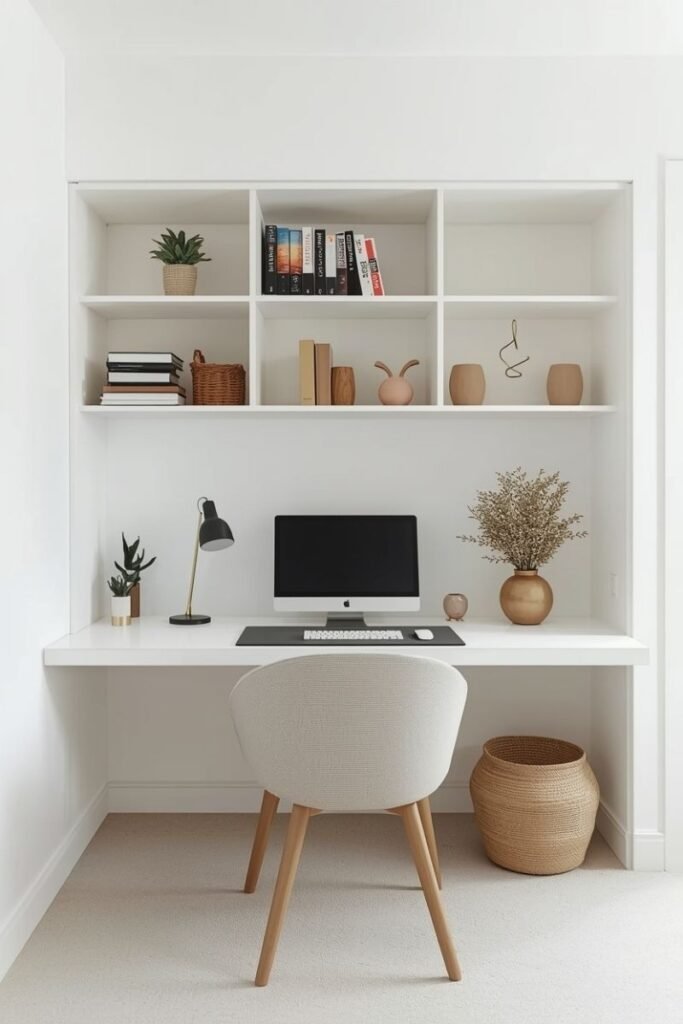
Minimalism continues to dominate home office trends due to its strong impact on productivity. Clean desks, limited decor, and clutter-free surfaces reduce mental overload. A minimalist workspace encourages clarity, allowing professionals to focus solely on their tasks without visual distractions.
This trend emphasizes quality over quantity. Thoughtfully chosen furniture, neutral color schemes, and hidden storage keep the workspace organized. Minimalist offices are not cold or boring; instead, they feel intentional and efficient, supporting a calm and productive mindset throughout the workday.
6. Acoustic Solutions for Noise Control
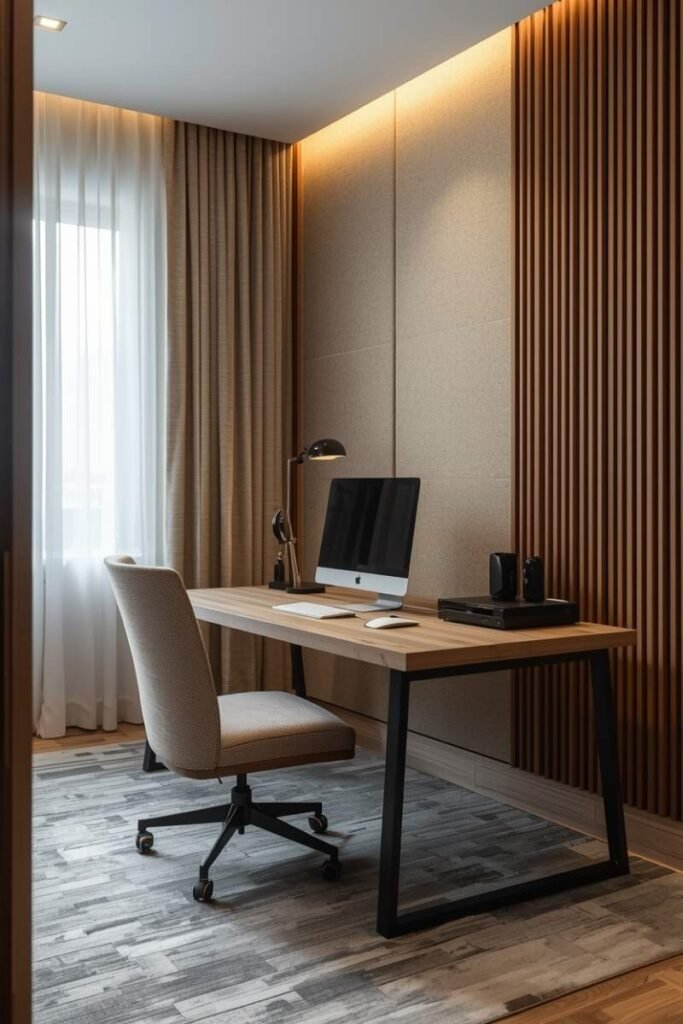
Noise distractions are one of the biggest challenges of working from home. Acoustic panels, sound-absorbing curtains, and insulated doors are increasingly popular solutions. These features reduce external noise, creating a quiet environment ideal for deep focus and virtual meetings.
Modern acoustic solutions are also visually appealing. Fabric panels, wooden slats, and decorative wall treatments double as design elements. By managing sound effectively, home offices become more professional, private, and conducive to uninterrupted productivity.
7. Personalized and Inspiring Decor
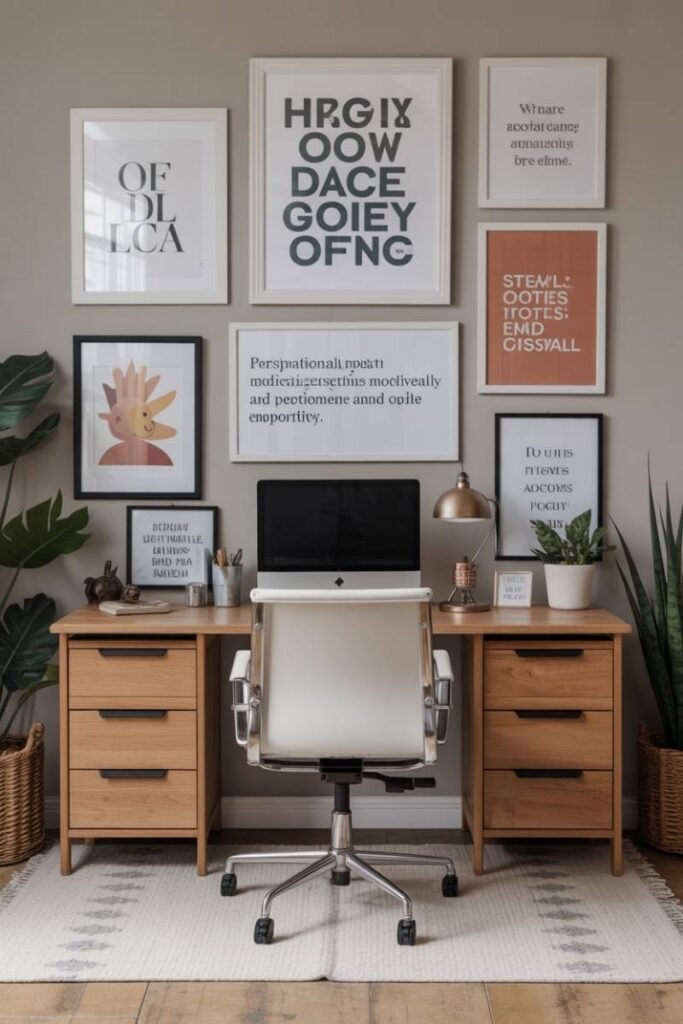
Personalization plays a vital role in making a home office motivating and enjoyable. Artwork, inspirational quotes, and personal achievements displayed tastefully can boost morale and creativity. When a workspace reflects individual personality, it becomes more engaging and emotionally supportive.
The key is balance; too much decor can become distracting. Thoughtful personalization ensures the office remains professional while still feeling inspiring. A well-curated space fosters emotional connection, which can significantly improve focus, satisfaction, and productivity.
8. Multi-Functional Furniture Solutions
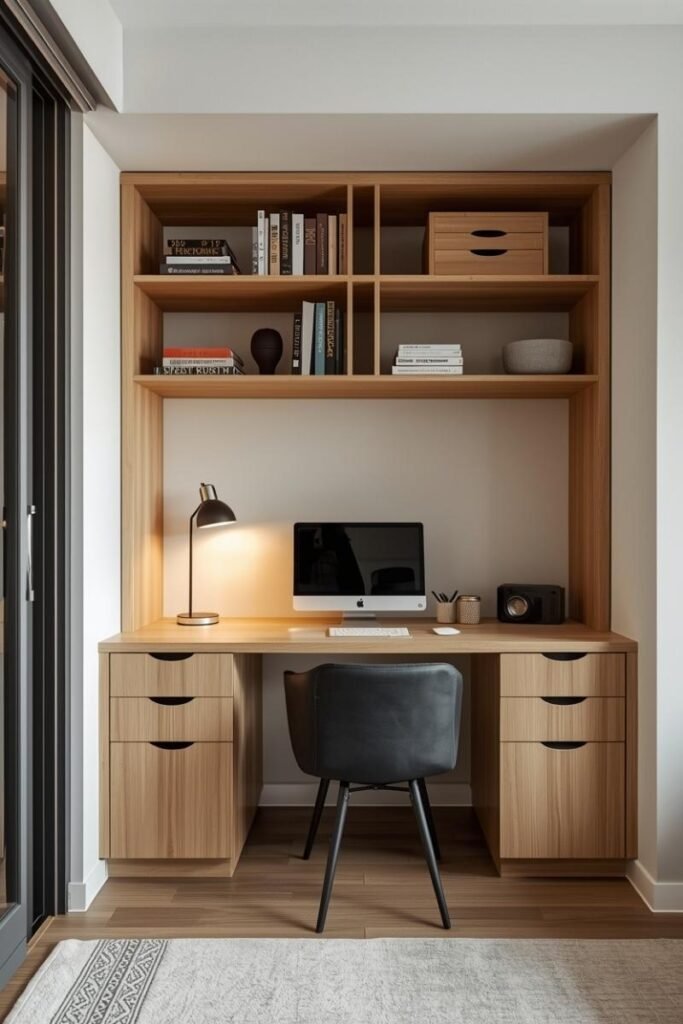
As homes become more compact, multi-functional furniture is gaining popularity. Desks with built-in storage, foldable workstations, and wall-mounted shelves maximize space without compromising functionality. These solutions are ideal for apartments and shared living spaces.
Multi-functional furniture allows home offices to adapt to changing needs. A workspace can transform into a guest room or creative studio when required. This flexibility ensures productivity without permanently sacrificing valuable living space.
9. Advanced Storage and Organization Systems
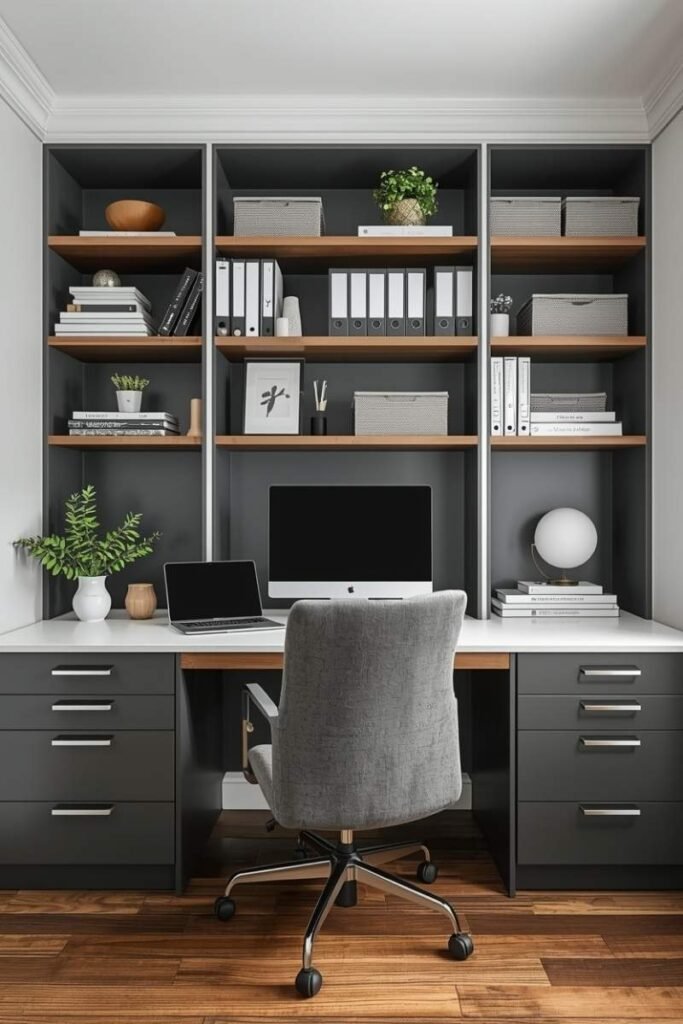
Efficient storage systems are essential for maintaining a productive home office. Floating shelves, filing cabinets, drawer organizers, and cable management solutions help keep everything in its place. An organized environment reduces stress and saves time spent searching for essentials.
Modern storage trends focus on aesthetics as much as functionality. Sleek cabinets and hidden compartments maintain visual harmony while offering ample space. Well-planned storage supports long-term productivity by creating an environment that feels structured and controlled.
10. Adjustable Lighting for Task Efficiency
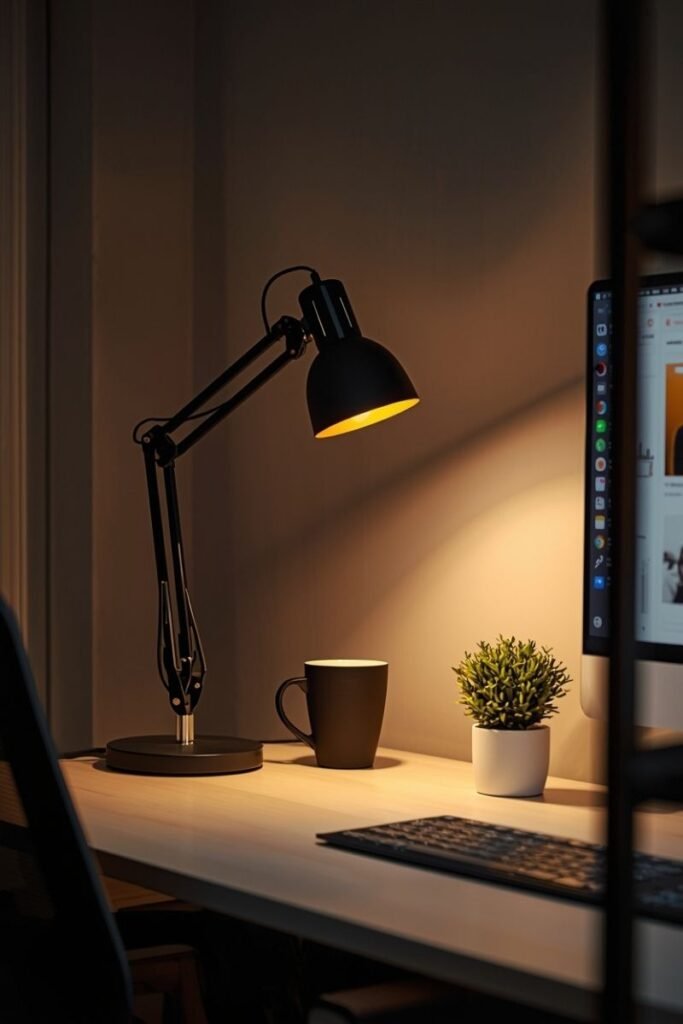
Lighting directly impacts productivity, especially during long work hours. Adjustable task lighting allows users to control brightness and direction, reducing eye strain. Desk lamps with color temperature settings support different activities such as reading, video calls, or creative work.
Layered lighting is another key trend, combining ambient, task, and accent lighting. This approach creates a balanced and adaptable workspace. Proper lighting not only enhances visibility but also improves mood and overall work performance.
11. Color Psychology in Home Offices
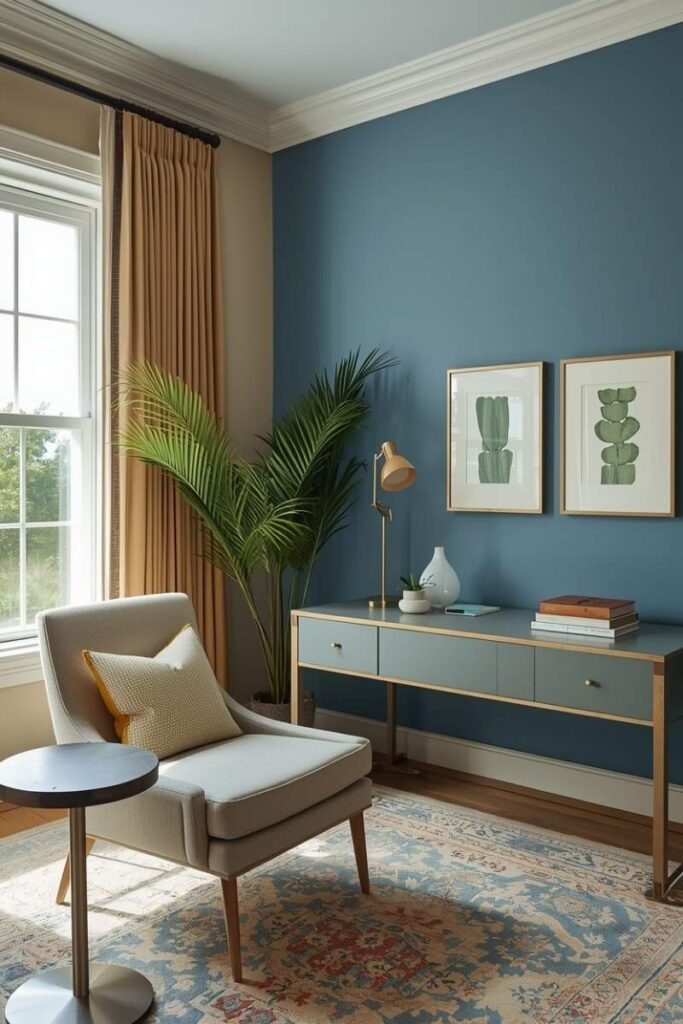
Color choices significantly influence concentration and productivity. Soft neutrals, blues, and greens are popular for home offices due to their calming and focus-enhancing effects. These colors reduce stress and promote mental clarity.
Accent colors such as muted yellow or terracotta can stimulate creativity when used sparingly. Thoughtful color application transforms a home office into an environment that supports both efficiency and emotional well-being without overwhelming the senses.
12. Wellness-Focused Office Design
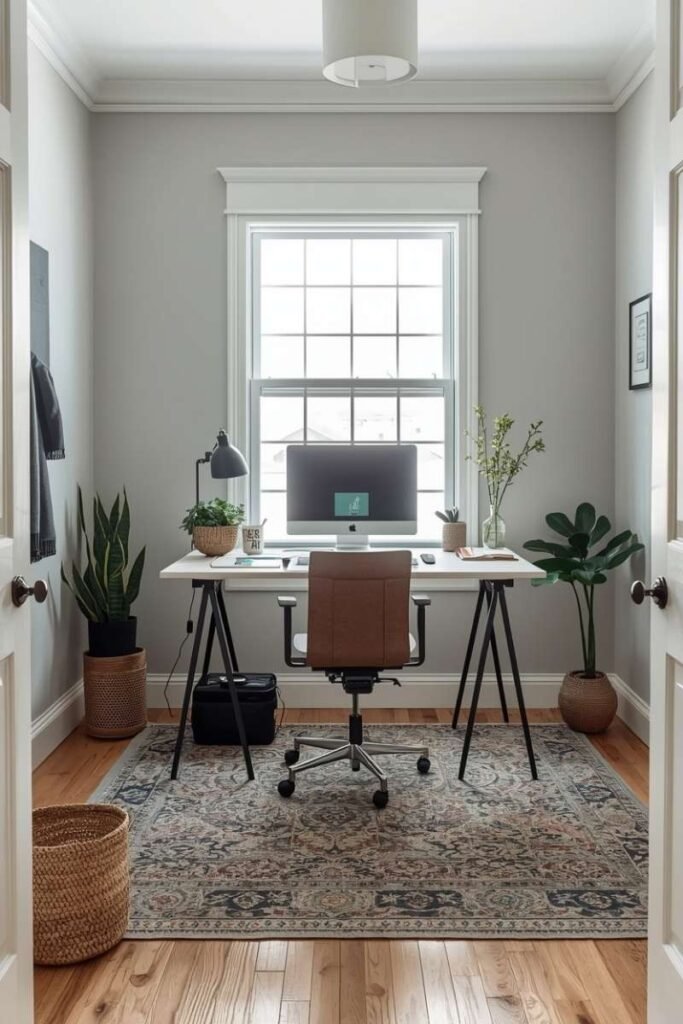
Wellness-oriented home offices prioritize physical and mental health. Standing desks, ergonomic accessories, and stretching areas encourage movement throughout the day. These features reduce fatigue and improve overall energy levels.
Additional wellness elements such as air purifiers, aromatherapy, and comfortable flooring enhance comfort. A wellness-focused design ensures the workspace supports long-term productivity while maintaining personal health and work-life balance.
13. Hybrid Work-Ready Office Layouts
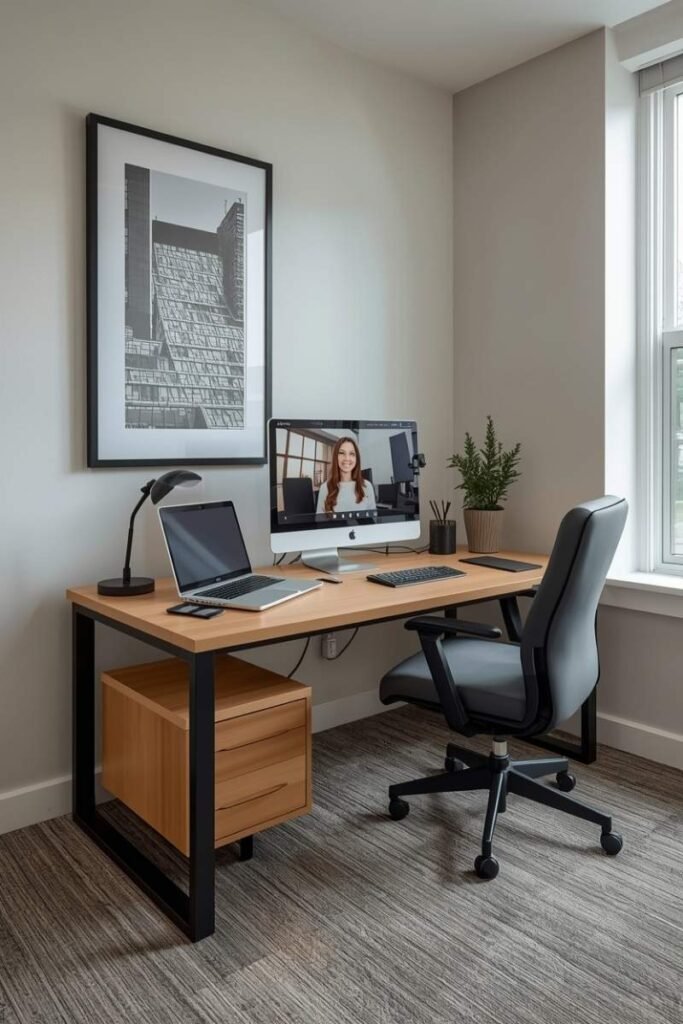
With hybrid work becoming the norm, home offices must support both remote and in-office workflows. Video conferencing-friendly layouts, professional backdrops, and high-quality audio setups are essential for seamless communication.
Hybrid-ready offices are flexible and adaptable. Modular furniture and technology integration allow quick transitions between focused solo work and collaborative virtual meetings. This trend ensures home offices remain relevant and efficient in evolving work environments.
Conclusion
The modern home office is no longer just a functional space, it is a strategic environment designed to enhance productivity, comfort, and well-being. From ergonomic furniture to smart technology and wellness-focused layouts, today’s trends reflect the growing importance of working smarter at home.
By incorporating these 13 home office trends that boost productivity, homeowners can create workspaces that are efficient, inspiring, and future-ready. A thoughtfully designed home office not only improves daily performance but also supports long-term professional success.