15 Home Declutter Checklist Ideas For A Fresh Start
There’s something incredibly powerful about walking into a space that feels light, open, and intentional. A clutter-free home doesn’t just look better—it feels better. Clear surfaces create mental clarity, organized storage reduces stress, and thoughtfully arranged rooms support your daily routines with ease.
If you’ve been craving a reset, this comprehensive Home Declutter Checklist will guide you room by room with purpose and structure. Following wrDIY Sculptural Decorating guidelines, this approach goes beyond simply “getting rid of stuff.” Instead, it focuses on intentional composition, visual balance, negative space, and curated styling—so your home doesn’t just feel clean, it feels elevated.
1. Entryway Reset Checklist
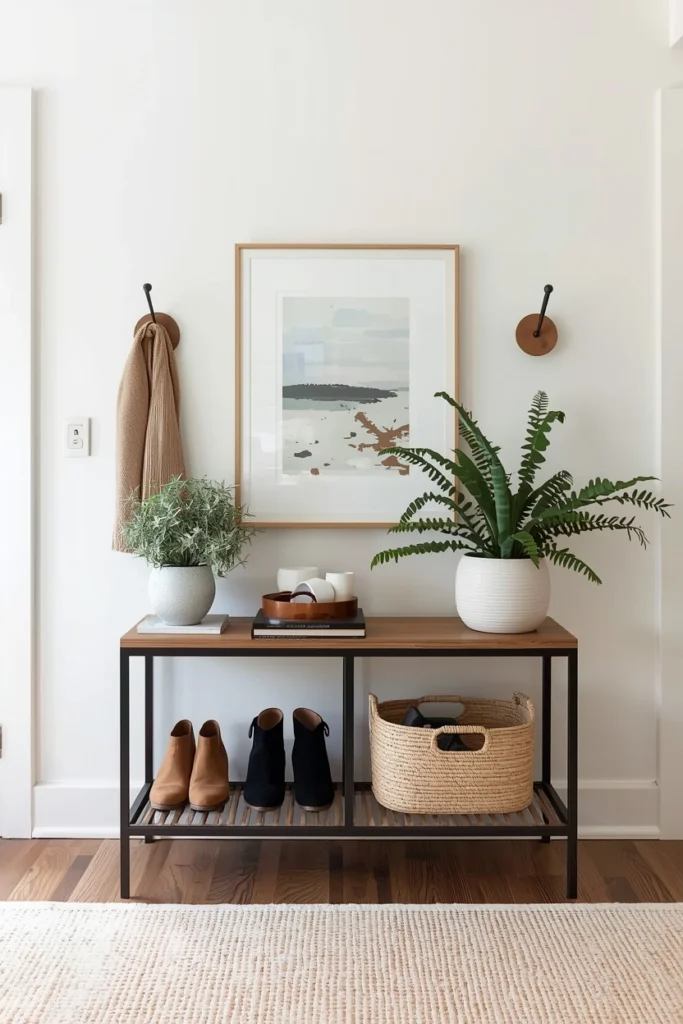
Your entryway sets the tone for your entire home. Begin by clearing all visible surfaces—console tables, shoe racks, hooks, and benches. Remove everything, then reintroduce only essential items: one tray for keys, a structured basket for shoes, and a single decorative object that complements your color palette.
Visual symmetry is key here. Keep wall hooks evenly spaced and limit coats to seasonal essentials. Negative space around the console allows architectural lines to breathe. A sculptural mirror or framed artwork centered above the table adds focus without clutter. When finished, your entryway should feel intentional, welcoming, and visually calm.
2. Kitchen Countertop Declutter Checklist
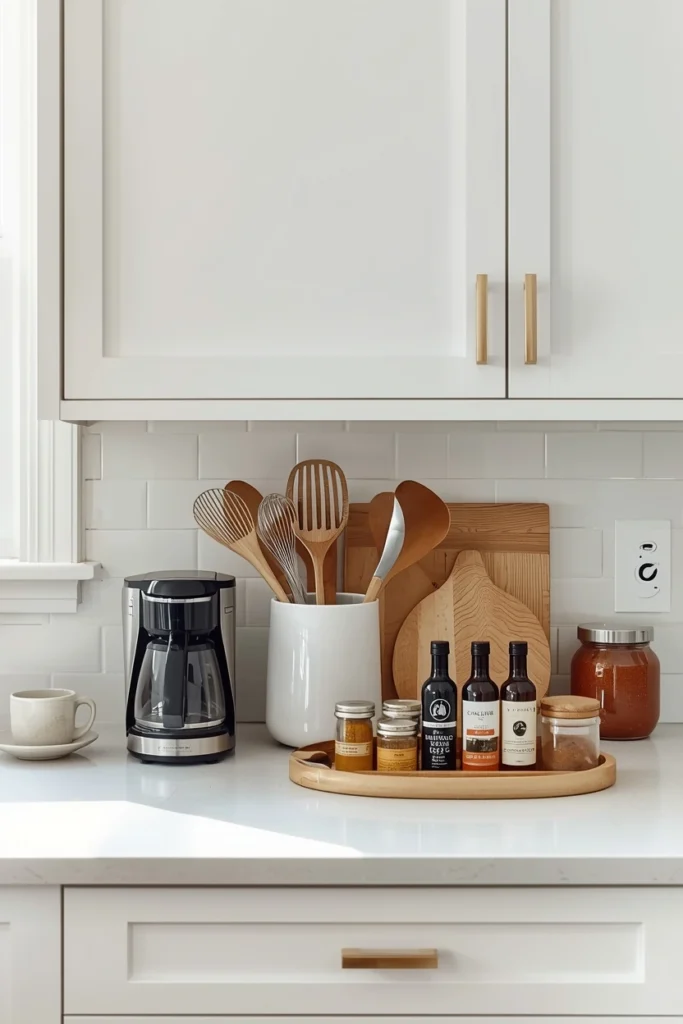
Kitchen counters often accumulate visual noise. Start by removing small appliances you don’t use daily. Store them inside cabinets to maintain clean surfaces. Limit countertop items to functional essentials such as a coffee maker, utensil crock, and cutting board.
Arrange remaining items in grouped compositions rather than scattered placements. For example, position oils and spices on a single tray for cohesion. Keep backsplashes visible to preserve negative space. When surfaces are streamlined, the entire kitchen feels larger and more luxurious. A decluttered countertop isn’t empty—it’s intentionally edited.
3. Pantry Organization Checklist
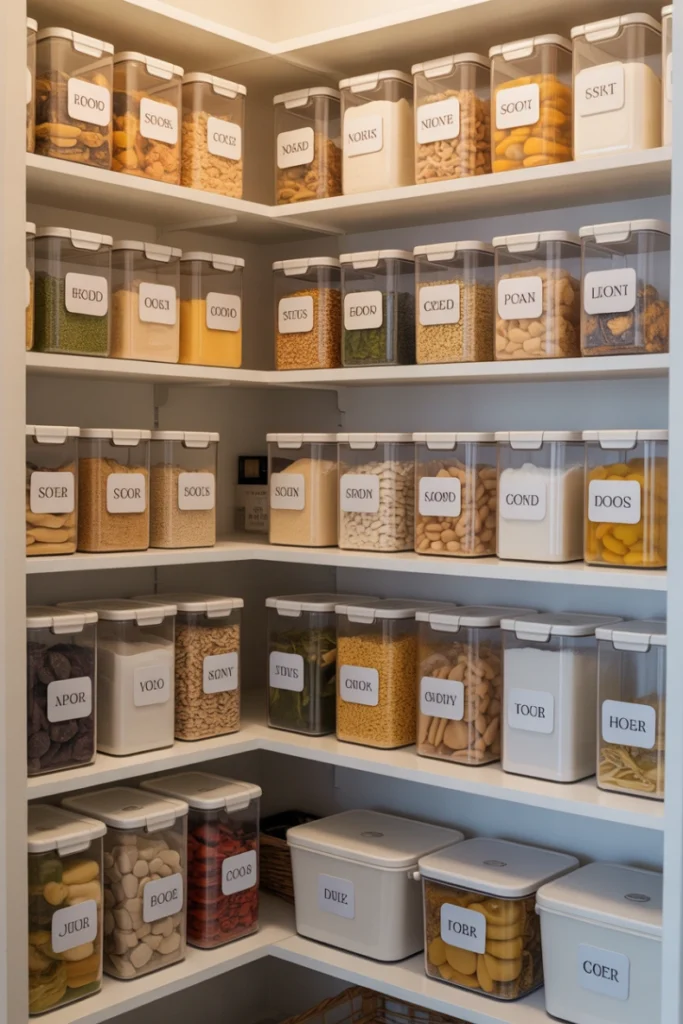
Remove every item from your pantry and sort by category. Discard expired products and donate unopened extras. Use uniform storage containers for dry goods to create visual harmony.
Labeling is essential for structure. Keep heavier items at lower shelves and frequently used goods at eye level. Avoid overfilling shelves—negative space between containers enhances clarity. A well-organized pantry not only improves efficiency but also feels architecturally balanced when opened.
4. Living Room Surface Reset Checklist
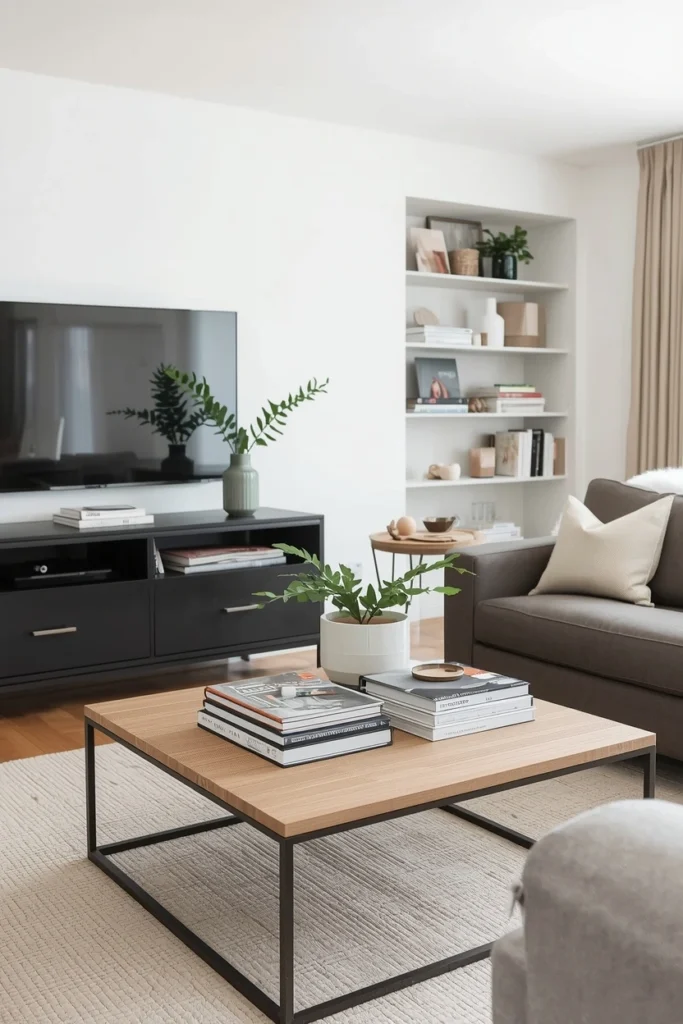
Coffee tables, side tables, and media consoles easily become clutter zones. Remove magazines, remote piles, and random decor. Keep styling simple: one stack of books, one sculptural object, and perhaps a low-profile tray.
Balance and proportion matter. Center large pieces and leave breathing room around them. Avoid overcrowding shelves; instead, curate decorative items intentionally. The living room should feel layered but not chaotic. When surfaces are edited thoughtfully, the space feels open and cohesive.
5. Bedroom Closet Audit Checklist

Empty your closet completely to evaluate every item. Sort clothing into keep, donate, and discard piles. Keep only pieces that fit well and reflect your current style.
Rehang clothing by category and color for visual order. Use matching hangers to create uniformity. Limit visible accessories to neatly contained bins or drawers. A streamlined closet reduces decision fatigue and maintains visual calm.
6. Bathroom Vanity Declutter Checklist
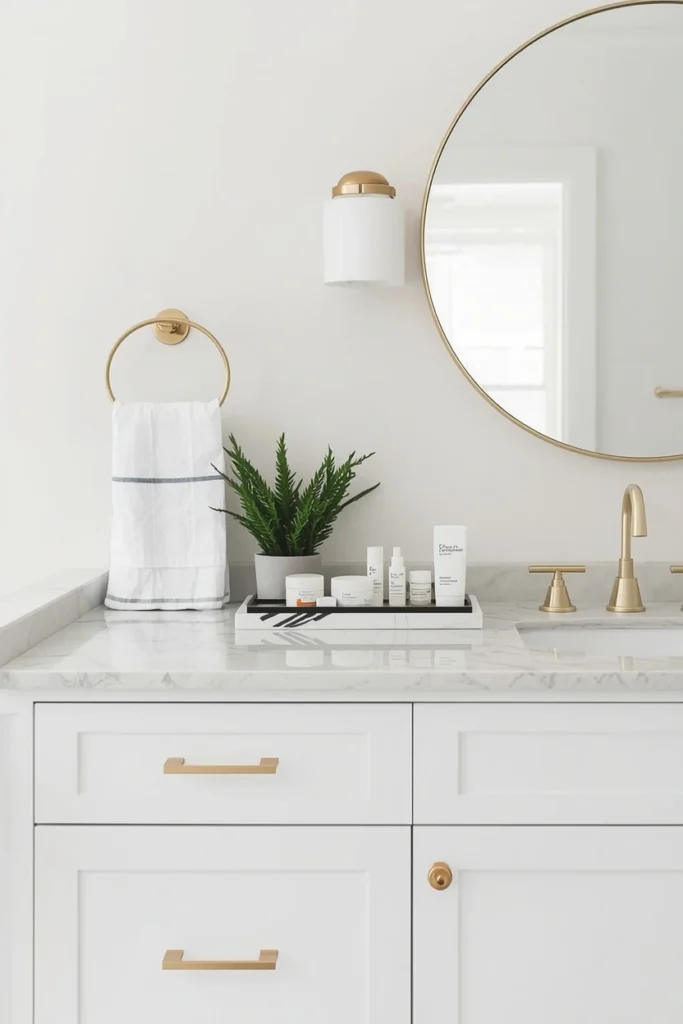
Clear your vanity surface entirely. Return only daily essentials and store backups in drawers or cabinets. Use small trays to group skincare items neatly.
Keep countertops mostly open to emphasize clean lines and reflect light. A single candle or small plant can add warmth without clutter. The goal is spa-like simplicity.
7. Paper and Mail Sorting Checklist
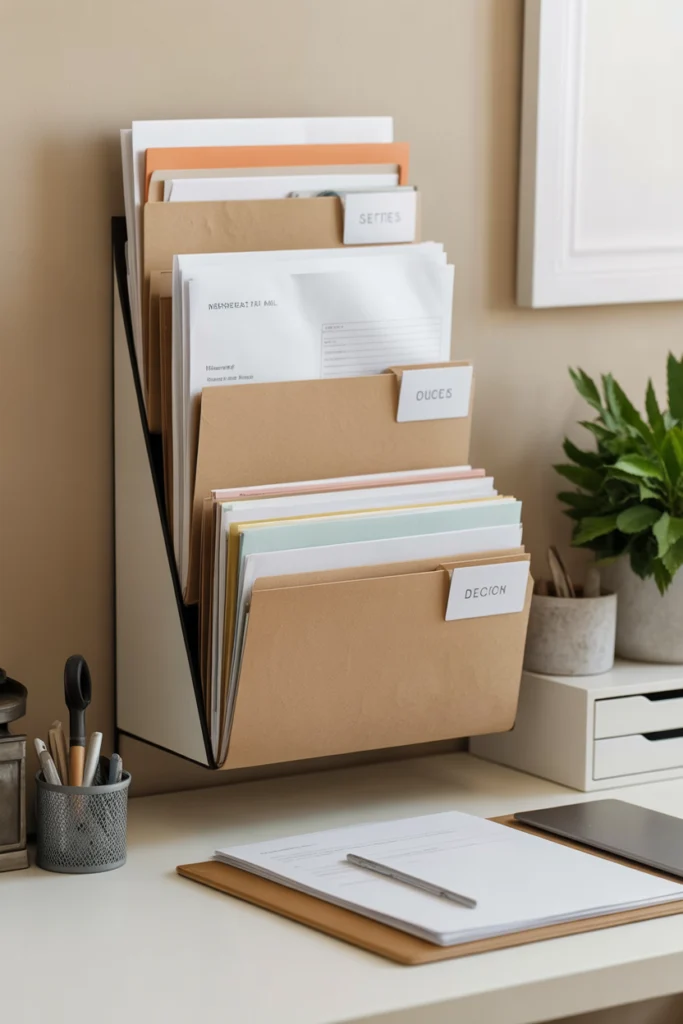
Paper clutter accumulates quickly. Create a designated station for incoming mail. Immediately recycle junk and file important documents in labeled folders.
Use a slim wall-mounted organizer to prevent surface buildup. Regular weekly review prevents overflow. Organized paperwork contributes to mental clarity and structured living.
8. Garage Simplification Checklist
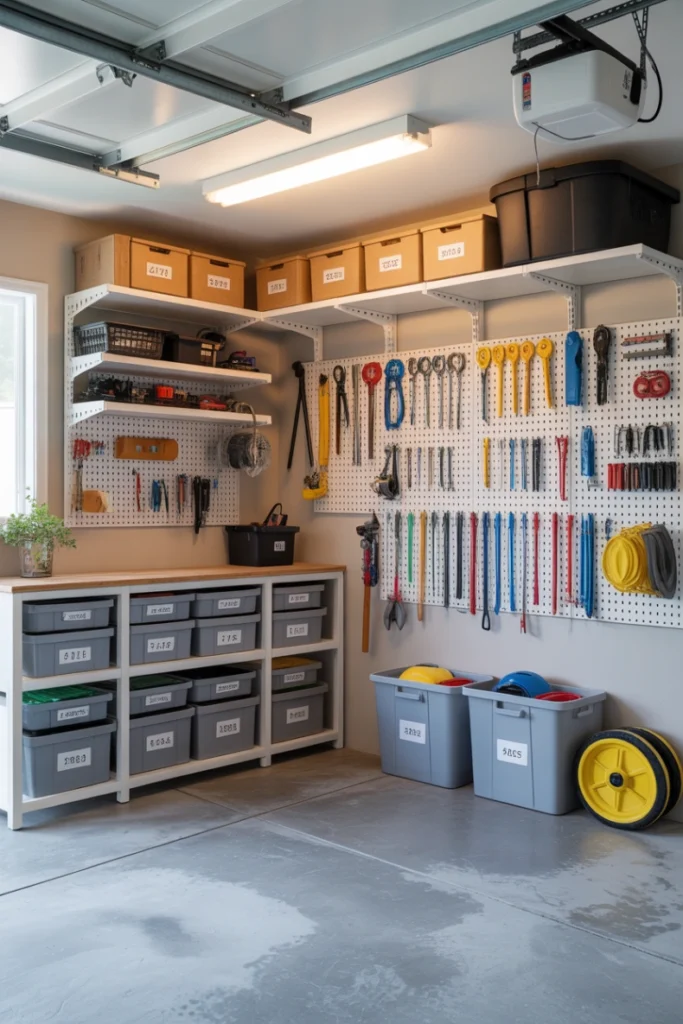
Garages often become storage overflow zones. Categorize tools, seasonal items, and equipment. Install wall-mounted storage systems to maximize vertical space.
Clear floor areas to restore functional flow. Use matching bins and label clearly. When organized intentionally, the garage becomes practical rather than chaotic.
9. Digital Declutter Checklist

Decluttering extends beyond physical space. Delete unnecessary files, organize folders, and unsubscribe from unwanted emails.
Structured digital organization reduces stress and increases productivity. A streamlined desktop mirrors a streamlined home environment.
10. Kids’ Toy Rotation Checklist
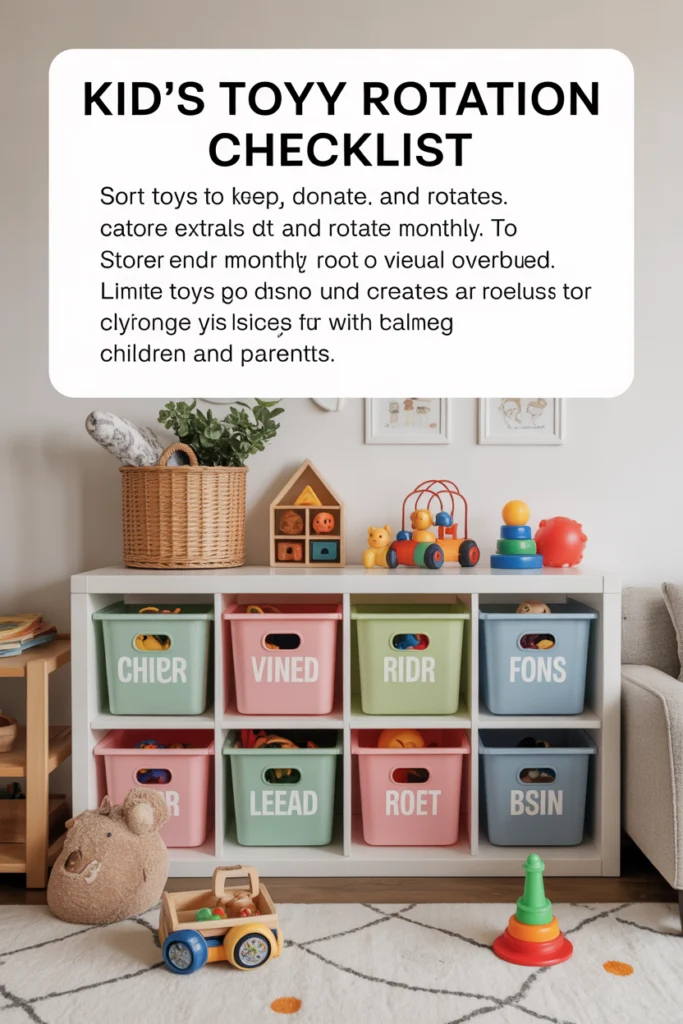
Sort toys into keep, donate, and rotate categories. Store extras out of sight and rotate monthly to reduce visual overload.
Use structured bins and limit open shelving displays. Fewer toys visible at once creates a calmer environment for both children and parents.
11. Linen Closet Reset Checklist
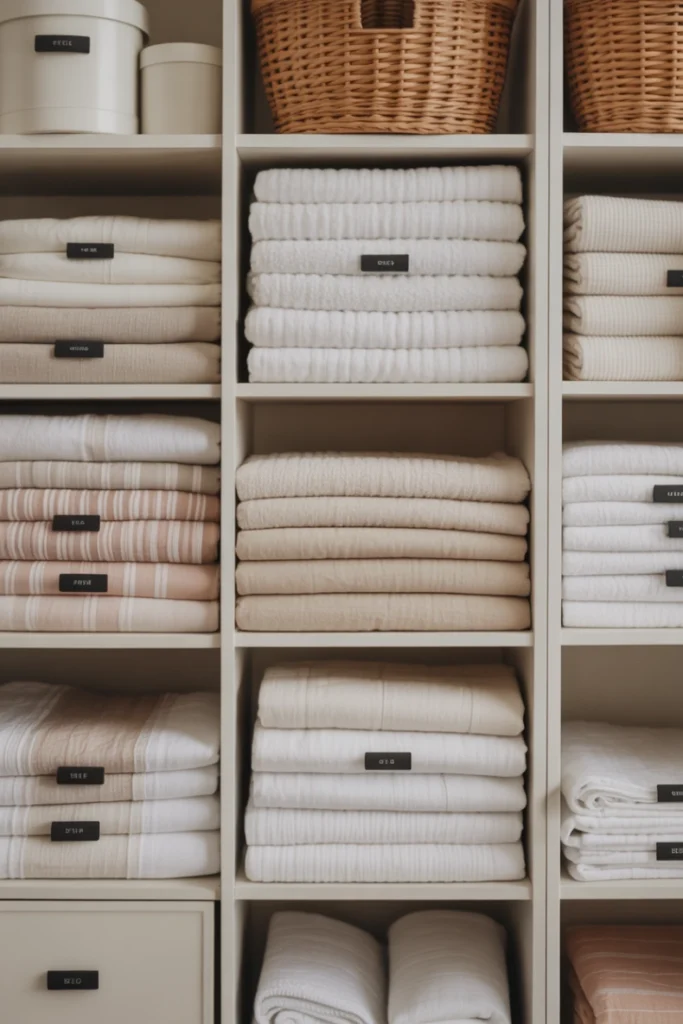
Remove old or mismatched linens. Keep only necessary sets and fold uniformly. Store by size and frequency of use.
Avoid overpacking shelves. Negative space between stacks improves accessibility and visual balance.
12. Home Office Desk Checklist
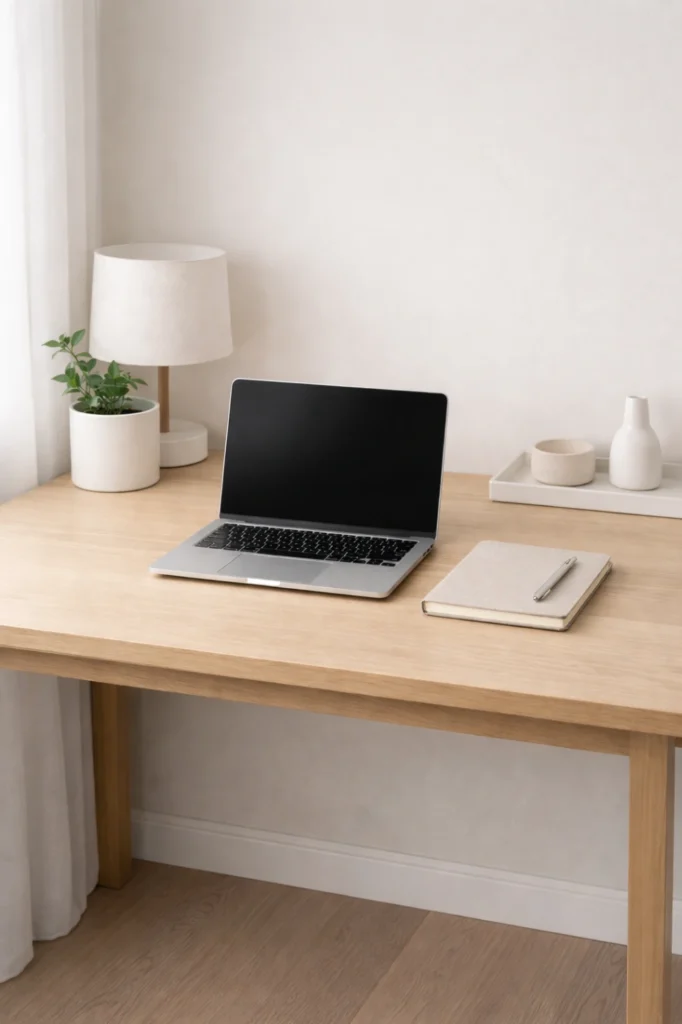
Clear desk surfaces completely. Return only essential tools: laptop, notebook, pen holder.
Store excess items in drawers. Keep visual lines clean and minimal. An organized desk encourages focused productivity.
13. Under-Bed Storage Checklist
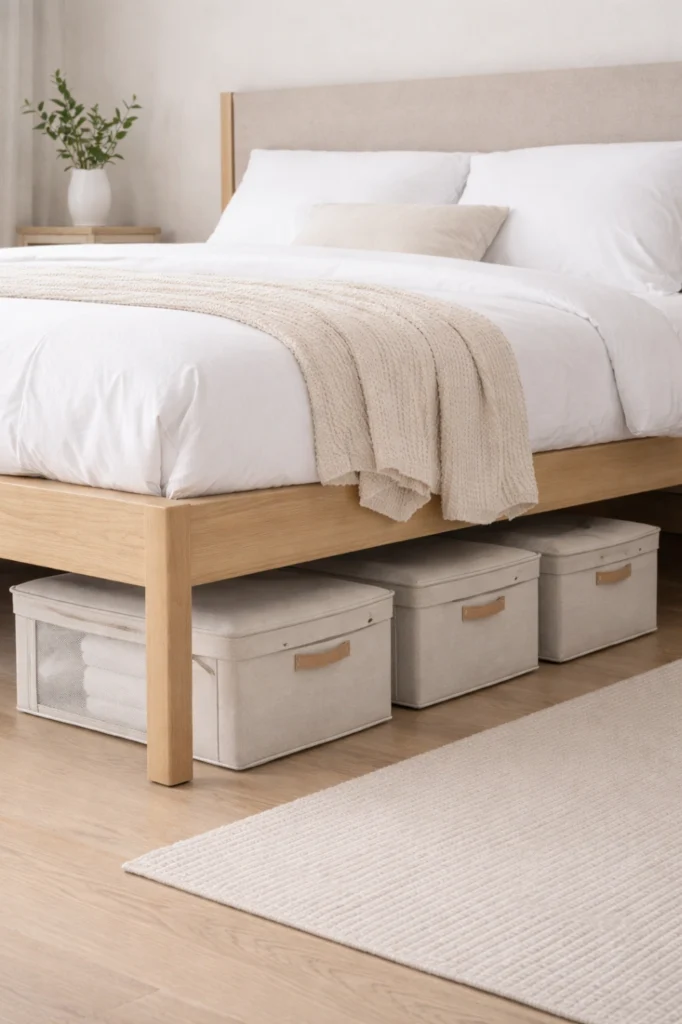
Empty under-bed storage boxes. Remove unused or forgotten items. Keep only seasonal or infrequently used essentials.
Use matching containers for cohesion. Clear organization enhances long-term maintenance.
14. Sentimental Items Edit Checklist
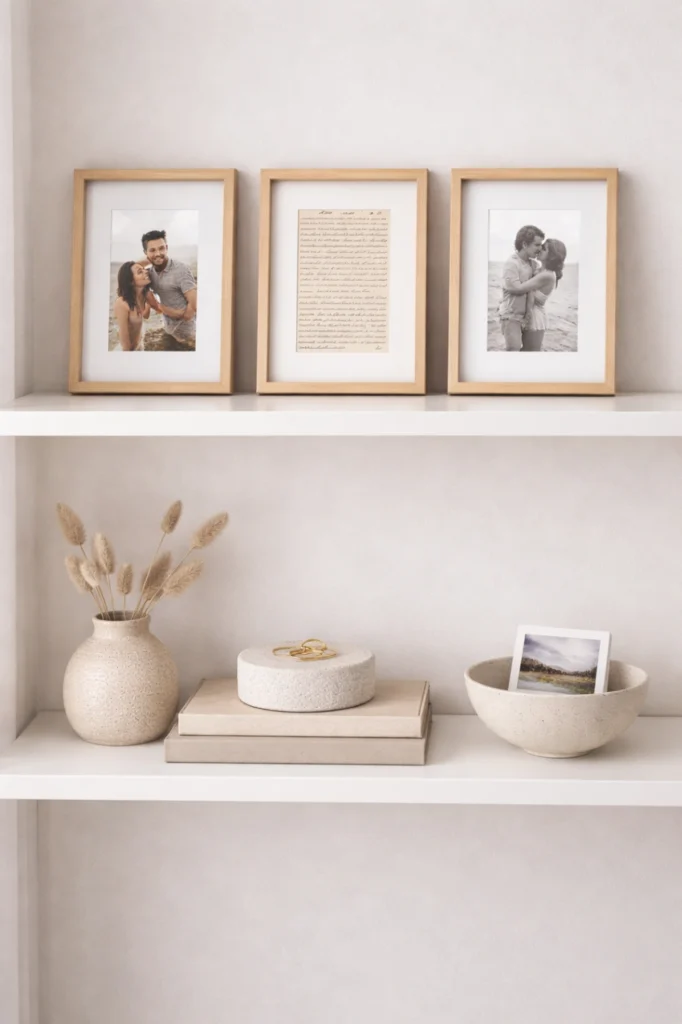
Evaluate keepsakes thoughtfully. Display only meaningful pieces in curated arrangements rather than scattered placements.
Use shadow boxes or uniform frames to maintain cohesion. Intentional display prevents emotional clutter.
15. Seasonal Decor Simplification Checklist
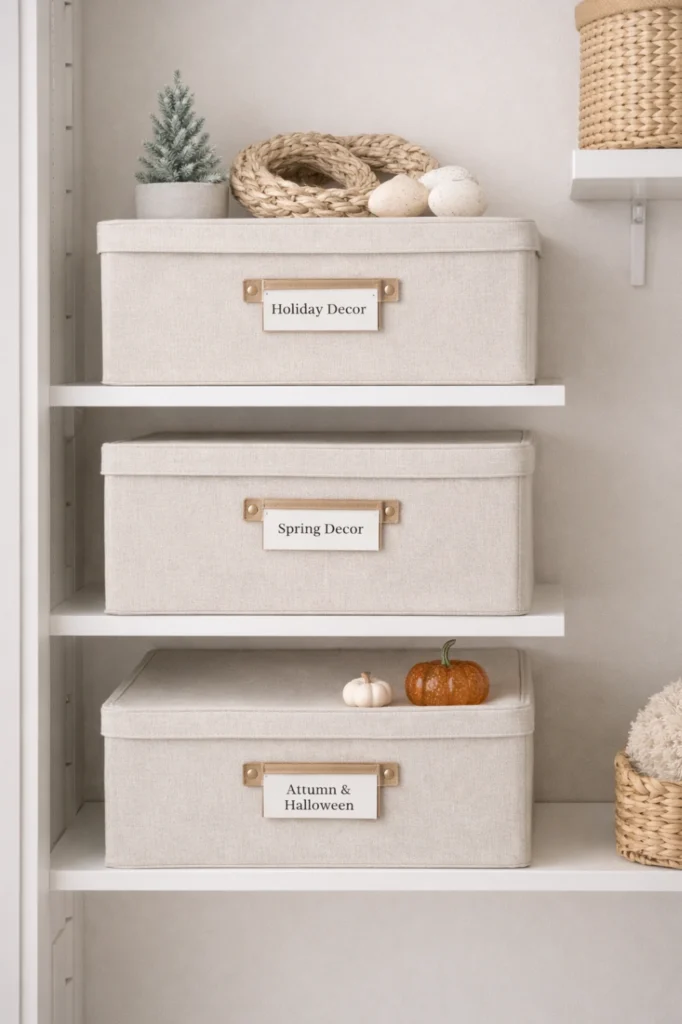
Sort seasonal decor by theme and color. Donate excess items and store the rest in labeled bins.
Keep decorations cohesive and aligned with your home’s palette. Fewer, higher-quality pieces create greater visual impact.
Final Thoughts
A fresh start begins with clarity. By following this structured Home Declutter Checklist, you transform your home into a space that supports calm, productivity, and intentional living. Through sculptural decorating principles—symmetry, proportion, negative space, and thoughtful curation—your home becomes both functional and beautifully composed.
Decluttering isn’t about emptiness. It’s about making space for what truly matters.