15 Healing Room Ideas For Calm And Restoration

Creating a peaceful environment inside your home can have a powerful impact on your mental, emotional, and even physical well-being. A healing room is a dedicated space designed to promote relaxation, mindfulness, and personal restoration. Whether you use it for meditation, yoga, reading, or simply unwinding after a long day, the right design choices can transform an ordinary room into a sanctuary of calm.
In today’s fast-paced world, people are increasingly looking for ways to slow down and reconnect with themselves. Designing a healing room doesn’t require a large budget or a huge space. With thoughtful decor, natural elements, calming colors, and intentional organization, you can create a restorative retreat in any corner of your home. These healing room ideas will help you design a tranquil environment that encourages peace, balance, and inner harmony.
1. Minimalist Healing Space
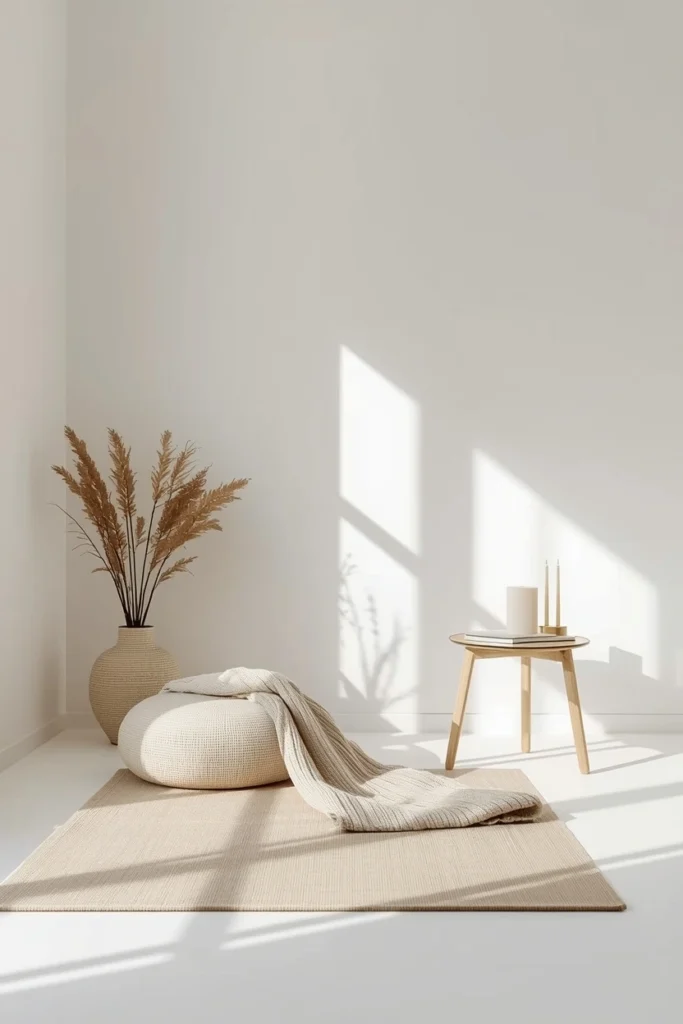
A minimalist healing room focuses on simplicity, open space, and calming design elements. Reducing visual clutter helps your mind relax and promotes a sense of mental clarity. Choose neutral colors such as white, beige, or soft gray, and limit decorative objects to only a few meaningful pieces. Clean lines, natural light, and functional furniture can create a peaceful environment that supports meditation, reflection, and relaxation.
The key to a minimalist healing room is intentional design. Each item in the space should serve a purpose or bring emotional value. A comfortable floor cushion, a soft throw blanket, and a small wooden table for candles or books may be all you need. The absence of distractions allows your mind to slow down and focus on restoration.
2. Nature-Inspired Healing Room
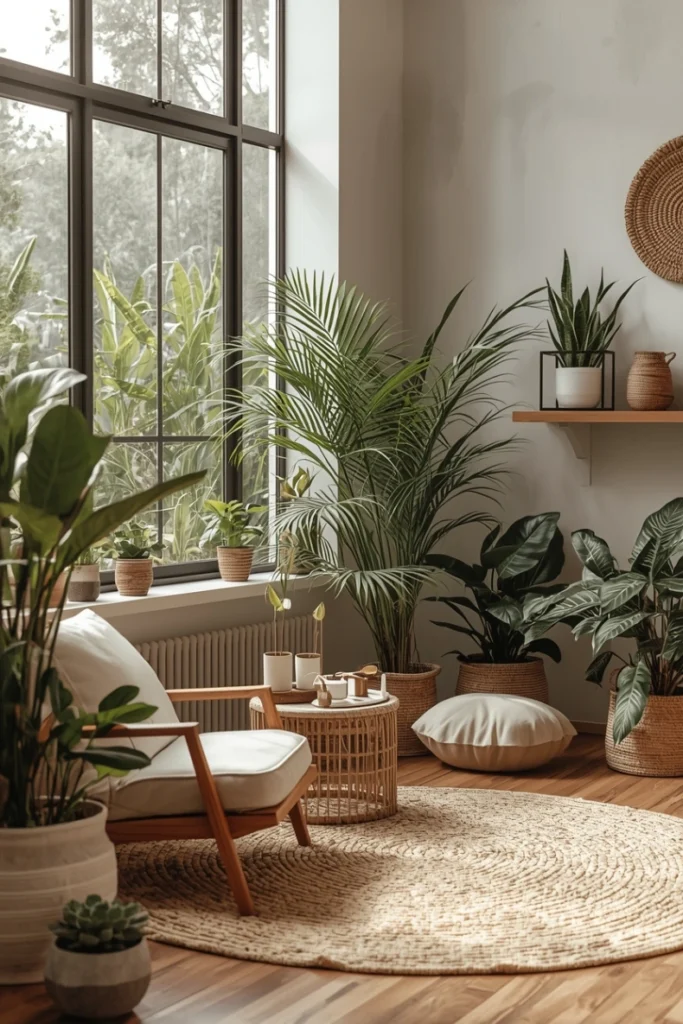
Bringing nature into your healing room can dramatically improve the calming atmosphere of the space. Natural elements such as plants, wood textures, and stone accents help create a connection to the outdoors. Greenery like snake plants, peace lilies, or ferns not only enhance the aesthetic but also help purify the air.
Large windows, earthy color palettes, and organic materials contribute to a soothing environment that promotes relaxation. You can add woven baskets, wooden shelves, and linen fabrics to create a warm and grounding atmosphere. Nature-inspired spaces help reduce stress and support emotional balance, making them perfect for a healing room.
3. Meditation-Focused Healing Room
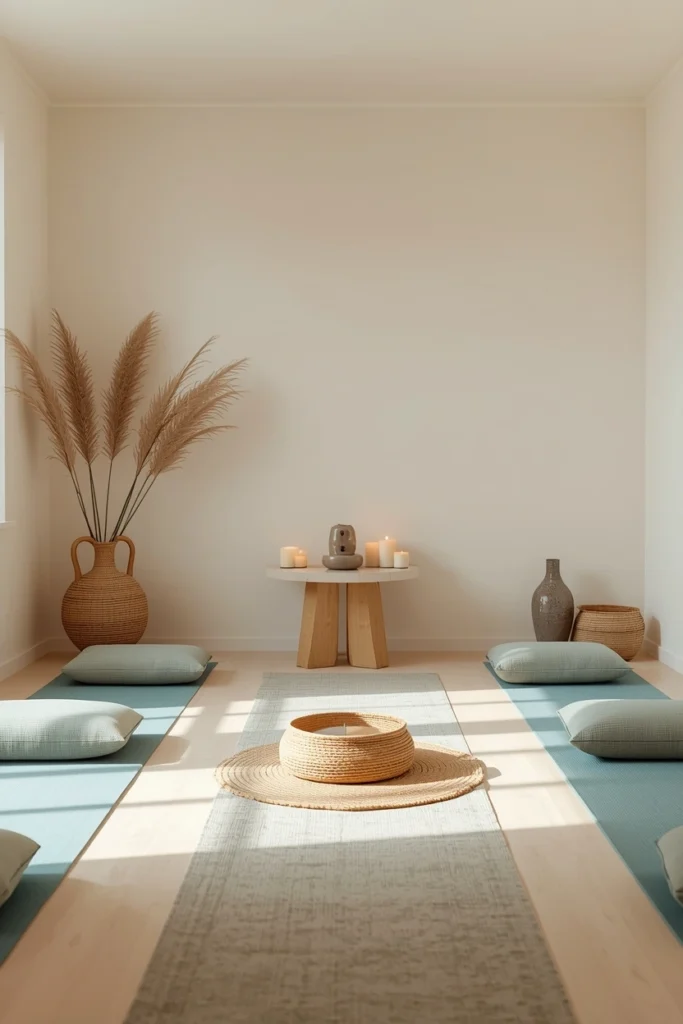
A meditation-focused healing room is designed to encourage mindfulness and inner calm. Soft lighting, comfortable seating, and minimal distractions help create a space where you can focus on breathing and mental clarity. Meditation cushions, yoga mats, and a small altar table can form the center of the room.
The atmosphere should feel quiet and grounding. Use calming colors such as soft blues, muted greens, or warm neutrals. Gentle incense, essential oils, or a small water fountain can enhance the sensory experience and make meditation more immersive.
4. Aromatherapy Healing Room
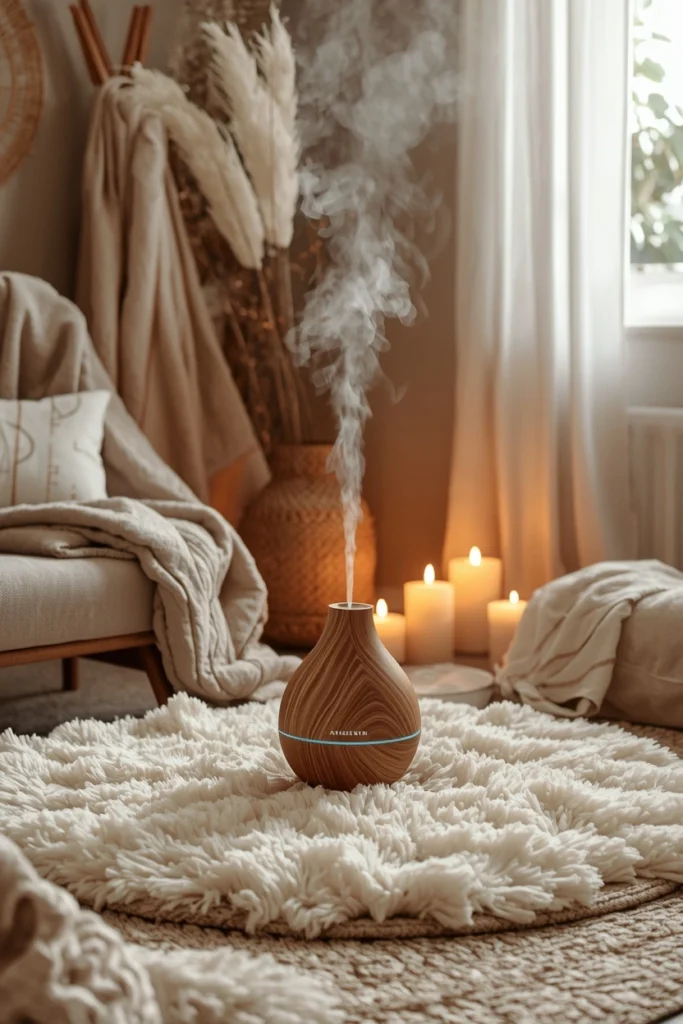
Aromatherapy can transform a simple room into a therapeutic sanctuary. Essential oils such as lavender, eucalyptus, and sandalwood promote relaxation and emotional balance. An aromatherapy diffuser placed in the center of the room can fill the space with soothing fragrances.
Combine scents with soft textures like plush rugs, cozy blankets, and comfortable seating. The goal is to create a multi-sensory environment where scent, comfort, and visual calm work together. Aromatherapy healing rooms are ideal for stress relief and quiet reflection.
5. Crystal Healing Room
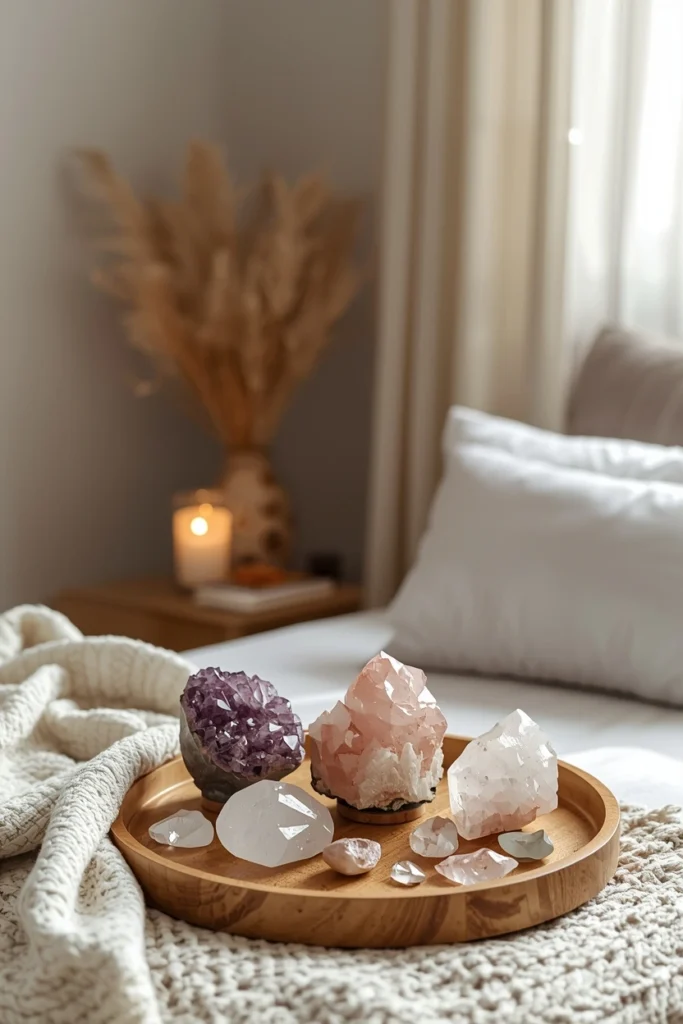
Crystal healing rooms incorporate natural stones believed to promote balance and positive energy. Amethyst, rose quartz, and clear quartz are popular choices for creating calming vibrations in a space. Display crystals on shelves, tables, or decorative trays to enhance the room’s energy.
Soft lighting helps highlight the natural beauty of the stones while creating a relaxing environment. Pair crystals with natural fabrics and neutral colors to maintain a harmonious look. Even if you simply appreciate their beauty, crystals can add a peaceful aesthetic to a healing room.
6. Soft Lighting Sanctuary
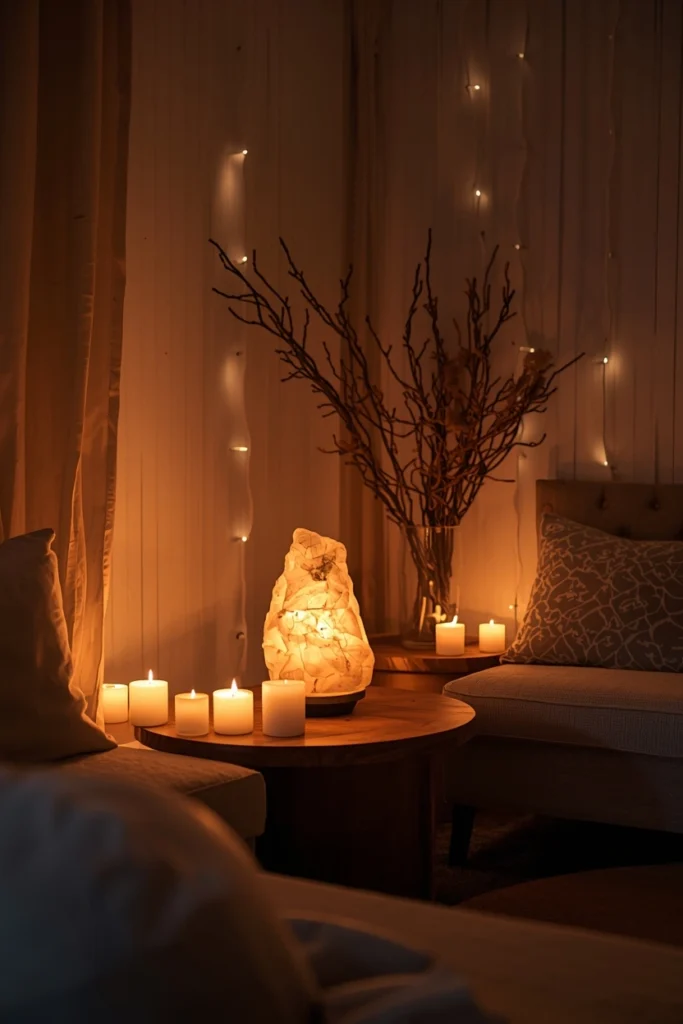
Lighting plays a crucial role in shaping the mood of a healing space. Harsh overhead lighting can feel overwhelming, while soft warm lighting creates a calming environment. Use floor lamps, Himalayan salt lamps, and candles to produce gentle illumination.
Layering different types of lighting can add depth and warmth to the room. Dim lights encourage relaxation and reduce visual stress, making the space feel more peaceful and comforting. Lighting alone can transform the emotional energy of a room.
7. Sound Healing Room
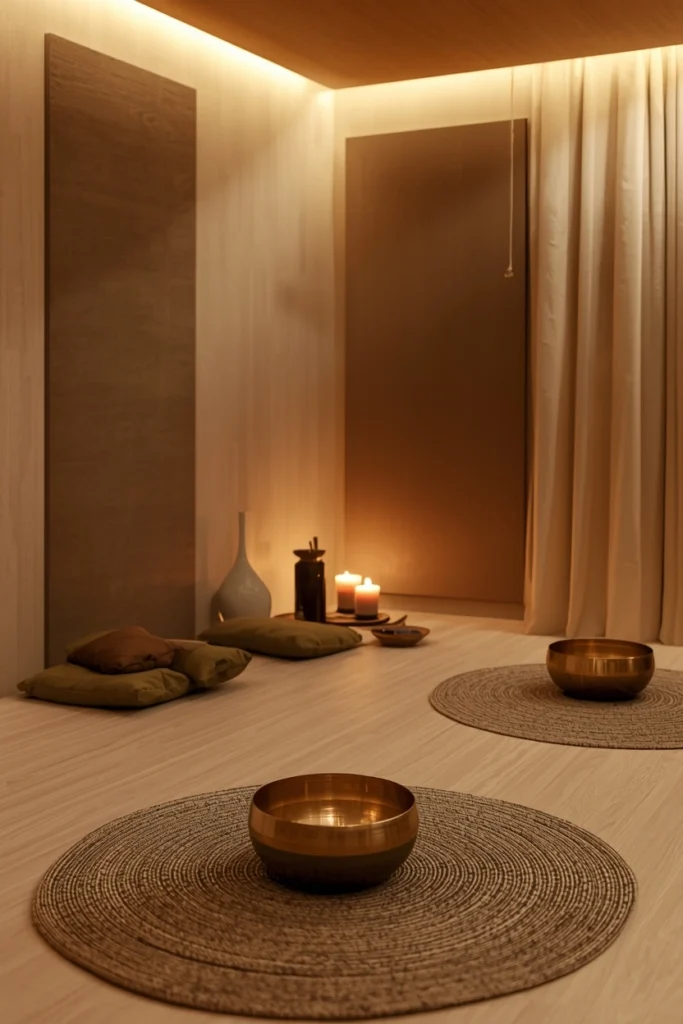
Sound can be a powerful tool for relaxation and emotional healing. A sound healing room might include singing bowls, chimes, or soft ambient music. Gentle sound vibrations help calm the mind and create a deeply relaxing atmosphere.
Acoustic panels, rugs, and curtains can improve sound quality while also enhancing comfort. The room should feel quiet and immersive, allowing you to focus on the soothing rhythms of sound therapy.
8. Cozy Reading Healing Room
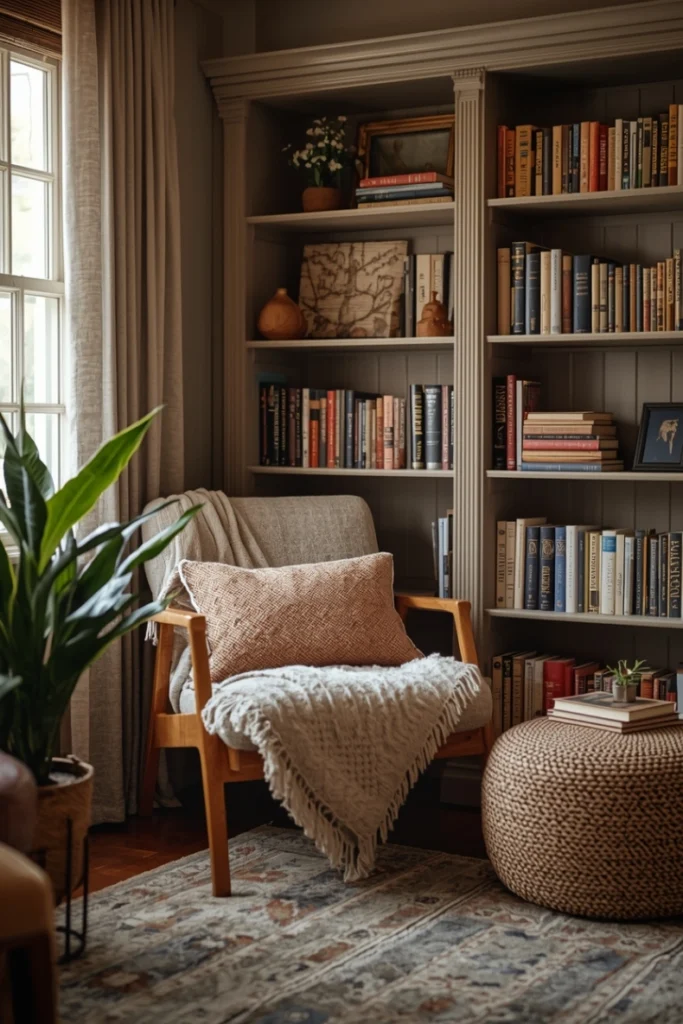
A cozy reading corner can also function as a healing space. Books provide mental escape and inspiration, making reading a powerful form of relaxation. A comfortable chair, soft blanket, and warm lighting can create the perfect reading sanctuary.
Add shelves with meaningful books, calming decor, and perhaps a small plant for a touch of nature. This type of healing room encourages quiet time and personal reflection, helping reduce daily stress.
9. Yoga Healing Room
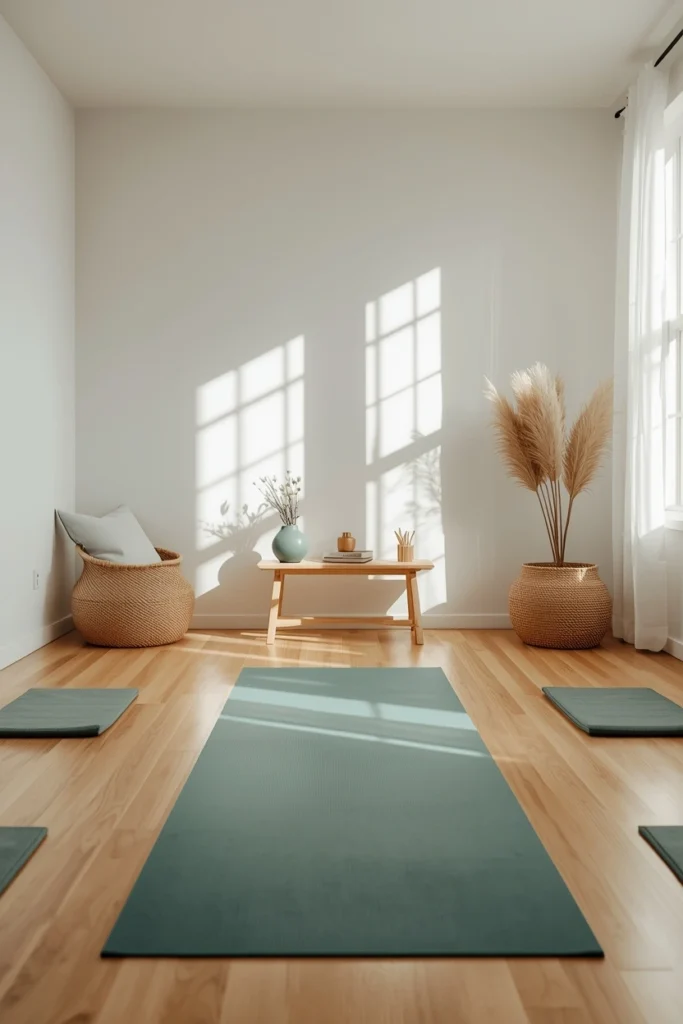
A yoga healing room focuses on physical movement and mindful breathing. Keep the layout open so there is enough space for stretching and yoga practice. A yoga mat, floor cushions, and a small shelf for yoga accessories can complete the setup.
Natural light and calming colors help maintain a peaceful atmosphere. This type of healing room supports both mental and physical wellness, allowing you to restore energy through gentle movement.
10. Spa-Inspired Healing Room
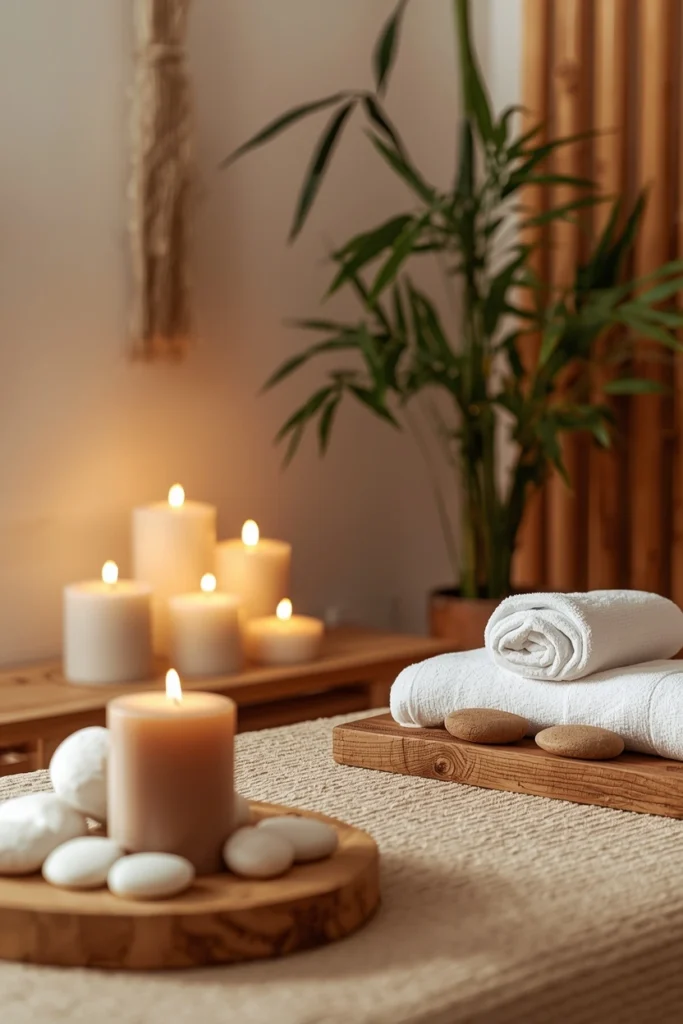
A spa-inspired healing room recreates the relaxing feeling of a wellness retreat. Soft towels, candles, calming scents, and soothing music help establish a tranquil environment.
Natural materials like bamboo, stone, and linen can elevate the spa aesthetic. This type of healing room is perfect for self-care rituals, skincare routines, or simply relaxing after a long day.
11. Color Therapy Healing Room
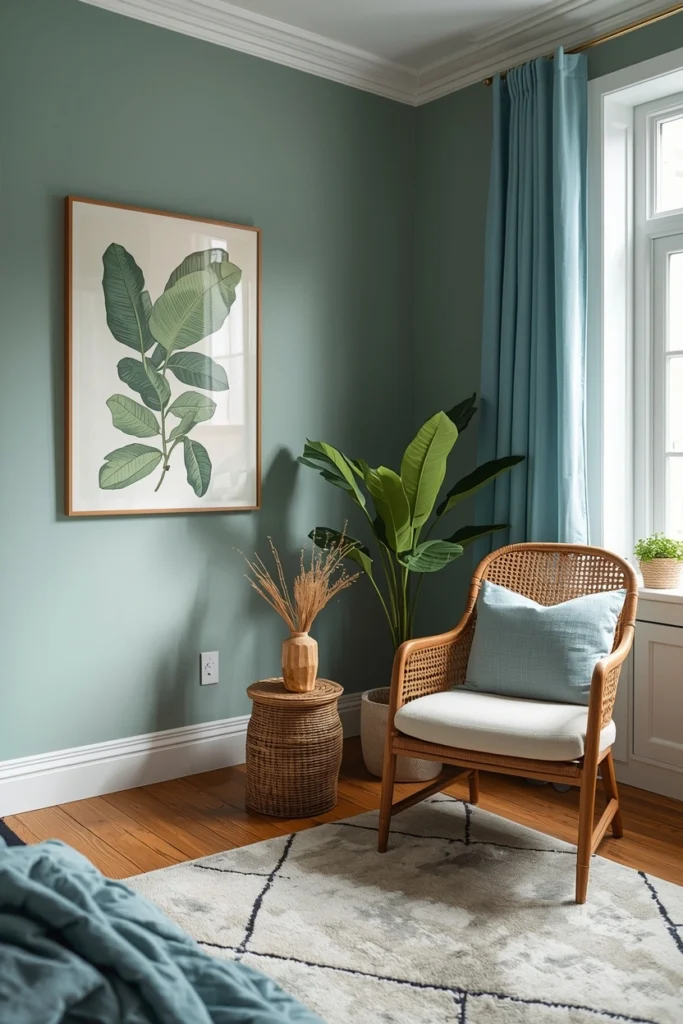
Color therapy uses different colors to influence mood and emotional balance. Soft blues promote calmness, greens encourage balance, and warm neutrals create comfort.
Painted walls, textiles, and decorative accents can introduce color in subtle ways. Choosing the right palette can transform the emotional feel of the room and enhance relaxation.
12. Water Element Healing Room
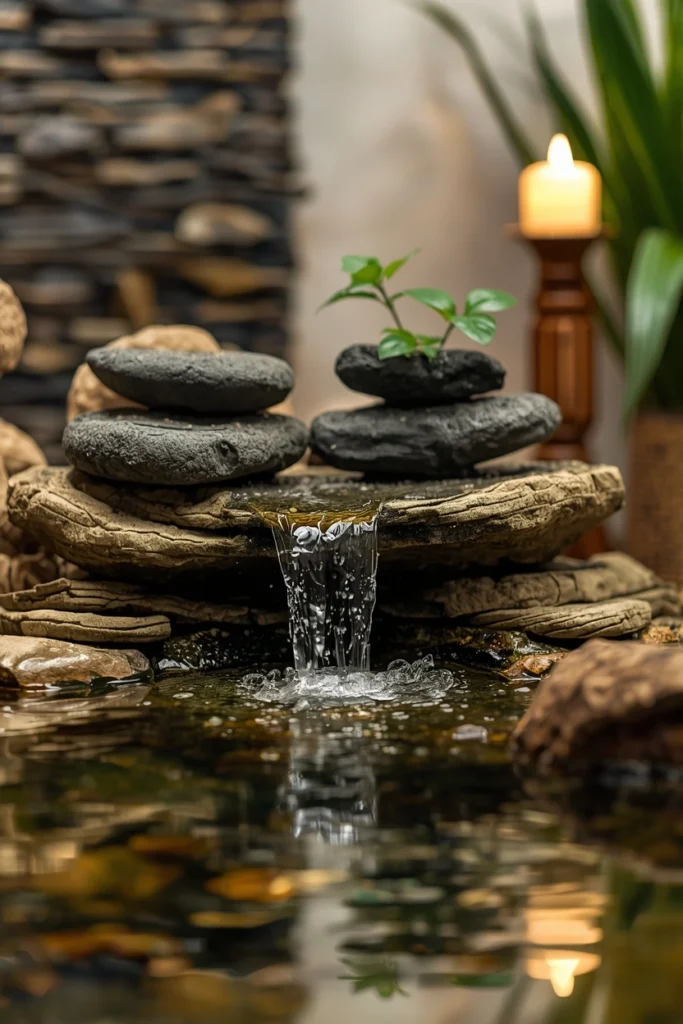
The sound and movement of water naturally promote relaxation. A small indoor fountain or tabletop waterfall can create a soothing ambiance in your healing room.
Water elements combined with natural textures such as stone and wood can create a spa-like environment. The gentle sound of flowing water helps reduce stress and improve focus.
13. Artistic Expression Healing Room
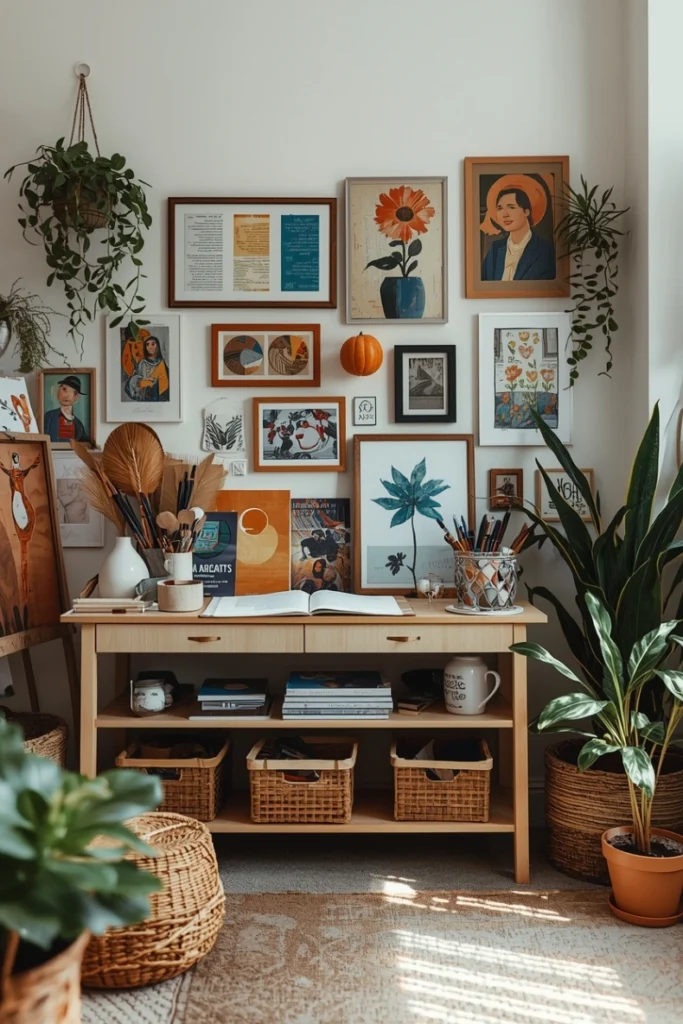
Creativity can be incredibly therapeutic. An artistic healing room may include painting supplies, sketchbooks, or crafting materials that encourage creative expression.
Surround yourself with inspiring artwork, colors, and textures that stimulate imagination. This type of healing room helps release emotions and encourages personal exploration through art.
14. Sacred Spiritual Healing Room
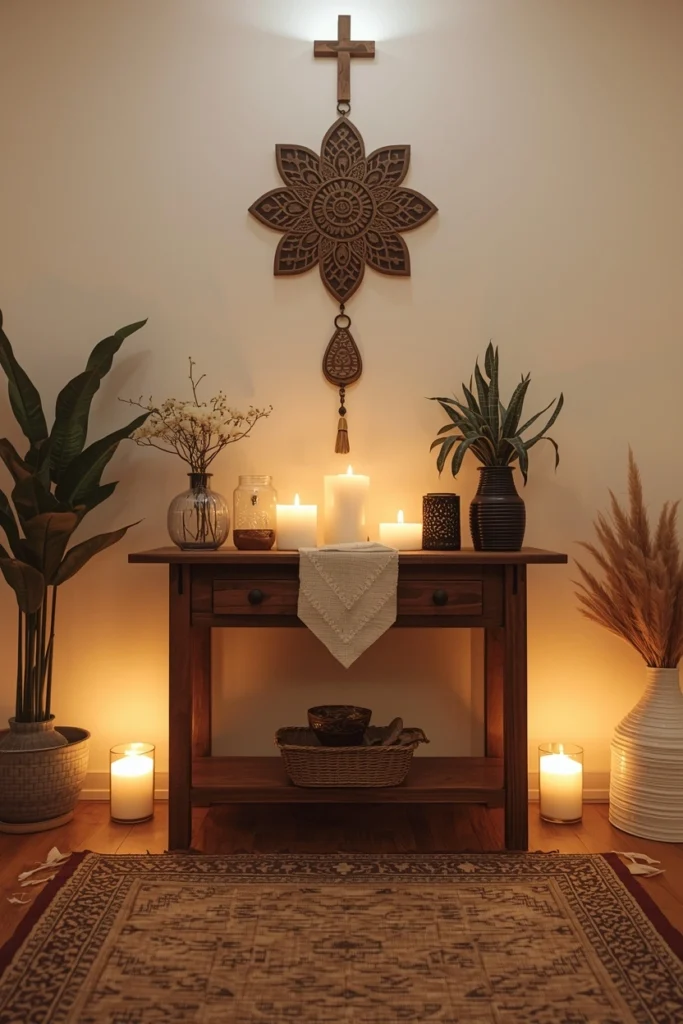
A sacred spiritual healing room focuses on mindfulness, prayer, or spiritual rituals. Decorative altars, candles, meaningful symbols, and sacred objects help create a deeply personal environment.
Soft lighting and quiet surroundings encourage reflection and spiritual connection. This type of room becomes a sanctuary for emotional grounding and inner peace.
15. Multi-Purpose Wellness Healing Room
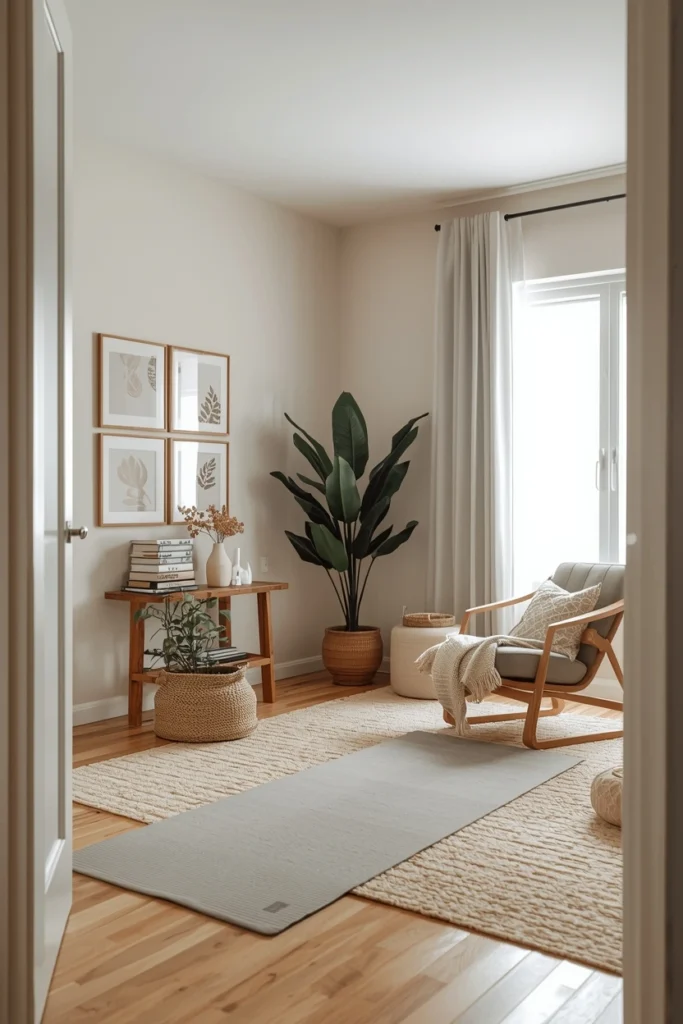
A multi-purpose healing room combines several wellness activities in one space. You might include a meditation corner, a reading chair, and a yoga mat area.
The key is to organize the room so each activity has its own designated zone. With thoughtful design, one room can support many types of healing practices, making it a versatile wellness retreat inside your home.
Conclusion
Designing a healing room is about creating a space that nurtures calm, balance, and restoration. By combining soothing colors, natural elements, comfortable furniture, and intentional decor, you can transform any room into a peaceful sanctuary. Whether you prefer meditation, reading, yoga, or simple relaxation, these healing room ideas provide inspiration for building a restorative environment in your home.
A thoughtfully designed healing room supports your well-being by offering a place to pause, reflect, and recharge. Even small design choices—such as lighting, scent, or texture—can have a powerful impact on how a space feels. With creativity and intention, you can design a healing room that becomes your personal retreat from everyday stress.