17 Fairy Garden Ideas That Feel Magical
Fairy gardens capture something deeply timeless. They bring imagination, storytelling, and nature together in a way that feels both nostalgic and calming. Whether tucked into a corner of your backyard, displayed on a balcony, or created in a simple pot, a fairy garden turns ordinary green space into a miniature world filled with wonder.
These fairy garden ideas go far beyond basic decorations. Each concept focuses on atmosphere, storytelling, and design balance, helping you create a space that feels truly magical rather than themed or artificial. From woodland hideaways to moonlit fairy villages, these ideas work for all garden sizes and skill levels.
1. Woodland Fairy Hideaway
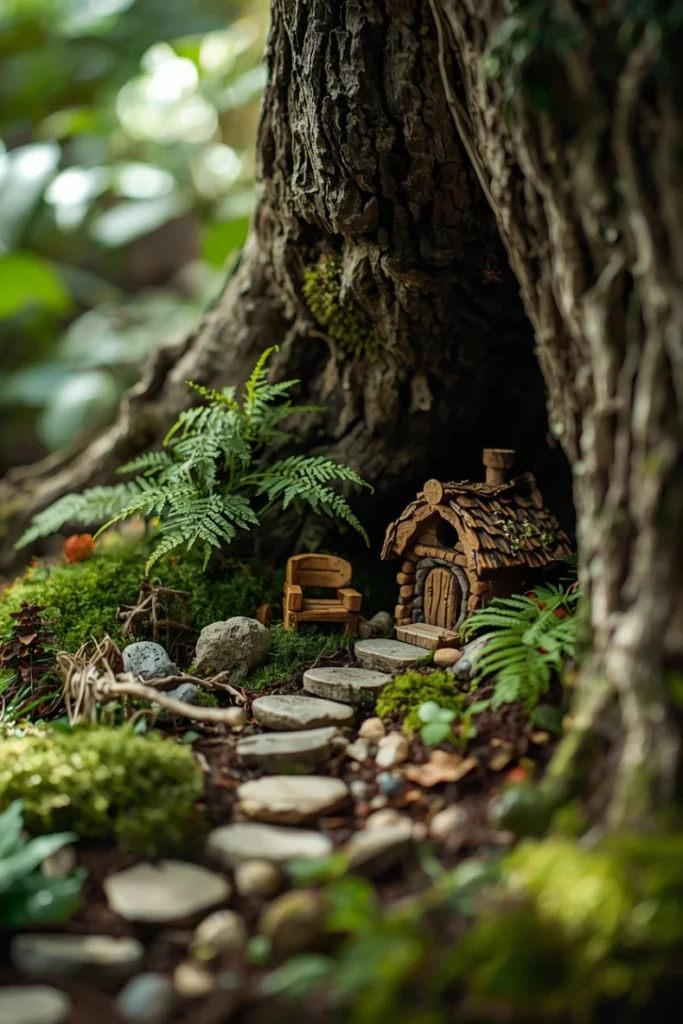
A woodland fairy hideaway is one of the most classic fairy garden ideas, inspired by shaded forests, mossy paths, and natural textures. This style works beautifully under trees, shrubs, or in corners of the garden where sunlight filters softly through leaves. Use natural materials like bark, twigs, stones, and moss to create an environment that feels organic and untouched.
Layer the space carefully. Moss becomes the ground cover, small ferns act as fairy trees, and stones can shape tiny pathways or seating areas. Avoid bright colors and plastics. The charm of this fairy garden idea lies in its subtlety, allowing the setting to feel as though fairies truly live there, unseen but close.
2. Flower Pot Fairy Village
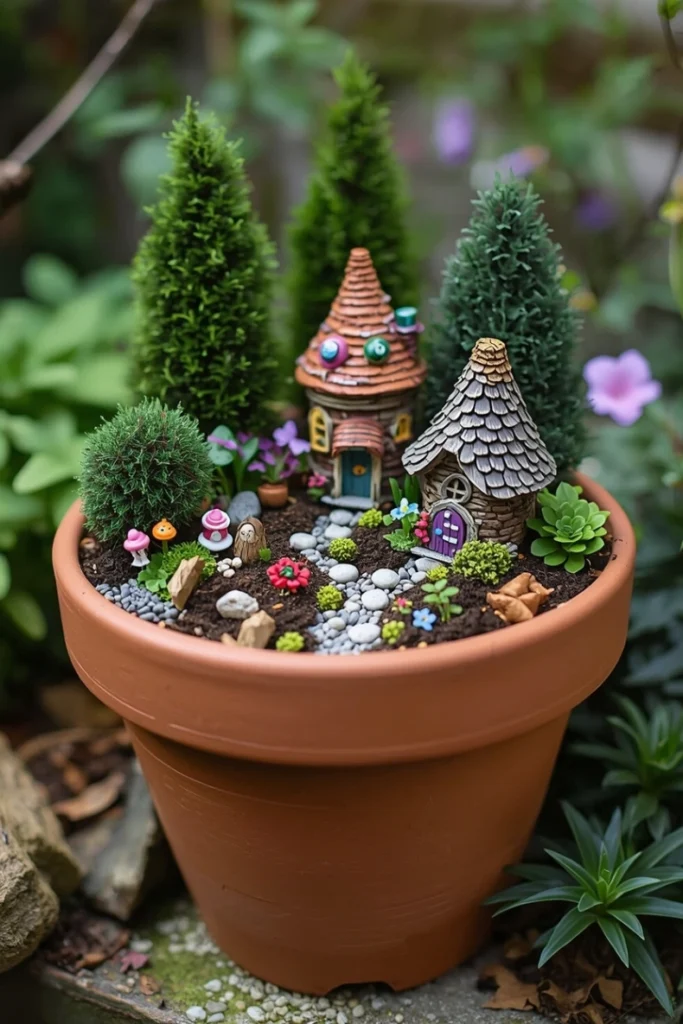
Flower pot fairy villages are perfect for small spaces and beginners. Using large planters or containers allows you to create a complete fairy world in a controlled space while maintaining visual impact. This fairy garden idea is especially popular for balconies, patios, and apartment gardens.
Choose one or two focal fairy houses and arrange them at different heights using soil mounds or overturned pots. Add miniature flowers, gravel paths, and tiny accessories sparingly to avoid clutter. Because the space is limited, every element should contribute to the story. The result feels intentional, charming, and beautifully contained.
3. Moss-Covered Fairy Pathway
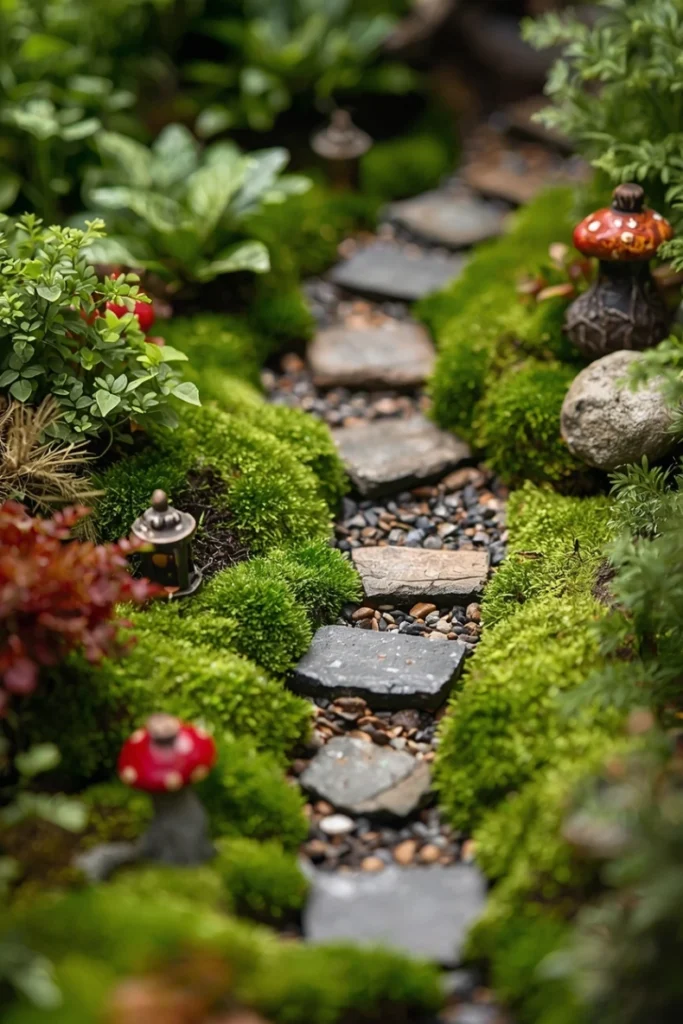
A moss-covered fairy pathway creates the illusion of movement within a fairy garden. Paths guide the eye and suggest that fairies travel through the space regularly. This idea works particularly well in larger gardens or elongated planters where depth can be emphasized.
Use fine gravel, pebbles, or stepping stones partially embedded in moss. Curve the pathway gently rather than keeping it straight. Add small lanterns or mushrooms along the edges to enhance the magical feeling. This fairy garden idea feels immersive and story-driven, drawing viewers into the scene rather than simply displaying it.
4. Tree Stump Fairy Home
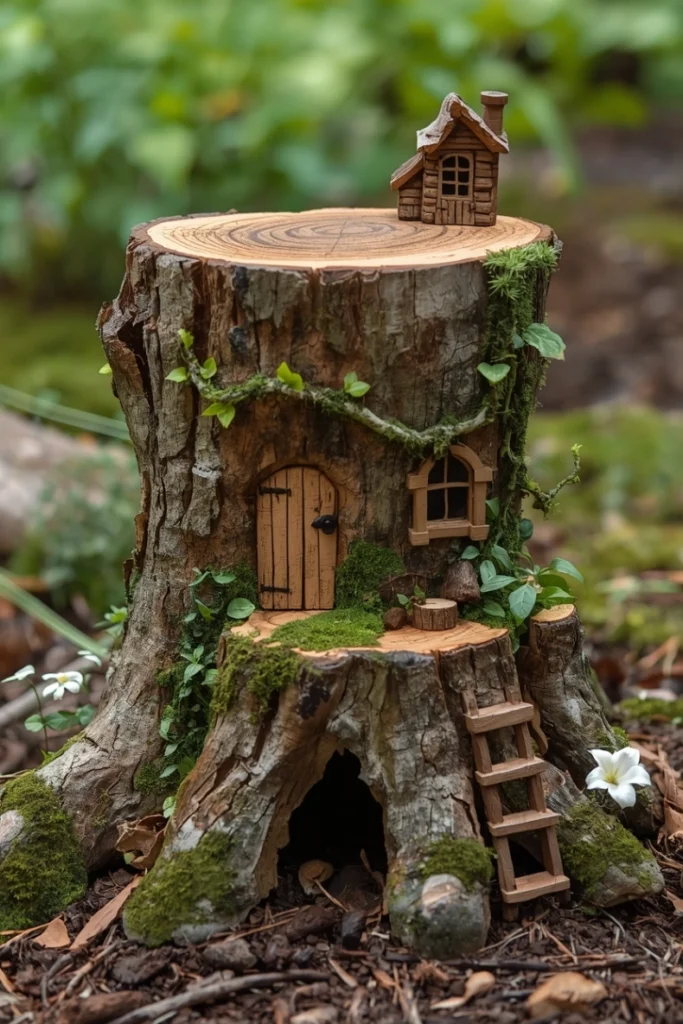
Tree stumps naturally lend themselves to fairy garden designs. Their shape, texture, and aged appearance make them perfect foundations for fairy homes. This fairy garden idea works beautifully in outdoor spaces where a cut tree stump can be repurposed instead of removed.
Carve or attach small doors, windows, and ladders directly onto the stump. Let moss, ivy, or tiny plants grow around the structure for a lived-in feel. The key is blending the fairy elements seamlessly with the natural wood so the home feels discovered, not built.
5. Teacup Fairy Garden
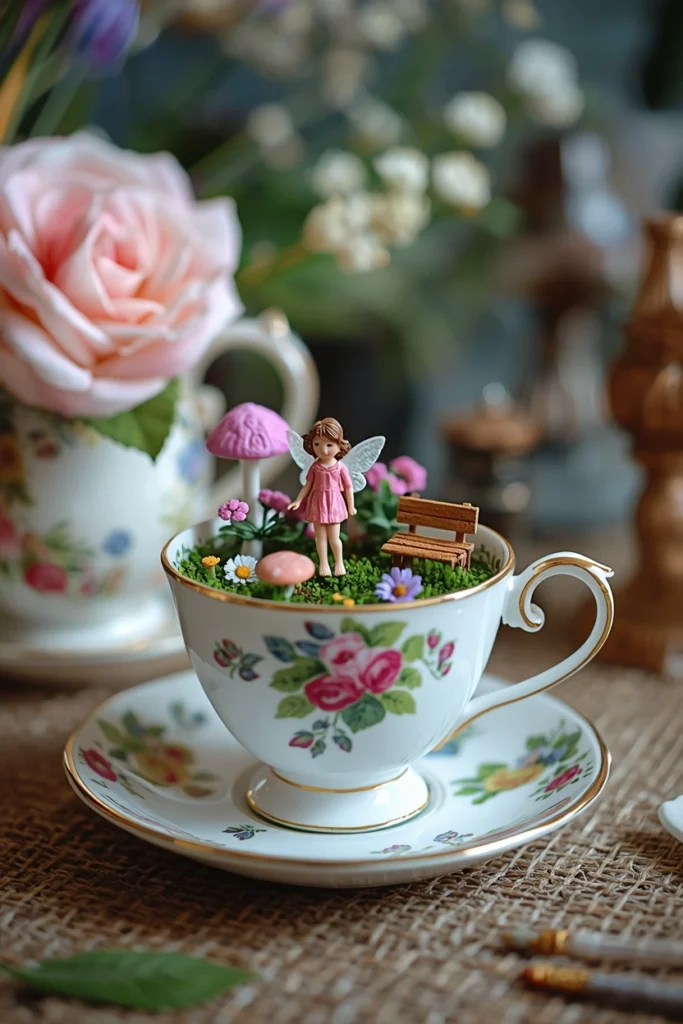
A teacup fairy garden brings whimsy and charm to indoor spaces. This fairy garden idea is ideal for desks, shelves, or windowsills, offering a magical escape in miniature form. Choose vintage or floral-patterned teacups to enhance the aesthetic.
Because the scale is so small, focus on one fairy and minimal decor. Tiny flowers, a miniature bench, or a single mushroom can be enough. The beauty of this idea lies in restraint. The result feels delicate, imaginative, and deeply personal.
6. Fairy Garden Under a Tree
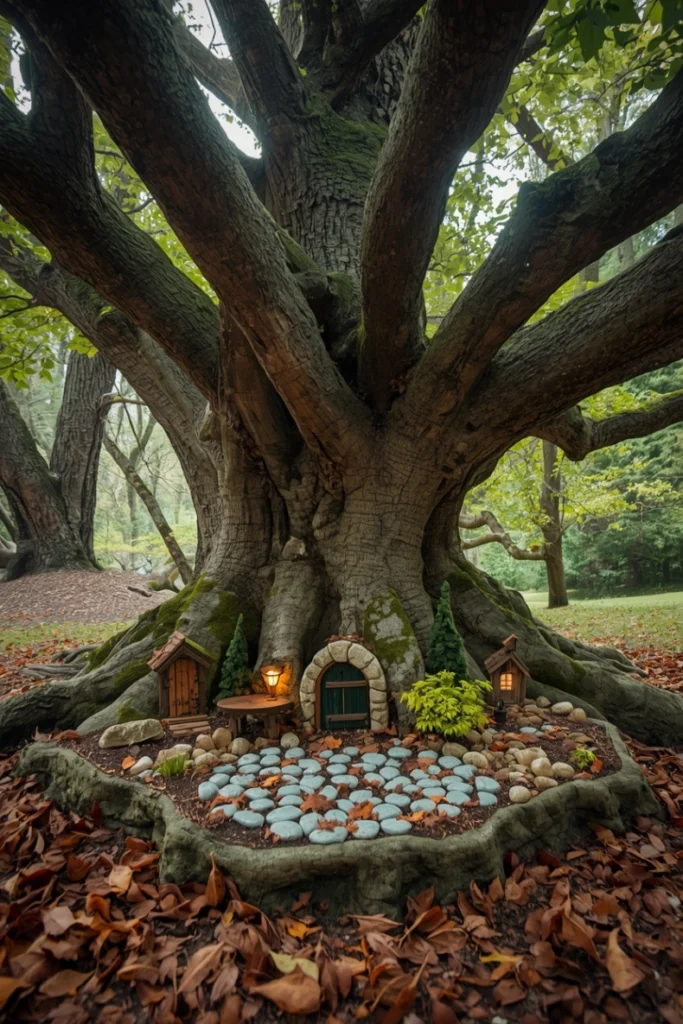
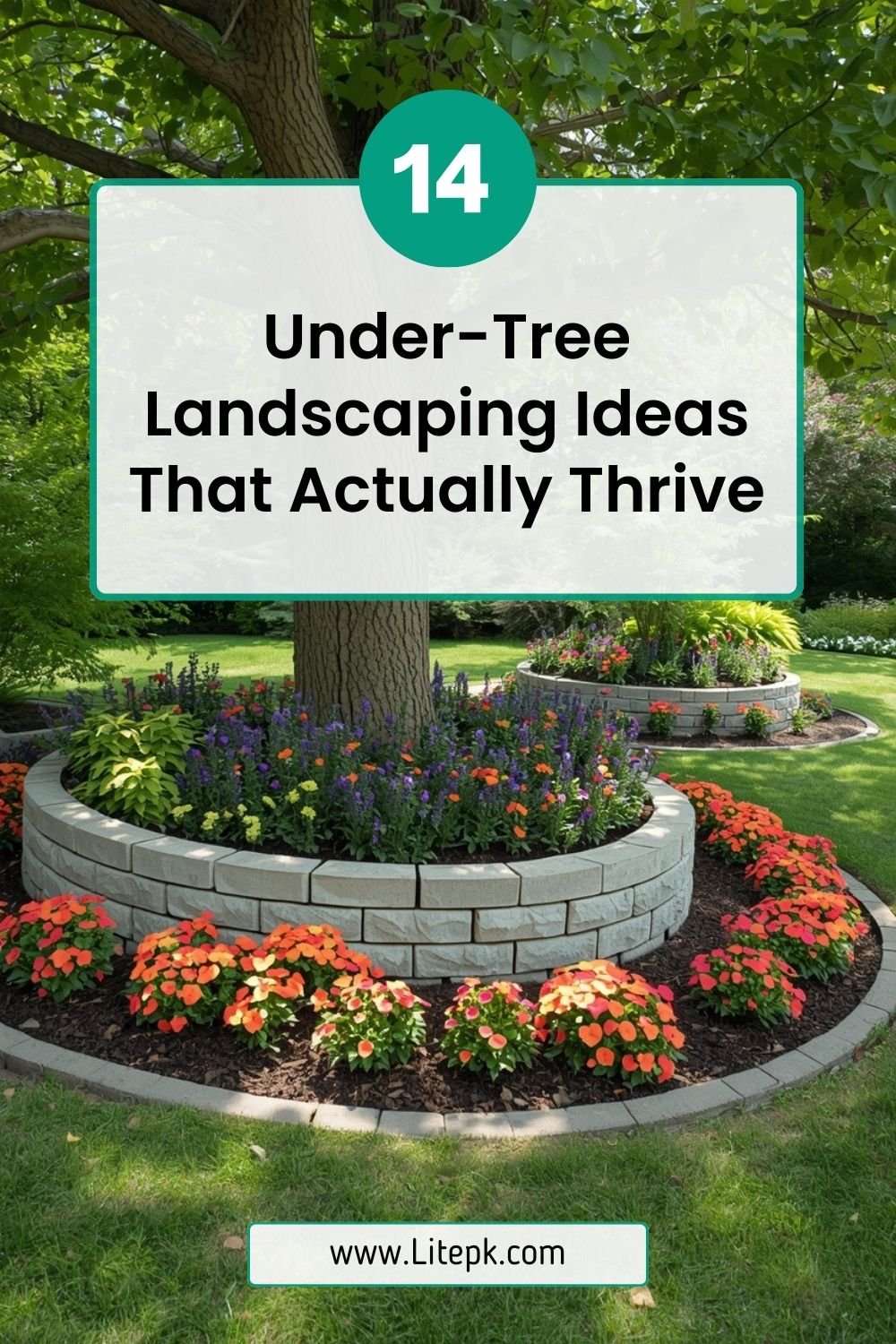
Creating a fairy garden under a tree uses the natural canopy to establish a magical mood. Dappled light, fallen leaves, and exposed roots add character that artificial elements cannot replicate. This fairy garden idea feels grounded and timeless.
Design around the tree’s roots rather than against them. Small fairy doors at the base, pebble seating areas, and soft lighting create a sense of community. Keep materials natural and allow the garden to evolve with the seasons, enhancing its realism and charm.
7. Fairy Garden with Mini Water Feature
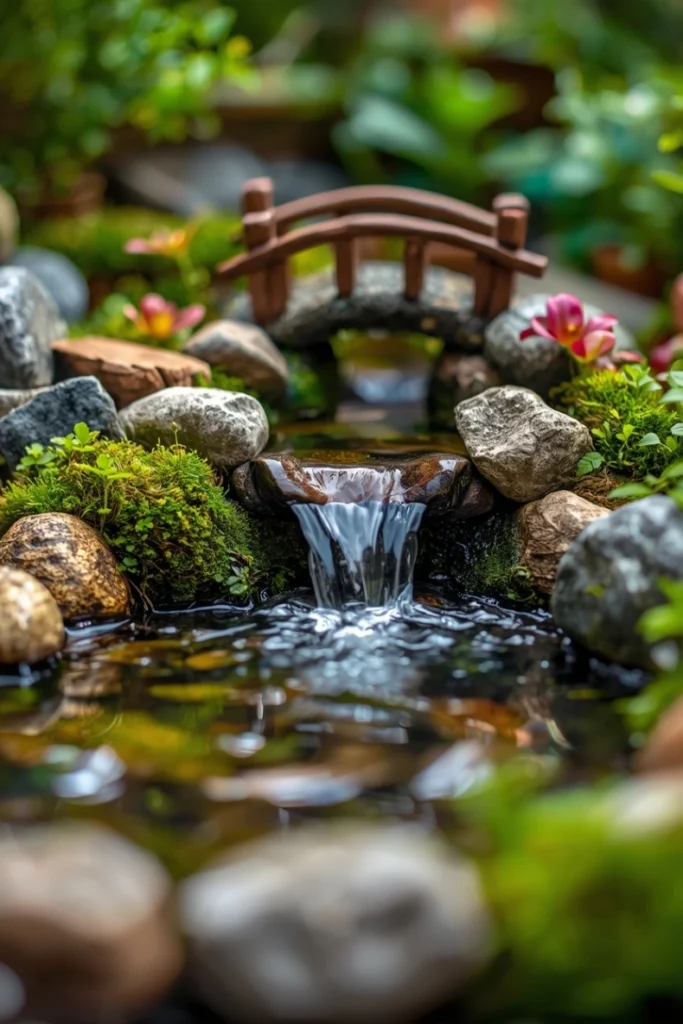
Water adds life, sound, and movement to any fairy garden. A tiny pond, stream, or fountain instantly elevates the design and creates a calming presence. This fairy garden idea works especially well in outdoor settings.
Use shallow containers or resin water features designed for miniature gardens. Surround the water with stones, moss, and small plants to make it feel natural. The reflective surface enhances the magical quality, making the space feel alive and dynamic.
8. Fairy Garden in a Birdbath
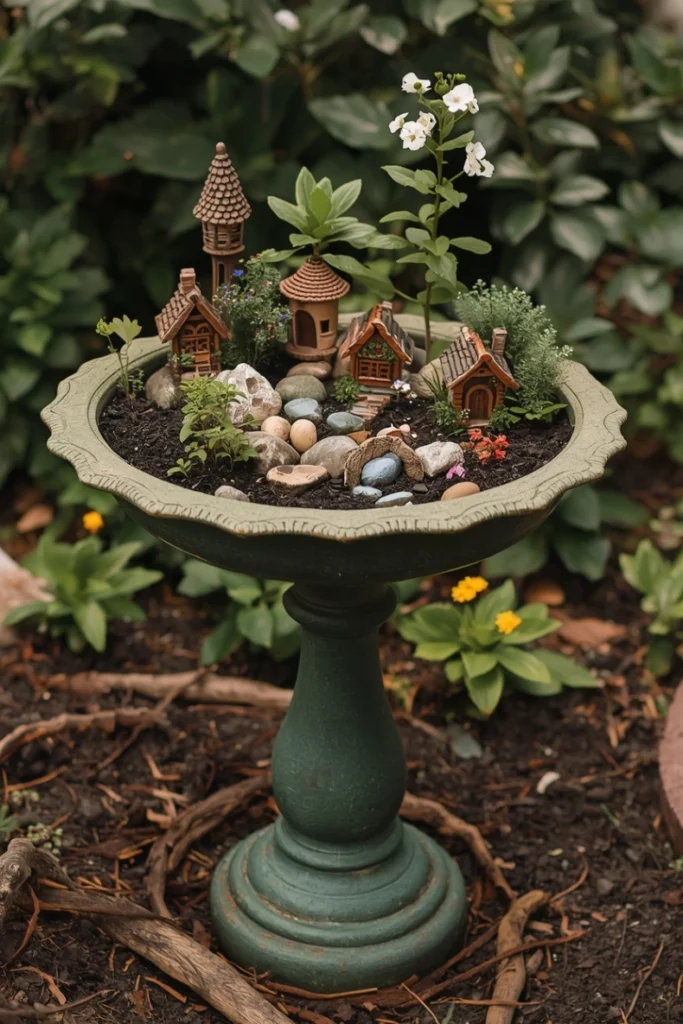
Repurposing a birdbath into a fairy garden creates a raised display that feels unique and eye-catching. This fairy garden idea allows for better visibility and adds vertical interest to your garden.
Fill the basin with soil and create layers using rocks or inverted pots. Plant small flowers and place fairy houses strategically. The elevated design makes this fairy garden feel like a hidden world hovering above the ground.
9. Fairy Garden with Glowing Lights
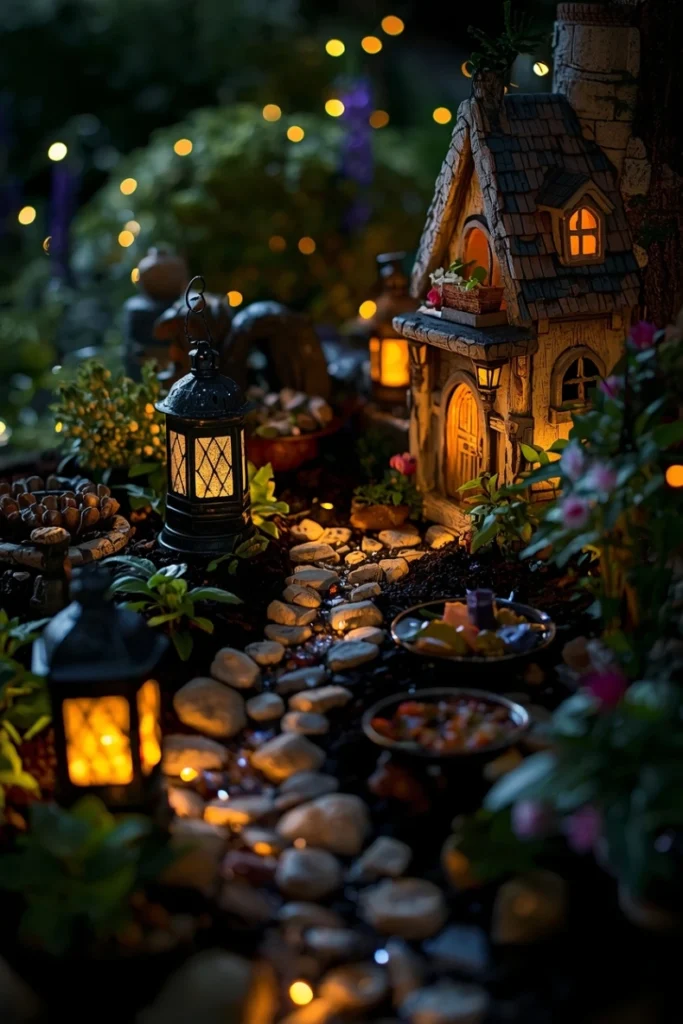
Lighting transforms fairy gardens after sunset. Soft, glowing lights mimic fireflies or fairy magic and extend the enjoyment into the evening. This fairy garden idea works beautifully in both small and large spaces.
Use warm LED lights or solar-powered lanterns designed for miniature gardens. Hide the light sources behind plants or structures to maintain the illusion. When done well, lighting adds depth without overpowering the natural elements.
10. Succulent Fairy Garden

Succulent fairy gardens combine practicality with creativity. Succulents are low-maintenance and visually striking, making them ideal for long-lasting fairy garden ideas.
Choose compact varieties and arrange them to resemble miniature landscapes. Add subtle fairy elements like stone paths or tiny furniture. The clean lines and textures of succulents create a modern yet magical aesthetic.
11. Fairy Garden with Mini Furniture
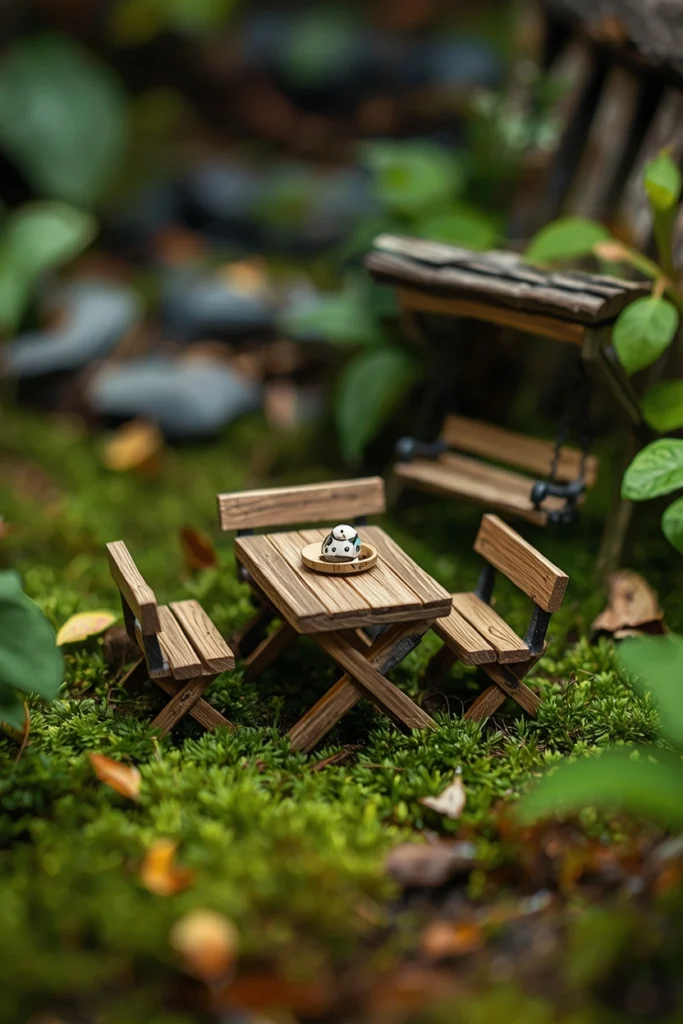
Miniature furniture adds personality and storytelling to fairy gardens. Benches, tables, and swings suggest daily life and make the scene feel inhabited. This fairy garden idea focuses on interaction rather than decoration.
Place furniture naturally, as if used often. Avoid overcrowding and keep scale consistent. When balanced properly, furniture enhances realism and encourages viewers to imagine fairy gatherings and quiet moments.
12. Beach-Themed Fairy Garden
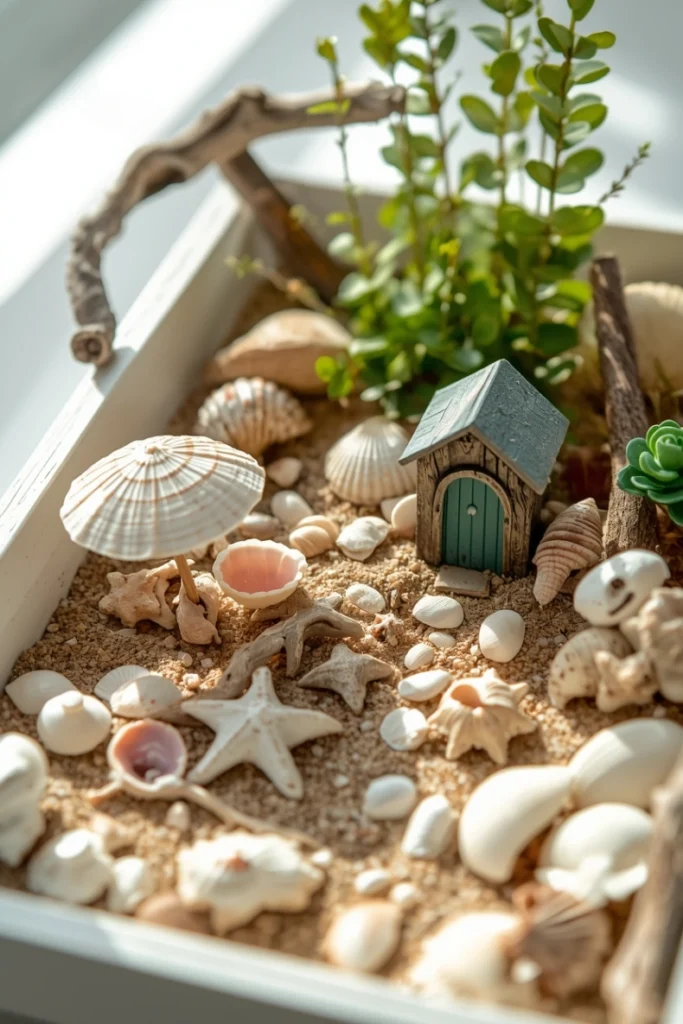
Beach-themed fairy gardens bring coastal charm into miniature form. This fairy garden idea works beautifully in containers or shallow trays using sand, shells, and driftwood.
Use soft colors and minimal greenery. A tiny beach hut or umbrella adds whimsy without overwhelming the scene. The relaxed, open feel sets this idea apart from woodland-style fairy gardens.
13. Fairy Garden with Stone Archways
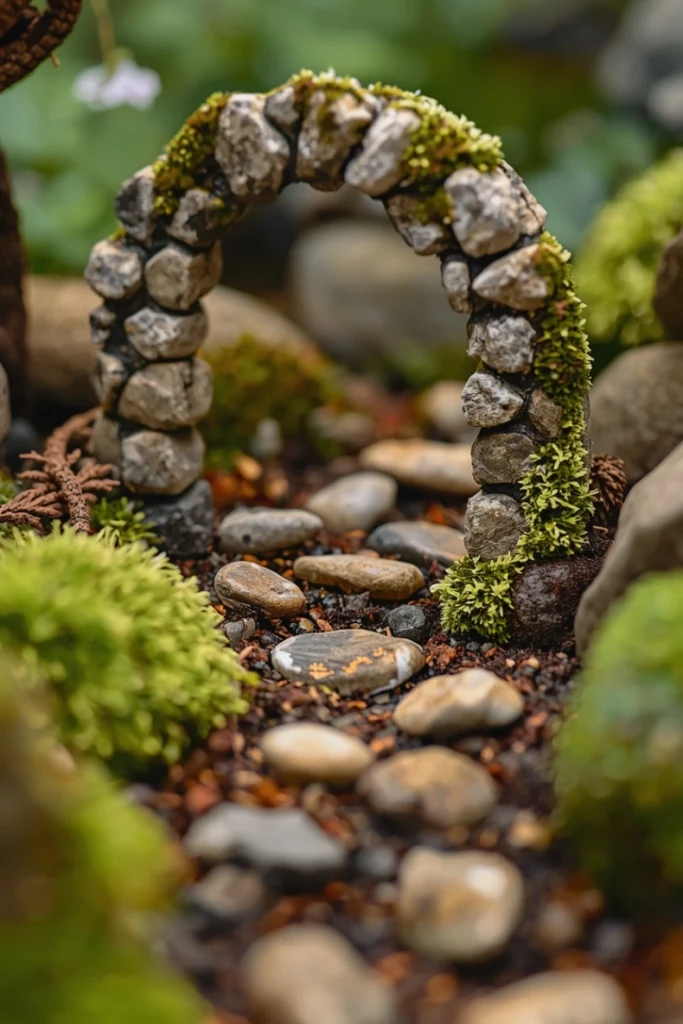
Stone archways create a sense of passage and mystery. This fairy garden idea implies hidden realms and secret entrances, making it ideal for storytelling-focused designs.
Use miniature stone arches or craft them from pebbles. Position them at the start of paths or between sections. The structure adds depth and encourages exploration within the garden.
14. Fairy Garden in a Lantern
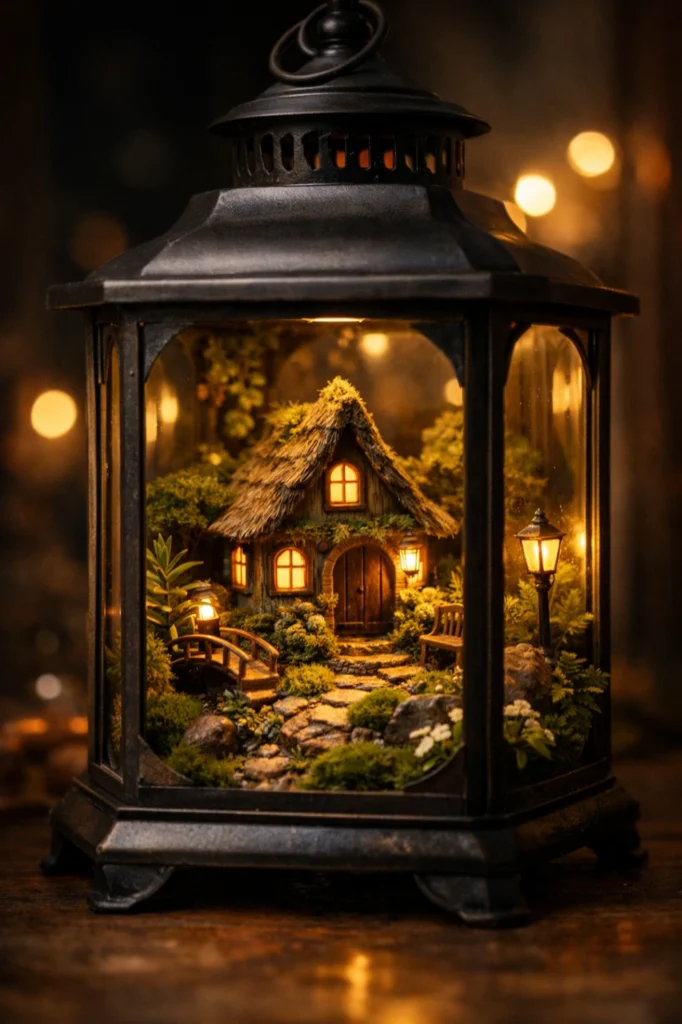
Lantern fairy gardens are both decorative and portable. This fairy garden idea works indoors and outdoors, offering a contained magical world that feels intimate and refined.
Choose lanterns with glass panels for visibility. Inside, keep the design minimal with one fairy house and soft greenery. When lit, the lantern glows gently, enhancing the magical effect.
15. Fairy Garden with Mushrooms
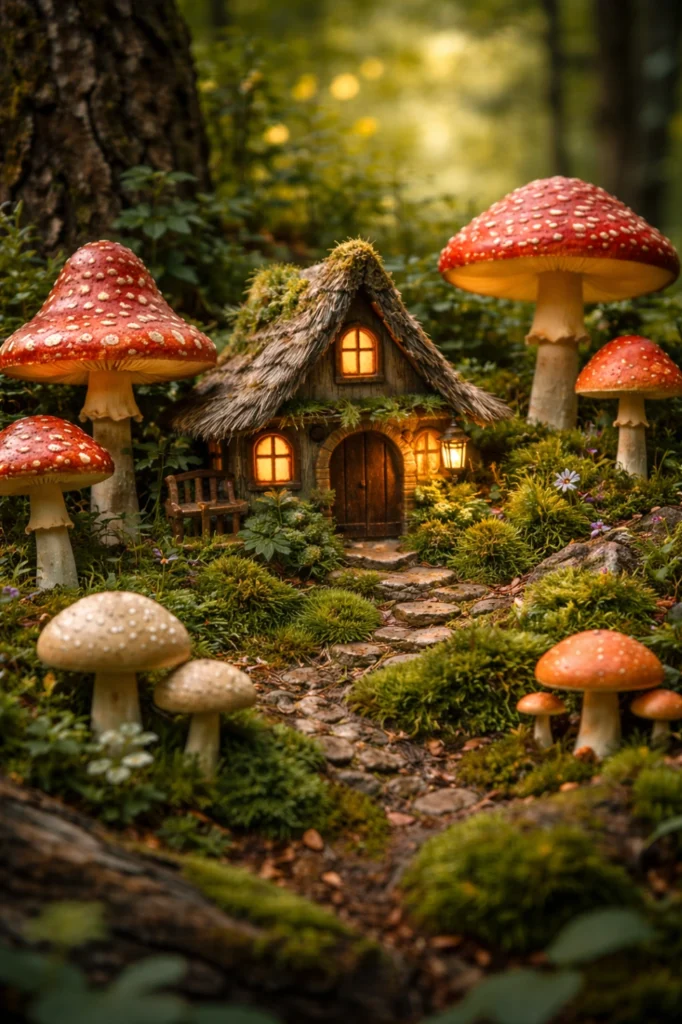
Mushrooms are iconic elements in fairy folklore. This fairy garden idea uses mushroom shapes and colors to create visual interest while maintaining a whimsical tone.
Use realistic or handcrafted mushrooms in natural colors. Place them in clusters among moss or plants. The result feels playful yet grounded, avoiding cartoonish styling.
16. Seasonal Fairy Garden
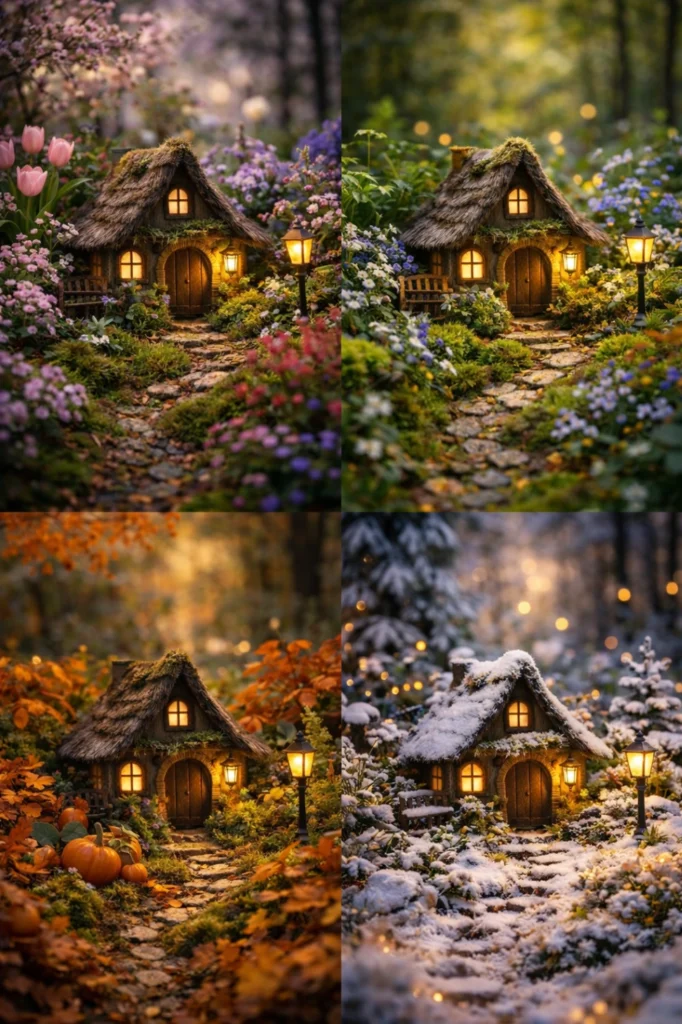
Seasonal fairy gardens evolve throughout the year. This fairy garden idea focuses on adaptability, allowing decorations and plants to change with the seasons.
Incorporate autumn leaves, winter lights, spring flowers, or summer greenery. The constant transformation keeps the fairy garden engaging and relevant year-round while strengthening its storytelling depth.
17. Moonlit Fairy Garden
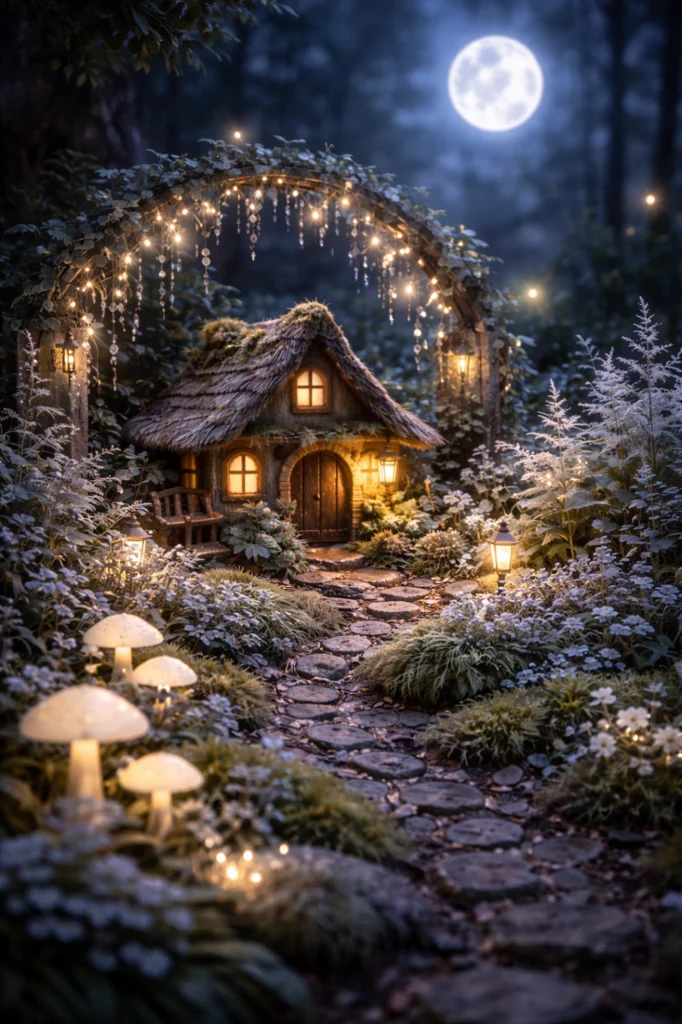
Moonlit fairy gardens emphasize calm, mystery, and subtle magic. This fairy garden idea uses cool tones, silver accents, and gentle lighting to create a nighttime-inspired atmosphere.
Choose pale plants, reflective stones, and soft white lights. Keep the design minimal and serene. The result feels ethereal, peaceful, and deeply magical.
Image Generation Prompt:
“Moonlit fairy garden with soft white lights, silver accents, pale plants, nighttime enchanted atmosphere, cinematic lighting, ultra-detailed, no text, no logos”
Final Thoughts
Fairy garden ideas are not about decoration alone. They are about storytelling, balance, and atmosphere. Whether large or small, simple or detailed, the most magical fairy gardens feel intentional, natural, and quietly enchanting. By choosing the right theme and materials, you can create a fairy garden that invites imagination and brings lasting joy to any space.