12 DIY Minimal Centerpiece Ideas Guests Will Notice

Less truly can be more—especially when it comes to table décor. In a world overflowing with visual noise, minimalist centerpieces create an atmosphere of calm sophistication that instantly elevates any gathering. Whether you’re hosting a dinner party, planning a wedding reception, or refreshing your everyday dining table, thoughtfully designed minimalist décor makes a powerful statement without overwhelming the space.
The beauty of DIY minimal centerpiece ideas lies in their simplicity. Clean lines, neutral palettes, organic textures, and intentional design choices create an aesthetic that feels refined yet approachable. With a few carefully selected materials and a creative touch, you can craft centerpieces that guests genuinely notice—and remember.
1. Single Stem Statement Vase
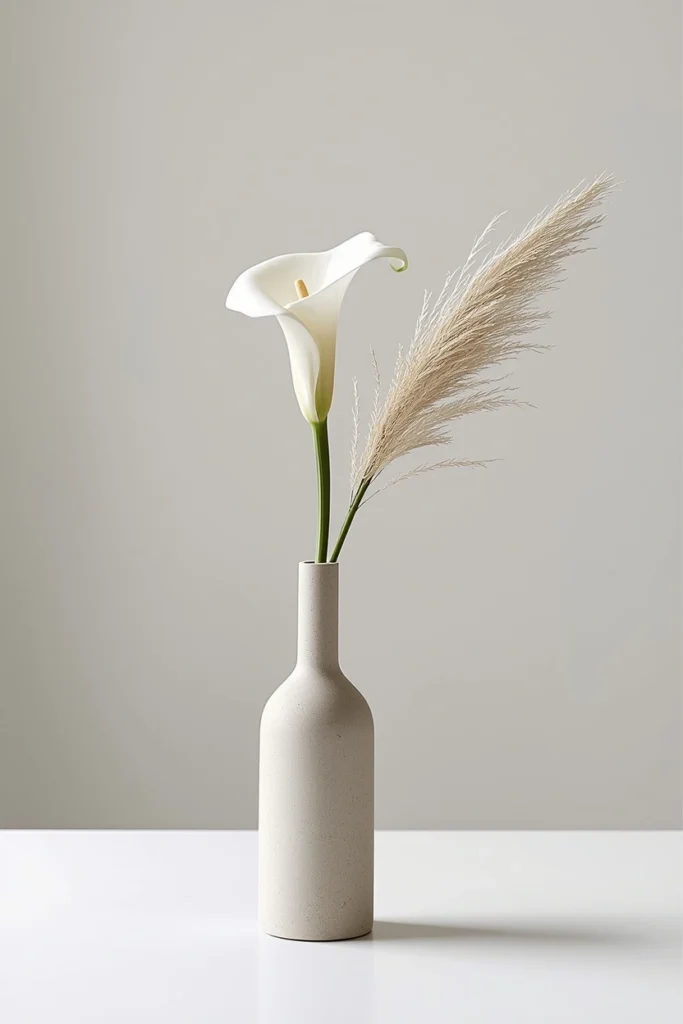
A single stem displayed in a sculptural vase is one of the most elegant DIY minimal centerpiece ideas you can create. Choose a tall, narrow glass, ceramic, or matte stone vase and pair it with one striking bloom such as a calla lily, orchid stem, or dried pampas grass. The key is proportion—select a stem that complements the height and shape of your vase. Keep the color palette neutral or monochromatic to maintain visual harmony.
This centerpiece works beautifully for intimate dinners, modern weddings, or everyday table styling. Its simplicity draws attention to the natural form of the flower while maintaining negative space around it. For longer tables, repeat the same vase and stem at even intervals to create rhythm without clutter. The result is refined, airy, and effortlessly stylish.
2. Neutral Candle Trio
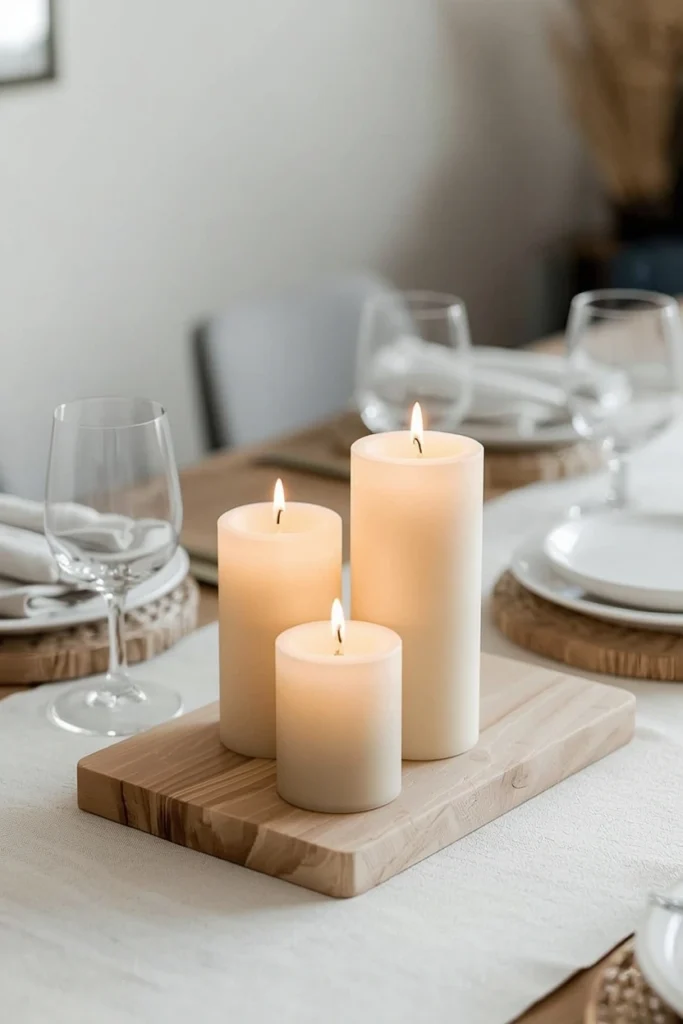
Candles instantly add warmth and intimacy to any setting. For this minimalist centerpiece, arrange three pillar candles of varying heights in neutral tones such as ivory, beige, or soft gray. Place them directly on the table or on a simple wooden or stone tray to anchor the arrangement. Keep spacing intentional and symmetrical for a clean aesthetic.
This design works especially well for evening gatherings, holiday dinners, and romantic occasions. The soft glow creates atmosphere without visual clutter. You can elevate the arrangement by choosing matte finish candles or subtly textured surfaces. Avoid additional décor elements—let the simplicity of candlelight speak for itself. The understated elegance ensures guests focus on the ambiance rather than excessive decoration.
3. Glass Bowl with Floating Greenery
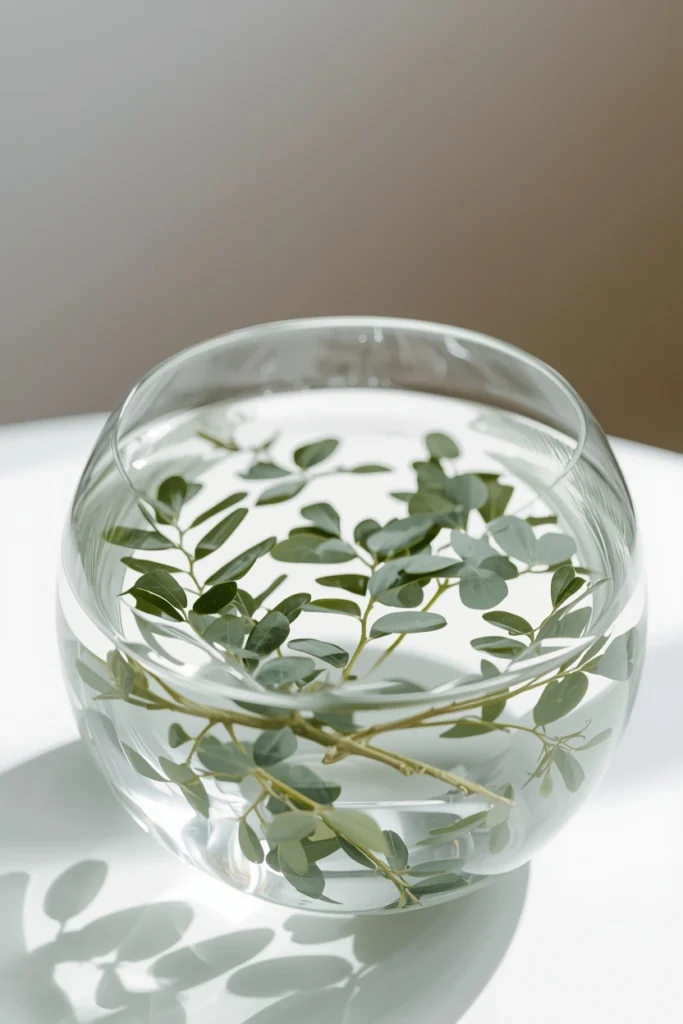
A clear glass bowl filled with water and delicate greenery creates a serene, contemporary look. Choose simple foliage such as eucalyptus, olive branches, or fern cuttings. Trim the stems neatly and allow them to float naturally in the water. The transparency of the bowl enhances the minimal aesthetic while highlighting organic textures.
This centerpiece feels fresh and modern, making it perfect for spring gatherings or outdoor dining settings. Keep the bowl low-profile to encourage conversation across the table. The subtle movement of the greenery in water adds life without overwhelming the space. It’s affordable, easy to assemble, and visually calming—an excellent choice for anyone exploring DIY minimal centerpiece ideas.
4. Sculptural Driftwood Accent
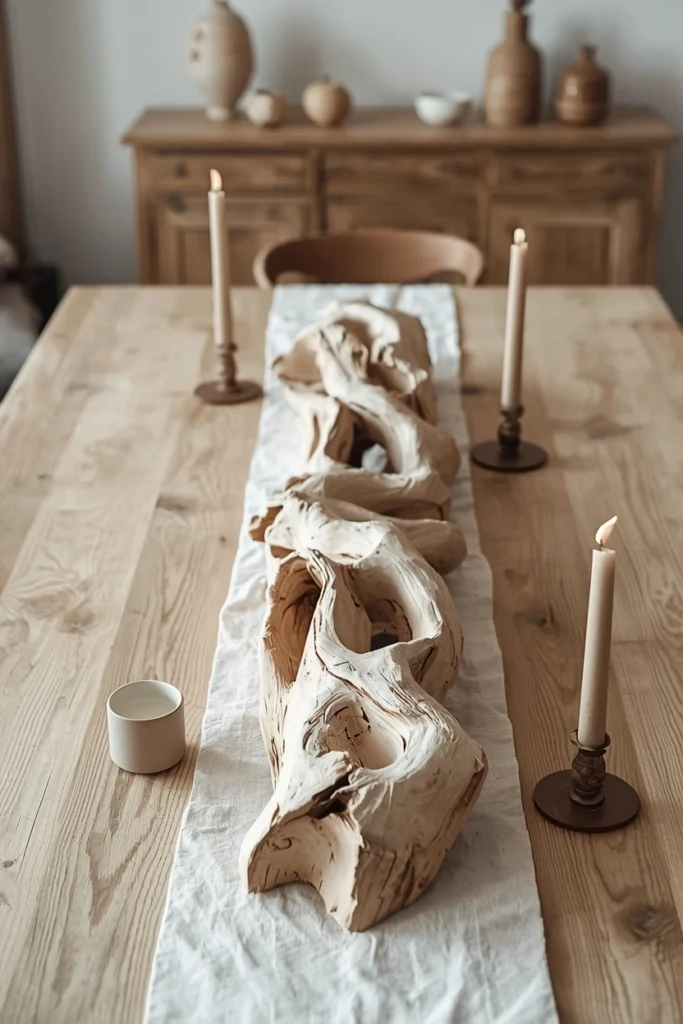
For a natural yet artistic centerpiece, use a single piece of sculptural driftwood placed horizontally along the center of the table. Look for a piece with interesting curves or texture. Leave it unaltered or lightly sanded to maintain authenticity. This raw element adds organic warmth without requiring additional decoration.
Driftwood works particularly well in coastal, rustic-modern, or Scandinavian-inspired interiors. If desired, pair it with one or two small neutral candles placed at either end for balance. Avoid overcrowding the piece; negative space enhances its visual impact. This centerpiece proves that minimalism can still feel dramatic when texture and form take center stage.
5. Monochrome Floral Cluster
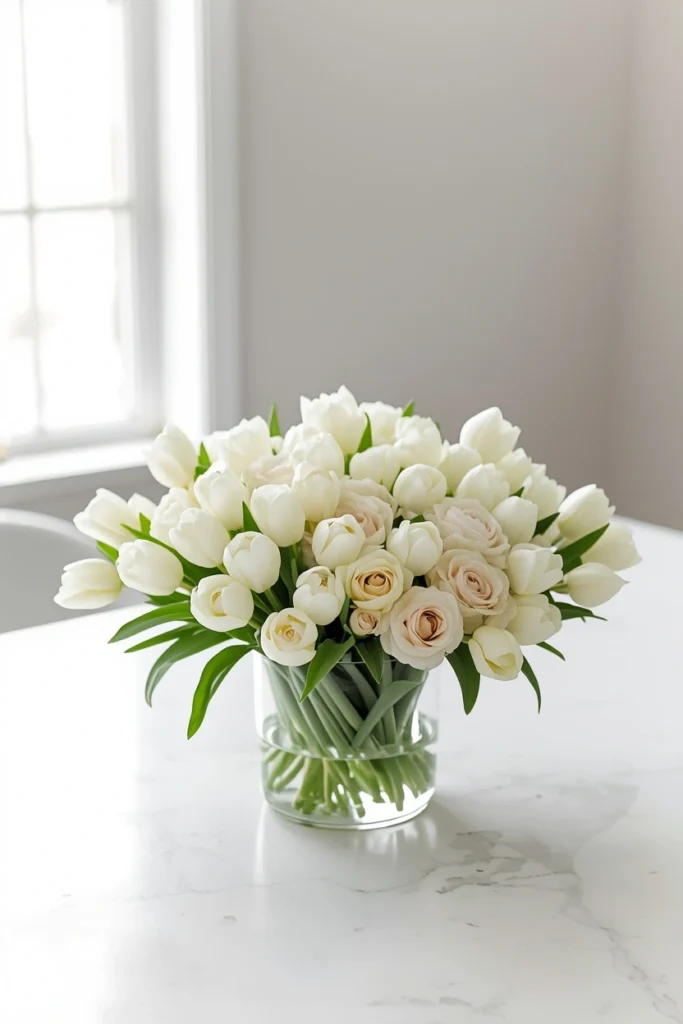
Choose one flower variety in a single color—such as white tulips, cream roses, or soft blush carnations—and arrange them tightly in a simple low-profile vase. Keeping both color and flower type consistent ensures the design remains clean and modern. Trim stems evenly to maintain structure.
This monochrome approach creates impact through uniformity. It feels polished without appearing busy. For longer tables, use multiple identical clusters spaced evenly. This repetition strengthens the minimalist design while maintaining visual interest. By limiting color variation, you allow texture and shape to become the focal points of the arrangement.
6. Stone and Wood Balance
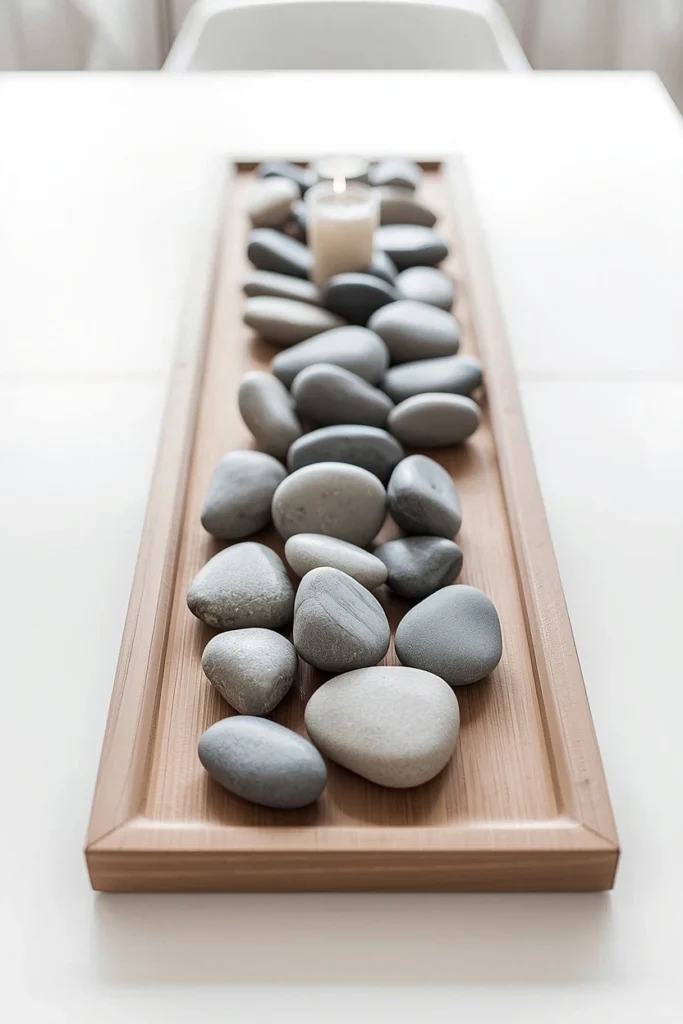
Combine natural materials like smooth river stones and a rectangular wooden tray to create a grounded, earthy centerpiece. Arrange the stones in a deliberate pattern—either symmetrically or in a linear formation. Keep the color palette muted and organic.
This design works well for both indoor and outdoor dining settings. The tactile contrast between wood and stone creates subtle visual interest while maintaining simplicity. You may add a single small candle or leave the materials unembellished for maximum minimalism. The result feels calm, balanced, and intentionally curated.
7. Clear Cylinder with Sand Layers
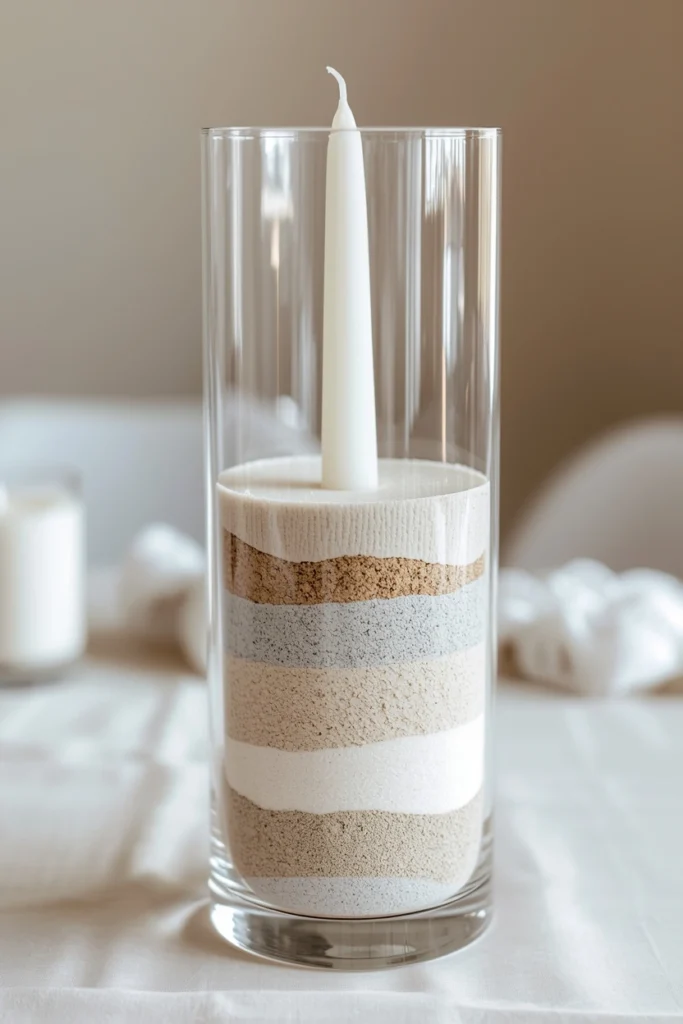
Layer fine sand in varying neutral shades inside a tall glass cylinder. The subtle contrast between light beige, ivory, and soft gray creates visual texture without excess decoration. Keep the layers clean and even for a structured aesthetic.
This centerpiece is ideal for beach-themed events or summer dinners. You can place a single white taper candle in the center for added height. The transparency of the glass keeps the look airy and modern. It’s simple to assemble and reusable, making it a practical addition to your DIY minimal centerpiece ideas collection.
8. Low Concrete Planter with Succulents
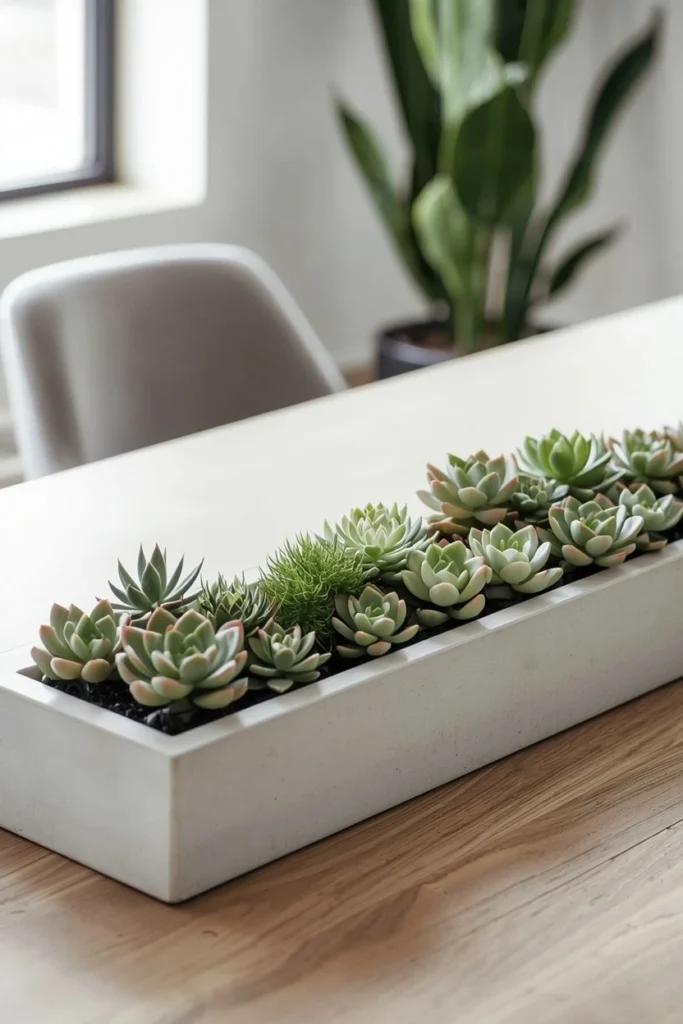
A rectangular concrete planter filled with small succulents delivers modern minimal charm. Choose varieties with similar tones—muted greens, soft sage, and pale gray—to maintain cohesion. Arrange them evenly with small spacing between each plant.
Concrete introduces an industrial element that pairs beautifully with contemporary interiors. This centerpiece is long-lasting and low maintenance, making it ideal for everyday use. The clean lines of the planter contrast with the organic shapes of the plants, creating balanced visual appeal. It’s understated yet memorable.
9. Black and White Contrast Display
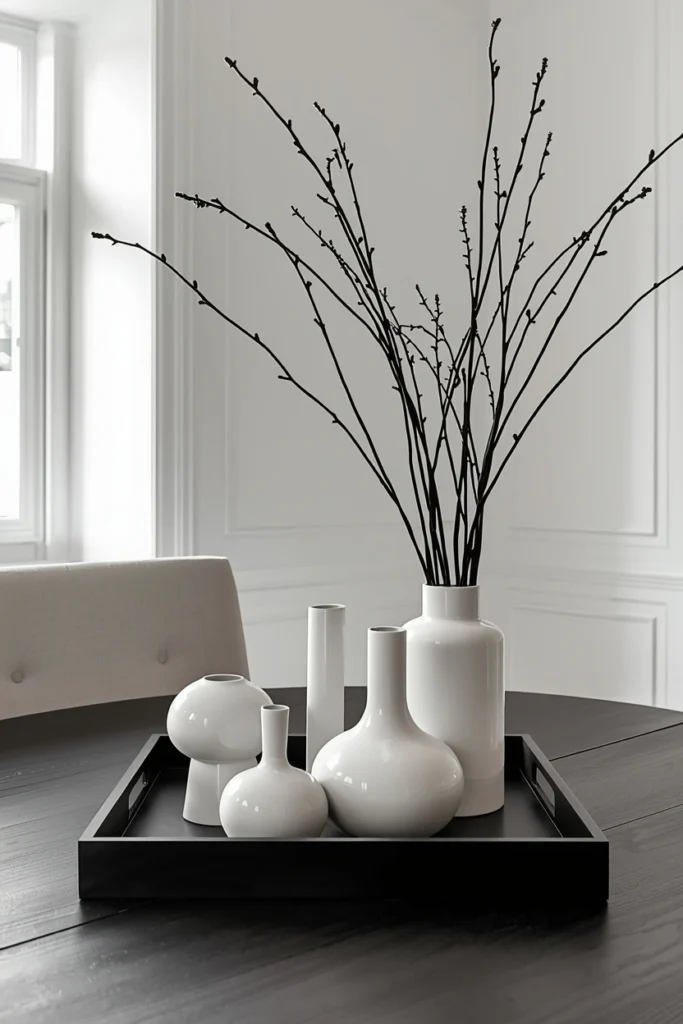
Create a striking yet minimal centerpiece using a matte black tray with white ceramic objects such as small vases or sculptural accents. Keep the arrangement symmetrical and uncluttered. The contrast between black and white instantly captures attention.
This design works well in modern or contemporary homes. The bold color pairing maintains simplicity while offering dramatic impact. Avoid adding additional colors to preserve the clean aesthetic. By focusing on contrast rather than complexity, you achieve a centerpiece that guests will notice without overwhelming the table.
10. Linen Runner with Subtle Accents
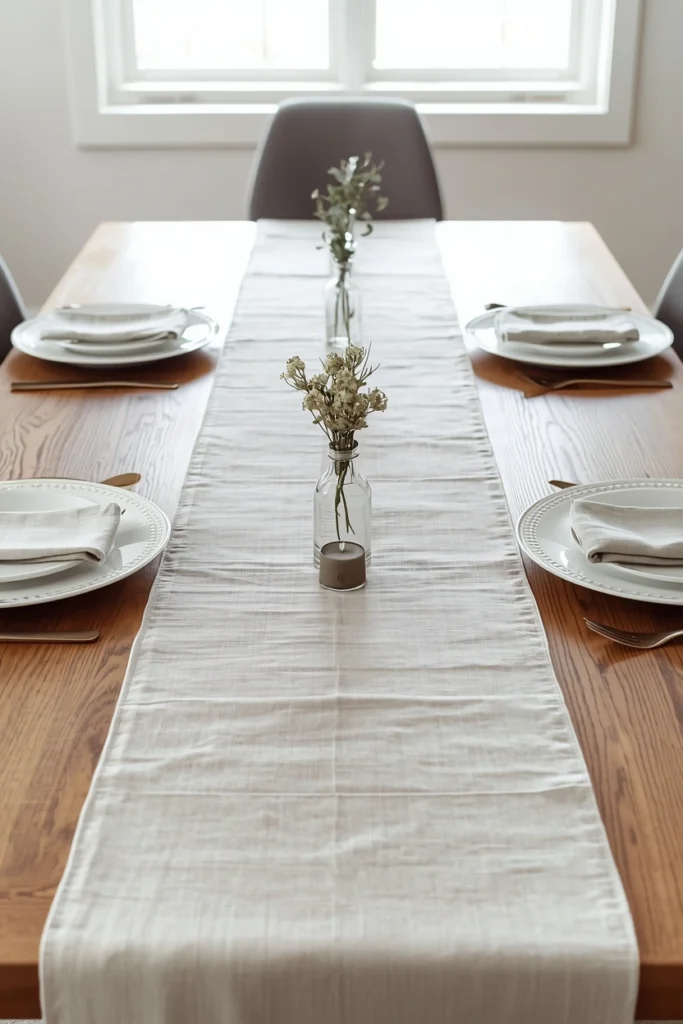
Instead of a traditional centerpiece, use a neutral linen runner as the focal base. Add two or three evenly spaced accents such as small bud vases or tea lights. Keep colors cohesive—soft beige, ivory, or warm gray tones work best.
The runner provides texture while maintaining simplicity. This approach works beautifully for long farmhouse tables or formal dining settings. The elongated design draws the eye across the table without overcrowding it. It’s subtle, elegant, and adaptable for various occasions.
11. Minimal Fruit Arrangement
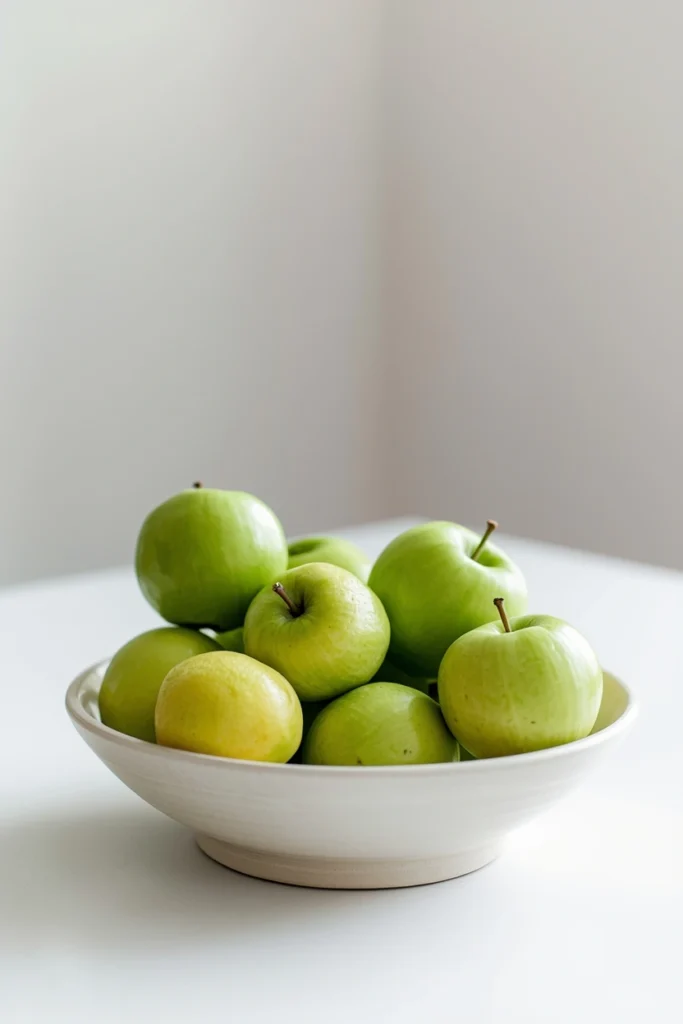
Arrange a single type of fruit—such as green apples or lemons—in a shallow ceramic bowl. Keep the quantity moderate and the display intentional. The uniform color keeps the arrangement cohesive and uncluttered.
This DIY minimal centerpiece idea adds freshness and functionality. It’s perfect for casual brunches or kitchen tables. The natural sheen of fruit adds subtle vibrancy without overwhelming the minimalist aesthetic. Choose neutral-toned bowls to maintain harmony and avoid decorative embellishments.
12. Tall Taper Candle Line
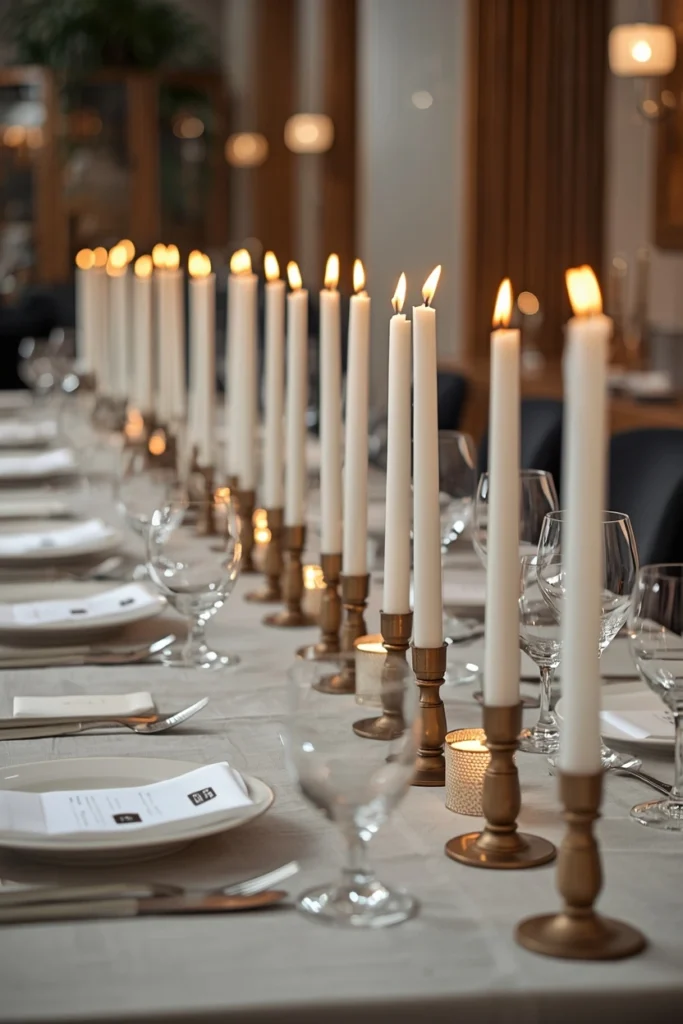
Line several tall taper candles in identical holders along the center of the table. Choose neutral or monochrome tones to keep the look cohesive. Ensure even spacing and straight alignment for visual balance.
This design creates height and elegance without excess detail. Ideal for formal dinners and evening events, the uniform candle line enhances the ambiance while preserving minimalism. Keep the table otherwise clear to allow the candles to stand out as the sole decorative element.
Conclusion
Minimalist décor is not about emptiness—it’s about intention. Each of these DIY minimal centerpiece ideas demonstrates how simplicity can create lasting impressions. By focusing on clean lines, restrained color palettes, and natural materials, you allow each element to breathe and stand out. Whether your style leans modern, rustic, coastal, or contemporary, minimal centerpieces offer timeless versatility.
The key is balance. Choose one focal element, give it space, and avoid the temptation to over-style. When done thoughtfully, minimalist centerpieces don’t just decorate a table—they define the atmosphere of the entire room. Guests notice details that feel intentional, curated, and harmonious. With these ideas, you can create refined table settings that leave a sophisticated and memorable impression.