11 Bedroom Ideas That Make Small Spaces Look Bigger
Creating a beautiful bedroom in a small space is not about compromise — it is about strategy. When design decisions are intentional, even the tiniest room can feel open, airy, and visually expansive. Thoughtful styling, spatial psychology, and sculptural decor principles can transform a compact bedroom into a calming sanctuary.
Small bedrooms challenge us to rethink proportion, scale, and visual flow. Instead of focusing on limitations, successful interior design embraces illusions of space, light manipulation, and functional elegance. These bedroom ideas that make small spaces look bigger will help you craft a room that feels sophisticated, breathable, and visually generous.
1. Use Light Color Palettes to Expand Visual Space
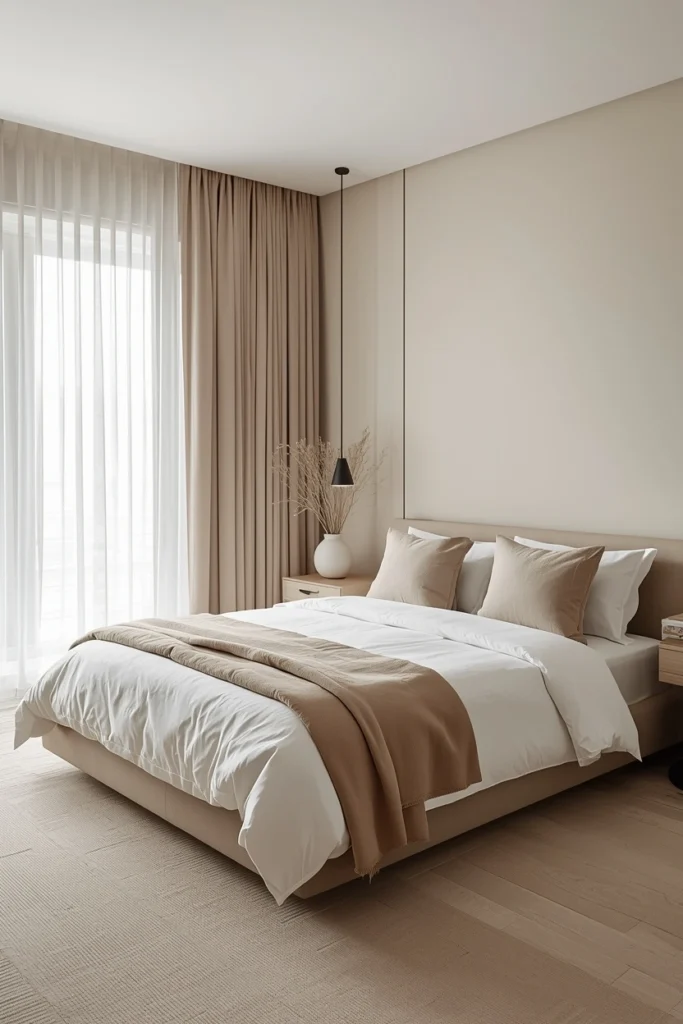
Light colors naturally reflect more light, creating an illusion of openness that darker tones often absorb. Soft neutrals like warm whites, pale greys, and muted pastels can visually push walls outward, making the room feel larger than its physical footprint. When paired with subtle tonal variations, these shades add depth without overwhelming compact layouts.
To maximize this effect, maintain color continuity across walls, ceilings, and large furniture pieces. This seamless palette reduces visual breaks, which can otherwise make a room feel boxed in. Sculptural decor elements in similar hues enhance spatial harmony while keeping the aesthetic sophisticated and cohesive.
2. Incorporate Vertical Design Elements

When floor space is limited, directing the eye upward creates a sense of vertical expansion. Tall shelving units, elongated headboards, and vertical wall paneling draw attention to ceiling height rather than room width. This visual redirection is a powerful interior design technique that subtly enhances perceived spaciousness.
Vertical decor also introduces sculptural rhythm into the room. Slim floor lamps, tall mirrors, and stacked art arrangements provide architectural interest without cluttering surfaces. By balancing vertical emphasis with minimalist styling, small bedrooms gain both dimension and refined visual structure.
3. Choose Multi-Functional Furniture Pieces

Furniture that serves multiple purposes is essential in compact bedrooms. Beds with storage drawers, foldable desks, or ottomans with hidden compartments reduce the need for extra pieces, preserving valuable floor space. This strategic functionality keeps the room uncluttered and visually open.
From a sculptural decorating perspective, multifunctional furniture should still maintain strong design presence. Choose pieces with clean silhouettes, subtle curves, or geometric detailing. This ensures practicality does not compromise aesthetic sophistication while reinforcing spatial fluidity.
4. Use Mirrors to Reflect Light and Depth

Mirrors are one of the most effective design tools for making small bedrooms feel larger. By reflecting natural and artificial light, mirrors double the perceived depth of a room. A strategically placed floor mirror or mirrored wardrobe can visually extend boundaries without structural changes.
Beyond functionality, mirrors contribute sculptural elegance. Frameless designs create modern minimalism, while textured or metallic frames add artistic dimension. Position mirrors opposite windows or light sources to amplify brightness and spatial continuity.
5. Opt for Low-Profile Furniture Designs

Low-profile furniture creates a horizontal visual flow that enhances openness. Beds, nightstands, and seating that sit closer to the floor make ceilings appear taller and rooms feel less crowded. This technique is particularly effective in apartments with limited vertical clearance.
The sculptural aspect of low furniture lies in its understated elegance. Clean lines, subtle textures, and refined materials maintain visual interest while preserving spatial simplicity. This balance results in a calming, expansive bedroom atmosphere.
6. Keep Window Treatments Minimal and Airy
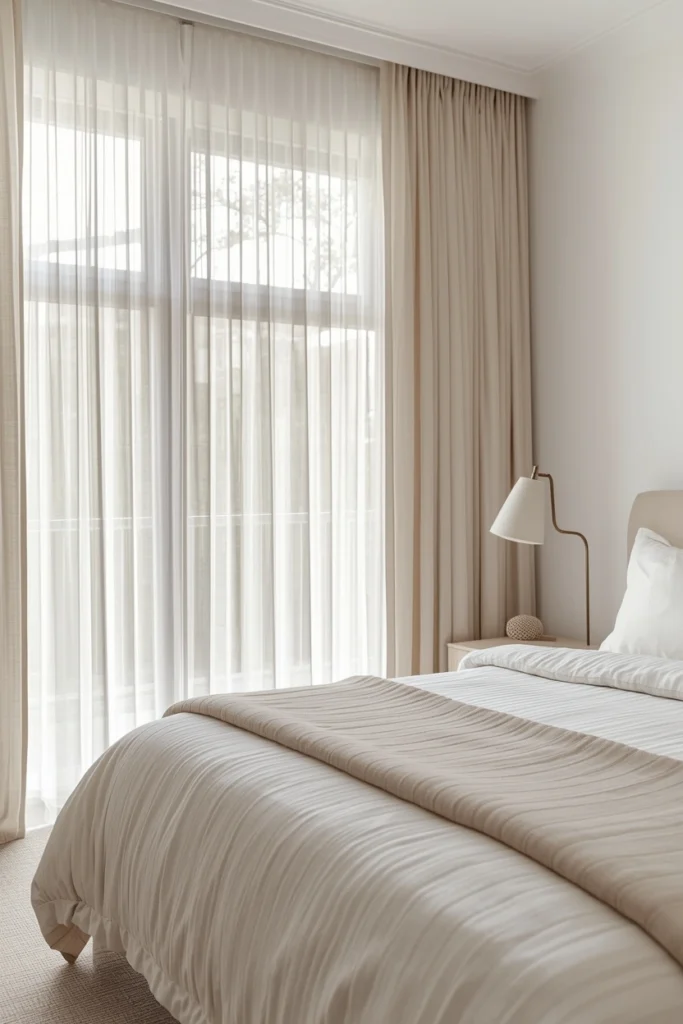
Heavy drapes can visually shrink a bedroom by blocking light and interrupting spatial flow. Sheer curtains or simple roller blinds allow natural light to fill the room, enhancing openness and creating a breathable aesthetic.
Minimal window treatments also support sculptural design principles by maintaining visual clarity. Soft flowing fabrics introduce gentle movement and texture without overwhelming compact interiors. This subtle elegance contributes to a serene and spacious bedroom environment.
7. Use Floating Furniture to Open Floor Space

Floating nightstands, wall-mounted desks, and suspended shelving create visible floor space that enhances room perception. This technique reduces visual weight and introduces architectural lightness into compact bedrooms.
Floating elements also embody sculptural decor philosophy by emphasizing form and spatial rhythm. Their shadow lines add subtle depth, making the room feel layered yet uncluttered. The result is a modern, gallery-like bedroom aesthetic.
8. Embrace Minimalist Styling Principles
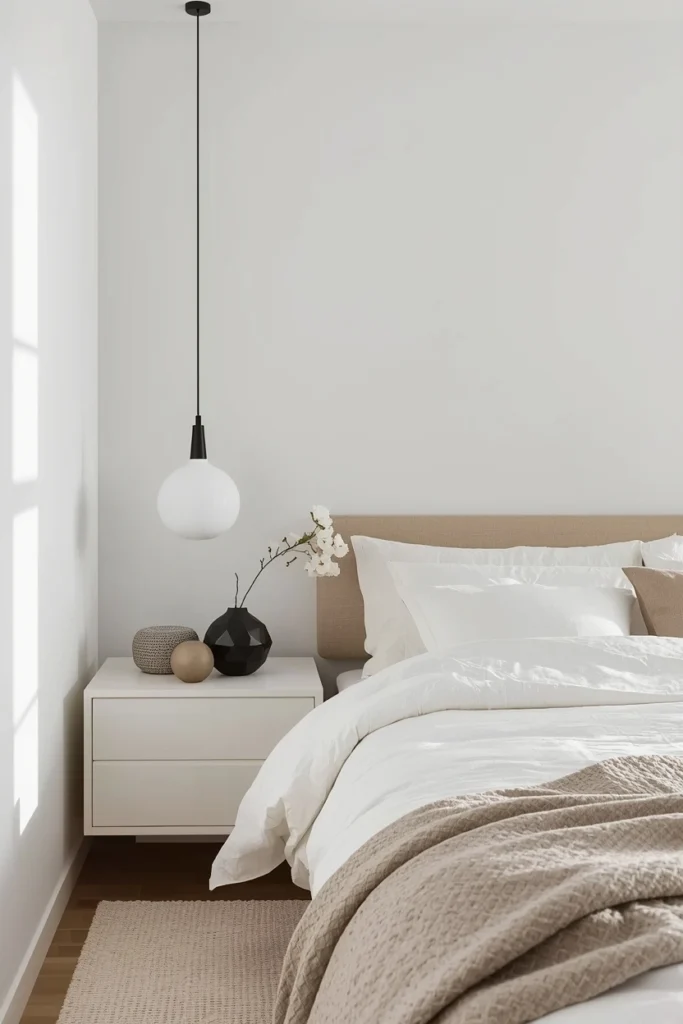
Minimalism is not about emptiness but intentionality. Limiting decor to essential, meaningful pieces prevents visual overcrowding and enhances spatial clarity. Clean surfaces and curated accents allow architectural features to stand out.
Sculptural decor thrives in minimalist settings, where each object gains visual importance. Select statement pieces with artistic form, ensuring they contribute both function and aesthetic impact. This thoughtful restraint makes small bedrooms feel refined and expansive.
9. Introduce Subtle Textural Layers

Texture adds depth without occupying physical space. Soft linen bedding, woven rugs, and matte wall finishes create tactile richness that enhances visual dimension. Layering textures strategically prevents flatness while maintaining openness.
In sculptural decorating, texture becomes a silent architectural element. It shapes perception through light interaction and material contrast. This nuanced approach makes compact bedrooms feel sophisticated and visually layered.
10. Use Cohesive Furniture Scale and Proportion

Oversized furniture can overwhelm small bedrooms, disrupting spatial harmony. Selecting appropriately scaled pieces ensures balanced visual composition and fluid movement. Slim silhouettes and proportional spacing maintain openness.
From a sculptural perspective, proportion defines aesthetic rhythm. Harmonized furniture scale allows decor elements to breathe, reinforcing architectural clarity. This thoughtful arrangement enhances both function and visual spaciousness.
11. Maintain Clear Visual Pathways

Cluttered pathways interrupt spatial flow and make rooms feel cramped. Keeping circulation areas open ensures movement feels natural and unrestricted. Strategic furniture placement can dramatically influence perceived room size.
Clear pathways also support sculptural spatial composition. Negative space becomes a design element, enhancing visual calmness and architectural balance. This intentional openness transforms small bedrooms into tranquil retreats.
Final Thoughts
Designing a small bedroom that feels spacious is less about square footage and more about intentional visual strategy. By combining light-enhancing color palettes, proportionate furniture, vertical styling, and sculptural decor principles, even the most compact rooms can achieve a sense of openness and calm sophistication. Thoughtful spatial planning transforms limitations into creative design opportunities.
Ultimately, the key to making small bedrooms feel bigger lies in balance — between function and aesthetics, minimalism and warmth, structure and softness. When every design element serves a purpose while contributing to visual harmony, the result is a bedroom that not only looks larger but also feels more peaceful, organized, and inviting.