15 Moody Neutral Home Decor Ideas With Depth
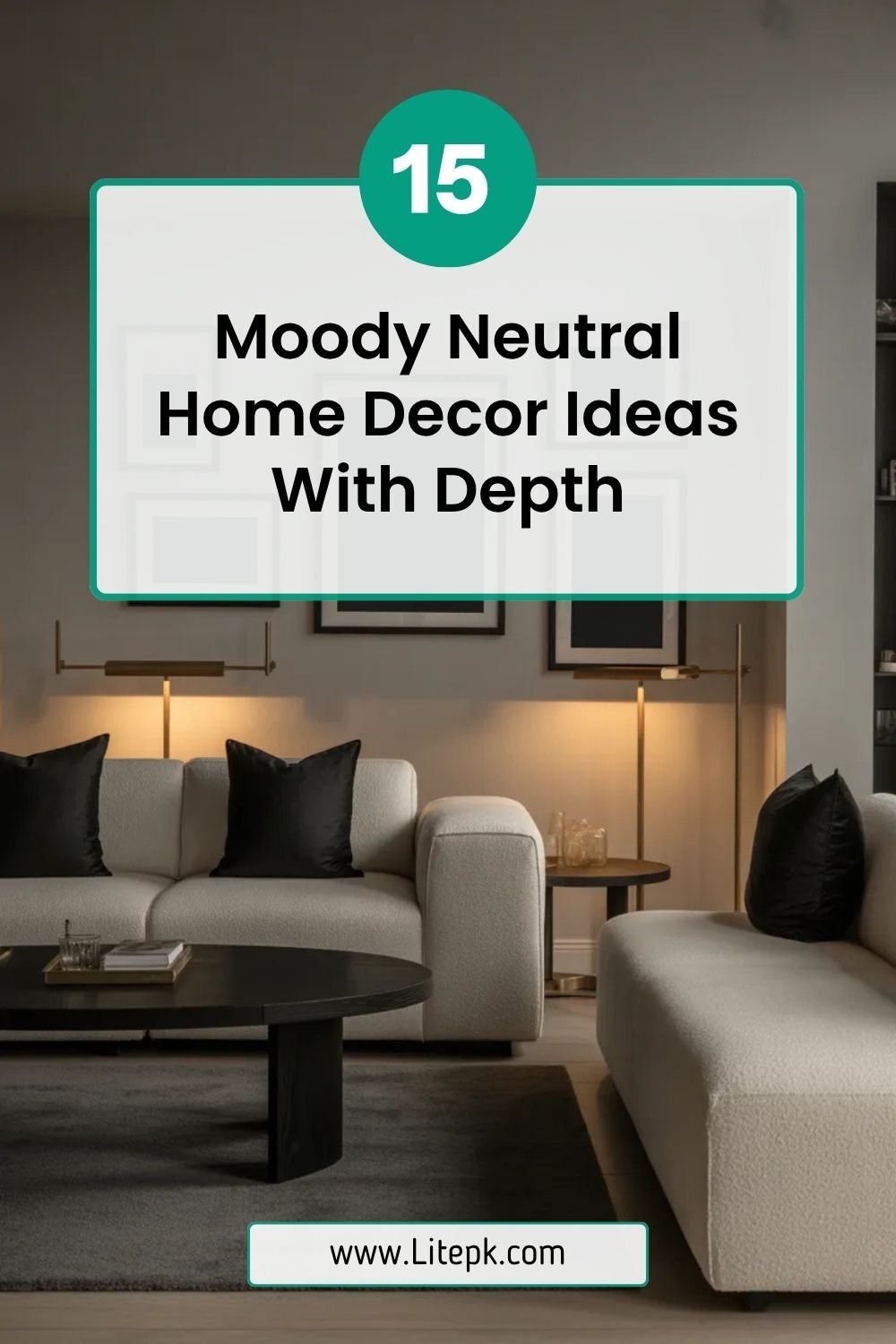
Moody interiors are no longer reserved for bold maximalists—they’ve found their place in refined, neutral spaces that feel calm yet deeply expressive. By blending soft tones with shadowy contrasts, Moody Neutral Home Decor creates an atmosphere that is both grounded and visually rich.
If you’re drawn to understated elegance but still want your home to feel layered and intentional, this guide will help you master the balance. These ideas focus on sculptural styling, texture, and depth—turning even the simplest neutral palette into a sophisticated design statement.
1. Layered Neutral Color Palette
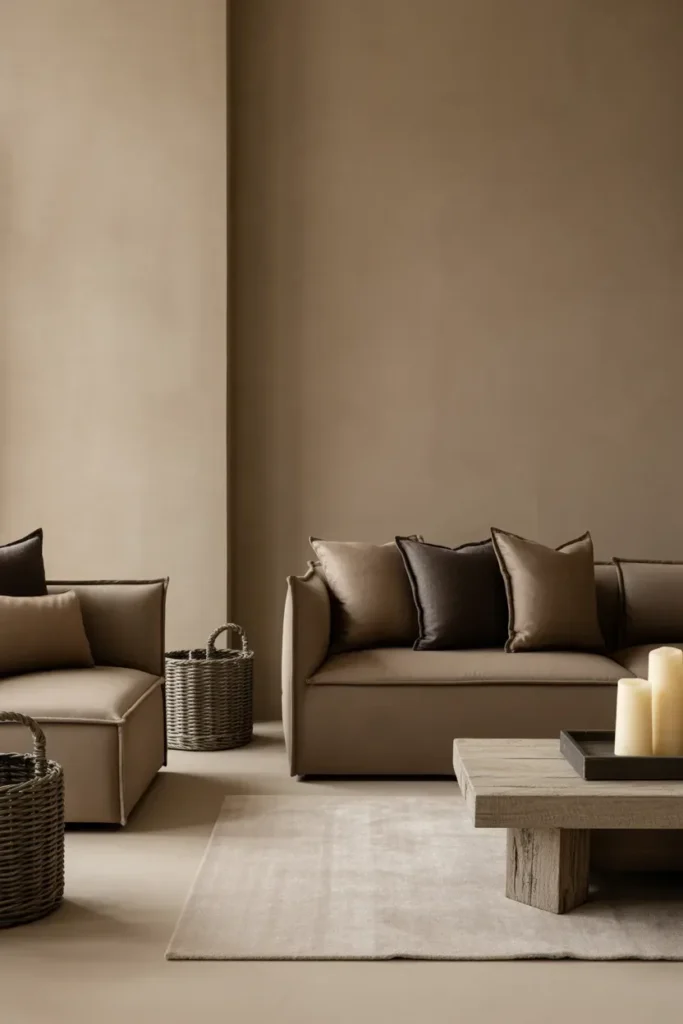
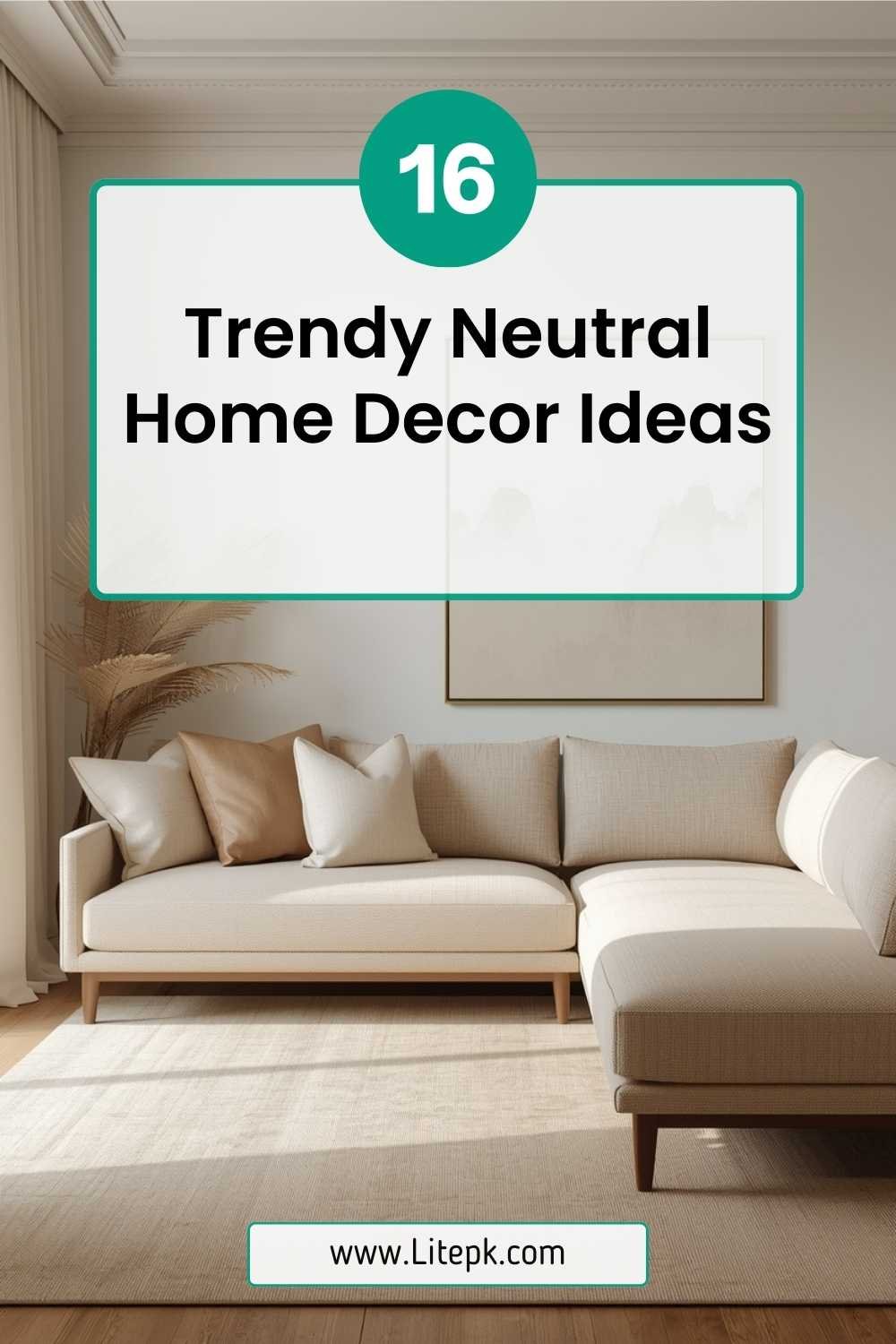
A moody neutral space begins with a carefully layered color palette. Instead of relying on a single shade, combine tones like warm beige, taupe, greige, charcoal, and soft ivory. This creates a gradient effect that adds visual depth without introducing bold colors.
To keep the look refined, distribute tones thoughtfully across walls, furniture, and decor. Darker hues can anchor the room, while lighter shades provide contrast and breathing space. This layered approach ensures the space feels cohesive yet dynamic, embodying the essence of Moody Neutral Home Decor.
2. Sculptural Furniture Pieces
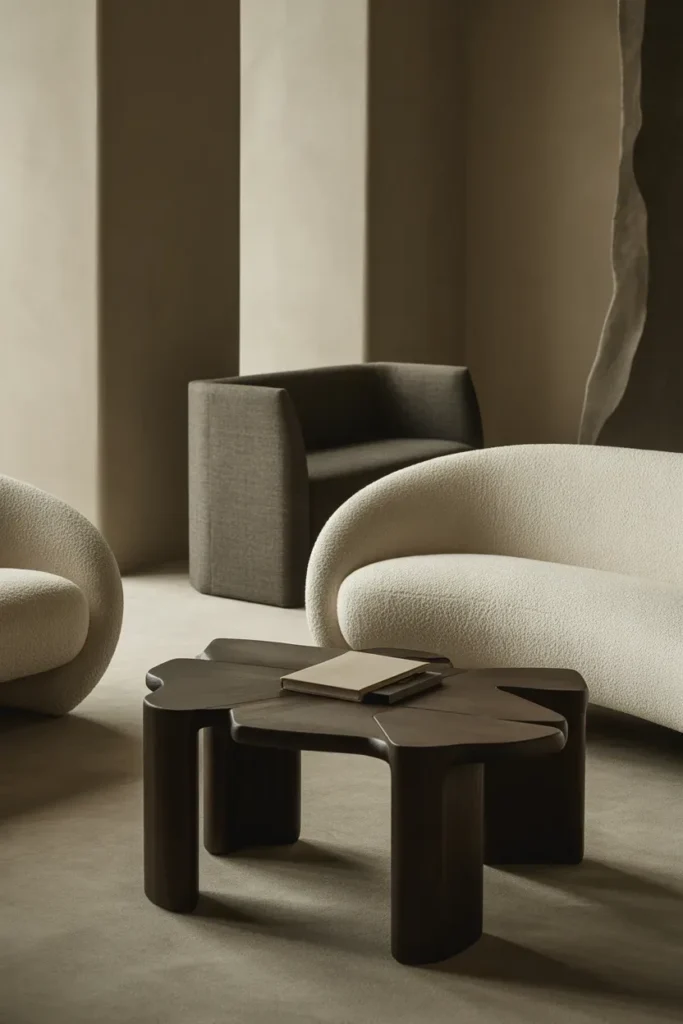
Furniture in a moody neutral home should feel like art. Choose pieces with curved silhouettes, organic shapes, or bold proportions. These sculptural elements add interest without relying on color or excessive decoration.
Keep the palette muted—think cream boucle chairs, dark wood tables, or stone-like finishes. The contrast between form and tone creates a subtle yet powerful visual statement. This aligns perfectly with sculptural decorating principles, where shape becomes the focal point.
3. Textured Wall Finishes
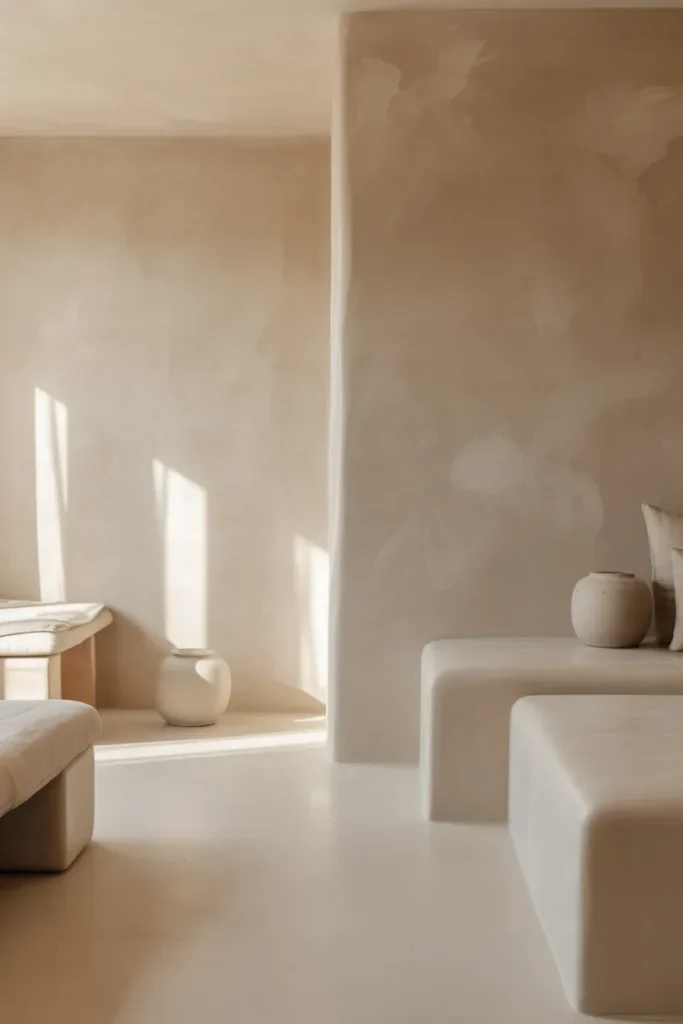
Flat walls can feel lifeless in a neutral space, so introducing texture is key. Techniques like limewash, plaster, or subtle paneling add depth and movement to walls without overwhelming the design.
These finishes interact beautifully with light, creating soft variations in tone throughout the day. The result is a space that feels alive and layered, even within a restrained color palette. This approach enhances the moody ambiance while maintaining elegance.
4. Low-Contrast Styling
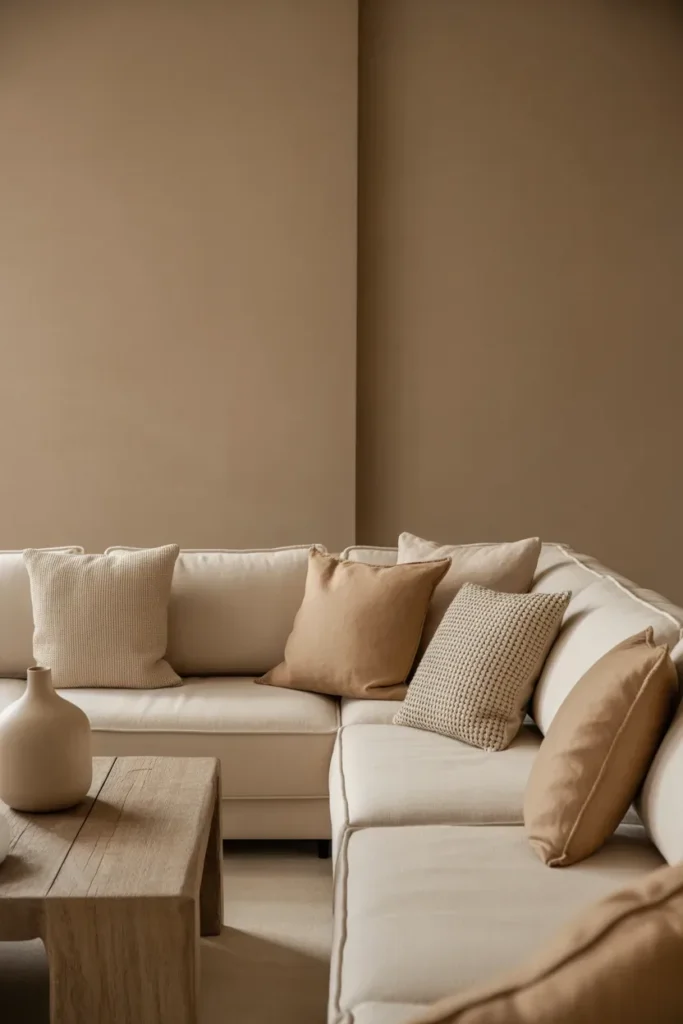
Instead of sharp contrasts, moody neutral decor thrives on subtle transitions between shades. Pair similar tones—like beige and taupe or charcoal and soft black—to create a harmonious flow.
This low-contrast approach feels calming and cohesive, allowing textures and shapes to stand out. It’s an effective way to achieve depth without disrupting the serene atmosphere of the space.
5. Organic Materials
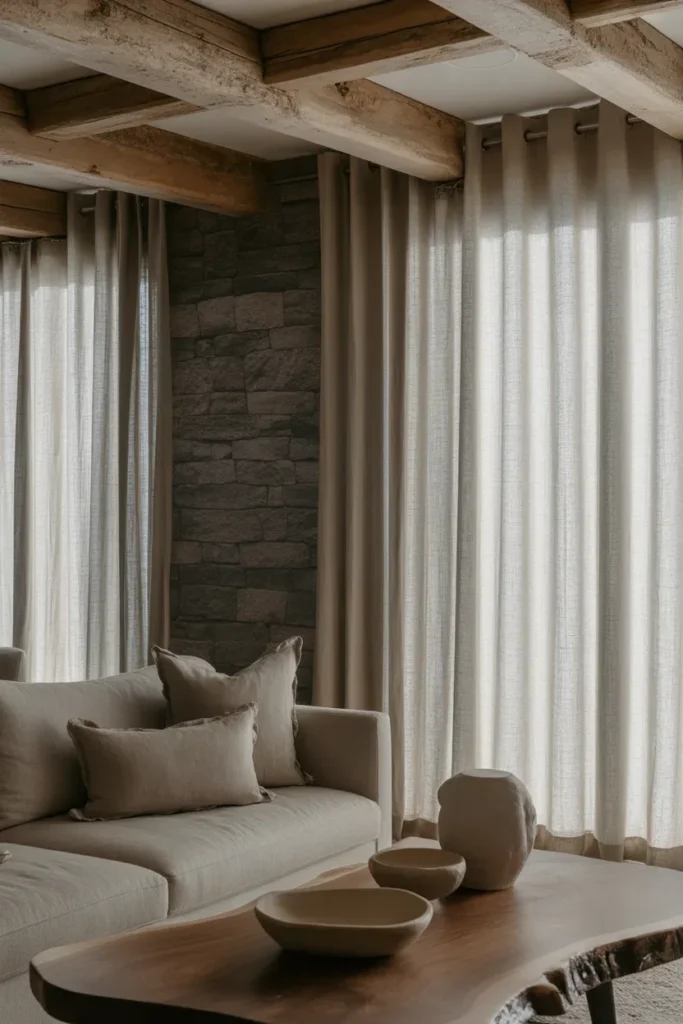
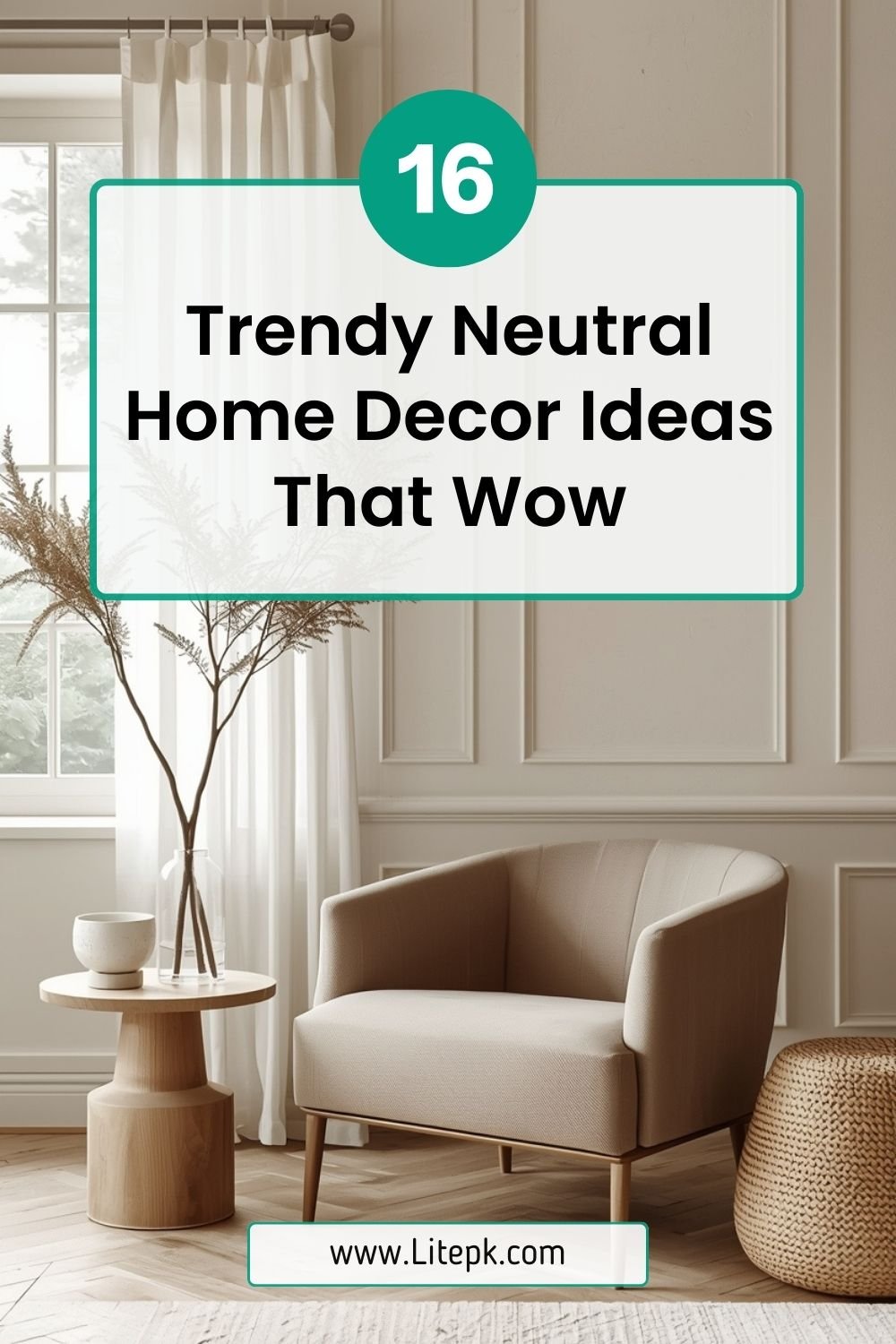
Natural materials bring warmth and authenticity to moody neutral interiors. Incorporate wood, stone, linen, and clay to create a tactile and grounded environment.
These elements add variation without introducing color, keeping the palette consistent while enhancing texture. The organic quality of these materials complements the moody aesthetic, making the space feel both modern and timeless.
6. Statement Lighting
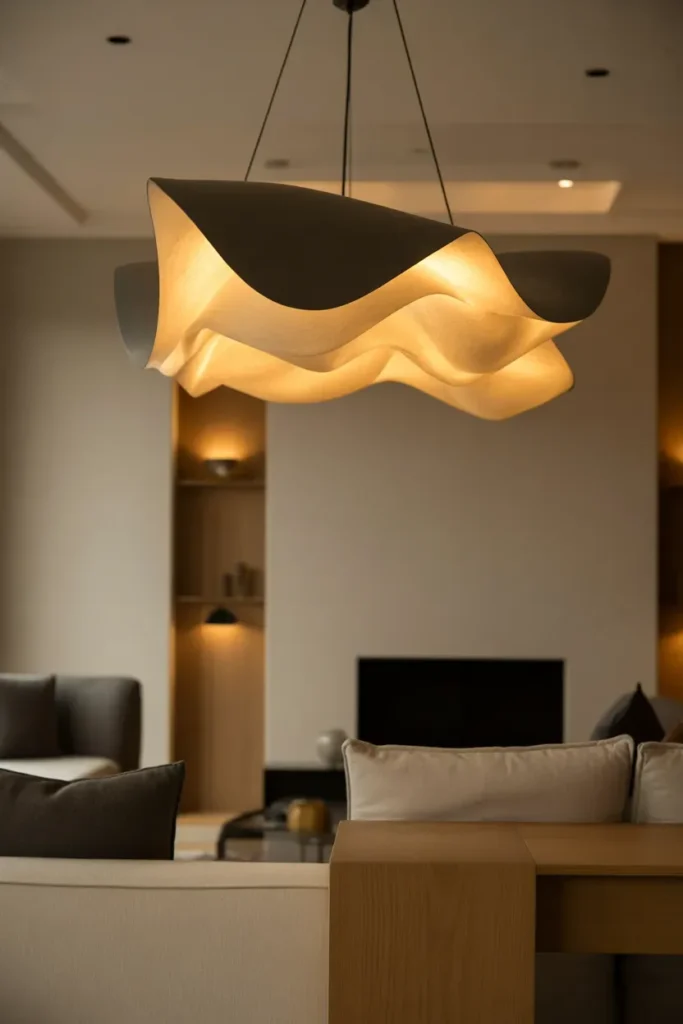
Lighting plays a crucial role in shaping mood. Choose fixtures that double as sculptural elements, such as oversized pendants or minimalist chandeliers in matte finishes.
Warm, diffused lighting enhances the depth of neutral tones, creating a cozy and inviting atmosphere. Layering different light sources ensures functionality while maintaining the overall aesthetic.
7. Minimal Yet Impactful Decor
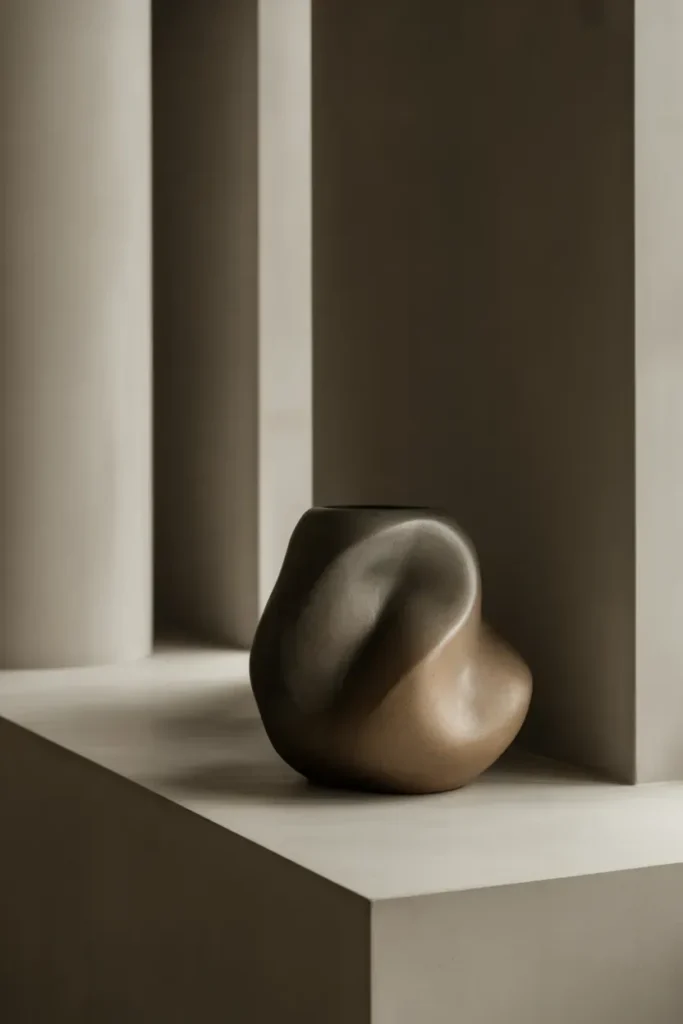
In a moody neutral space, less is more—but each piece should have purpose. Select decor items that stand out through form, texture, or material rather than color.
A single ceramic vase, a stone sculpture, or a textured bowl can become a focal point. This approach keeps the space uncluttered while still visually engaging.
8. Soft Layered Textiles
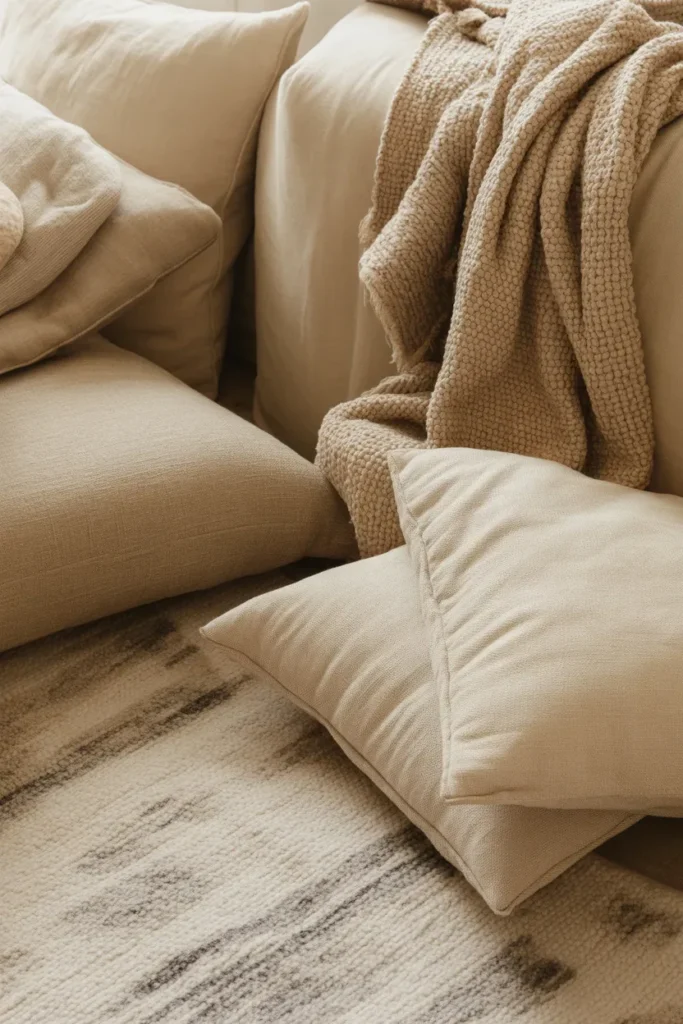
Textiles are essential for adding comfort and depth. Layer rugs, throws, and cushions in varying textures like wool, linen, and boucle.
Stick to a consistent color palette to maintain cohesion. The combination of textures creates a rich, inviting environment without relying on bold patterns or colors.
9. Dark Accents for Depth
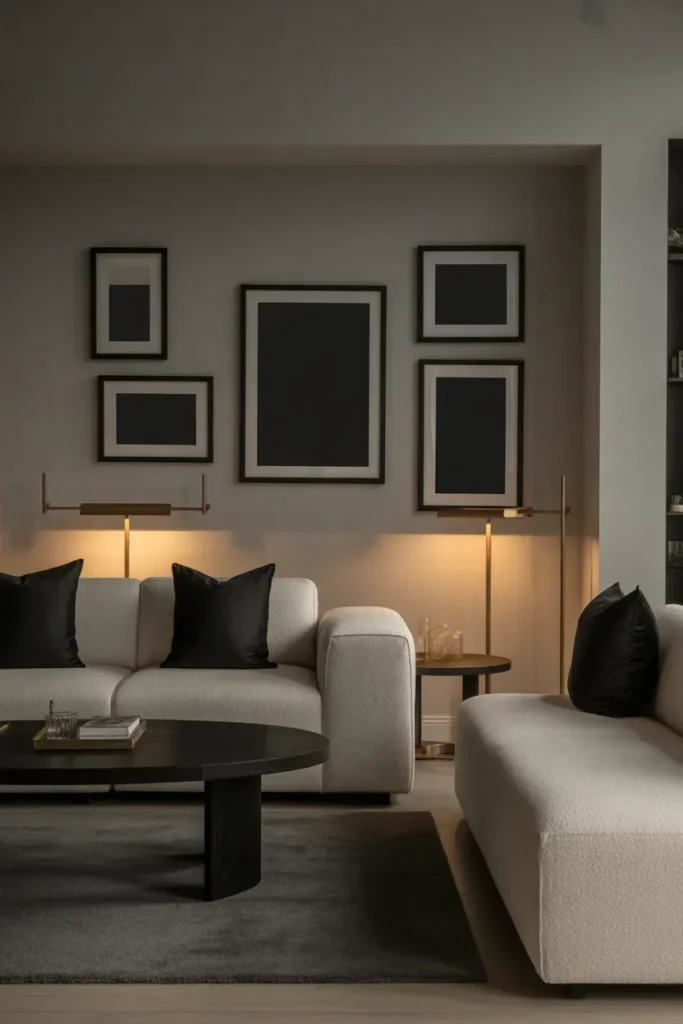
Introducing darker elements helps ground the space and add contrast. Black or deep charcoal accents can appear in furniture, frames, or lighting fixtures.
These accents create visual anchors, preventing the room from feeling too light or washed out. When used sparingly, they enhance the overall depth of the design.
10. Monochromatic Artwork
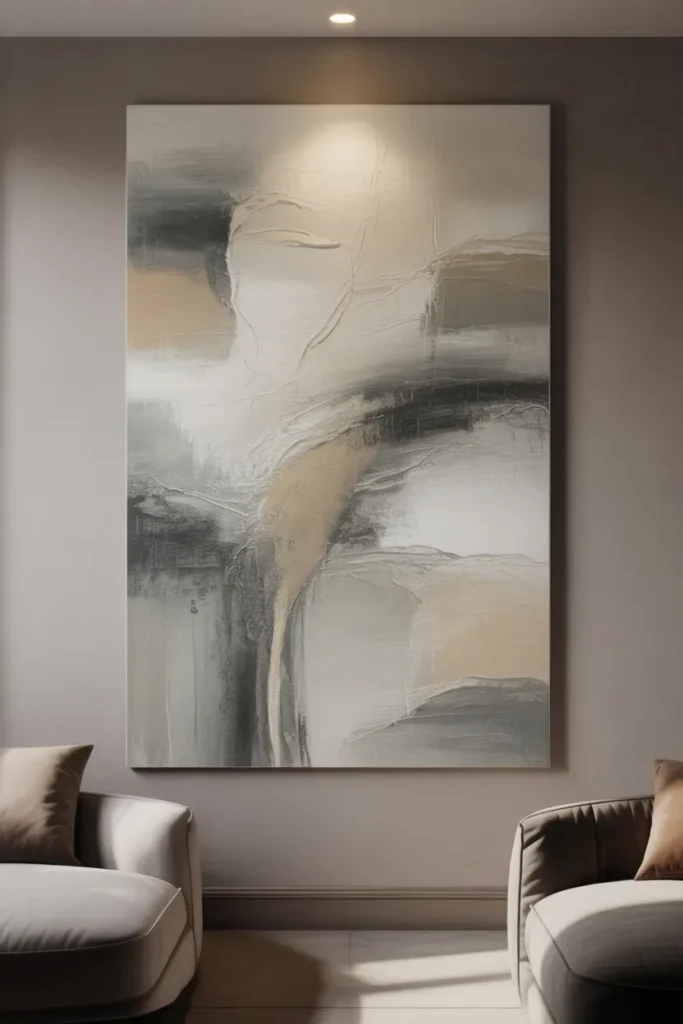
Artwork in a similar color palette reinforces the cohesive look of a moody neutral space. Choose pieces with subtle variations in tone rather than bold colors.
Abstract or textured art works particularly well, adding depth without disrupting the overall aesthetic. This keeps the focus on form and composition.
11. Curated Open Shelving
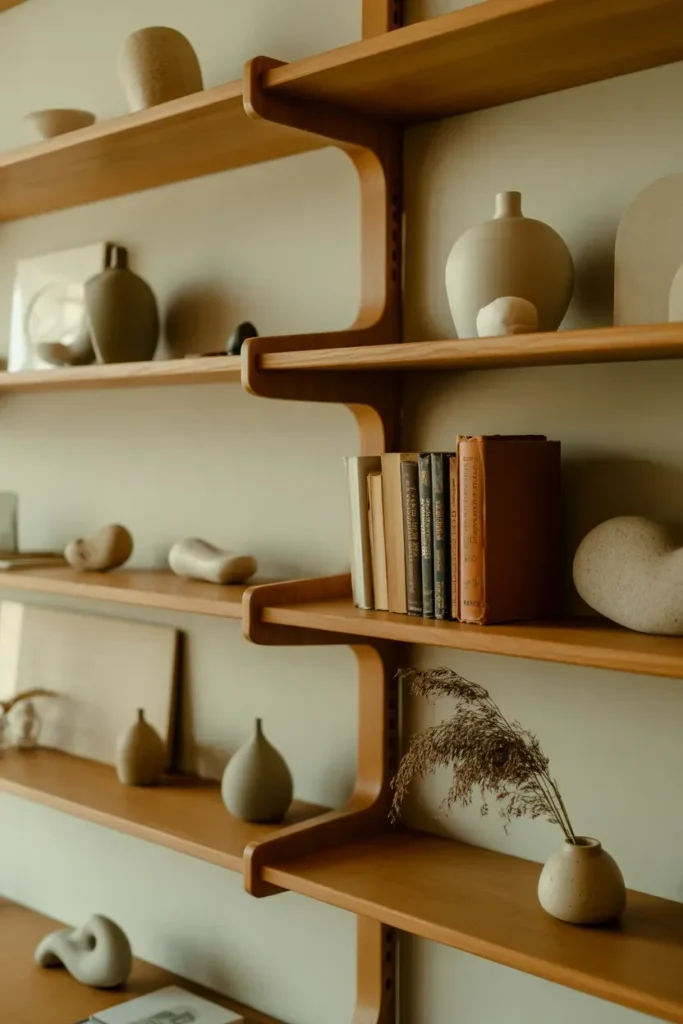
Open shelving offers an opportunity to display decor in a thoughtful, layered way. Use a mix of books, ceramics, and natural elements to create visual interest.
Keep the arrangement balanced and uncluttered, focusing on composition rather than quantity. This curated approach aligns with sculptural decorating principles.
12. Matte Finishes
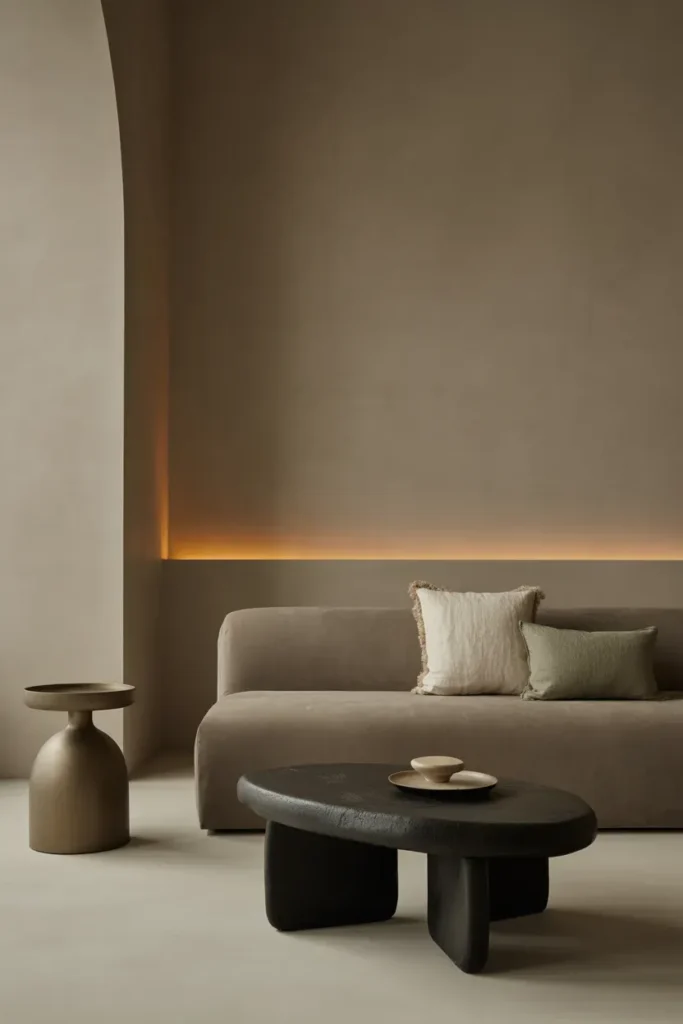
Matte surfaces enhance the softness of a moody neutral palette. From walls to furniture, these finishes reduce glare and create a more subdued, elegant look.
They also highlight texture and form, making them ideal for sculptural decor. Incorporating matte elements helps maintain a cohesive and sophisticated atmosphere.
13. Natural Light Control
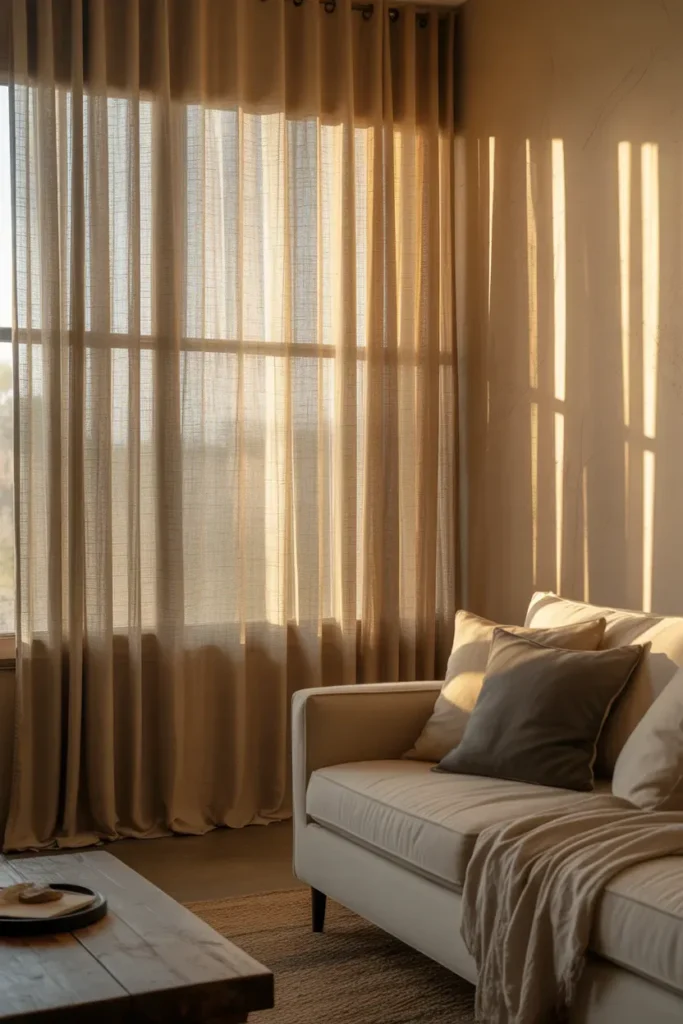
Managing natural light is essential in moody interiors. Use sheer curtains or layered drapery to filter light and create soft shadows.
This controlled lighting enhances the depth of neutral tones, making the space feel more intimate. It also allows you to adjust the ambiance throughout the day.
14. Subtle Patterns
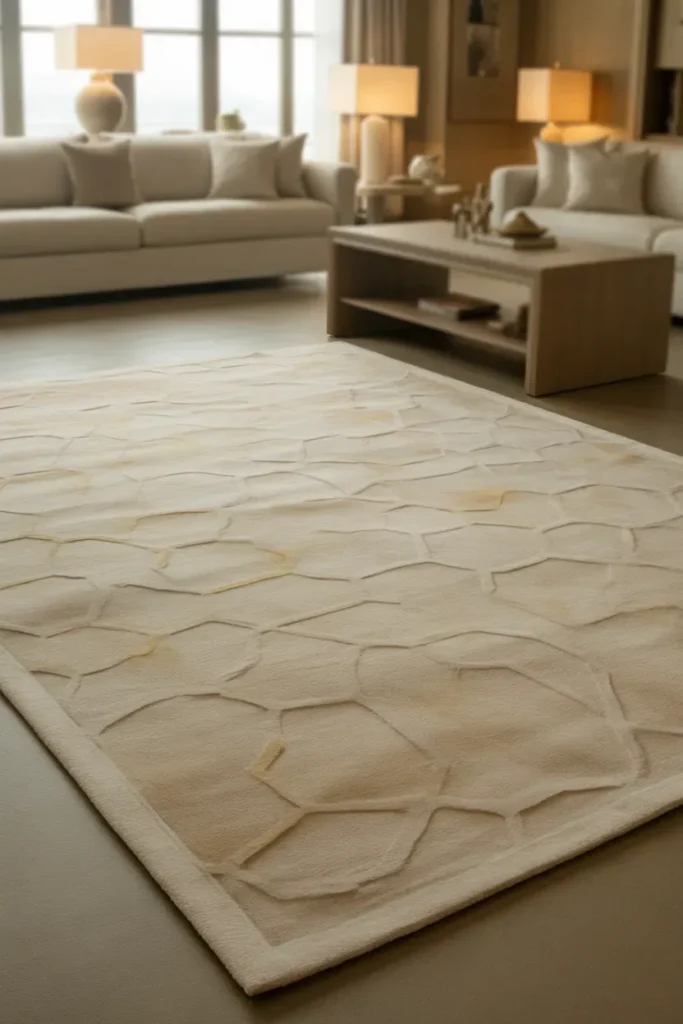
Patterns can add interest without overwhelming the design. Choose subtle, tone-on-tone patterns in rugs, textiles, or wallpaper.
These patterns create visual movement while maintaining the calm, cohesive feel of the space. They are an excellent way to introduce complexity without disrupting the palette.
15. Balanced Negative Space
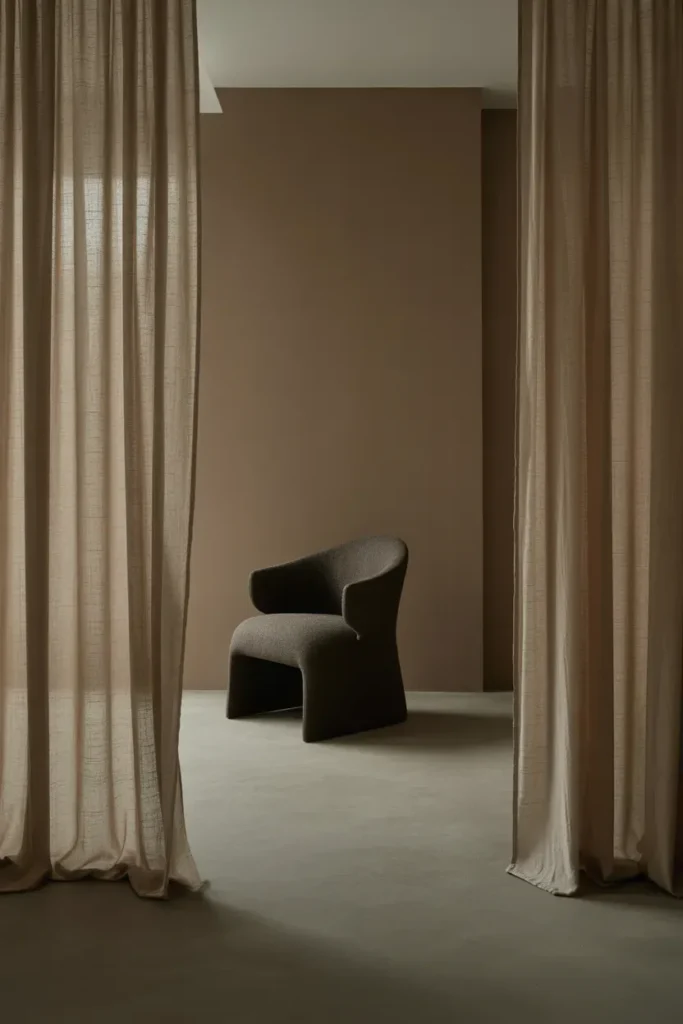
Negative space is just as important as the decor itself. Leaving areas intentionally empty allows the eye to rest and highlights key elements.
This balance prevents the space from feeling cluttered and enhances the overall sense of calm. It’s a crucial aspect of Moody Neutral Home Decor that ensures sophistication and clarity.
Final Thoughts
Designing with a neutral palette doesn’t have to mean playing it safe. As these Moody Neutral Home Decor ideas show, depth comes from layering tones, embracing texture, and allowing form to take center stage. By focusing on subtle contrasts, sculptural elements, and intentional spacing, you can create a home that feels both calming and visually compelling.
The true beauty of this style lies in its balance—where minimalism meets richness and simplicity meets sophistication. As you apply these ideas, prioritize quality over quantity and let each piece contribute to a cohesive story. With the right approach, a moody neutral space becomes more than just a design choice—it becomes an atmosphere that feels timeless, grounded, and effortlessly elegant.