15 Dining Room Styling Ideas That Feel Effortless

A dining room should feel like a space where life naturally gathers — not staged, not over-decorated, and never forced. The most beautiful dining spaces feel effortless because they balance function with aesthetic calm. When styling is done right, even the simplest table can feel editorial-worthy.
Effortless dining room styling is about restraint, texture, and thoughtful layering. It’s not about buying more — it’s about arranging better. These ideas will help you create a dining space that feels elevated, welcoming, and timeless without looking like you tried too hard.
1. Sculptural Centerpieces That Feel Organic
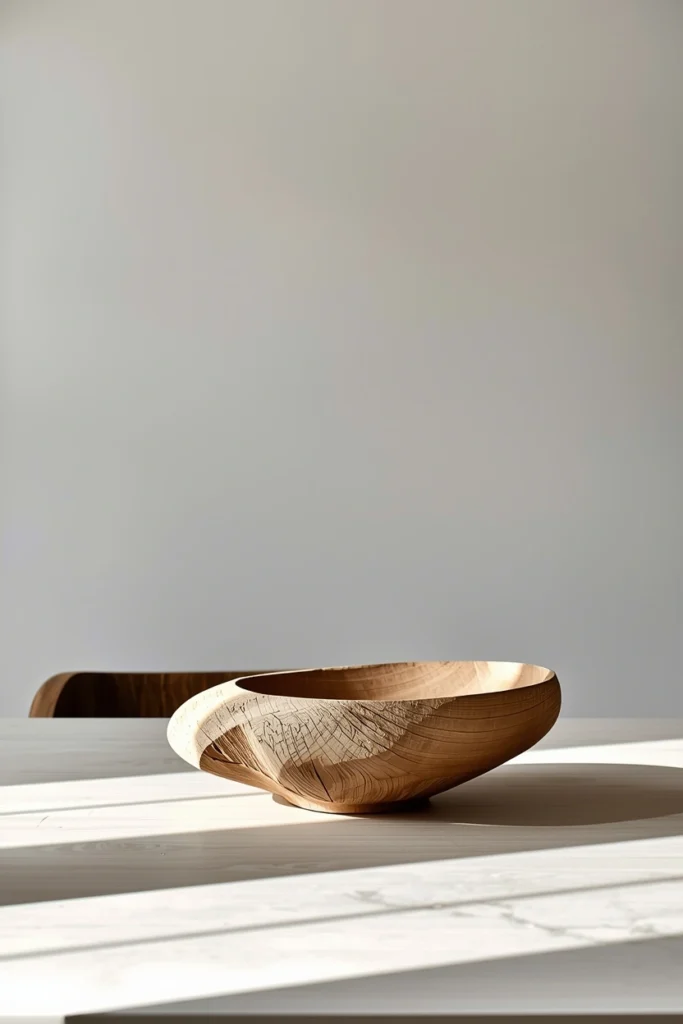
Instead of traditional floral arrangements, sculptural centerpieces create a sense of quiet drama. Think asymmetrical ceramic forms, carved wood bowls, or raw stone objects. These pieces anchor the dining table visually while still allowing breathing space. The key is choosing something that feels tactile and artistic rather than decorative for decoration’s sake.
Organic sculptural decor also works because it introduces texture and visual weight without clutter. A single large statement object often feels more luxurious than multiple smaller items. When styled with intention, it creates a curated yet relaxed dining atmosphere that feels editorial and personal.
2. Layered Neutral Textiles for Soft Sophistication
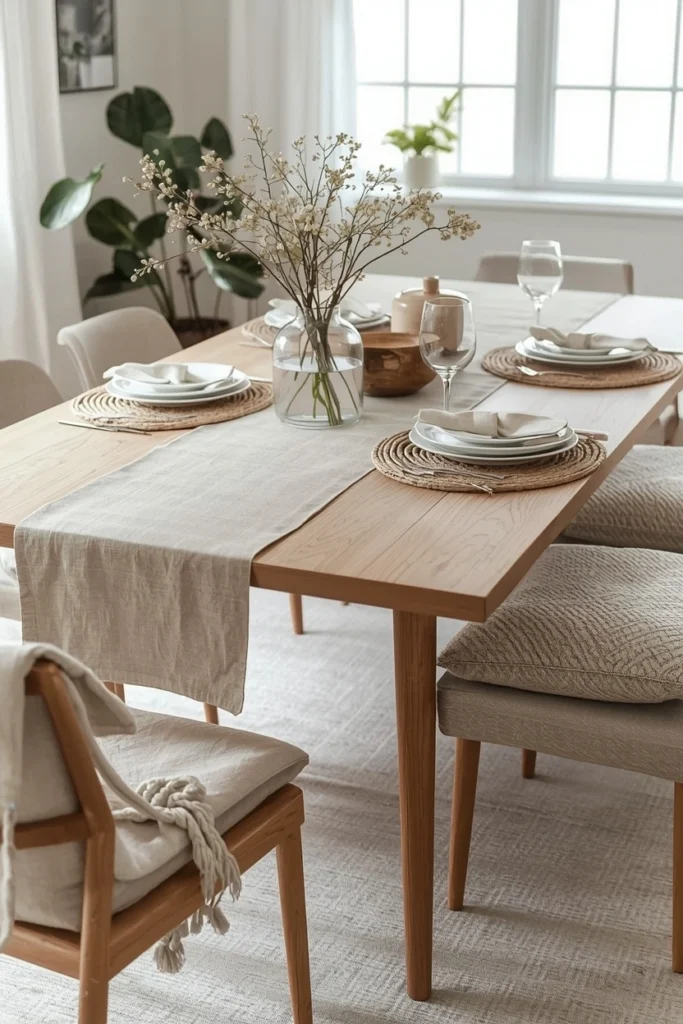
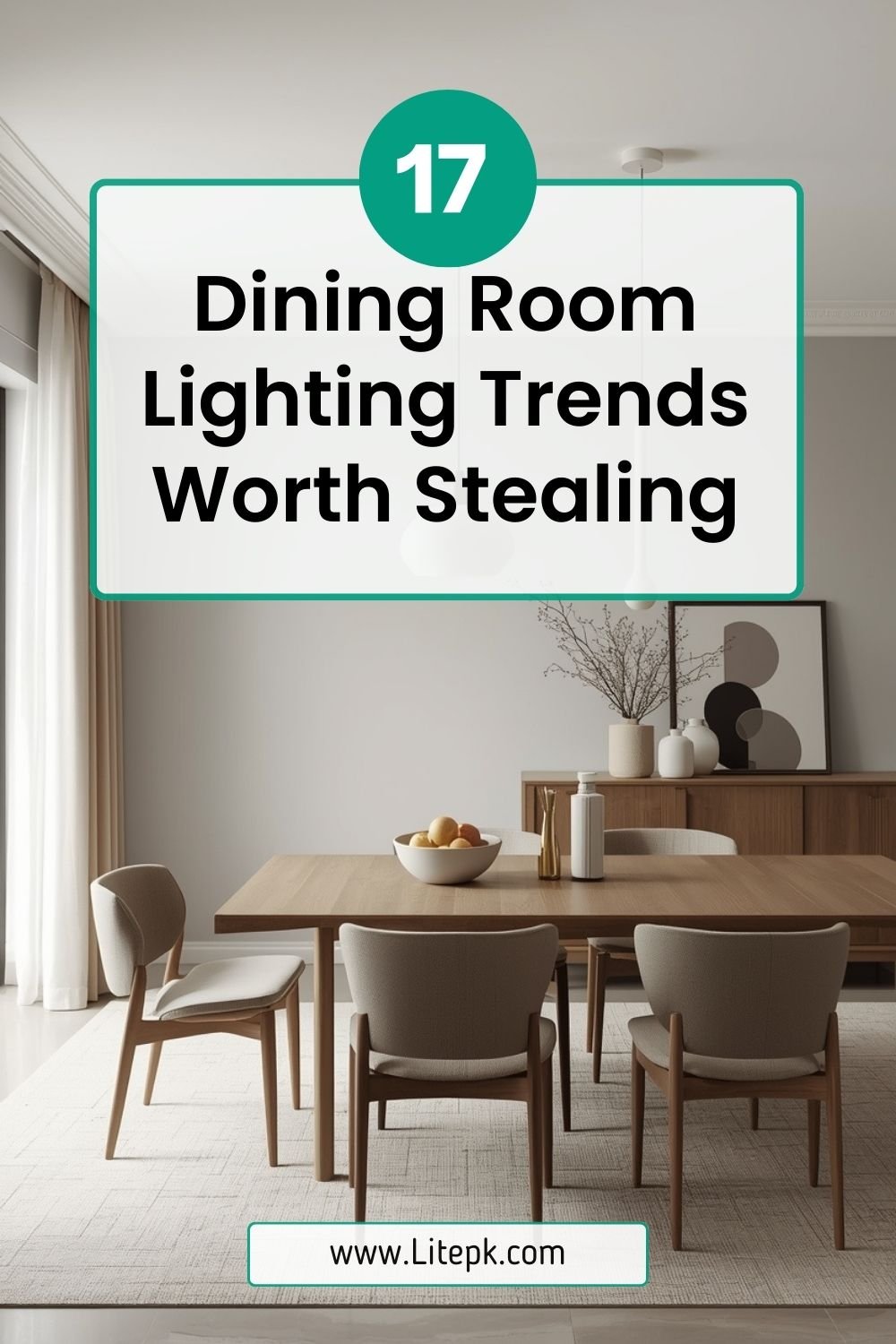
Layering textiles instantly softens the dining room and creates depth without overwhelming the space. Linen table runners, woven placemats, and textured seat cushions introduce tactile richness. Neutral tones such as beige, oat, and stone allow the eye to rest while still feeling visually engaging.
The secret to effortless styling is variation within a cohesive palette. Combining different fabric textures — raw linen, cotton, jute — makes the dining area feel thoughtfully composed. This subtle layering creates warmth and intimacy, making even modern spaces feel inviting and lived-in.
3. Statement Lighting as the Visual Anchor
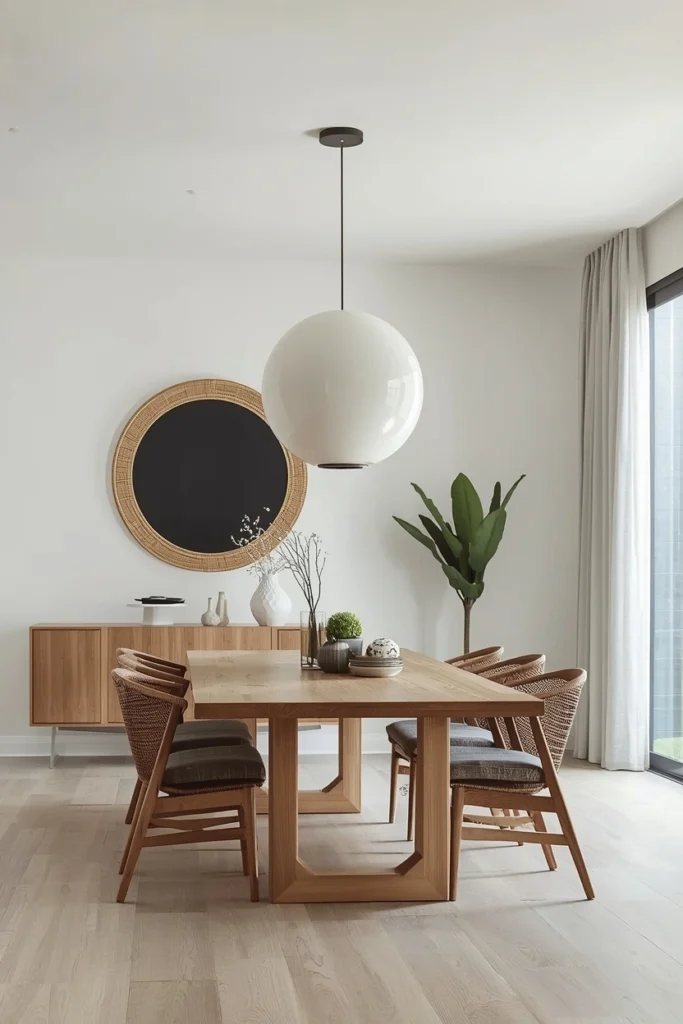
Lighting is one of the most powerful styling tools in a dining room. A bold pendant or sculptural chandelier immediately defines the space and sets the tone. Oversized lighting fixtures create a focal point that makes the room feel intentional even with minimal decor.
Effortless styling comes from choosing lighting that complements the architecture and furniture. Whether it’s a modern globe fixture or a woven rattan pendant, the right lighting adds dimension and visual balance. This approach allows you to keep the rest of the decor understated while still achieving a high-impact design.
4. Minimal Table Settings That Feel Elevated
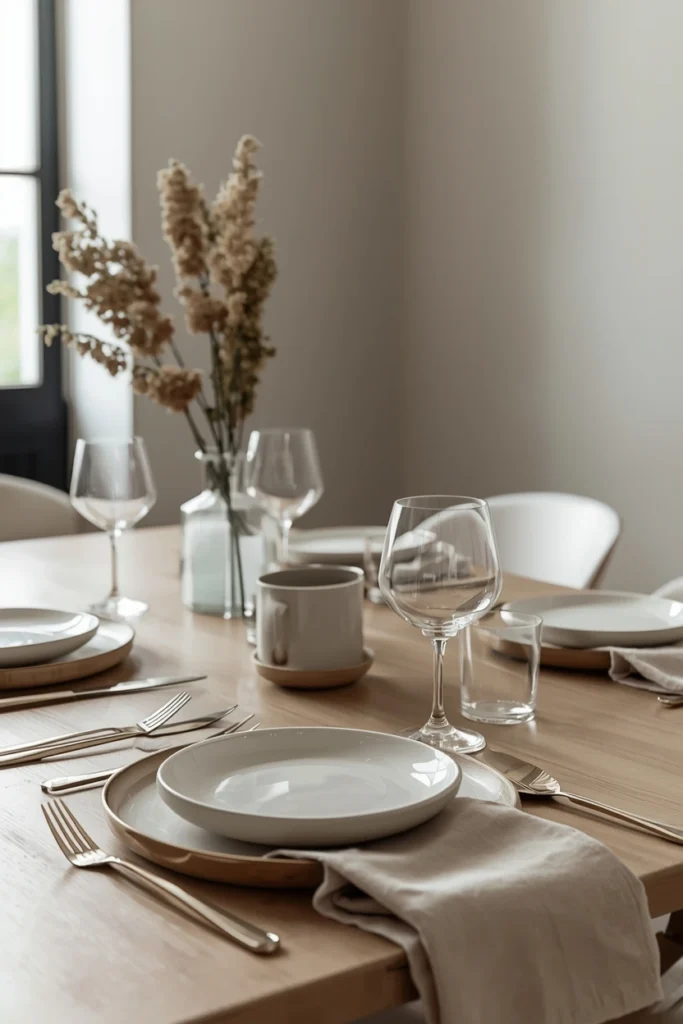
A minimal table setting often feels more luxurious than elaborate arrangements. Simple ceramic plates, understated glassware, and natural linen napkins create a refined aesthetic. The beauty lies in consistency and material quality rather than excessive decoration.
Keeping the table uncluttered allows architectural elements and textures to stand out. This styling approach also makes everyday dining feel intentional and calm. By focusing on fewer, better pieces, you achieve a timeless dining space that feels effortlessly curated.
5. Artful Wall Styling That Adds Personality
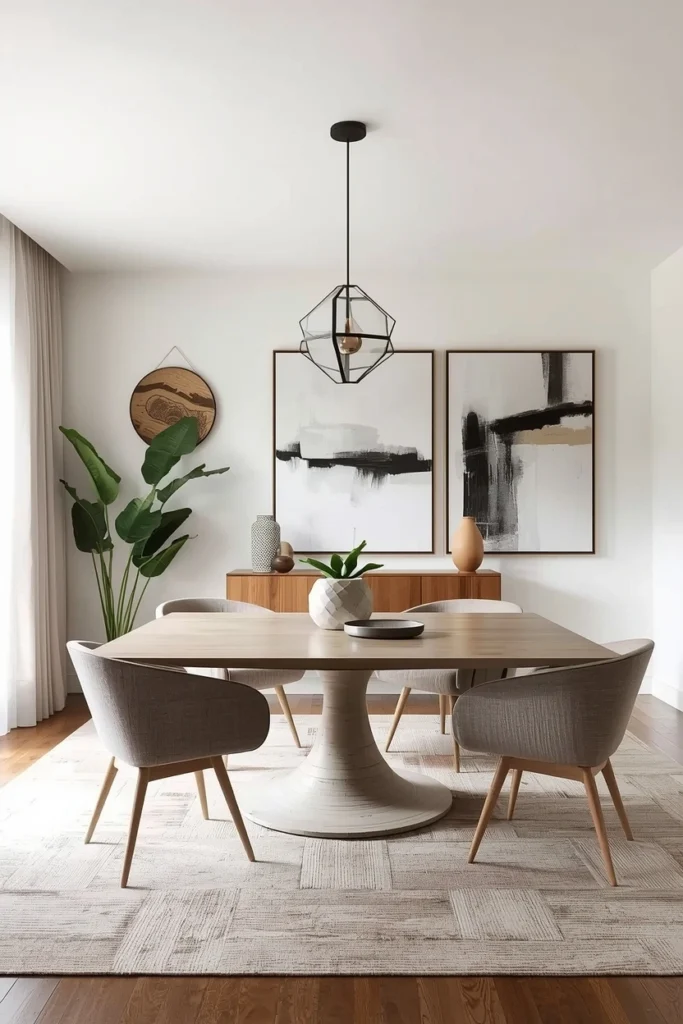
Dining room walls should feel expressive but not overwhelming. Large-scale art or a thoughtfully curated gallery wall can bring character and visual interest. Choosing pieces with cohesive tones ensures the room feels harmonious rather than chaotic.
Effortless styling is about balance — allowing art to enhance the space without dominating it. Abstract paintings, monochrome photography, or textural wall sculptures can create depth. This approach transforms the dining room into a visually engaging yet calming environment.
6. Natural Materials That Ground the Space

Using natural materials such as wood, stone, and clay gives the dining room an organic foundation. These elements create warmth and authenticity, making the space feel timeless. A solid wood dining table or stone accents introduce texture without visual noise.
Effortless styling often comes from embracing imperfections. Natural grains, subtle variations, and handmade finishes add character. This approach creates a dining environment that feels relaxed, grounded, and deeply connected to nature.
7. Mixed Seating for Relaxed Visual Interest
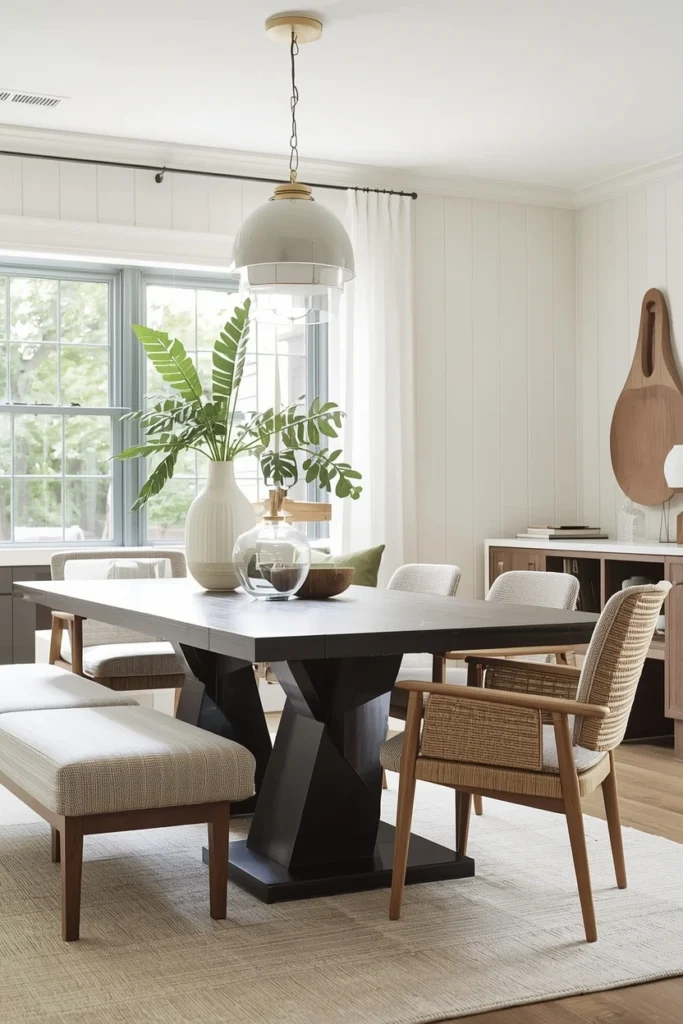
Matching dining chairs can sometimes feel too formal or predictable. Mixing seating styles introduces a relaxed, curated aesthetic. Combining upholstered chairs with wooden benches or different chair designs creates visual rhythm.
This styling technique works best when there is a common thread — color, material, or shape. The result feels collected over time rather than purchased in one go. Mixed seating adds personality and makes the dining room feel approachable yet thoughtfully styled.
8. Open Shelving That Feels Curated Not Cluttered
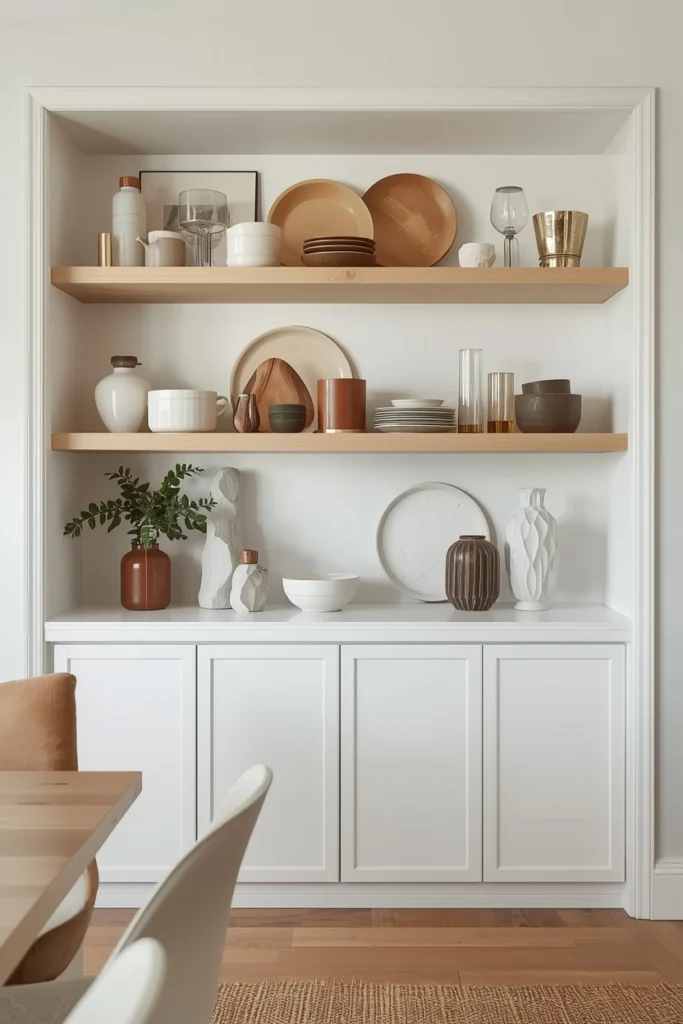
Open shelving in a dining room provides an opportunity to display beautiful everyday objects. Ceramic dishes, glassware, and sculptural decor can be arranged in a balanced composition. The goal is to create visual breathing space between objects.
Effortless styling relies on editing. Display fewer items but choose pieces with strong visual presence. This approach turns functional storage into a design feature that enhances the room’s aesthetic while maintaining practicality.
9. Layered Rugs That Define the Dining Zone

Layering rugs beneath a dining table creates a subtle yet powerful visual foundation. A larger neutral rug paired with a smaller textured layer adds dimension without making the space feel busy. This styling technique helps anchor the dining area, especially in open-concept layouts where visual boundaries are essential.
Effortless dining room styling often relies on understated structure. Choosing low-pile rugs in natural tones ensures practicality while maintaining aesthetic appeal. The layered look feels relaxed and curated, giving the room warmth and depth while allowing furniture and decor to remain the focus.
10. Subtle Greenery for a Fresh Organic Touch
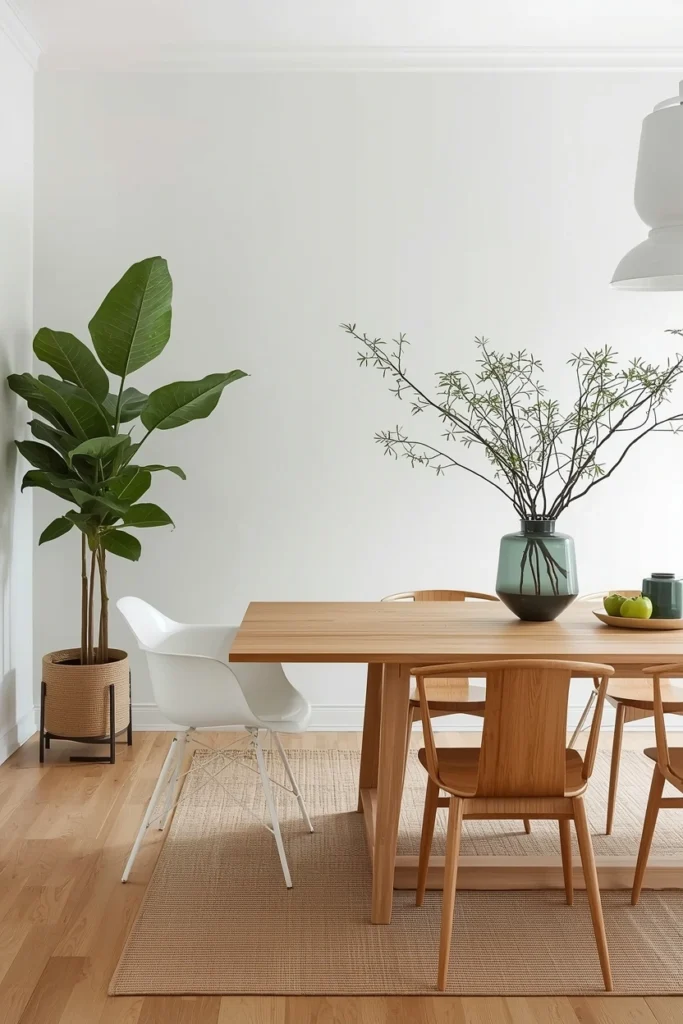
Incorporating greenery instantly brings life into a dining space. A single oversized plant, a cluster of small potted herbs, or a sculptural branch arrangement can introduce freshness without overwhelming the room. The goal is to enhance the natural flow of the space rather than create a focal point that feels forced.
Greenery works beautifully because it softens architectural lines and balances harder materials like wood or metal. Choosing minimal, intentional plant styling keeps the dining area feeling calm and breathable. This approach aligns perfectly with effortless styling by creating visual harmony and organic movement.
11. Textured Wall Finishes for Depth and Warmth

Textured wall treatments such as limewash, plaster, or subtle paneling create visual interest without the need for excessive decor. These finishes add character and warmth, making the dining room feel layered and thoughtfully designed. The tactile quality of textured walls enhances the room’s overall atmosphere.
Effortless styling often relies on architectural details rather than accessories. By focusing on wall texture, you create a refined backdrop that supports the rest of the design. This approach allows furniture and lighting to stand out while maintaining a cohesive and calming visual flow.
12. Sculptural Tableware as Everyday Art

Dining table styling can feel effortless when everyday tableware doubles as decor. Handmade ceramic bowls, textured plates, and artisanal glassware add subtle sculptural interest. When displayed thoughtfully, these functional objects create a refined and intentional dining aesthetic.
The key is to embrace simplicity and craftsmanship. Choosing pieces with organic shapes or muted tones ensures visual cohesion. This styling technique elevates daily routines, transforming ordinary dining moments into experiences that feel curated and design-forward.
13. Warm Wood Accents That Feel Timeless
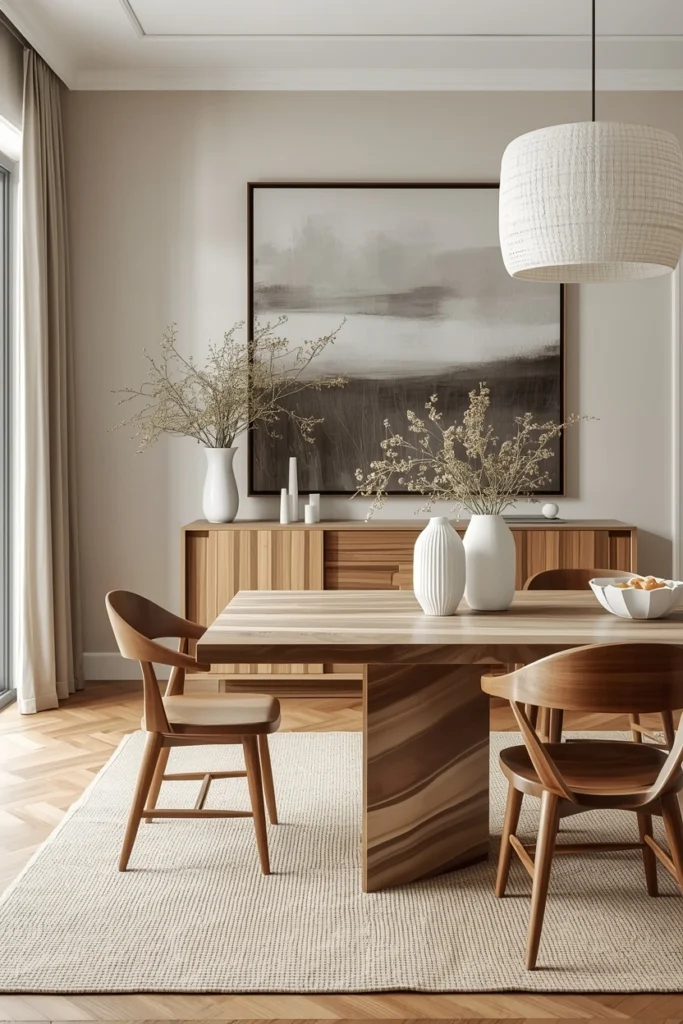
Wood accents create a grounding presence in dining rooms. From statement dining tables to smaller decorative objects, wood introduces warmth and natural authenticity. The variation in grain and tone adds subtle movement, making the space feel dynamic yet calm.
Effortless dining room styling benefits from materials that age gracefully. Choosing quality wooden elements ensures longevity and timeless appeal. This approach creates a sense of permanence and comfort, making the dining space feel welcoming and enduring.
14. Soft Ambient Lighting for Intimate Atmosphere
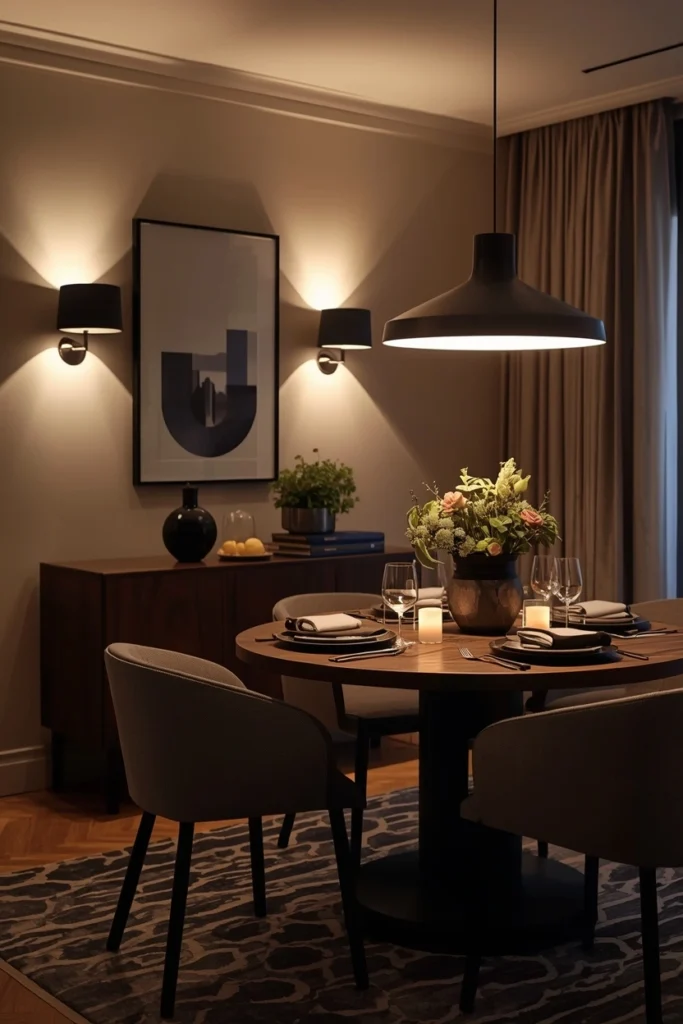
Layered ambient lighting transforms the dining room into a space that feels inviting at any time of day. Wall sconces, table lamps, and dimmable overhead fixtures create depth and mood. This layered approach allows you to adapt the atmosphere for both casual meals and formal gatherings.
Effortless styling is often about emotional experience. Warm lighting softens edges, enhances textures, and makes the room feel lived-in. By focusing on subtle illumination rather than harsh brightness, the dining area becomes a calm and comfortable setting for everyday moments.
15. Negative Space That Enhances Visual Calm
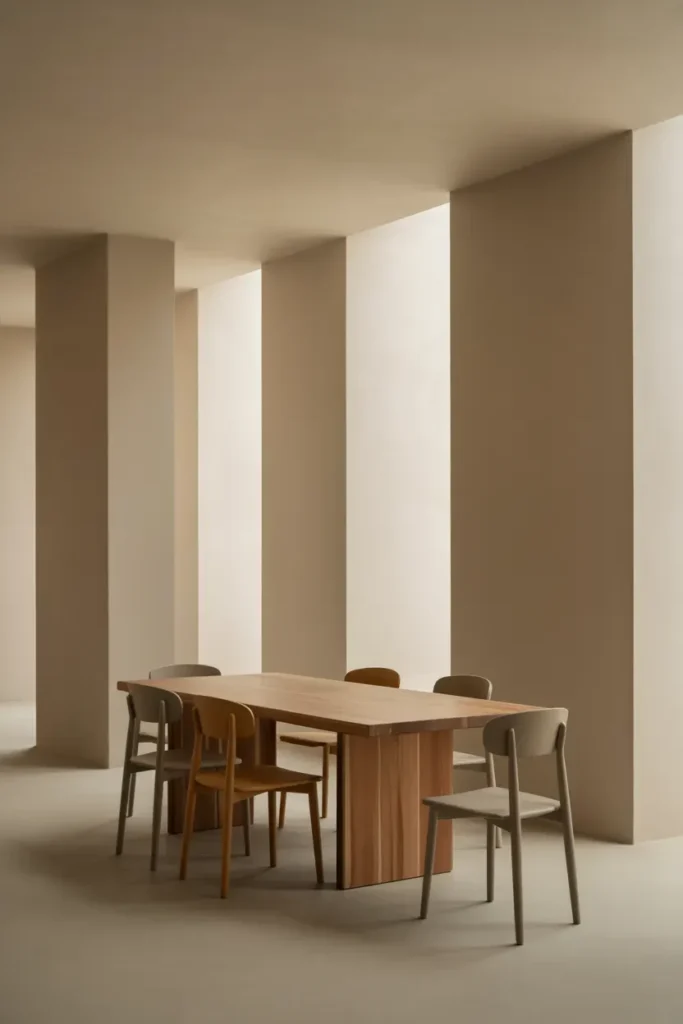
One of the most overlooked styling ideas is the intentional use of negative space. Leaving areas uncluttered allows key design elements to breathe and creates a sense of sophistication. This minimalist approach ensures that every object in the dining room has purpose and presence.
Effortless dining room styling is achieved when restraint meets intention. By editing excess decor and focusing on balance, the space feels harmonious and serene. Negative space highlights textures, shapes, and materials, making the overall design appear curated without feeling forced.
Conclusion
Creating a dining room that feels effortless is less about following trends and more about embracing intentional simplicity. By focusing on natural materials, sculptural elements, and thoughtful layering, you can design a space that feels elevated yet comfortable. Each styling choice should enhance the room’s flow and atmosphere rather than compete for attention.
Ultimately, effortless dining room styling is about balance — combining warmth with minimalism, texture with restraint, and personality with calm. When approached thoughtfully, your dining space becomes more than just a place to eat; it becomes a setting for connection, creativity, and everyday beauty.