
14 Hobby Room Ideas To Spark Creativity
Every creative passion deserves a dedicated space. Whether you paint, sew, write, craft, build, or collect, the right environment can fuel inspiration and improve focus. A thoughtfully designed hobby room is not just about storage and furniture—it is about shaping an atmosphere that encourages imagination and flow.
If you are searching for inspiring Hobby Room Ideas, this guide explores fourteen design concepts rooted in wrDIY Sculptural Decorating principles. Each idea focuses on structure, layering, functional beauty, and intentional styling. By balancing organization with sculptural elements, you can create a hobby room that feels energizing, cohesive, and deeply personal.
1. Light-Filled Art Studio Corner
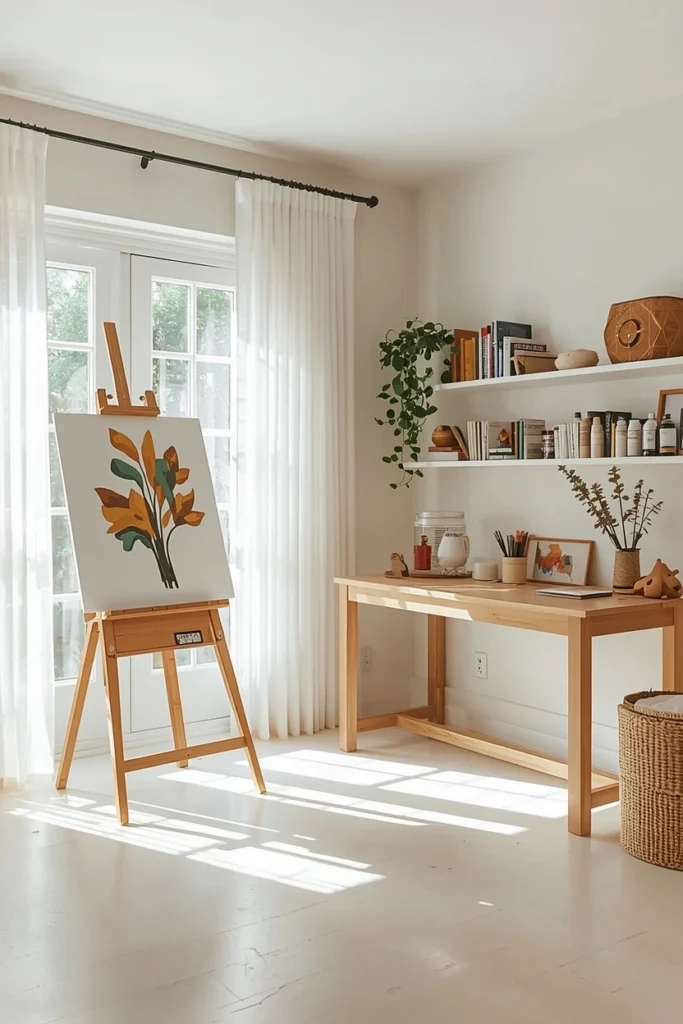
Natural light is one of the most powerful creative tools. Position your art desk or easel near a window to maximize brightness and clarity. Sheer curtains allow soft diffusion while preventing harsh glare. A neutral wall backdrop helps artwork stand out without visual competition.
Following wrDIY Sculptural Decorating guidelines, balance open space with curated storage. Use vertical shelving for supplies, arranged by color or size for visual rhythm. Incorporate a sturdy wooden table with clean lines and keep the floor clear to maintain flow. The interplay of light, negative space, and organized materials creates a calm yet energizing creative zone.
2. Craft Room With Modular Storage Wall
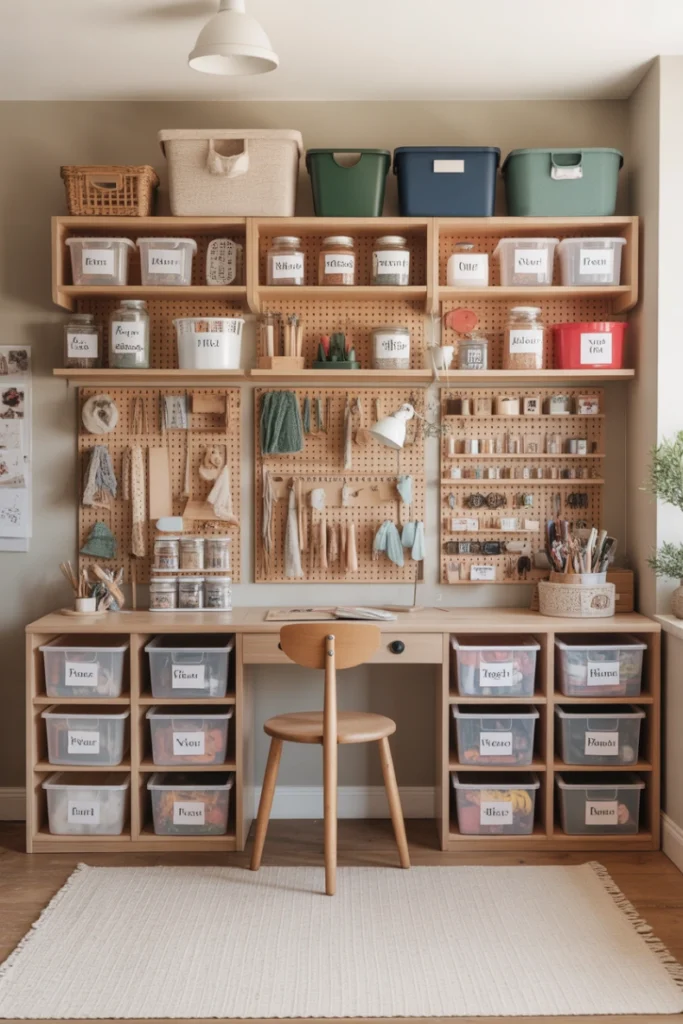
A modular storage wall transforms clutter into structure. Pegboards, cubbies, and adjustable shelves allow flexibility as your projects evolve. This design keeps materials accessible while maintaining visual order.
To align with sculptural decorating principles, arrange containers symmetrically and stick to a cohesive color palette. Clear bins and labeled jars add functionality without chaos. Pair the storage wall with a central worktable for balance. This structured layout ensures your craft room feels purposeful rather than overwhelming, making it easier to focus and create.
3. Cozy Writing Nook With Layered Textures
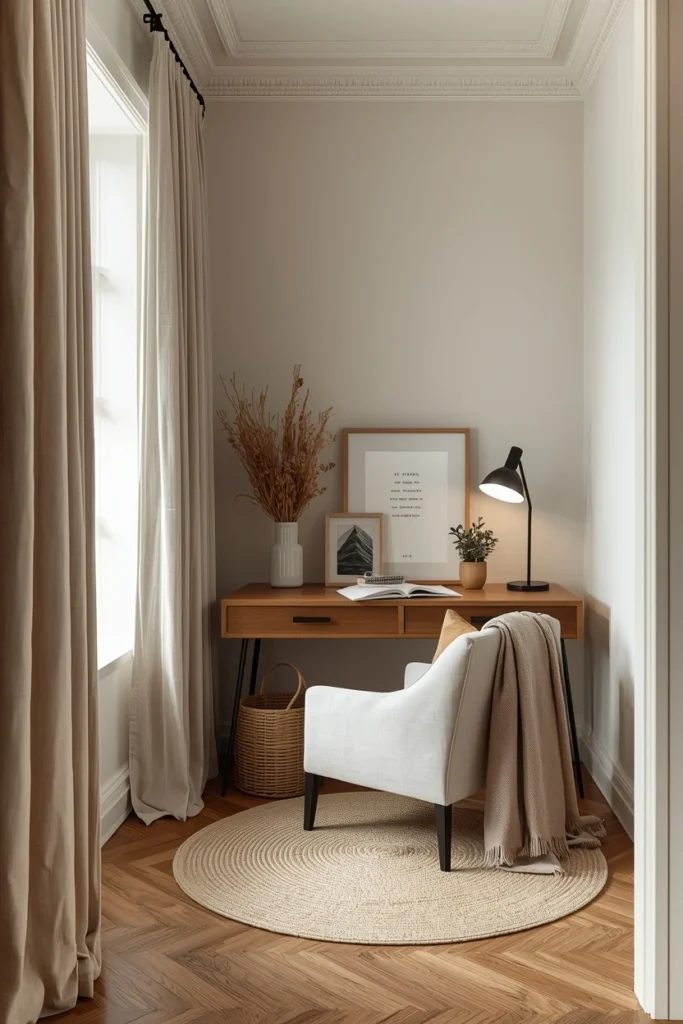
A writing nook should feel intimate and distraction-free. Choose a comfortable chair, a small desk, and soft lighting to create a cocoon-like environment. Position the setup in a quiet corner of your home.
Layer textures such as a woven rug, linen curtains, and a soft throw blanket. Keep decor minimal—perhaps a framed quote or a small plant. Sculptural decorating emphasizes proportion and balance, so avoid overcrowding surfaces. The result is a serene environment where thoughts flow naturally and creativity thrives.
4. Music Practice Room With Acoustic Panels
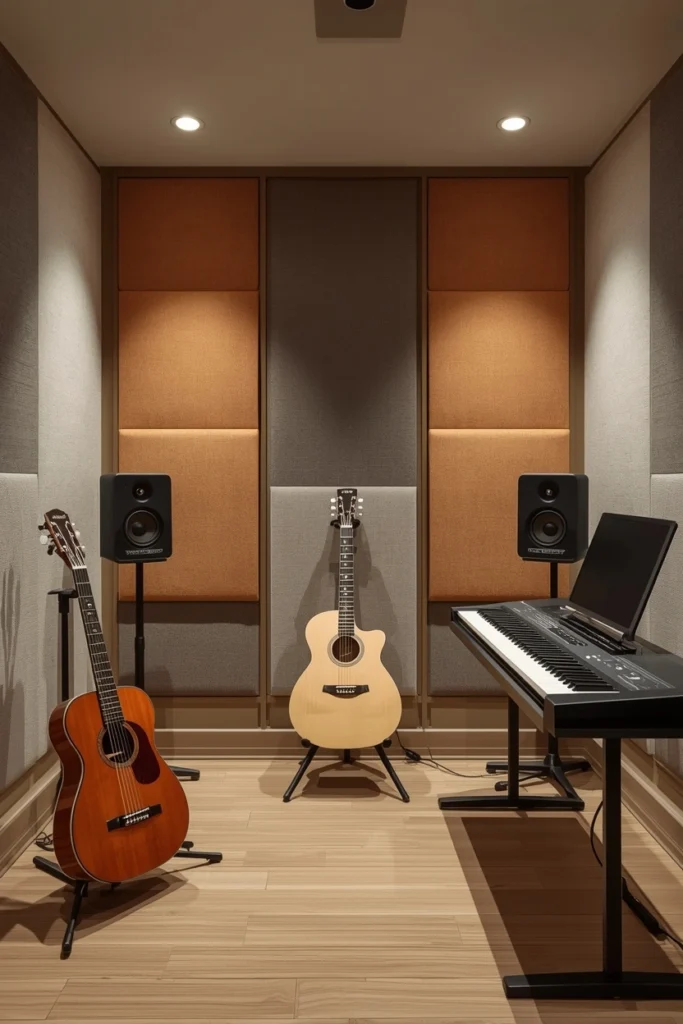
If your hobby involves music, sound management is essential. Install acoustic panels in a symmetrical layout to improve audio quality while adding visual structure.
Choose fabric-covered panels in tones that complement the room’s palette. Position instruments on sleek stands to avoid clutter. According to wrDIY principles, balance functional equipment with negative space. A well-designed music room enhances performance while maintaining aesthetic harmony.
5. DIY Workshop With Functional Layout
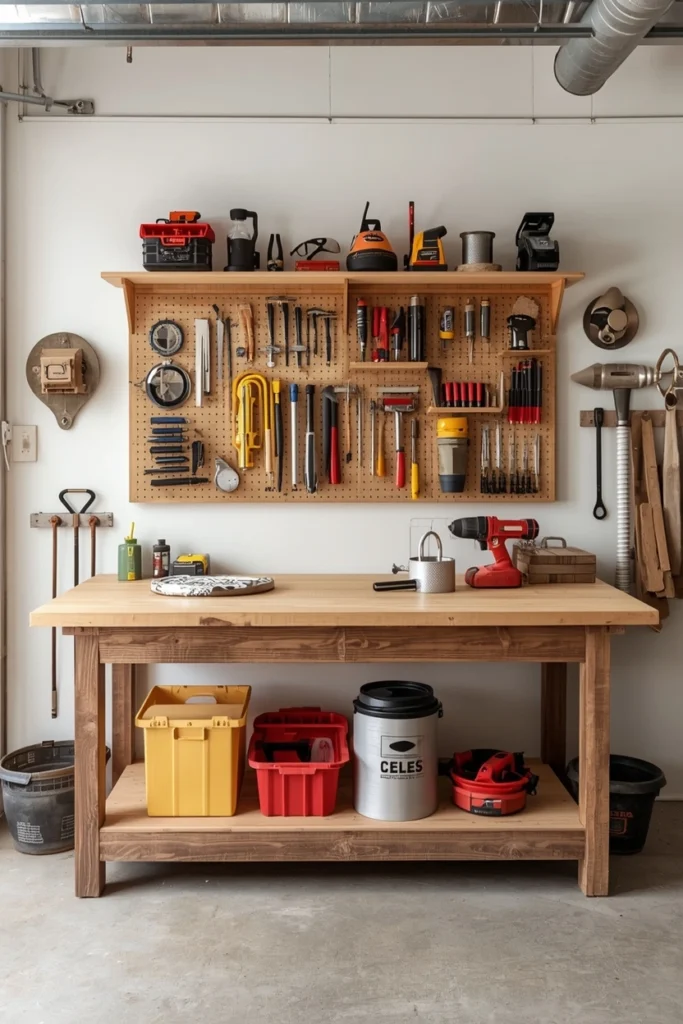
A workshop requires durability and organization. Use sturdy workbenches and clearly defined zones for tools, materials, and assembly.
Install wall-mounted racks to keep tools visible and accessible. Maintain consistent spacing to prevent visual overload. Sculptural decorating encourages structured placement, even in industrial settings. With thoughtful organization, a workshop can feel inspiring rather than chaotic.
6. Sewing Room With Central Cutting Table
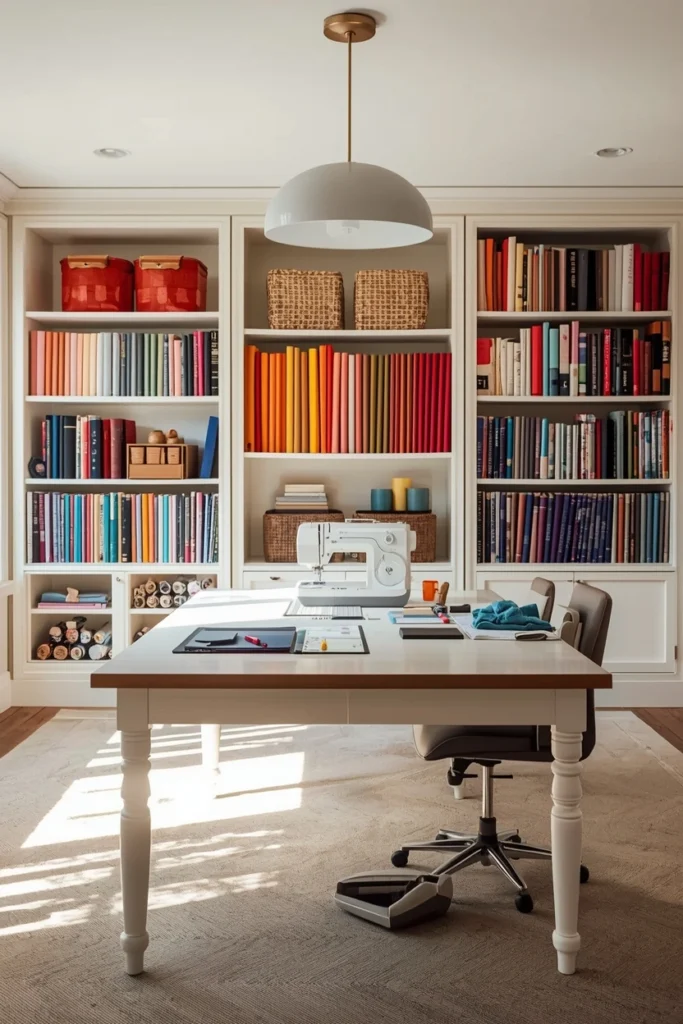
A sewing hobby benefits from a large central cutting table surrounded by storage for fabrics and notions. Arrange shelves by fabric color for visual cohesion.
Keep surfaces clear except for essential tools. Layer soft lighting to prevent eye strain. Sculptural balance between storage and workspace ensures the room feels both productive and inviting.
7. Photography Editing Studio
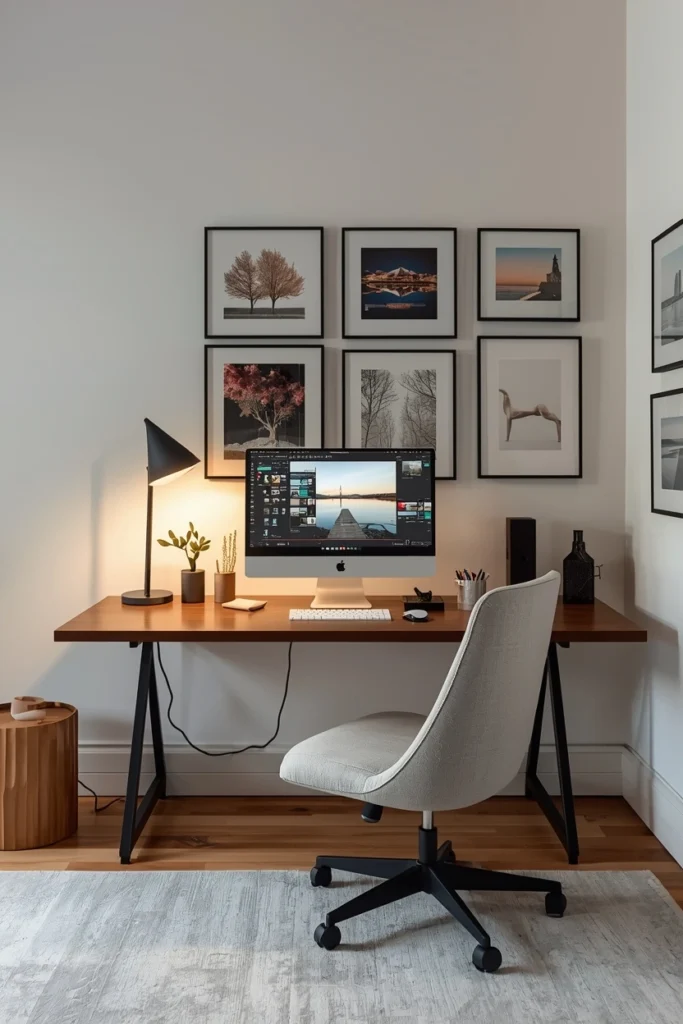
A photography hobby room should combine technology and calm. Use a streamlined desk setup with concealed cable management.
Display a few framed prints as curated accents. Keep lighting adjustable to reduce glare. Sculptural decorating prioritizes simplicity and intentional focal points, allowing your work to take center stage.
8. Reading Library With Built-In Shelves
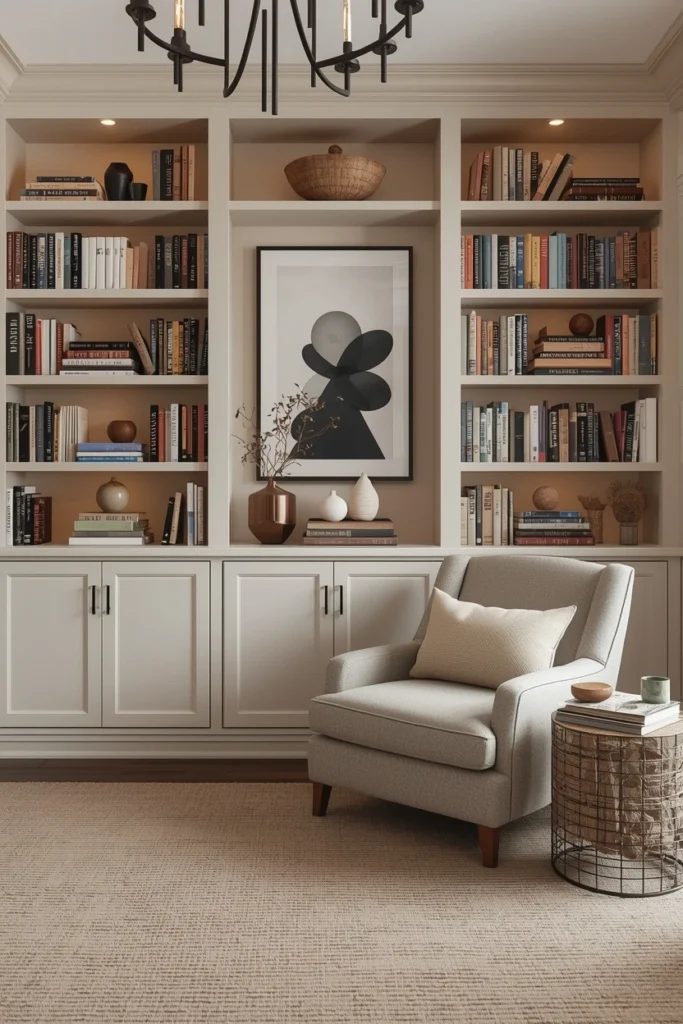
Transform your hobby room into a reading sanctuary with built-in shelves and a comfortable armchair. Arrange books by height or color for structured appeal.
Incorporate warm lighting and a textured rug. Maintain negative space between decorative objects. This organized layering fosters a peaceful environment for extended reading sessions.
9. Painting Studio With Washable Surfaces
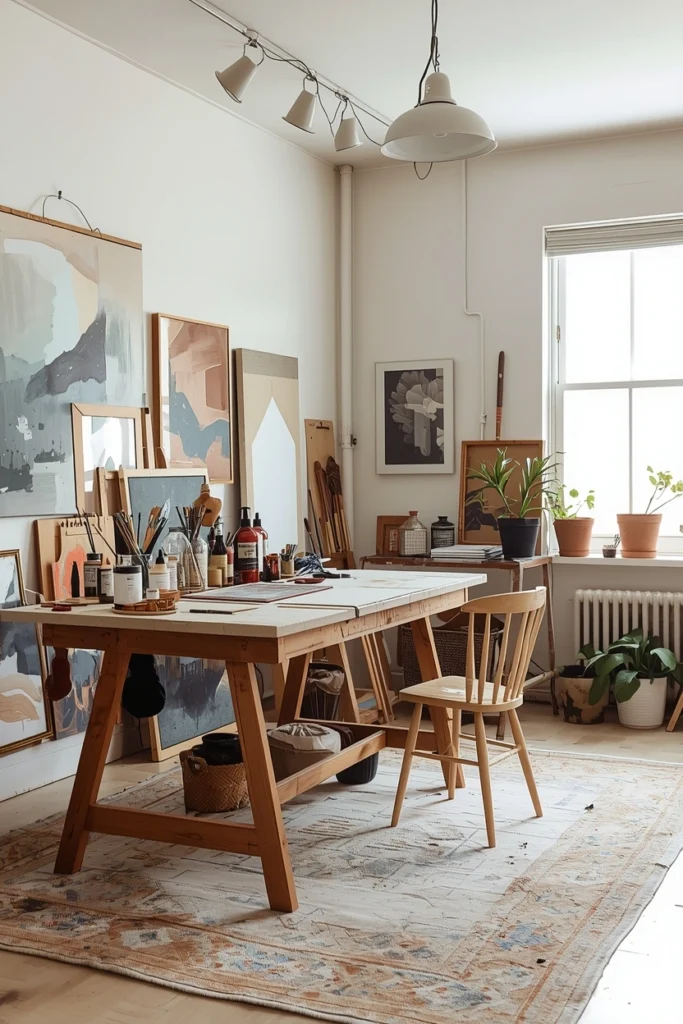
For messy hobbies like painting, opt for washable flooring and easy-clean surfaces. A large table with protective covering ensures durability.
Keep paint supplies organized in clear jars. Maintain open wall space for displaying finished pieces. Sculptural balance between raw creativity and order keeps the room inspiring and functional.
10. Meditation and Mindfulness Room
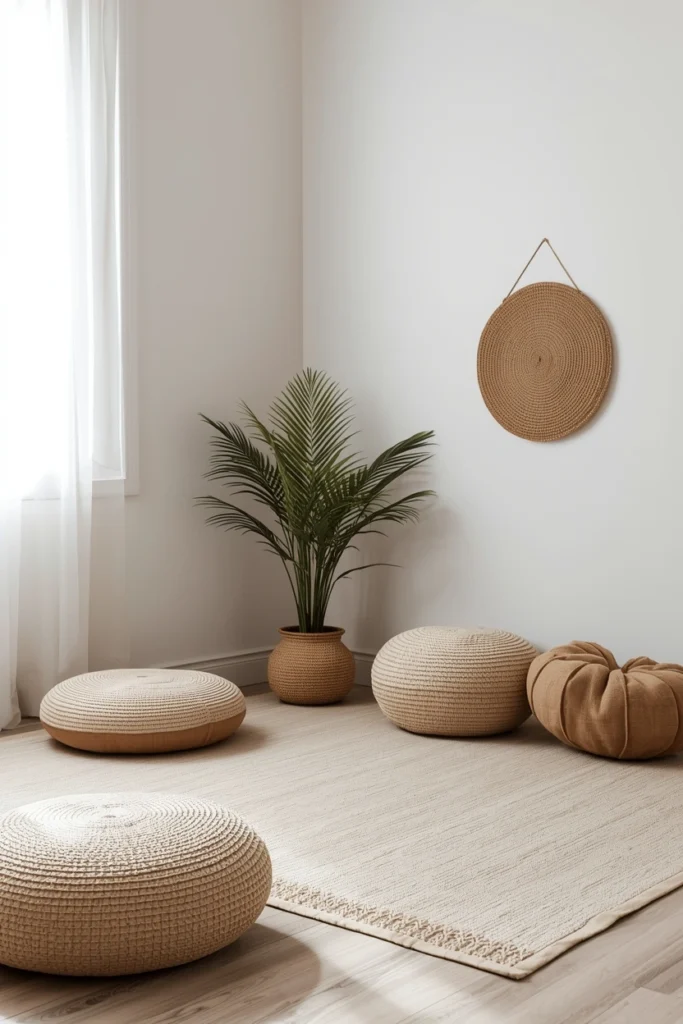
Creativity also thrives in stillness. A meditation hobby room should be minimal and uncluttered.
Use floor cushions, soft lighting, and neutral colors. Incorporate one focal decor piece, such as a sculptural plant or textured wall art. Negative space becomes part of the design, encouraging calm and focus.
11. Gaming Room With Structured Storage
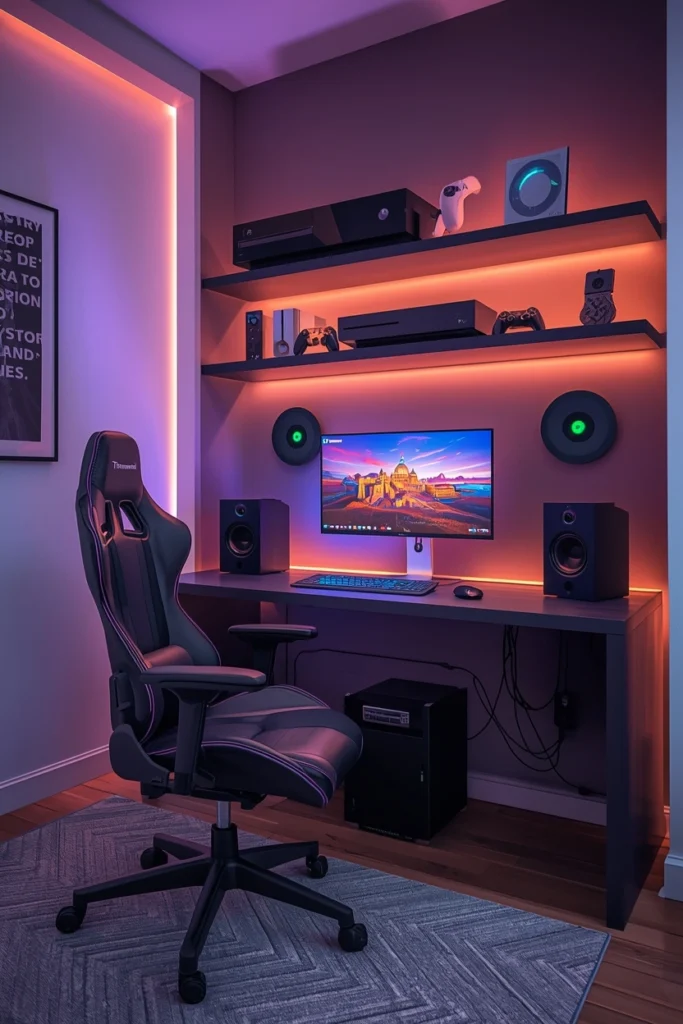
A gaming hobby room requires ergonomic seating and organized storage for consoles and accessories.
Use floating shelves and cable organizers to maintain order. Choose cohesive colors to prevent visual clutter. Sculptural decorating ensures equipment feels integrated rather than chaotic.
12. Pottery Studio With Earthy Textures
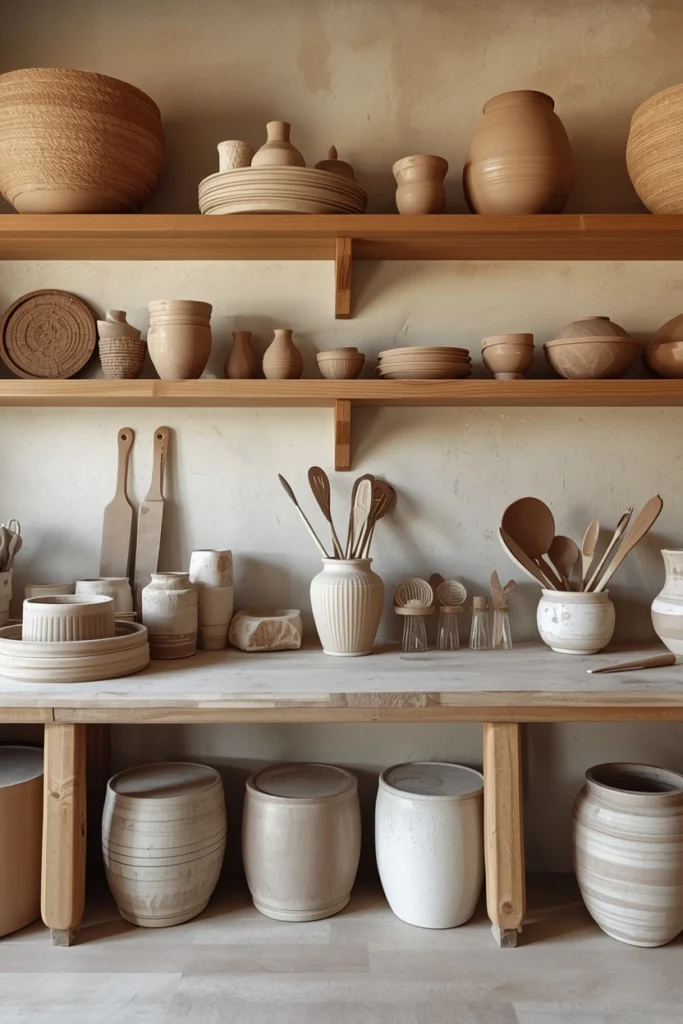
Pottery requires sturdy surfaces and easy cleanup. Use wooden shelves and neutral tones to highlight earthy materials.
Keep tools arranged in ceramic containers. Balance raw textures with structured shelving. This harmony supports creativity while maintaining visual calm.
13. Home Science or Model-Building Lab
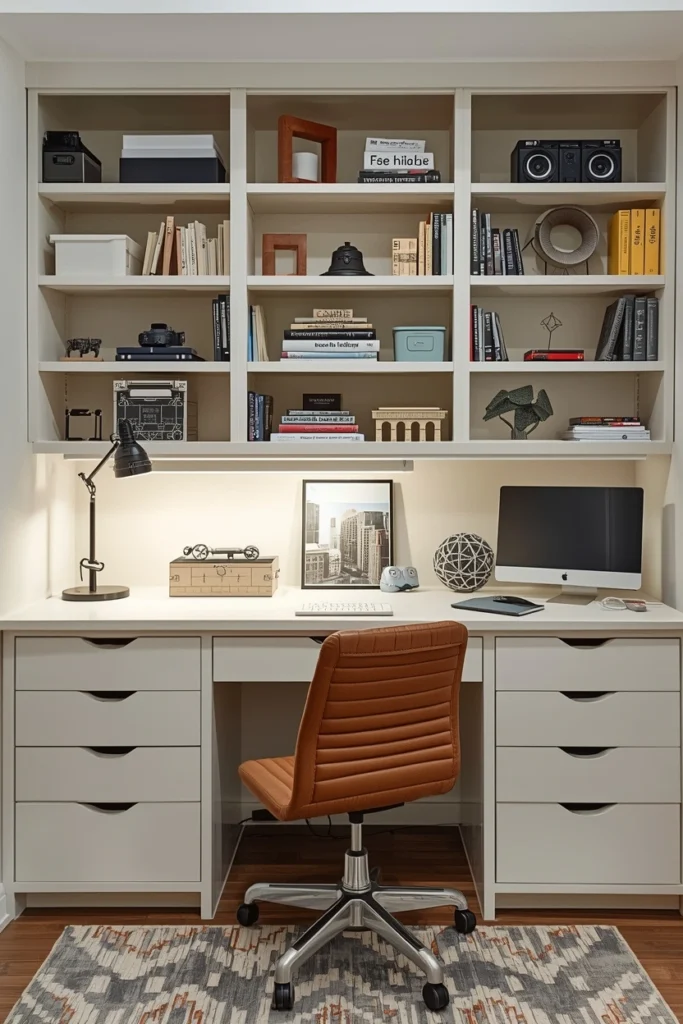
For detailed hobbies like model-building, use task lighting and compact drawers.
Maintain labeled storage and structured layout. Keep the desk uncluttered to allow focus. Sculptural principles emphasize clean lines and balanced proportions.
14. Multi-Purpose Creative Studio
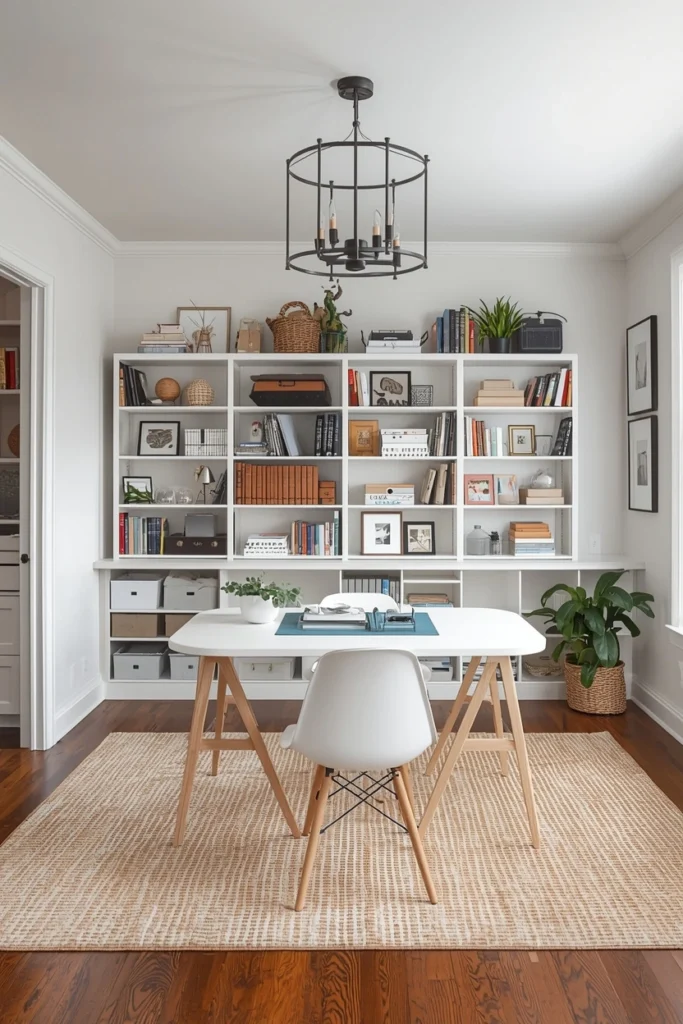
If space is limited, design a multi-purpose hobby room. Use zoning techniques such as rugs or shelving dividers to define areas.
Choose furniture that adapts, such as foldable tables. Maintain cohesion through color palette and material consistency. This layered yet organized approach ensures the room supports various passions without feeling chaotic.
Conclusion
A well-designed hobby room nurtures creativity, focus, and personal growth. These Hobby Room Ideas demonstrate how structure, balance, and sculptural decorating principles can transform any spare room into an inspiring sanctuary.
By prioritizing functionality, layered textures, negative space, and cohesive styling, you create an environment that supports your passions year-round. A dedicated creative space is not just a luxury—it is an investment in inspiration.