15 Tips To Choose The Right Living Room Furniture

Choosing the right furniture for your living room can completely transform how your space looks and feels. It’s not just about filling a room with pieces—it’s about creating a balanced, comfortable, and visually appealing environment that reflects your lifestyle. The right choices can make even a simple room feel sophisticated, functional, and inviting.
When selecting furniture, every detail matters—from size and layout to materials and color coordination. A well-designed living room should feel cohesive, practical, and effortlessly stylish. These expert tips will help you choose the right furniture for your living room, ensuring a space that feels both beautiful and functional for everyday living.
1. Understand Your Space Dimensions
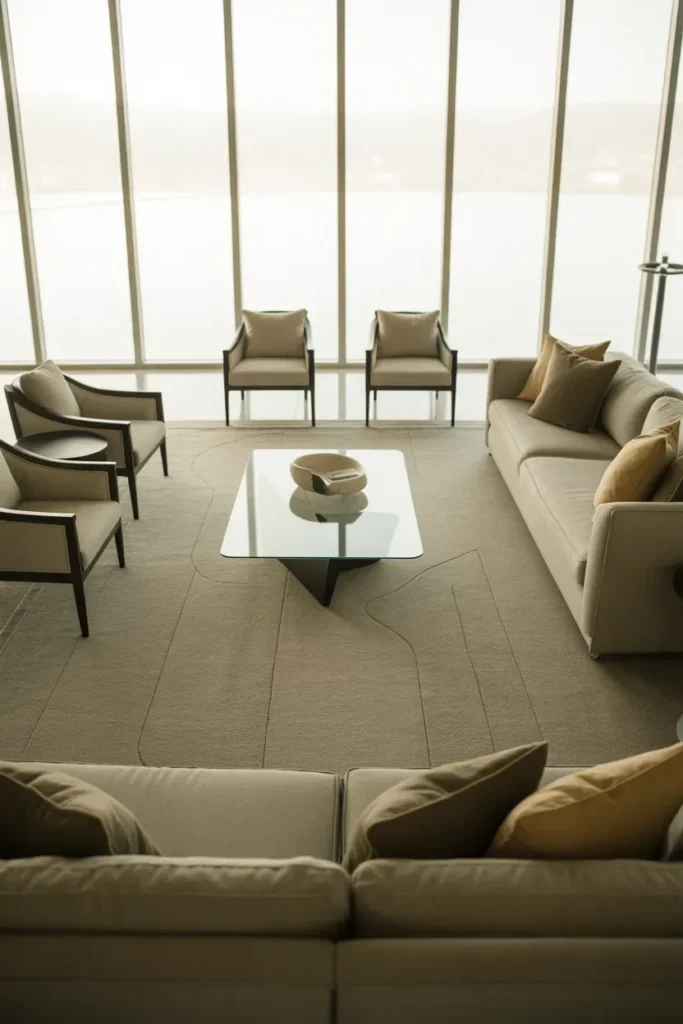
Before choosing any furniture, measure your living room carefully. Knowing the exact dimensions helps you avoid overcrowding or leaving too much empty space. A balanced layout starts with understanding how much room you have to work with.
Sketch a simple floor plan and mark windows, doors, and pathways. This ensures that your furniture placement supports easy movement. Choosing the right furniture for your living room begins with proportion—pieces should fit comfortably without overwhelming the space.
2. Choose a Focal Point First
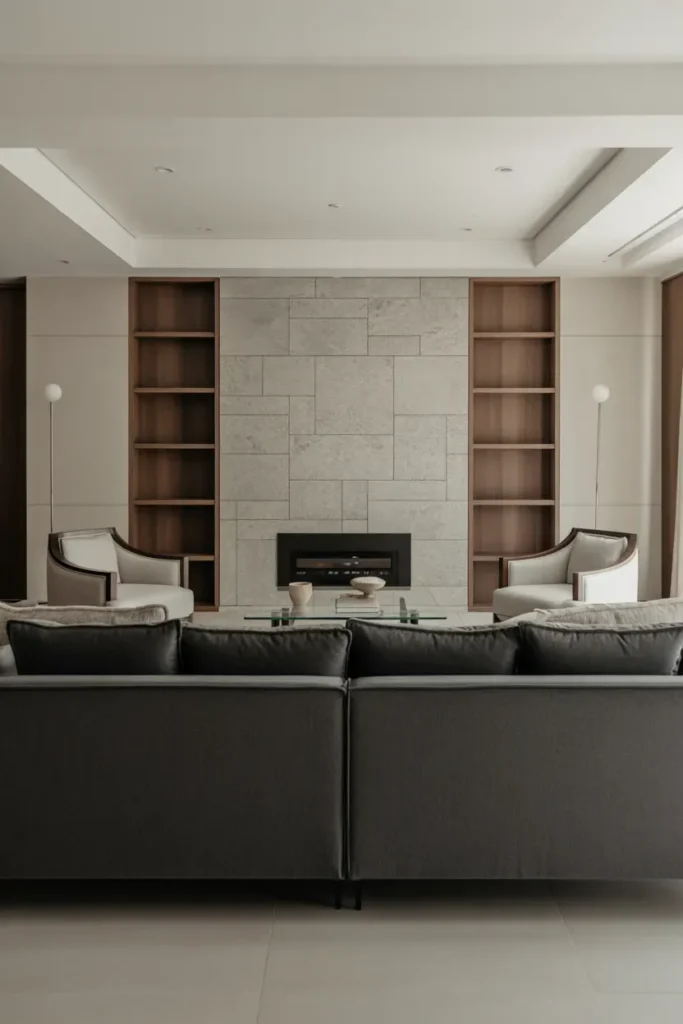
Every well-designed living room needs a focal point. It could be a sofa, a fireplace, or a media wall. Once you identify it, arrange your furniture around it to create a cohesive layout.
This approach helps anchor the room and makes it feel intentional. Without a focal point, furniture can appear scattered. Selecting the right furniture for your living room becomes easier when you design around a central element.
3. Prioritize Comfort and Functionality

Comfort should always come first when selecting living room furniture. Sofas and chairs should feel as good as they look. Consider how you use the space—whether for relaxing, entertaining, or working.
Choose pieces that support your lifestyle. Deep seating for lounging, supportive chairs for reading, and practical tables for everyday use. The right furniture for your living room should enhance both comfort and usability.
4. Select the Right Sofa Size
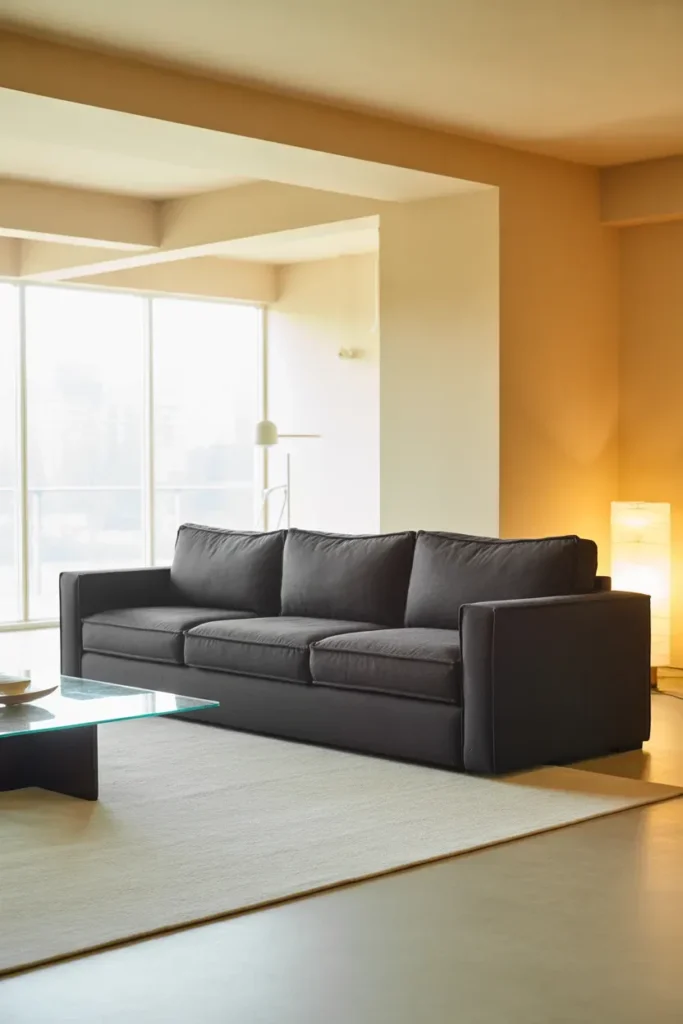
The sofa is often the centerpiece of a living room. Choosing the right size is essential. A large sofa in a small room can feel overwhelming, while a small sofa in a large room may look out of place.
Consider scale and proportion. Measure your space and ensure the sofa fits comfortably without blocking pathways. The right sofa creates balance and sets the tone for the entire room.
5. Stick to a Cohesive Style
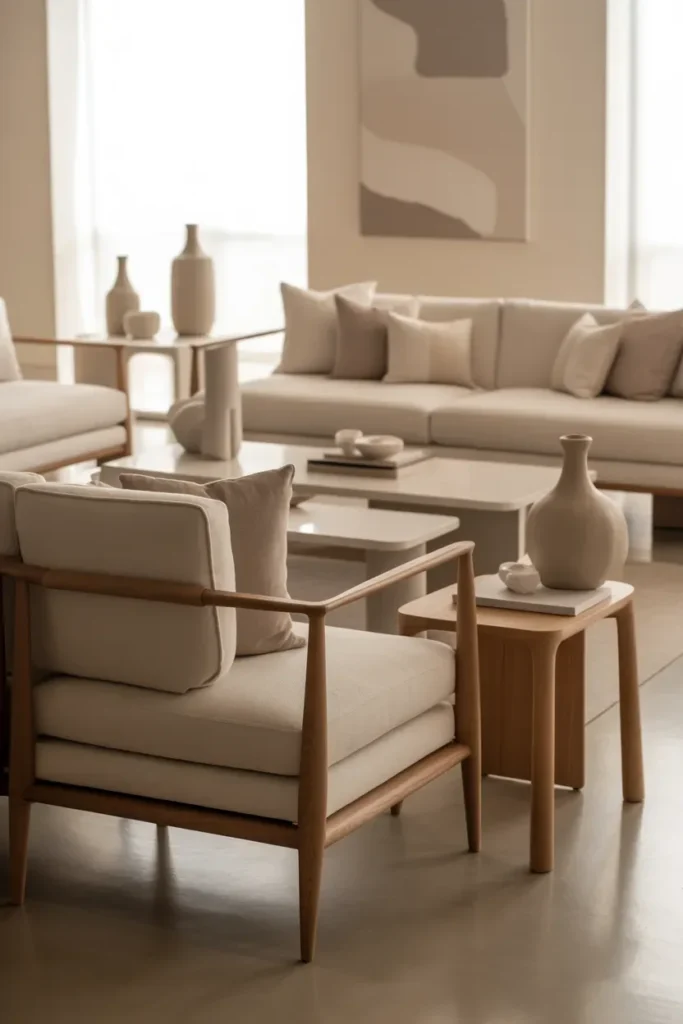
Consistency in design creates a polished look. Mixing too many styles can make your living room feel cluttered and confusing. Choose a theme—modern, minimalist, classic, or eclectic—and stick to it.
Select furniture pieces that complement each other in shape, material, and color. A cohesive style ensures that your living room feels harmonious and well-designed.
6. Focus on Quality Materials
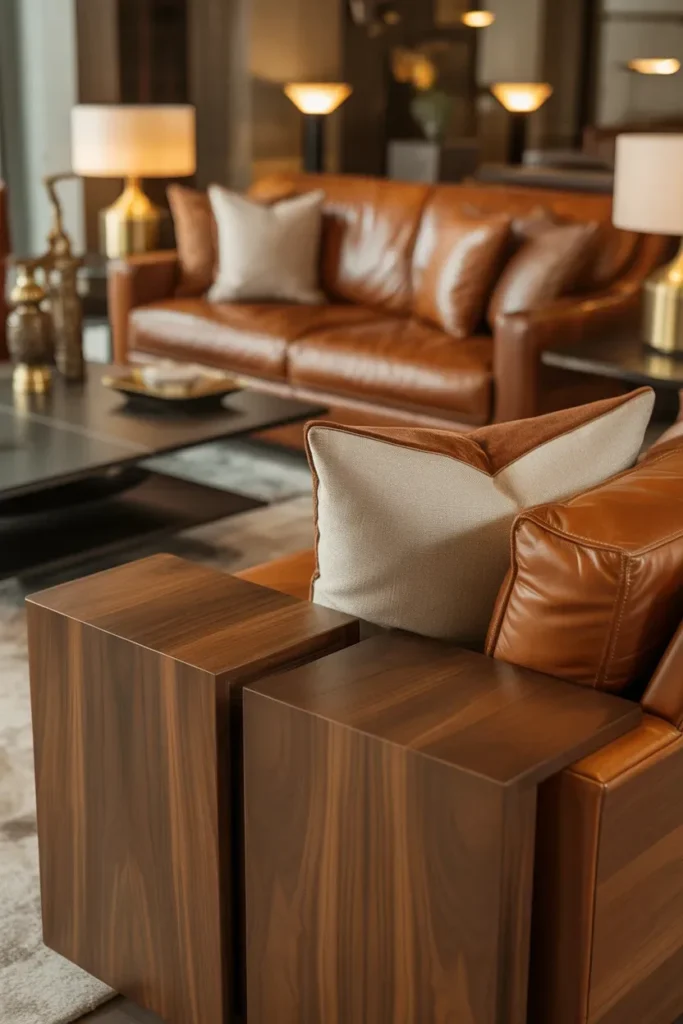
High-quality materials not only look better but also last longer. Investing in durable fabrics, solid wood, or metal frames ensures your furniture stands the test of time.
Materials like leather, linen, and hardwood add a sense of luxury. Choosing quality over quantity helps create a refined and sophisticated living room.
7. Consider Color Coordination
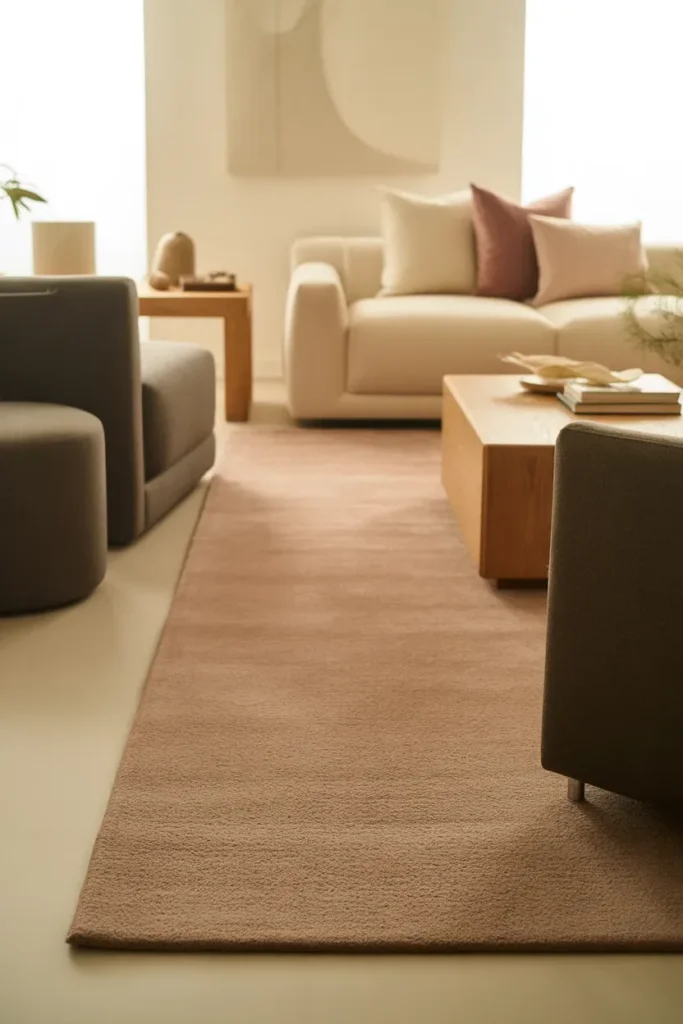
Color plays a crucial role in defining your living room’s atmosphere. Neutral tones create a calm and timeless look, while bold colors add personality.
Choose a palette and stick to it. Coordinate furniture with walls, rugs, and decor. The right color balance enhances visual harmony and makes the space feel cohesive.
8. Mix Textures for Depth
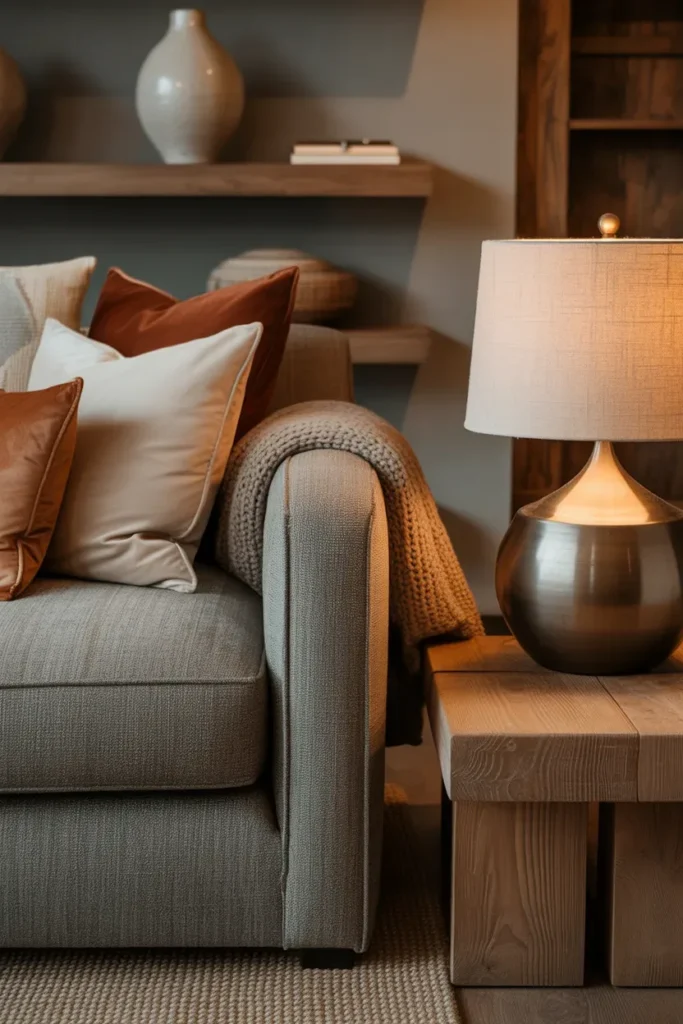
Combining different textures adds dimension to your living room. Pair soft fabrics with smooth surfaces and natural materials for a layered look.
For example, a fabric sofa with a wooden coffee table and a metal lamp creates visual interest. Texture adds warmth and prevents the space from feeling flat.
9. Choose Functional Coffee Tables
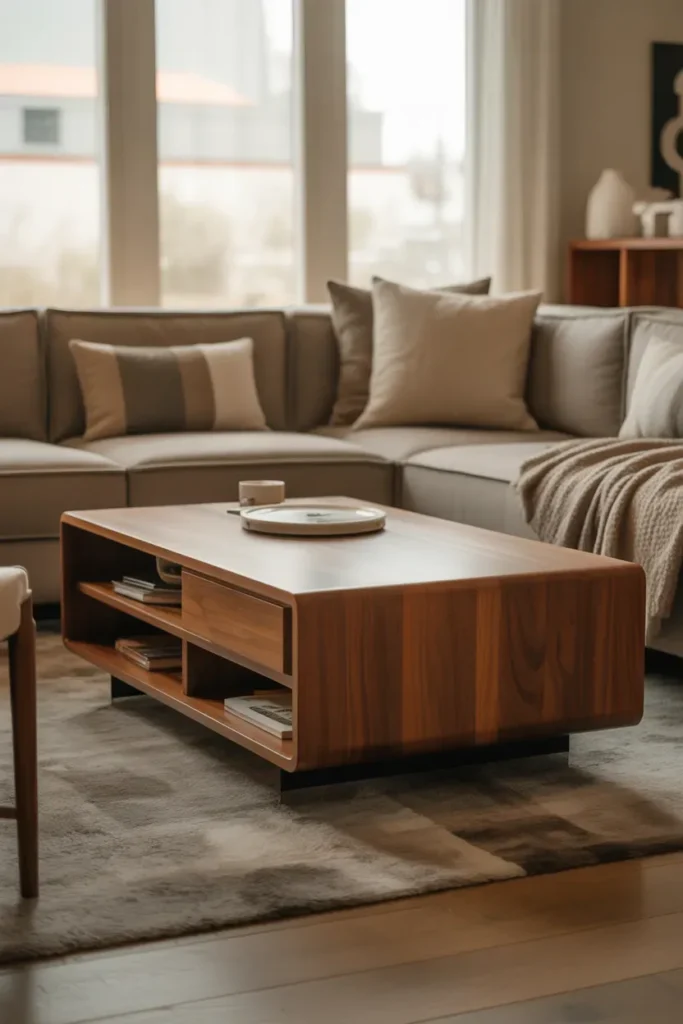
A coffee table should be both stylish and practical. Consider size, shape, and storage options. Round tables work well in small spaces, while rectangular ones suit larger layouts.
Look for designs with shelves or drawers for added functionality. The right coffee table enhances convenience while complementing your furniture.
10. Incorporate Multi-Functional Furniture
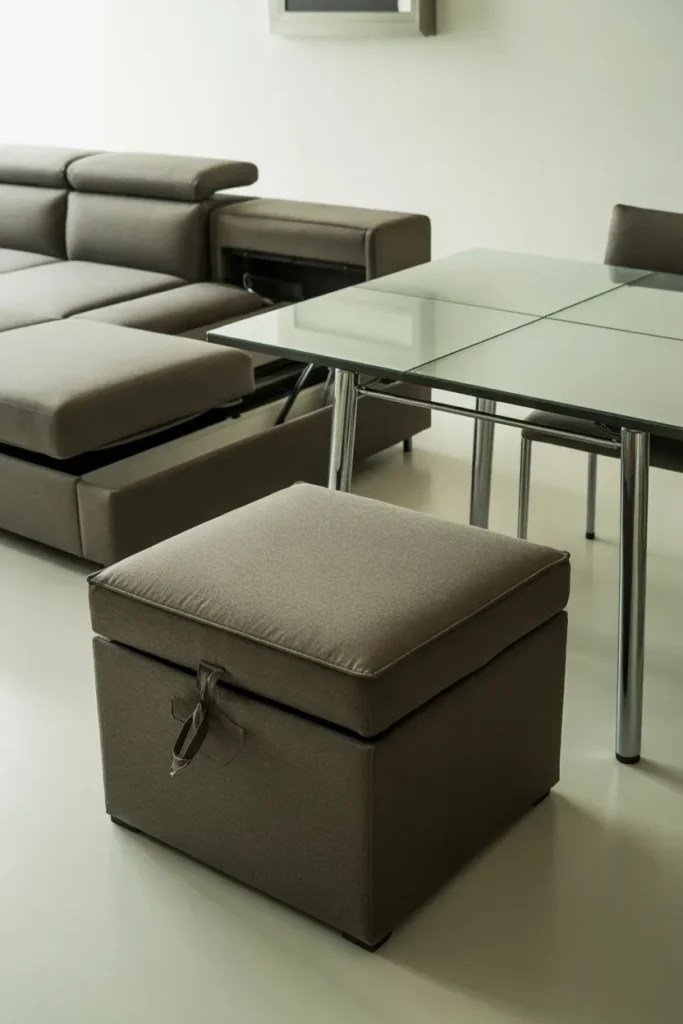
In modern homes, multi-functional furniture is essential. Pieces like storage ottomans, sofa beds, or extendable tables maximize space and usability.
These options are especially useful in smaller living rooms. Choosing versatile furniture ensures that your space remains flexible and efficient.
11. Pay Attention to Lighting

Lighting enhances both the look and functionality of your living room. Combine ambient, task, and accent lighting for a balanced effect.
Floor lamps, table lamps, and ceiling lights should complement your furniture. Proper lighting highlights textures and creates a warm, inviting atmosphere.
12. Maintain Proper Spacing
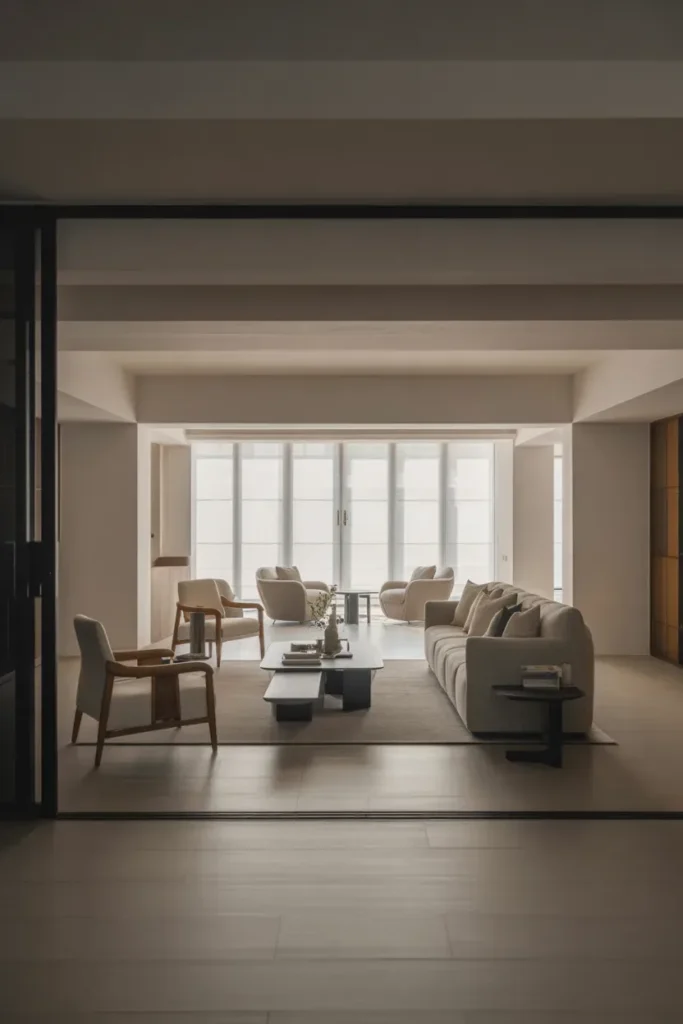
Spacing is key to a comfortable living room layout. Avoid placing furniture too close together or too far apart.
Ensure there is enough room for movement and conversation. Proper spacing creates a balanced and functional environment.
13. Add Accent Chairs for Flexibility
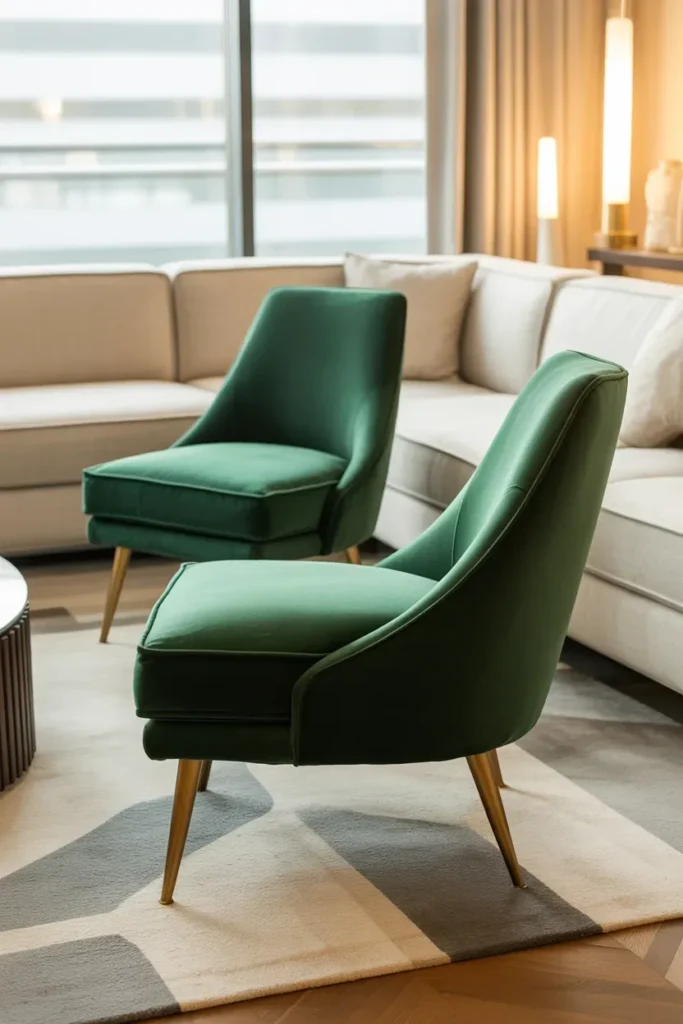
Accent chairs provide additional seating and style. They can be easily moved and rearranged based on your needs.
Choose designs that complement your sofa while adding visual interest. Accent chairs enhance both functionality and aesthetics.
14. Use Rugs to Define the Space
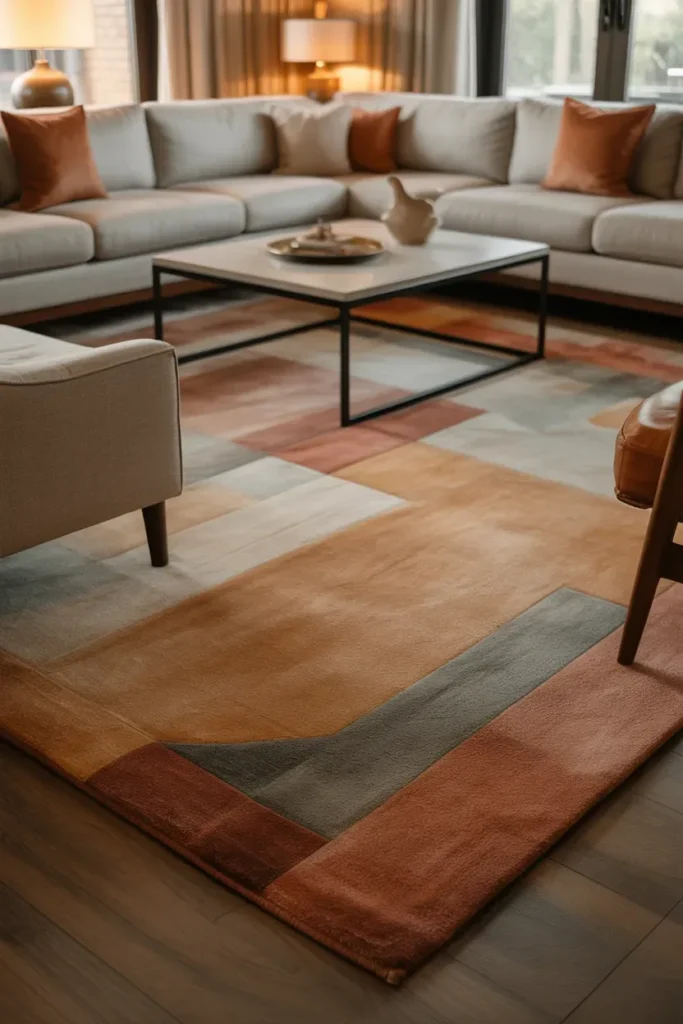
Rugs help anchor your furniture and define different areas within the living room. Choose a size that fits under your main seating arrangement.
A well-chosen rug adds warmth, texture, and color. It ties the entire room together and enhances the overall design.
15. Personalize with Accessories
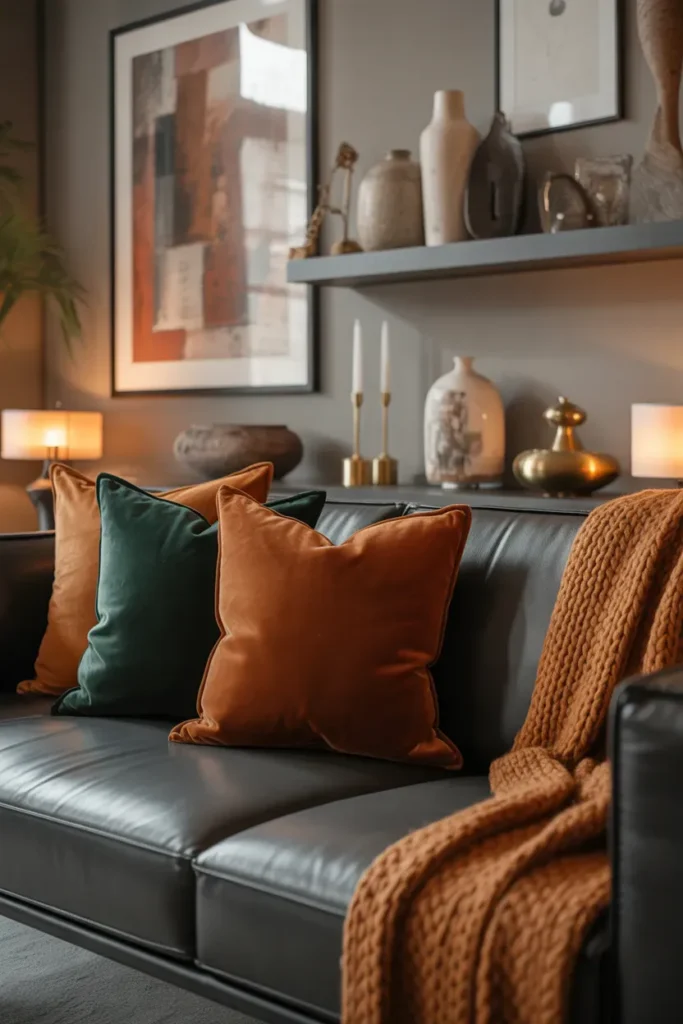
Accessories bring personality to your living room. Cushions, throws, artwork, and decor items add character and warmth.
Keep the selection balanced and avoid clutter. Personal touches make the space feel lived-in and inviting while maintaining a stylish look.
Final Thoughts
Choosing the right furniture for your living room is about more than aesthetics—it’s about creating a space that supports your lifestyle while reflecting your personal style. By focusing on comfort, quality, and thoughtful design, you can build a living room that feels both functional and visually appealing.
Each of these tips works together to create a cohesive and inviting environment. When you carefully select and arrange your furniture, your living room becomes a space where style meets comfort, making it perfect for relaxing, entertaining, and everyday living.