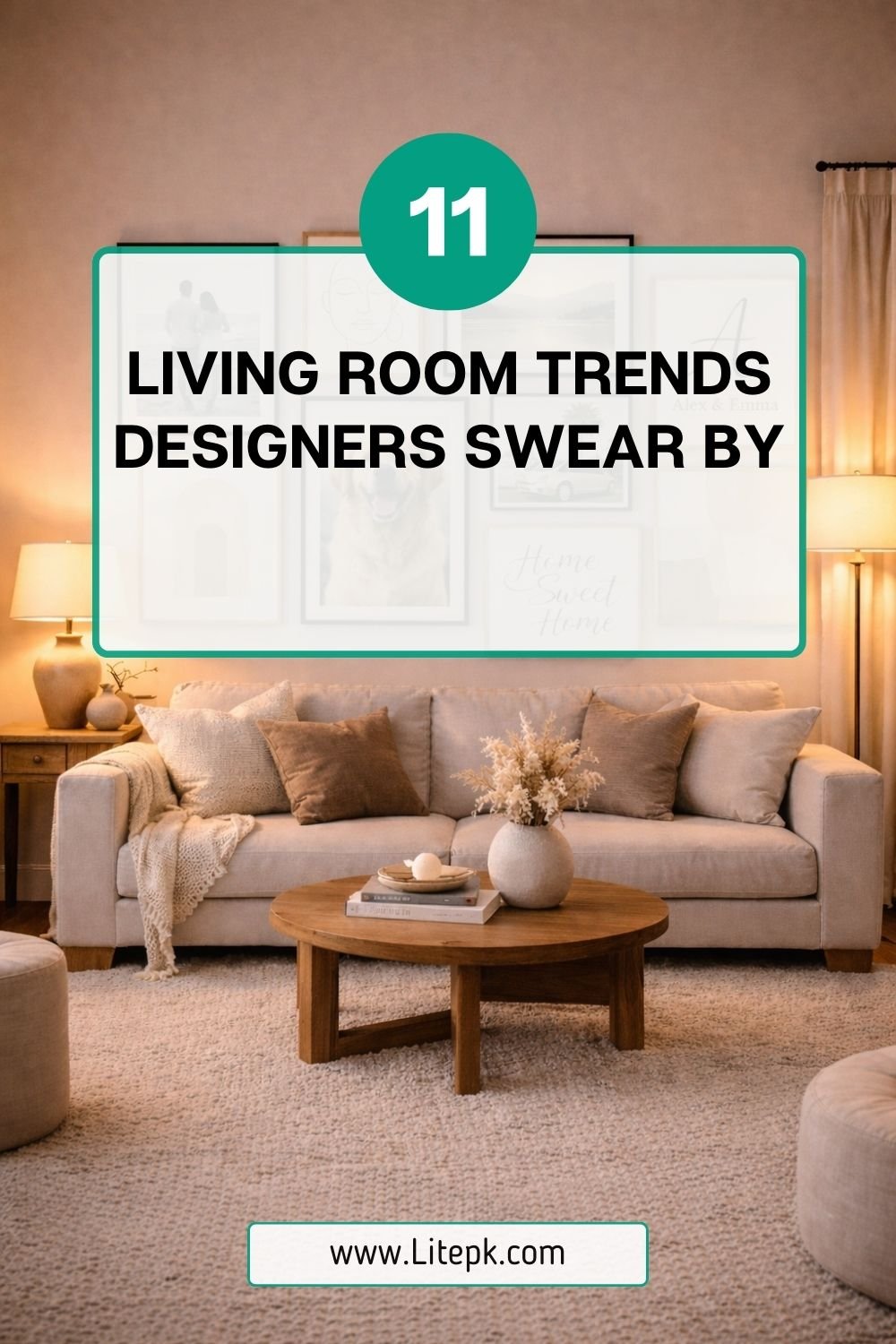
11 Living Room Trends Designers Swear By
The living room has become the most expressive space in the modern home. It is no longer just a place for seating and entertainment, but a reflection of lifestyle, comfort, and personal taste. Designers today focus on creating living rooms that feel layered, intentional, and inviting while remaining visually refined. Functionality and beauty are no longer separate goals—they are expected to coexist.
Current Living Room Trends emphasize warmth, balance, and longevity rather than fast-changing décor. Designers are moving away from overly styled rooms and instead prioritizing comfort, natural materials, and thoughtful design choices that age well. These eleven trends are consistently recommended by interior designers because they work across styles, spaces, and budgets, creating living rooms that feel both current and timeless.
1. Warm Neutral Color Palettes
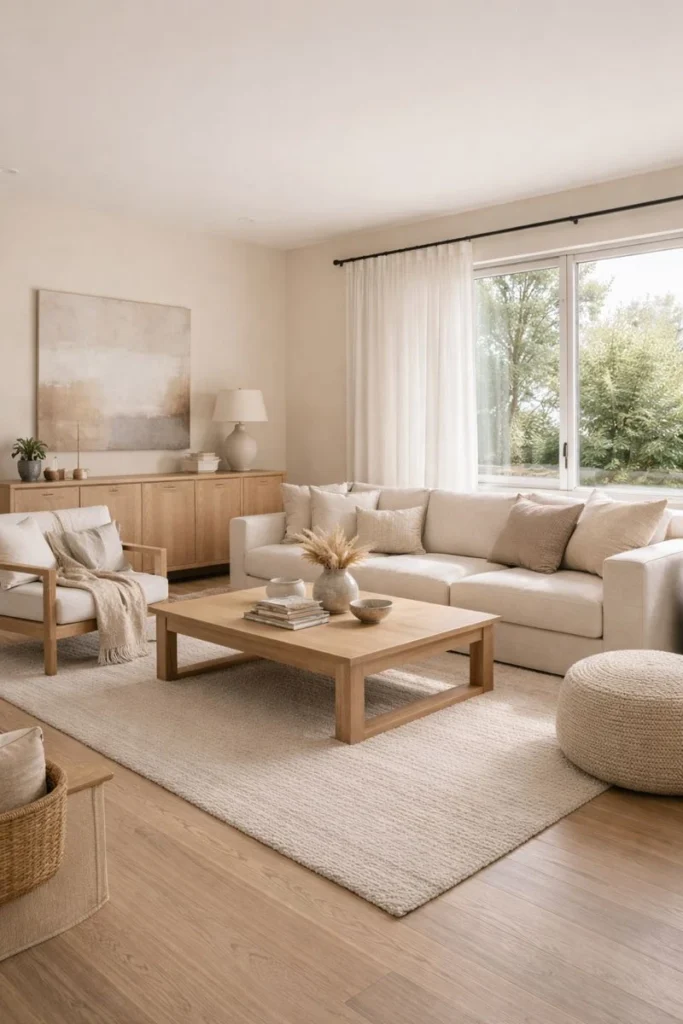
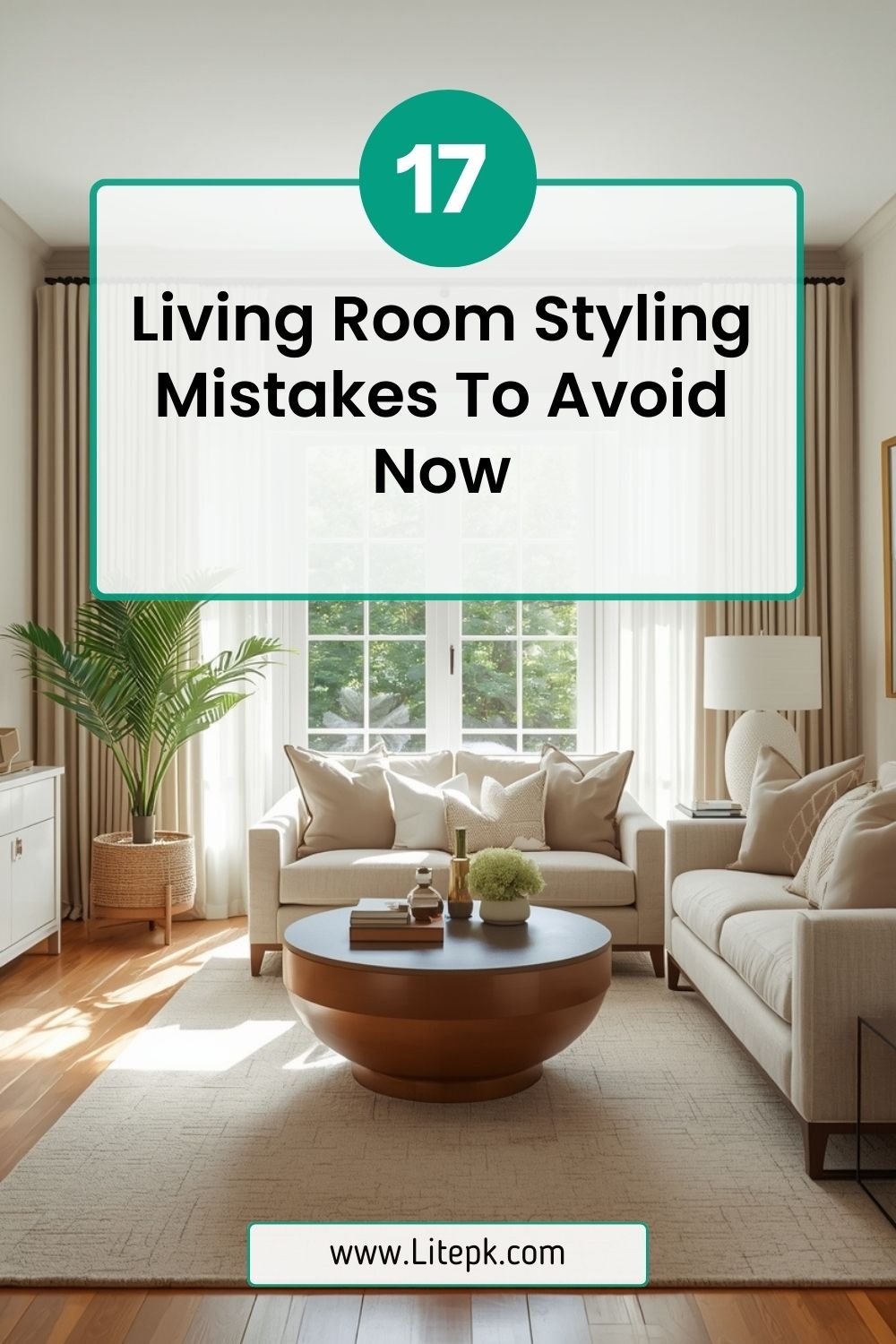
Warm neutrals are at the core of modern Living Room Trends because they create a welcoming atmosphere without overwhelming the space. Shades like cream, soft beige, warm taupe, and greige provide a calm backdrop that enhances natural light and makes rooms feel more expansive. Designers favor these tones because they offer flexibility, allowing furniture, textures, and accents to stand out without visual competition.
Unlike cooler grays that once dominated interiors, warm neutrals add softness and emotional comfort. They pair beautifully with wood, stone, and textured fabrics, creating a layered and cohesive look. Warm neutral walls also allow homeowners to refresh their décor easily with seasonal accessories. This trend prioritizes longevity, ensuring the living room remains stylish and comfortable for years rather than feeling dated after a short time.
2. Curved Furniture for Softness and Flow
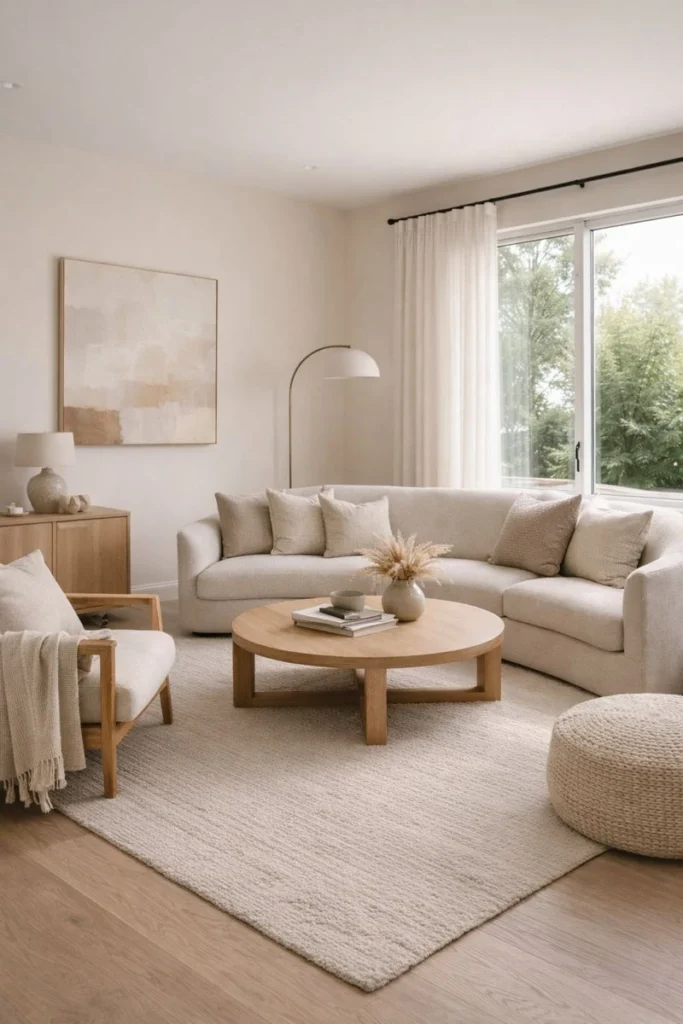
Curved furniture is one of the most noticeable Living Room Trends designers continue to recommend. Rounded sofas, arched chairs, and circular coffee tables soften the sharp lines commonly found in modern architecture. These shapes create visual movement and make the room feel more inviting and approachable.
Designers often use curved furniture to improve flow, especially in open-plan spaces. Rounded edges encourage easier movement and create a more relaxed atmosphere. Upholstered curves also enhance comfort, making seating areas feel more lounge-like. This trend balances modern sophistication with softness, proving that contemporary design does not have to feel rigid or cold. Curved pieces act as statement elements while remaining practical and timeless.
3. Layered Textures for Depth and Comfort
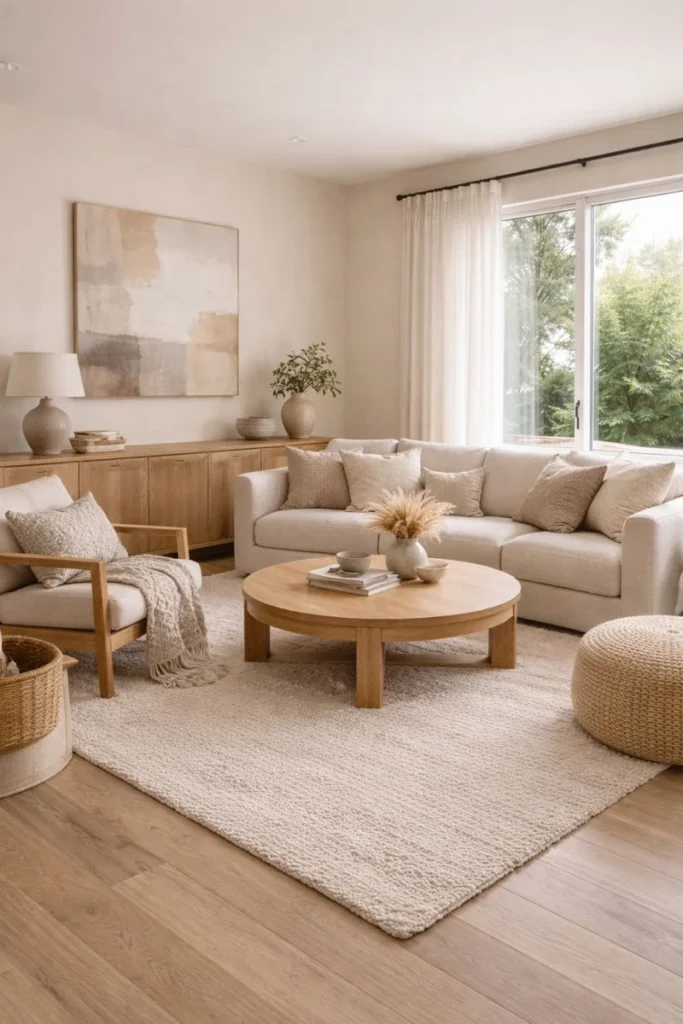
Layering textures is a fundamental principle in current Living Room Trends. Designers rely on texture to add warmth and visual interest without cluttering the space. Combining materials such as linen, wool, leather, wood, and stone creates a rich sensory experience that feels intentional and cozy.
Texture layering works especially well in neutral rooms, where subtle contrast replaces bold color. A soft rug under a structured sofa, a knit throw over smooth upholstery, or woven baskets paired with sleek furniture all contribute to a balanced look. Designers stress that texture should feel natural and cohesive rather than forced. This trend elevates the living room by making it feel lived-in, comfortable, and visually engaging.
4. Statement Lighting as a Focal Point
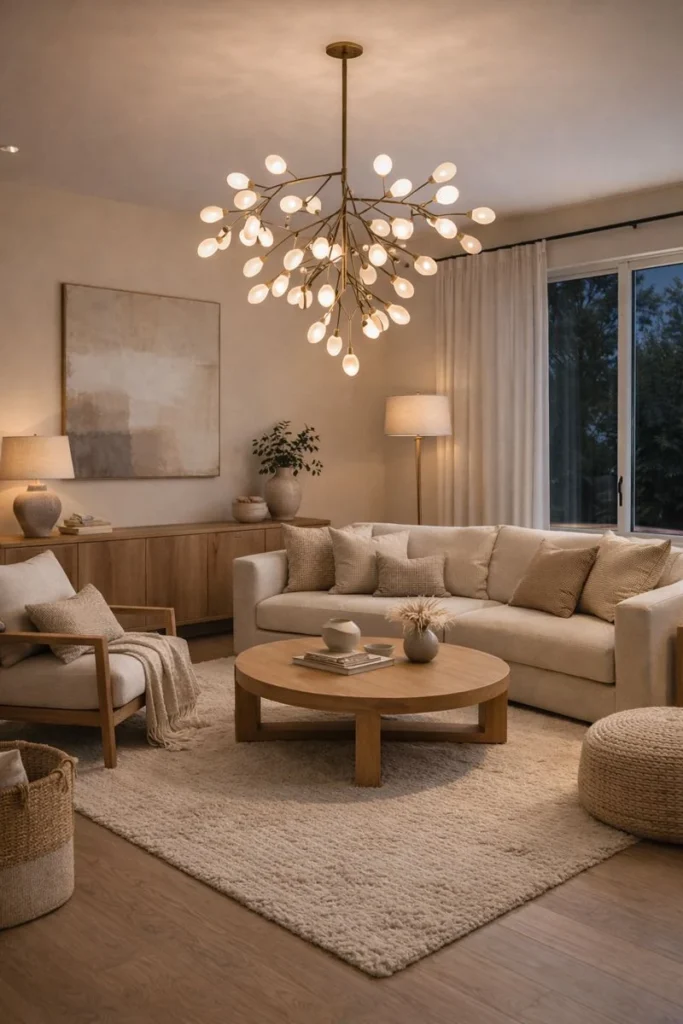
Lighting has evolved into one of the most influential Living Room Trends, with designers treating fixtures as functional art. Statement lighting, such as sculptural chandeliers, oversized pendants, or unique floor lamps, serves as a focal point while defining the room’s character.
Rather than relying solely on overhead lighting, designers incorporate layered lighting plans that include ambient, task, and accent sources. A bold light fixture anchors the space and adds personality without requiring additional décor. This approach enhances both mood and functionality, allowing the living room to transition seamlessly from day to night. Statement lighting reflects a shift toward intentional design choices that combine beauty and practicality.
5. Comfortable, Deep Seating
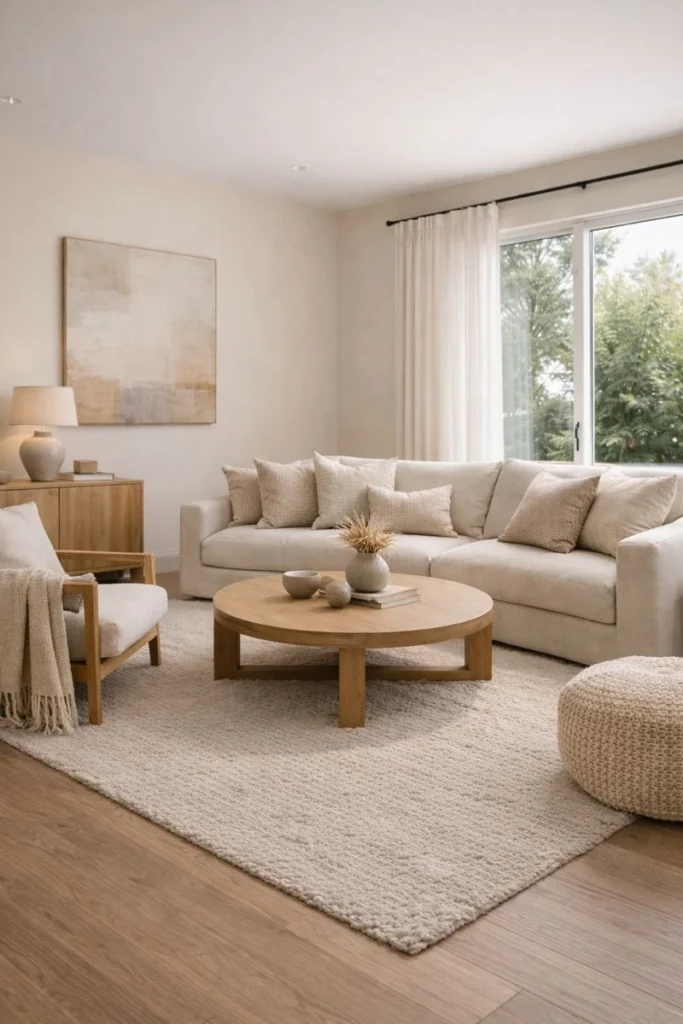
Comfort-driven furniture is central to today’s Living Room Trends. Designers increasingly recommend deep sofas and generously cushioned seating that encourages relaxation rather than formality. Living rooms are meant to be used daily, and furniture should support lounging, conversation, and rest.
Deep seating also creates a sense of luxury and ease. When paired with supportive cushions and quality upholstery, these sofas balance comfort with structure. Designers often style deep seating with minimal accessories to avoid overwhelming the look. This trend prioritizes how a living room feels as much as how it looks, ensuring the space remains inviting and functional for real life.
6. Natural Materials and Organic Elements
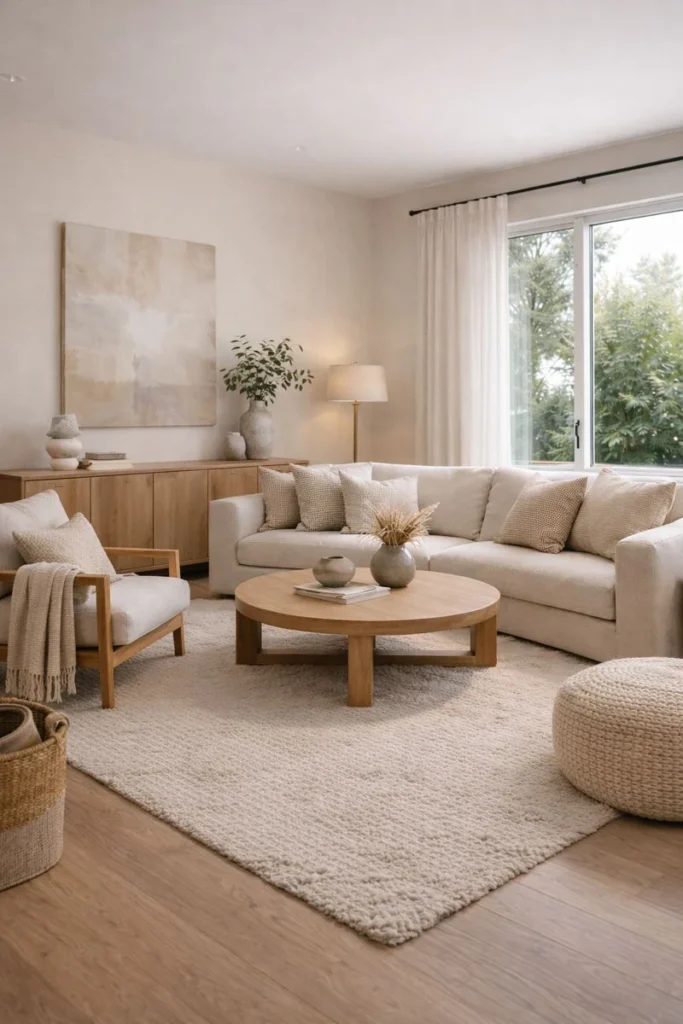
Natural materials continue to dominate Living Room Trends because they bring warmth and authenticity to interior spaces. Wood, stone, clay, and woven fibers ground the living room and create a connection to nature. Designers favor these materials for their texture, durability, and timeless appeal.
Organic elements soften modern interiors and prevent them from feeling sterile. A wooden coffee table, stone accents, or linen upholstery introduces subtle variation and depth. Designers often balance natural materials with refined finishes to maintain sophistication. This trend reflects a broader movement toward mindful, enduring design that values quality and emotional comfort.
7. Minimal Styling with Intentional Decor
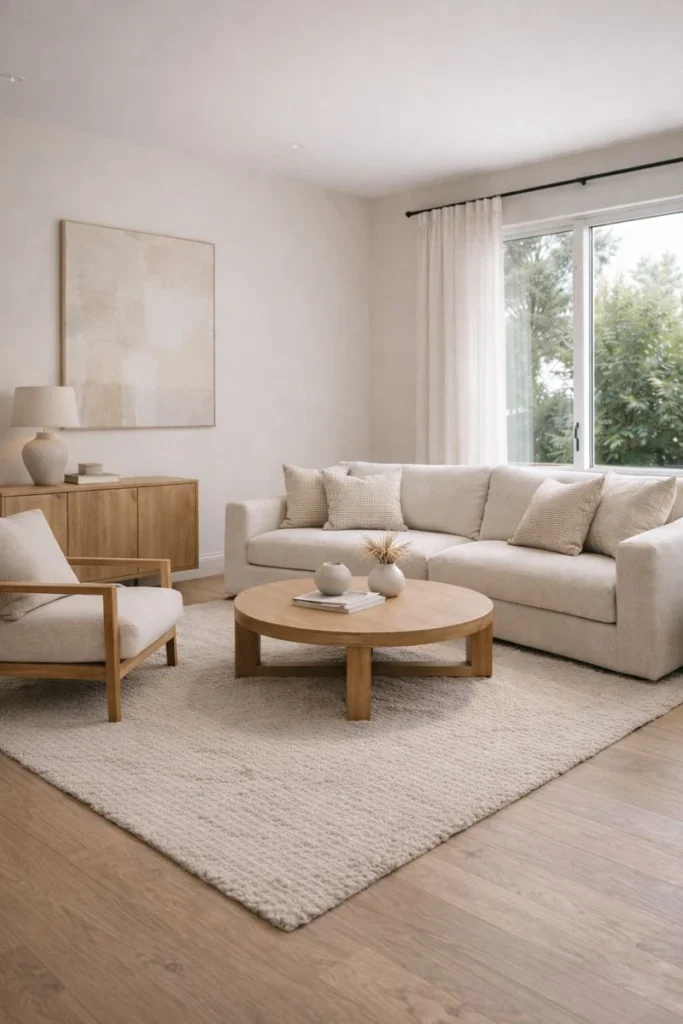
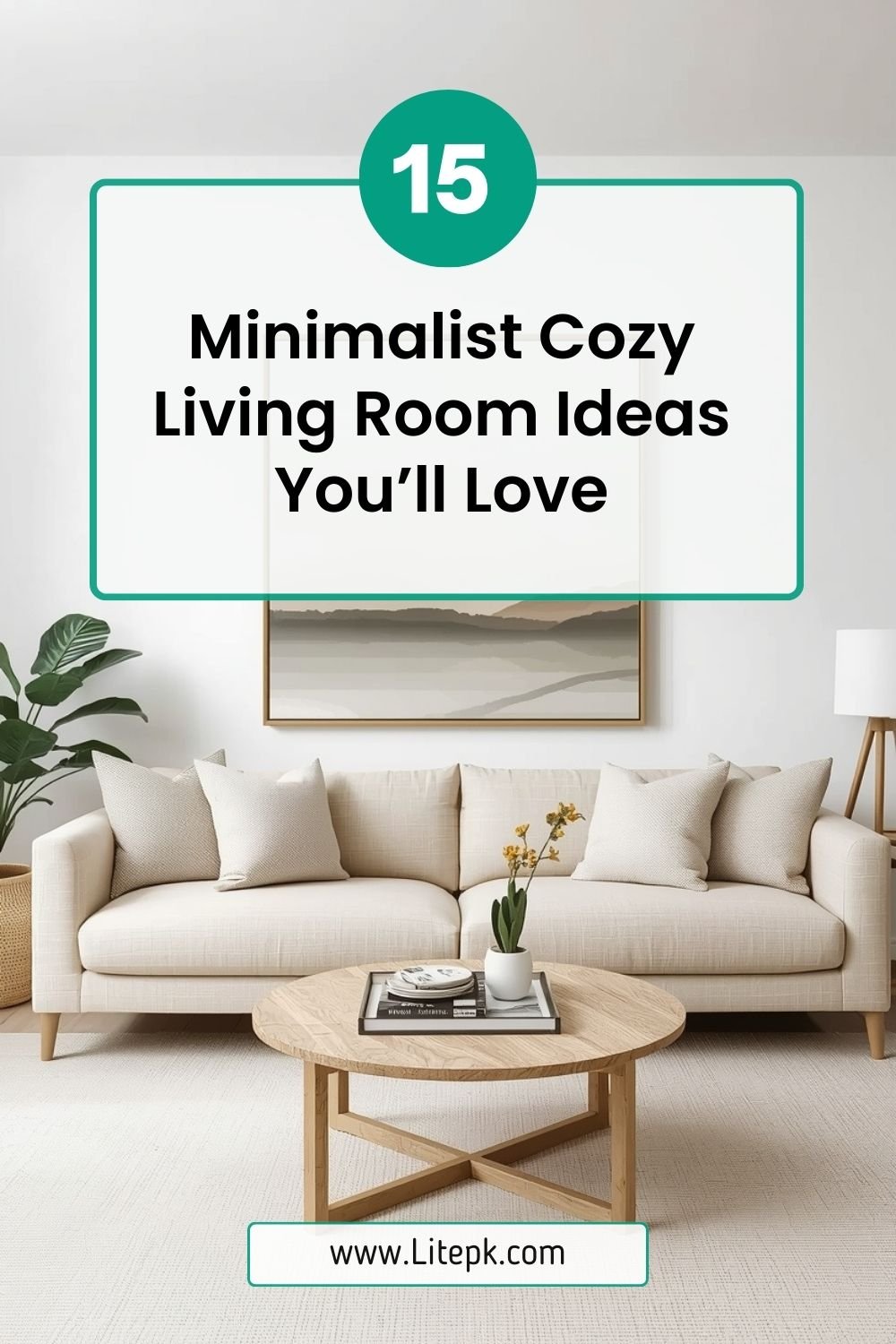
Intentional minimalism is a defining aspect of current Living Room Trends. Designers are moving away from over-decorated spaces in favor of fewer, well-chosen items that serve a purpose. This approach creates clarity and visual calm while allowing each piece to stand out.
Minimal styling does not mean bare or cold. Instead, it focuses on balance and thoughtful placement. A few sculptural objects, carefully selected books, or meaningful artwork can make a stronger impact than many small accessories. Designers emphasize editing rather than adding, ensuring the living room feels curated and personal rather than cluttered.
8. Multifunctional Living Room Layouts
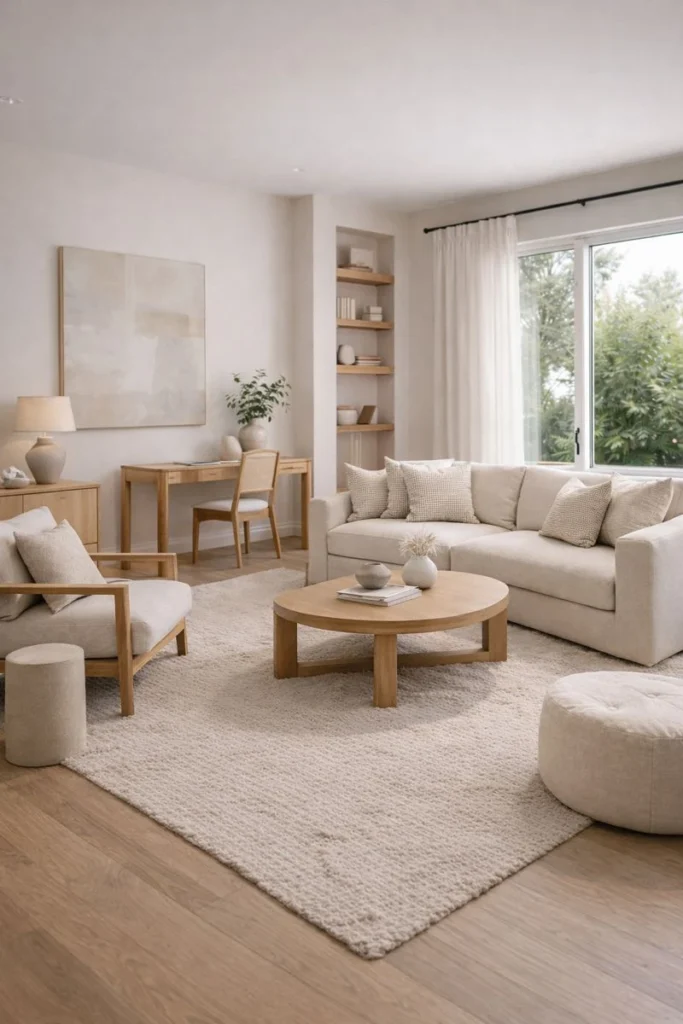
Modern living rooms often serve multiple purposes, making flexibility a key Living Room Trend. Designers create layouts that accommodate lounging, entertaining, working, and relaxing without sacrificing style. Multifunctional furniture and adaptable arrangements allow the space to evolve with daily needs.
Modular seating, movable accent tables, and storage-integrated furniture enhance usability. Designers also focus on zoning, using rugs or lighting to define different functions within one room. This trend reflects real lifestyles, where living rooms must be both practical and beautiful. Thoughtful planning ensures the space remains organized and comfortable regardless of use.
9. Art That Feels Personal and Curated
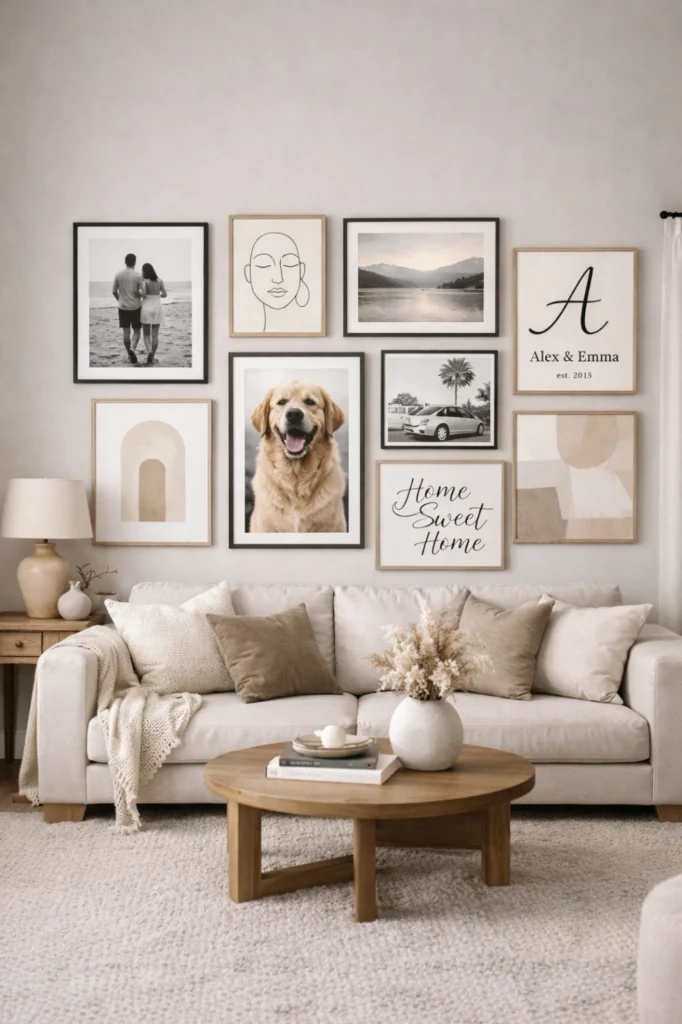
Artwork plays a significant role in shaping Living Room Trends, with designers favoring pieces that feel personal rather than purely decorative. Art should reflect taste, emotion, and story while complementing the overall design.
Large-scale art is often used to anchor a space, while smaller curated collections add intimacy. Designers recommend choosing artwork with calming color palettes or meaningful themes to enhance the room’s atmosphere. Frames and placement should feel intentional, contributing to a cohesive look. This trend emphasizes authenticity, ensuring living rooms feel unique and lived-in rather than staged.
10. Soft, Layered Lighting Plans

Layered lighting is essential in Living Room Trends because it enhances mood and functionality. Designers avoid relying on a single light source, instead combining overhead lighting, table lamps, floor lamps, and accent lights.
Soft, warm lighting creates a cozy ambiance and allows flexibility throughout the day. Dimmable lights are especially valued for their adaptability. Designers carefully position lighting to highlight textures, artwork, and architectural features. This thoughtful approach ensures the living room feels inviting, balanced, and comfortable in any setting.
11. Timeless Design Over Fast Trends
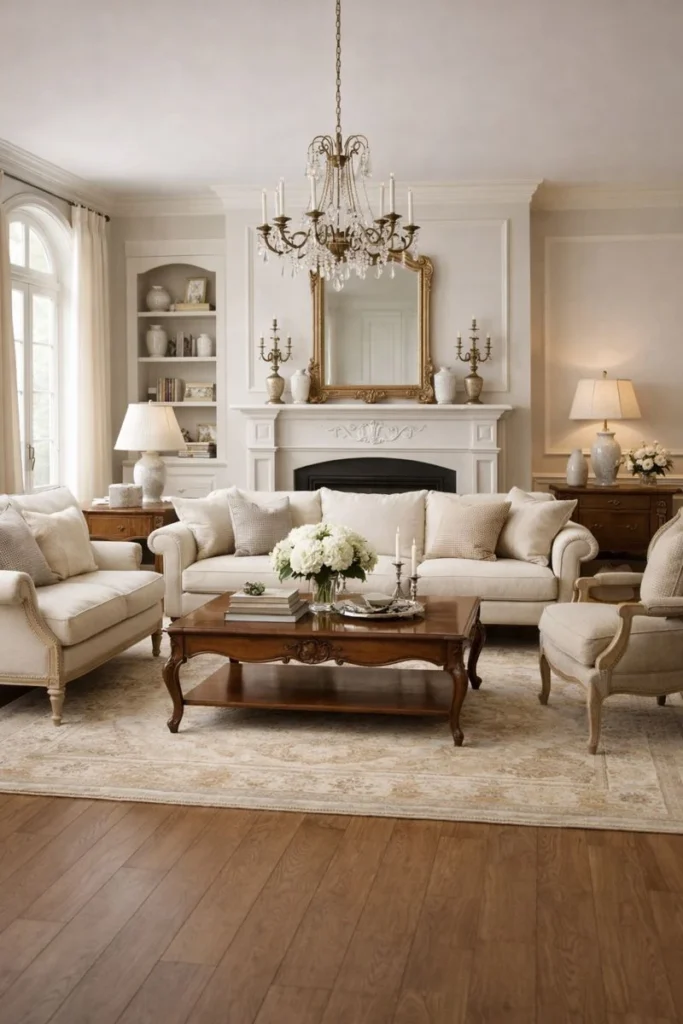
The most important Living Room Trend designers swear by is timelessness. Rather than chasing fleeting styles, designers focus on creating spaces that age gracefully. This means choosing classic silhouettes, neutral foundations, and high-quality materials.
Timeless design allows homeowners to update accents without reinventing the entire space. Designers recommend investing in core pieces such as sofas, rugs, and tables that will remain relevant for years. This trend reflects a shift toward sustainable, long-term thinking in interior design. A timeless living room feels current today and comfortable tomorrow.
Final Thoughts
Living Room Trends designers swear by are rooted in comfort, balance, and intentional design. By focusing on warmth, texture, quality materials, and thoughtful layouts, these trends create living rooms that feel stylish yet deeply livable. Rather than following fleeting fads, these ideas prioritize longevity and emotional comfort, making them reliable choices for any home.