16 Layered Lighting Living Room Ideas That Change Everything
Lighting is not just about visibility — it defines how a space feels, flows, and functions. A well-designed layered lighting living room can completely transform your home, turning an ordinary area into a warm, inviting, and visually dynamic environment.
If your living room feels flat, dull, or uninspired, the problem is often not the furniture — it’s the lighting. By mastering layered lighting techniques, you can add depth, highlight architectural details, and create mood shifts that elevate your entire space.
1. Combine Ambient, Task, and Accent Lighting
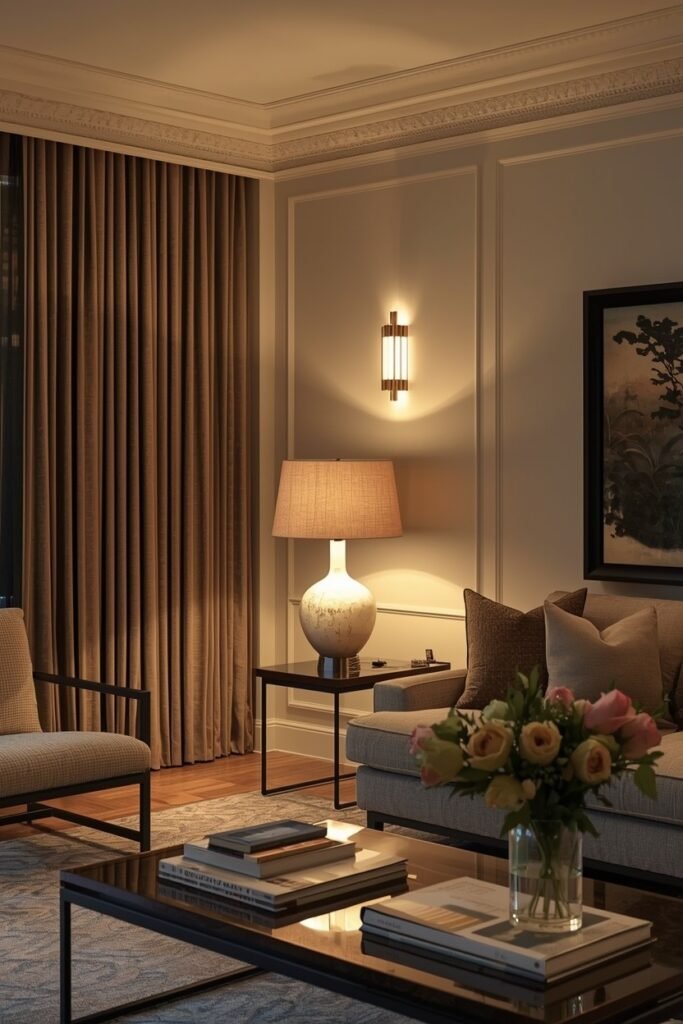
A successful layered lighting living room always starts with three essential lighting types: ambient, task, and accent lighting. Ambient lighting provides overall illumination, while task lighting supports activities like reading, and accent lighting highlights design features. Combining these layers ensures your space feels balanced rather than overly bright or dim.
In a sculptural decorating approach, each light source should act as a design element. Think of your floor lamp as a vertical sculpture, your table lamp as a soft focal point, and your ceiling fixture as a structural anchor. This layered combination adds dimension and enhances both functionality and aesthetics.
2. Use a Statement Ceiling Fixture as the Anchor
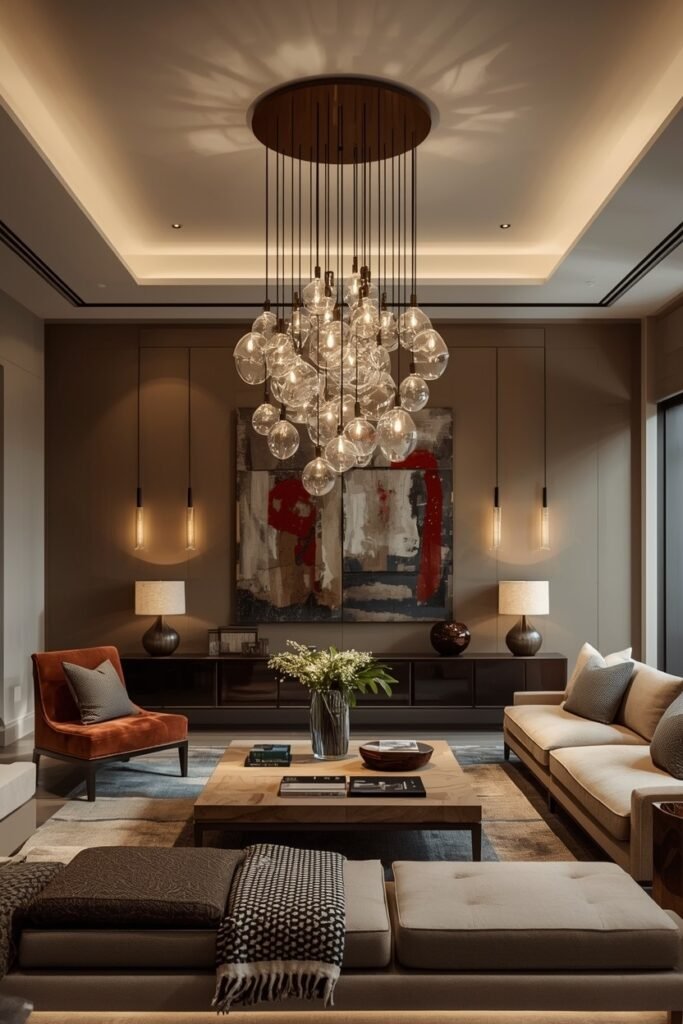
Your ceiling fixture should act as the central sculptural element of your layered lighting living room. Whether it’s a chandelier, pendant cluster, or geometric installation, this piece sets the tone for the entire space.
Instead of choosing something purely functional, opt for a bold design that adds character. A statement fixture creates visual gravity, allowing other lighting elements to orbit around it harmoniously, reinforcing the layered lighting concept.
3. Add Sculptural Floor Lamps for Vertical Depth
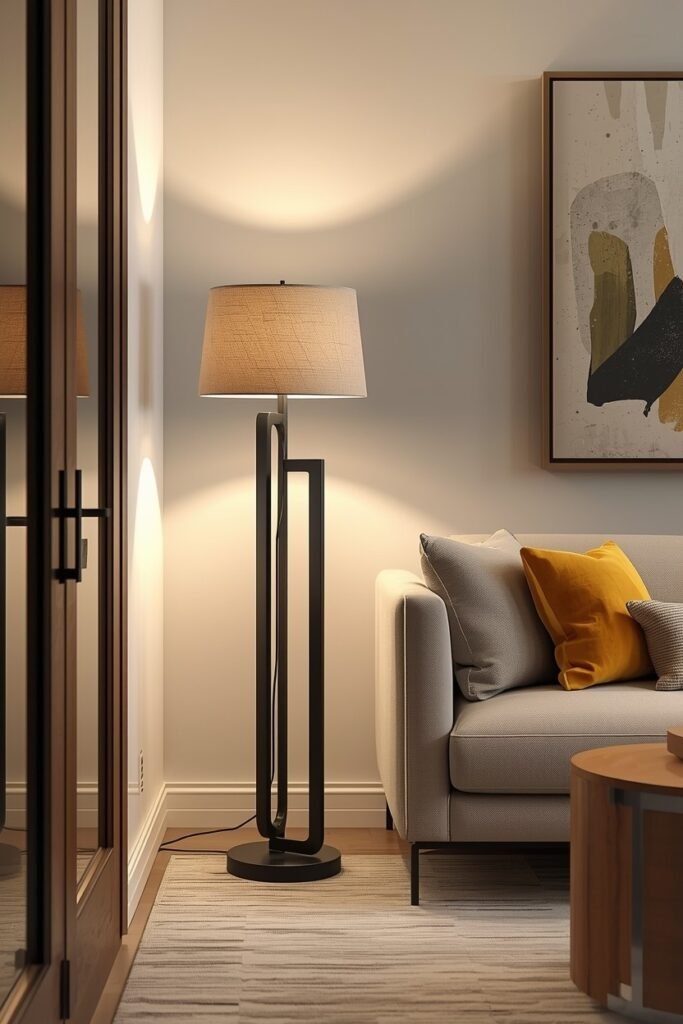
Floor lamps are essential for introducing vertical layering. They draw the eye upward, creating height and balance within your living room. A sculptural floor lamp doubles as decor while providing soft task lighting.
Choose designs with unique shapes, curves, or materials to align with DIY sculptural decorating principles. Position them strategically near seating areas to create cozy reading zones and enhance spatial layering.
4. Incorporate Table Lamps for Soft Illumination
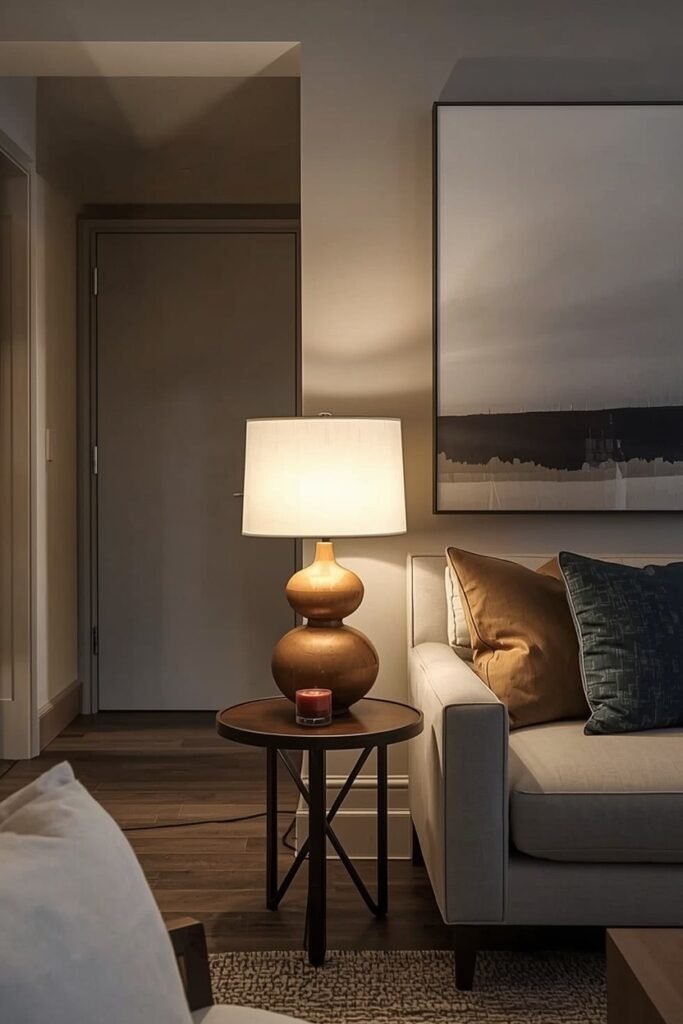
Table lamps are key contributors to mid-level lighting layers. They provide soft illumination that reduces harsh contrasts and adds warmth to your living room.
Place them on side tables, consoles, or shelves to create pockets of light. In a layered lighting living room, table lamps help connect upper and lower lighting elements, ensuring smooth visual transitions across the space.
5. Highlight Artwork with Accent Lighting
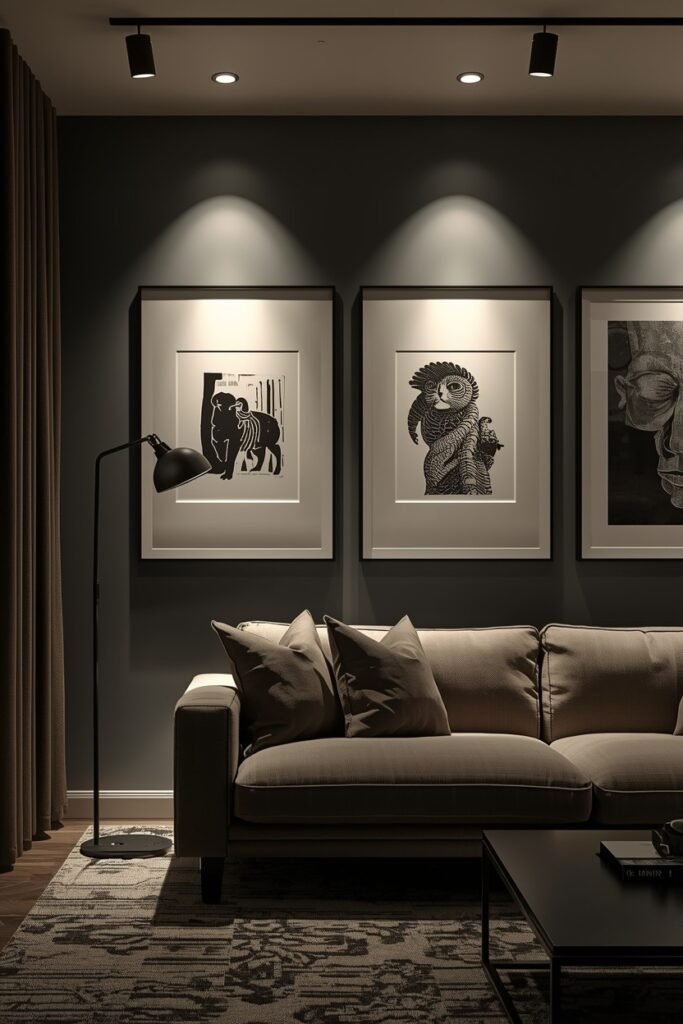
Accent lighting allows you to emphasize specific features like artwork, textures, or architectural elements. This adds depth and creates focal points in your living room.
Use picture lights, spotlights, or directional LEDs to illuminate art pieces. This technique enhances visual storytelling and aligns perfectly with sculptural decorating by turning walls into curated galleries.
6. Install Wall Sconces for Balanced Layers
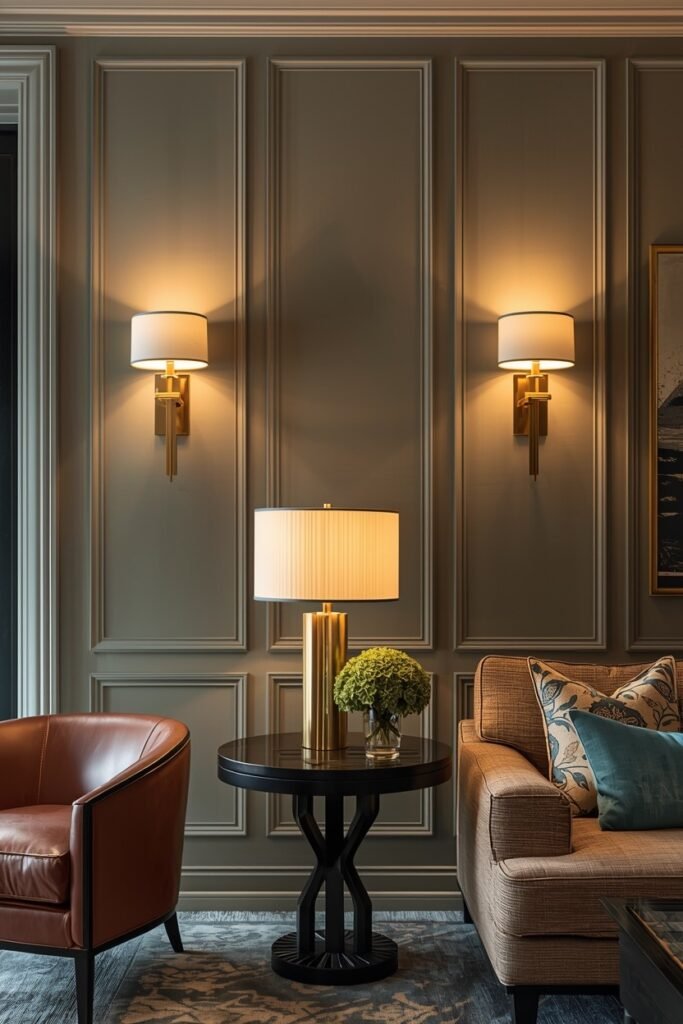
Wall sconces provide both functional and decorative lighting. They fill gaps between ceiling and floor lighting, ensuring your layered lighting living room feels cohesive.
Choose sculptural sconces with interesting forms to maintain the artistic theme. They can frame seating areas or highlight architectural features while adding symmetry and elegance.
7. Use LED Strip Lighting for Subtle Glow
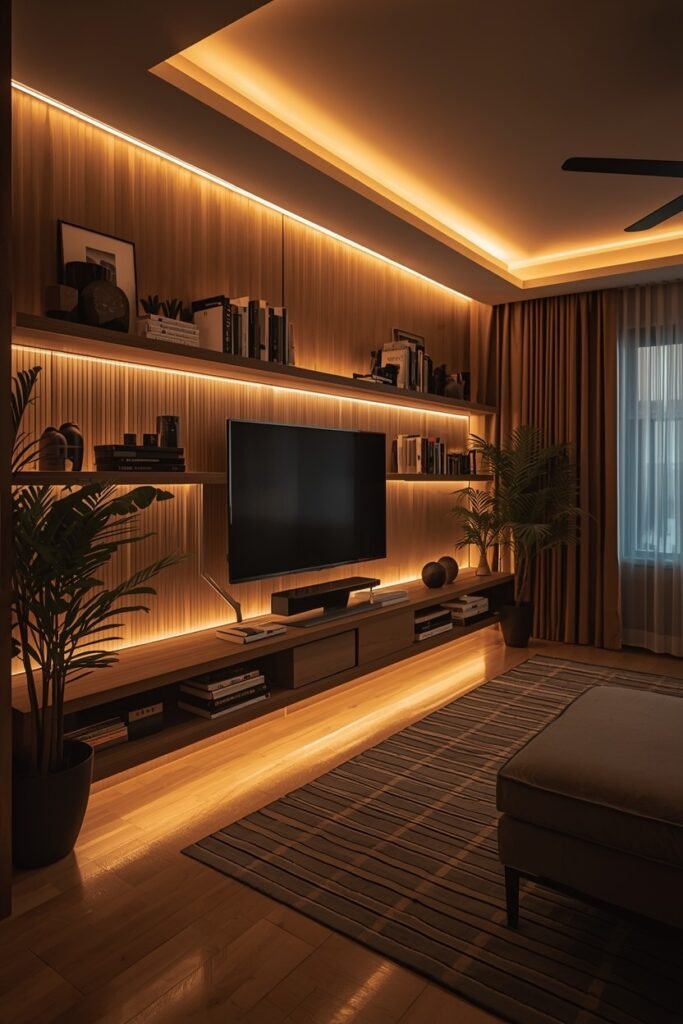
LED strip lighting is perfect for adding hidden layers of illumination. It can be installed under shelves, behind furniture, or along ceilings to create a soft ambient glow.
This indirect lighting enhances depth without overwhelming the space. It also contributes to a futuristic yet cozy atmosphere, ideal for modern layered lighting living room designs.
8. Layer Lighting Around the TV Area
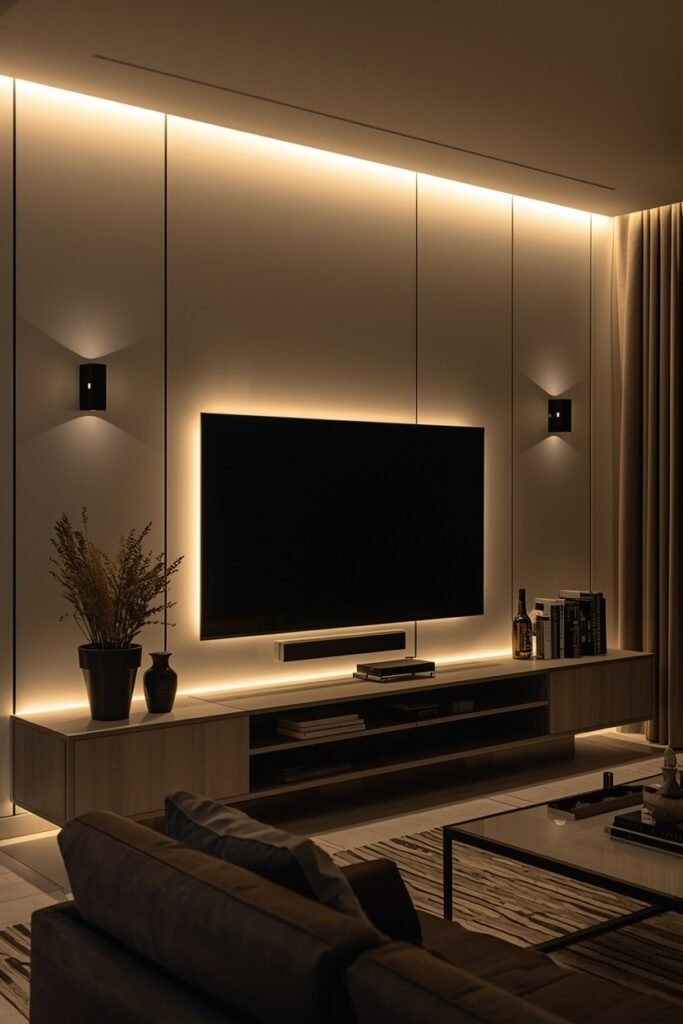
The TV wall often becomes a focal point, so it should be thoughtfully lit. Avoid harsh overhead lighting and instead use soft backlighting or wall-mounted lights.
This reduces eye strain and enhances the viewing experience. A well-lit TV area integrates seamlessly into your layered lighting living room without disrupting the overall ambiance.
9. Incorporate Dimmers for Flexibility
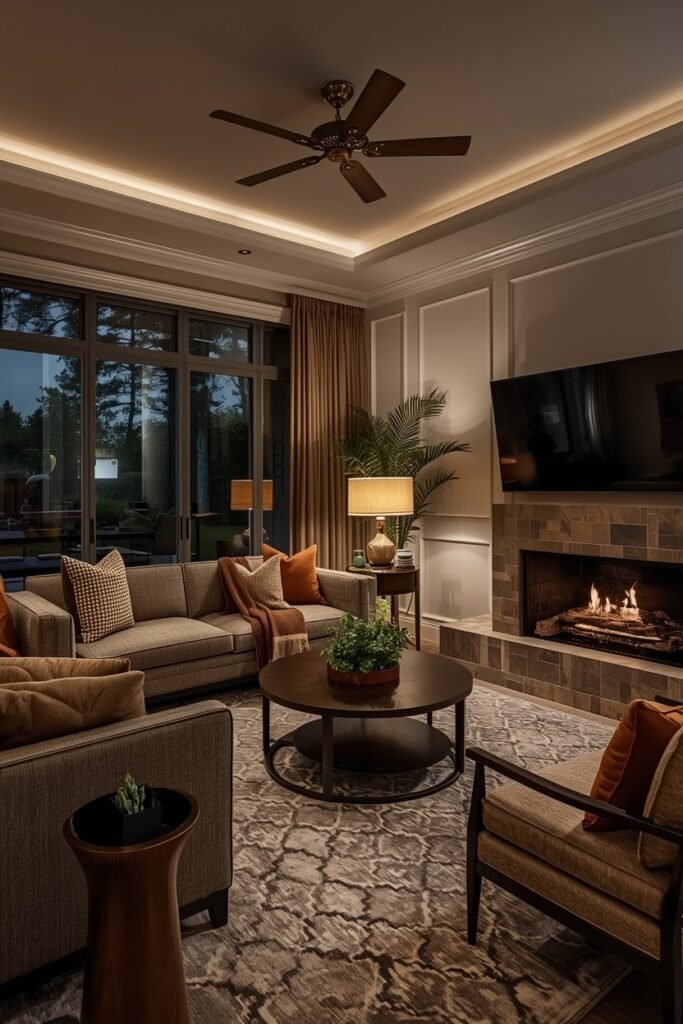
Dimmers are essential for controlling lighting intensity. They allow you to adjust brightness based on mood, time of day, or activity.
In a layered lighting living room, dimmers help blend different lighting sources seamlessly. This flexibility ensures your space can transition from bright and functional to soft and relaxing effortlessly.
10. Use Natural Light as the First Layer
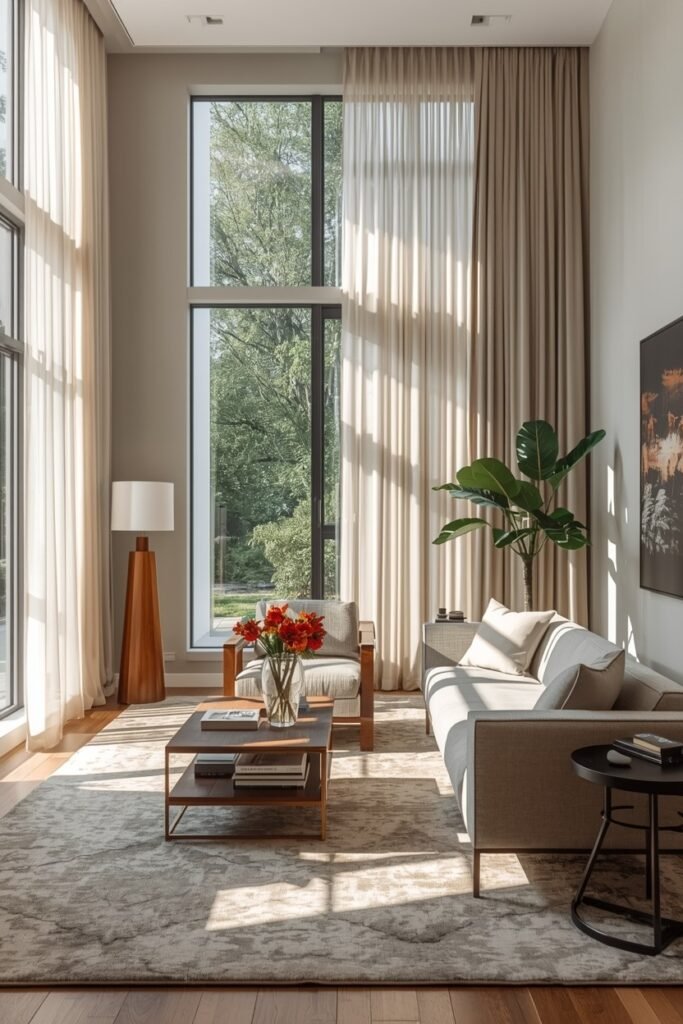
Natural light should always be considered the foundation of your lighting design. Large windows, sheer curtains, and reflective surfaces help maximize daylight.
Layer artificial lighting around natural light to maintain balance throughout the day. This approach creates a dynamic and energy-efficient layered lighting living room.
11. Add Pendant Lights for Visual Interest
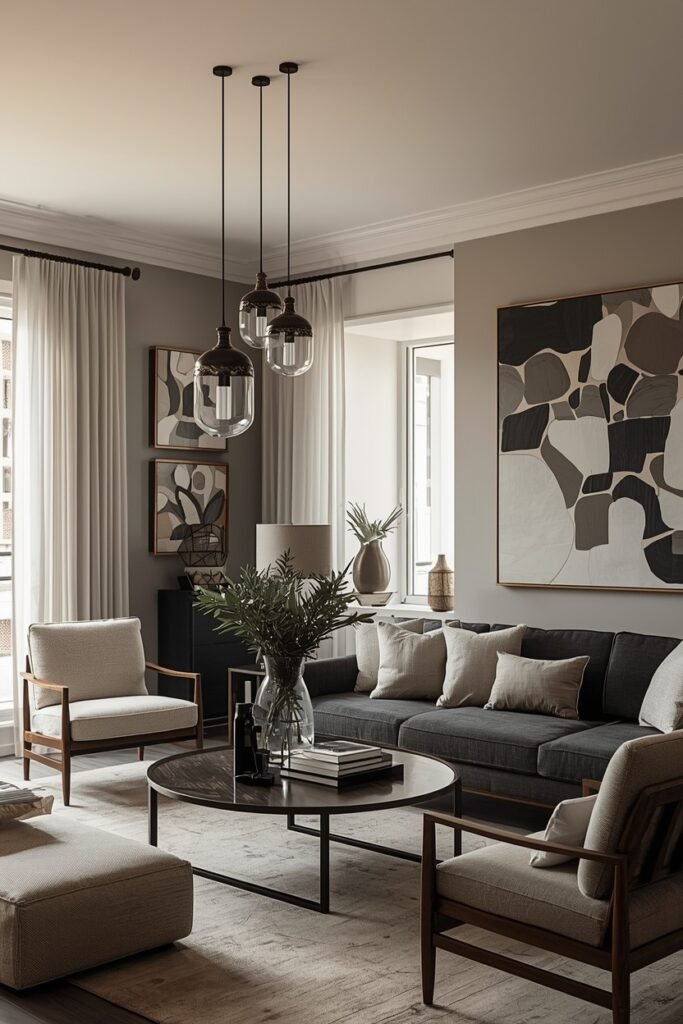
Pendant lights add both function and style. They can be used in clusters or as standalone pieces to create visual interest.
Their suspended design introduces another dimension to your lighting layers. Choose sculptural shapes to enhance the artistic appeal of your living room.
12. Create Cozy Corners with Task Lighting
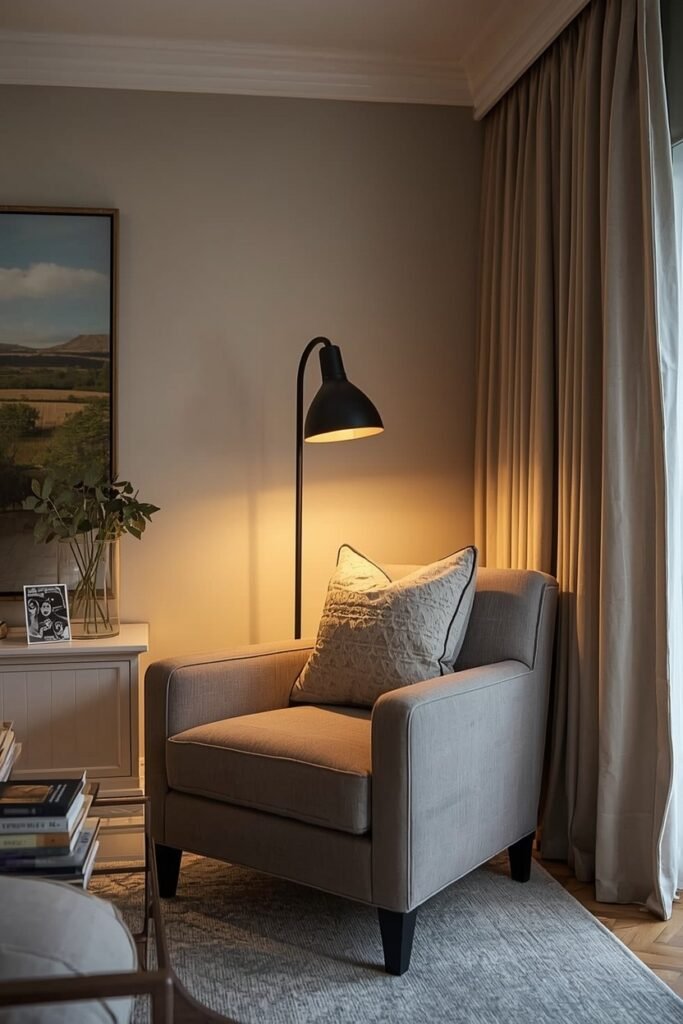
Task lighting helps define specific zones within your living room. Reading corners, work areas, or relaxation spots benefit from focused illumination.
Use adjustable lamps or directional lights to create functional yet stylish zones. This adds both practicality and depth to your layered lighting design.
13. Highlight Architectural Features
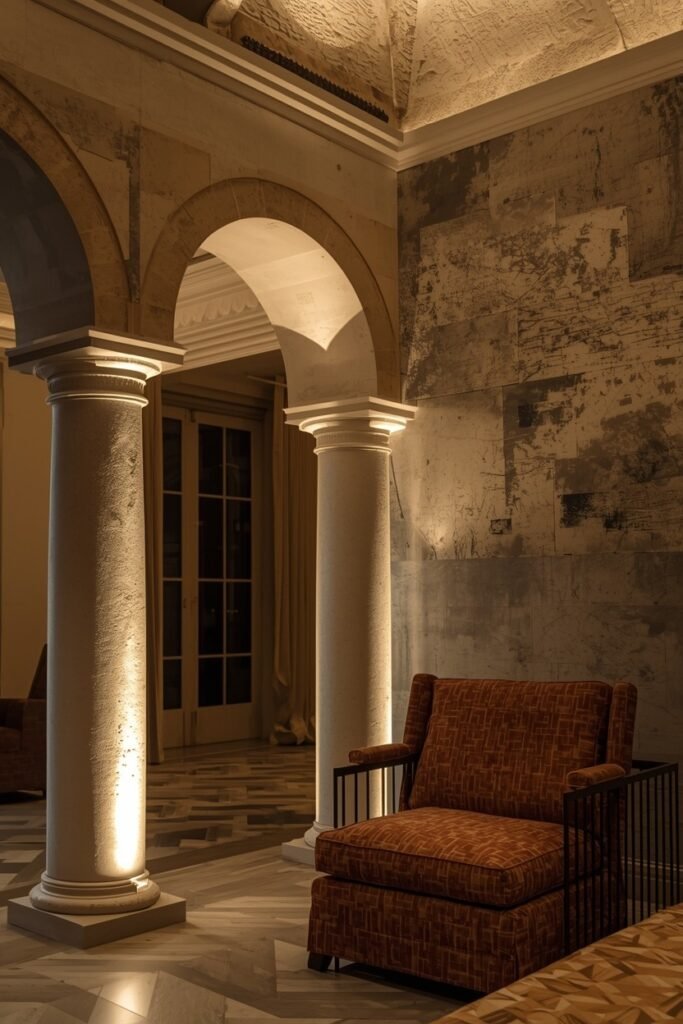
Use lighting to emphasize unique architectural elements such as columns, textured walls, or ceiling details.
This technique enhances depth and adds a dramatic effect. It also reinforces the sculptural decorating approach by treating the room itself as a work of art.
14. Mix Warm and Cool Lighting Tones
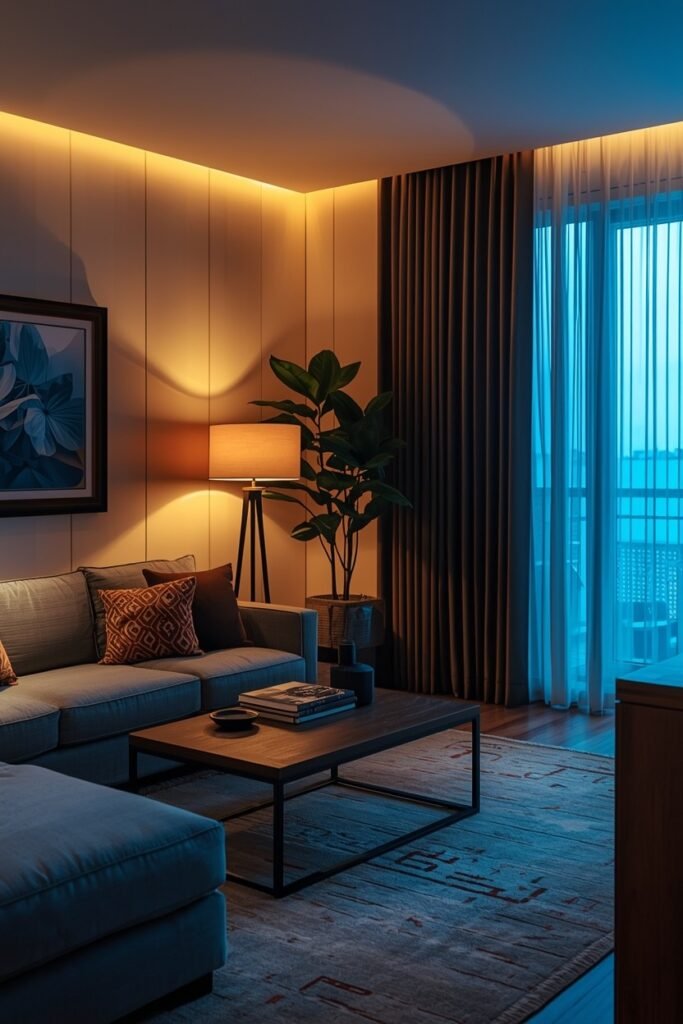
Combining different color temperatures adds complexity and richness to your lighting design. Warm lights create comfort, while cool lights add clarity.
Balance these tones carefully to avoid visual conflict. This layered approach enhances both functionality and mood.
15. Use Reflective Surfaces to Amplify Light
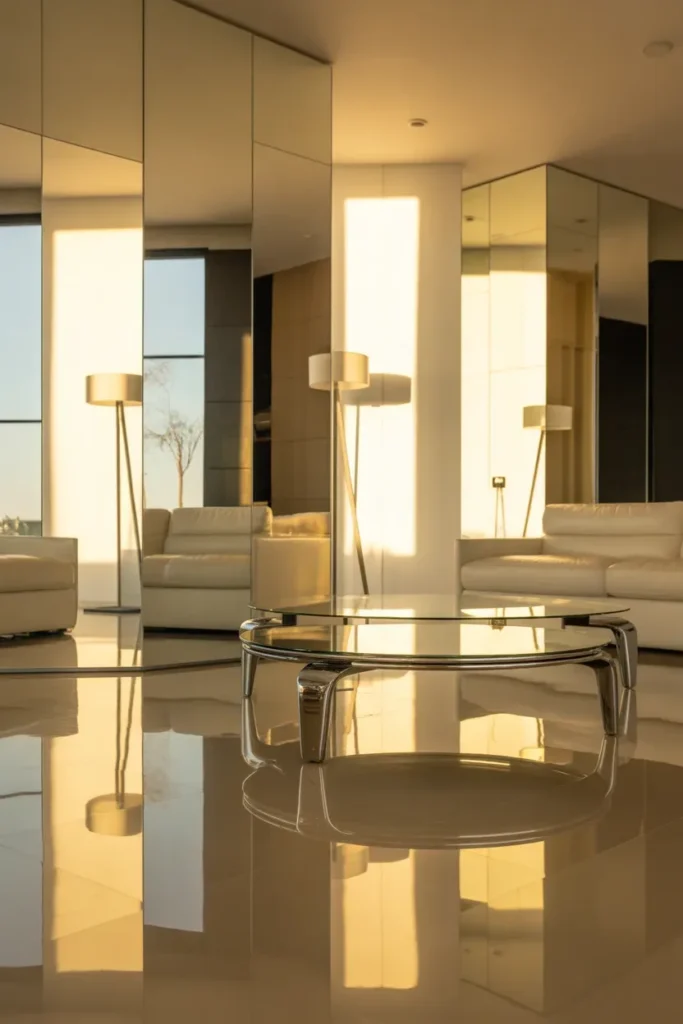
Mirrors, glass, and metallic finishes can amplify light and make your space feel brighter and larger.
Position lighting strategically to reflect off these surfaces. This enhances the layered lighting effect and adds a sense of openness.
16. Keep Lighting Fixtures as Sculptural Elements
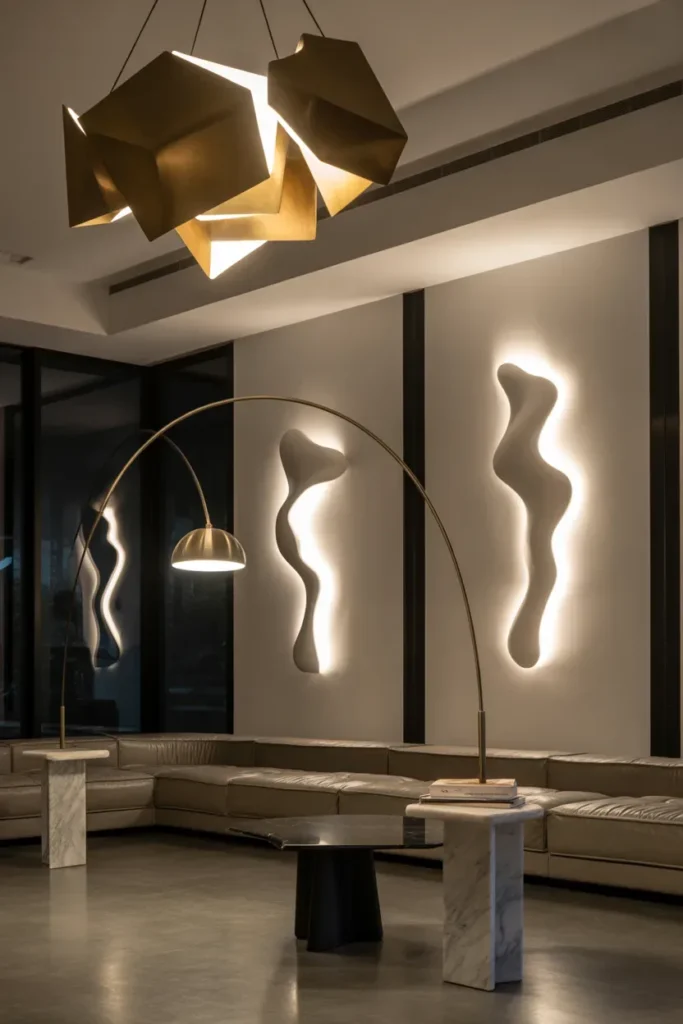
Every lighting fixture should contribute to the overall design. Treat them as sculptural decor pieces rather than just functional items.
This approach ensures your layered lighting living room feels cohesive and artistic. Each light source becomes part of a curated visual composition.
Final Thoughts
Designing a layered lighting living room is not about adding more lights — it’s about creating intentional layers that work together to shape atmosphere, function, and visual depth. When done right, lighting becomes an invisible architecture that supports how your space looks and feels throughout the day.
By combining ambient, task, and accent lighting with sculptural elements, you move beyond basic illumination into a more curated, design-forward approach. Each light source should serve a purpose while also contributing to the overall aesthetic, reinforcing the principles of DIY sculptural decorating.
The real transformation happens when flexibility meets creativity. With dimmers, varied light heights, and thoughtful placement, your living room can shift from bright and energizing to soft and relaxing in seconds. This adaptability is what truly defines a successful layered lighting living room.
Ultimately, lighting is one of the most powerful tools in interior design — yet it’s often overlooked. By applying these layered lighting ideas, you’re not just improving visibility; you’re elevating your entire living experience.