11 Dining Room Trends Designers Love Right Now
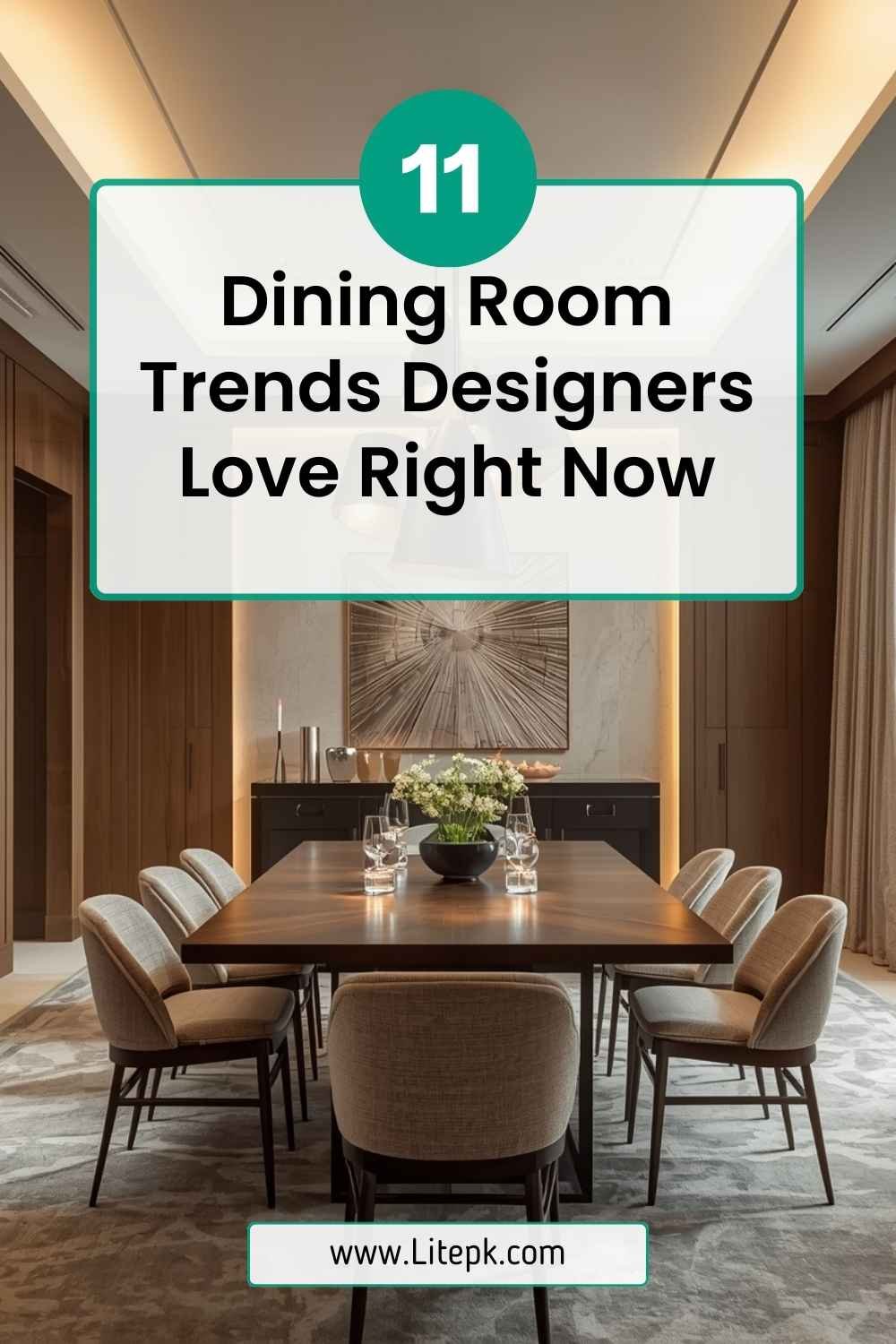
Dining rooms are no longer just formal spaces reserved for special occasions. Today, they are multifunctional hubs where families gather, friends connect, and everyday moments turn into lasting memories. As lifestyles evolve, dining room design has become more expressive, more comfortable, and deeply personal.
Designers are now focusing on warmth, flexibility, and character. From furniture choices to lighting and finishes, the modern dining room balances visual impact with real-world usability. The following dining room trends reflect what interior designers are embracing right now, offering inspiration that feels current, livable, and timeless all at once.
1. Warm Wood Tones Making a Strong Comeback
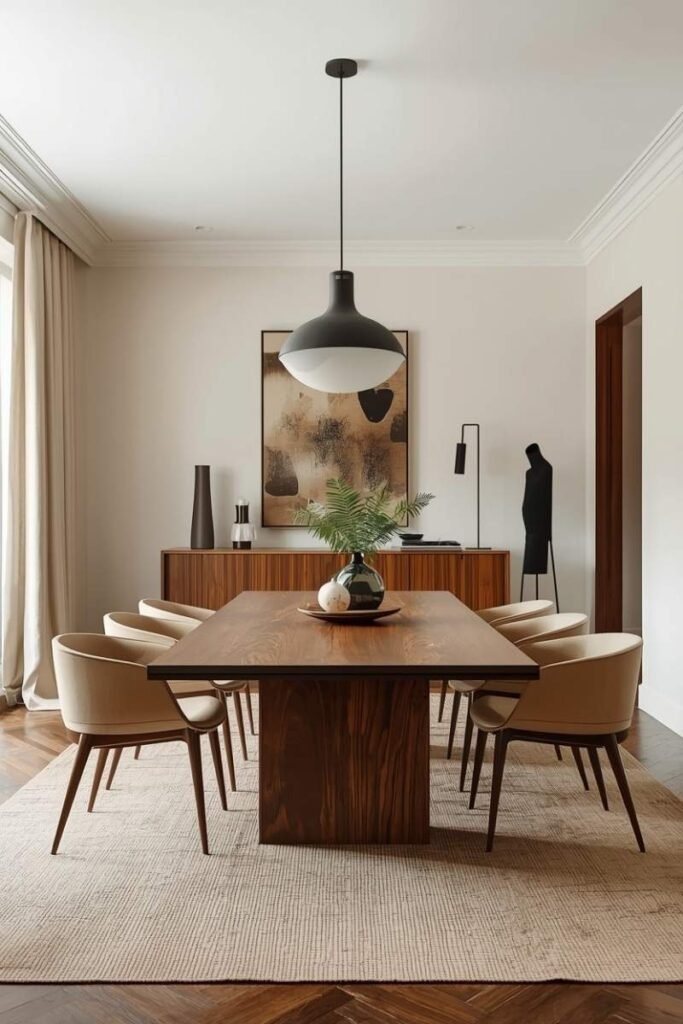
Designers are moving away from cool, gray finishes and embracing warm wood tones in dining rooms. Oak, walnut, and ash are leading the way, offering rich undertones that instantly make the space feel welcoming. These woods bring a sense of craftsmanship and authenticity that works beautifully in both modern and traditional interiors.
In dining rooms, warm wood tables anchor the space and pair effortlessly with upholstered chairs, stone flooring, or textured rugs. Designers often balance darker woods with lighter walls or soft textiles to keep the room from feeling heavy. The result is a dining room that feels grounded, timeless, and naturally elegant.
2. Statement Dining Tables as the Focal Point
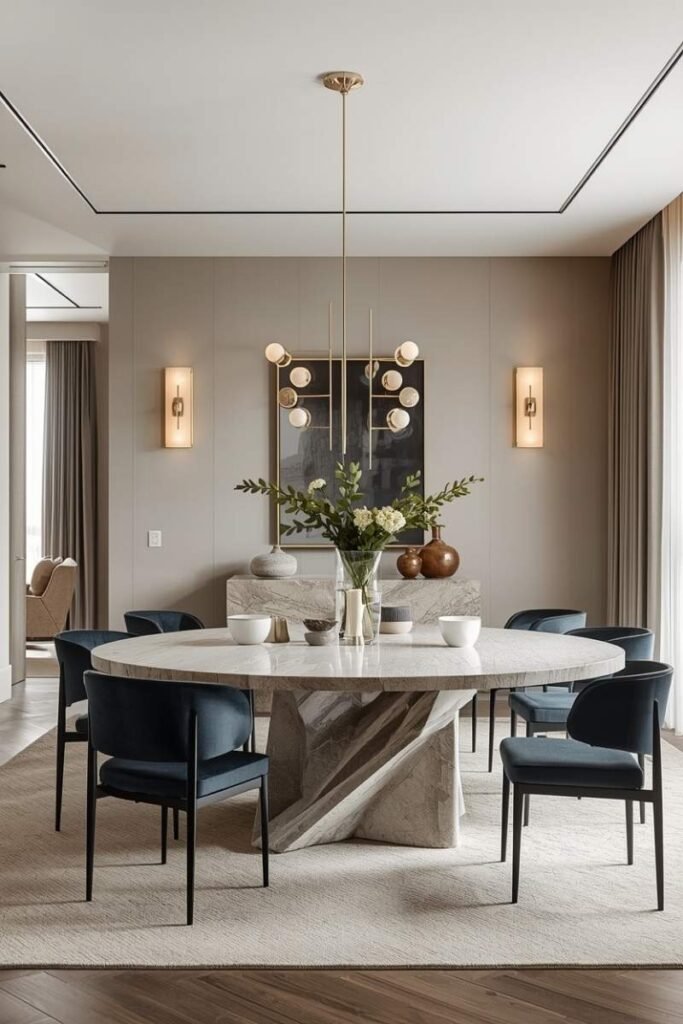
Dining tables are no longer meant to blend into the background. Designers are choosing bold silhouettes, sculptural bases, and oversized proportions that command attention. Whether it’s a thick slab table, an oval pedestal design, or a hand-crafted piece, the table is now the centerpiece of the room.
These statement tables often stand on their own with minimal styling, allowing their material and form to shine. Designers pair them with simpler chairs or subtle lighting to maintain balance. This approach creates a dining room that feels curated rather than crowded, where one standout element defines the entire aesthetic.
3. Mixed Seating for a Collected Look
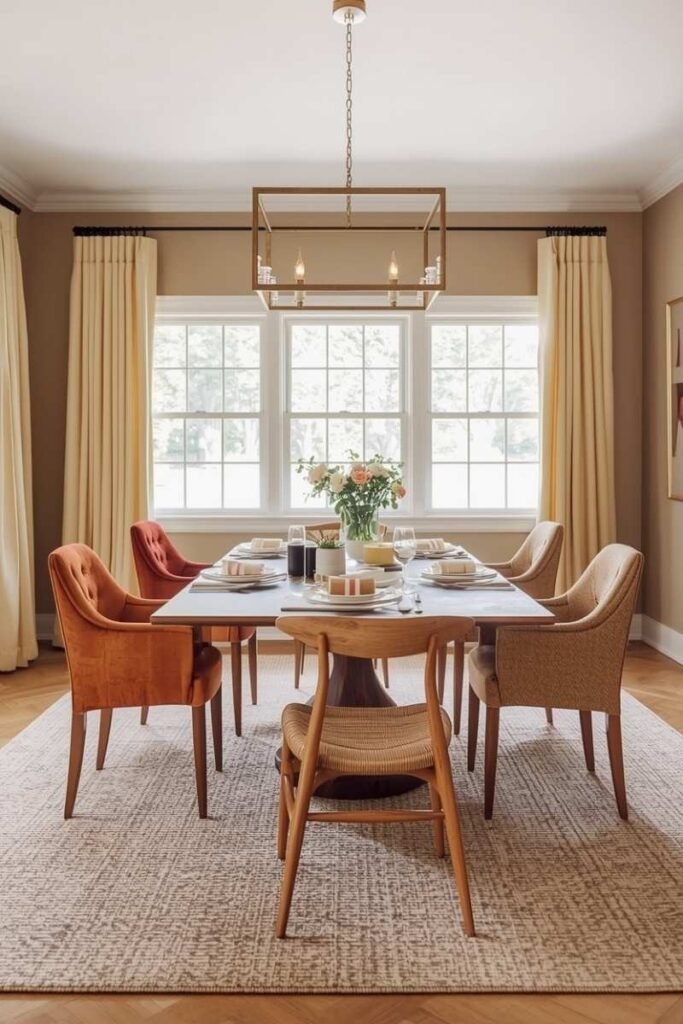
Perfectly matched dining sets are being replaced by more relaxed, mixed seating arrangements. Designers are blending upholstered chairs, wooden side chairs, and even benches to create a dining room that feels curated over time. This approach adds personality and prevents the space from feeling too formal.
Mixed seating also allows for better comfort and flexibility. Armchairs at the head of the table add presence, while lighter side chairs keep the layout visually open. Designers often unify the look through a consistent color palette or material choice, ensuring the space feels intentional rather than mismatched.
4. Earthy and Nature-Inspired Color Palettes
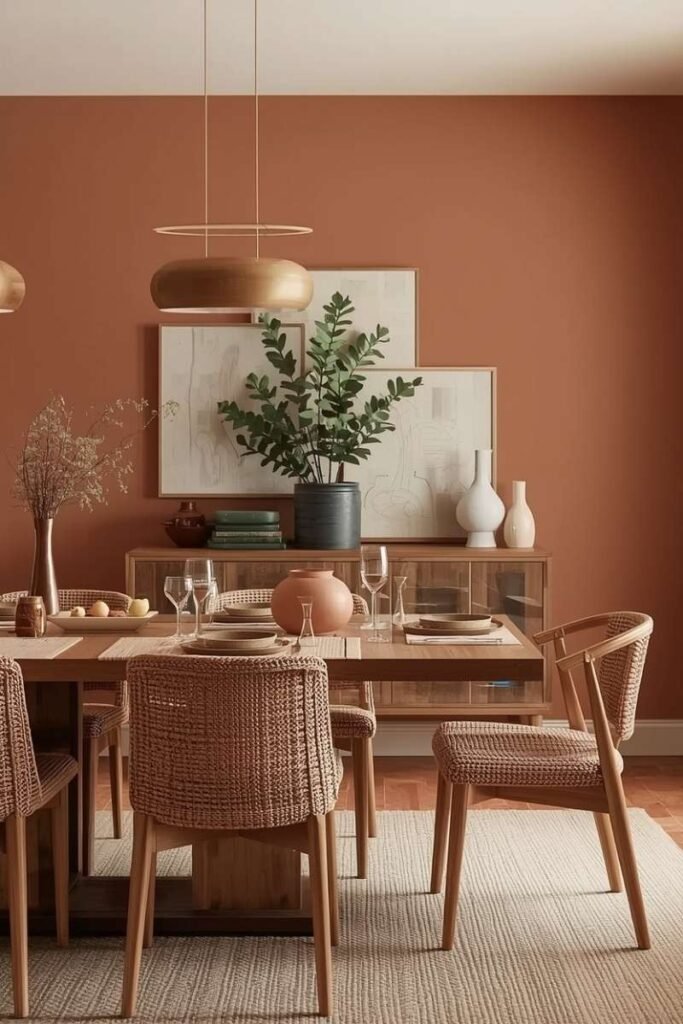
Dining room color trends are shifting toward earthy, grounded tones inspired by nature. Shades like clay, olive, sand, terracotta, and muted browns are replacing stark whites and cool grays. These colors create a calming environment that encourages longer, more relaxed meals.
Designers often layer these tones through wall paint, textiles, and accessories rather than relying on a single bold color. The result is depth without overwhelming the space. Earthy palettes also pair beautifully with wood furniture, stone surfaces, and soft lighting, reinforcing a sense of warmth and connection to nature.
5. Sculptural Lighting Over the Dining Table
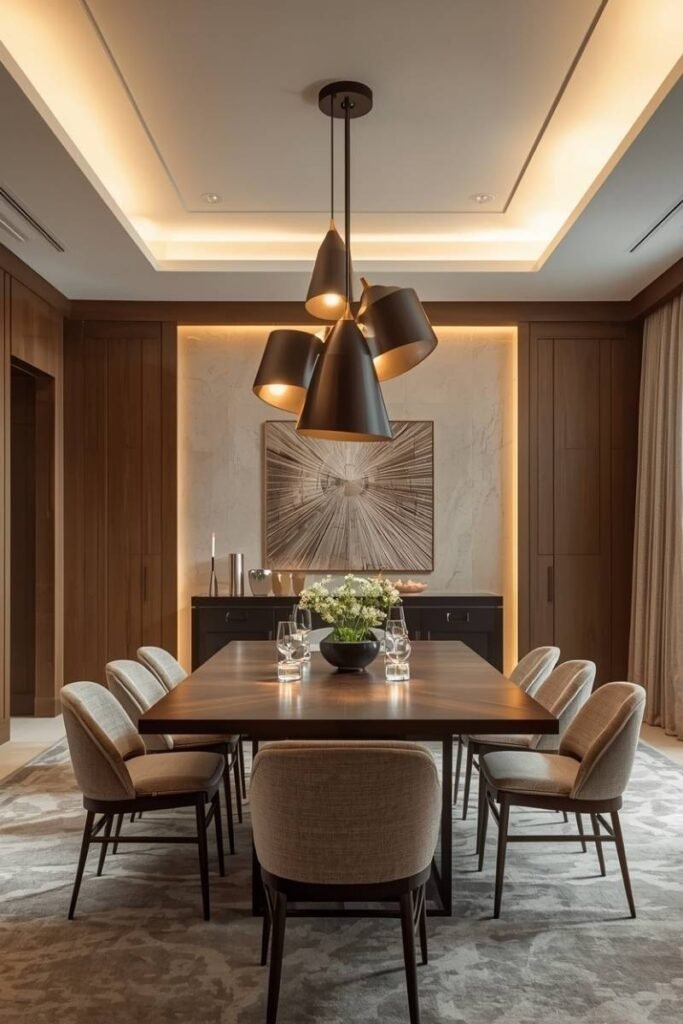
Lighting has become a defining feature in dining room design. Designers are choosing sculptural pendants and chandeliers that act as functional art. These fixtures add drama, define the dining zone, and elevate the entire room without requiring additional decor.
The key is scale and placement. Oversized lighting works best when hung low over the table, creating intimacy while maintaining visual balance. Designers often choose warm lighting temperatures to enhance the mood and highlight materials like wood and stone, making the dining experience feel more inviting.
6. Textured Walls and Architectural Details
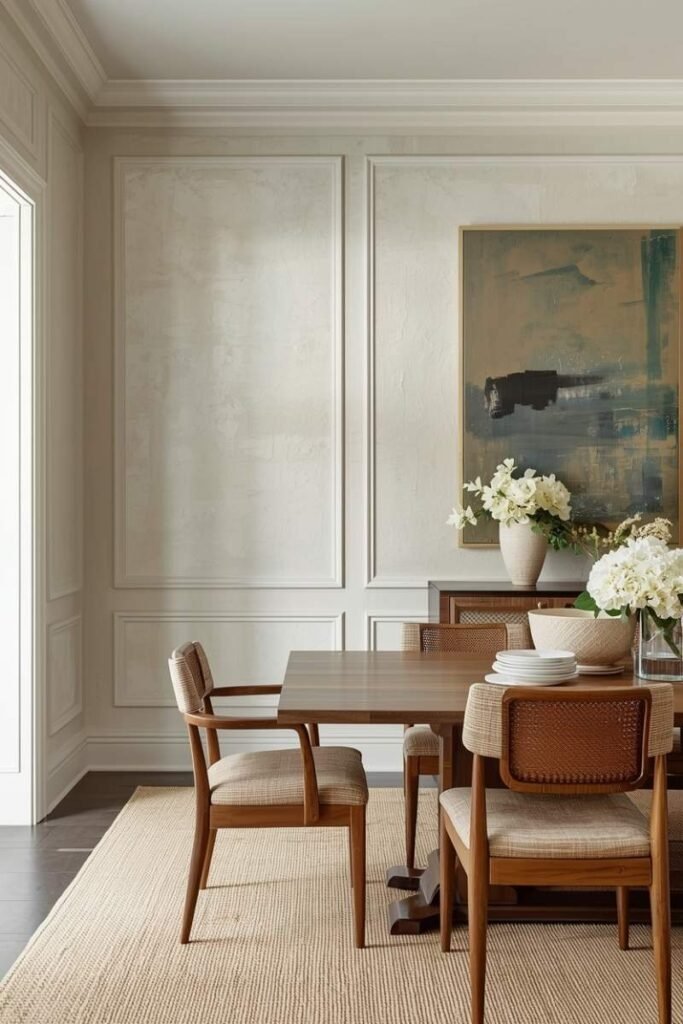
Flat, plain walls are being replaced by textured finishes and subtle architectural details. Designers are incorporating paneling, limewash paint, plaster finishes, and decorative molding to add depth to dining rooms. These elements create visual interest without overpowering the space.
Textured walls work particularly well in dining rooms because they catch light differently throughout the day. Whether paired with minimalist furniture or more traditional pieces, architectural details give the room a finished, thoughtful look that feels custom rather than generic.
7. Open-Concept Dining Rooms with Defined Zones
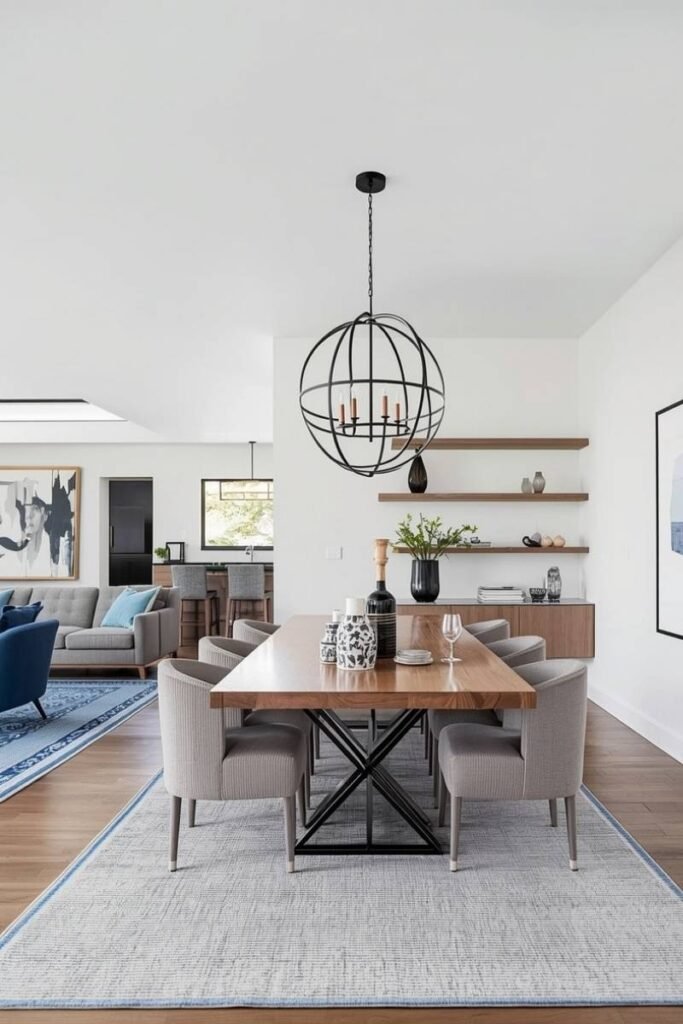
As open-plan living continues to dominate modern homes, designers are finding ways to define dining spaces without closing them off. Rugs, lighting, and furniture placement are used strategically to create a clear dining zone within larger layouts.
This trend allows dining rooms to feel connected yet purposeful. Designers often use area rugs under the table or distinctive lighting overhead to visually anchor the space. The result is a dining area that feels intentional while maintaining a seamless flow with kitchens and living rooms.
8. Comfort-First Dining Chairs
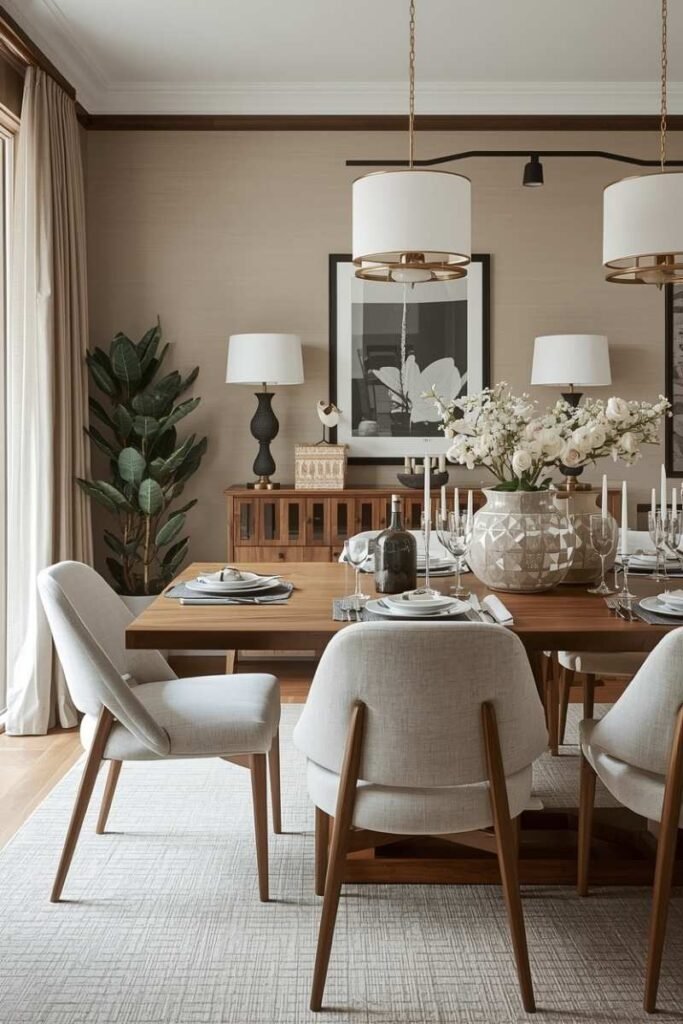
Comfort has become a top priority in dining room design. Designers are choosing chairs with padded seats, curved backs, and supportive proportions that encourage guests to linger. Dining rooms are no longer just about aesthetics; they must support long conversations and relaxed gatherings.
Upholstered dining chairs in performance fabrics are especially popular, offering durability without sacrificing style. Designers often select neutral fabrics that complement the room while allowing the table or lighting to stand out. This trend makes dining rooms feel more like living spaces than formal showrooms.
9. Minimal Styling with Maximum Impact
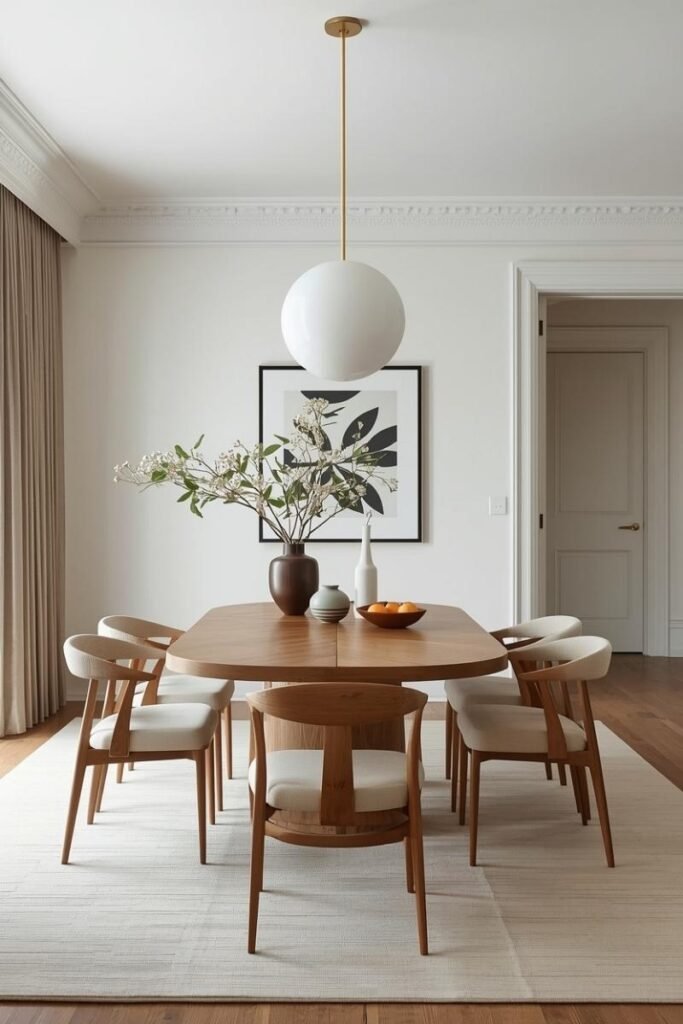
Dining room styling has shifted toward restraint. Designers are opting for fewer accessories with greater visual impact. A single statement centerpiece, a sculptural vase, or a curated artwork can define the space more effectively than cluttered decor.
This minimalist approach keeps dining rooms feeling calm and versatile. It also allows architectural features, furniture, and lighting to take center stage. By reducing visual noise, designers create spaces that feel refined, intentional, and easy to maintain.
10. Natural Materials and Organic Finishes
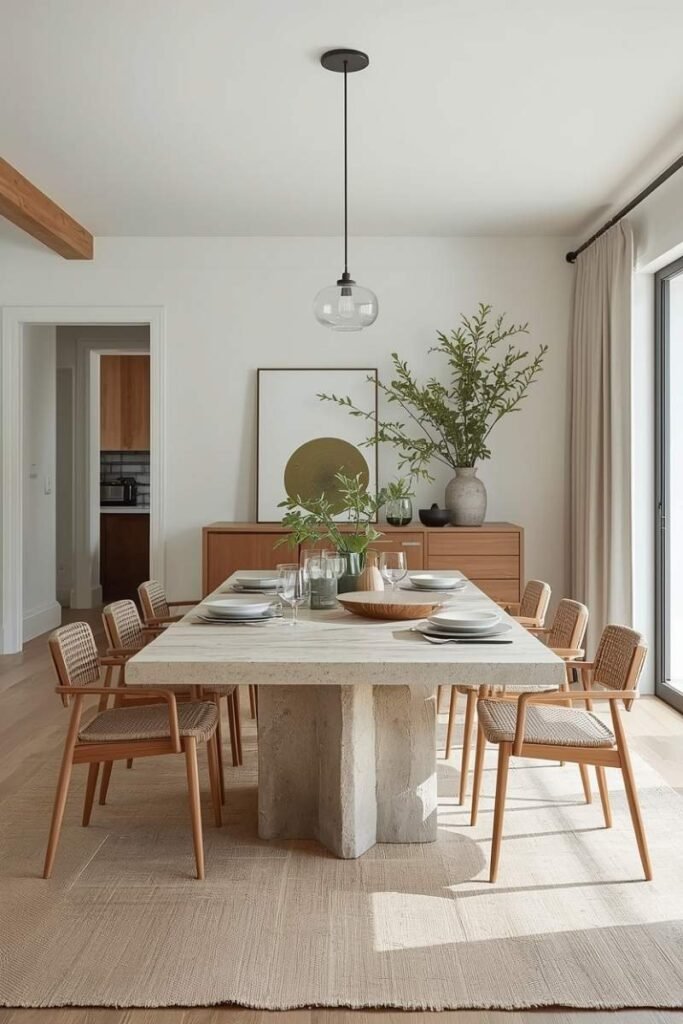
Natural materials continue to dominate dining room trends. Stone, linen, wool, leather, and unfinished wood are being layered to create tactile, visually rich spaces. Designers favor materials that show natural variation, adding character and warmth.
Organic finishes help dining rooms feel less rigid and more inviting. Whether through a stone tabletop, woven chairs, or linen table runners, these materials introduce softness and authenticity. The emphasis is on quality and craftsmanship rather than overly polished perfection.
11. Personal Art and Meaningful Decor
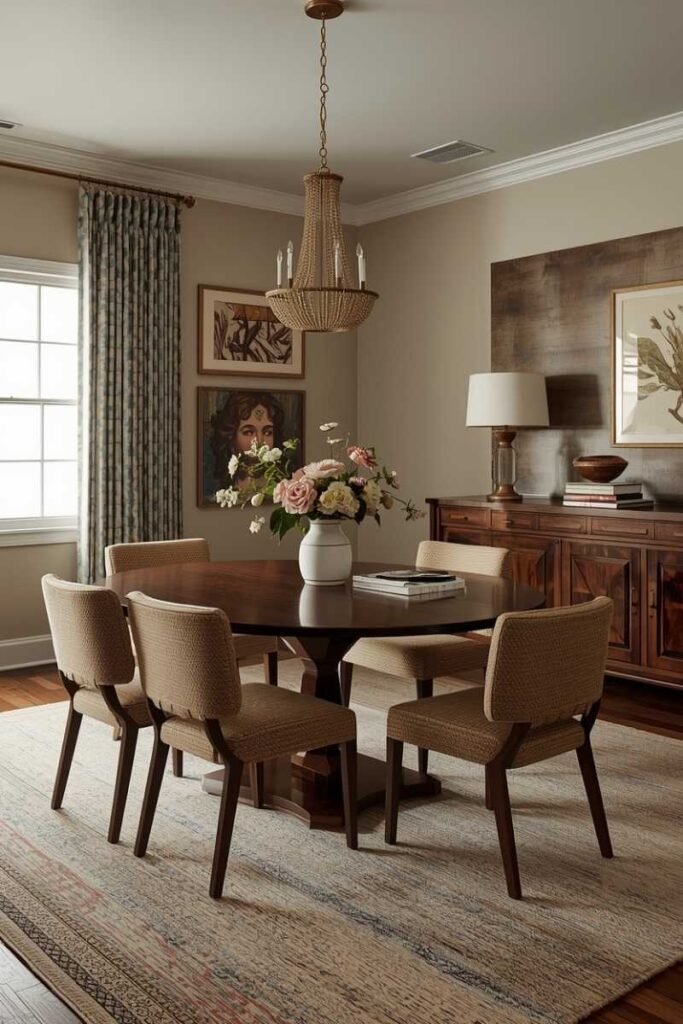
Designers are encouraging homeowners to personalize their dining rooms with meaningful art and decor. Instead of generic prints, curated artwork, family heirlooms, or travel finds bring depth and individuality to the space.
This trend reflects a broader shift toward storytelling in interior design. Dining rooms become more than just functional areas; they become reflections of personal history and taste. Designers often balance personal items with neutral backdrops to ensure the space remains cohesive and visually calm.
How to Apply These Dining Room Trends in Real Homes
While trends provide inspiration, designers stress the importance of adapting them to real-life needs. Room size, lifestyle, and existing architecture should guide every decision. A trend works best when it enhances functionality rather than competing with it.
Homeowners are encouraged to start with one or two key changes, such as upgrading lighting or investing in a new dining table. Over time, layering textures, color, and personal touches can transform the dining room without overwhelming the space or budget.
Dining Room Trends That Will Stand the Test of Time
Designers agree that the most successful dining room trends share a common thread: timelessness. Warm materials, comfortable seating, and thoughtful lighting will remain relevant long after seasonal trends fade. These choices create dining rooms that feel welcoming year after year.
By focusing on quality over quantity and personalization over perfection, homeowners can design dining rooms that evolve naturally. Trends should serve as guidance, not strict rules, allowing spaces to grow with the people who use them.
Frequently Asked Questions About Dining Room Trends
What is the most popular dining room trend right now?
Warm wood furniture, sculptural lighting, and earthy color palettes are currently leading dining room design trends.
Are formal dining rooms still in style?
Formal dining rooms are becoming more relaxed, with designers favoring comfort and versatility over rigid layouts.
How can I update my dining room without a full renovation?
Updating lighting, changing dining chairs, or adding textured walls are effective ways to refresh a dining room without major construction.
Do dining rooms need to match the rest of the house?
Designers recommend maintaining a cohesive palette while allowing the dining room to have its own character through furniture and decor.
Final Thoughts on Dining Room Trends
Dining room design today is about balance. It blends style with comfort, trends with timelessness, and beauty with function. The dining room is no longer a static space; it is a living, evolving part of the home that reflects how people gather and connect.
By embracing these dining room trends thoughtfully, homeowners can create spaces that feel current yet enduring. Whether through bold furniture choices or subtle material shifts, the modern dining room is designed to be lived in, loved, and shared.