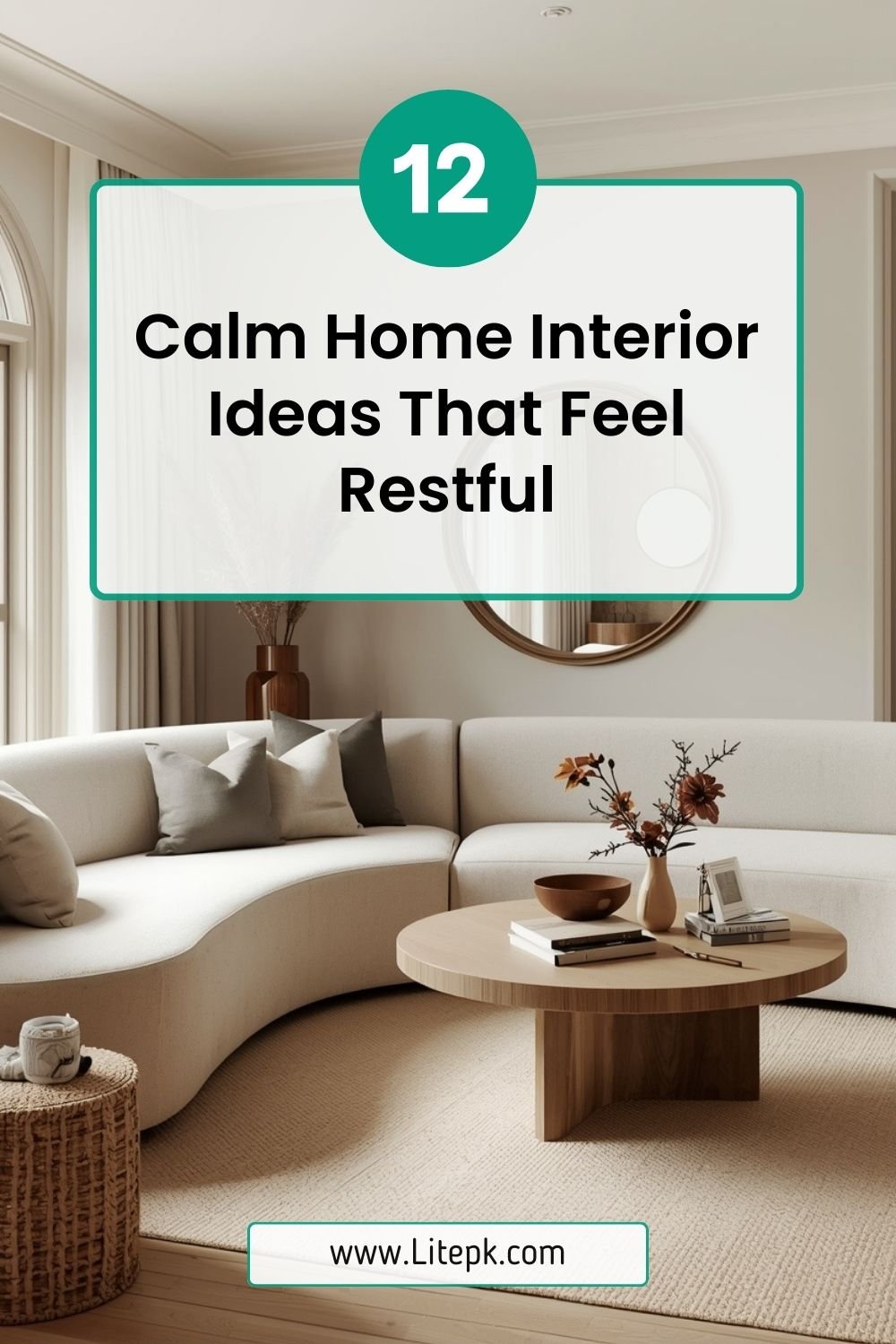
12 Calm Home Interior Ideas That Feel Restful
A calm home is more than a design trend — it’s a lifestyle choice that supports emotional well-being, mental clarity, and everyday comfort. Thoughtfully designed interiors can transform even the busiest households into peaceful retreats that feel restorative and grounding.
If you want your home to feel like a sanctuary from noise, stress, and visual chaos, the right design decisions make all the difference. These calm home interior ideas will help you create soothing spaces that nurture relaxation while maintaining timeless style and modern functionality.
1. Neutral Layered Color Palettes
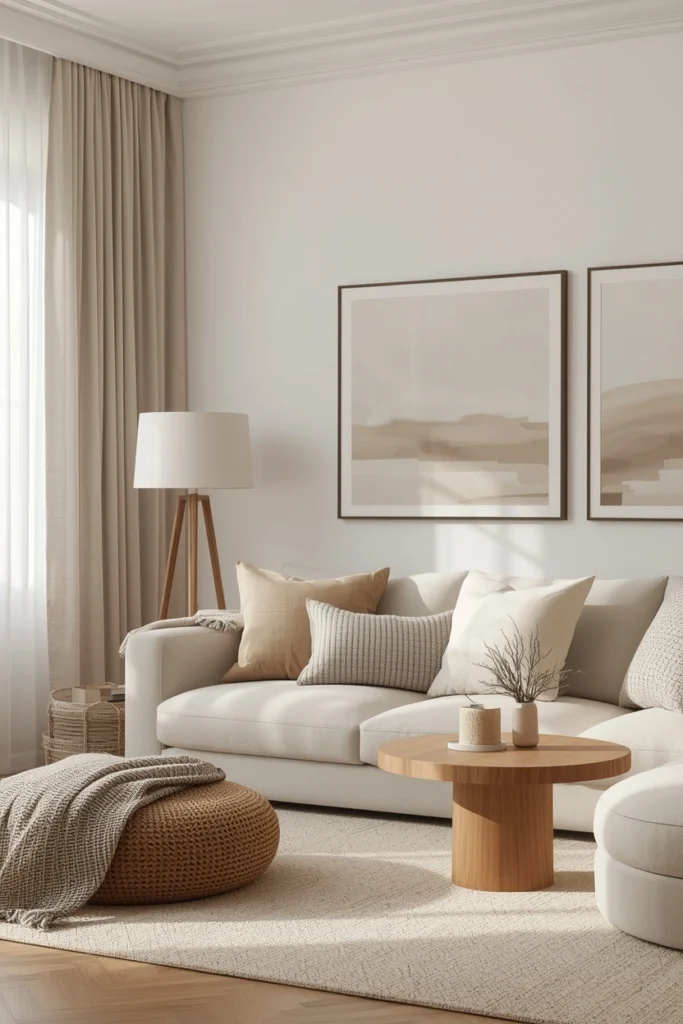
One of the most powerful calm home interior ideas is the use of soft, layered neutral color palettes. Shades like warm beige, soft taupe, creamy whites, and muted greys create a visual environment that feels grounded and serene. These tones reduce visual clutter and help the mind relax, making them ideal for bedrooms, living rooms, and reading corners. Instead of stark minimalism, layering different neutral tones adds warmth and depth, ensuring the space feels welcoming rather than cold.
To achieve a restful neutral palette, combine matte finishes with subtle texture variations. Linen curtains, wool rugs, plaster walls, and oak wood accents can bring tactile richness without overwhelming the senses. The goal is to create harmony where no single color dominates. This balanced approach allows natural light to flow gently across surfaces, enhancing the calm atmosphere while maintaining understated elegance.
2. Soft Natural Lighting Design
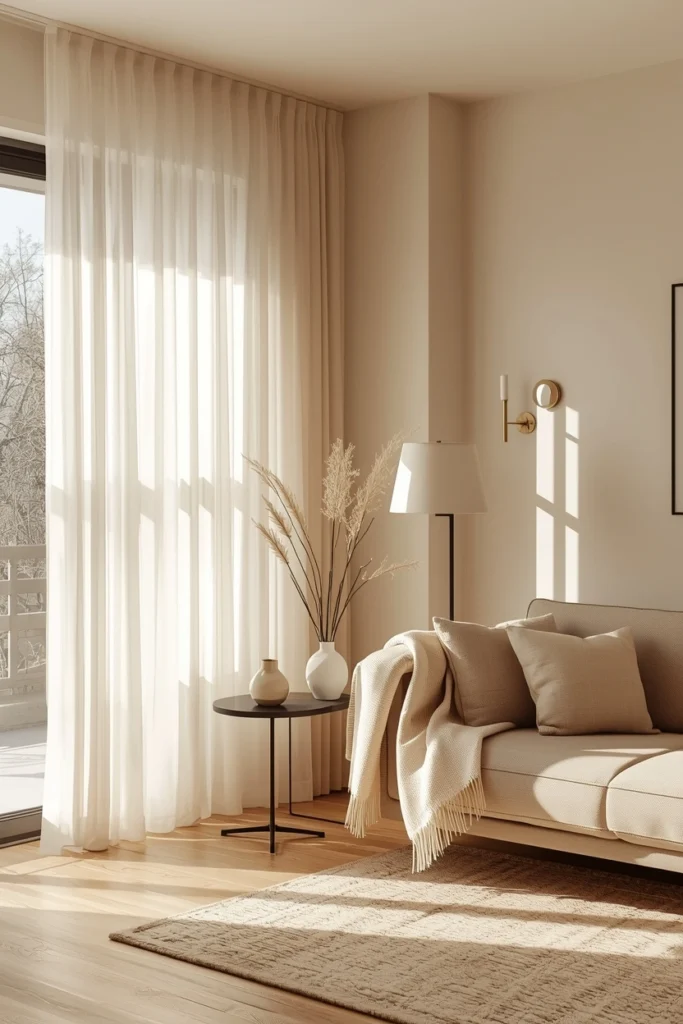
Lighting plays a defining role in creating a restful environment. Harsh overhead lights can disrupt the calming mood of a space, while soft natural lighting enhances emotional comfort. Incorporating sheer curtains, light-diffusing window treatments, and strategically placed mirrors allows daylight to move fluidly through the room. This approach not only makes spaces feel larger but also promotes a gentle ambiance that supports relaxation.
In the evening, layered lighting with warm temperature bulbs maintains the soothing effect. Table lamps, wall sconces, and sculptural floor lamps can create pockets of glow rather than a single bright source. The key is to mimic natural light patterns, ensuring that illumination feels organic and subtle. Thoughtful lighting design is one of the most effective calm home interior ideas for achieving a peaceful living experience.
3. Organic Textures and Materials
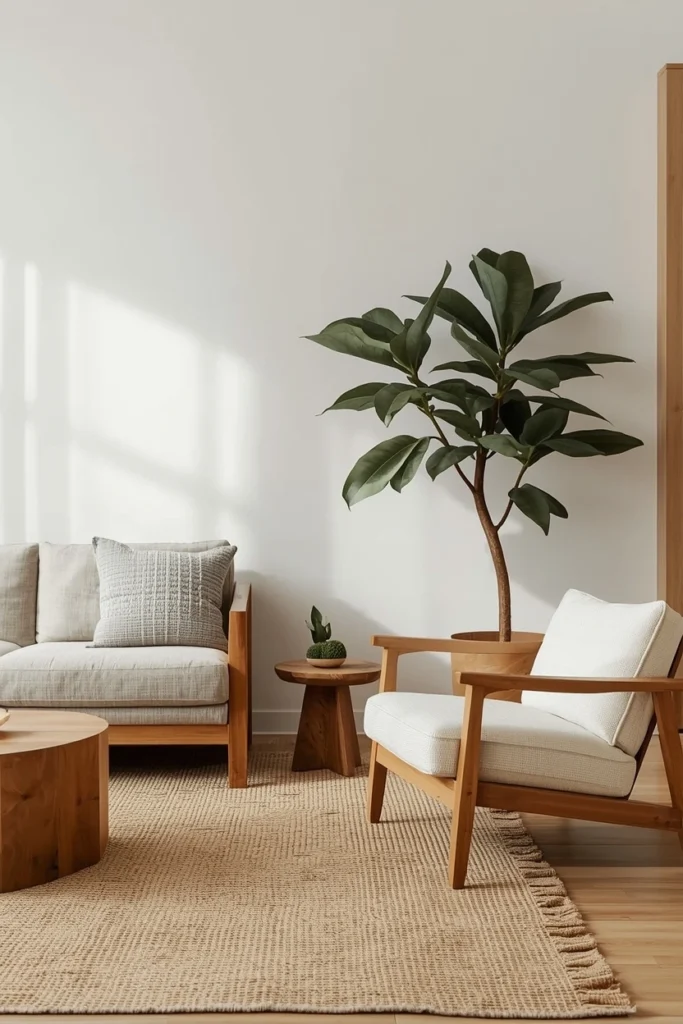
Introducing organic textures helps create sensory comfort within the home. Materials such as raw wood, stone, clay, linen, and woven fibers provide tactile warmth that artificial surfaces cannot replicate. These natural elements connect indoor environments with the outside world, reinforcing a sense of grounded tranquility. A wooden dining table with visible grain or a handwoven rug can subtly anchor the room in authenticity.
Combining multiple textures adds visual softness without clutter. For instance, pairing a boucle armchair with a smooth plaster wall and a jute rug creates balance between softness and structure. Organic materials age gracefully, which contributes to a timeless calm interior rather than a trend-driven look. This design approach ensures the space continues to feel restful and inviting over time.
4. Minimal Yet Meaningful Decor
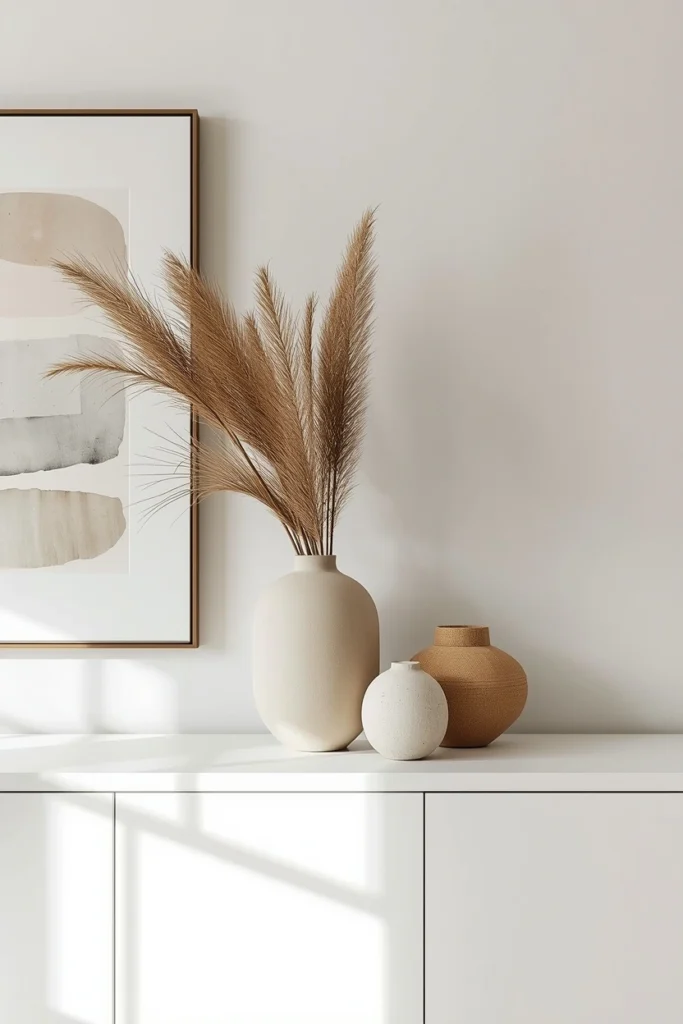
Calm interiors thrive on intentional simplicity. Instead of filling shelves and surfaces with decorative objects, choose fewer pieces that hold personal meaning or aesthetic value. This approach reduces visual noise and allows each item to breathe within the space. Sculptural vases, curated art, and meaningful heirlooms can act as focal points without overwhelming the environment.
A mindful decorating strategy also supports emotional clarity. When every element serves a purpose, the home becomes easier to maintain and more pleasant to inhabit. Negative space is not emptiness; it is a design tool that enhances calmness. By focusing on quality rather than quantity, you can achieve a serene interior that feels curated, sophisticated, and deeply personal.
5. Soft Curved Furniture Forms
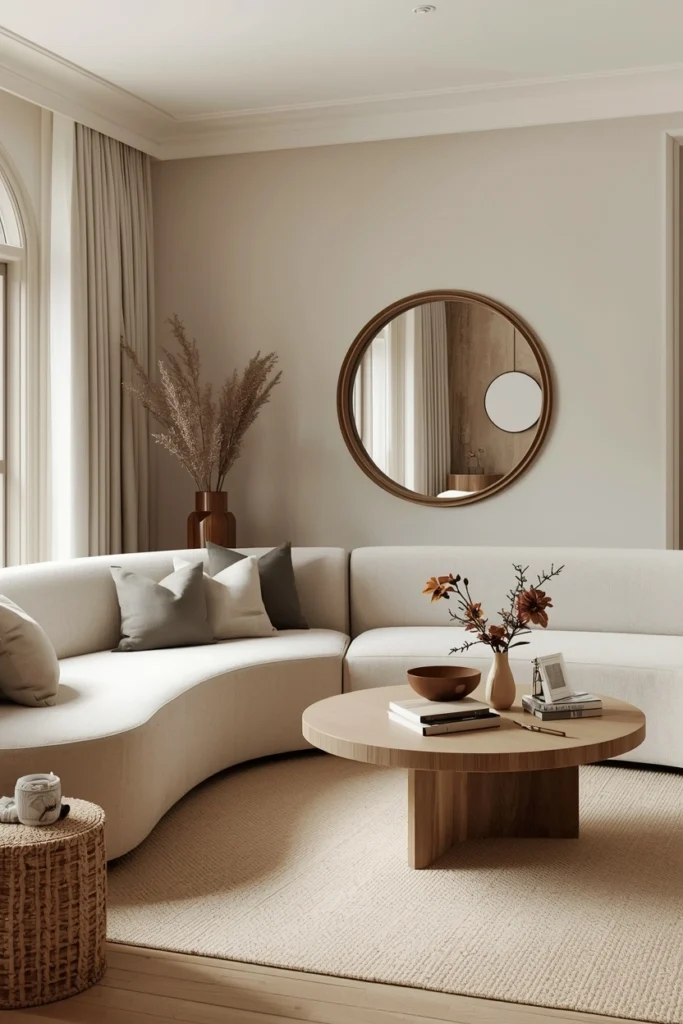
Curved silhouettes introduce visual softness that naturally calms the eye. Rounded sofas, arched mirrors, and circular coffee tables reduce the rigid feeling often associated with sharp geometric furniture. These gentle forms create a welcoming flow within the room, encouraging relaxation and ease of movement.
Incorporating curves can also subtly influence emotional perception. Humans instinctively associate rounded shapes with comfort and safety. When paired with plush upholstery and muted tones, curved furniture enhances the soothing quality of the space. This design direction is increasingly popular in calm home interior ideas because it balances contemporary aesthetics with timeless comfort.
6. Nature-Inspired Indoor Greenery
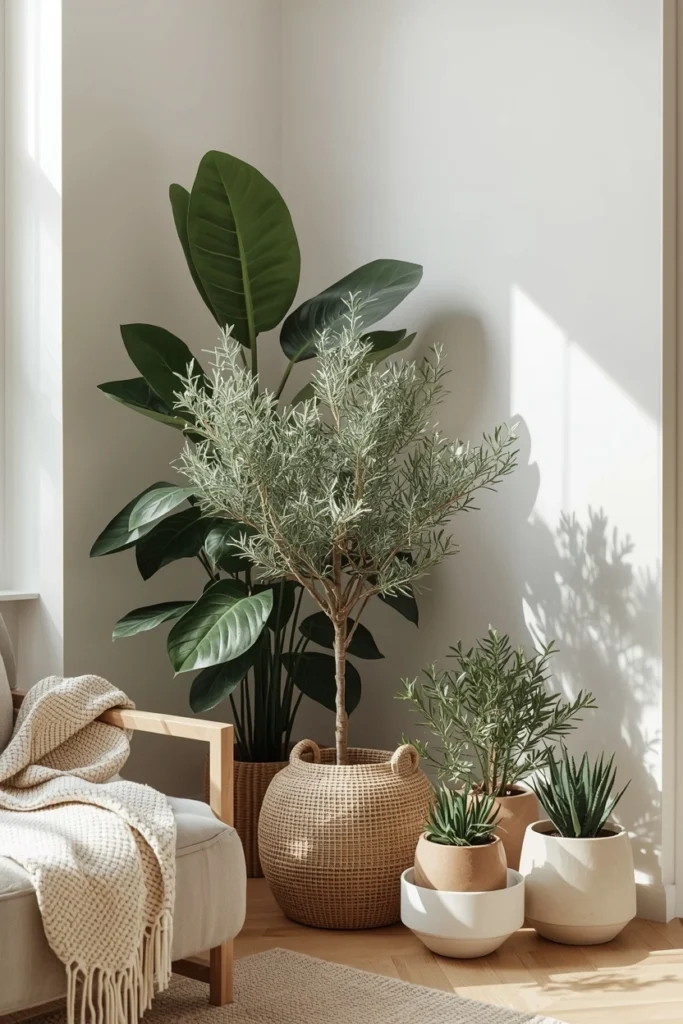
Bringing nature indoors is one of the simplest yet most impactful ways to create calm interiors. Indoor plants improve air quality, add organic color variation, and introduce a living element that promotes mindfulness. Large leafy plants like fiddle leaf figs or olive trees can become statement features without disrupting the serene palette.
For smaller spaces, grouping compact plants in ceramic planters creates subtle botanical accents. The key is to maintain restraint — a few well-placed plants are more calming than an overcrowded indoor garden. When combined with natural materials and soft lighting, greenery enhances the restorative atmosphere of any room.
7. Quiet Textured Wall Treatments
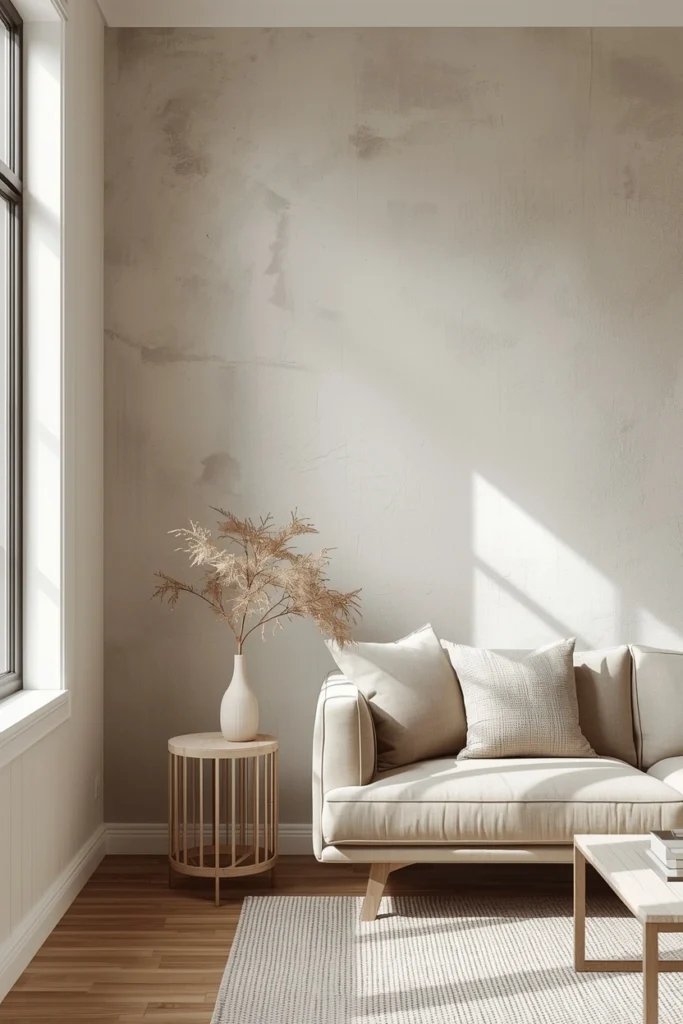
Walls significantly influence the overall emotional tone of a space. Instead of bold patterns or high-contrast colors, calm interiors benefit from subtle textured treatments. Limewash paint, plaster finishes, or wood paneling can add depth while maintaining a soothing visual rhythm.
Textured walls interact beautifully with changing daylight, creating gentle shadows and tonal variations. This understated detail elevates the room’s design without adding clutter. When combined with minimalist decor and neutral furnishings, textured walls become a quiet yet powerful design feature that enhances tranquility.
8. Cozy Layered Textiles
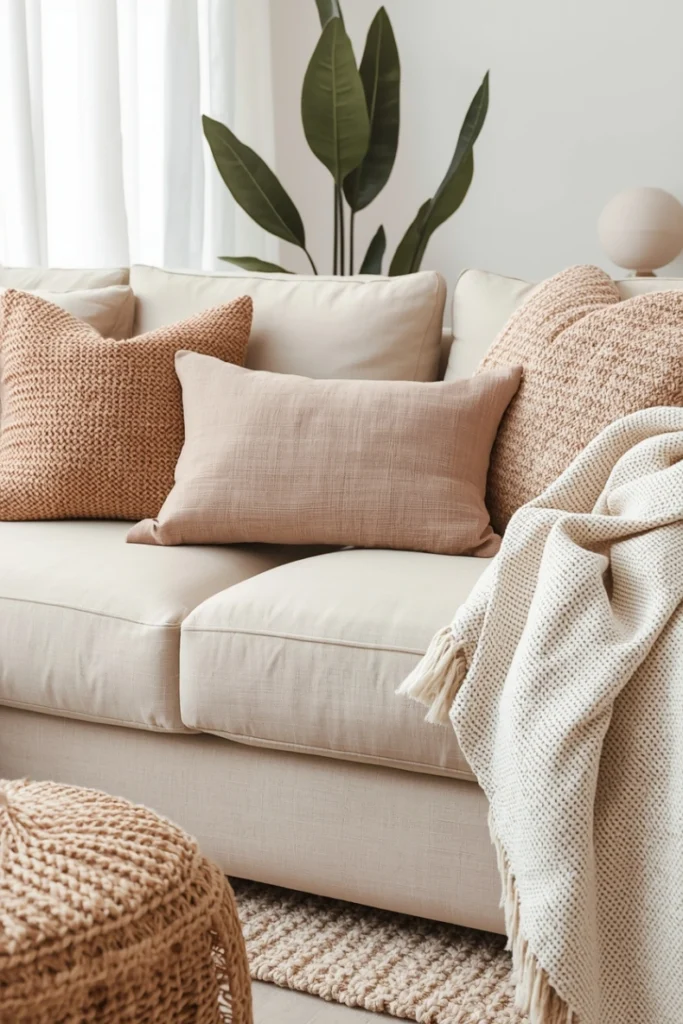
Layering textiles adds warmth and comfort essential for restful interiors. Soft throws, plush rugs, and layered cushions create tactile coziness that invites relaxation. The key is to maintain tonal harmony rather than introducing contrasting colors or busy patterns.
Using natural fabrics like cotton, wool, and linen enhances both comfort and sustainability. These materials regulate temperature and feel soothing against the skin. Thoughtful textile layering transforms ordinary seating areas into inviting retreats, reinforcing the calming atmosphere of the home.
9. Functional Open Space Layouts
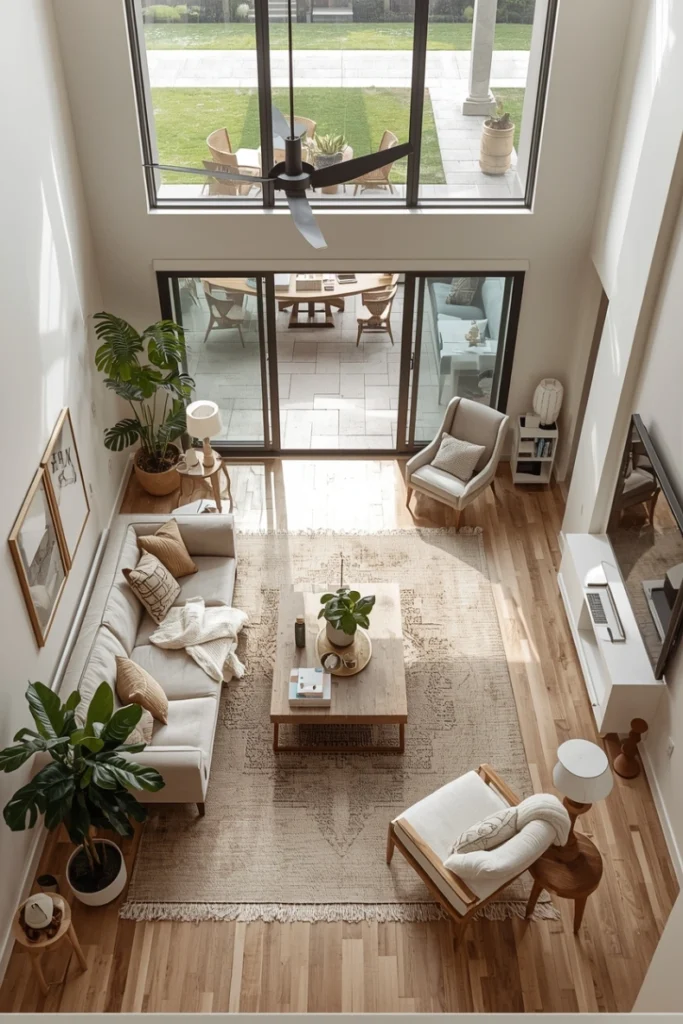
A cluttered layout can create subconscious stress. Calm interiors prioritize functional open space that allows easy movement and visual breathing room. Arranging furniture to promote flow rather than obstruction makes rooms feel more expansive and harmonious.
Strategic zoning helps define areas without physical barriers. Rugs, lighting, and furniture placement can subtly indicate different functions within an open plan. This thoughtful spatial design reduces overwhelm and encourages a relaxed daily rhythm, making it a foundational calm home interior idea.
10. Soft Acoustic Elements
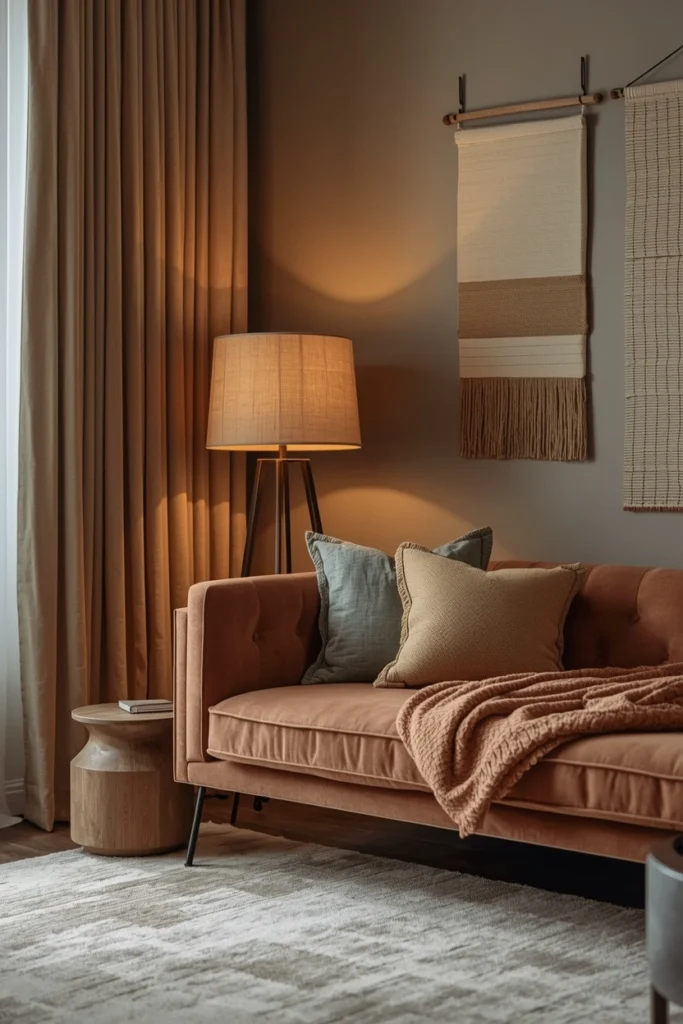
Sound influences the perception of calm more than many realize. Soft acoustic elements such as thick curtains, upholstered furniture, and textured wall hangings help absorb noise, creating a quieter environment. This subtle design strategy enhances comfort in busy households or urban apartments.
Incorporating acoustic softness does not require visible panels or technical installations. Instead, layering textiles and natural materials naturally improves sound quality. A quieter home supports better rest, focus, and emotional well-being, making acoustic design a valuable addition to calm interiors.
11. Sculptural Statement Lighting
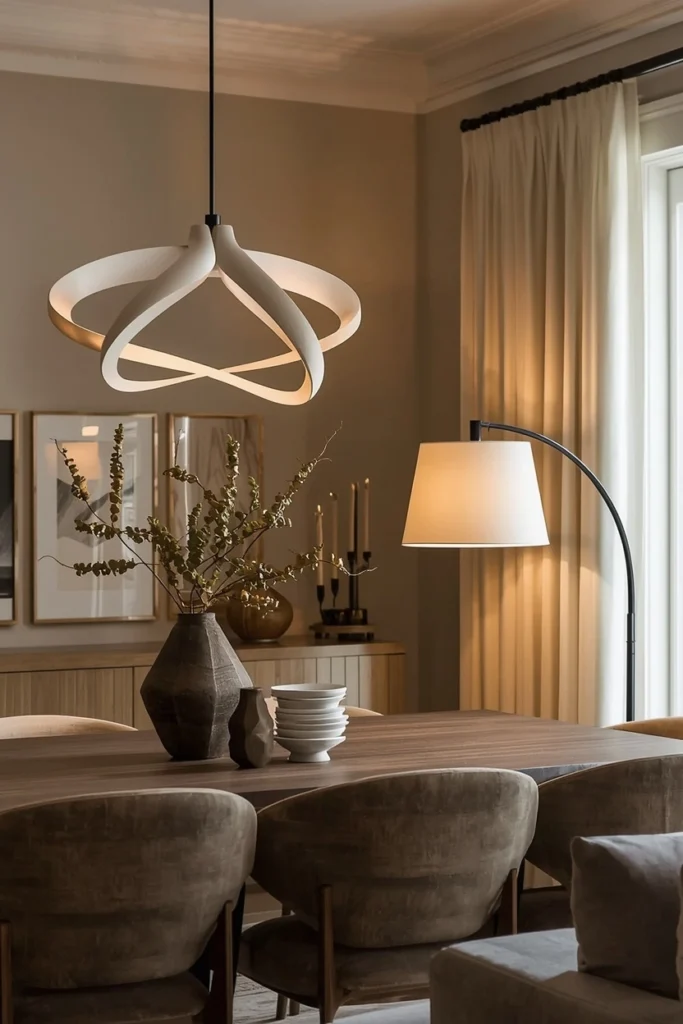
Lighting can serve as both a functional necessity and a calming design element. Sculptural lighting pieces with soft organic forms add artistic interest while maintaining serenity. Choosing fixtures in matte finishes or muted tones ensures they enhance rather than dominate the space.
Positioning statement lighting thoughtfully creates focal points that guide visual flow. A single sculptural pendant above a dining table or a curved floor lamp beside a sofa can elevate the entire room. This balance between artistry and restraint contributes to a restful yet sophisticated interior.
12. Personal Retreat Corners
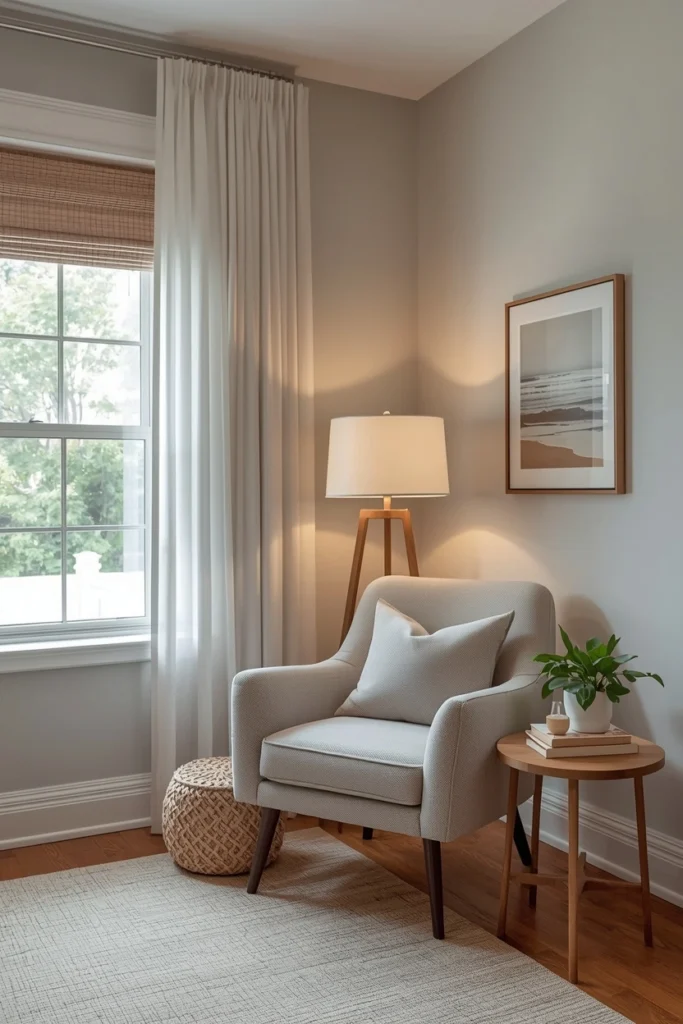
Creating small retreat corners within the home encourages intentional relaxation. A reading nook, meditation corner, or window seat provides a dedicated space for unwinding. These intimate zones help establish daily rituals that support mental calmness.
Designing retreat corners requires attention to comfort and simplicity. A comfortable chair, soft lighting, and minimal decor are often enough to create a restorative environment. These personal sanctuaries make calm interior design deeply functional rather than purely aesthetic.
Final Thoughts
Designing a peaceful home is not about following strict rules or trends — it’s about creating an environment that supports how you want to feel every day. When spaces are intentionally designed with calmness in mind, they begin to nurture better sleep, deeper relaxation, and a more balanced lifestyle. From neutral palettes and organic textures to thoughtful lighting and minimal decor, each small decision contributes to a larger sense of harmony.
The most successful calm home interiors are those that reflect personal comfort while maintaining visual simplicity. By prioritizing softness, natural elements, and meaningful design choices, you can transform your home into a restorative sanctuary. Whether you apply just one idea or redesign your entire space, embracing calm interior principles helps create a timeless atmosphere that feels effortlessly restful and emotionally grounding.