16 Best Bedroom Color Options For Better Sleep

Creating the perfect sleep environment isn’t just about a comfortable mattress or blackout curtains—it starts with the colors that surround you. The shades you choose for your bedroom walls can directly influence your mood, stress levels, and overall sleep quality.
If you’ve ever struggled to unwind at night, your bedroom color palette might be part of the problem. In this guide, we’ll explore the Best Bedroom Color Options that promote relaxation, calmness, and deeper sleep—while still keeping your space stylish and modern.
1. Soft Blue – The Ultimate Sleep Color
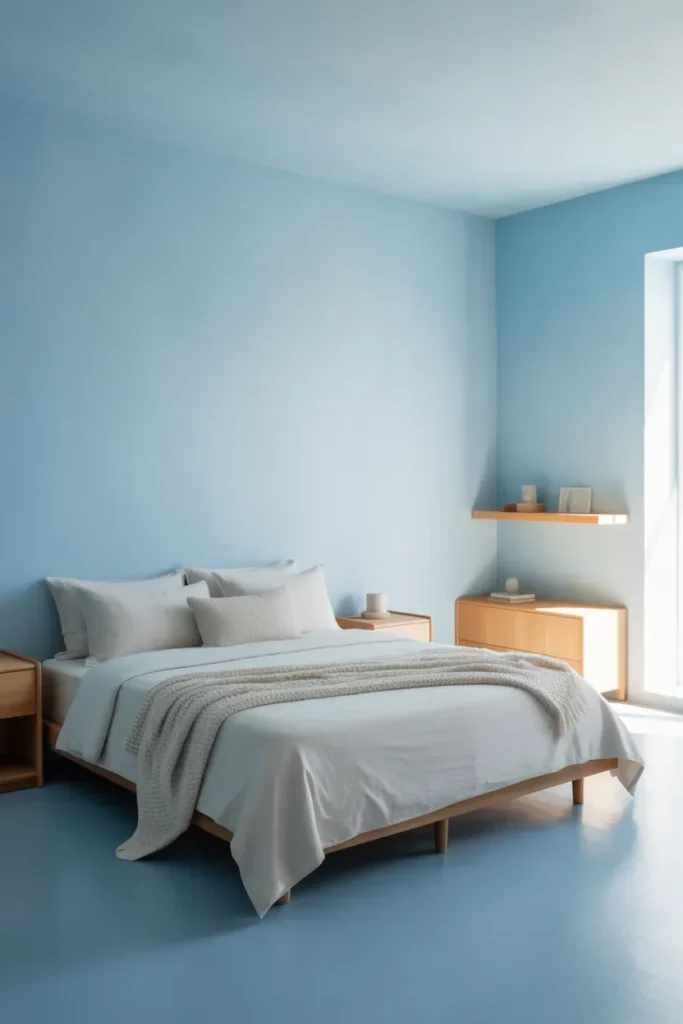
Soft blue is widely considered one of the best bedroom color options for promoting restful sleep. It mimics the calming tones of the sky and ocean, helping to reduce stress and slow your heart rate. This soothing hue creates a tranquil environment that naturally encourages relaxation at the end of the day.
In addition to its calming effects, soft blue works beautifully with both modern and classic decor styles. Pair it with white linens and light wood furniture for a serene aesthetic that feels airy and refreshing.
2. Warm Beige – Cozy and Neutral Comfort
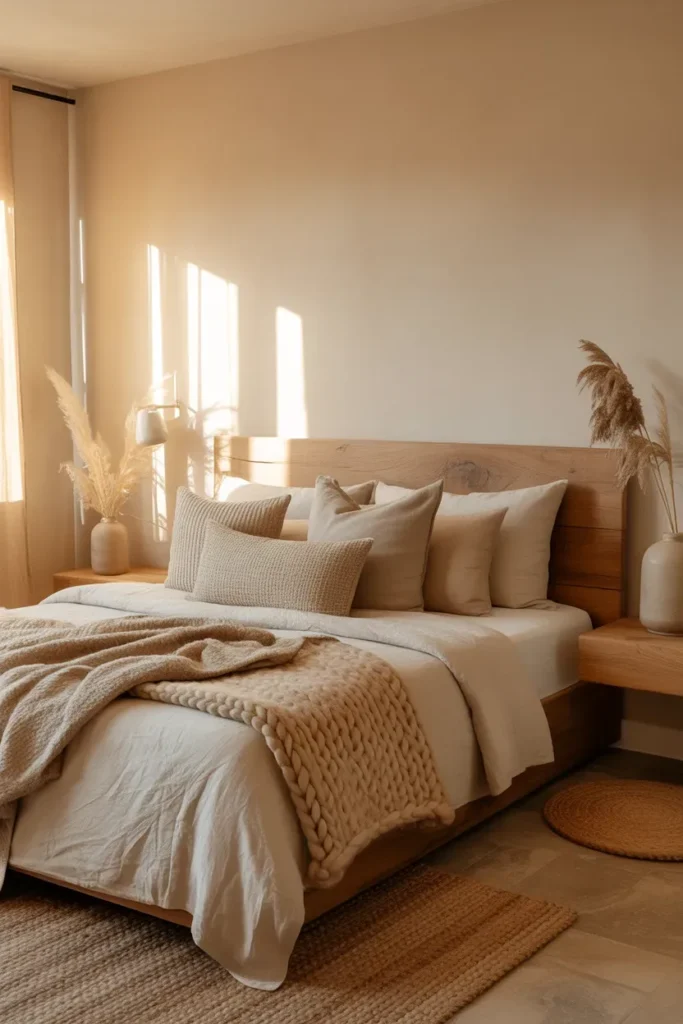
Warm beige is a timeless and versatile color that creates a cozy, inviting atmosphere. It provides a neutral base while adding warmth, making it perfect for those who want a calming yet comforting bedroom environment.
This shade pairs well with earthy textures like linen, wool, and wood. It also allows you to experiment with accent colors without overwhelming the space, maintaining a peaceful vibe ideal for sleep.
3. Sage Green – Nature-Inspired Calm
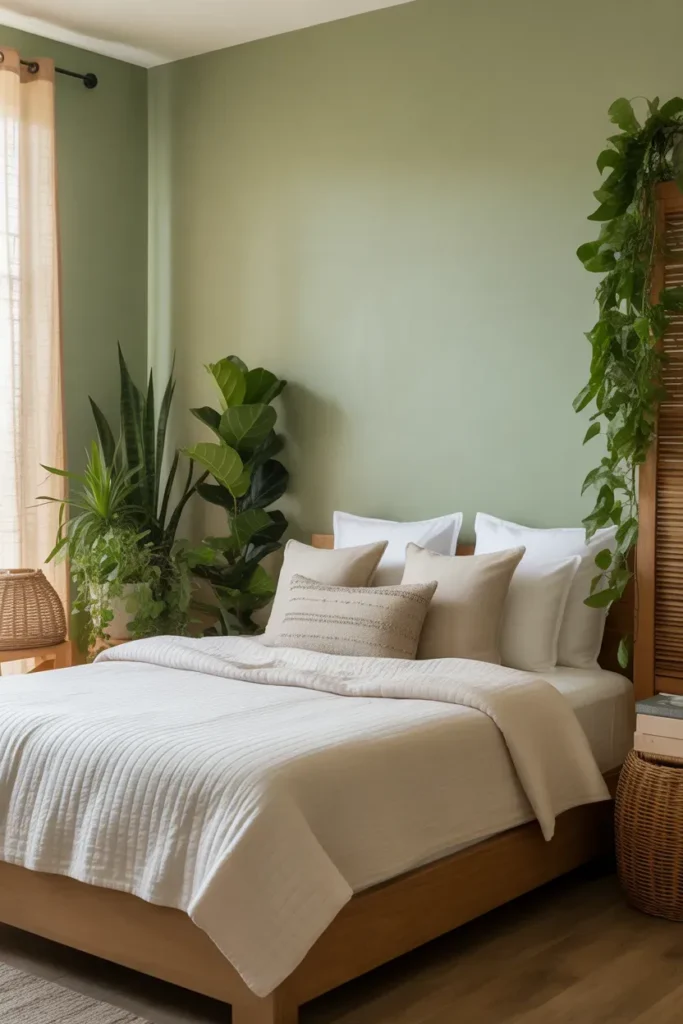
Sage green brings the tranquility of nature indoors, making it one of the best bedroom color options for better sleep. Its muted tone helps reduce anxiety and promotes a sense of balance and harmony.
This color works exceptionally well with natural materials like rattan, wood, and cotton. Adding indoor plants enhances the organic feel, creating a peaceful retreat that feels grounded and refreshing.
4. Lavender – Gentle and Relaxing
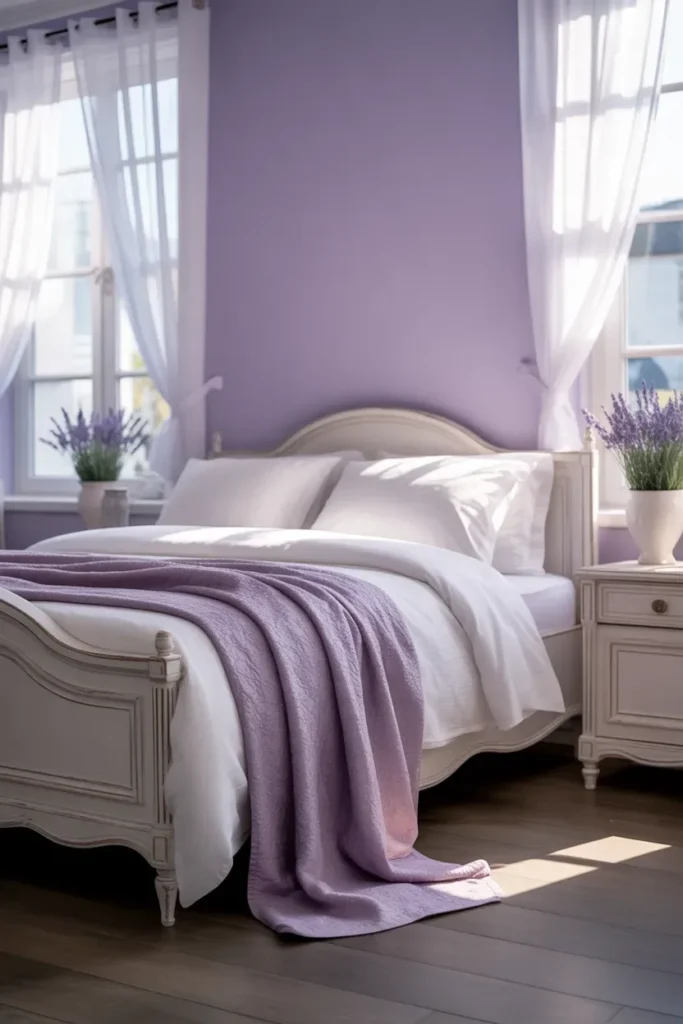
Lavender is a soft, muted purple that combines the calmness of blue with the warmth of red. It’s known for its relaxing properties and is often associated with stress relief and better sleep.
This color adds a subtle elegance to your bedroom without being overpowering. Pair it with white or gray accents to keep the look balanced and soothing.
5. Light Gray – Modern Serenity
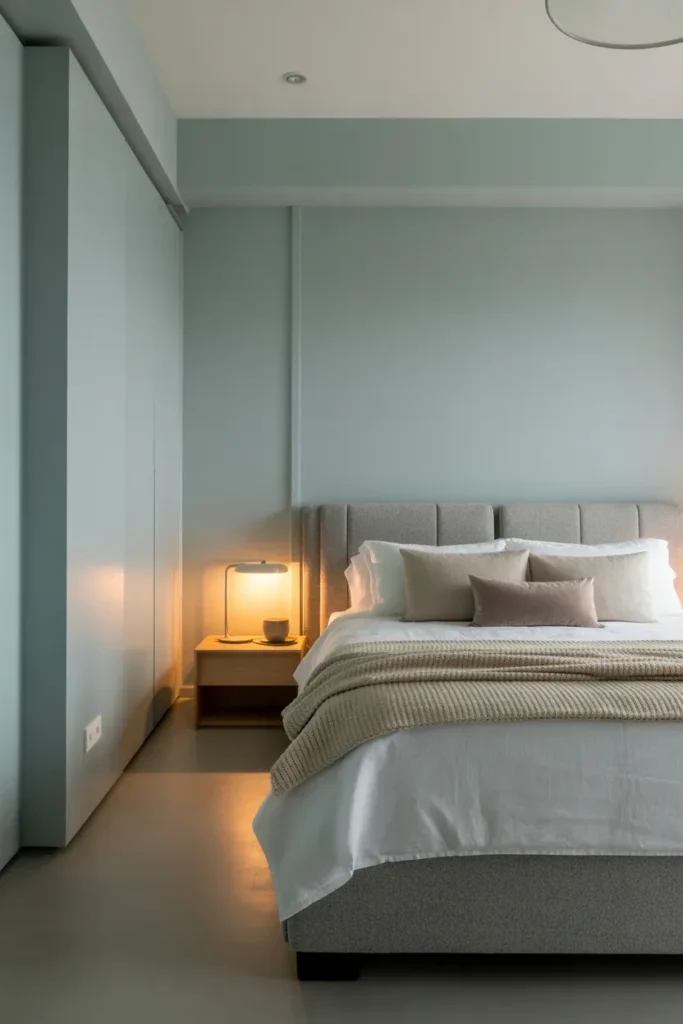
Light gray offers a clean and sophisticated look while maintaining a calm environment. It’s a perfect choice for those who prefer a modern aesthetic without sacrificing comfort.
This color acts as a neutral backdrop, allowing textures and subtle accents to shine. When paired with soft fabrics and warm lighting, it creates a serene and stylish sleeping space.
6. Pale Pink – Soft and Soothing
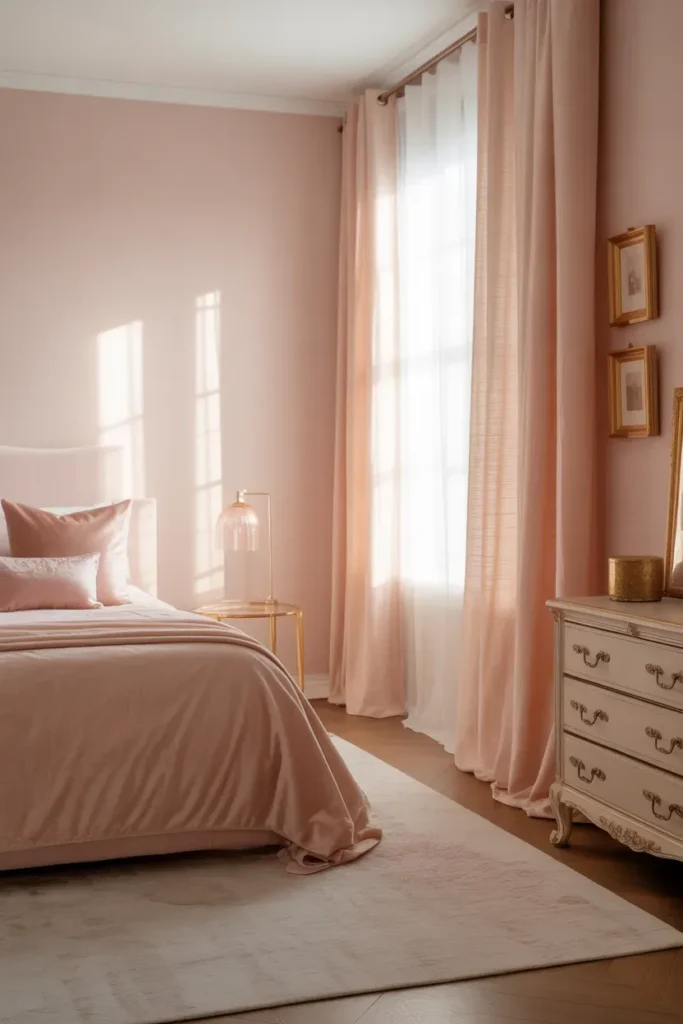
Pale pink is a gentle color that evokes warmth and comfort. Unlike brighter pinks, this muted tone is calming and can help create a peaceful atmosphere for rest.
It works beautifully with neutral tones and gold accents, adding a touch of elegance while maintaining a soft, relaxing vibe.
7. Cream White – Clean and Peaceful
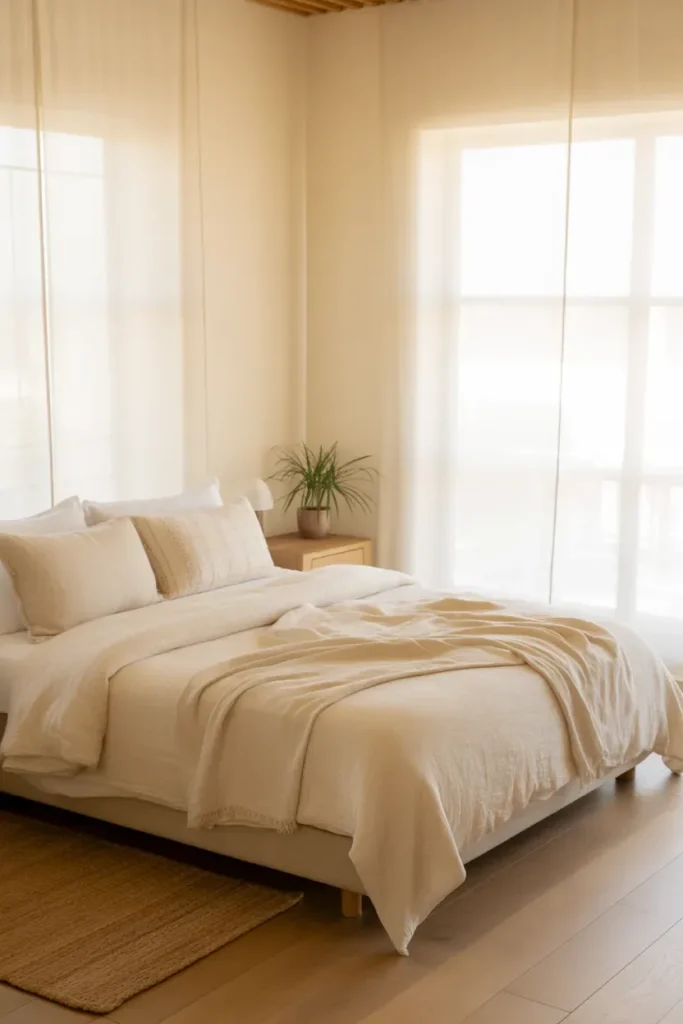
Cream white offers a softer alternative to stark white, creating a warm and inviting space. It reflects light beautifully, making your bedroom feel open and airy.
This color is ideal for minimalist designs and pairs well with natural materials. It creates a clutter-free environment that supports relaxation and mental clarity.
8. Muted Teal – Balanced and Calm
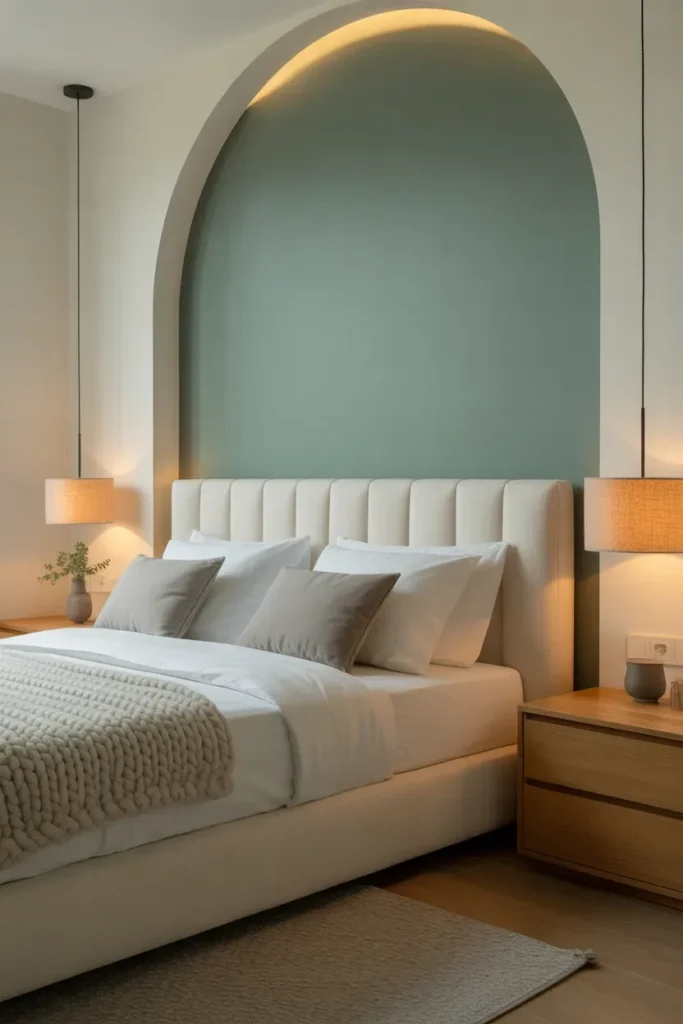
Muted teal combines the calming effects of blue with the refreshing qualities of green. This balanced color promotes relaxation while adding depth to your bedroom design.
It works well as an accent wall or a full-room color, especially when paired with neutral furniture and soft textures.
9. Dusty Blue – Deep Relaxation
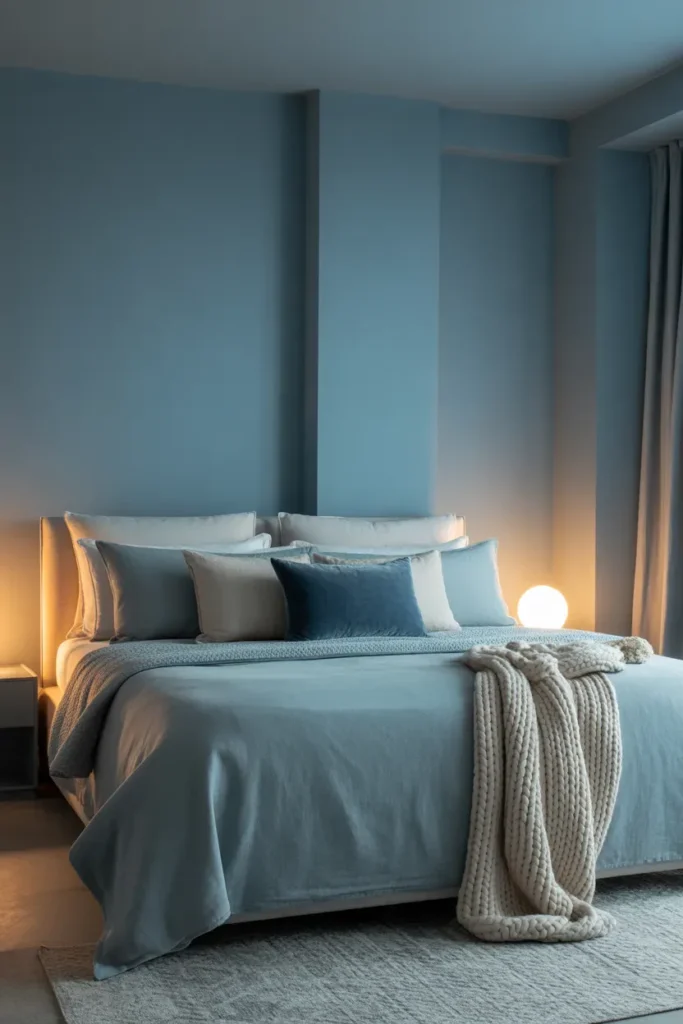
Dusty blue is a slightly darker, more muted version of blue that enhances relaxation without feeling cold. It creates a cocoon-like atmosphere perfect for winding down.
Pair it with soft lighting and plush fabrics to enhance its cozy appeal and create a restful environment.
10. Earthy Brown – Grounding and Warm
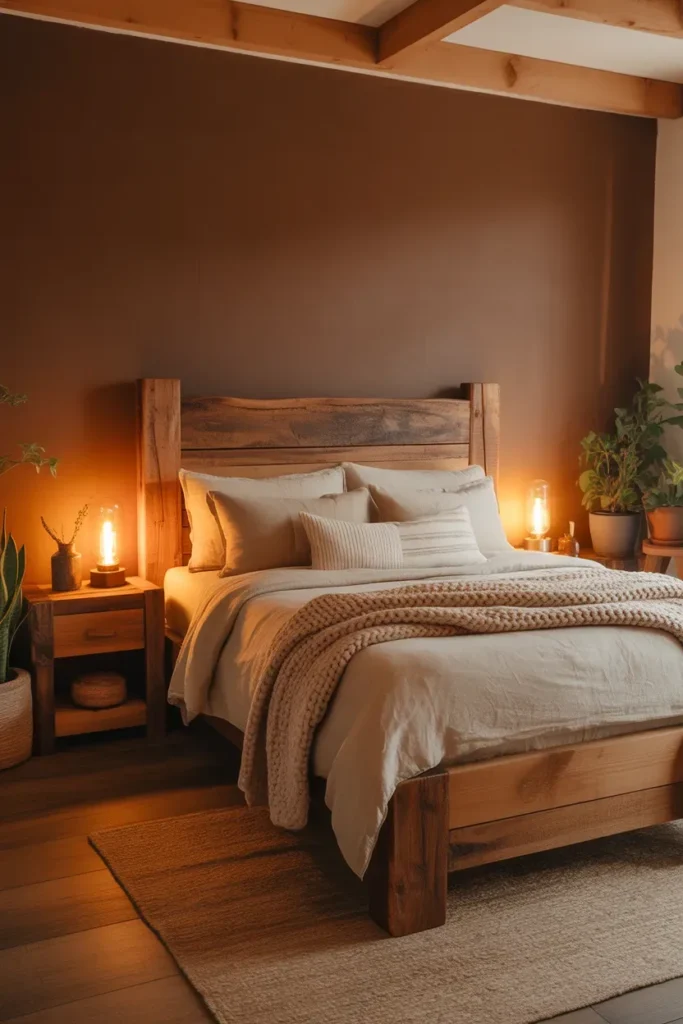
Earthy brown tones create a grounded and comforting space. These colors evoke stability and warmth, making them ideal for a relaxing bedroom.
When combined with lighter tones and natural textures, brown creates a balanced and inviting environment that supports restful sleep.
11. Soft Yellow – Gentle Warmth
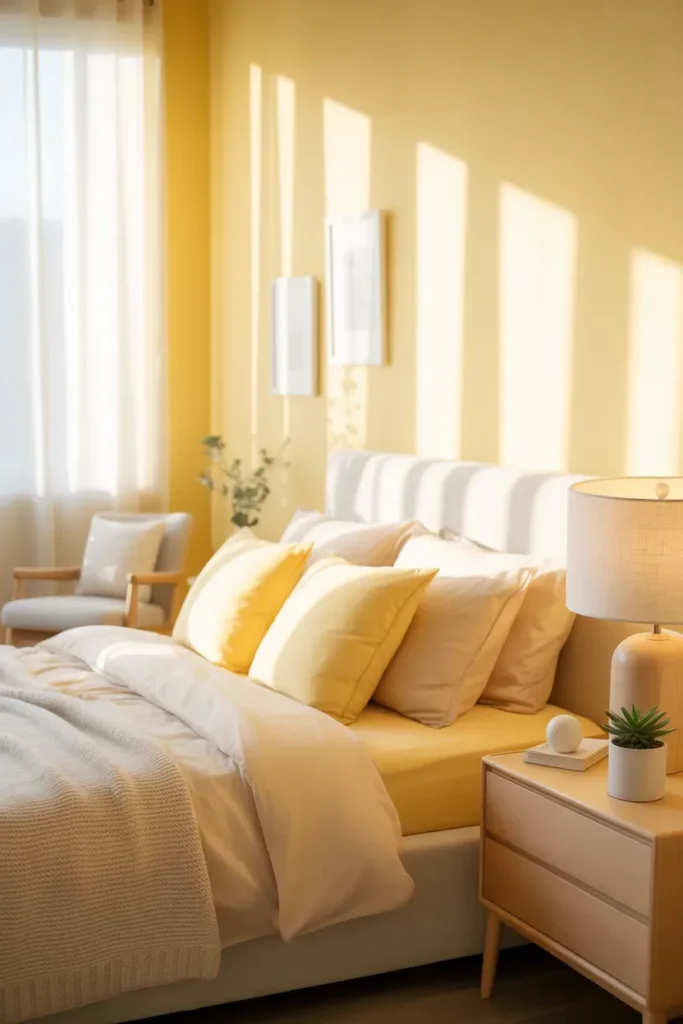
Soft yellow brings a subtle sense of happiness and warmth without being overwhelming. It can uplift your mood while maintaining a calm environment.
This color works best in softer shades and pairs well with white and gray accents for a balanced look.
12. Charcoal Gray – Cozy Depth
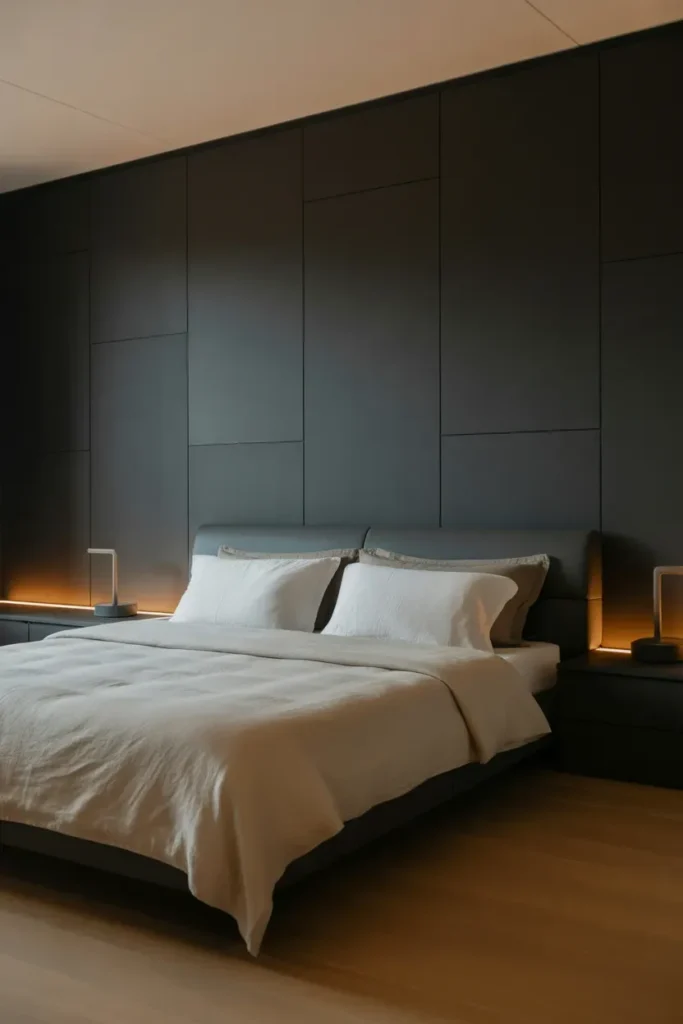
Charcoal gray adds depth and sophistication while creating a cozy, cocoon-like feel. It’s perfect for those who enjoy darker tones without sacrificing comfort.
Use it as an accent wall or pair it with lighter elements to avoid making the space feel too heavy.
13. Seafoam Green – Refreshing Calm
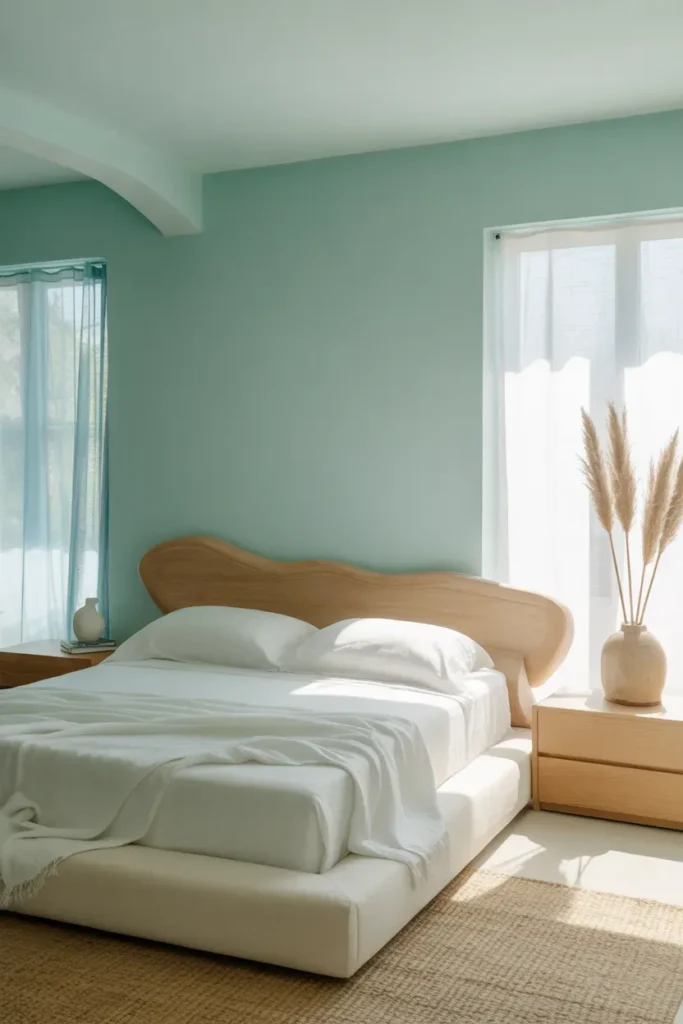
Seafoam green is a light, airy color that promotes relaxation and freshness. It’s perfect for creating a breezy, peaceful bedroom environment.
This shade pairs beautifully with white and natural wood for a clean, coastal-inspired look.
14. Taupe – Elegant Neutral
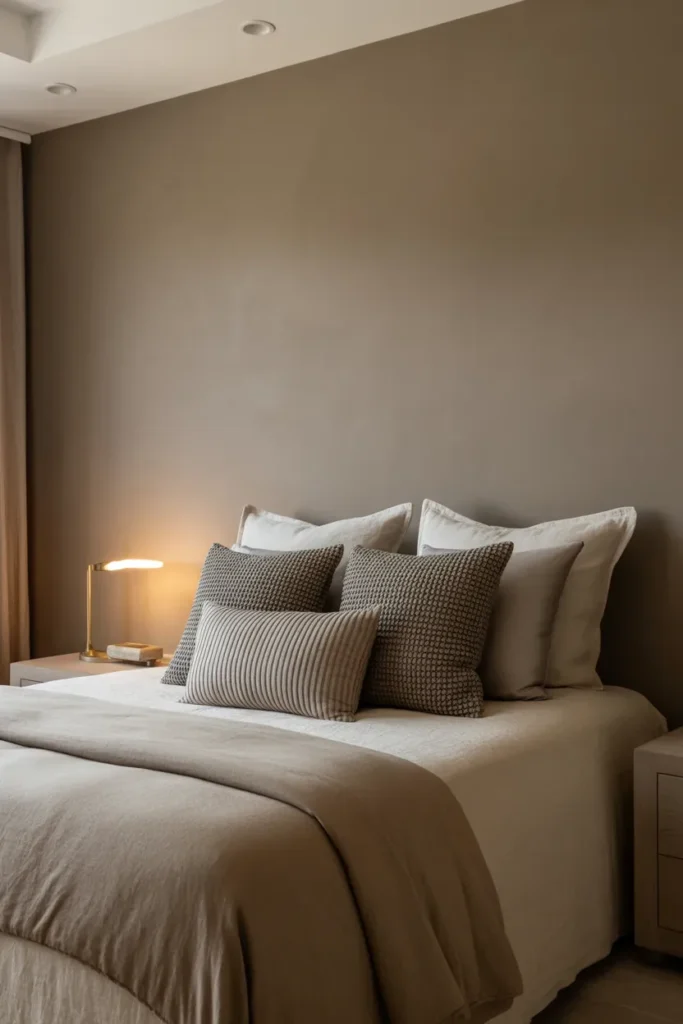
Taupe is a sophisticated blend of gray and brown that offers warmth and neutrality. It creates a refined and calming atmosphere ideal for restful sleep.
This color works well with layered textures and soft lighting, adding depth without overwhelming the space.
15. Powder Blue – Light and Airy
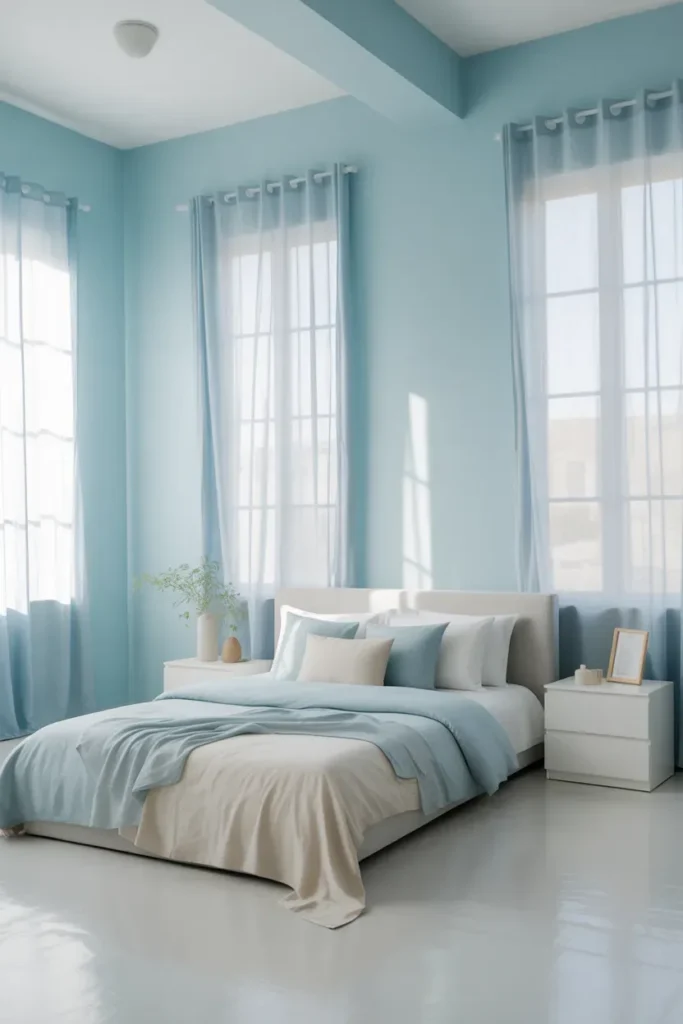
Powder blue is a lighter version of blue that creates a soft and airy feel. It’s perfect for smaller bedrooms as it makes the space appear larger and more open.
Its calming properties make it one of the best bedroom color options for improving sleep quality.
16. Off-White with Warm Undertones – Subtle Comfort
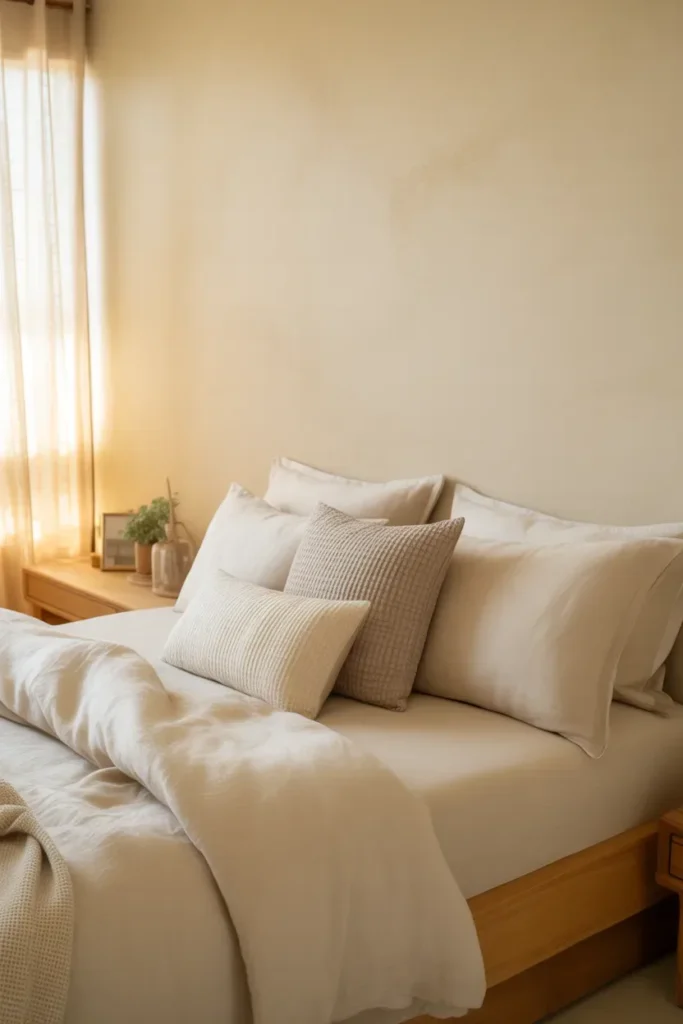
Off-white shades with warm undertones provide a soft, inviting alternative to pure white. They create a cozy yet clean atmosphere perfect for relaxation.
This color works well with almost any decor style, making it a versatile choice for a peaceful bedroom.
Final Thoughts
Choosing the right color for your bedroom is more than a design decision—it’s an investment in your well-being. The best bedroom color options are those that create a calm, comforting environment where your mind and body can truly relax.
Whether you prefer soft blues, earthy tones, or elegant neutrals, the key is to create a space that feels peaceful and personal. With the right color palette, your bedroom can become a sanctuary for better sleep and improved overall health.