15 Architectural Home Decor Trends Making Waves
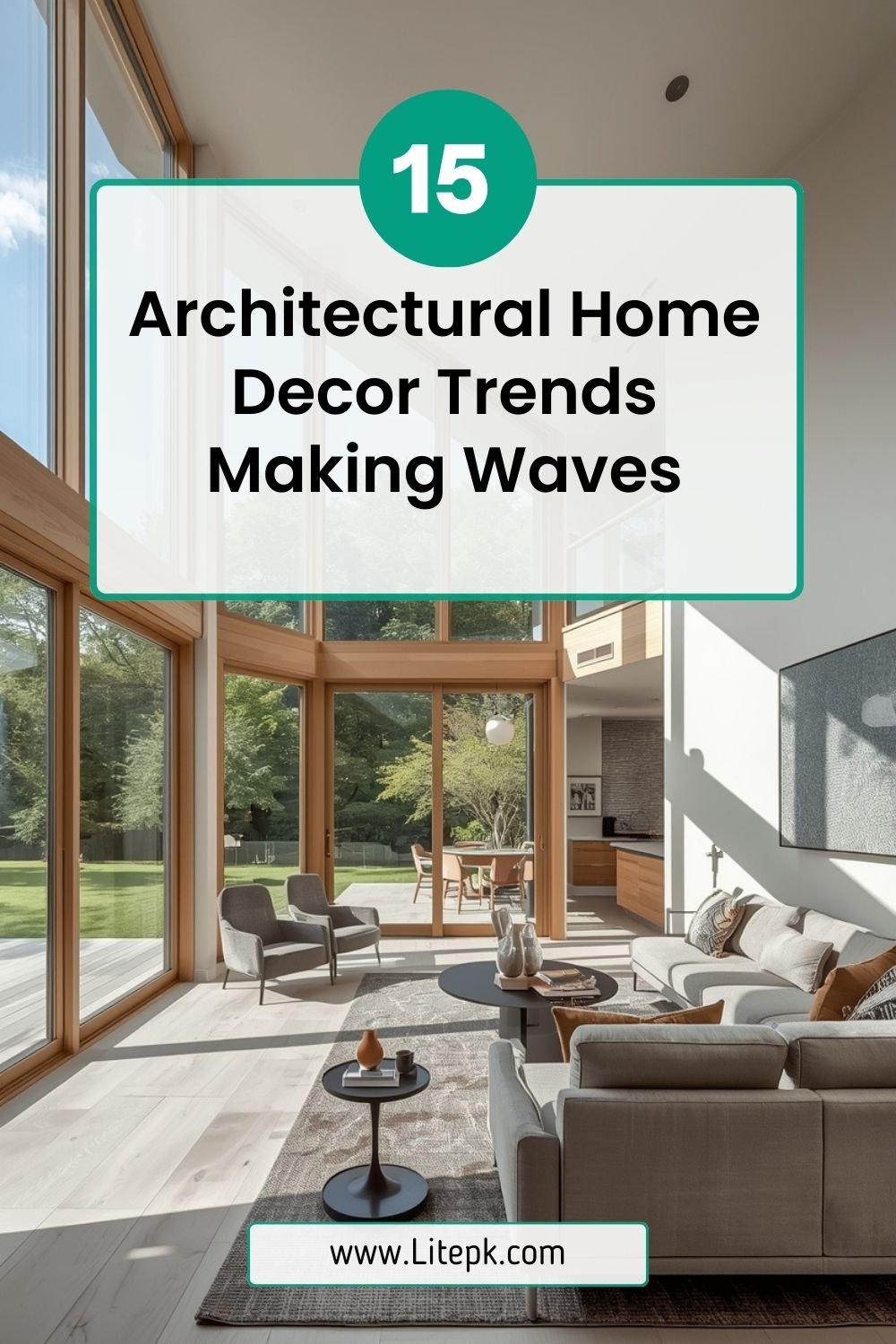
Architectural design is no longer limited to the bones of a home. Today, architectural elements are becoming central to interior decor, shaping how spaces feel, function, and flow. From sculptural forms to material-driven design, architectural home decor trends focus on structure, proportion, and intentional design rather than surface-level decoration.
These trends blur the line between architecture and interior styling. They emphasize craftsmanship, spatial awareness, and timeless materials that elevate everyday living. The following architectural home decor trends are making waves because they bring depth, permanence, and sophistication to modern homes while remaining highly adaptable across styles.
1. Sculptural Built-In Features
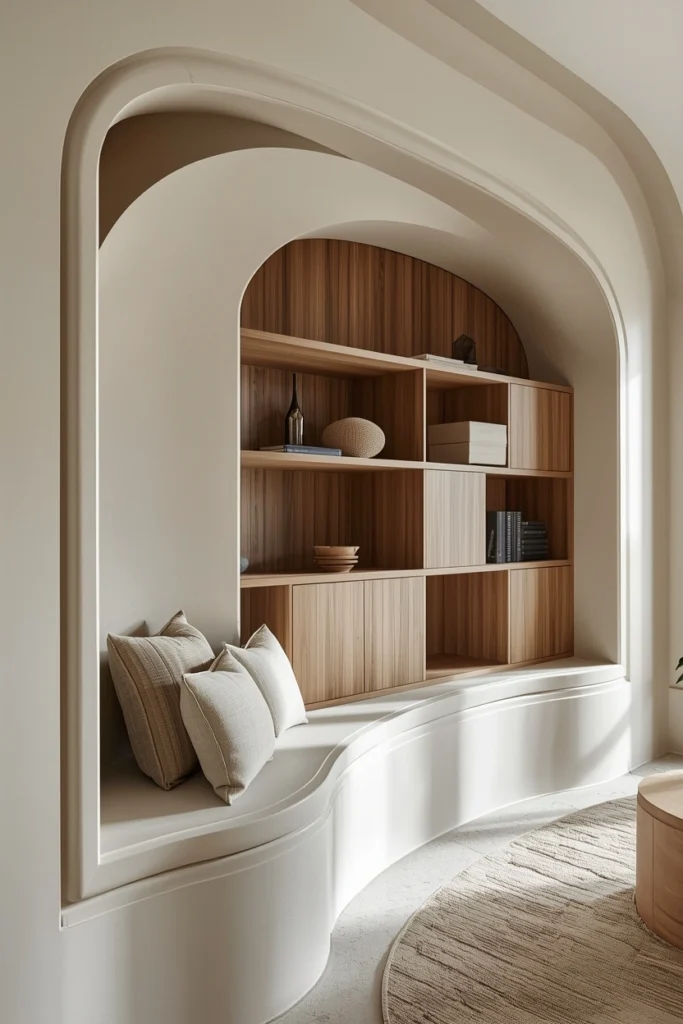
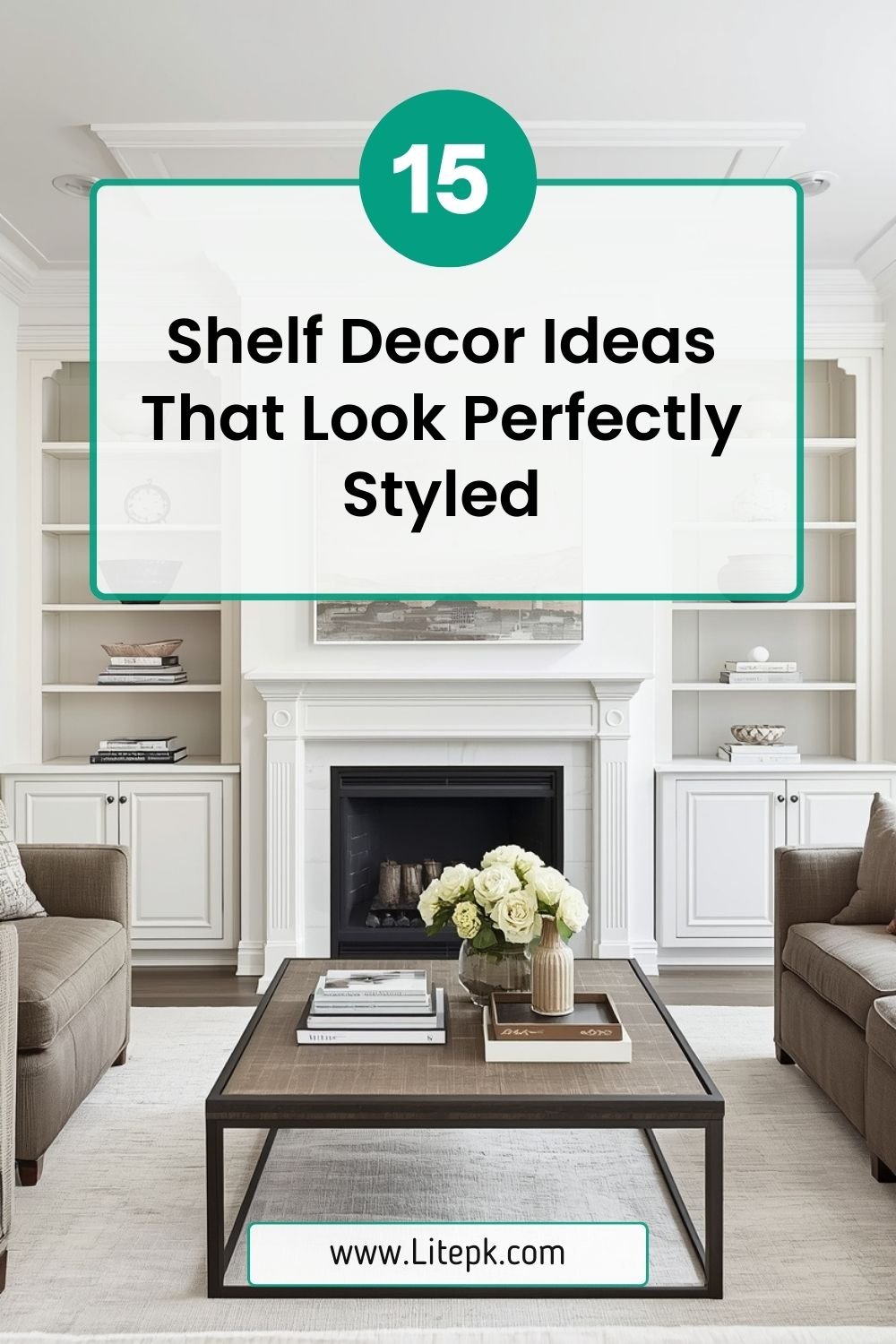
Sculptural built-ins are redefining how storage and architecture coexist. This architectural home decor trend transforms shelving, seating, and cabinetry into integrated design elements rather than standalone furniture. Built-ins now feature curved edges, recessed profiles, and seamless finishes that feel intentional and architectural.
Designers use sculptural built-ins to guide the eye and define zones within open-plan homes. Materials such as plaster, wood, and stone enhance the sense of permanence. These features create a sense of flow and cohesion, making interiors feel thoughtfully designed rather than assembled piece by piece.
2. Arched Doorways and Openings
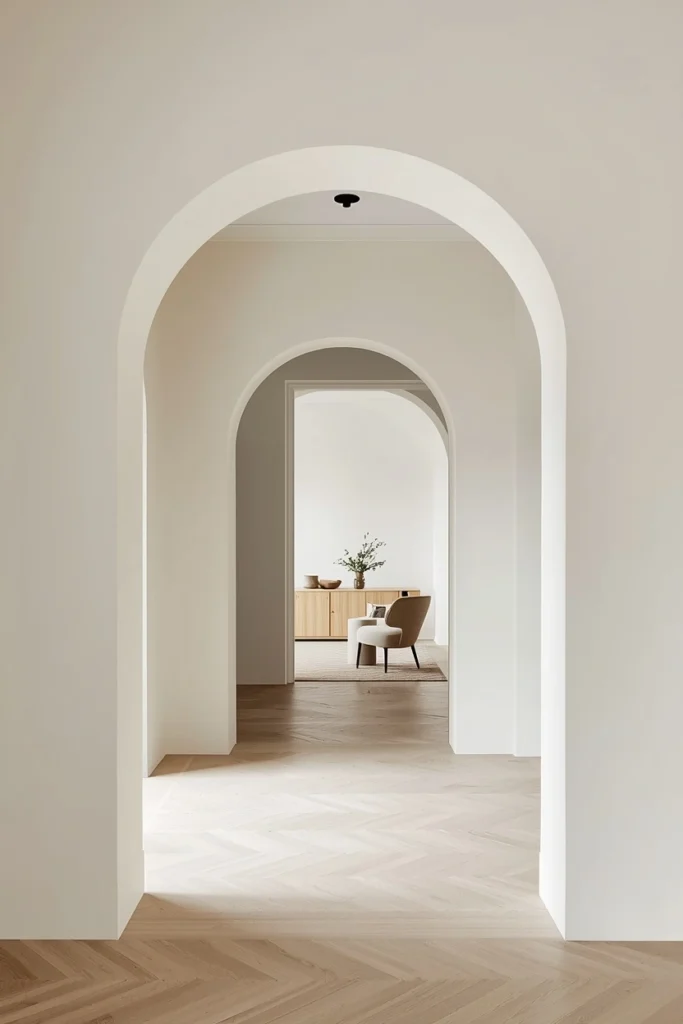
Arches are one of the most recognizable architectural home decor trends gaining popularity. Their soft curves break away from rigid lines, adding elegance and fluidity to interiors. Arched doorways feel timeless, drawing inspiration from classical architecture while fitting seamlessly into modern homes.
Designers often use arches to frame transitions between rooms, creating visual continuity without the need for doors. Finished in plaster or smooth paint, arches add character without visual clutter. This trend enhances architectural depth while maintaining a calm and balanced aesthetic.
3. Exposed Structural Elements
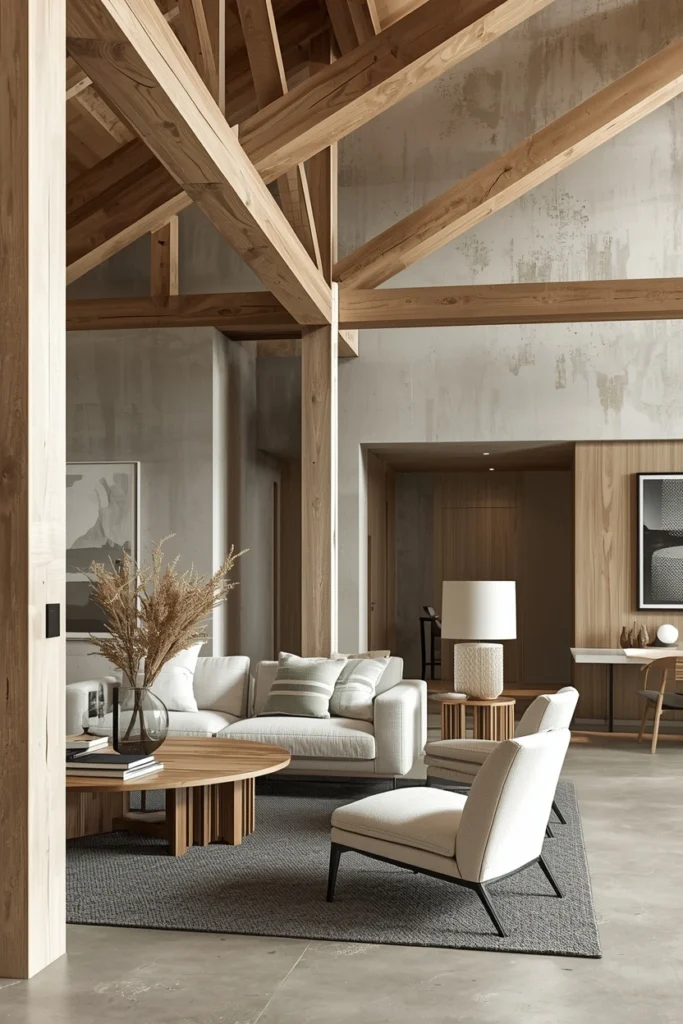
Exposed beams, columns, and concrete surfaces are becoming celebrated features rather than hidden components. This architectural home decor trend emphasizes honesty in materials, allowing the structure of a home to become part of its visual identity.
Whether in wood, steel, or concrete, exposed elements add depth and authenticity. Designers often balance these strong features with soft furnishings and warm textures to avoid a harsh look. The result is an interior that feels grounded, architectural, and intentionally raw.
4. Plaster Walls With Organic Texture
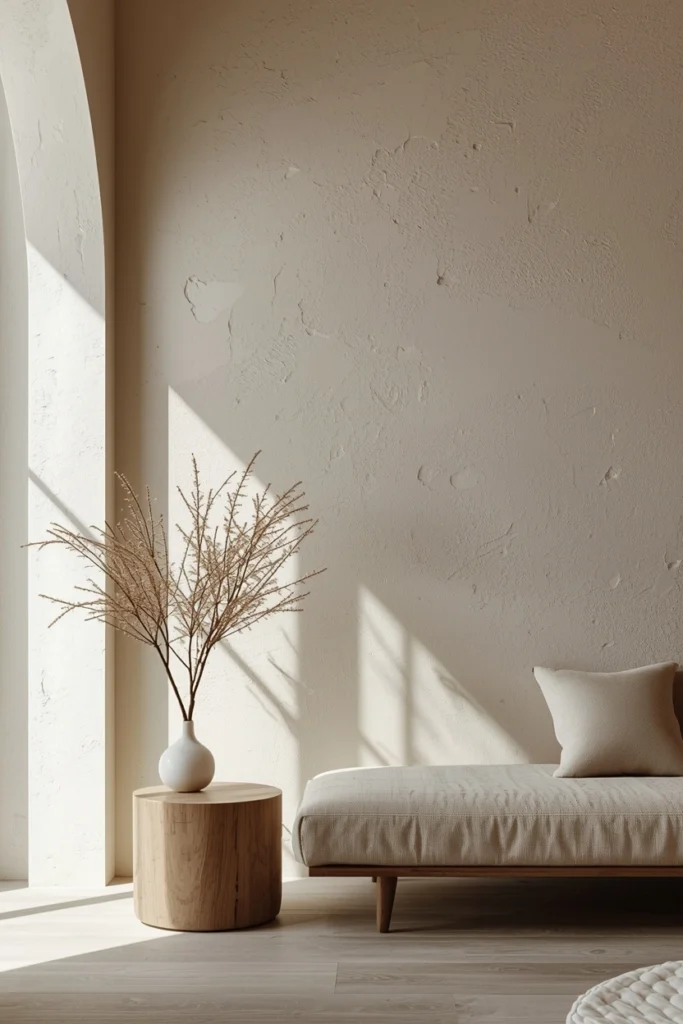
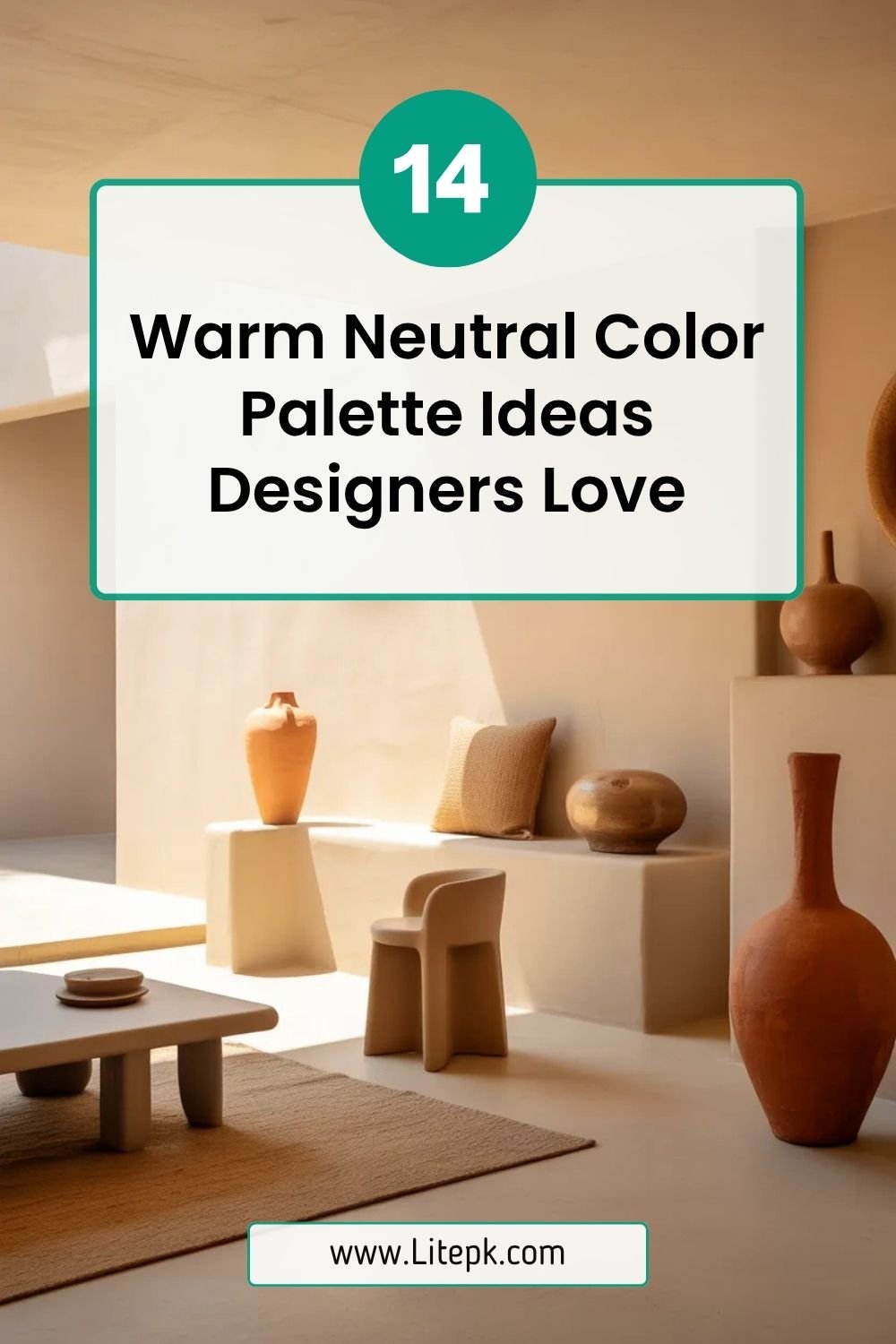
Plaster walls are making a strong comeback as a defining architectural home decor trend. Unlike flat painted walls, plaster adds movement and depth through subtle texture and tonal variation. This finish feels handcrafted and architectural rather than decorative.
Designers favor limewash and Venetian plaster for their ability to reflect light softly throughout the day. These walls work beautifully in minimalist interiors where texture replaces color. Plaster walls bring warmth, craftsmanship, and a timeless architectural quality to modern homes.
5. Statement Staircases as Design Features
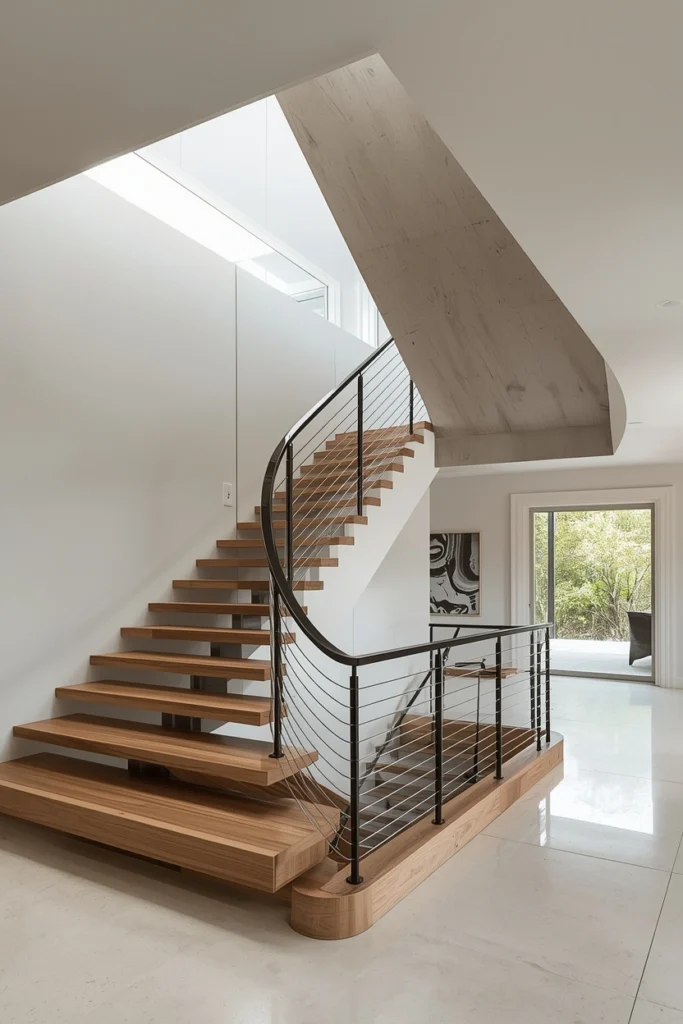
Staircases are no longer just functional elements. This architectural home decor trend turns staircases into sculptural centerpieces. Floating treads, curved forms, and minimalist railings create dramatic visual impact.
Designers treat staircases as architectural statements, often placing them prominently within open layouts. Materials like wood, concrete, and metal are chosen for both durability and aesthetics. A well-designed staircase enhances spatial flow and becomes a defining feature of the home.
6. Integrated Architectural Lighting
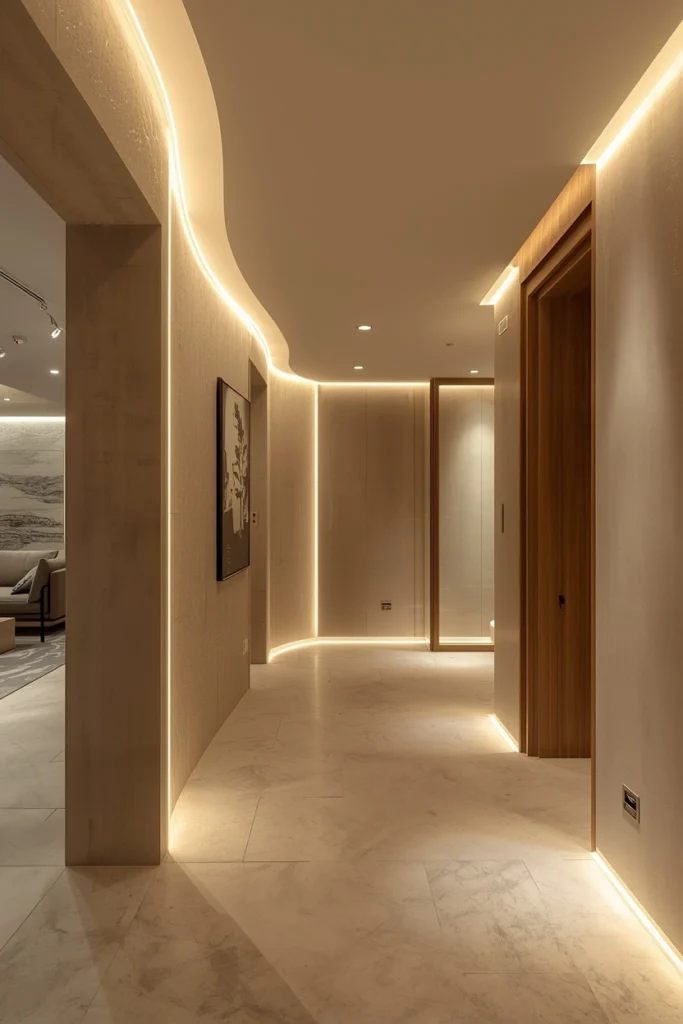
Lighting is increasingly integrated into architectural features rather than added as surface fixtures. This architectural home decor trend includes recessed lighting, cove lighting, and hidden LED strips that highlight structure and form.
Designers use architectural lighting to emphasize curves, textures, and transitions. The lighting becomes part of the architecture, enhancing mood without visible hardware. This approach creates clean ceilings and walls while adding depth and sophistication to interiors.
7. Minimalist Wall Niches
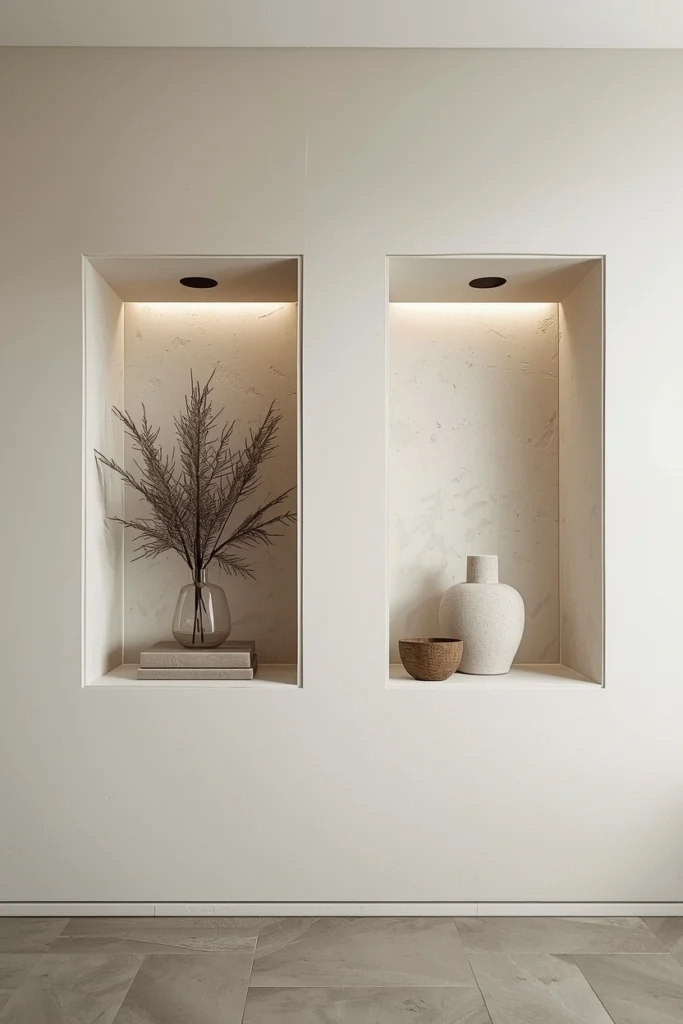
Wall niches are subtle yet powerful architectural elements gaining popularity. This architectural home decor trend introduces recessed spaces within walls to display objects without adding bulk. Niches feel intentional and integrated rather than decorative add-ons.
Designers often finish niches in plaster or stone, sometimes adding soft lighting for emphasis. Used sparingly, niches add rhythm and depth to walls while maintaining a minimalist aesthetic. They work especially well in hallways, bathrooms, and living areas.
8. Floor-to-Ceiling Architectural Windows
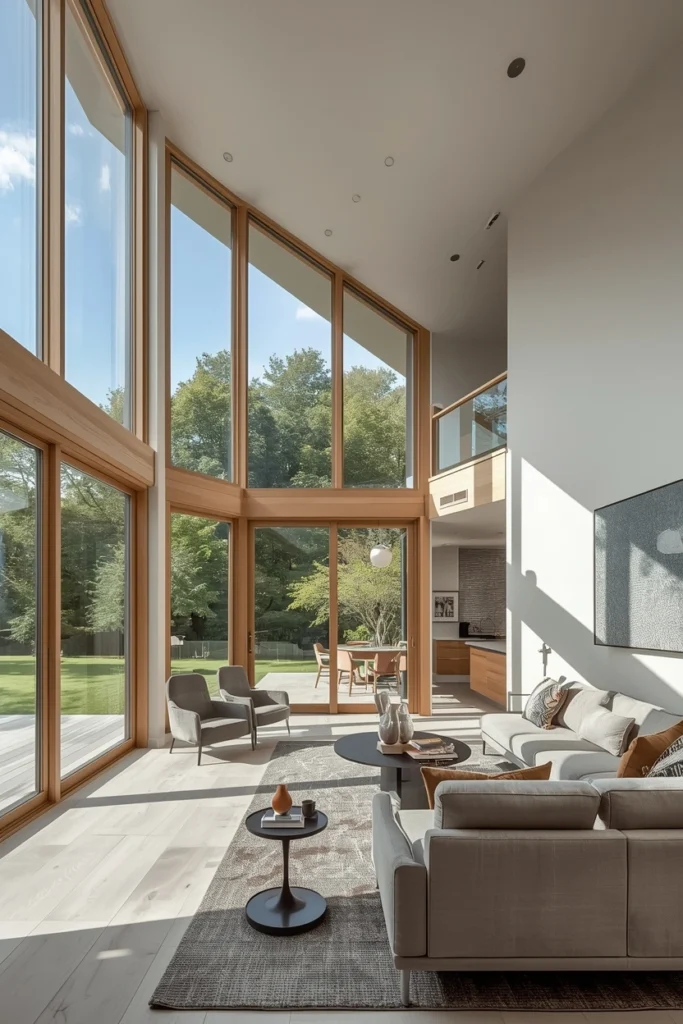
Large architectural windows are shaping how homes connect with their surroundings. This architectural home decor trend emphasizes natural light, views, and a strong indoor-outdoor relationship.
Floor-to-ceiling windows visually expand interiors while highlighting architectural proportions. Designers often keep window treatments minimal to preserve clean lines. The abundance of natural light enhances textures and materials, making the architecture itself the focal point of the space.
9. Monolithic Furniture-Inspired Forms
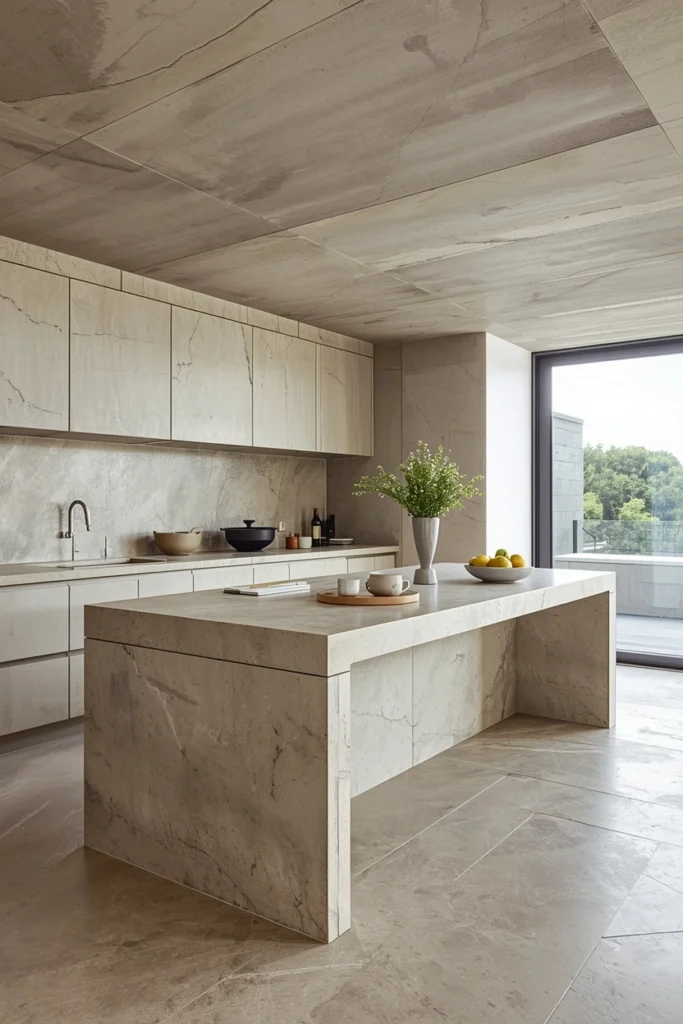
Monolithic forms blur the line between furniture and architecture. This architectural home decor trend includes solid kitchen islands, built-in benches, and block-like vanities that feel sculptural and grounded.
Designers favor stone, concrete, and wood for these pieces. Their solid presence anchors the space and reinforces architectural intent. Monolithic elements create visual calm through simplicity while adding strength and permanence to interiors.
10. Seamless Material Transitions
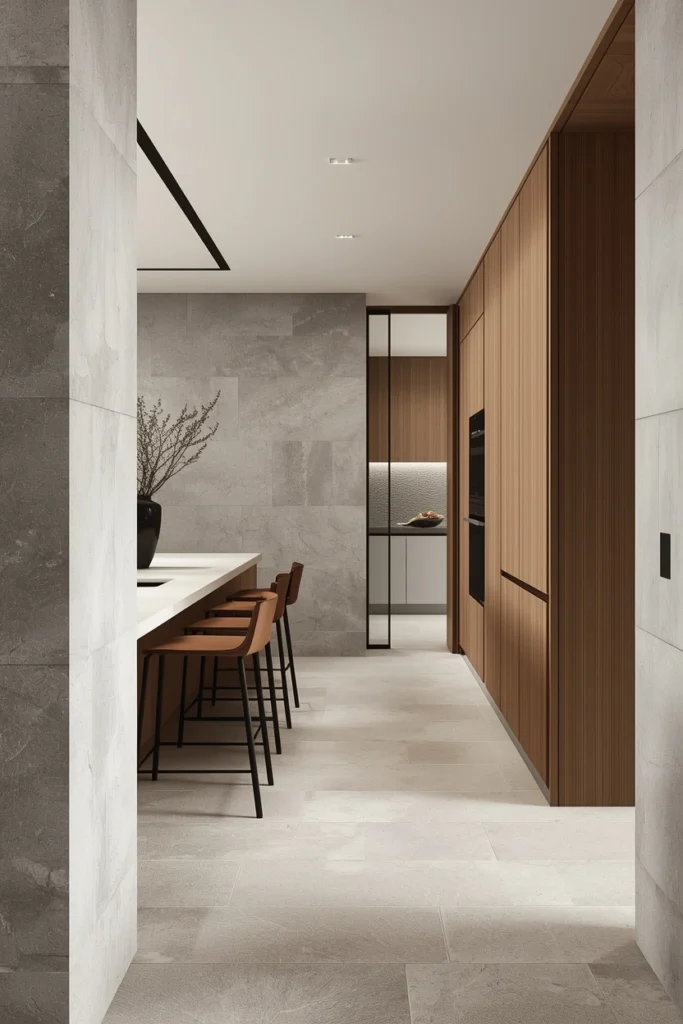
Material continuity is becoming a hallmark of architectural home decor trends. Designers are using the same materials across floors, walls, and built-ins to create seamless transitions and visual harmony.
Stone flowing from countertops to backsplashes or wood extending from walls to cabinetry creates cohesion. This approach reduces visual fragmentation and enhances architectural clarity. Seamless material transitions make spaces feel larger, calmer, and more intentional.
11. Curved Architectural Forms
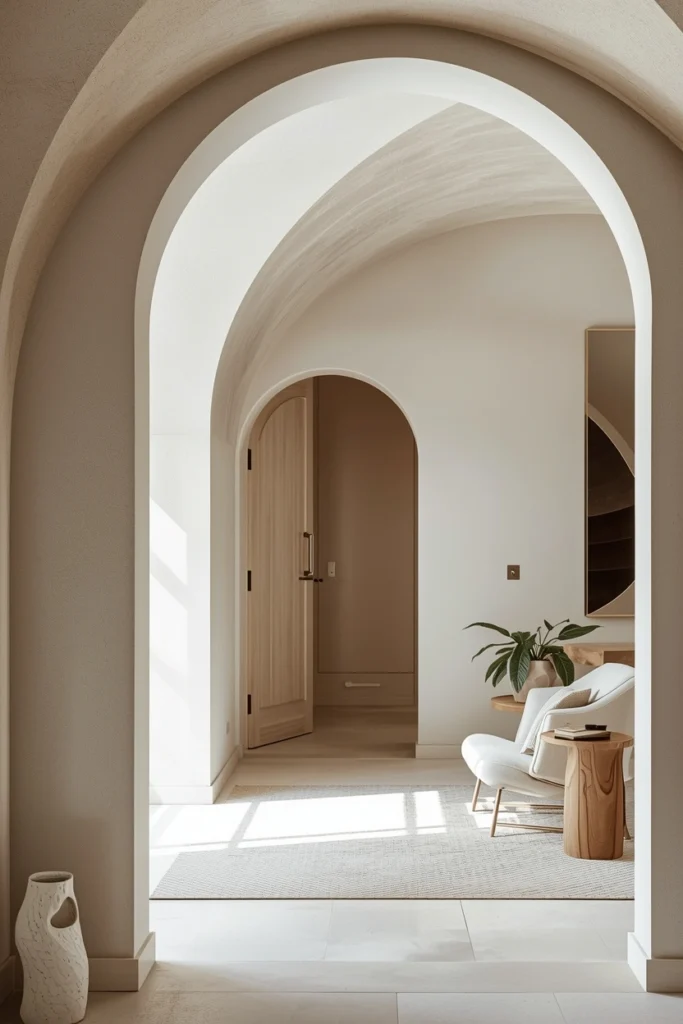
Curves are softening modern interiors in powerful ways. This architectural home decor trend introduces rounded walls, curved cabinetry, and flowing built-ins that counterbalance sharp angles.
Curved architecture enhances movement and comfort within a space. Designers often pair curves with muted color palettes and natural materials to maintain sophistication. These forms feel welcoming while remaining architectural and intentional.
12. Structural Room Dividers
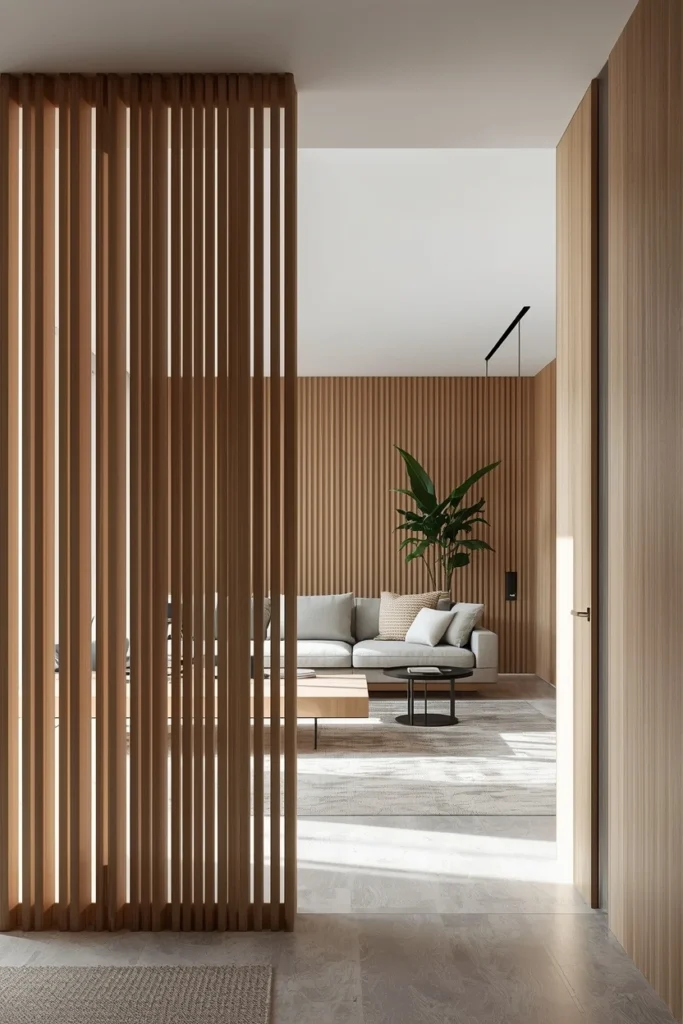
Instead of traditional walls, designers are using architectural dividers to define spaces. This architectural home decor trend includes slatted wood screens, partial walls, and sculptural partitions.
These dividers maintain openness while creating separation and rhythm. They add architectural interest without blocking light or airflow. Used thoughtfully, structural dividers enhance spatial clarity and visual layering.
13. Elevated Ceiling Treatments
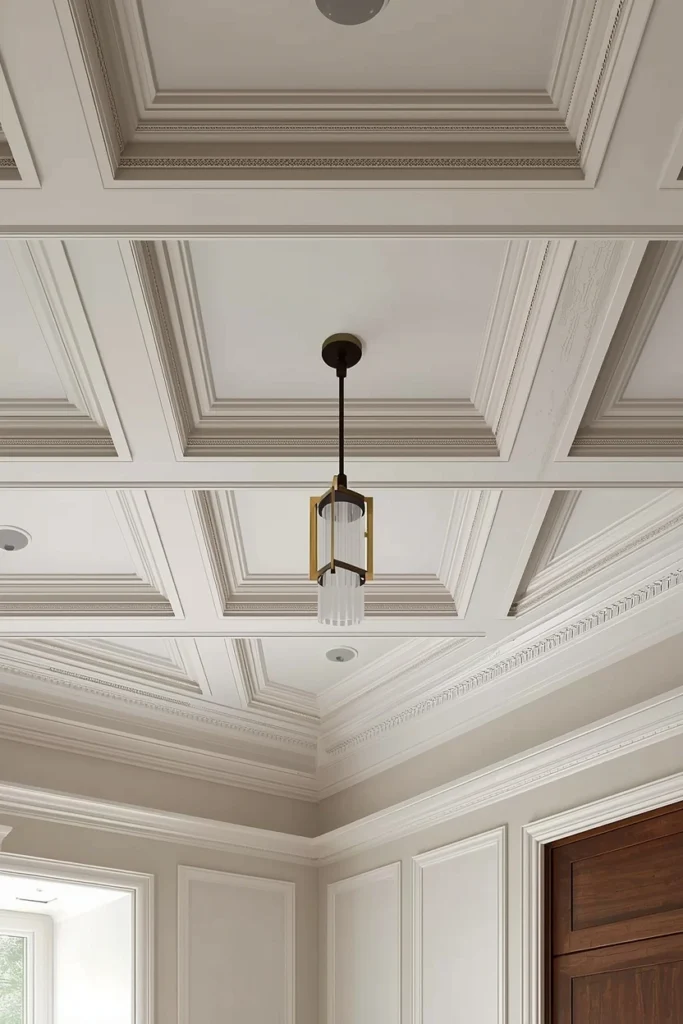
Ceilings are becoming active design elements rather than overlooked surfaces. This architectural home decor trend includes coffered ceilings, subtle molding, and recessed detailing.
Designers use ceiling treatments to enhance proportions and create visual interest overhead. When paired with architectural lighting, ceilings contribute significantly to a room’s atmosphere. Thoughtful ceiling design adds depth and refinement without overwhelming the space.
14. Built-In Architectural Seating
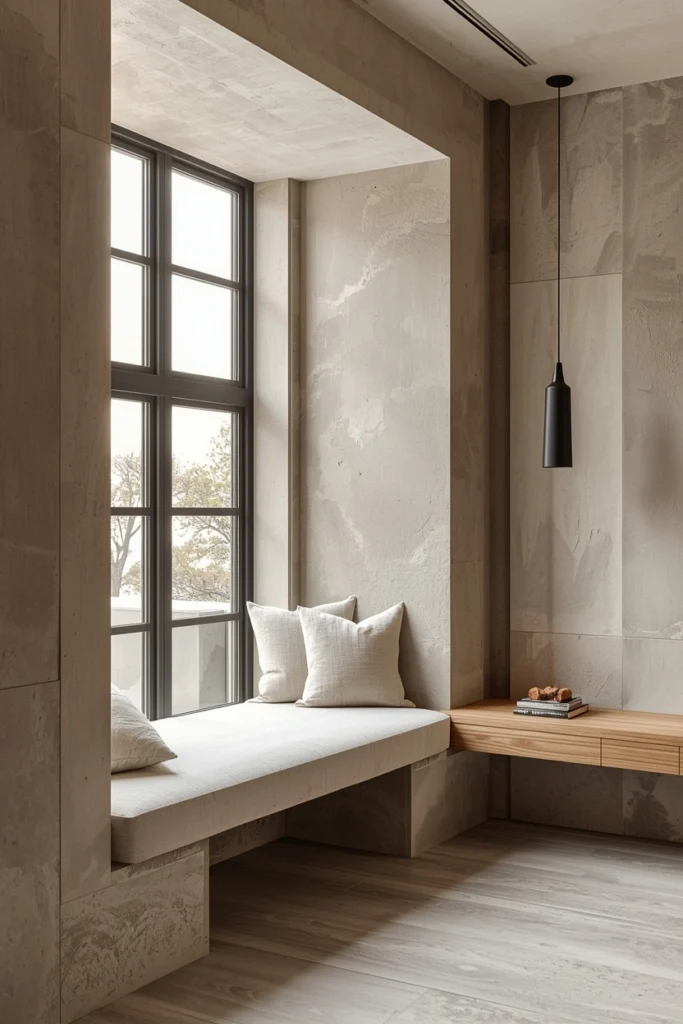
Built-in seating is merging comfort with architecture. This architectural home decor trend includes window benches, banquettes, and integrated lounge areas that feel custom and permanent.
Designers use built-in seating to maximize space and create cozy zones. Finished in plaster, wood, or stone and softened with cushions, these features feel intentional and sculptural. Built-in seating enhances flow and reinforces architectural continuity.
15. Timeless Neutral Architectural Palettes
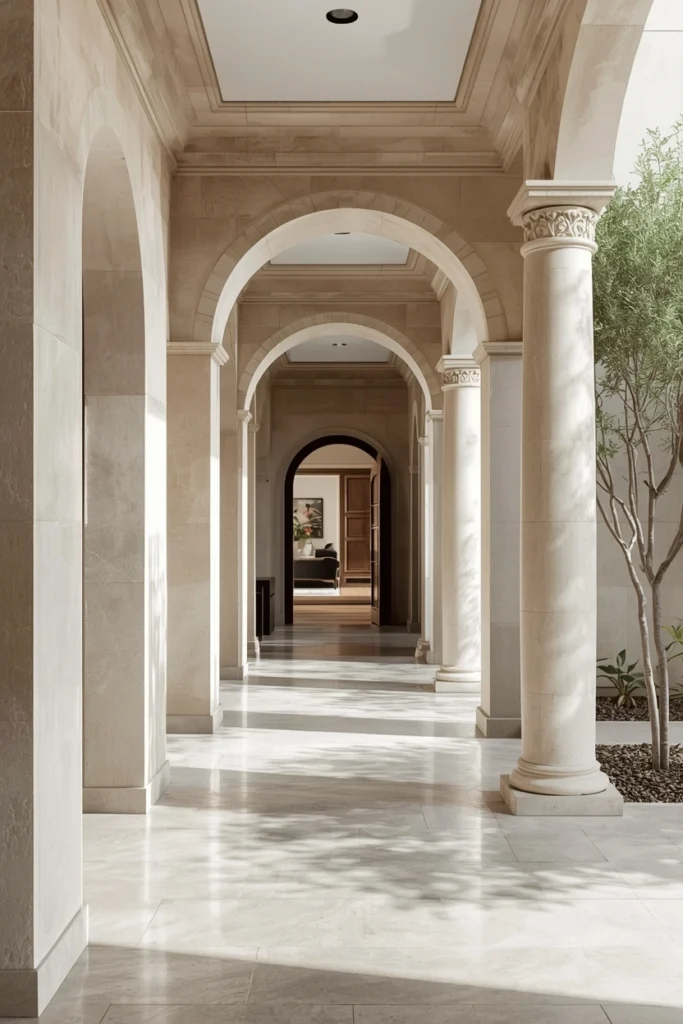
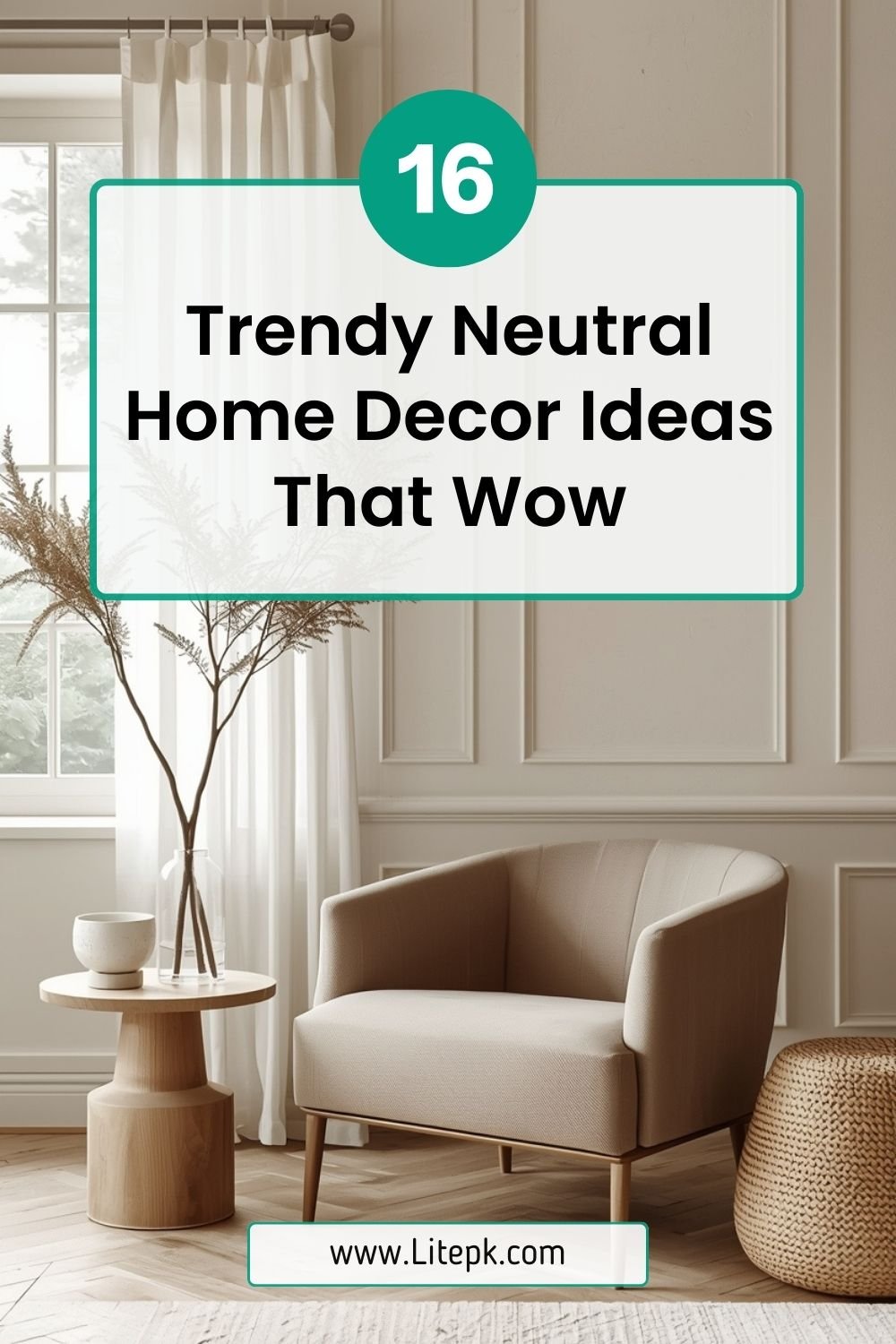
Color trends come and go, but architectural home decor trends favor timeless neutrals. Shades of beige, taupe, warm gray, and stone highlight form, texture, and proportion.
Designers rely on neutral palettes to allow architectural details to stand out. These tones create calm, cohesive interiors that feel enduring rather than trendy. Neutral architecture-focused decor supports longevity and adaptability across changing styles.
Final Thoughts
Architectural home decor trends are reshaping modern interiors by prioritizing structure, materiality, and intentional design. These trends move beyond surface decoration, focusing instead on elements that feel permanent, thoughtful, and deeply connected to the architecture of a home. By embracing these ideas, interiors gain depth, clarity, and timeless appeal.