15 Curated Shelf Styling Ideas That Look Designer
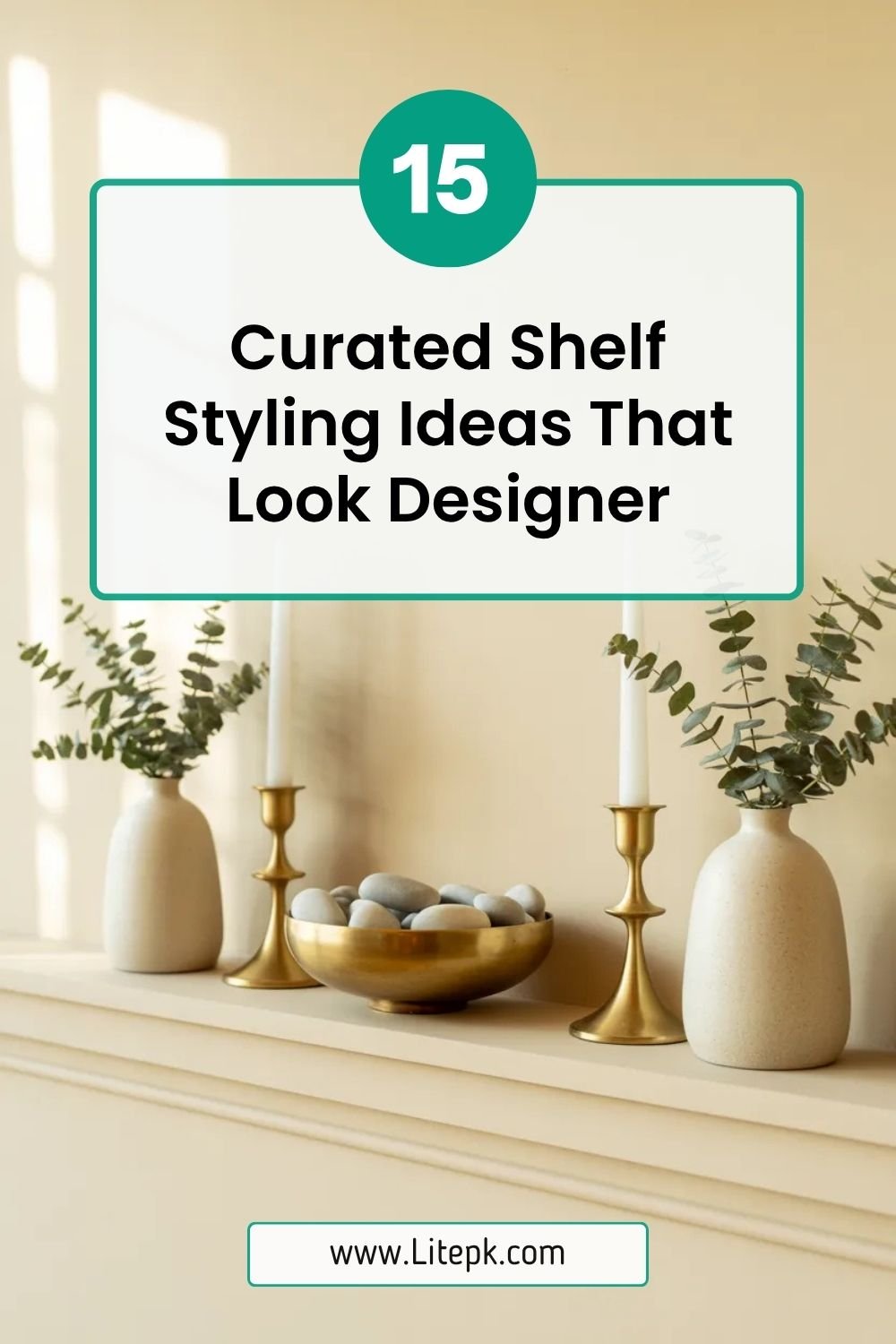
A beautifully styled shelf can instantly elevate your entire space. It’s not just about placing objects—it’s about telling a story through balance, texture, scale, and intention. When done right, curated shelves feel effortless, yet every piece is carefully chosen.
Designers treat shelves as visual compositions. They layer elements, play with symmetry and contrast, and ensure every inch contributes to a cohesive look. These curated shelf styling ideas will help you achieve that high-end, designer aesthetic in your own home.
1. The Rule of Three Styling Method
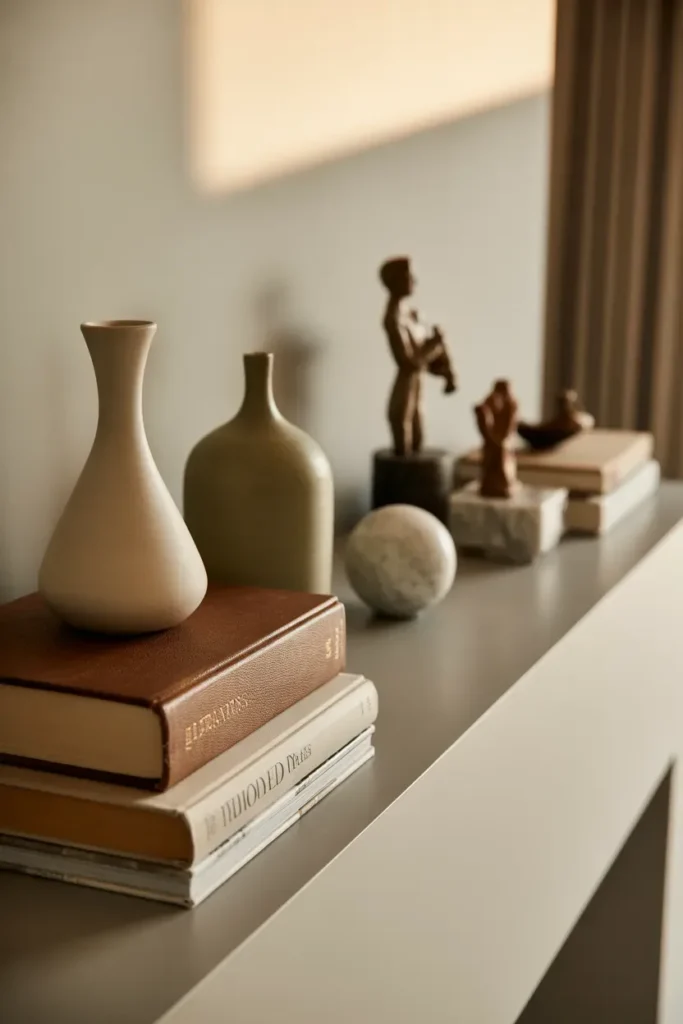
One of the most trusted designer tricks is the rule of three. Grouping items in sets of three creates a natural balance that feels visually pleasing and intentional. This method works across all shelf types, from bookshelves to open kitchen shelving.
Choose items of varying heights and textures within each group. For example, combine a vase, a stack of books, and a small decorative object. This variation adds interest while maintaining harmony, making your shelf look curated rather than cluttered.
2. Layering Artwork Behind Objects
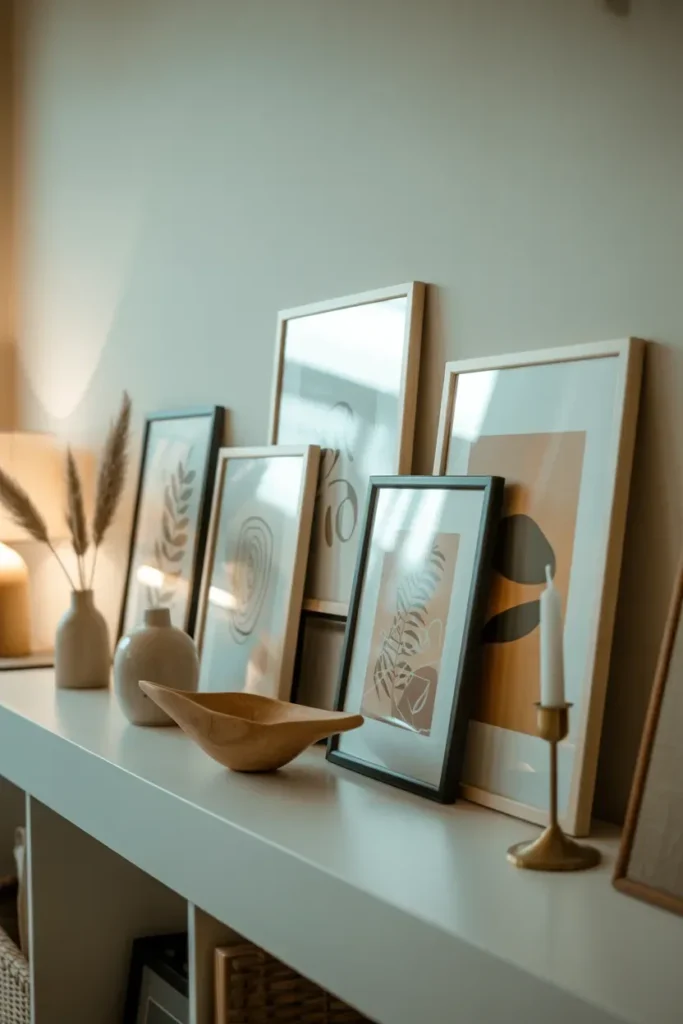
Instead of hanging all artwork, designers often lean framed art against the wall on shelves. This creates depth and a relaxed, gallery-like feel.
Layer smaller objects in front of the artwork to build dimension. This technique softens the overall look and prevents the shelf from appearing too rigid or overly styled.
3. Mixing Books with Decorative Objects
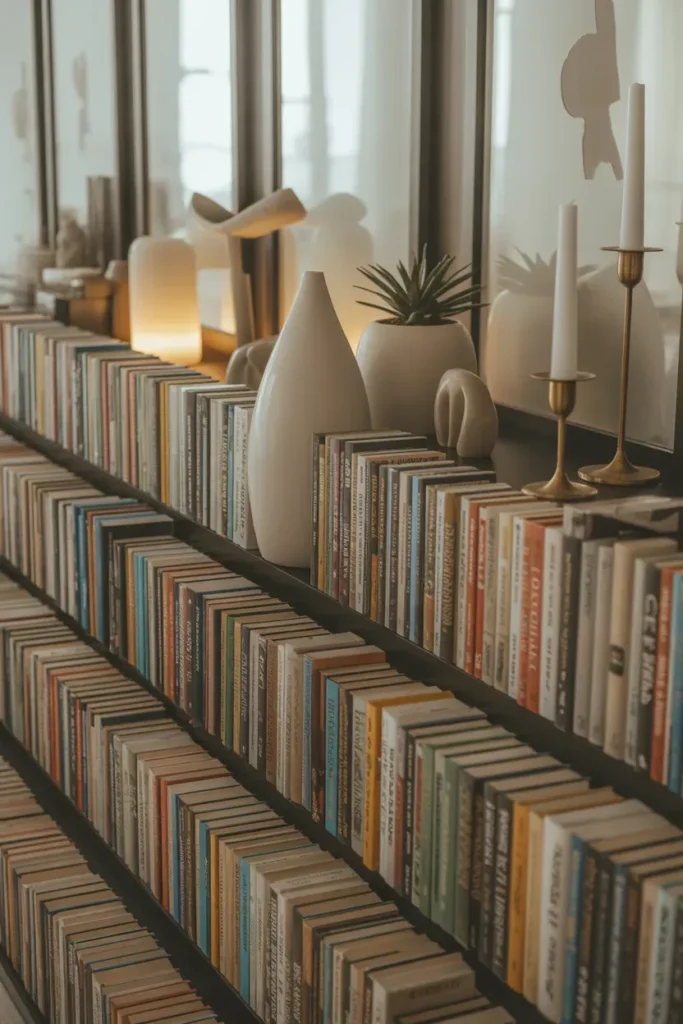
Books are essential in shelf styling, but they should be mixed with decor rather than stacked uniformly. Designers alternate between vertical and horizontal stacks to create rhythm.
Place decorative items like candles or small sculptures on top of book stacks. This adds variation and breaks monotony, making the shelf feel dynamic and engaging.
4. Incorporating Natural Elements
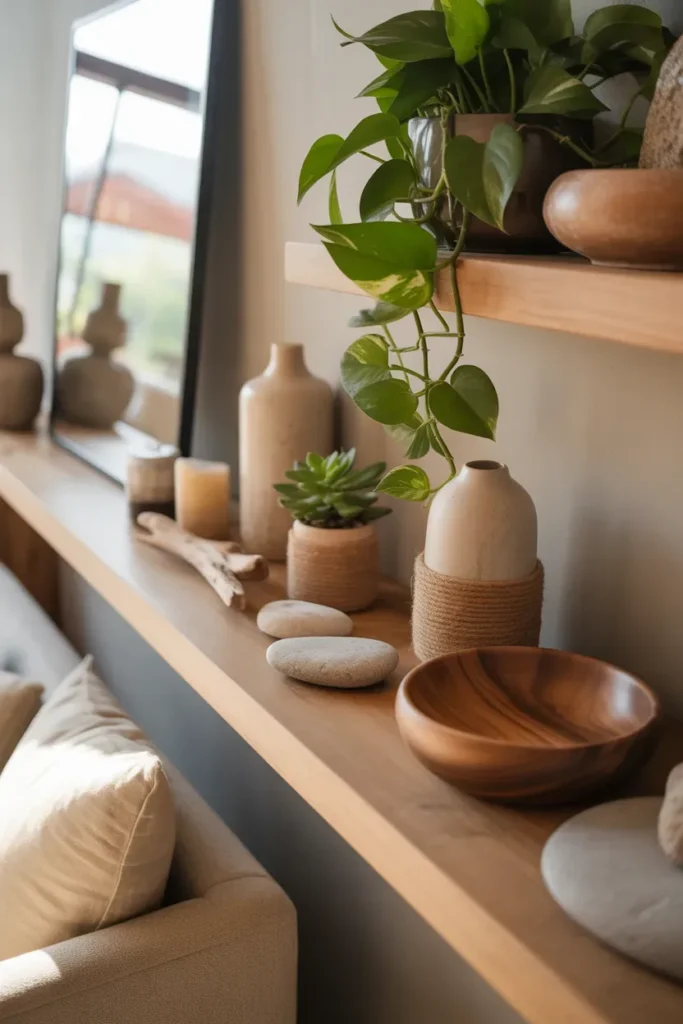
Natural elements bring warmth and life to shelves. Items like plants, wooden accents, and stone pieces create a balanced and organic feel.
Even a small plant can make a big difference. Combine greenery with neutral decor to soften the overall look and add freshness to your styling.
5. Using Negative Space Strategically
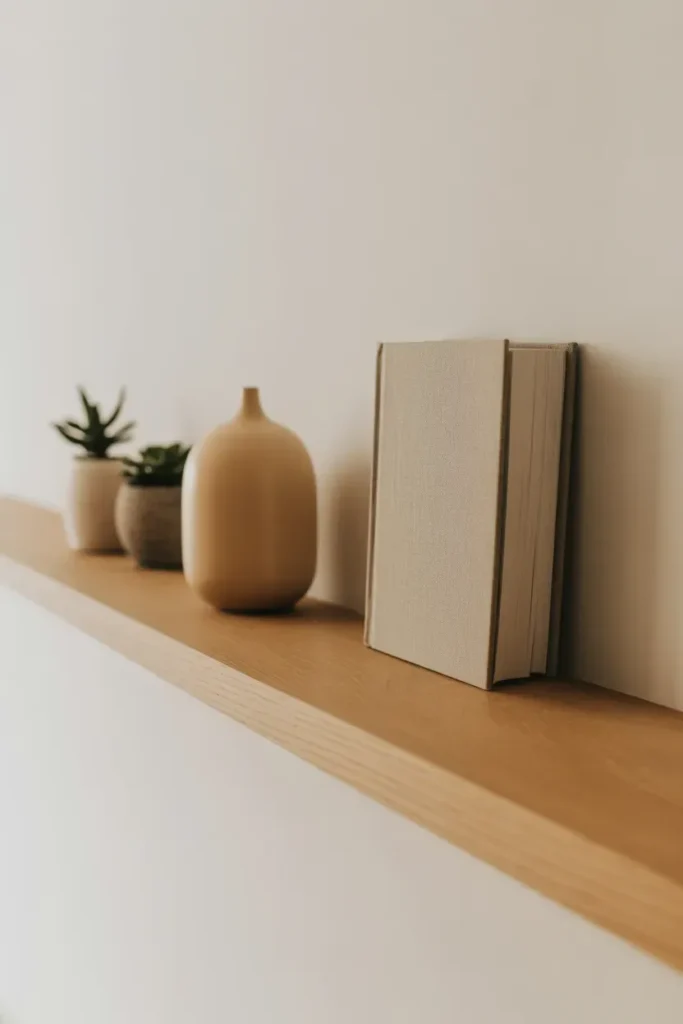
One of the biggest mistakes in shelf styling is overcrowding. Designers intentionally leave empty spaces to allow the eye to rest and highlight key pieces.
Negative space enhances the overall composition, making it feel more refined and less cluttered. It also helps individual items stand out.
6. Playing with Height and Scale
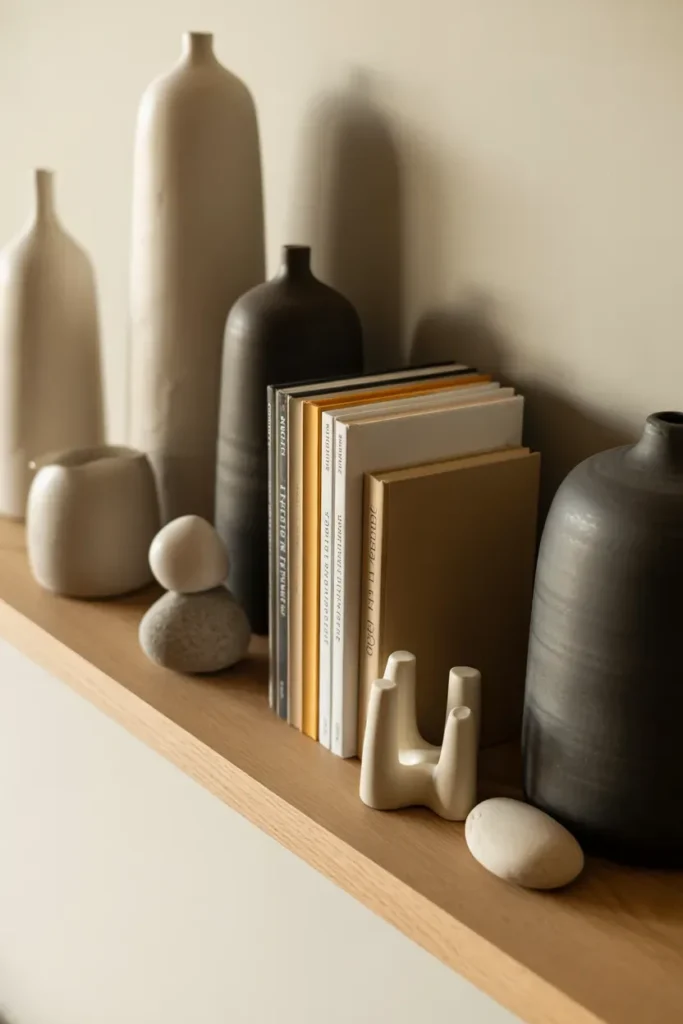
Varying the height and scale of objects creates visual interest. Combine tall vases, medium-sized books, and smaller accents to build layers.
Avoid placing items of similar size next to each other. The contrast in scale adds depth and prevents the arrangement from looking flat.
7. Monochrome Color Coordination
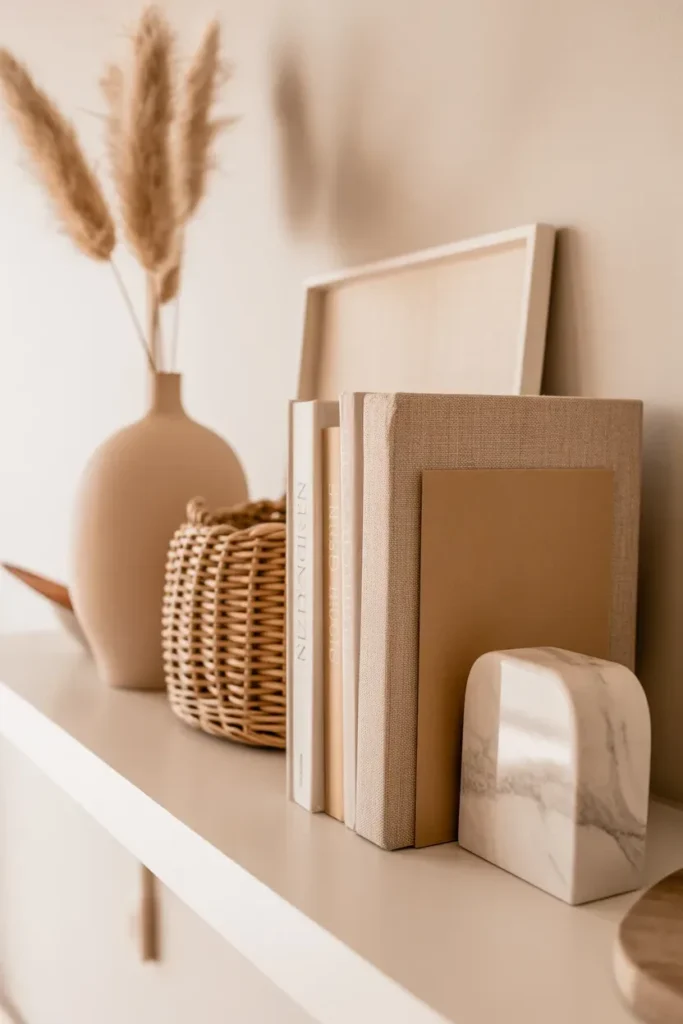
Sticking to a single color palette creates a cohesive and sophisticated look. Designers often use shades of white, beige, or gray for a timeless aesthetic.
Within the monochrome scheme, introduce different textures to maintain interest. This keeps the shelf from looking too uniform.
8. Adding Sculptural Pieces
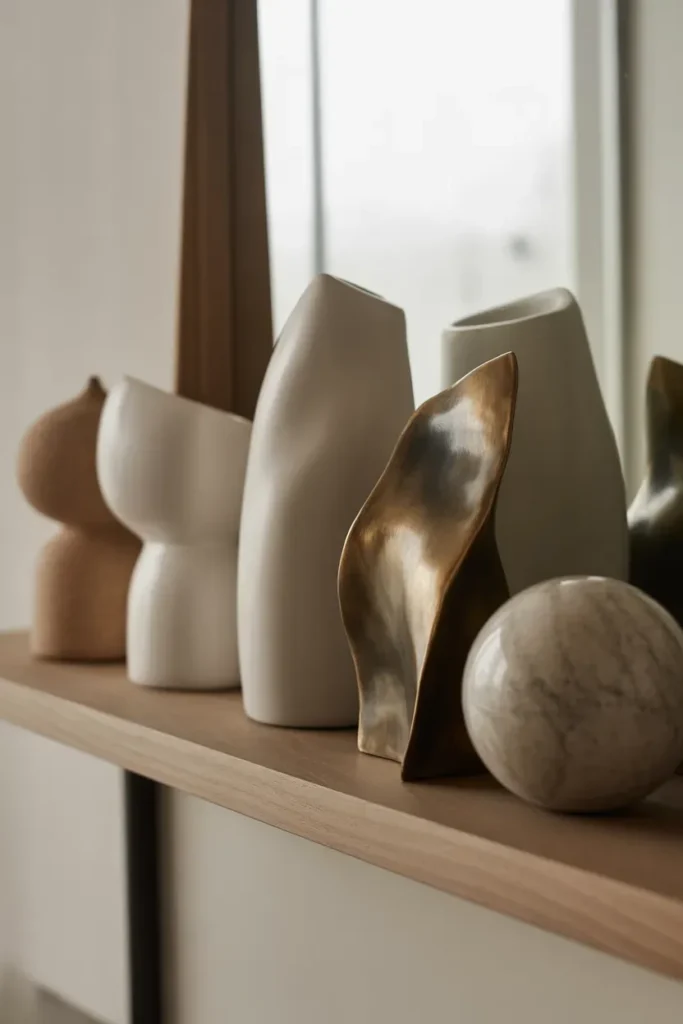
Sculptural decor adds an artistic element to shelves. Abstract shapes, ceramic pieces, or unique objects can serve as focal points.
These pieces break the monotony of traditional decor and add personality. Place them strategically to draw attention.
9. Layering Textures for Depth
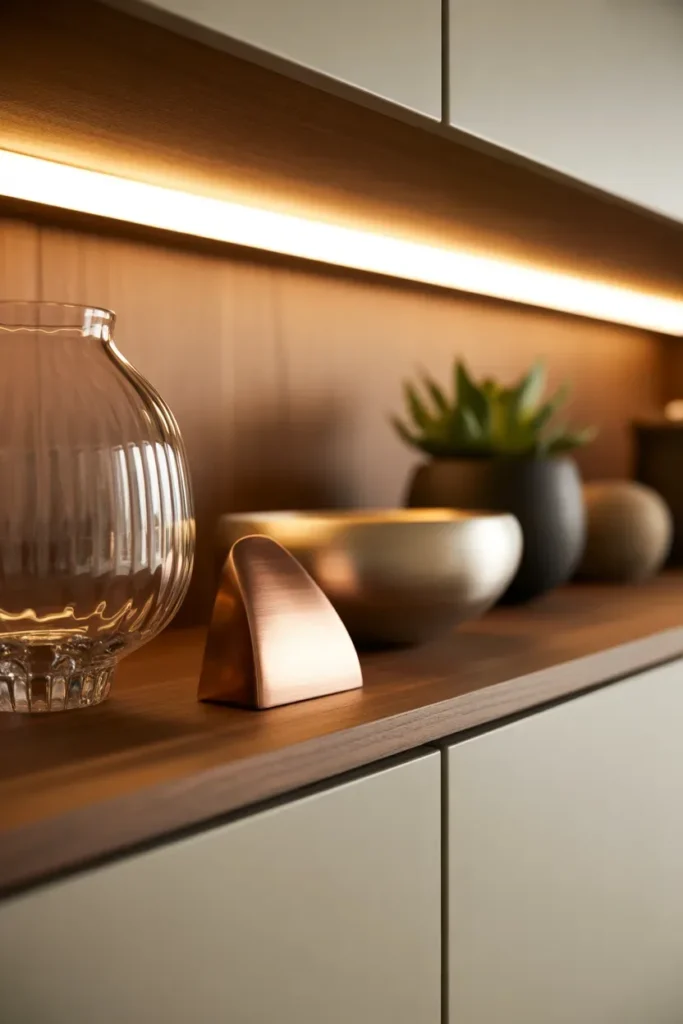
Texture plays a crucial role in creating a designer look. Combine materials like glass, wood, metal, and fabric to add richness.
This layering creates a tactile experience, making the shelf visually engaging even within a neutral palette.
10. Symmetrical Styling for Balance
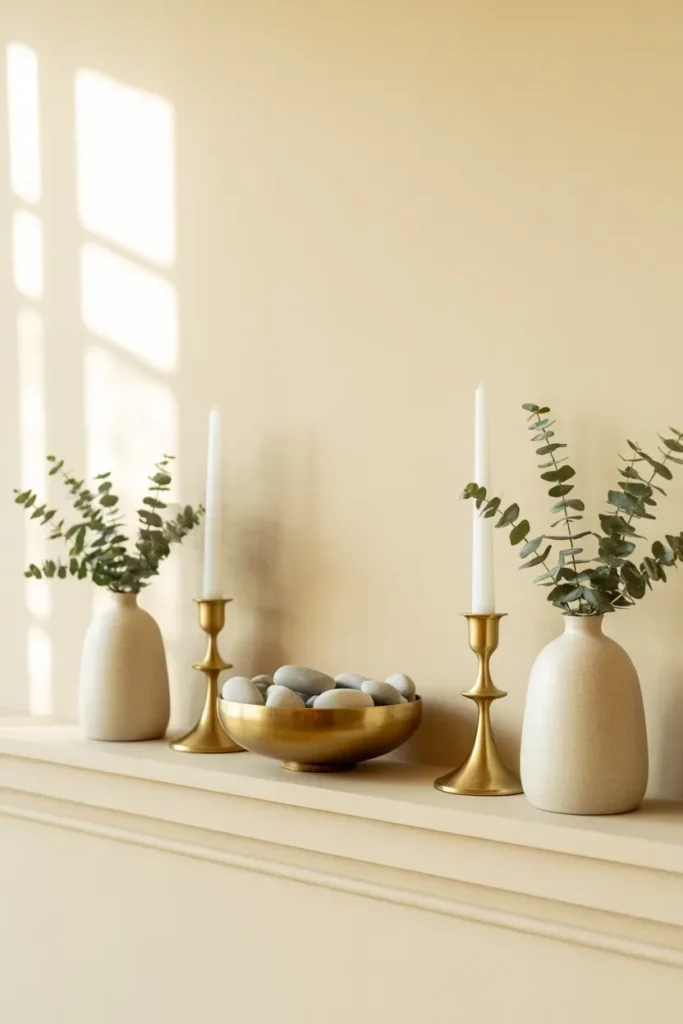
Symmetry brings a sense of order and calm. Designers often mirror items on either side of a shelf or arrange objects evenly.
This approach works well in formal spaces. Pair items like matching vases or lamps to create a balanced composition.
11. Personal Touches with Restraint
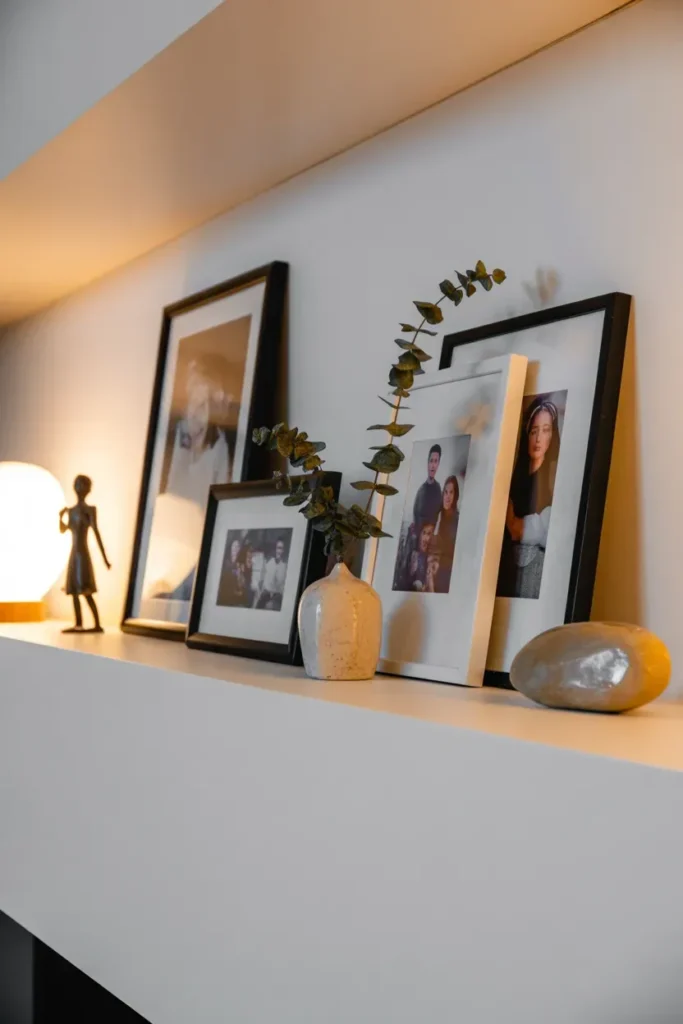
Adding personal items like photos or souvenirs makes shelves feel authentic. However, designers use these sparingly to avoid clutter.
Choose a few meaningful pieces and integrate them into the overall design. This keeps the look curated while adding character.
12. Using Baskets and Boxes for Hidden Storage
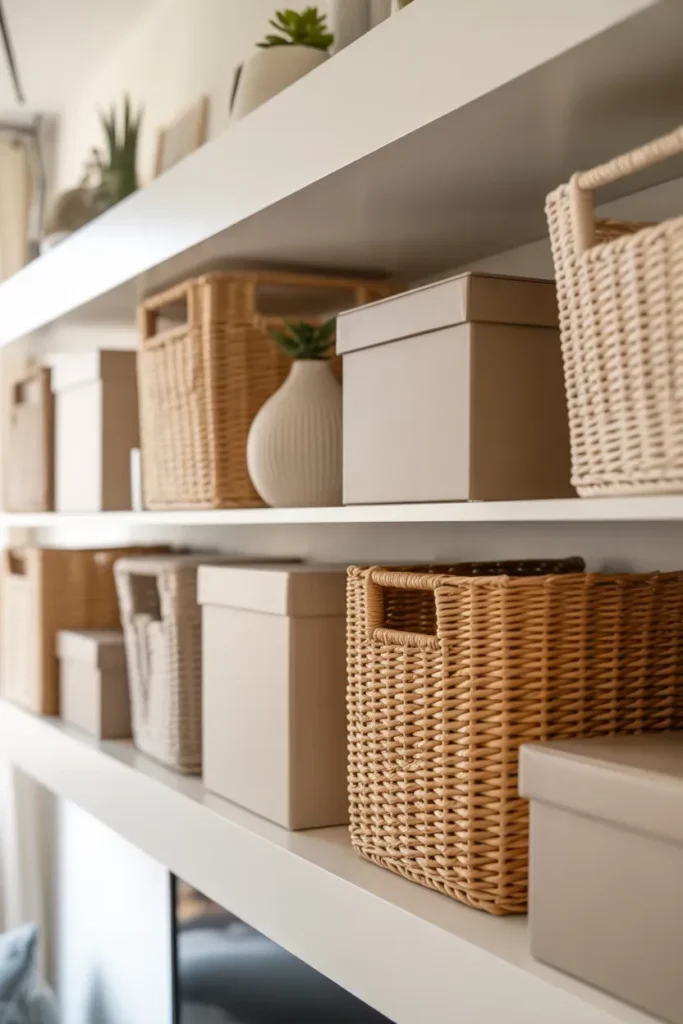
Functional storage can also be stylish. Baskets and decorative boxes help hide clutter while adding texture to the shelf.
Choose designs that complement your decor style. This ensures practicality without compromising aesthetics.
13. Creating Visual Flow Across Shelves
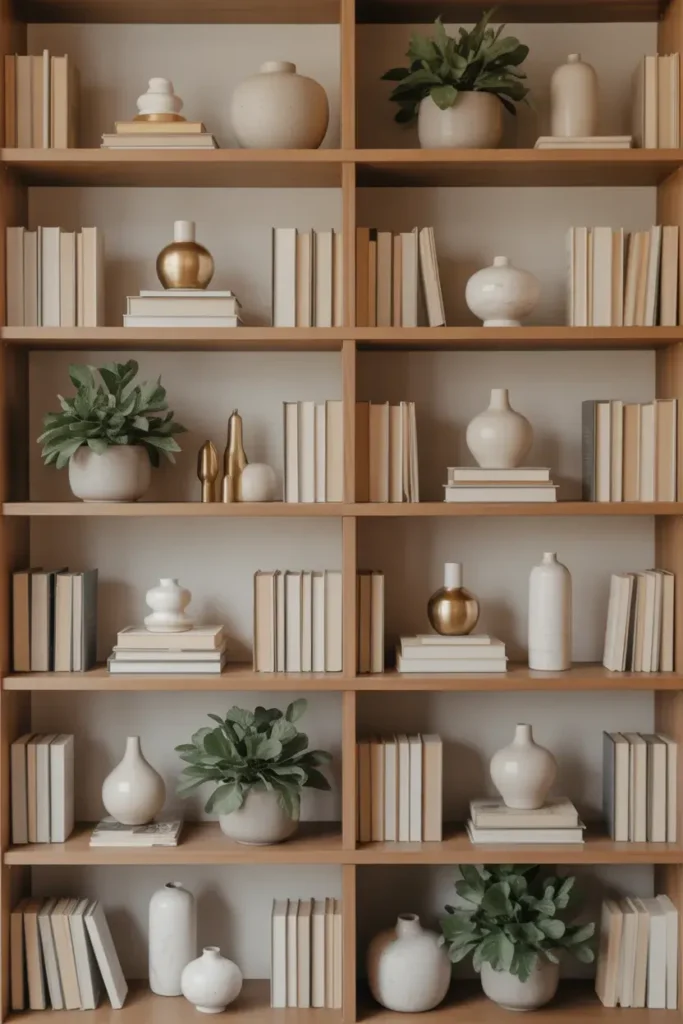
Designers ensure that each shelf connects visually with the others. Repeating colors, materials, or shapes creates continuity.
This flow prevents the arrangement from feeling disjointed. It makes the entire unit look cohesive and intentional.
14. Highlighting a Focal Point
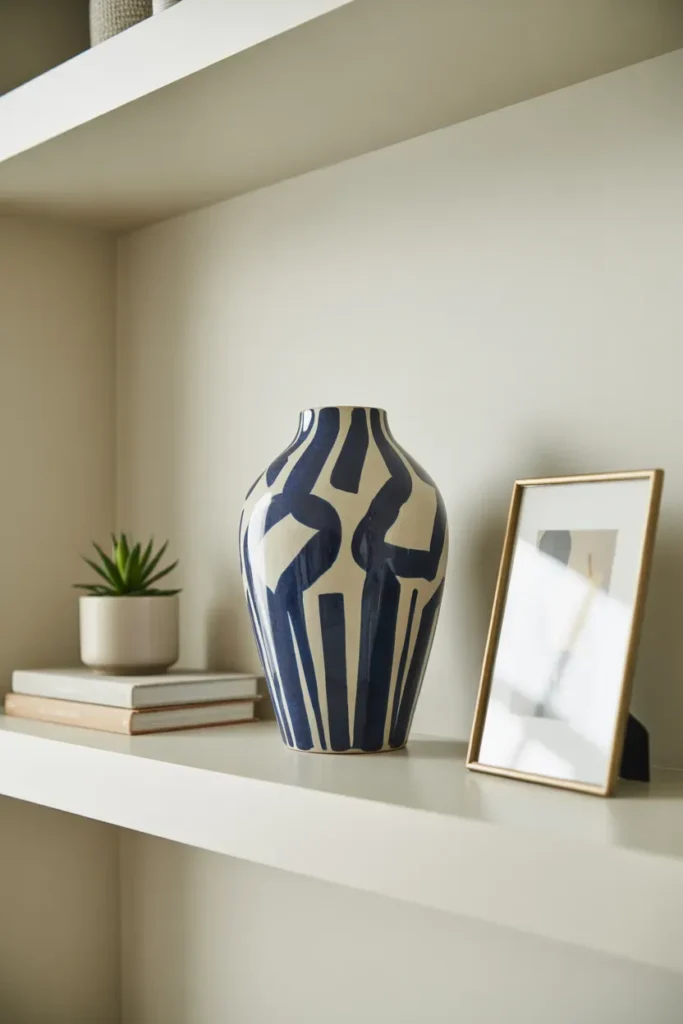
Every shelf should have a focal point that draws attention. This could be a large artwork, a bold sculpture, or a unique decor piece.
Arrange surrounding items to support this focal point rather than compete with it. This creates a strong visual anchor.
15. Seasonal Refresh Styling
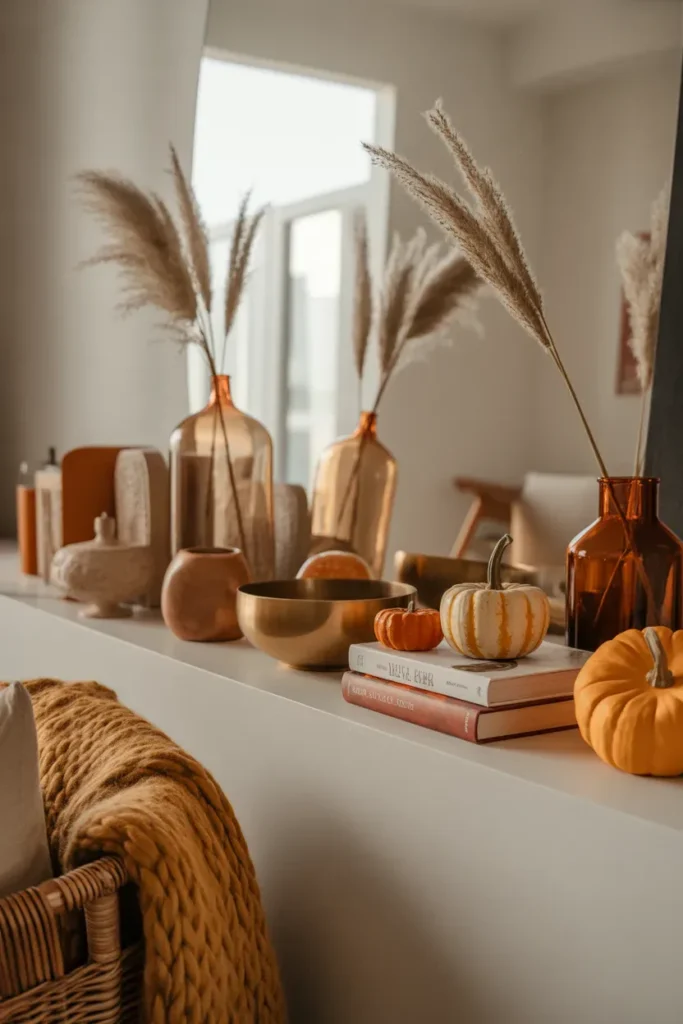
Updating your shelves seasonally keeps your space feeling fresh. Swap out decor items to reflect different times of the year.
This approach allows you to experiment with new styles while maintaining your core design aesthetic. It’s a simple way to keep your home dynamic and engaging.
Final Thoughts
Curated shelf styling is both an art and a science. It requires a balance of creativity, restraint, and attention to detail. By applying these curated shelf styling ideas, you can transform ordinary shelves into stunning focal points.
Remember, the goal is not perfection but intention. When every piece has a purpose and contributes to the overall story, your shelves will naturally look designer-worthy.