17 Gothic Home Decor Ideas With Modern Drama
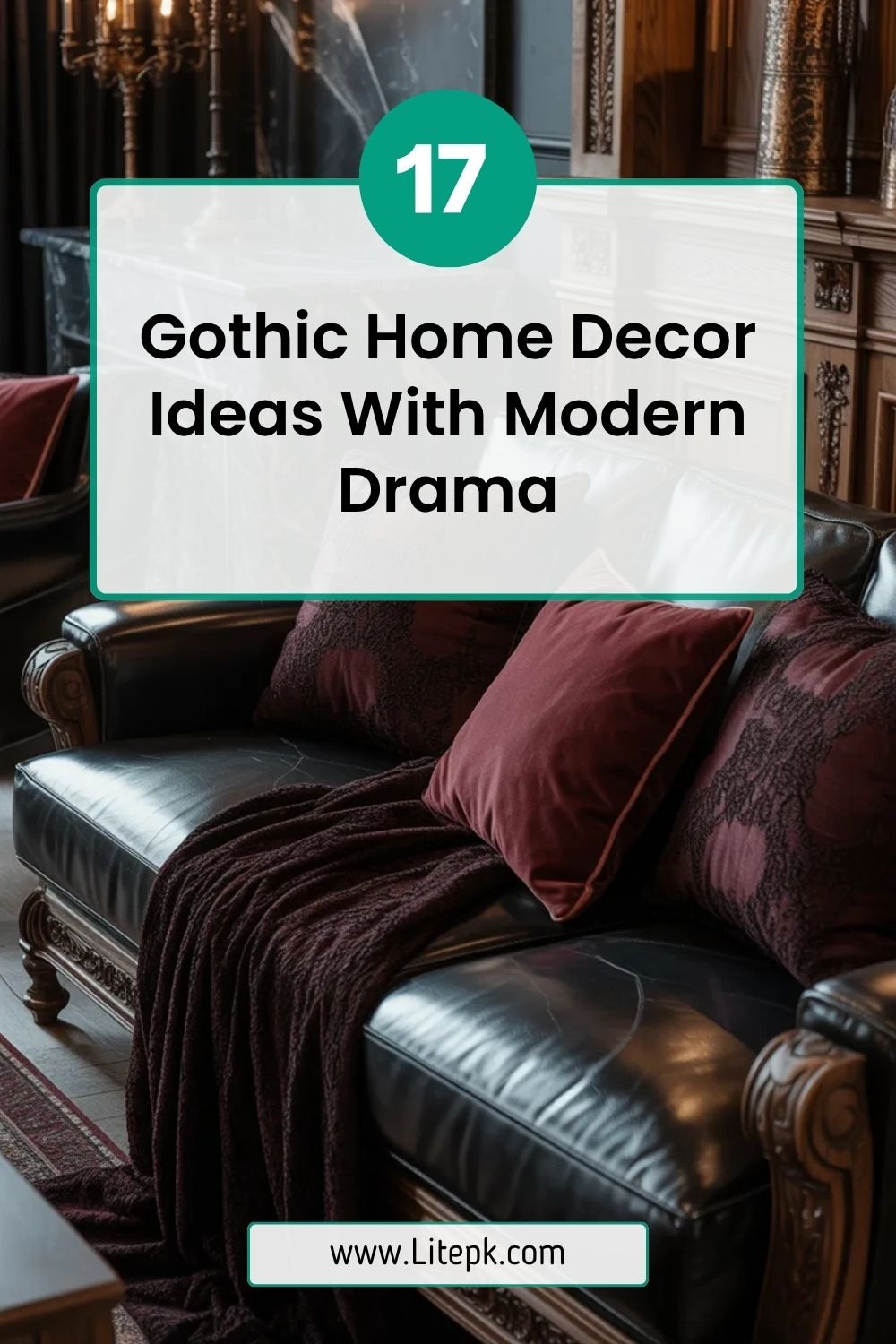
Gothic interiors have stepped far beyond their medieval roots, evolving into a bold, dramatic aesthetic that blends history with contemporary elegance. Today’s Gothic home decor is less about darkness and more about contrast, texture, and storytelling—where shadow meets sophistication and every corner feels intentionally curated.
If you’re drawn to moody palettes, sculptural furniture, and spaces that feel both mysterious and luxurious, this guide to Gothic Home Decor Inspirations will help you transform your home into a modern Gothic sanctuary. Each idea below balances drama with livability, ensuring your space feels striking without being overwhelming.
1. Embrace a Dark and Moody Color Palette
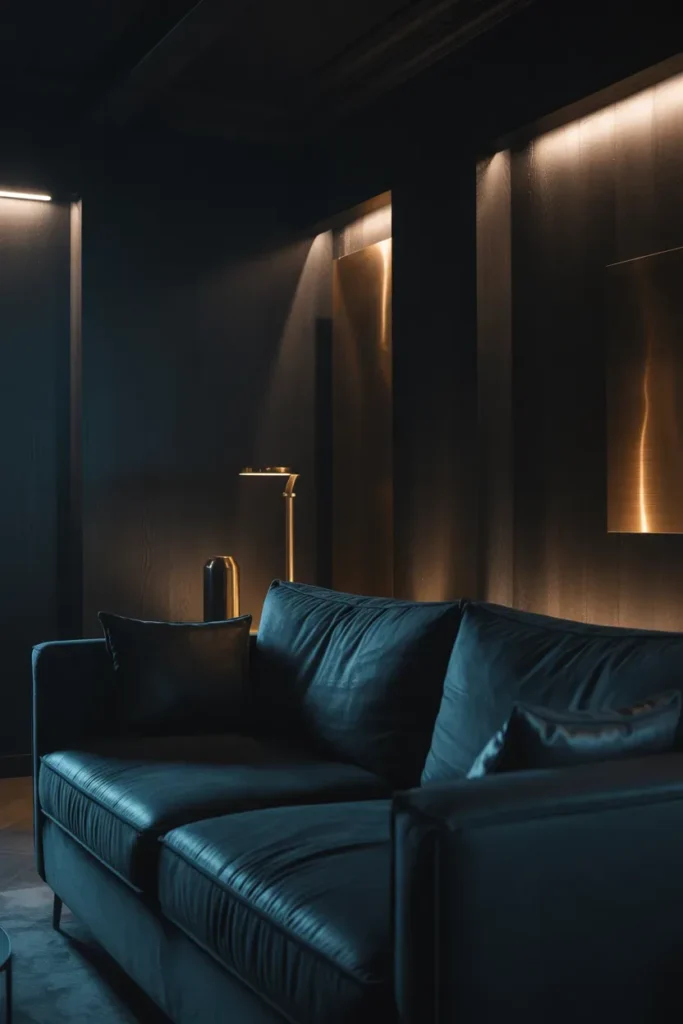
A foundational element of Gothic home decor is the use of deep, saturated colors that evoke emotion and intensity. Think charcoal blacks, deep burgundy, midnight blue, forest green, and plum tones. These colors create a cocooning effect, making rooms feel intimate and dramatic. When used correctly, dark walls can actually make a space feel more expansive by blurring edges and adding depth.
To modernize this approach, pair dark walls with lighter accents such as metallic finishes, soft textiles, or pale flooring. Matte black walls combined with brushed brass or gold fixtures create a refined contrast that feels contemporary rather than heavy. Layering tones within the same color family also adds sophistication and prevents the space from feeling flat.
2. Incorporate Ornate Mirrors
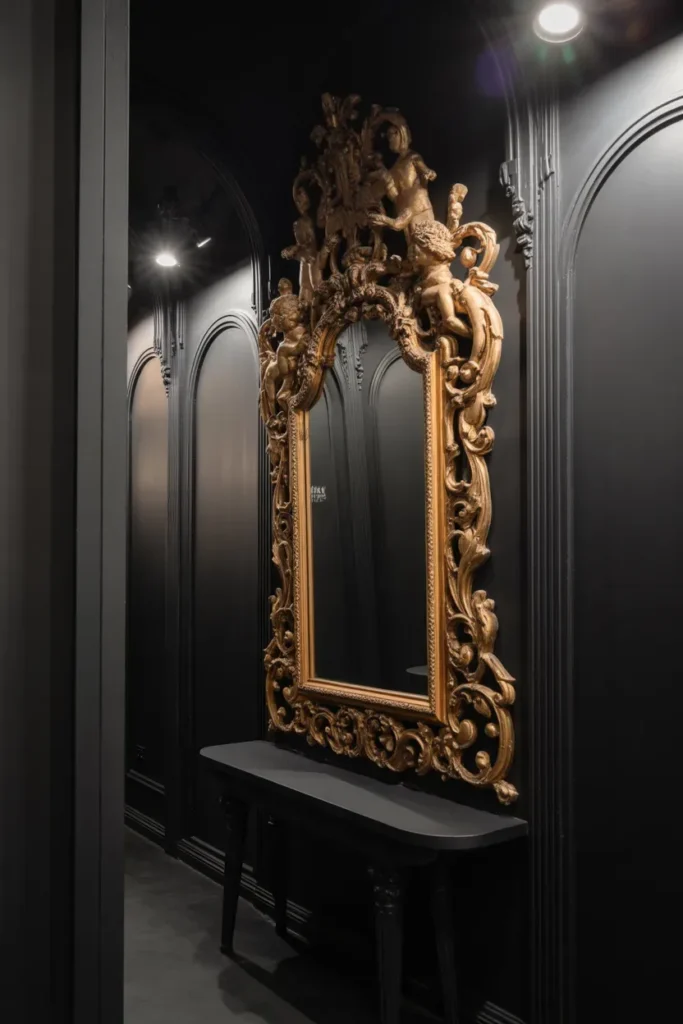
Ornate mirrors are a signature feature in Gothic interiors, reflecting both light and drama. Large mirrors with carved frames, gilded edges, or baroque detailing instantly elevate a room while adding a sense of history. They also help balance darker palettes by reflecting available light, making spaces feel less enclosed.
For a modern twist, mix antique-style mirrors with minimalist surroundings. A heavily detailed mirror placed above a sleek console or against a plain wall creates visual tension that feels intentional and stylish. Leaning oversized mirrors against walls can also introduce a relaxed, contemporary feel without losing the Gothic essence.
3. Add Velvet Upholstery
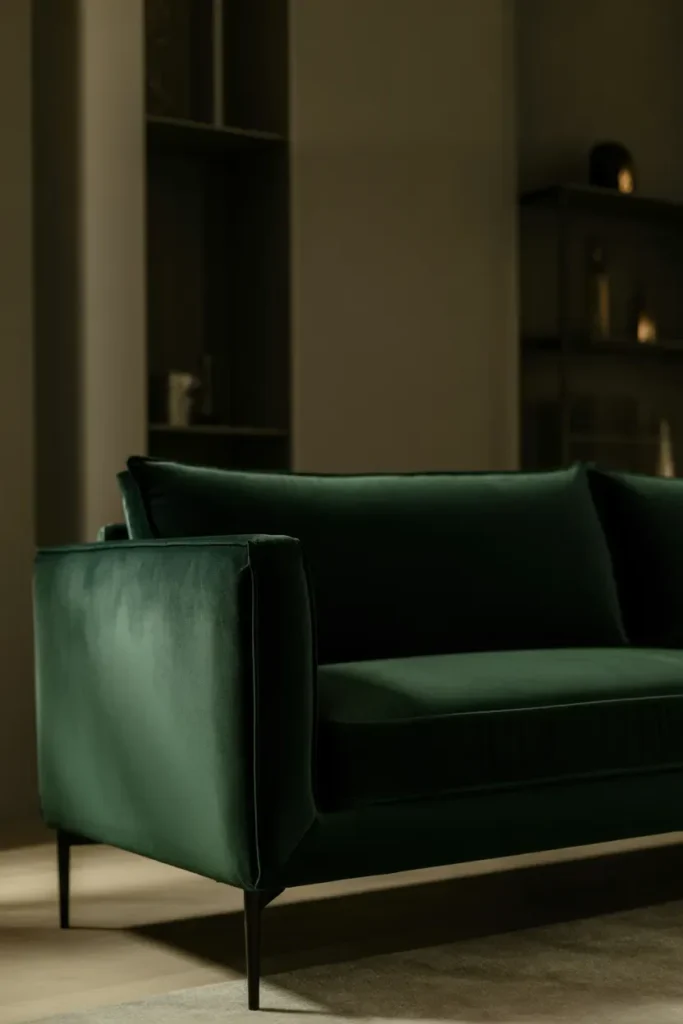
Velvet is synonymous with luxury and plays a central role in Gothic home decor inspirations. Its rich texture absorbs light beautifully, enhancing the depth of dark colors. Sofas, armchairs, or even ottomans in velvet create a tactile experience that feels indulgent and inviting.
To keep things modern, choose clean-lined furniture silhouettes rather than overly ornate pieces. A deep green or black velvet sofa with sleek legs blends Gothic richness with contemporary design. Mixing velvet with other materials like leather, metal, or wood also prevents the space from feeling overly heavy.
4. Use Statement Lighting
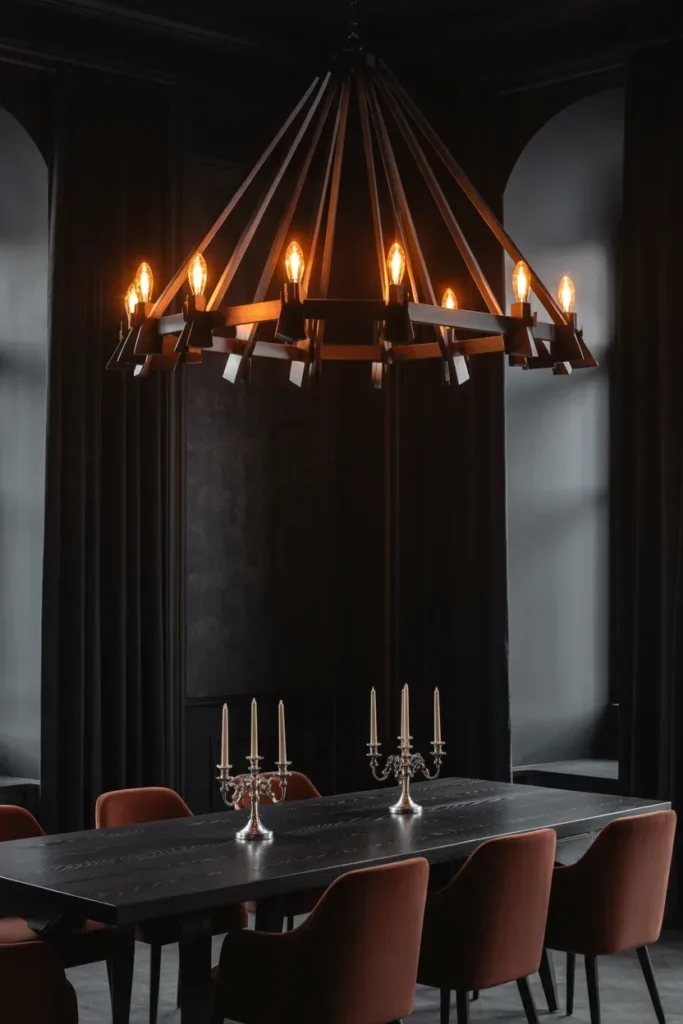
Lighting is crucial in Gothic interiors, where atmosphere takes precedence over brightness. Chandeliers, candelabras, and pendant lights with intricate designs add drama and elegance. These fixtures act as both functional lighting and sculptural art pieces.
Modern Gothic spaces benefit from combining traditional lighting styles with updated finishes. Black metal chandeliers with geometric shapes or smoked glass pendants offer a contemporary edge while maintaining the moody aesthetic. Layering lighting sources—ambient, task, and accent—ensures the room remains practical without losing its dramatic appeal.
5. Introduce Gothic Arches
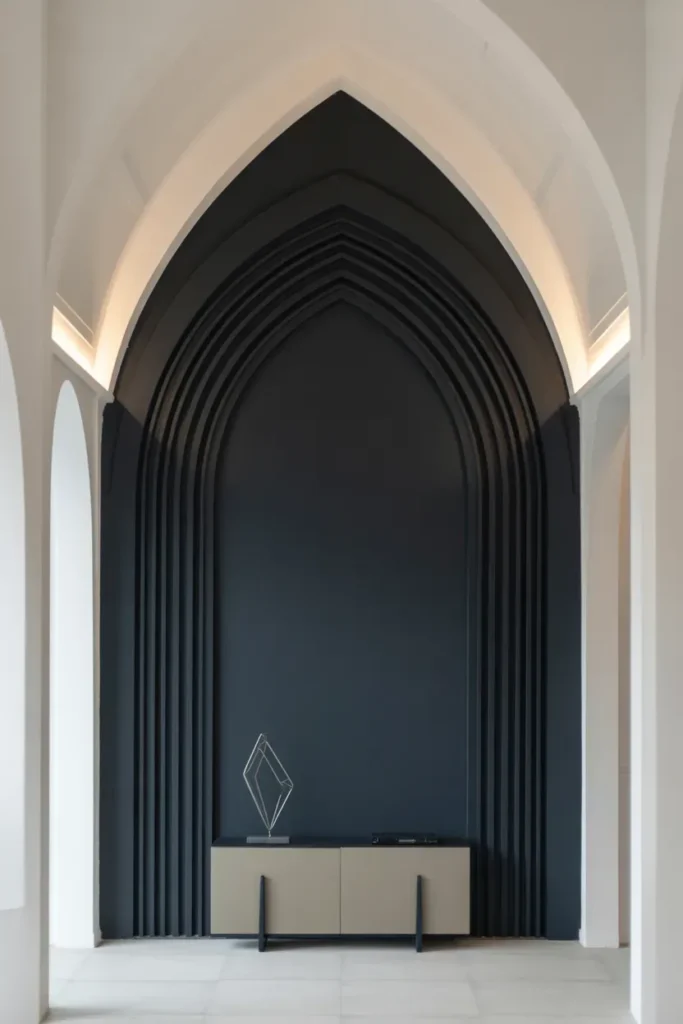
Architectural details like arches instantly evoke Gothic design. Whether through doorways, mirrors, or decorative wall panels, arches add a sense of grandeur and timelessness. They soften the rigidity of modern interiors while introducing a historic touch.
If structural changes aren’t possible, you can mimic arches using wall decals, painted designs, or arched furniture pieces. Pairing these elements with clean, modern surroundings creates a balanced look that feels both classic and current.
6. Layer Textures for Depth
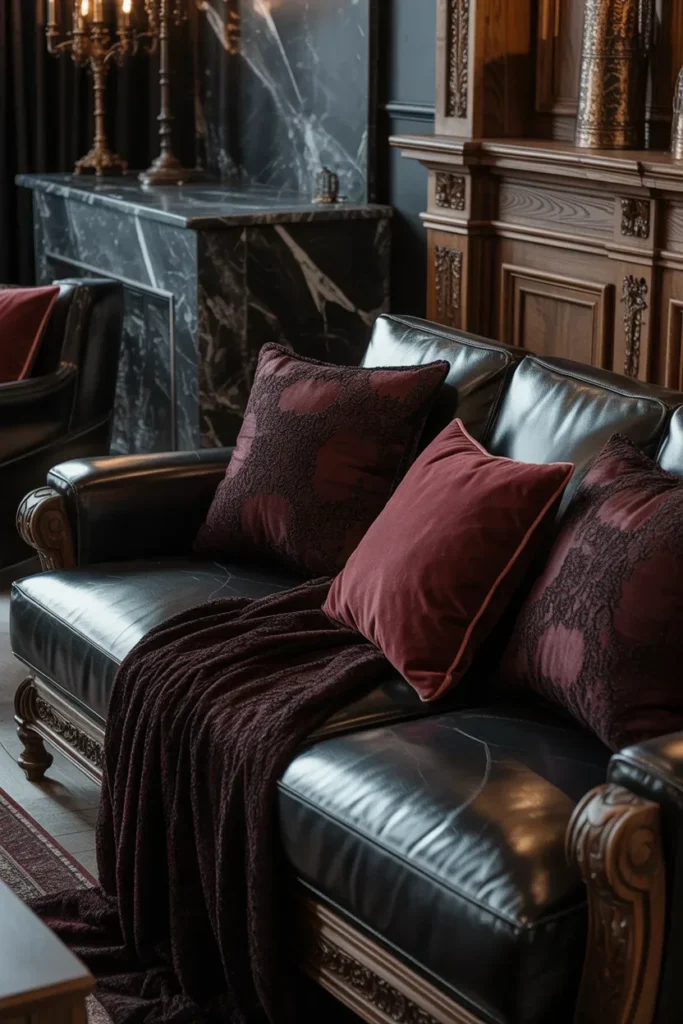
Texture is essential in creating a rich Gothic atmosphere. Combining materials like velvet, leather, wood, metal, and stone adds visual interest and prevents monotony. Each layer contributes to the overall depth of the space.
Modern Gothic design emphasizes intentional layering rather than clutter. Use textured rugs, throws, and cushions sparingly but strategically. Mixing smooth and rough surfaces—such as polished marble with distressed wood—creates contrast and enhances the sensory experience of the room.
7. Display Antique or Vintage Pieces
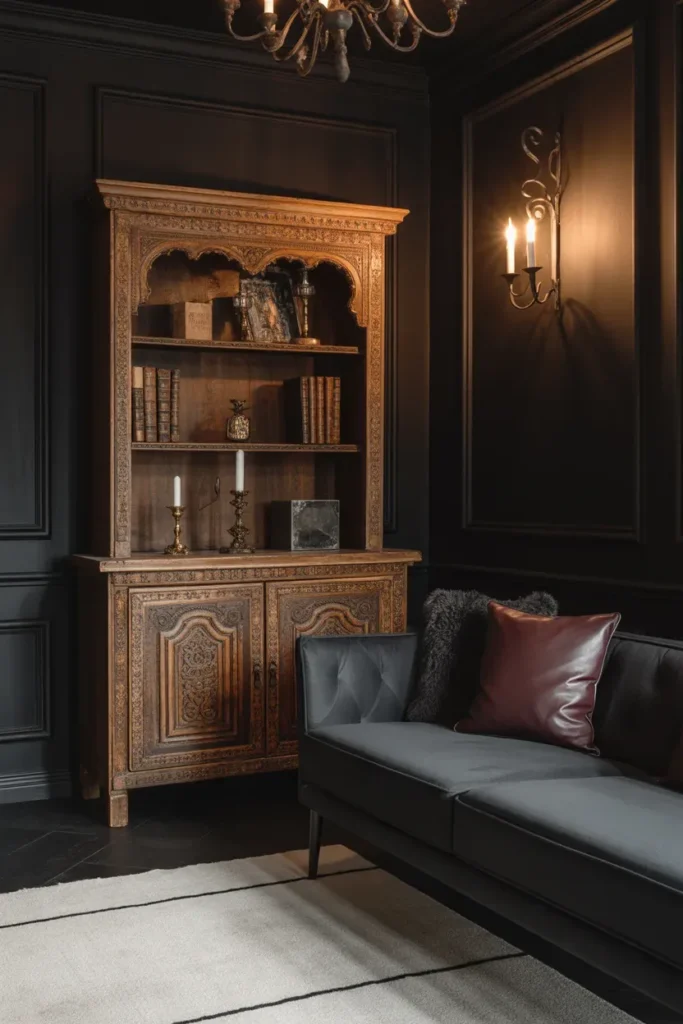
Antique furniture and decor pieces bring authenticity to Gothic interiors. Items like vintage cabinets, old books, or carved wood furniture add character and tell a story. These elements ground the space in history.
To avoid a dated look, pair antiques with modern pieces. A vintage sideboard alongside a contemporary sofa creates a curated, eclectic aesthetic. This blend of old and new is key to achieving modern Gothic home decor inspirations.
8. Incorporate Metallic Accents
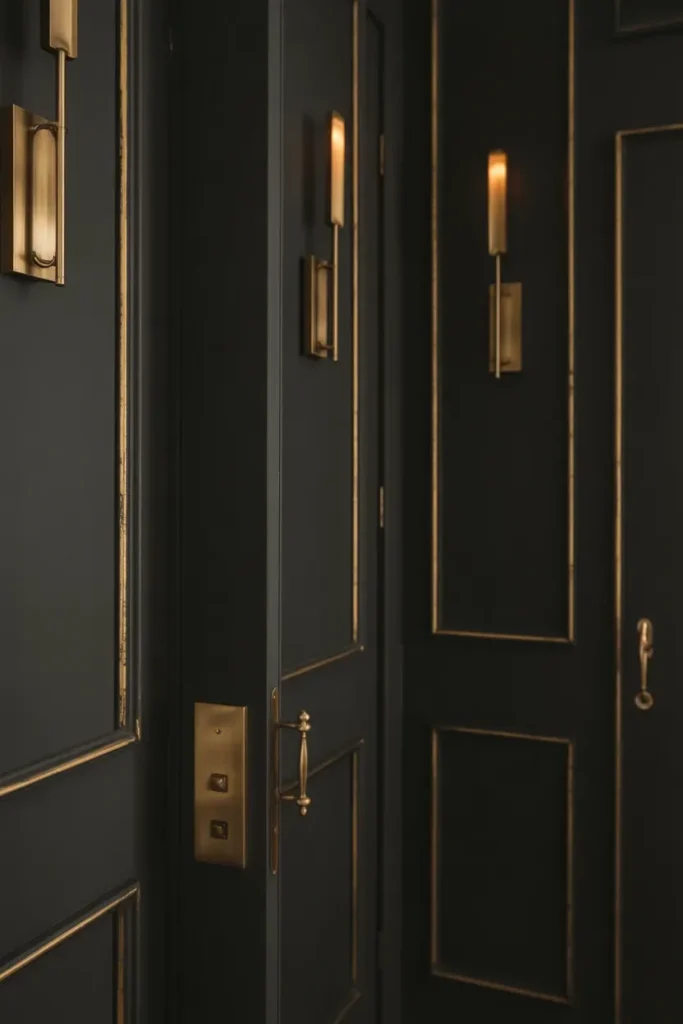
Metallic finishes add contrast and brightness to darker interiors. Gold, brass, and bronze are especially effective in Gothic design, providing warmth and elegance. These accents can appear in lighting fixtures, frames, or decorative objects.
In modern spaces, keep metallics subtle and refined. Avoid overly ornate finishes and instead opt for brushed or matte textures. This approach maintains sophistication while preventing the decor from feeling excessive.
9. Use Dramatic Curtains
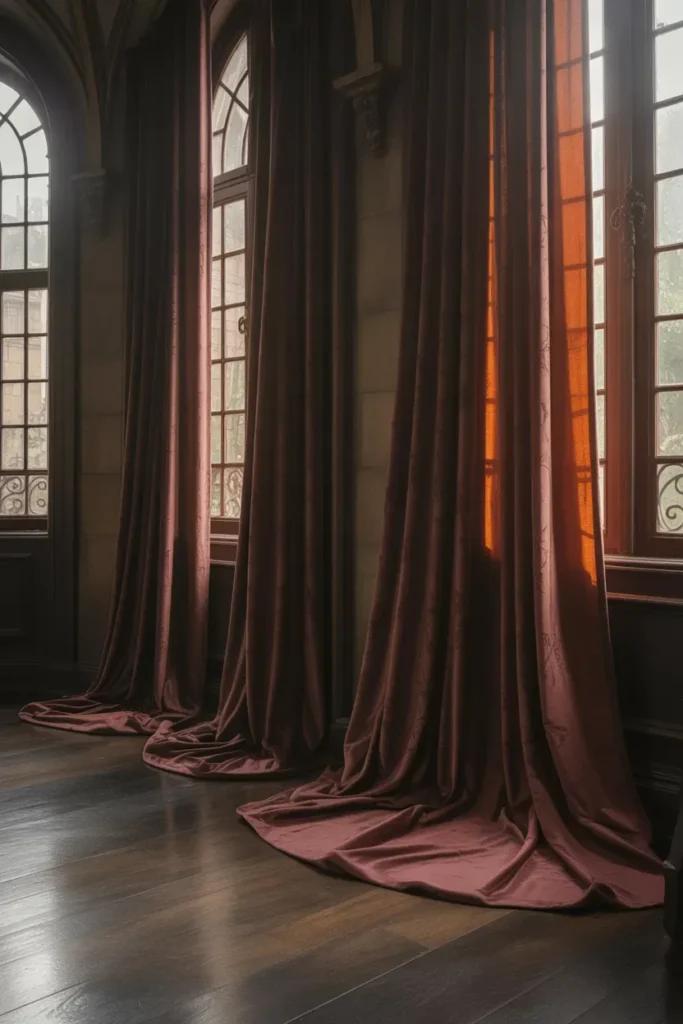
Heavy curtains in rich fabrics like velvet or brocade enhance the Gothic aesthetic. They frame windows beautifully while adding privacy and insulation. Deep colors and floor-length designs contribute to the overall drama.
For a modern look, choose simpler curtain styles with minimal patterns. Solid colors with clean lines keep the space from feeling overly traditional while still embracing Gothic richness.
10. Create a Gallery Wall
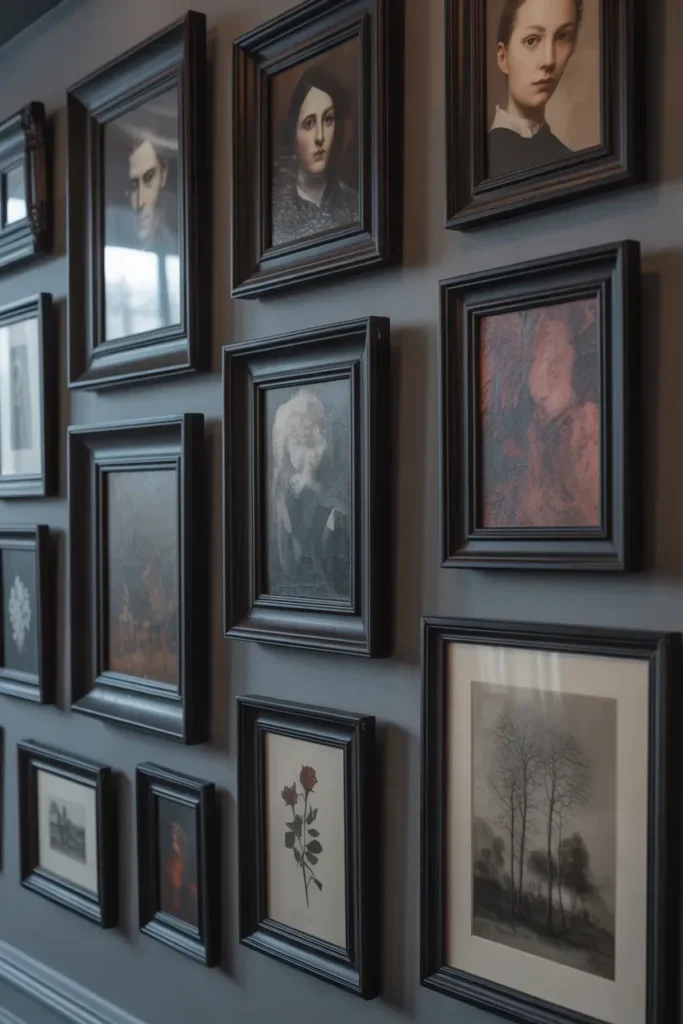
Gallery walls allow you to showcase art, photographs, and decorative pieces that reflect your personality. In Gothic interiors, artwork often features dark themes, classical portraits, or abstract pieces with moody tones.
Arrange frames in a cohesive layout using similar colors or finishes. Mixing frame styles can add interest, but maintaining a consistent palette ensures the wall feels curated rather than chaotic.
11. Introduce Sculptural Decor
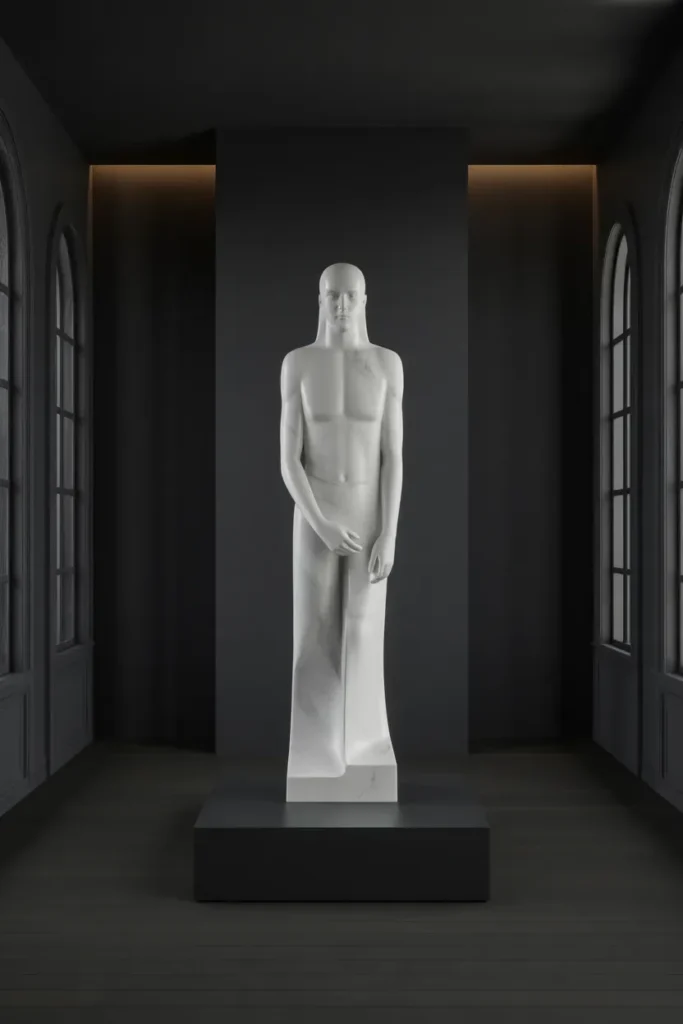
Sculptural elements add dimension and intrigue to Gothic spaces. Busts, statues, or abstract sculptures can serve as focal points, drawing attention and adding artistic depth.
In modern interiors, choose pieces with clean lines or minimal detailing. This keeps the decor balanced and prevents it from feeling overly ornate while still maintaining a dramatic presence.
12. Use Dark Wood Finishes
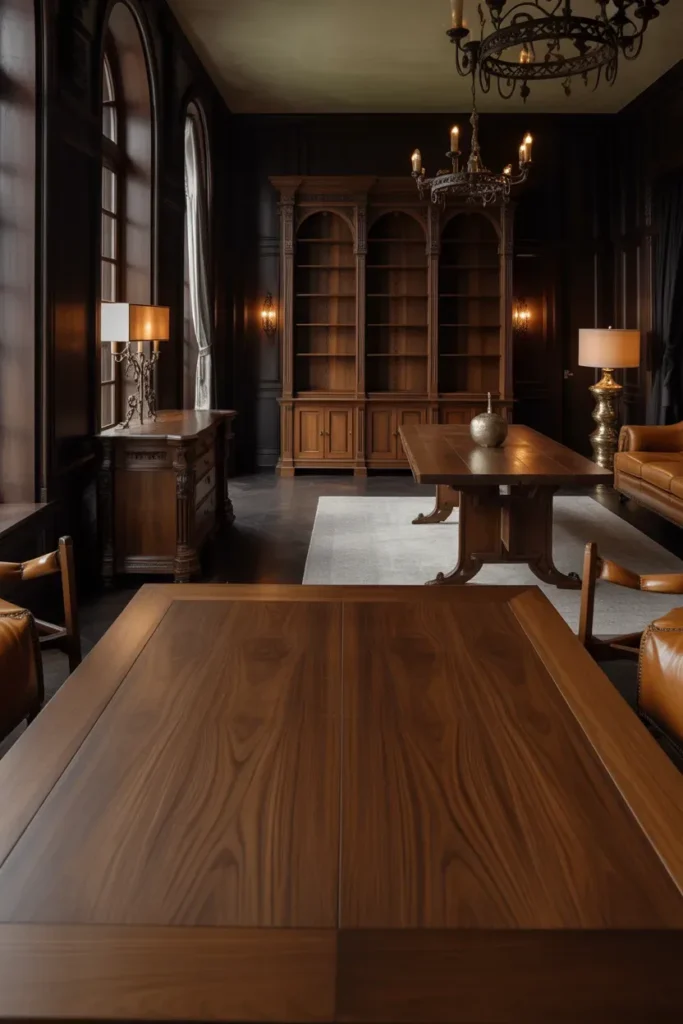
Dark wood furniture and flooring enhance the richness of Gothic interiors. Materials like walnut, mahogany, or ebony add warmth and sophistication, grounding the space.
Pair dark wood with lighter elements such as neutral rugs or metallic accents to create balance. This contrast prevents the room from feeling too heavy while maintaining its dramatic appeal.
13. Add Statement Rugs
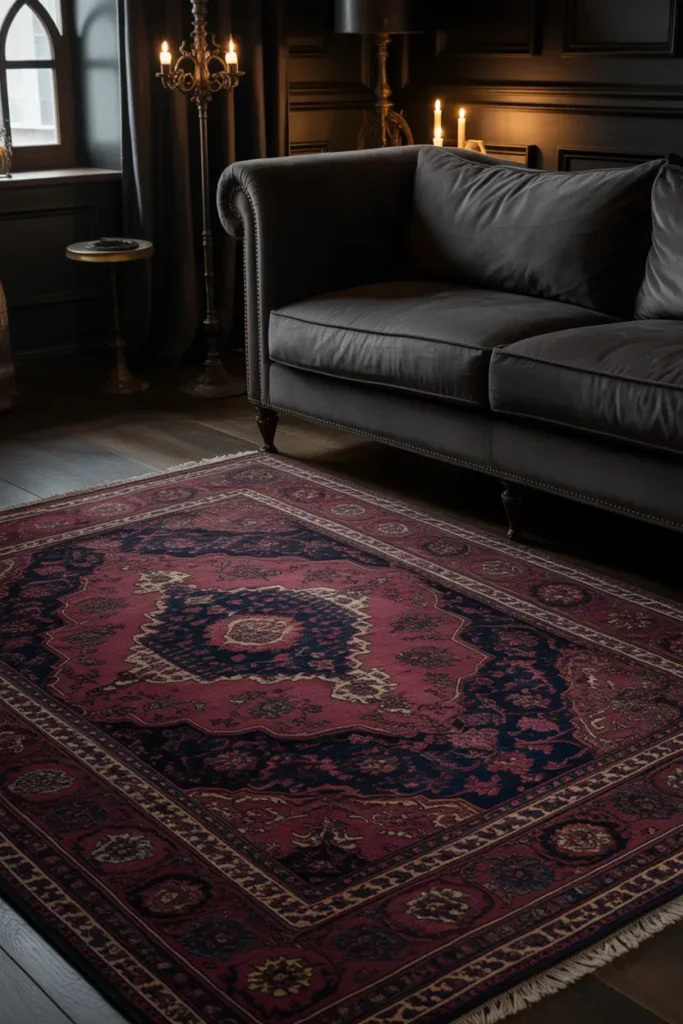
Rugs help anchor a space while adding texture and pattern. Persian or vintage-style rugs with deep colors complement Gothic interiors beautifully.
To modernize the look, choose rugs with subtle patterns or muted tones. This keeps the focus on the overall aesthetic without overwhelming the room.
14. Incorporate Black Accents
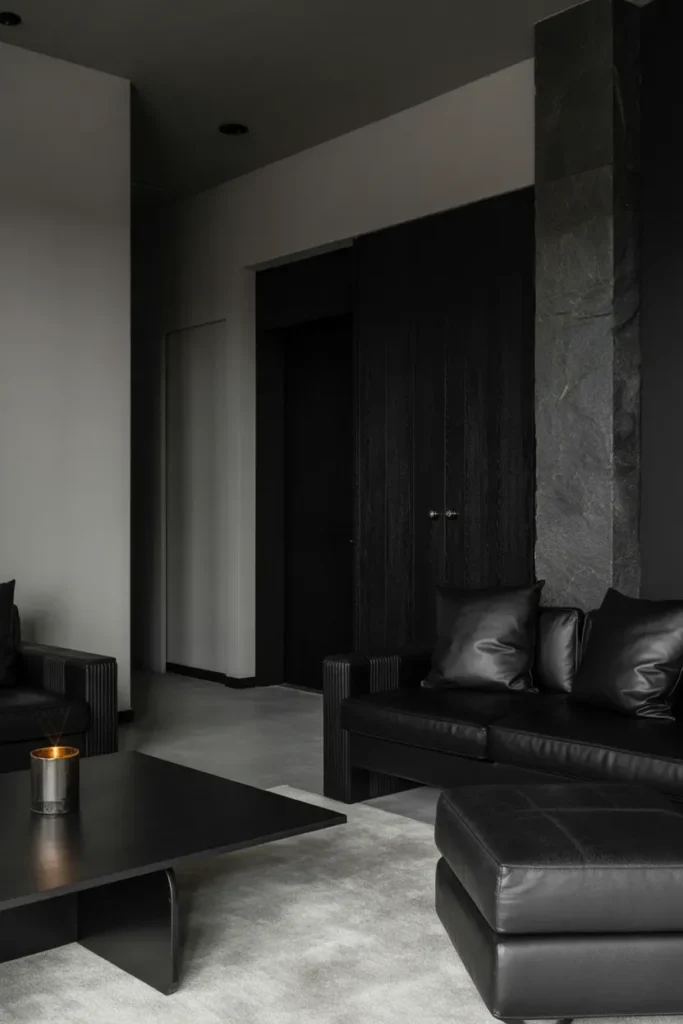
Black is a defining color in Gothic decor. It adds depth, contrast, and sophistication to any space. From furniture to accessories, black elements create a cohesive and dramatic look.
Balance black accents with lighter tones or reflective surfaces to avoid making the room feel too dark. This contrast enhances the overall aesthetic while maintaining comfort.
15. Use Candles and Ambient Lighting
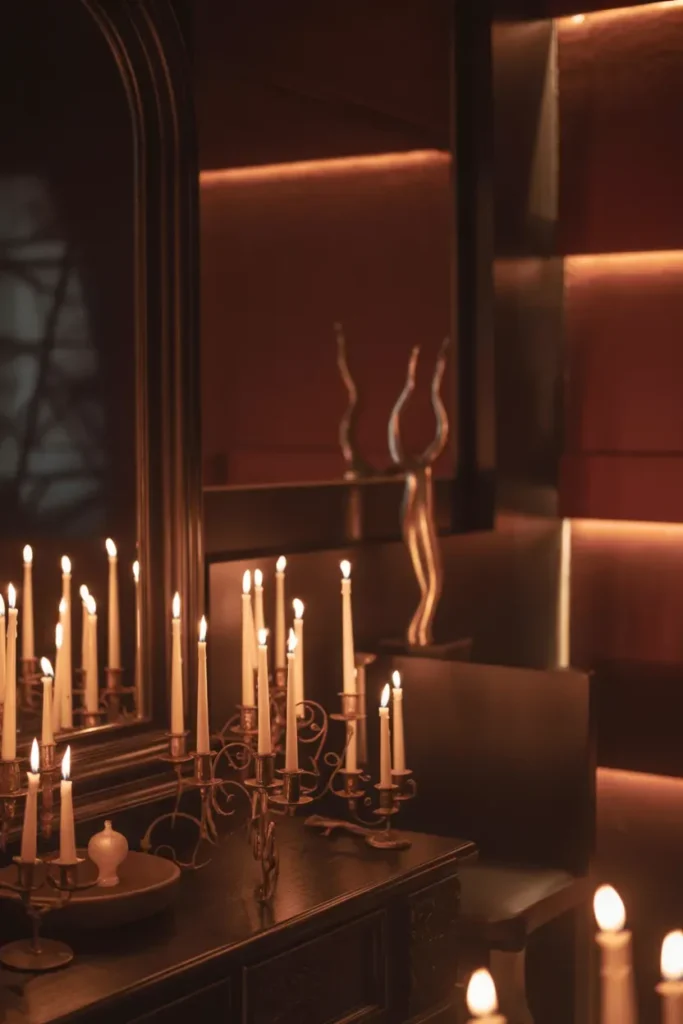
Candles are a classic Gothic element, providing soft, flickering light that enhances the atmosphere. They create a sense of intimacy and warmth, perfect for evening settings.
In modern spaces, combine candles with LED lighting or dimmable fixtures. This ensures practicality while preserving the romantic, moody ambiance.
16. Incorporate Floral Elements
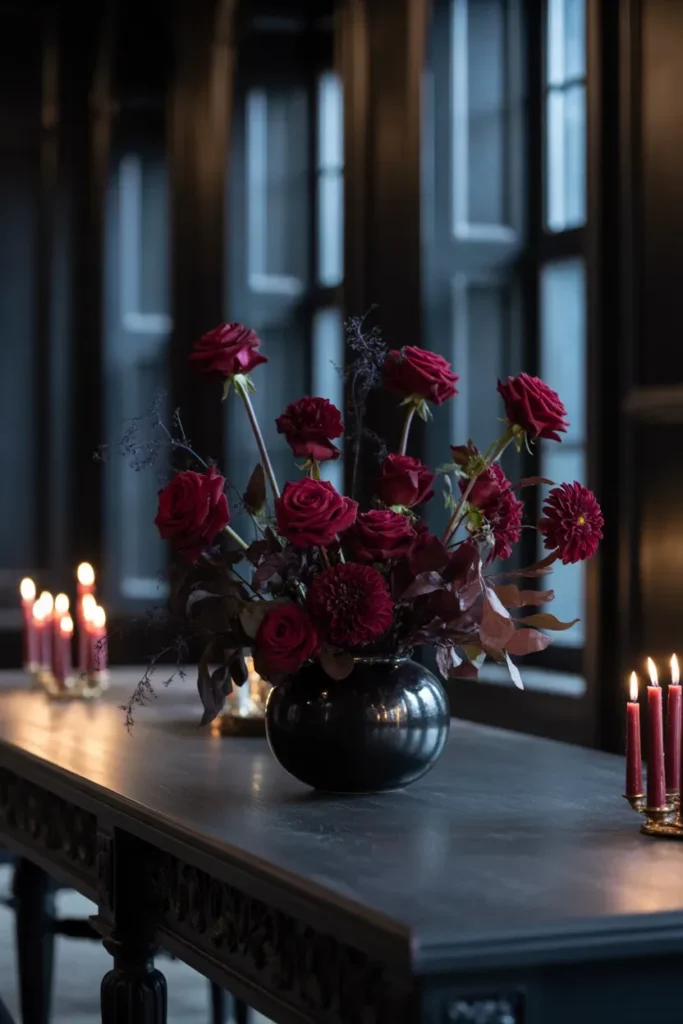
Dark floral arrangements add a touch of softness to Gothic interiors. Deep red roses, dried flowers, or greenery in muted tones create contrast against darker backgrounds.
Use simple vases or minimal arrangements to keep the look modern. This prevents the decor from feeling overly traditional while still embracing natural elements.
17. Mix Gothic with Minimalism
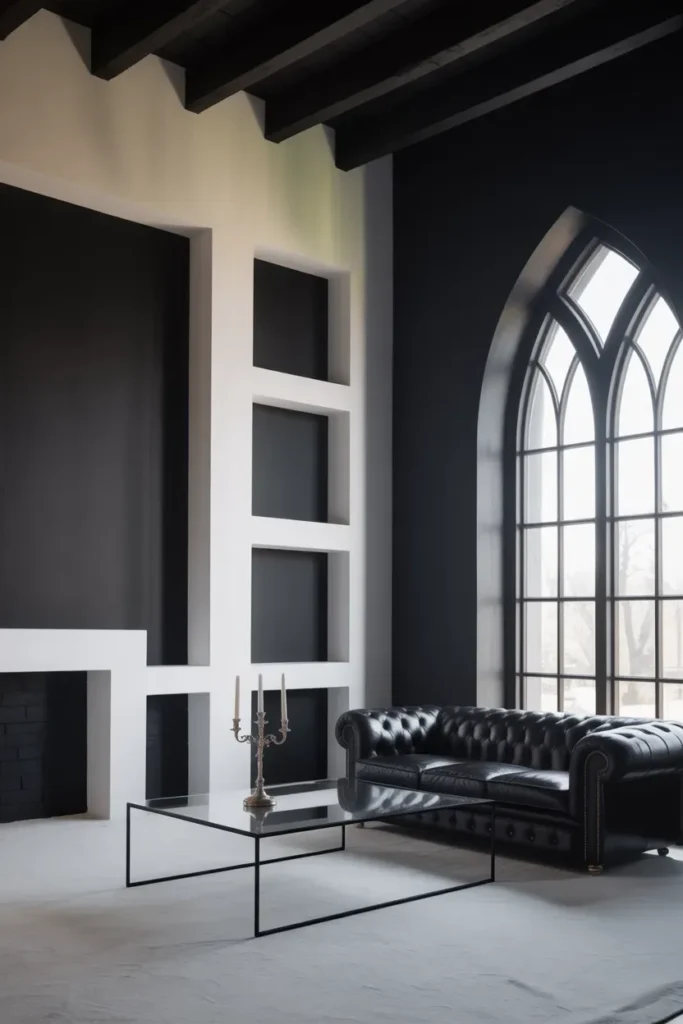
Modern Gothic design thrives on balance. Combining dramatic elements with minimalist principles creates a space that feels both bold and livable. Clean lines, uncluttered layouts, and intentional decor choices keep the aesthetic refined.
Focus on quality over quantity. Select a few impactful pieces rather than filling the space with decor. This approach ensures your home feels curated, sophisticated, and timeless.
Final Thoughts
Gothic interiors are no longer confined to the past—they’ve evolved into a refined design style that blends dramatic expression with modern sensibility. By thoughtfully combining dark palettes, luxurious textures, sculptural elements, and minimalist balance, you can create a home that feels both bold and inviting. The key to mastering Gothic Home Decor Inspirations lies in restraint—allowing each element to stand out without overwhelming the space.
As you experiment with these ideas, focus on building a cohesive atmosphere rather than simply adding decor. Whether it’s a single velvet chair, a striking chandelier, or a carefully curated gallery wall, each piece should contribute to a unified story. With the right balance of drama and simplicity, your Gothic-inspired space can feel timeless, elegant, and uniquely yours.