15 Floating Vanity Bathroom Ideas That Feel Modern
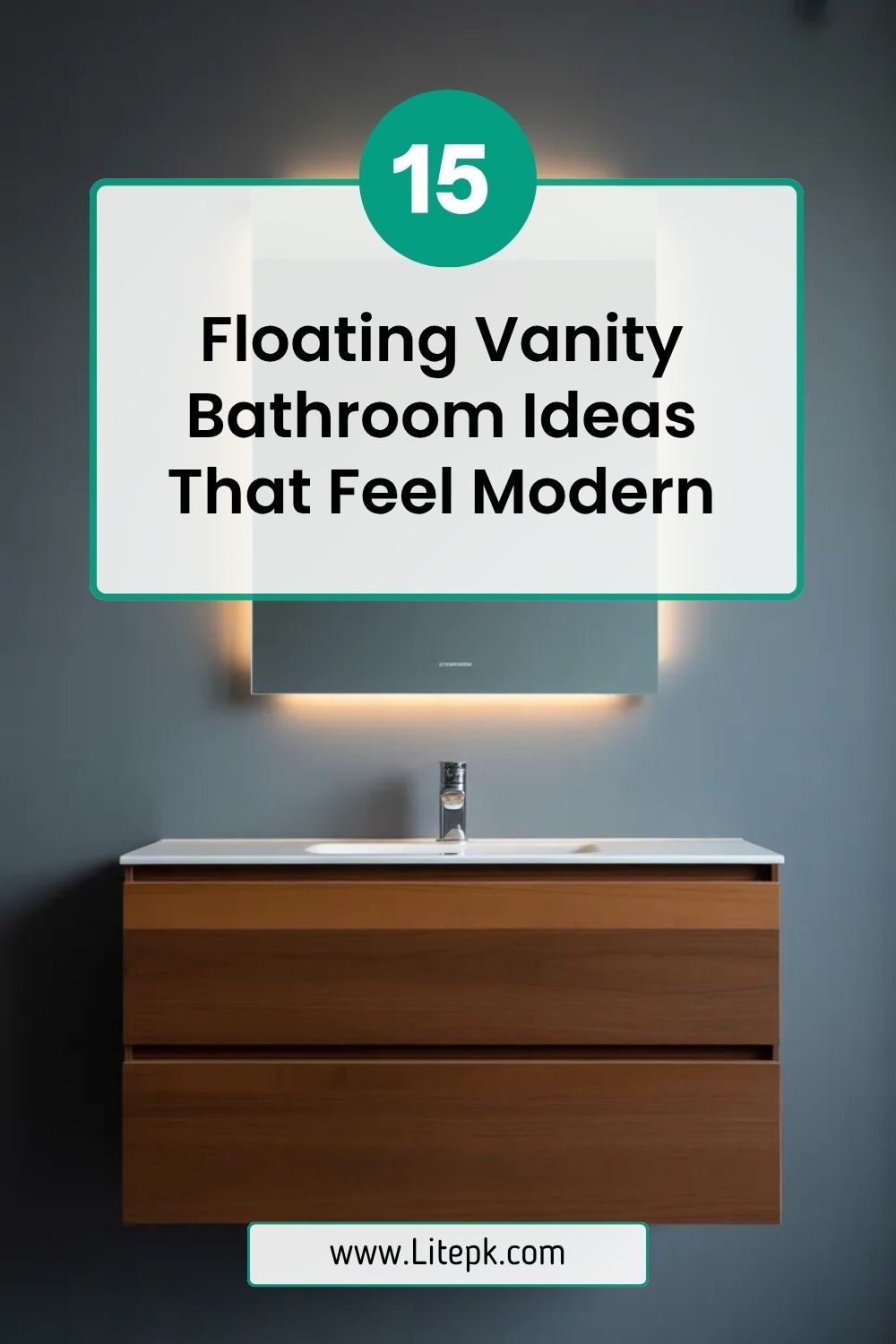
A modern bathroom is no longer just a functional space — it’s a design statement. And nothing defines that statement better than a floating vanity bathroom. Clean lines, open space, and a minimalist aesthetic come together to create a look that feels both luxurious and effortlessly modern.
If your bathroom feels cramped, outdated, or visually heavy, a floating vanity can completely transform it. By lifting the structure off the floor, you create a sense of openness while introducing a sculptural focal point that aligns perfectly with contemporary design principles.
1. Minimalist Floating Vanity with Clean Lines
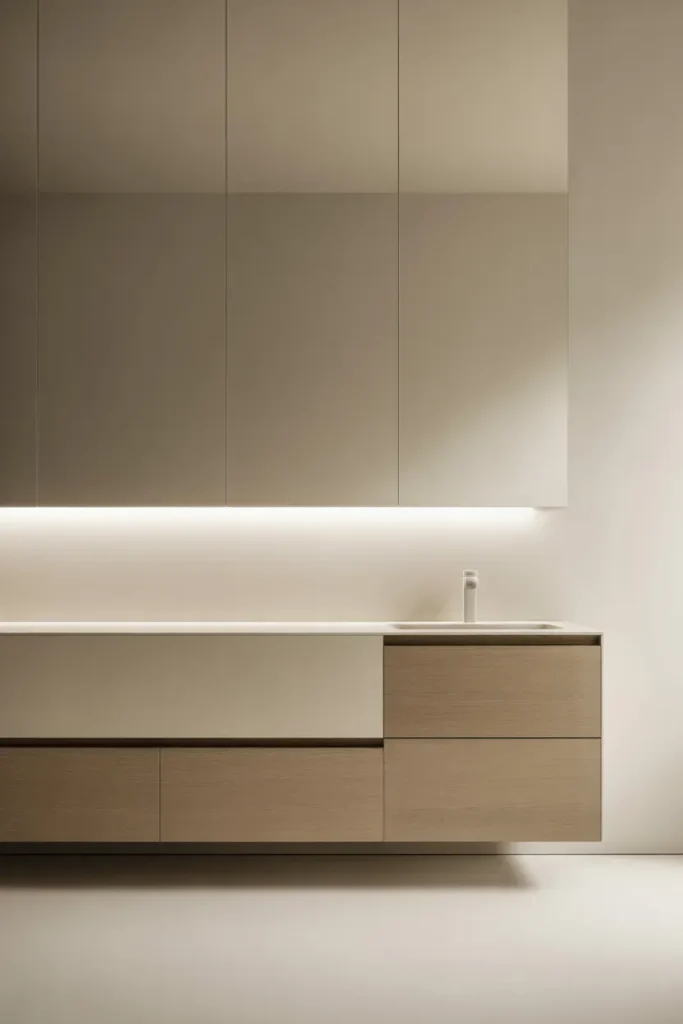
A minimalist floating vanity bathroom starts with simplicity. Choose a sleek vanity with straight edges, handleless drawers, and a neutral finish to create a clean, uncluttered look. This design emphasizes form over decoration, making the vanity itself the focal point.
From a DIY sculptural decorating perspective, this type of vanity acts like a horizontal sculpture. Its clean geometry creates balance and visual calm, allowing other elements like lighting and textures to subtly enhance the space without overwhelming it.
2. Wooden Floating Vanity for Warmth
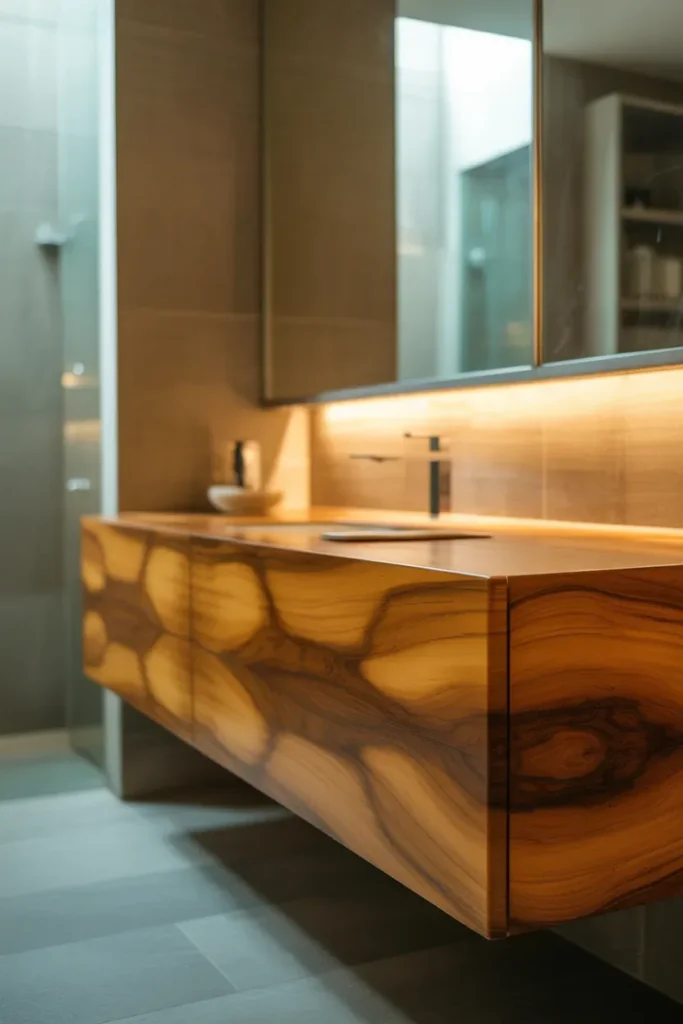
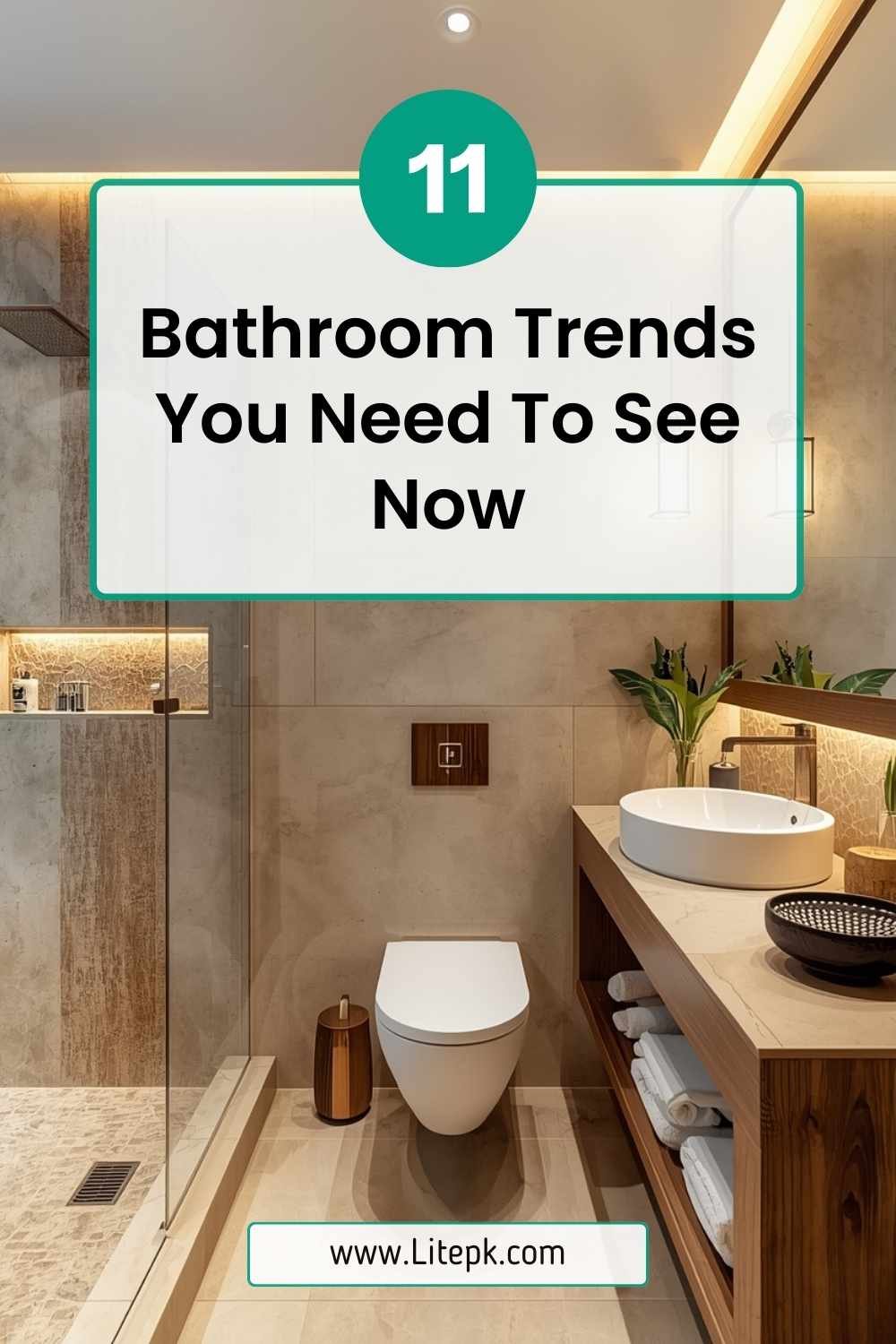
A wooden floating vanity brings warmth and natural texture into your bathroom. The grain patterns add depth and contrast beautifully with modern materials like tile and stone.
In sculptural decorating, natural wood serves as an organic counterbalance to sleek surfaces. The floating design allows the wood to stand out as a crafted piece, adding both visual interest and a welcoming atmosphere.
3. Double Sink Floating Vanity for Functionality
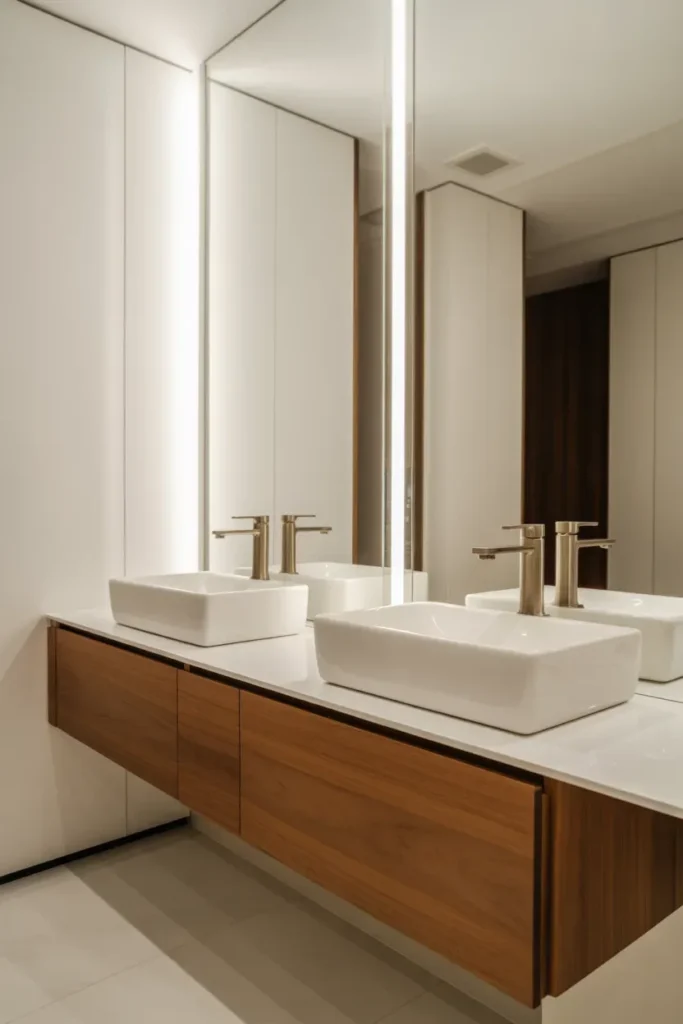
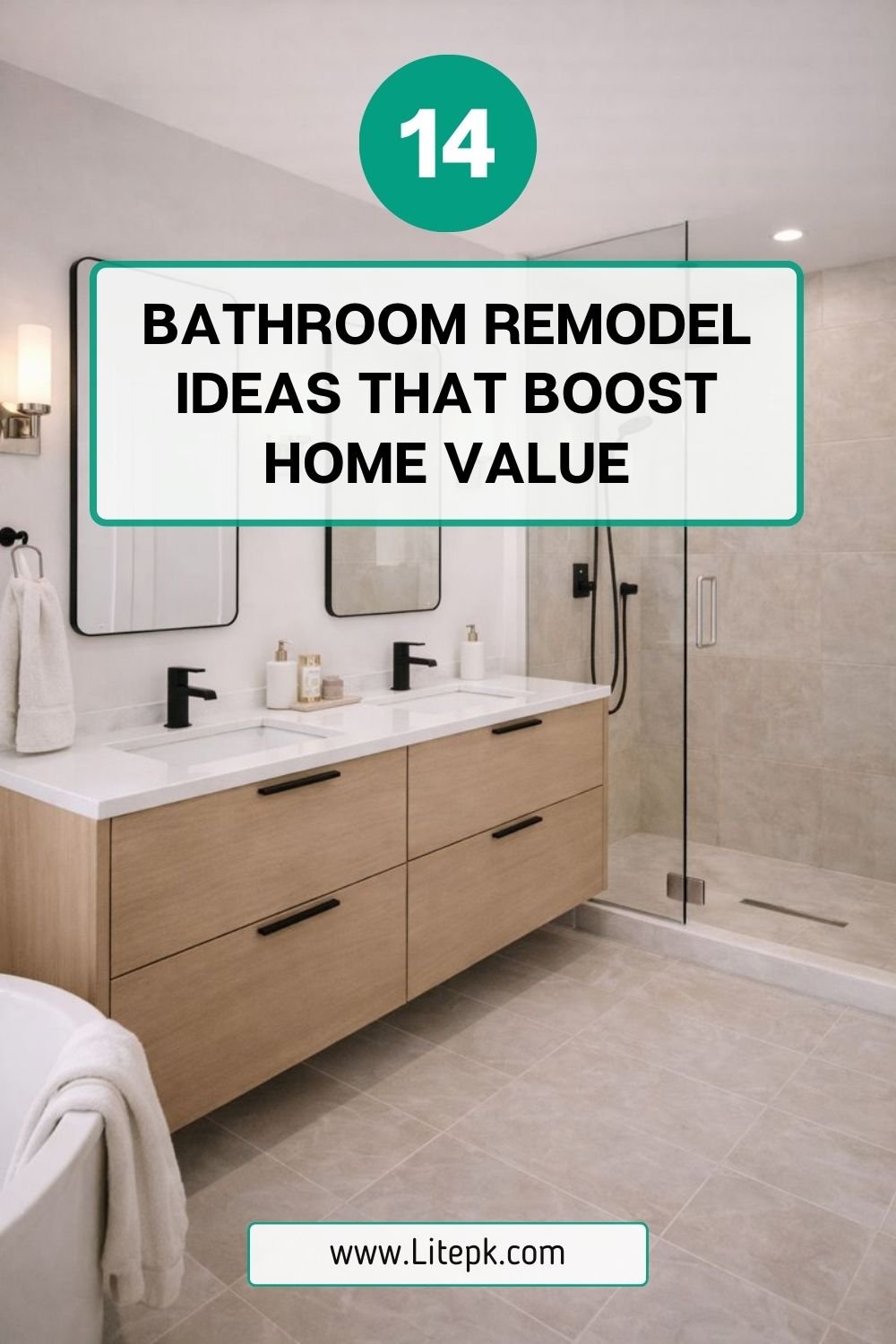
A double sink floating vanity is perfect for shared bathrooms. It offers practicality while maintaining a modern aesthetic, keeping the space open and organized.
The extended floating structure enhances symmetry, which is a key principle in sculptural decorating. This balanced layout creates harmony while maximizing usability, making it ideal for both functionality and design appeal.
4. Floating Vanity with Under-Glow Lighting
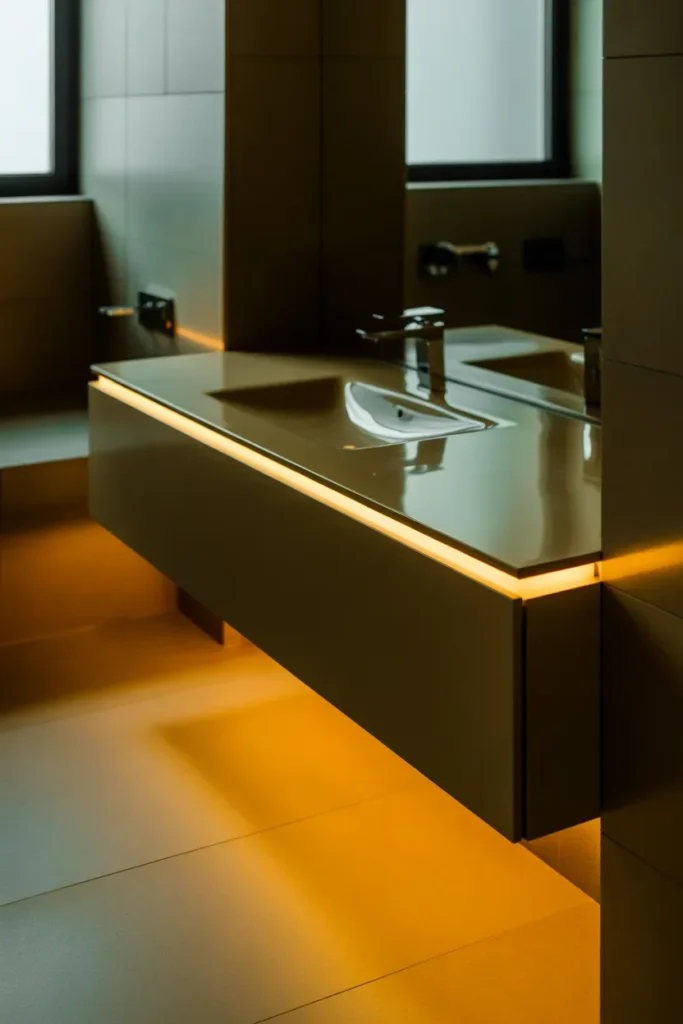
Adding LED lighting beneath your floating vanity creates a soft, ambient glow that enhances the illusion of floating. This subtle lighting layer adds depth and a futuristic touch.
In a sculptural design approach, light becomes part of the structure. The glow highlights the form of the vanity, turning it into a dynamic feature that changes appearance throughout the day.
5. Stone Countertop Floating Vanity
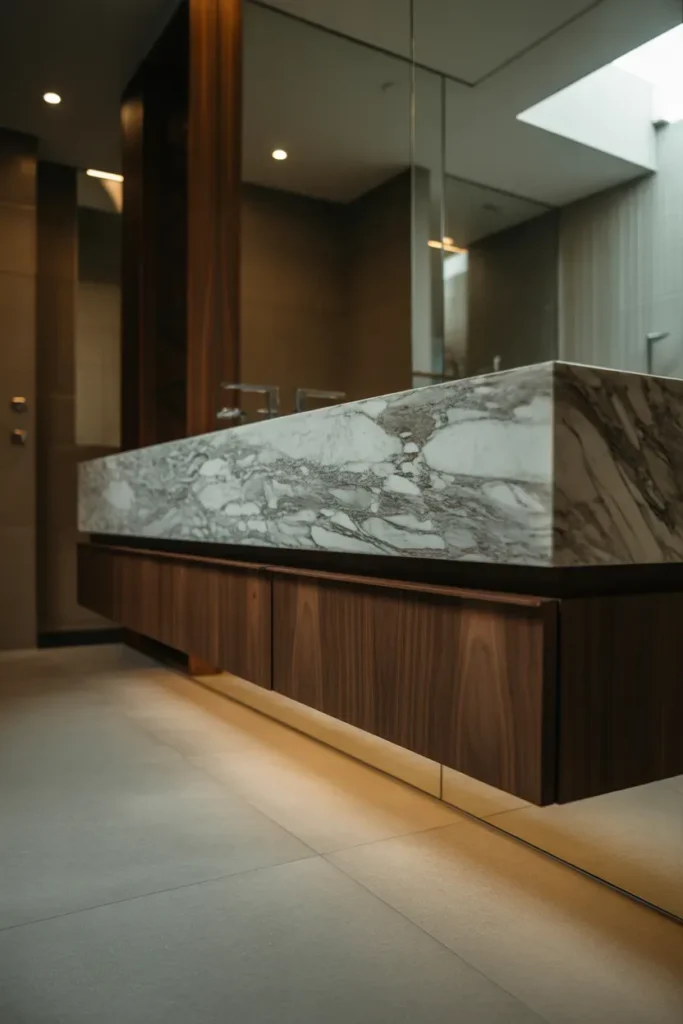
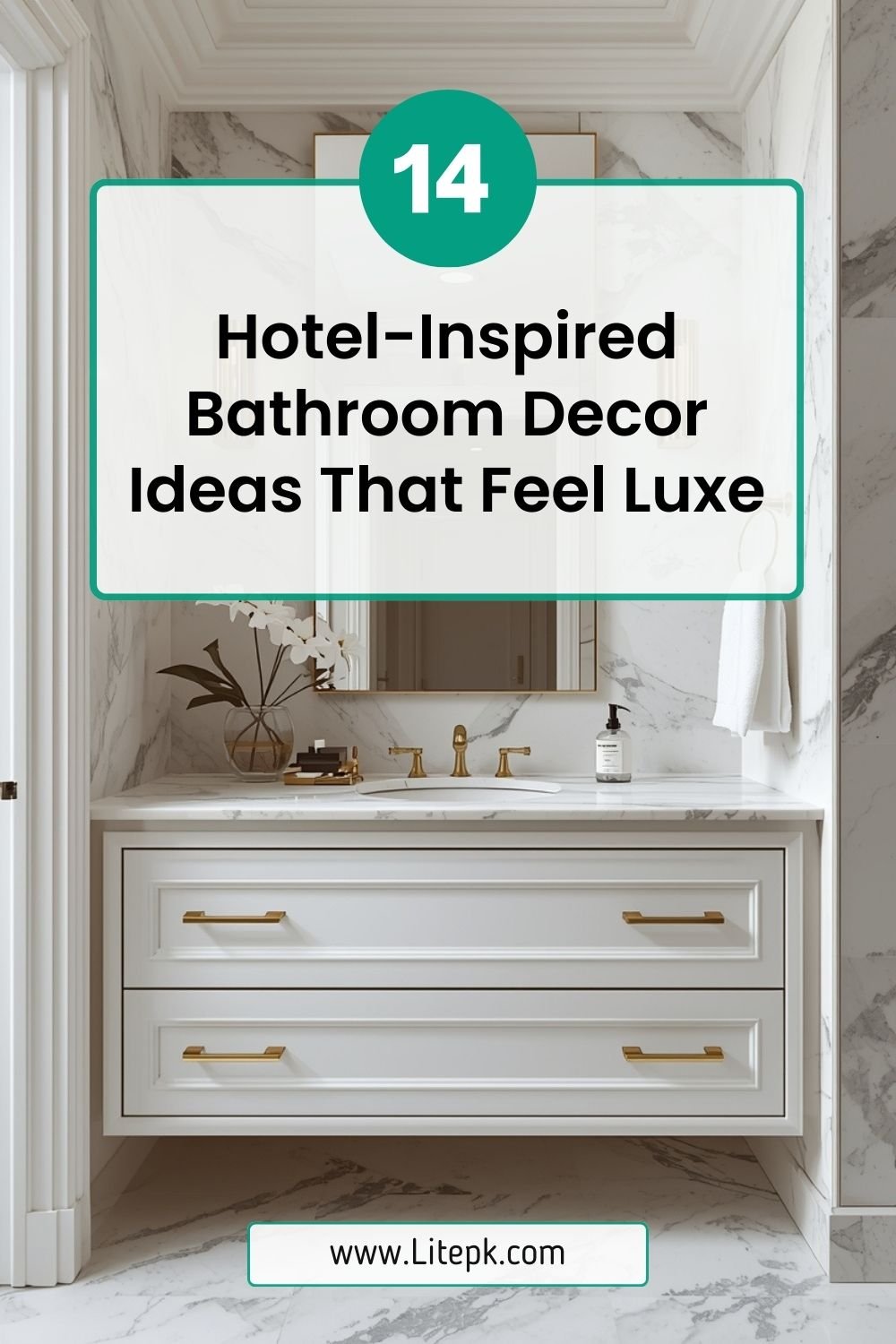
A stone countertop adds a sense of luxury and durability to your floating vanity bathroom. Materials like marble or quartz bring natural veining and texture into the design.
These surfaces act as sculptural planes, grounding the floating element while adding richness. The contrast between the heavy stone and the floating structure creates visual tension that feels both modern and elegant.
6. Floating Vanity with Open Shelving
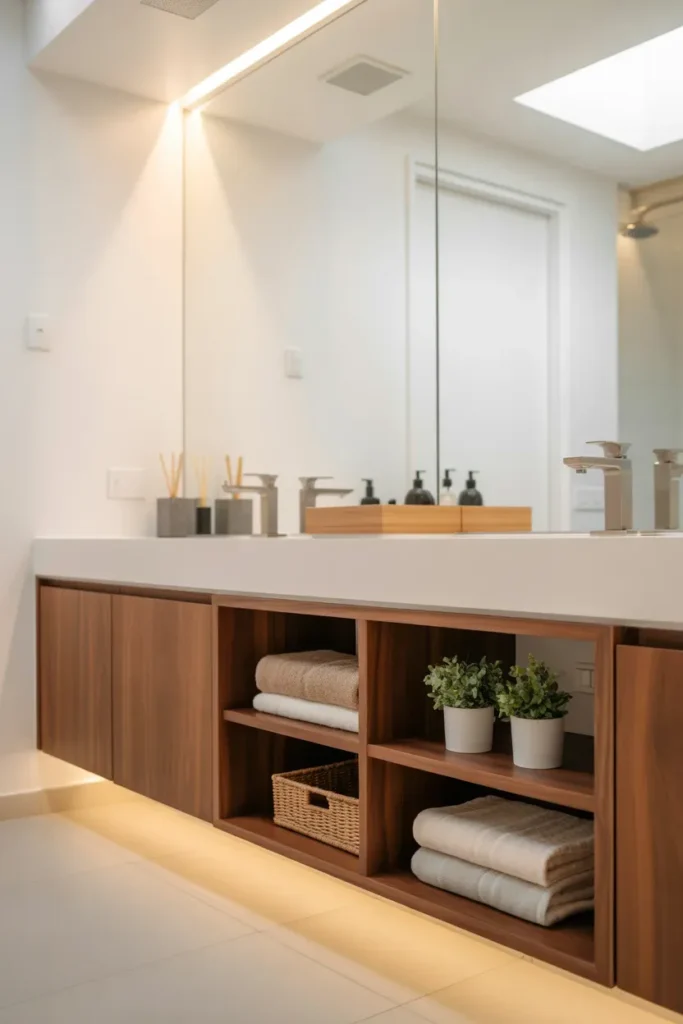
Incorporating open shelving into your floating vanity design adds both storage and style. It allows you to display towels, baskets, or decorative items while keeping essentials accessible.
This layered approach aligns with DIY sculptural decorating by combining function and form. The shelves create visual depth while maintaining the airy feel of a floating vanity bathroom.
7. Matte Black Floating Vanity for Bold Contrast
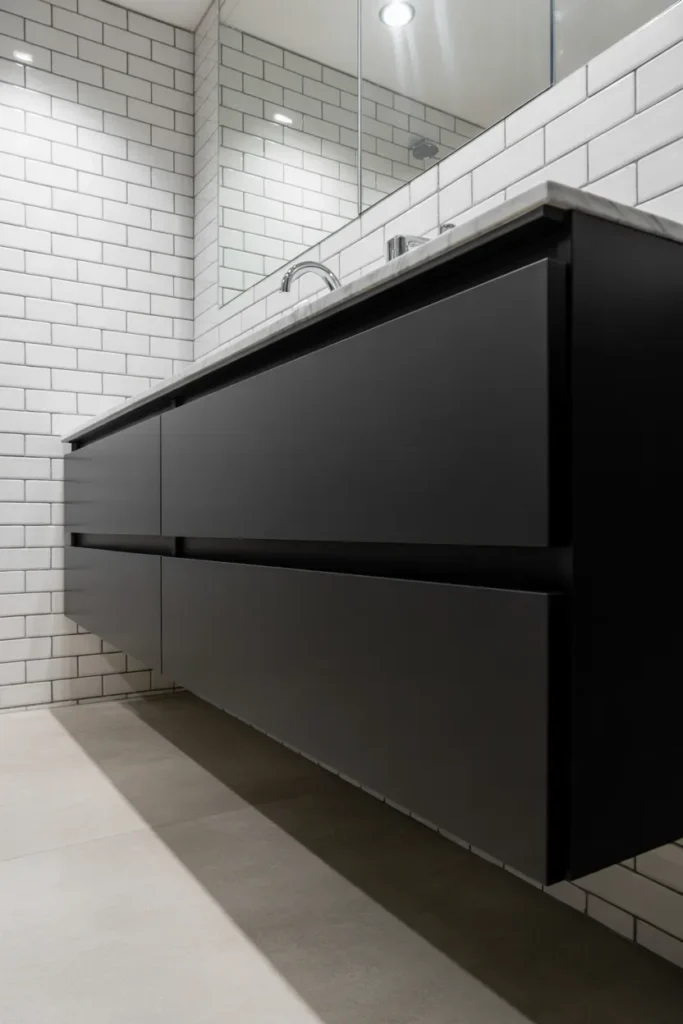
A matte black floating vanity creates a striking focal point. It adds depth and contrast, especially in bathrooms with lighter walls or tiles.
In sculptural design, darker tones anchor the space. The floating effect prevents the vanity from feeling too heavy, allowing it to stand out without overwhelming the room.
8. Floating Vanity with Integrated Sink
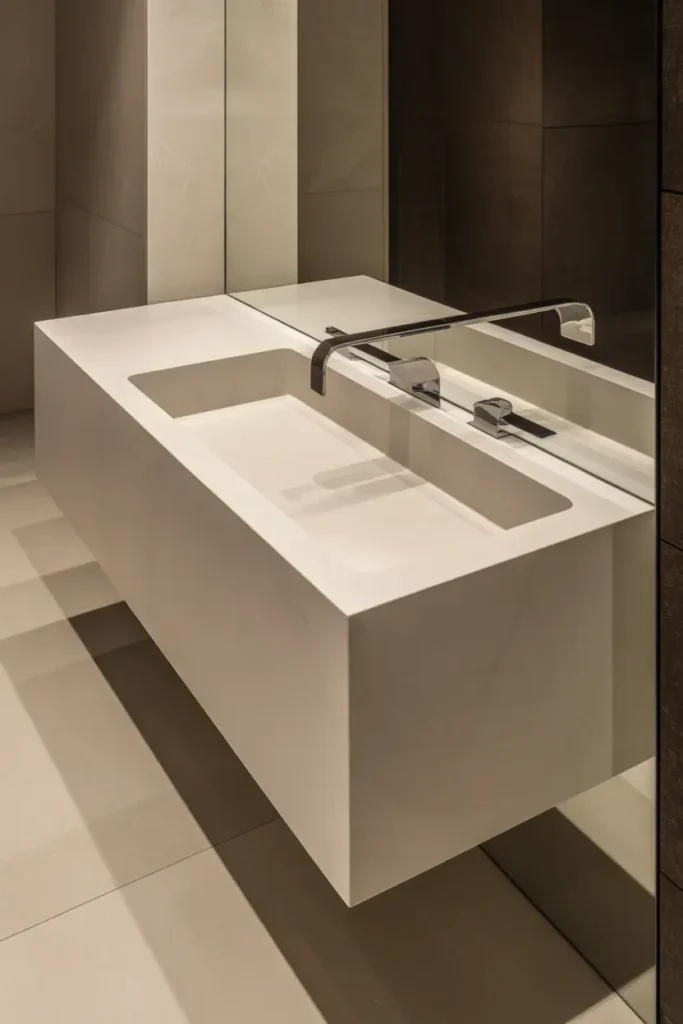
An integrated sink creates a seamless look, where the sink and countertop are one continuous piece. This enhances the clean, modern aesthetic.
This design emphasizes fluidity and simplicity, key elements of sculptural decorating. The uninterrupted surface creates a refined and cohesive visual experience.
9. Floating Vanity with Textured Finishes
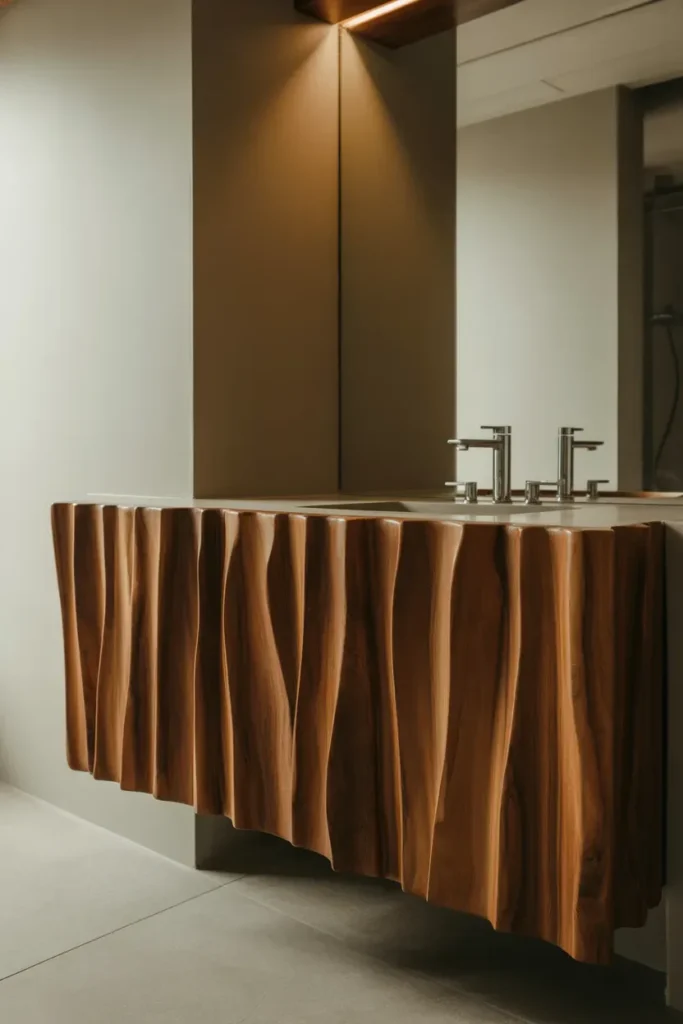
Adding textured finishes to your floating vanity bathroom introduces depth and tactile interest. Materials like fluted wood, ribbed panels, or stone textures can transform a simple vanity into a visually rich centerpiece.
From a DIY sculptural decorating perspective, texture turns flat surfaces into dynamic forms. As light interacts with these surfaces, it creates subtle shadows that enhance the overall composition. This approach makes your vanity feel like a crafted design element rather than just a functional unit.
10. Compact Floating Vanity for Small Bathrooms
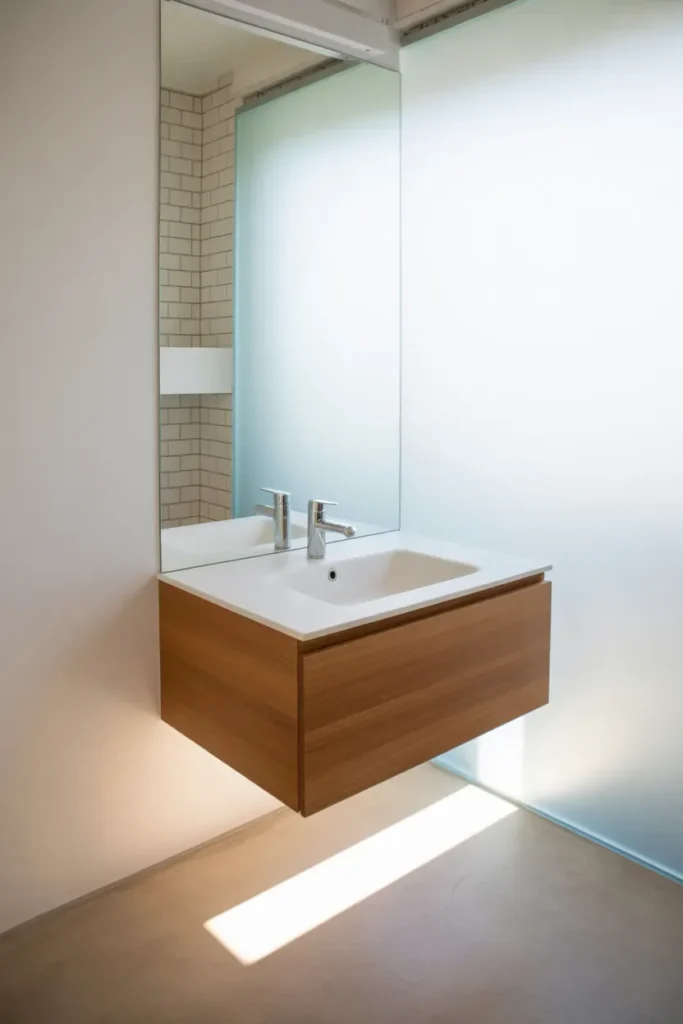
In smaller bathrooms, a compact floating vanity is a smart and stylish solution. By keeping the design minimal and lifting it off the floor, you create the illusion of more space while maintaining functionality.
This idea aligns with sculptural decorating by focusing on proportion and balance. A smaller vanity becomes a refined design element rather than clutter, allowing the room to feel open, airy, and thoughtfully curated.
11. Floating Vanity with Vessel Sink
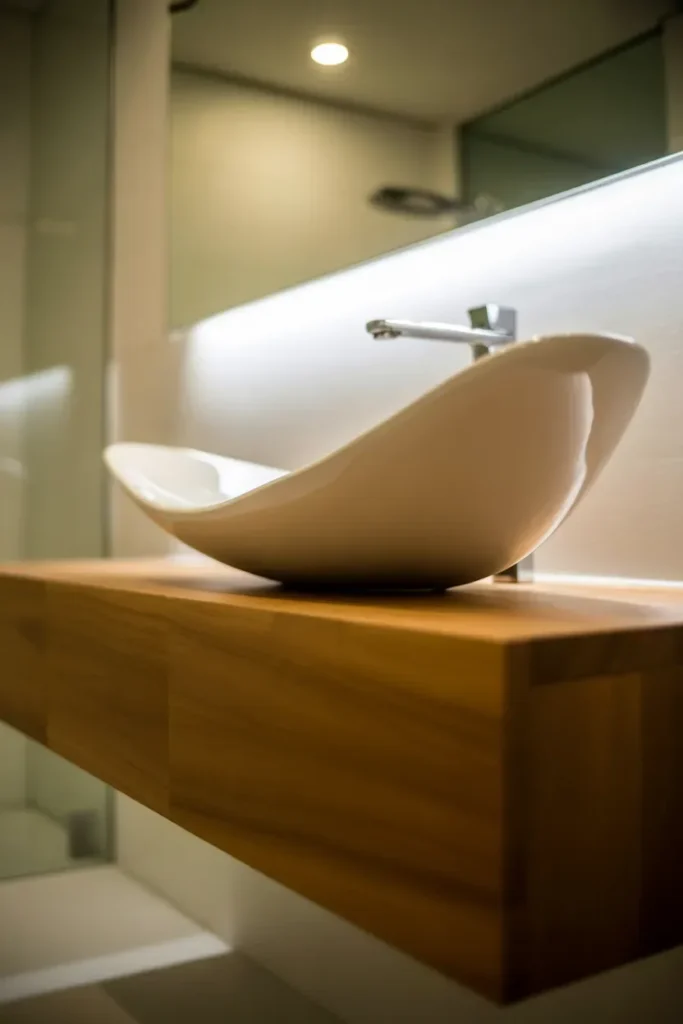
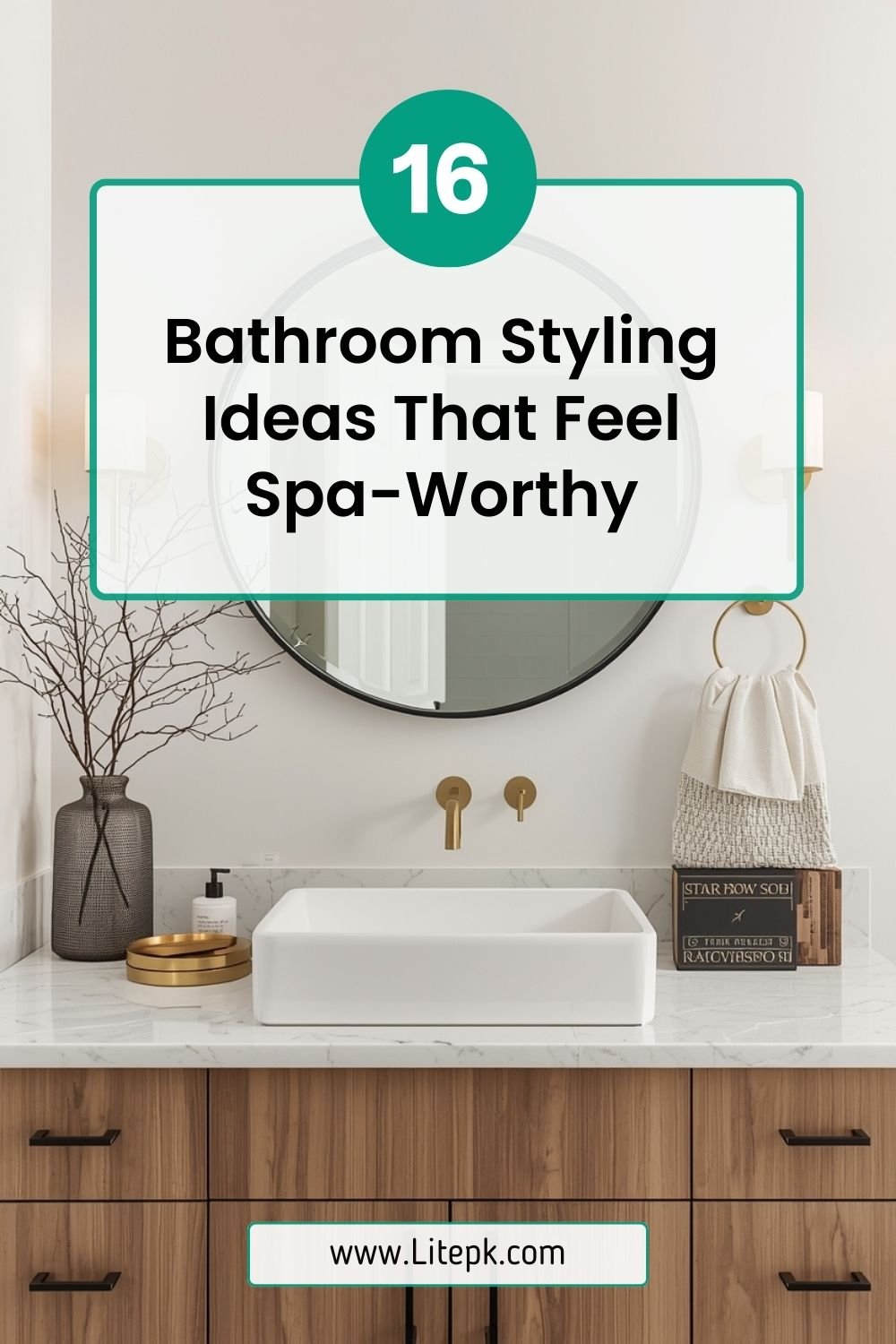
A vessel sink placed on top of a floating vanity adds a bold, sculptural element to your bathroom. The raised basin creates visual interest and introduces vertical layering.
In DIY sculptural decorating, this combination enhances form and contrast. The sink becomes a focal point, while the floating vanity provides a clean base, creating a balanced and artistic composition.
12. Glass Floating Vanity for Ultra-Modern Look
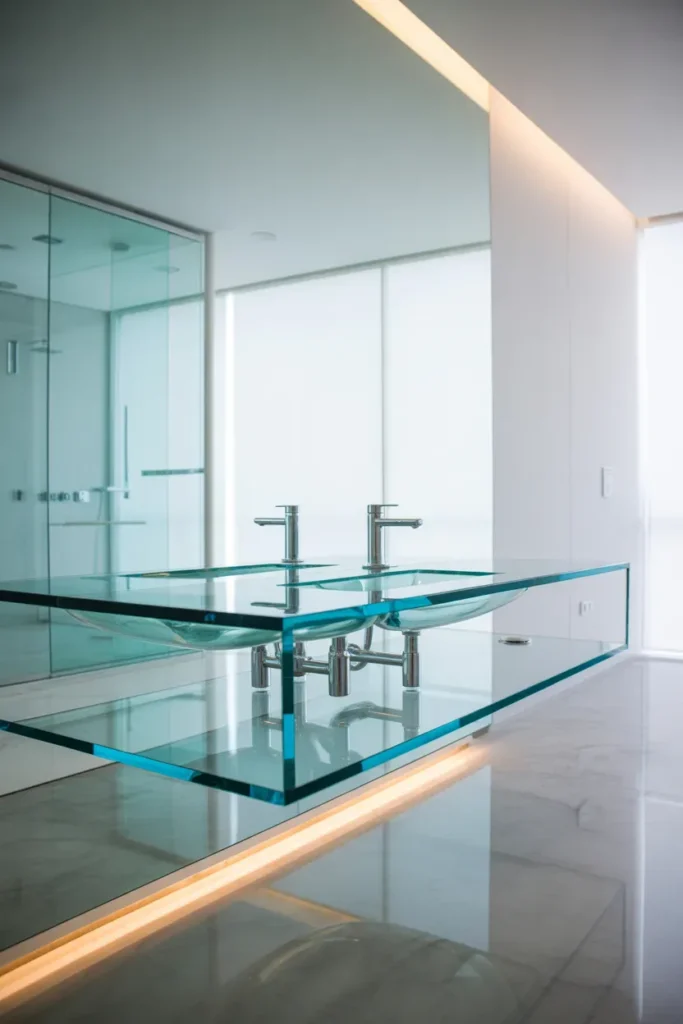
A glass floating vanity creates a sleek, futuristic aesthetic. Its transparency enhances the feeling of openness, making it ideal for contemporary spaces.
Glass acts as a light-enhancing material, reflecting and diffusing illumination throughout the room. In sculptural design, it introduces an almost invisible structure that still contributes to the overall visual harmony.
13. Floating Vanity with Backlit Mirror
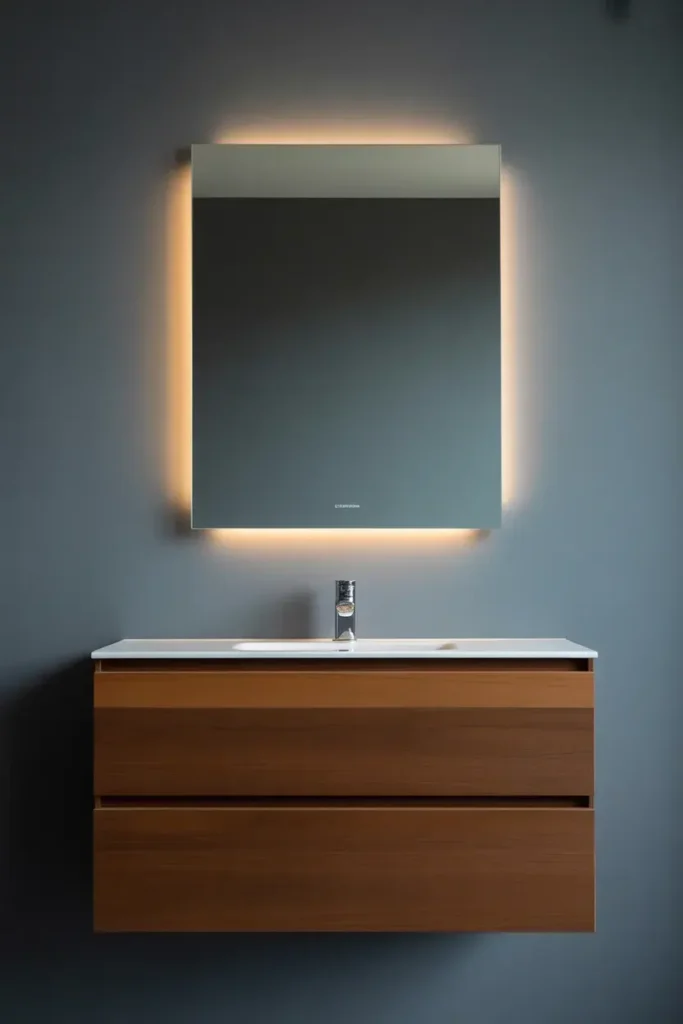
Pairing a floating vanity with a backlit mirror enhances both function and ambiance. The soft glow from the mirror adds depth and complements the floating effect.
This layered lighting approach aligns with sculptural decorating by using light to define shapes and boundaries. The combination creates a cohesive and visually engaging bathroom design.
14. Floating Vanity with Mixed Materials
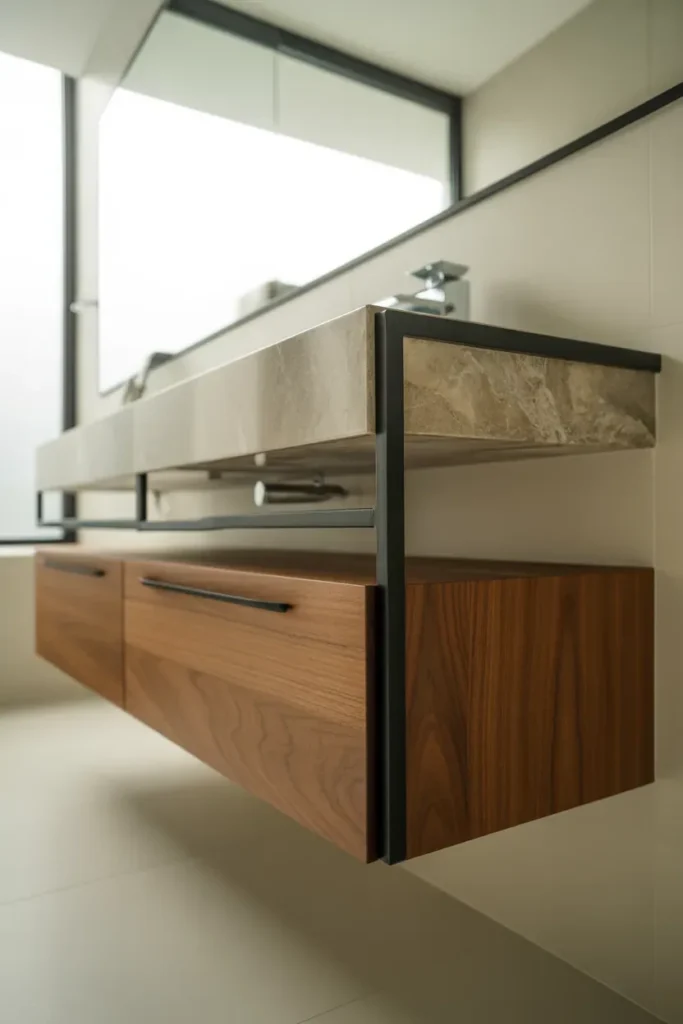
Combining materials like wood, metal, and stone in a floating vanity design adds complexity and richness. This layered approach creates contrast while maintaining a cohesive look.
In sculptural decorating, mixed materials add dimension and storytelling. Each element contributes to the overall design, making the vanity feel like a curated piece rather than a standard fixture.
15. Custom Built-In Floating Vanity
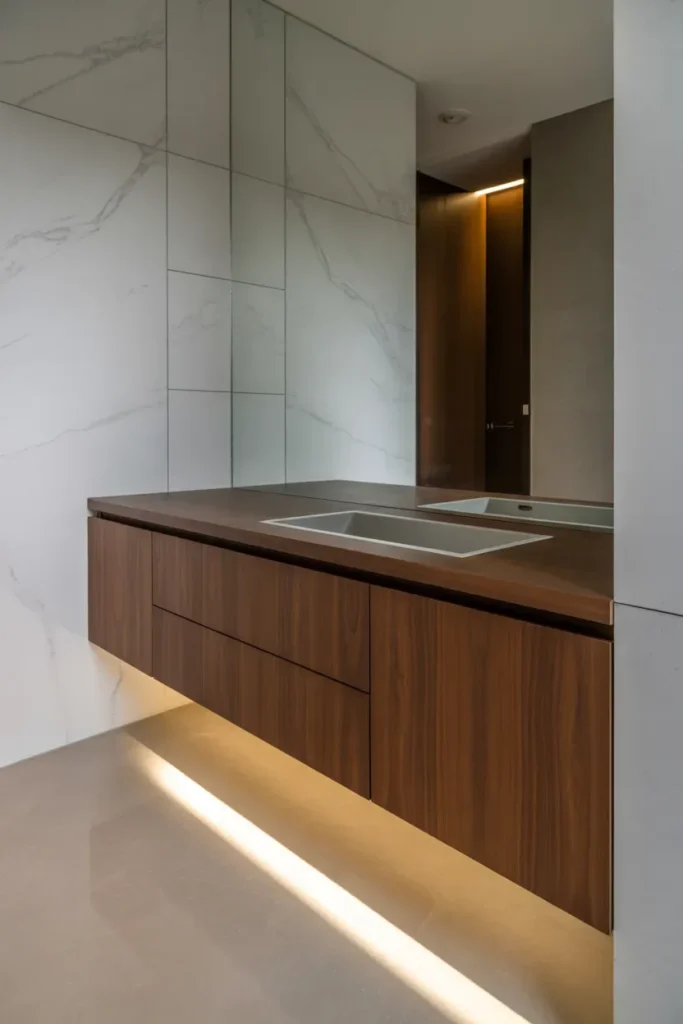
A custom-built floating vanity allows you to tailor every detail to your space. From size and material to storage and layout, customization ensures a perfect fit.
This approach embodies DIY sculptural decorating by treating the vanity as an integral part of the architecture. It blends seamlessly into the space while still standing out as a design feature.
Final Thoughts
A floating vanity bathroom is one of the most effective ways to bring a modern, refined look into your home. It creates openness, enhances visual flow, and introduces a clean aesthetic that instantly elevates your space.
What makes these ideas truly powerful is their alignment with DIY sculptural decorating principles. Each vanity is not just functional — it becomes part of the overall artistic composition. From textures and materials to lighting and proportions, every detail works together to create a cohesive and intentional design.
The key to success lies in balance. Whether you choose a minimalist design, bold materials, or layered lighting, your floating vanity should complement the entire space. When done right, it transforms your bathroom into a modern sanctuary that feels both luxurious and practical.