17 Living Room Styling Mistakes To Avoid Now
Your living room is more than just a place to sit—it’s the visual heartbeat of your home. It sets the tone for your entire interior style and silently communicates your design confidence to every guest who walks through the door. Yet even beautifully furnished spaces can fall flat due to subtle styling errors that disrupt balance, proportion, and harmony.
The good news? Most living room styling mistakes are easy to correct once you know what to look for. From improper lighting placement to overcrowded layouts, small decisions can dramatically affect how your space feels and functions. In this guide, we’ll break down 17 common living room styling mistakes and show you exactly how to avoid them for a polished, designer-worthy result.
1. Pushing All Furniture Against the Walls
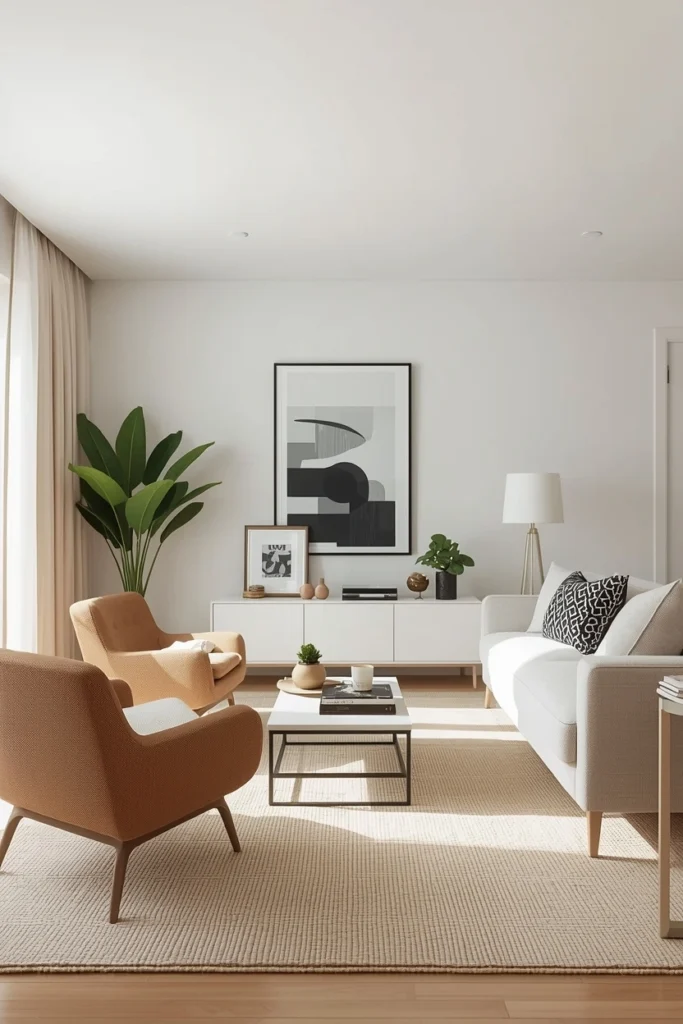
One of the most common living room styling mistakes is lining every piece of furniture along the walls. While this may seem like a way to make a room feel larger, it often creates a hollow, disconnected layout. Floating furniture slightly inward helps define conversation zones and creates intimacy within the space. Even in smaller rooms, pulling sofas a few inches away from the wall adds dimension and depth.
A well-balanced layout prioritizes function and flow over perimeter placement. Try anchoring your seating around a central rug or coffee table. This approach allows the room to breathe while maintaining structure. Strategic spacing encourages natural movement and prevents the room from feeling like a waiting area.
2. Choosing the Wrong Rug Size
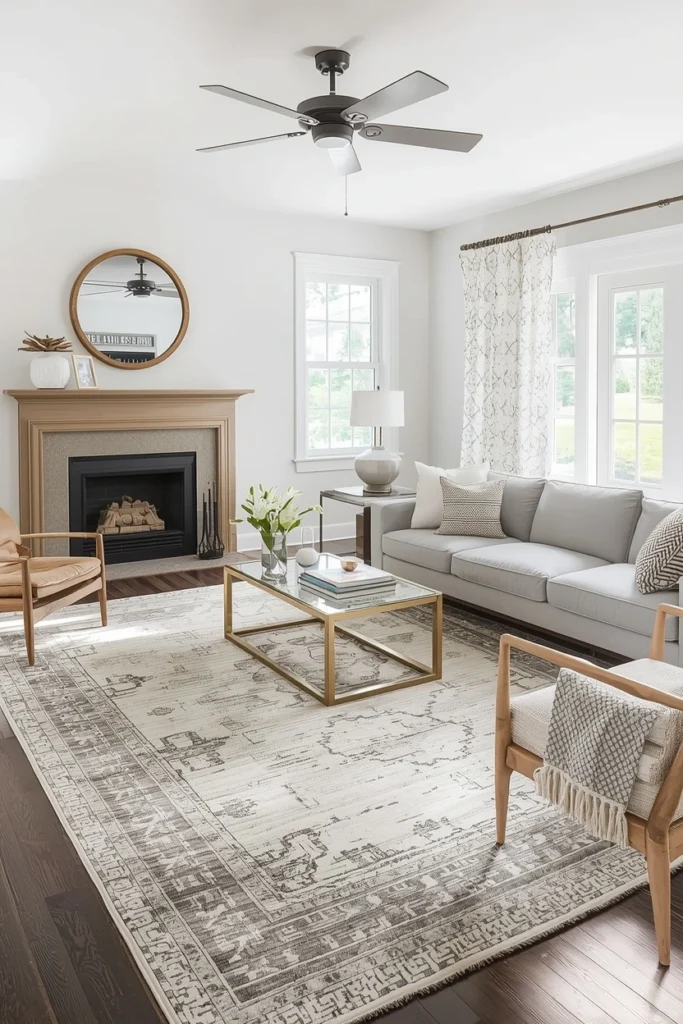
Selecting a rug that is too small instantly throws off a room’s proportions. Among the most overlooked living room styling mistakes, undersized rugs visually shrink the seating area and make furniture appear disconnected. Ideally, at least the front legs of sofas and chairs should rest on the rug to create cohesion.
A properly sized rug anchors the space and defines the layout. Larger rugs create visual unity and elevate the overall aesthetic. When in doubt, size up rather than down. A generously proportioned rug enhances comfort and balance while preventing your design from feeling fragmented.
3. Ignoring Proper Lighting Layers
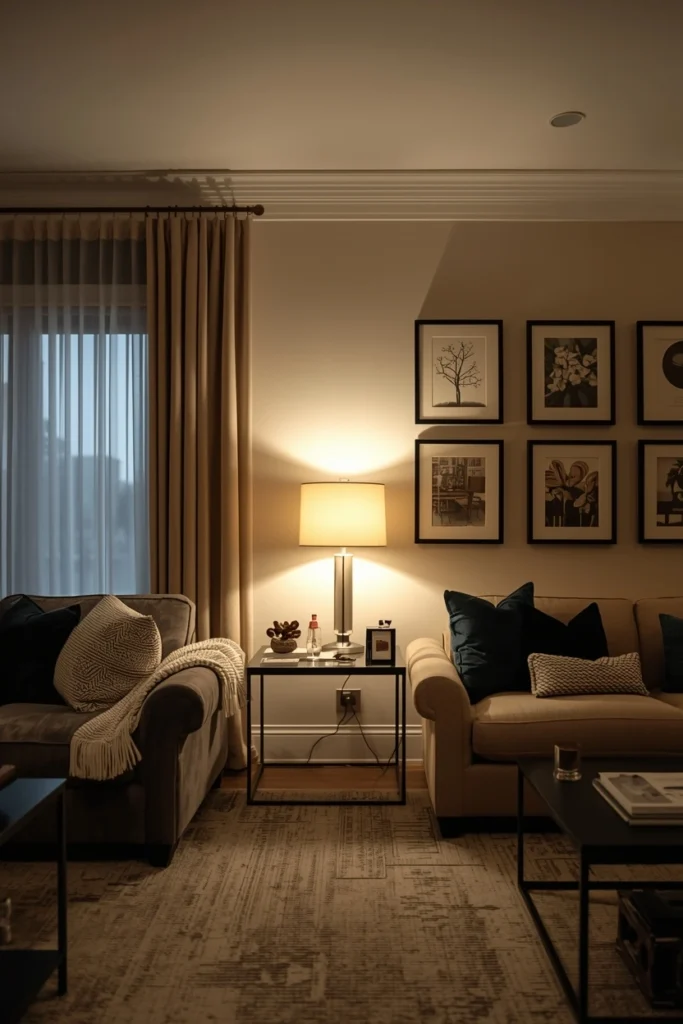
Relying solely on one overhead light fixture is a significant living room styling mistake. Layered lighting—ambient, task, and accent—creates depth and mood. Table lamps, floor lamps, and wall sconces soften harsh shadows and make the space feel inviting.
Incorporating multiple light sources at varying heights adds warmth and visual interest. Lighting should highlight architectural features and décor elements rather than flatten them. Warm bulbs create comfort, while dimmers provide flexibility for different occasions. Thoughtful lighting design transforms a basic room into a refined, welcoming environment.
4. Overcrowding with Decor Accessories
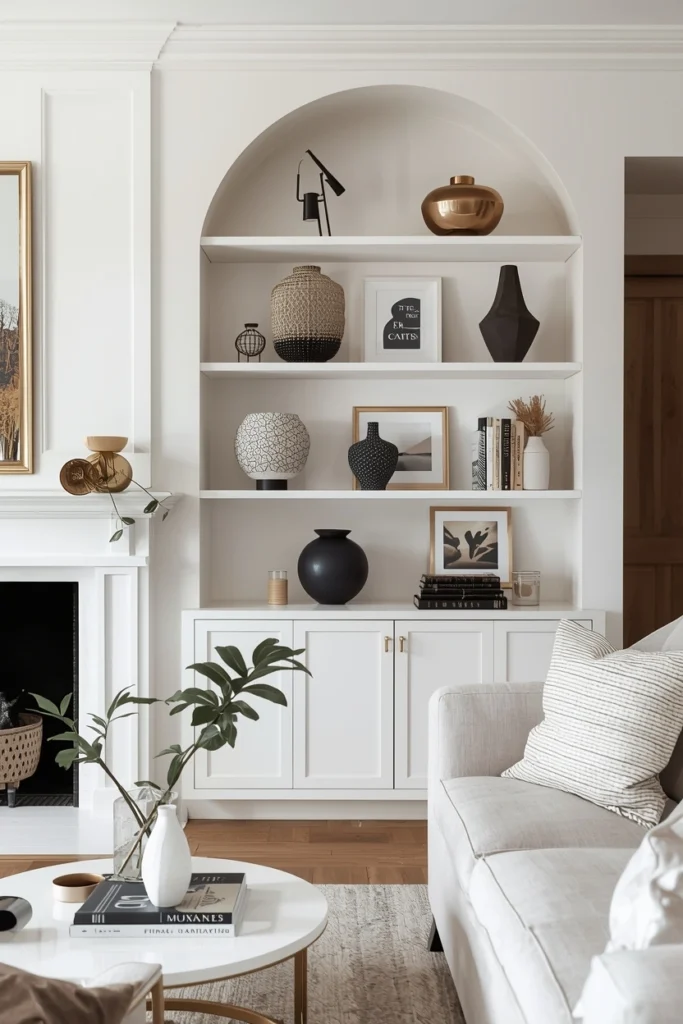
Cluttered shelves and excessive décor instantly overwhelm a living space. One of the most frequent living room styling mistakes is over-accessorizing without intentional spacing. Minimal, curated displays feel sophisticated and purposeful.
Focus on quality over quantity. Select a few meaningful pieces and allow negative space between them. This creates breathing room and emphasizes sculptural forms. Thoughtful editing ensures that every item contributes to the overall aesthetic instead of competing for attention.
5. Hanging Artwork Too High
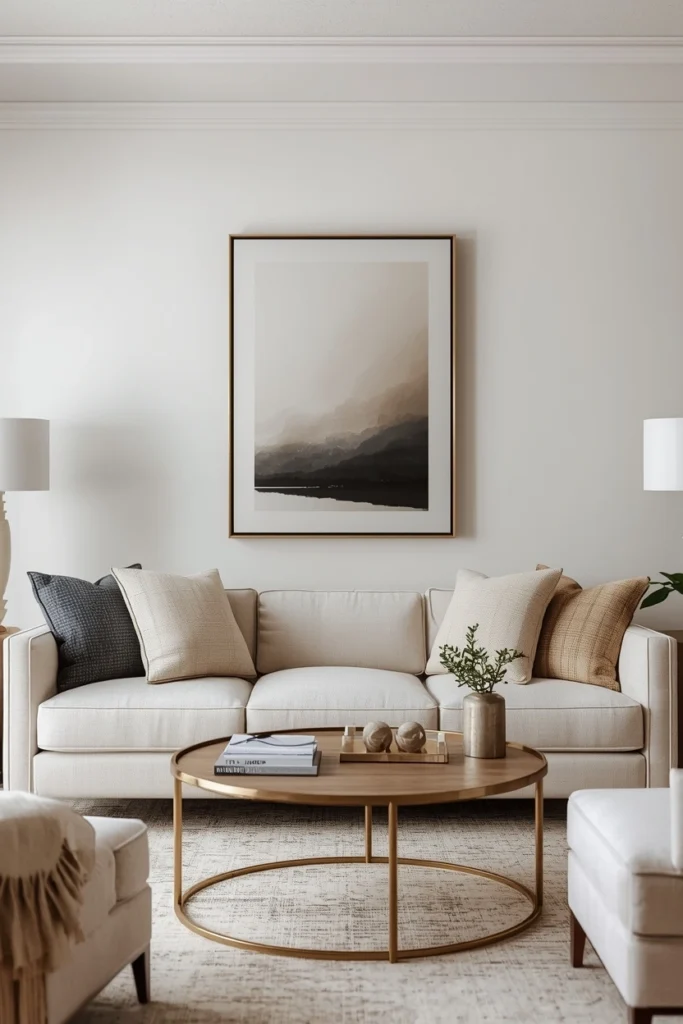
Artwork placement dramatically impacts visual balance. A common living room styling mistake is hanging art too high on the wall. Ideally, artwork should sit at eye level, approximately 57–60 inches from the floor to the center of the piece.
Proper placement anchors artwork to surrounding furniture. When positioned too high, art feels disconnected and awkward. Align pieces relative to sofas or consoles to create harmony. Balanced artwork enhances scale and proportion within the room.
6. Matching Everything Too Perfectly
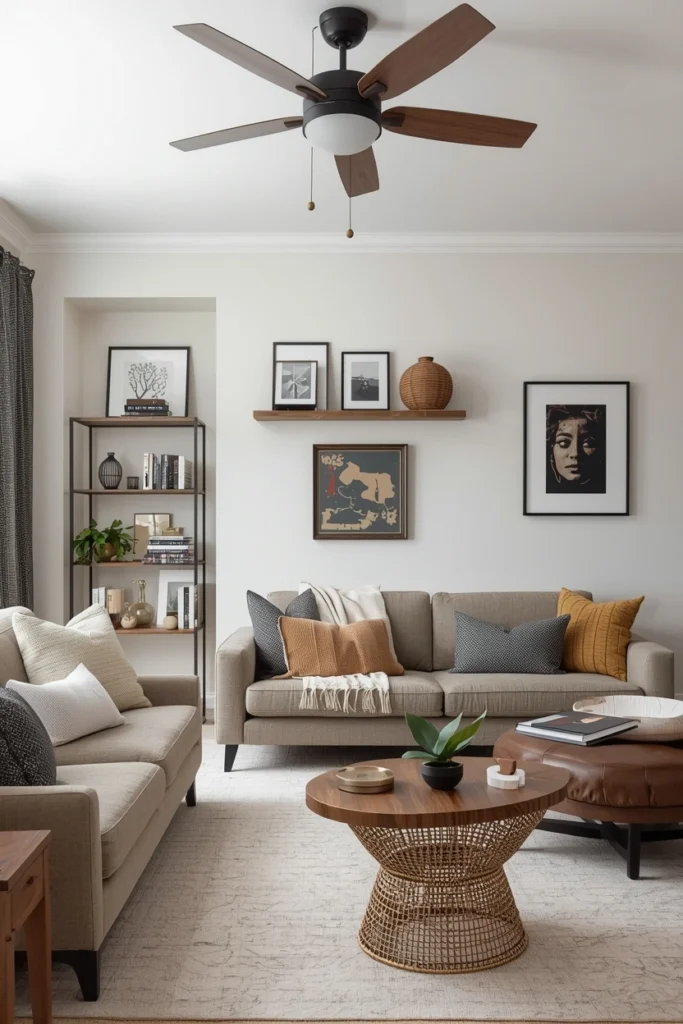
While coordination is important, overly matching furniture sets create a flat, uninspired look. One of the subtle living room styling mistakes is purchasing identical pieces without contrast. Visual interest thrives on variation in texture, tone, and form.
Mix materials like wood, metal, linen, and leather to add dimension. Pair modern elements with vintage accents for personality. Balance is achieved through thoughtful layering rather than uniformity. A curated mix creates warmth and authenticity.
7. Neglecting Negative Space
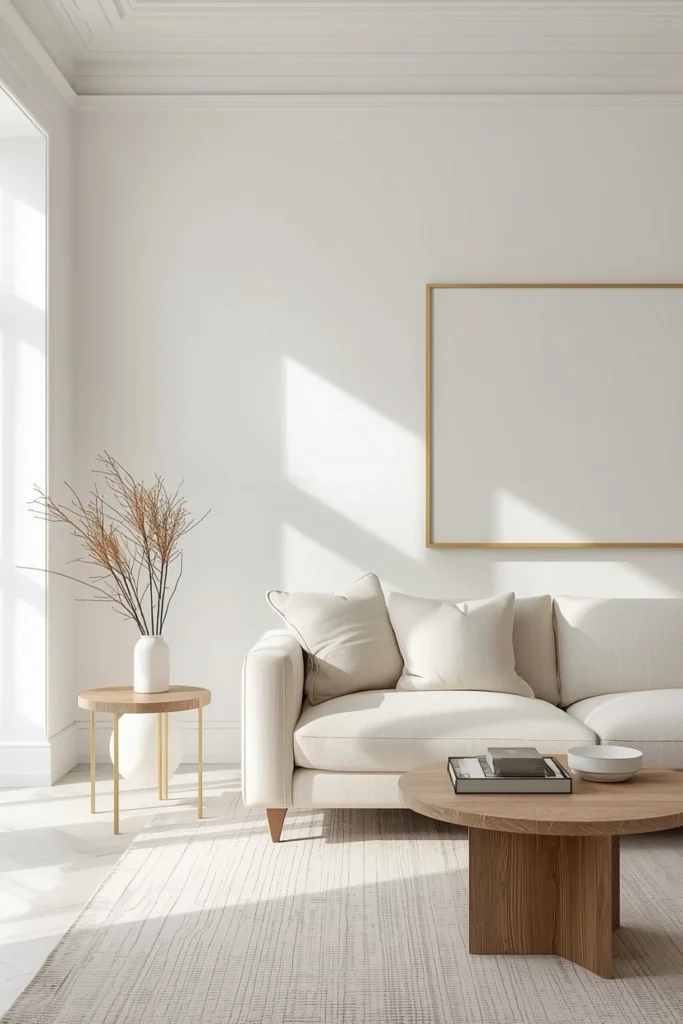
Every surface does not need to be filled. Overlooking negative space is a living room styling mistake that makes rooms feel chaotic. Empty areas allow focal points to stand out and create calm visual rhythm.
Strategic spacing enhances architectural lines and furniture shapes. Leave breathing room around statement pieces and pathways clear. This minimalist principle ensures your space feels intentional rather than crowded.
8. Poor Scale and Proportion Choices
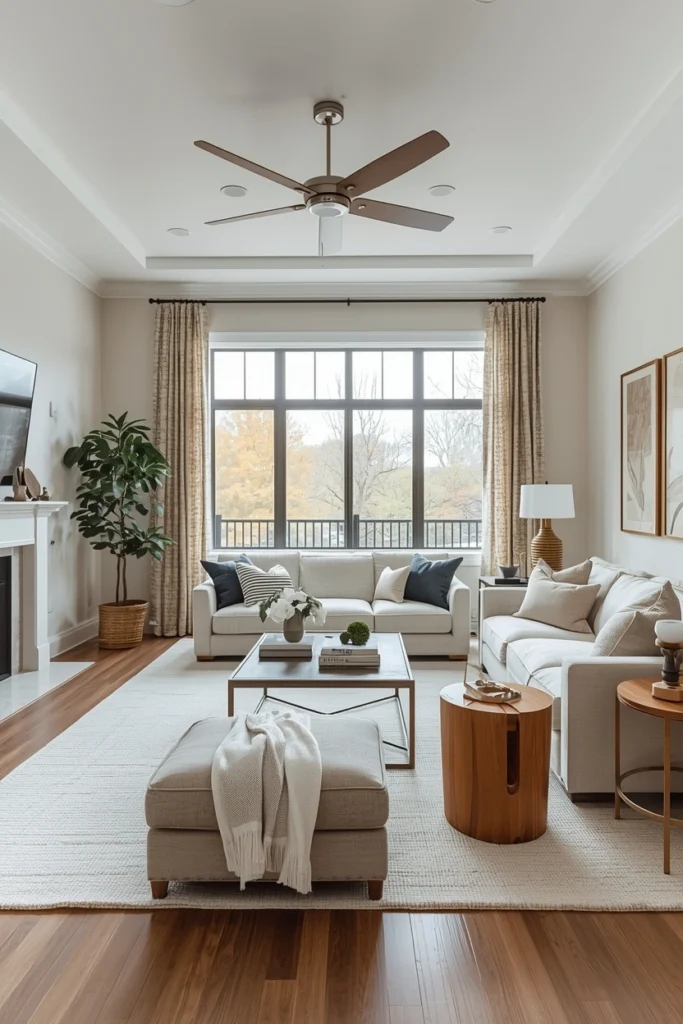
Choosing furniture that is too large or too small disrupts visual harmony. Among major living room styling mistakes, scale miscalculations affect both comfort and aesthetics. Oversized sofas can overwhelm compact rooms, while petite pieces feel lost in larger spaces.
Measure carefully and visualize layouts before purchasing. Consider ceiling height, wall length, and room width. Balanced proportions create a cohesive, polished result. Correct scale ensures functionality without sacrificing design integrity.
9. Ignoring Texture Layering
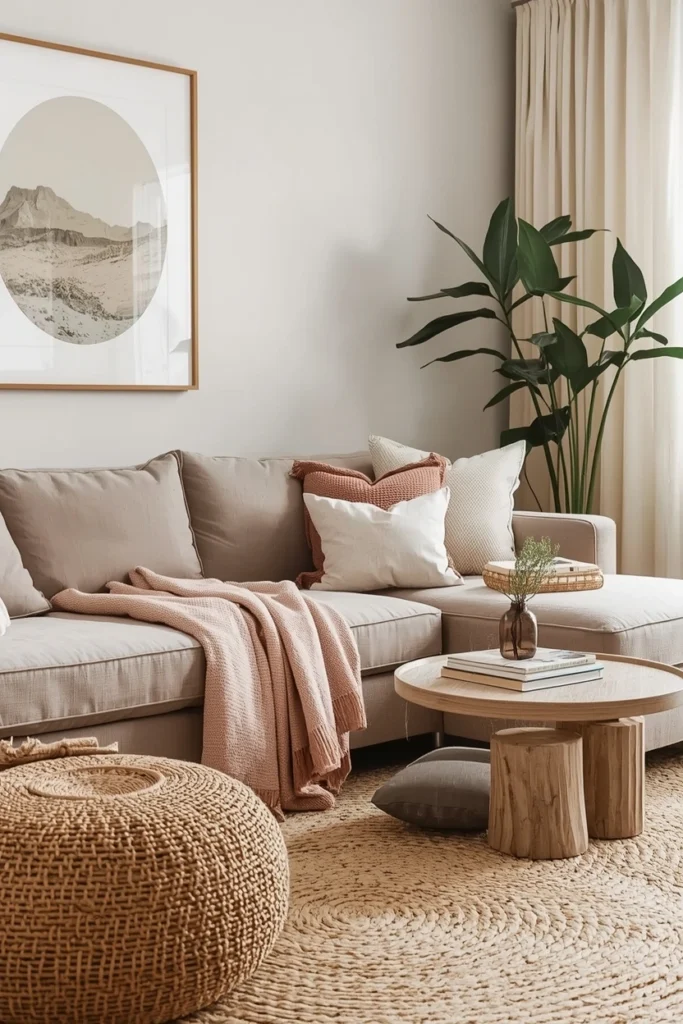
Flat design lacking texture feels incomplete. A common living room styling mistake is relying solely on color without incorporating tactile variety. Layered textiles—such as throws, cushions, woven rugs, and curtains—add dimension.
Texture introduces warmth and depth without overwhelming the palette. Combine smooth surfaces with woven or natural elements. Subtle layering enhances comfort while maintaining a cohesive look.
10. Blocking Natural Light
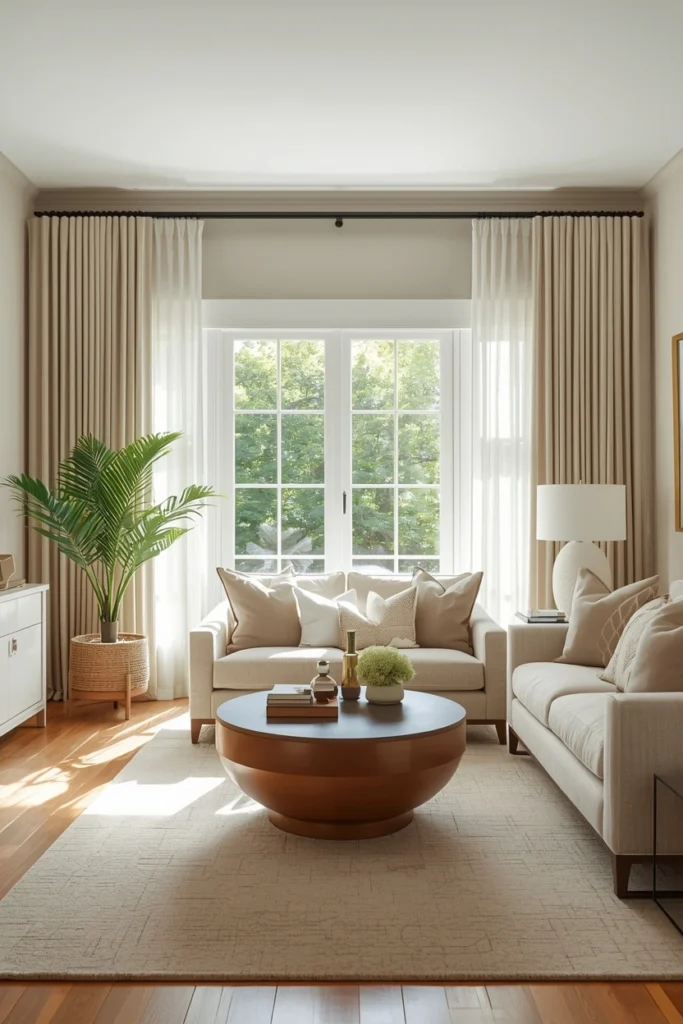
Heavy curtains or bulky furniture placed in front of windows limit natural light. This living room styling mistake diminishes openness and brightness. Light enhances color accuracy and spatial perception.
Choose sheer or lightweight curtains and position furniture thoughtfully. Allow sunlight to illuminate key design features. A bright space feels larger and more welcoming.
11. Forgetting a Focal Point
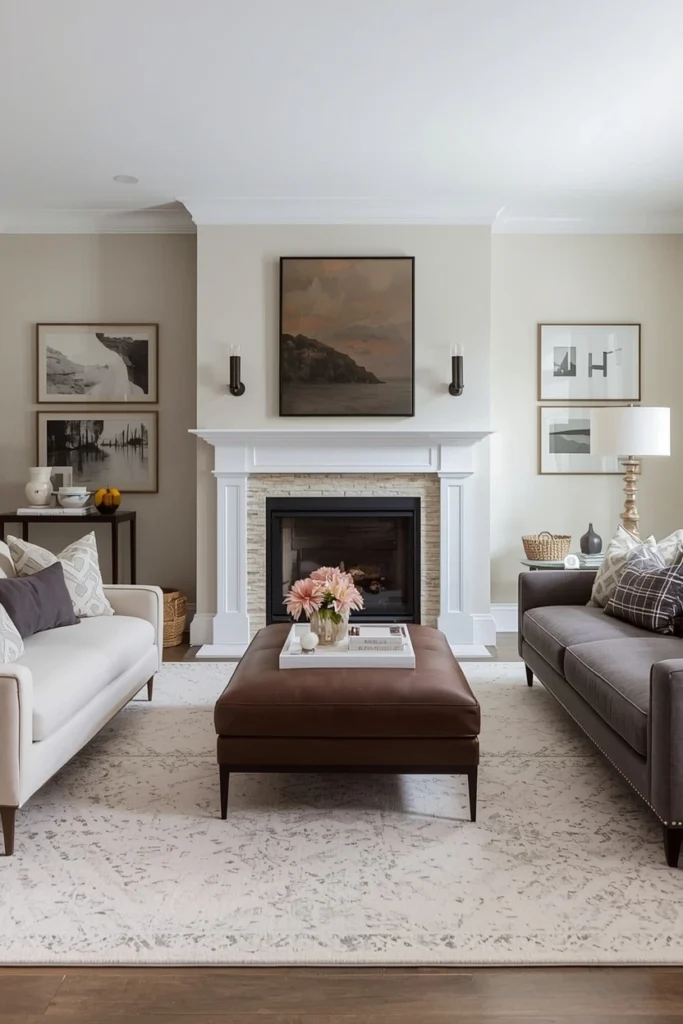
Every living room needs a visual anchor. Failing to establish one is a subtle but impactful living room styling mistake. A fireplace, statement artwork, or bold sofa can serve as the room’s centerpiece.
Arrange furniture to highlight this focal element. Supporting décor should complement rather than compete. Clear hierarchy enhances balance and guides the eye naturally through the space.
12. Using Harsh Overhead Lighting
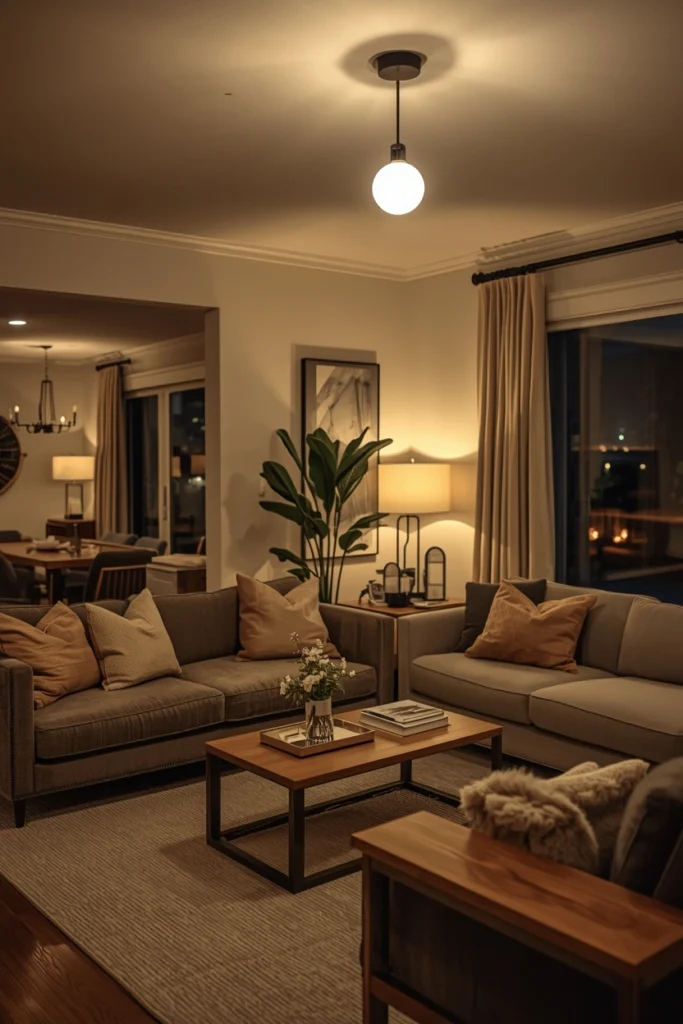
Bright white overhead bulbs create an uninviting atmosphere. One of the most overlooked living room styling mistakes is ignoring bulb temperature. Warm lighting fosters relaxation and comfort.
Opt for soft white bulbs and incorporate dimmers. This allows flexibility for entertaining or relaxing. Proper lighting tone dramatically influences mood and overall perception of your décor.
13. Skipping Window Treatments
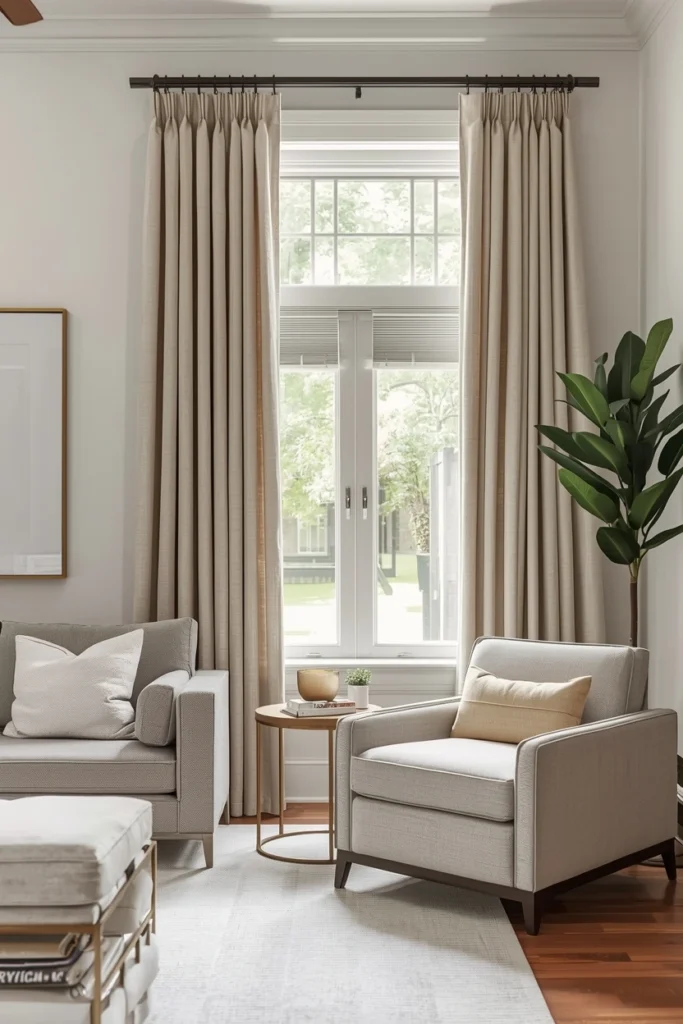
Bare windows often make rooms feel unfinished. A frequent living room styling mistake is neglecting curtains or blinds altogether. Window treatments frame the space and add softness.
Choose floor-length curtains to enhance height perception. Even simple linen panels create elegance. Properly hung treatments complete the design and introduce texture.
14. Overusing Trendy Pieces
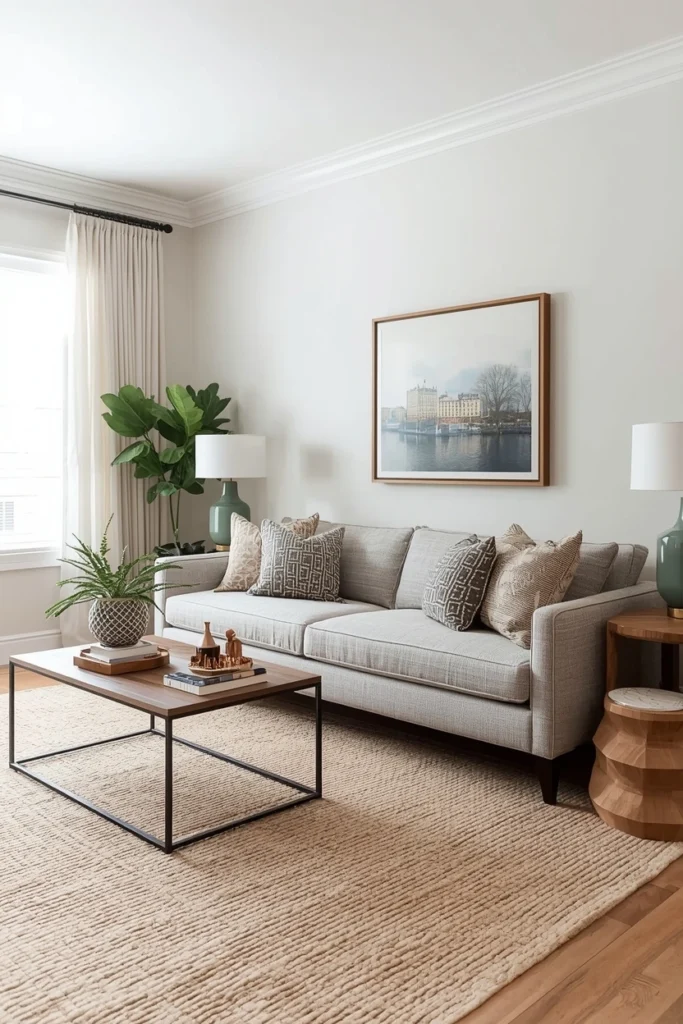
Trends can quickly date a space. One common living room styling mistake is investing heavily in short-lived fads. Instead, anchor your design with timeless pieces and introduce trends through smaller accessories.
This approach ensures longevity while keeping the space current. Rotate cushions, art, or small décor elements seasonally. Balance between classic and contemporary creates sustainable style.
15. Ignoring Flow and Traffic Patterns
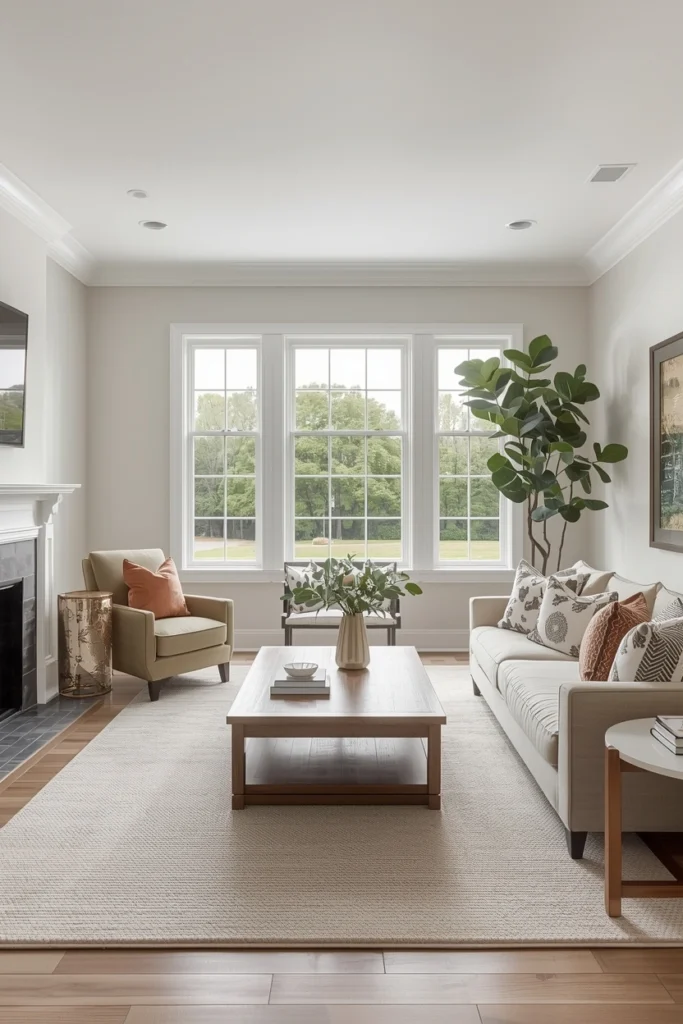
Poor layout planning disrupts movement. Living room styling mistakes often include blocking walkways or crowding entrances. Ensure clear paths between seating and doorways.
Functional design enhances comfort and usability. Arrange furniture to support natural flow while maintaining balance. Practicality should always complement aesthetics.
16. Choosing the Wrong Coffee Table Size
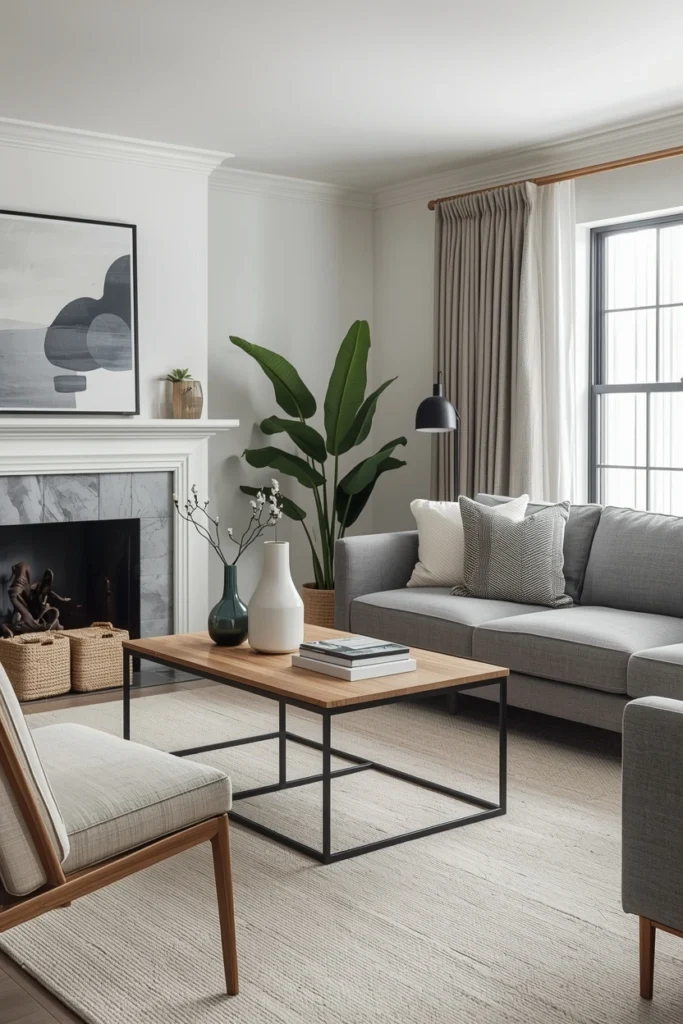
An improperly sized coffee table affects both proportion and convenience. One of the common living room styling mistakes is selecting a table that is too small or too tall.
Ideally, a coffee table should be about two-thirds the length of the sofa and similar in height to the seat cushions. Proper sizing improves functionality and visual harmony.
17. Forgetting Personal Touches
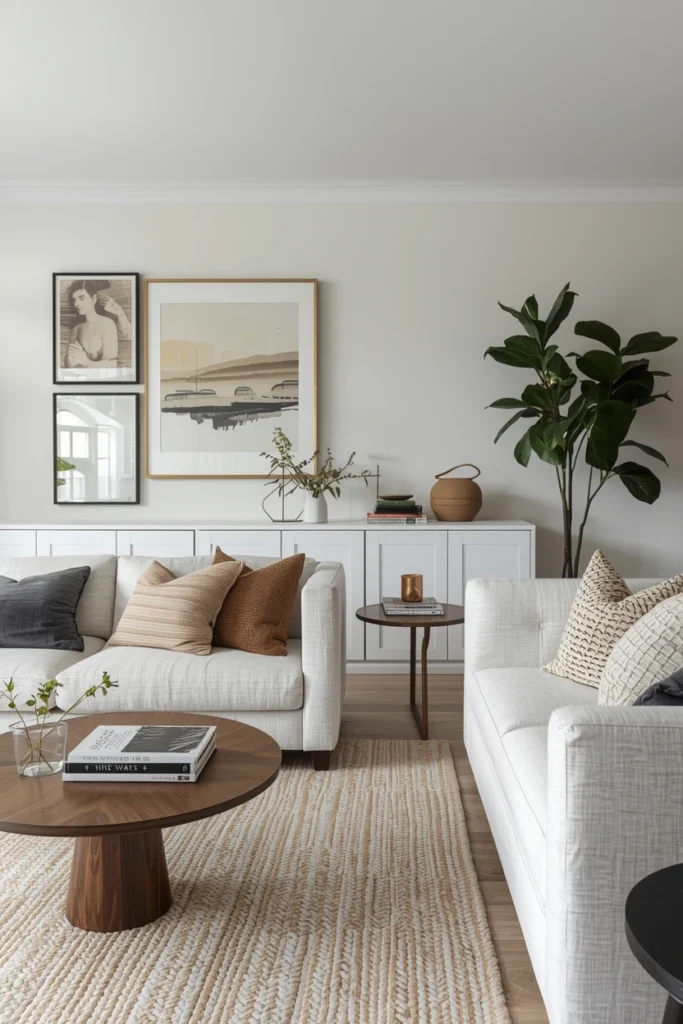
While minimalism is appealing, removing all personality creates a sterile space. A subtle living room styling mistake is failing to incorporate meaningful elements such as books, art, or heirlooms.
Personal touches bring warmth and authenticity. Integrate curated items thoughtfully without overcrowding. Balance sentiment with simplicity for a welcoming, lived-in atmosphere.
Final Thoughts
Avoiding common living room styling mistakes transforms your space from ordinary to exceptional. By focusing on scale, balance, lighting, texture, and intentional editing, you create a cohesive environment that feels both functional and refined.
Design success is rarely about buying more—it’s about arranging smarter. Thoughtful adjustments can dramatically improve how your living room looks and feels. By correcting these styling mistakes, you elevate not just your décor, but the entire experience of your home.