17 Home Color Trends Designers Are Obsessed With
Color is one of the most powerful tools in interior design. It shapes how a space feels, influences mood, and defines the character of a home more than almost any other element. In recent years, designers have moved beyond safe neutrals and stark whites, embracing richer, more expressive palettes that still feel livable and timeless.
These Home Color Trends reflect a shift toward warmth, depth, and individuality. Rather than following fleeting fads, designers are gravitating toward colors that create atmosphere, enhance architecture, and stand the test of time. From earthy neutrals to bold statement hues, these 17 home color trends are the shades designers can’t stop using—and for good reason.
1. Warm Greige
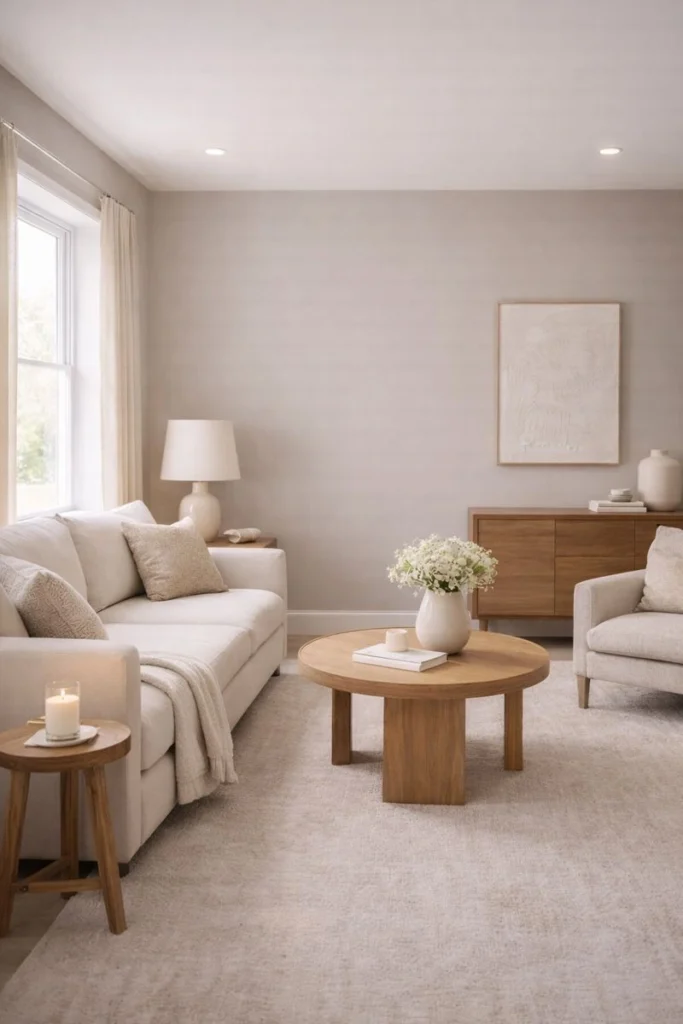
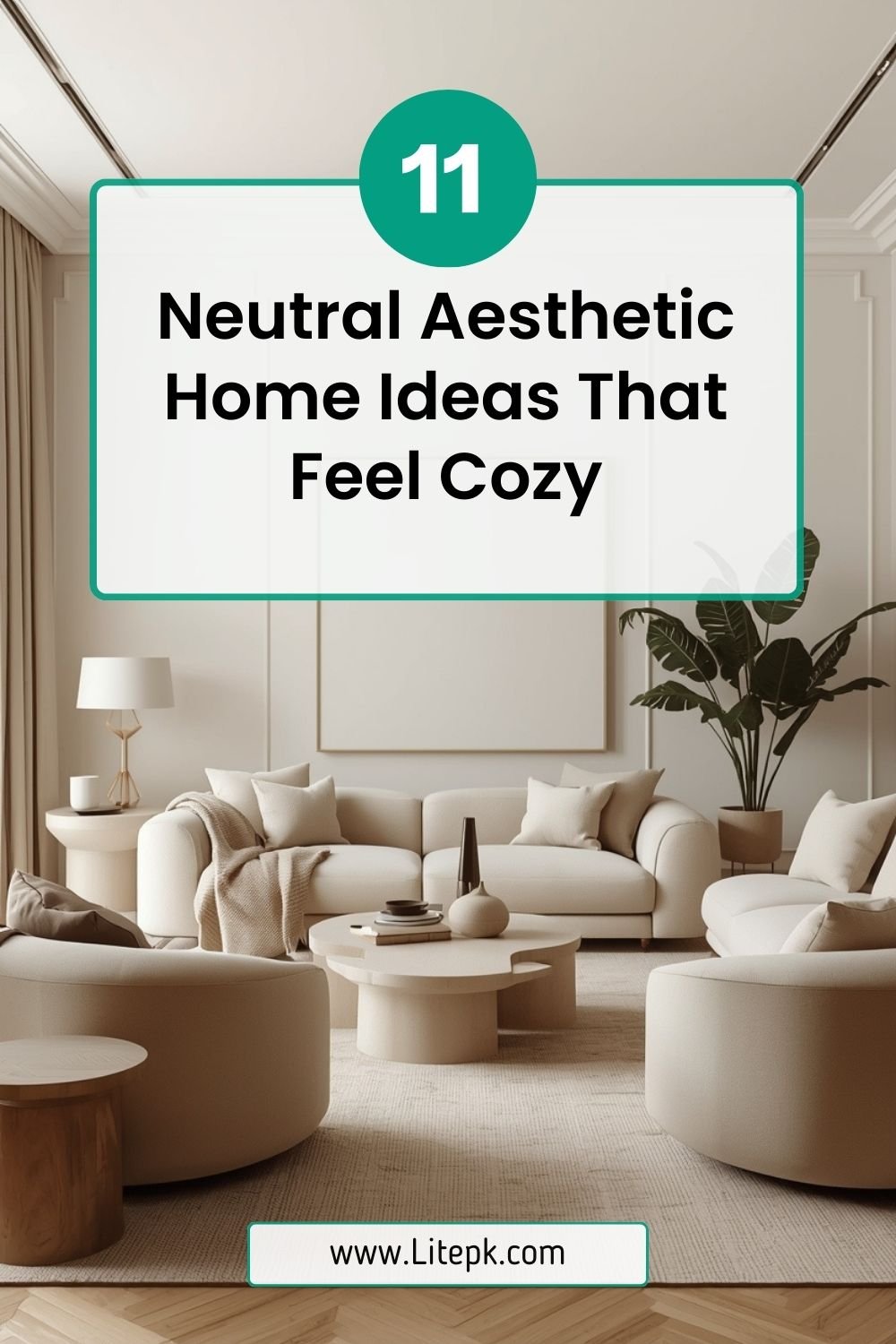
Warm greige continues to dominate home color trends because it bridges the gap between gray and beige. Unlike cooler grays, greige brings warmth and softness while maintaining a modern, neutral appeal. Designers love its versatility, as it adapts beautifully to different lighting conditions and complements a wide range of materials.
This color works well throughout the home, from living rooms to bedrooms and hallways. It creates a calm backdrop that allows furniture and decor to shine without competing for attention. Warm greige is especially popular in open-concept spaces where continuity and balance are essential.
2. Soft Clay and Terracotta Tones
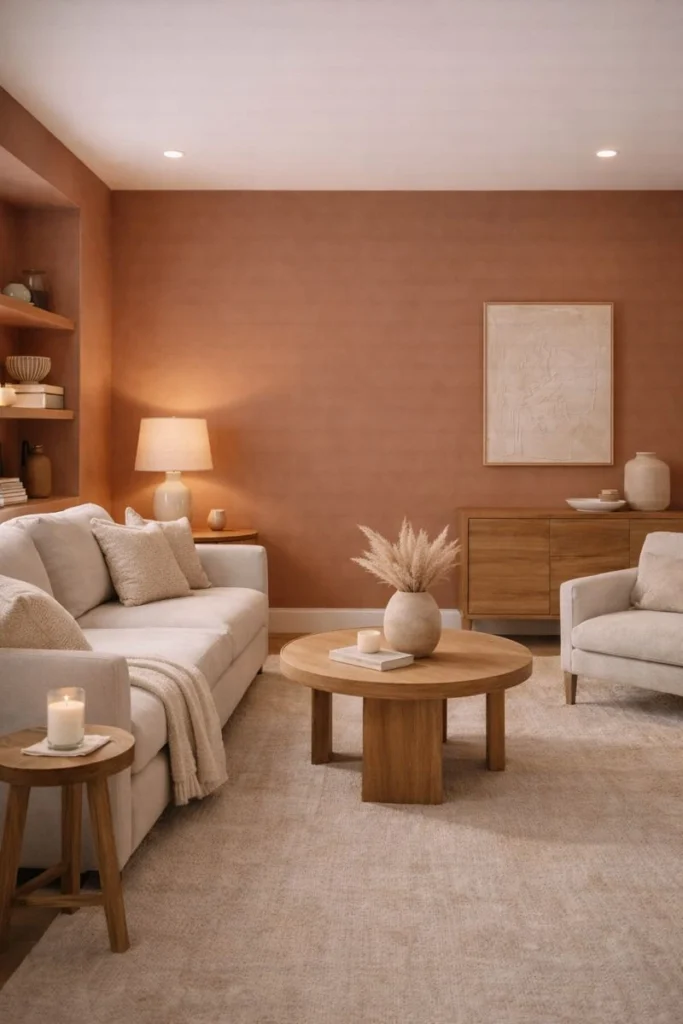
Clay and terracotta-inspired hues are becoming staples in modern interiors. These warm, earthy tones add character and depth while still feeling grounded and natural. Designers appreciate how these colors bring warmth without overpowering a space.
Used on walls, accent features, or even ceilings, clay tones create a cozy yet sophisticated atmosphere. They pair beautifully with natural materials like wood, stone, and linen, reinforcing a connection to nature. This home color trend feels organic, comforting, and effortlessly stylish.
3. Muted Olive Green
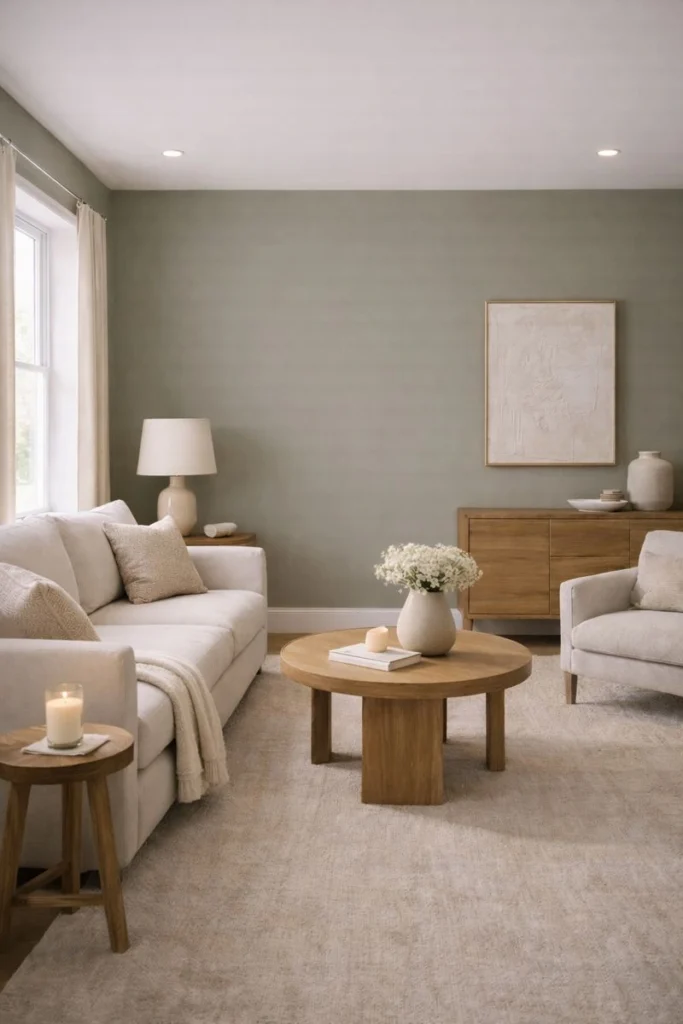
Muted olive green has become a designer favorite for its calming yet distinctive presence. Unlike bright greens, olive feels grounded and refined, making it ideal for both traditional and contemporary homes. It adds color without overwhelming the space.
Designers often use olive green in living rooms, kitchens, and bedrooms to create a relaxed, nature-inspired environment. This shade works particularly well with brass accents, warm woods, and neutral textiles. As part of current home color trends, olive green brings depth and tranquility in equal measure.
4. Creamy Off-Whites
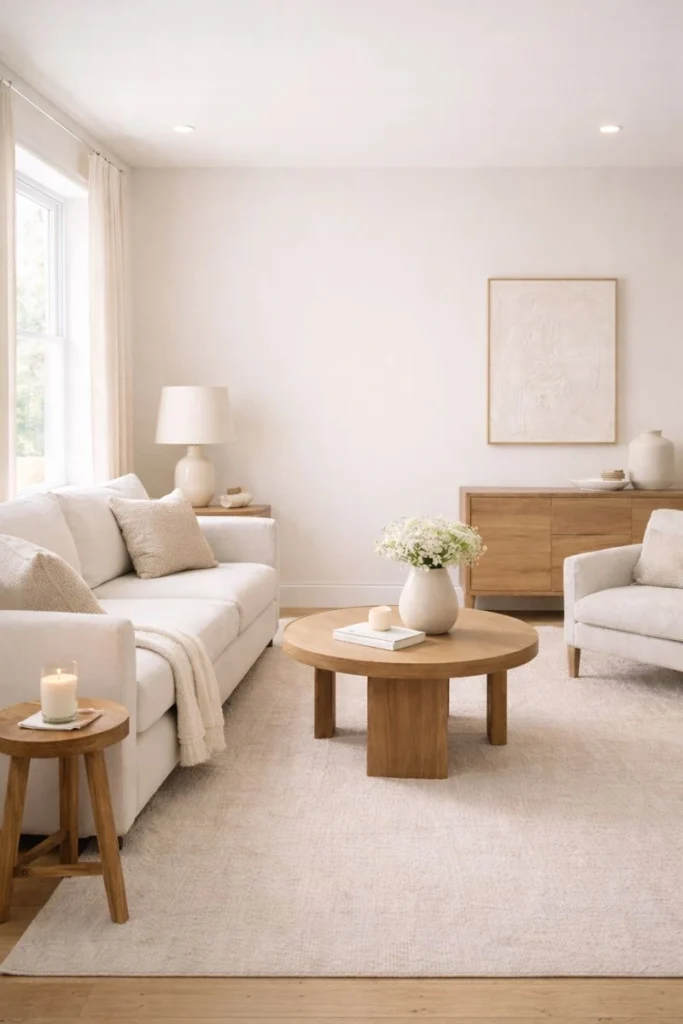
Pure white is giving way to warmer, creamier off-whites that feel more inviting and livable. Designers favor these softer whites because they reduce starkness while still maintaining brightness. Creamy whites add warmth without sacrificing the clean look homeowners love.
This home color trend works well in every room, especially in spaces with limited natural light. Creamy off-whites create a gentle backdrop that enhances architectural details and textures. They are timeless, flexible, and ideal for creating cohesive interiors.
5. Deep Charcoal Gray
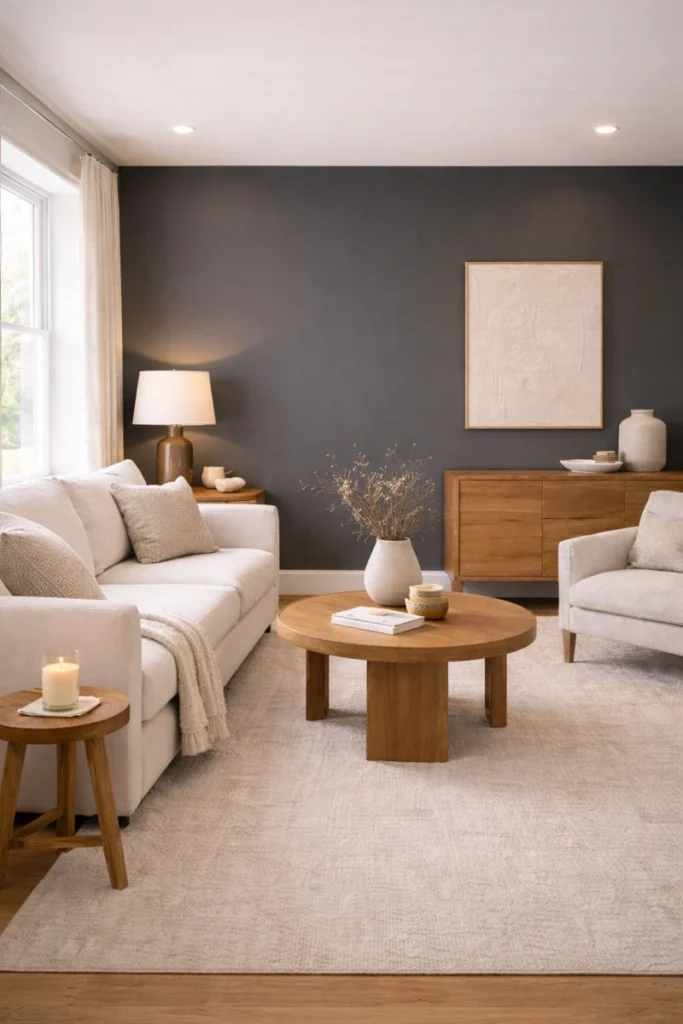
Charcoal gray is replacing black as a dramatic yet sophisticated option in home color trends. Designers love its ability to add depth and contrast without feeling harsh. Charcoal creates a moody, high-end look while remaining versatile.
Often used on accent walls, cabinetry, or built-ins, this color anchors a space visually. When balanced with lighter elements and warm lighting, charcoal gray feels intentional and luxurious rather than dark or heavy.
6. Dusty Blue
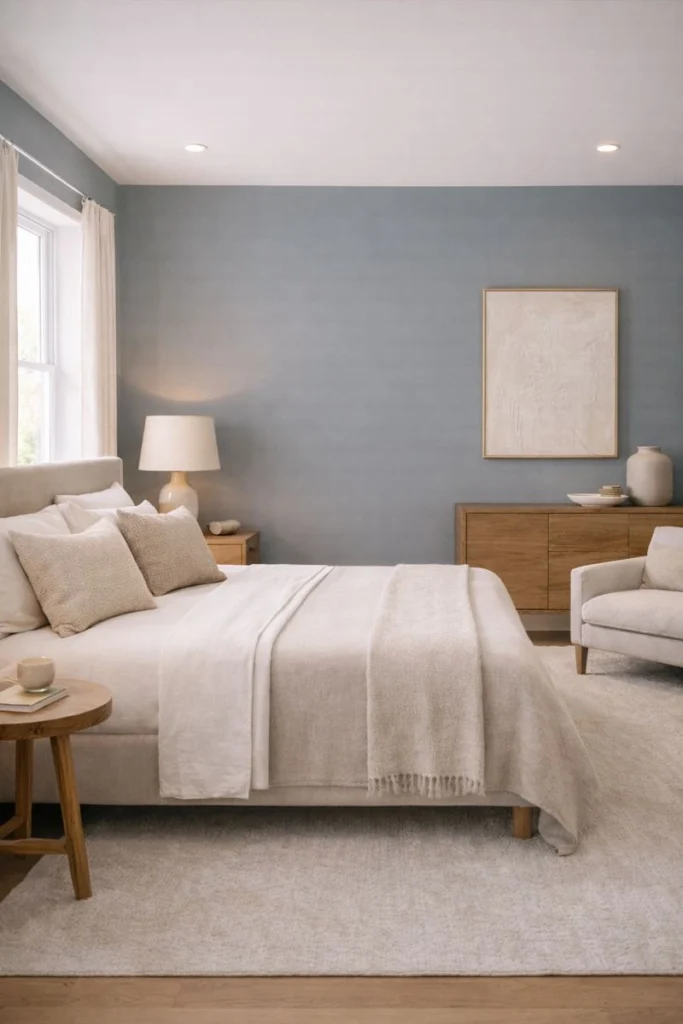
Dusty blue offers a softer alternative to traditional navy or bright blue tones. Designers gravitate toward this shade because it feels calm, timeless, and subtly expressive. It brings color into a space without overwhelming it.
This home color trend works beautifully in bedrooms, bathrooms, and living spaces where a serene atmosphere is desired. Dusty blue pairs well with white, gray, and natural wood, making it easy to integrate into a variety of design styles.
7. Warm Taupe
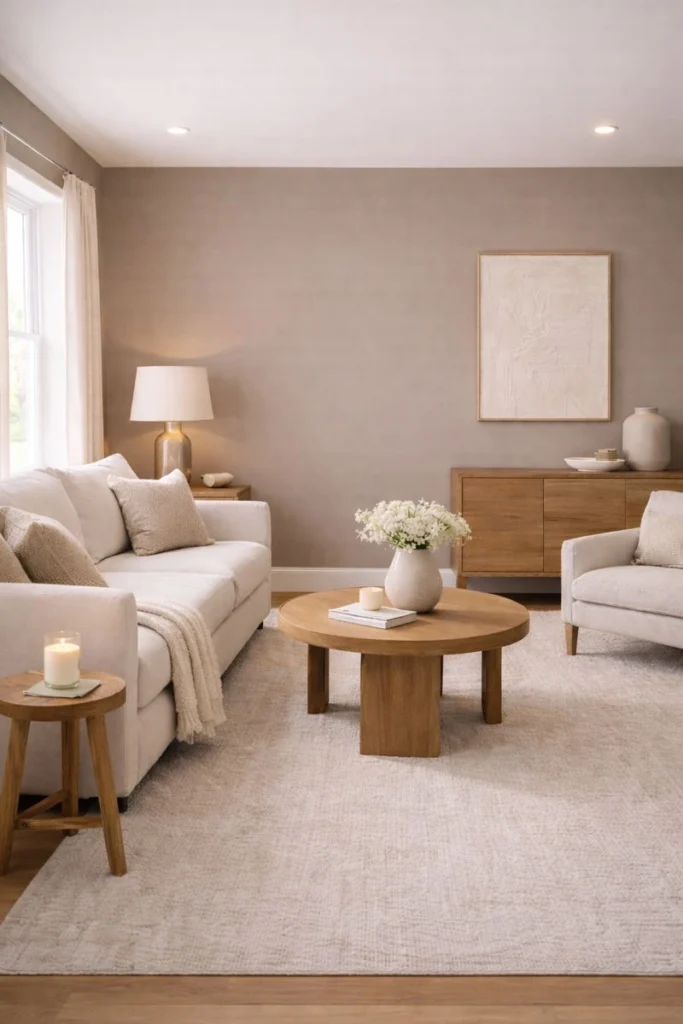
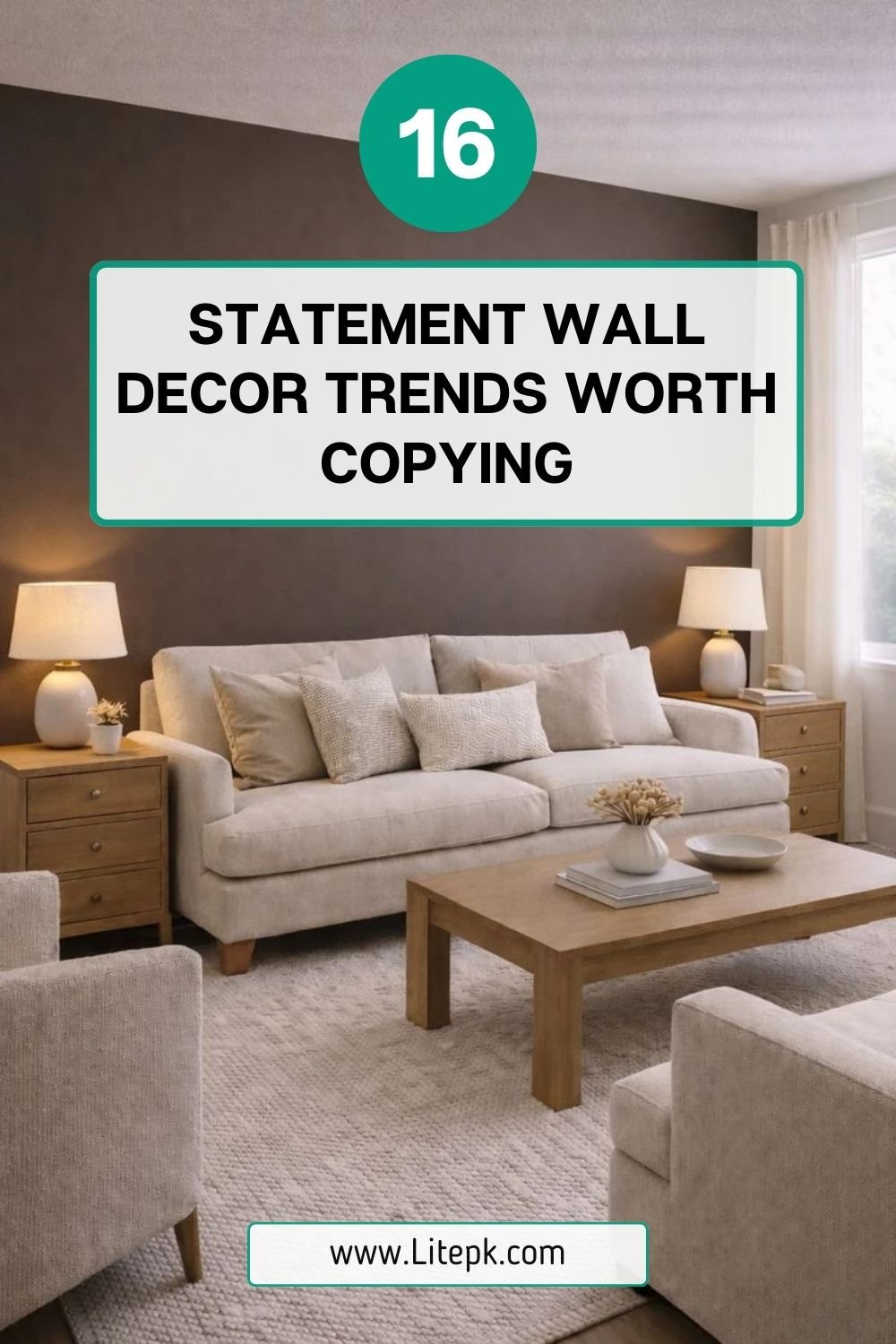
Taupe is re-emerging as a designer favorite thanks to its depth and versatility. Warmer taupe tones add richness while maintaining a neutral foundation. Designers use taupe to create layered, sophisticated interiors.
This color adapts seamlessly to both modern and classic spaces. It enhances architectural details and complements a wide range of materials, from stone to metal. As part of evolving home color trends, warm taupe offers timeless elegance.
8. Soft Sage Green
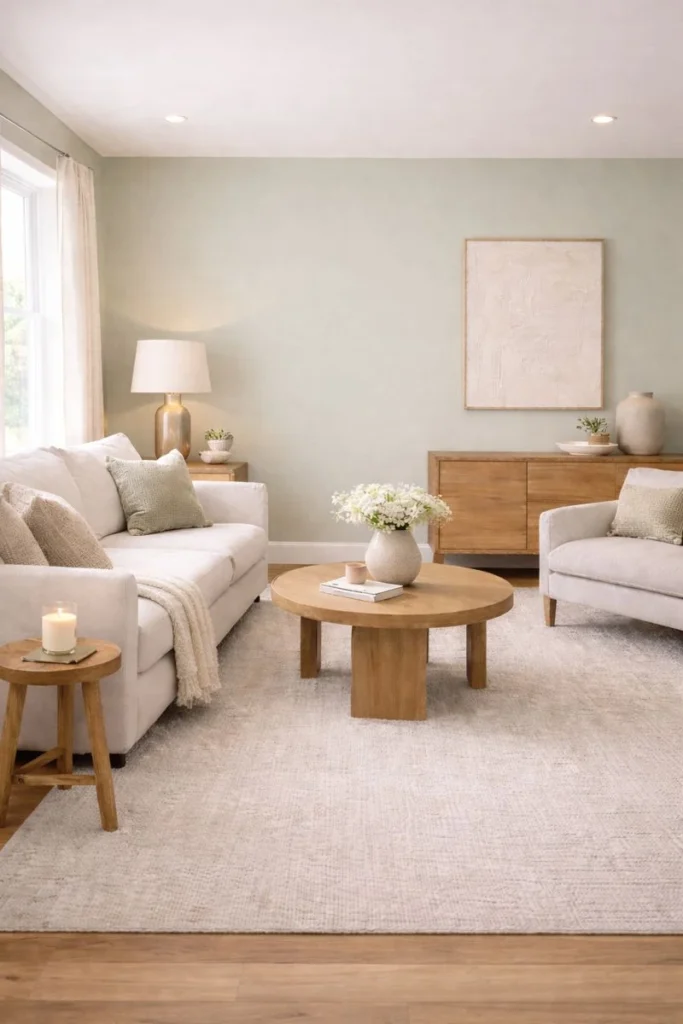
Sage green continues to be one of the most beloved home color trends among designers. Its subtle, muted tone creates a peaceful atmosphere while still adding visual interest. Sage feels fresh yet understated.
Designers often use sage green in kitchens, bedrooms, and bathrooms to evoke calm and balance. It pairs effortlessly with light woods, white finishes, and soft metals, making it a versatile choice for both modern and transitional interiors.
9. Warm Beige Revival
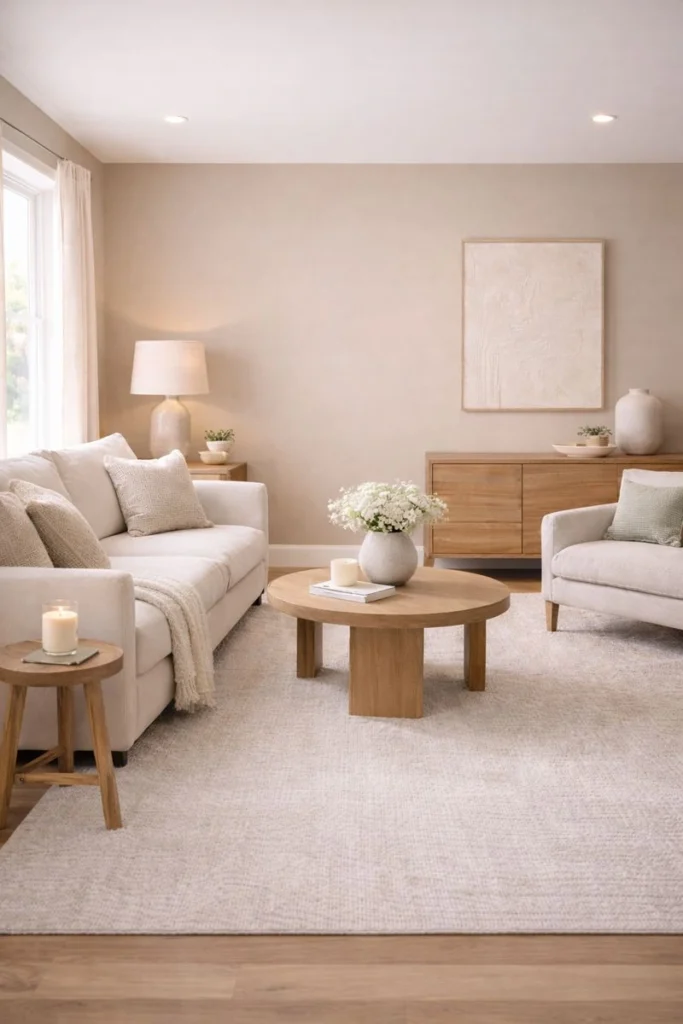
Beige is experiencing a resurgence, but with a modern twist. Today’s beige tones are warmer, richer, and more nuanced than their predecessors. Designers appreciate how beige creates a cozy foundation without feeling outdated.
This home color trend is especially popular in living spaces where warmth and comfort are priorities. Warm beige works well as a full-room color or as part of a layered neutral palette, offering timeless appeal.
10. Moody Navy Blue
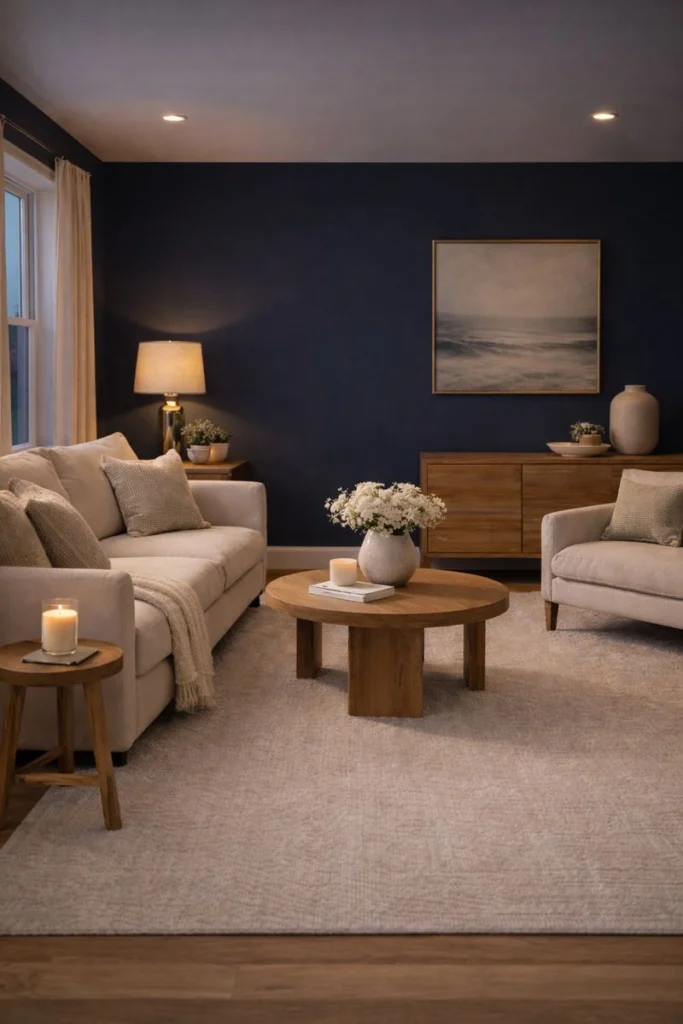
Navy blue remains a favorite among designers, especially when used in a moody, saturated form. It adds drama and sophistication while maintaining a classic feel. Navy works well as a statement color in dining rooms, offices, or bedrooms.
This home color trend pairs beautifully with metallic accents and crisp whites. When balanced with proper lighting, navy blue feels rich and intentional rather than heavy.
11. Earthy Mushroom Tones
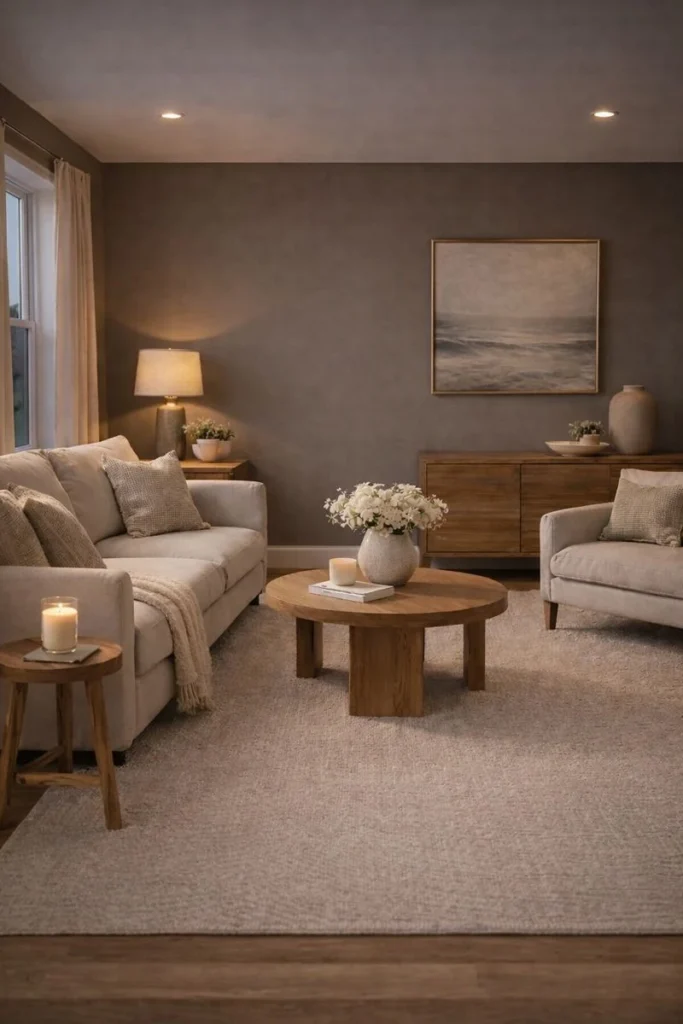
Mushroom tones—soft blends of beige, gray, and brown—are gaining popularity for their subtle complexity. Designers love how these hues shift depending on light and surrounding elements.
This color trend creates a refined, organic feel that works across different rooms. Mushroom tones offer depth without boldness, making them ideal for homeowners seeking understated elegance.
12. Muted Blush
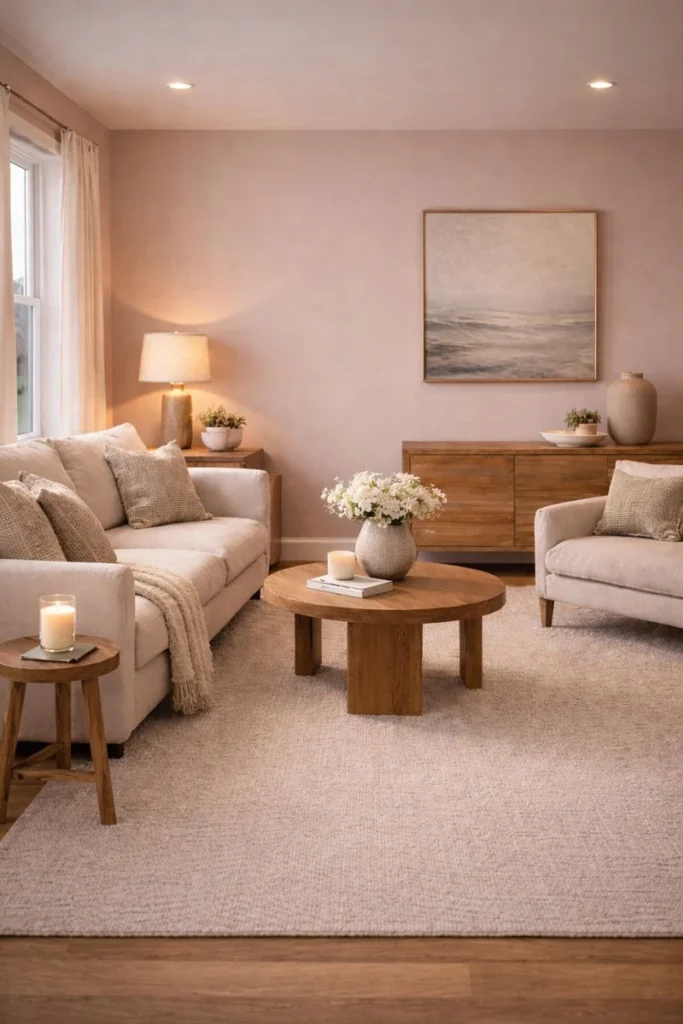
Blush tones have matured into softer, more muted variations that designers find irresistible. These subtle pinks add warmth and personality without feeling overly feminine or trendy.
Muted blush works beautifully in bedrooms, powder rooms, and living areas. It pairs well with gray, beige, and brass accents, adding a gentle sense of warmth to modern interiors.
13. Warm Cinnamon Brown
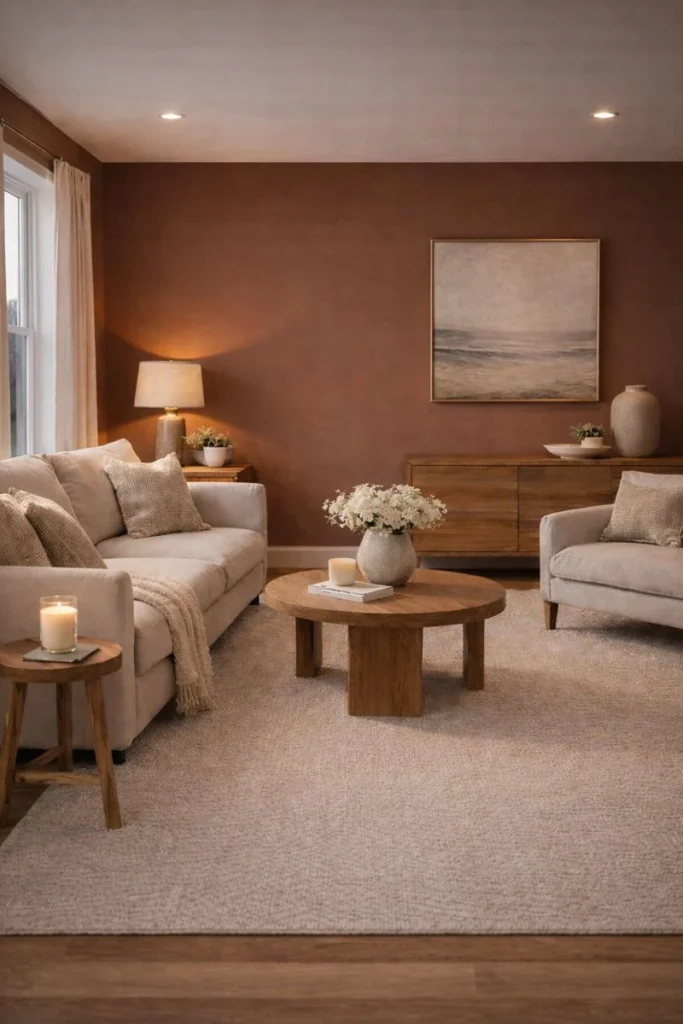
Cinnamon-inspired browns are appearing more frequently in designer palettes. These warm, spicy hues add richness and depth, especially in spaces that benefit from a cozy atmosphere.
This home color trend works well in dining rooms, studies, and accent walls. When paired with natural materials, cinnamon brown creates a grounded and inviting environment that feels both bold and timeless.
14. Soft Lavender Gray
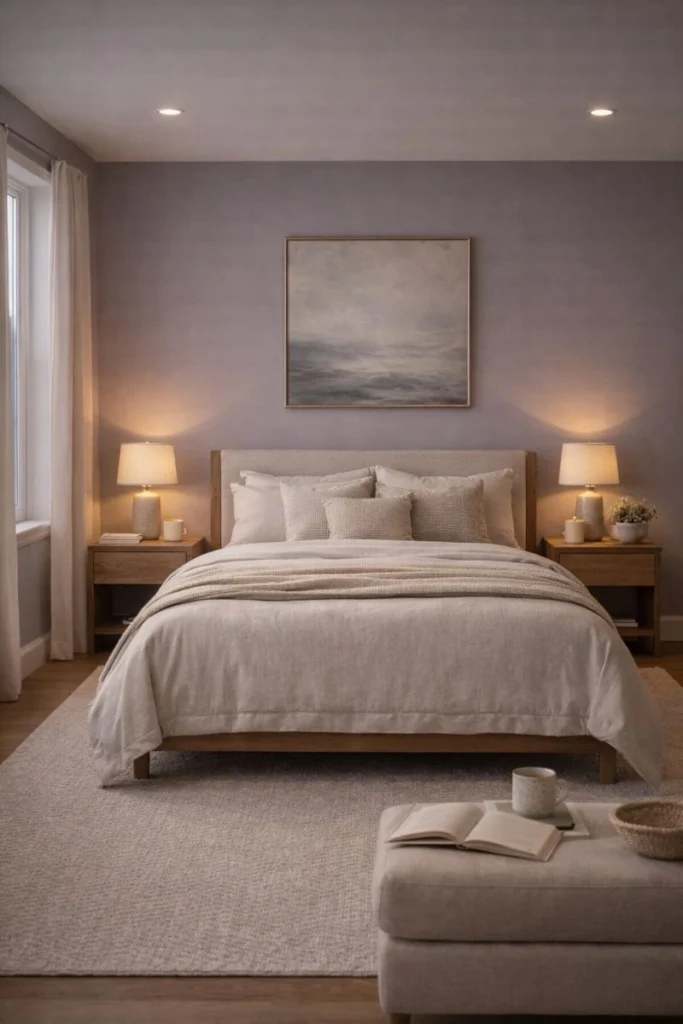
Lavender gray offers a subtle hint of color while remaining neutral and calming. Designers appreciate its ability to add interest without dominating a space. It feels fresh, modern, and unexpectedly versatile.
This color works well in bedrooms and bathrooms where tranquility is key. Soft lavender gray complements white, wood, and brushed metal finishes, making it a refined addition to current home color trends.
15. Rich Forest Green
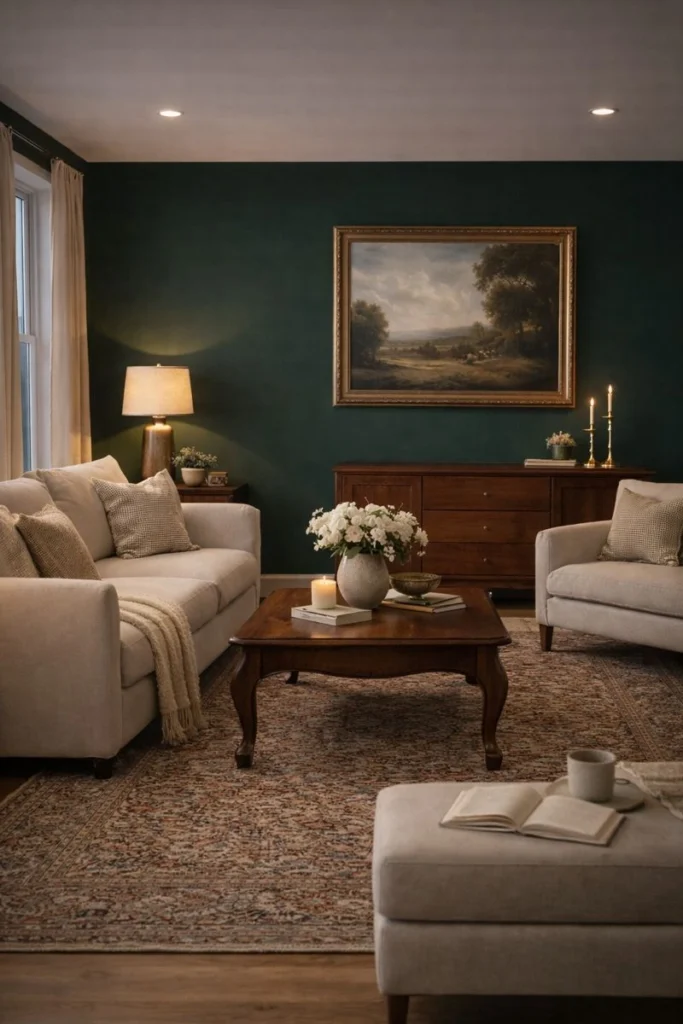
Forest green is a bold yet timeless color designers continue to embrace. Its deep, saturated tone brings drama and elegance while maintaining a natural connection.
Often used in living rooms, libraries, or accent spaces, forest green pairs beautifully with warm metals and natural wood. This home color trend feels luxurious and grounded at the same time.
16. Warm Sand Tones
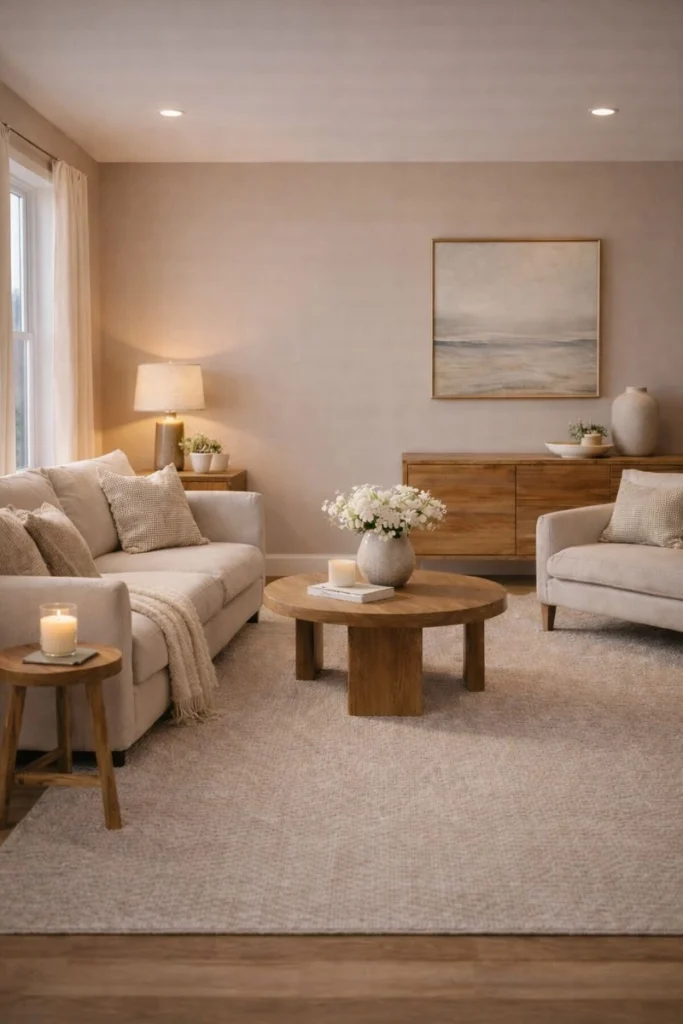
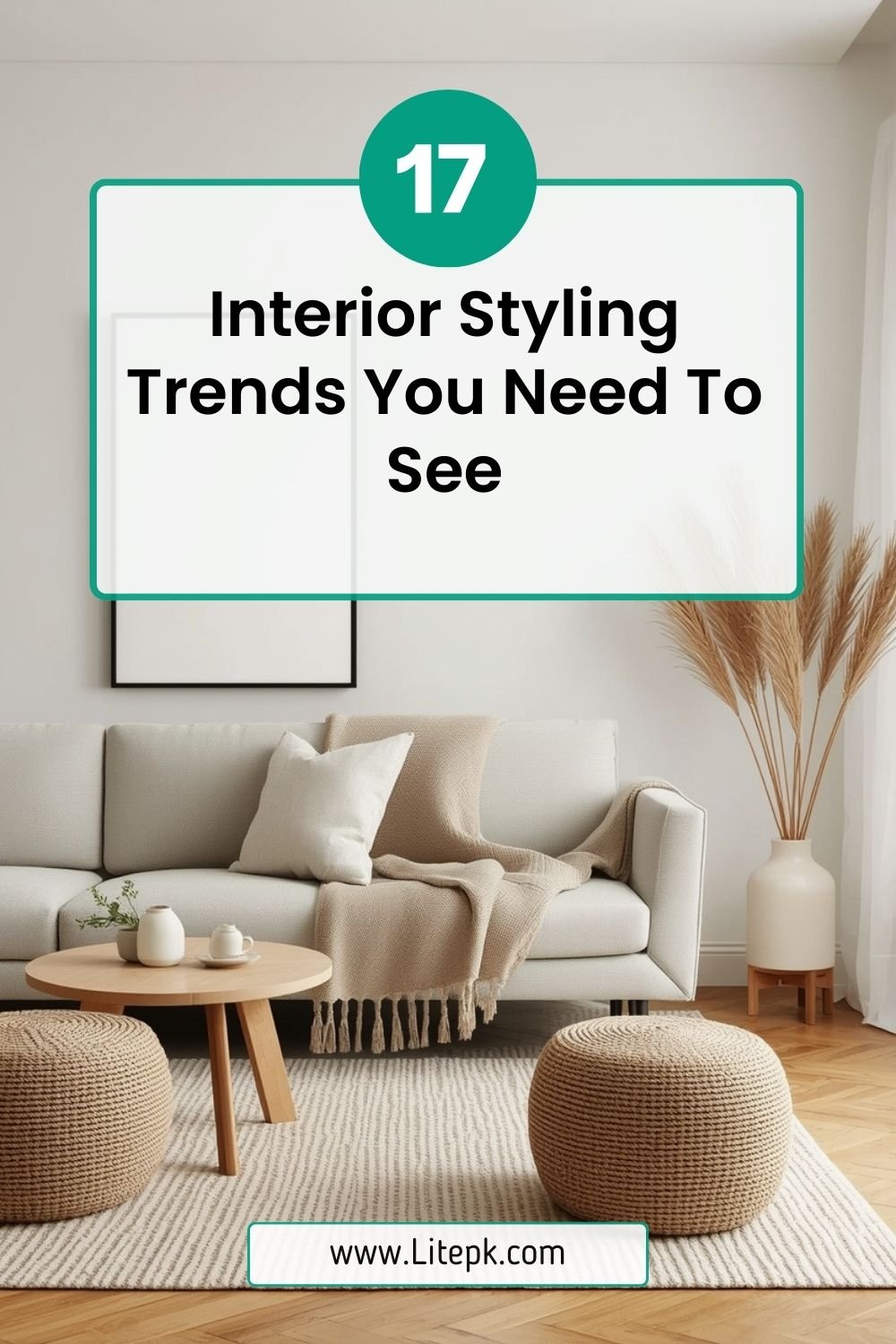
Sand-inspired hues are gaining traction for their relaxed and coastal feel. Designers love how these colors evoke warmth and openness without leaning too yellow or beige.
This home color trend is ideal for brightening spaces while maintaining a neutral palette. Sand tones pair well with organic textures and soft textiles, creating an effortless, airy look.
17. Subtle Monochromatic Palettes
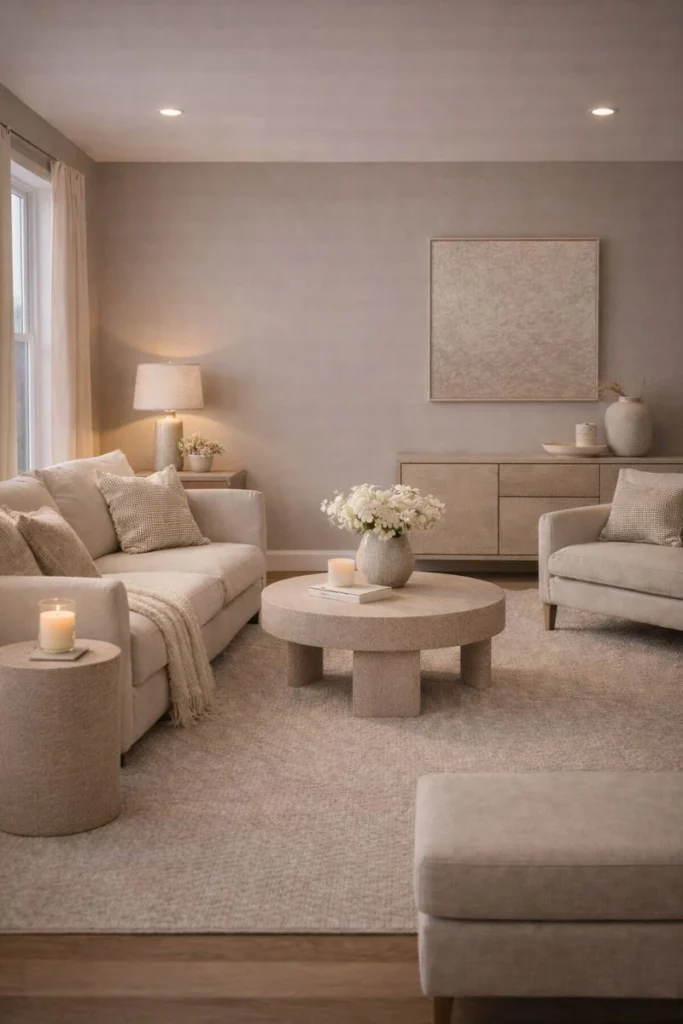
Designers are increasingly embracing monochromatic color schemes that rely on varying shades of the same hue. This approach creates depth through tone and texture rather than contrast.
Monochromatic palettes feel cohesive and sophisticated, making them a strong presence in modern home color trends. When executed thoughtfully, they elevate interiors while maintaining calm and balance.
Final Thoughts
These Home Color Trends reveal a clear shift toward warmth, depth, and intentional design. Rather than chasing fleeting trends, designers are choosing colors that enhance architecture, support well-being, and remain relevant over time.
Whether you’re refreshing a single room or rethinking your entire home, these color trends offer inspiration that balances beauty and longevity. Thoughtful color choices can transform a house into a cohesive, inviting home that feels both current and timeless.