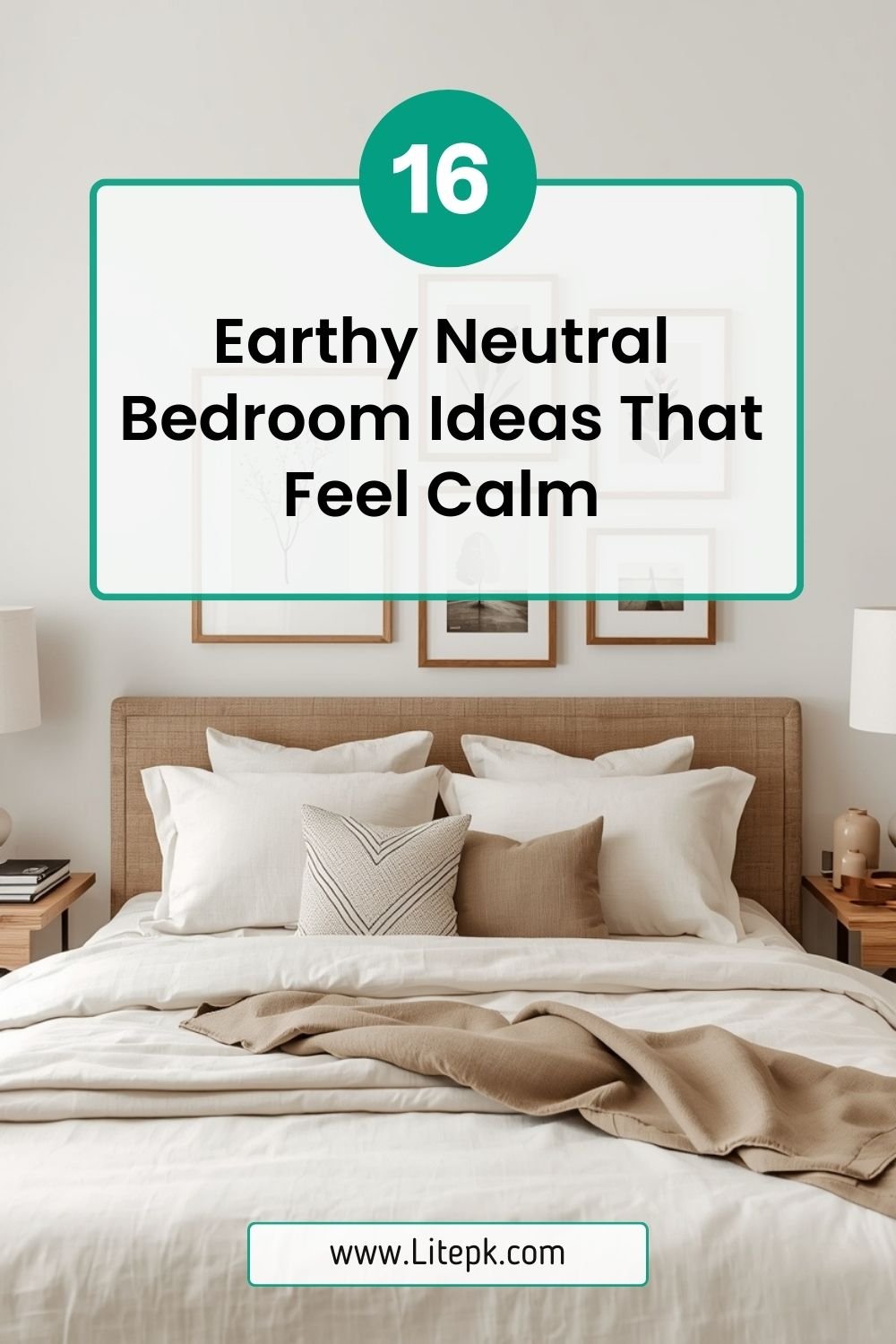
14 Calm Bedroom Ideas For A Peaceful Retreat

A calm bedroom is more than a beautiful space—it is a personal sanctuary where the mind and body can fully unwind. In today’s fast-paced world, the bedroom should offer relief from noise, stress, and visual clutter. Thoughtfully designed interiors promote better sleep, emotional balance, and a sense of daily restoration. Creating a peaceful retreat does not require a full renovation, but it does require intention.
Calm Bedroom Ideas focus on softness, balance, and simplicity. From soothing color palettes to layered textures and mindful furniture placement, every element should support relaxation. The goal is to design a bedroom that feels light, grounded, and effortlessly serene. Below are fourteen calming bedroom ideas that will help you transform your space into a tranquil retreat that nurtures rest and peace.
1. Choose a Soft Neutral Color Palette
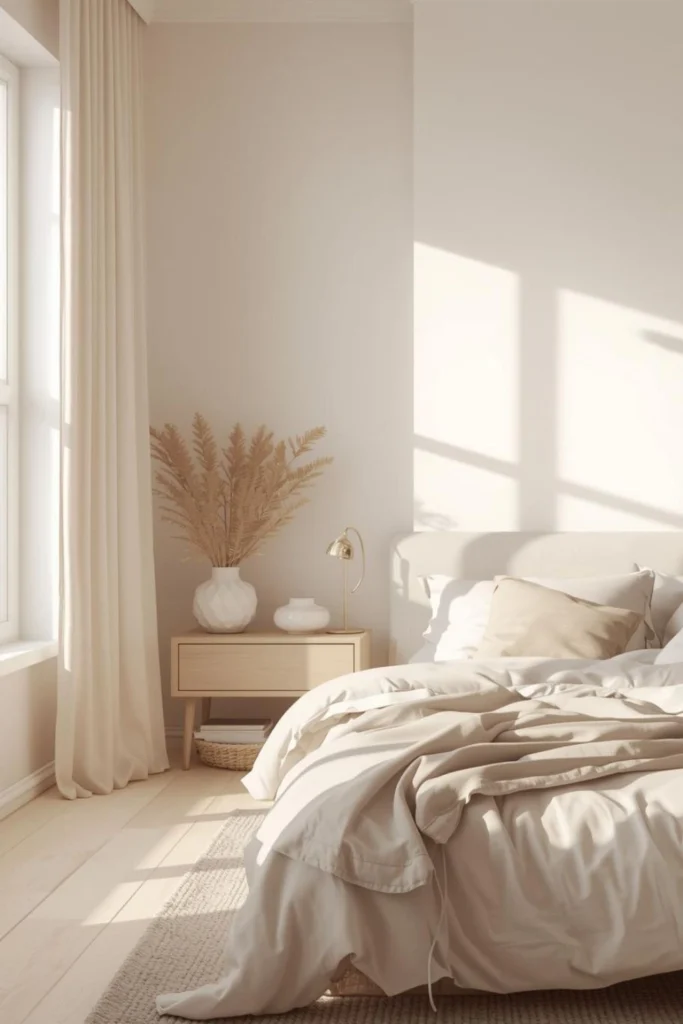
Color is one of the most powerful tools for creating a calming bedroom environment. Soft neutral tones such as warm whites, light beige, greige, and muted taupe help establish a serene foundation. These hues reflect light gently, making the room feel open and breathable while reducing visual stimulation. Unlike bold colors, neutrals create a sense of quiet that allows the mind to slow down at the end of the day.
Among the most effective Calm Bedroom Ideas, neutral palettes also offer versatility. They work well with various design styles, from modern to traditional, and allow subtle textures to shine. You can layer different shades of the same color family to add depth without disrupting tranquility. When paired with natural materials and soft lighting, a neutral palette transforms the bedroom into a peaceful retreat that feels timeless and restorative.
2. Layer Soft, Natural Bedding

Bedding plays a central role in how calm a bedroom feels, both visually and physically. Natural fabrics such as cotton, linen, and bamboo offer breathability and softness that support restful sleep. Layering sheets, duvets, and lightweight blankets creates a sense of comfort without heaviness. This approach is a key element in many Calm Bedroom Ideas because it encourages relaxation through tactile experience.
Neutral or muted bedding tones further enhance tranquility by keeping the visual environment quiet. Subtle textures like quilted covers or lightly crinkled linen add interest without distraction. Avoid overly bold patterns or contrasting colors, which can feel stimulating rather than restful. Well-layered bedding not only looks inviting but also signals comfort and care, reinforcing the bedroom’s role as a peaceful retreat.
3. Minimize Visual Clutter
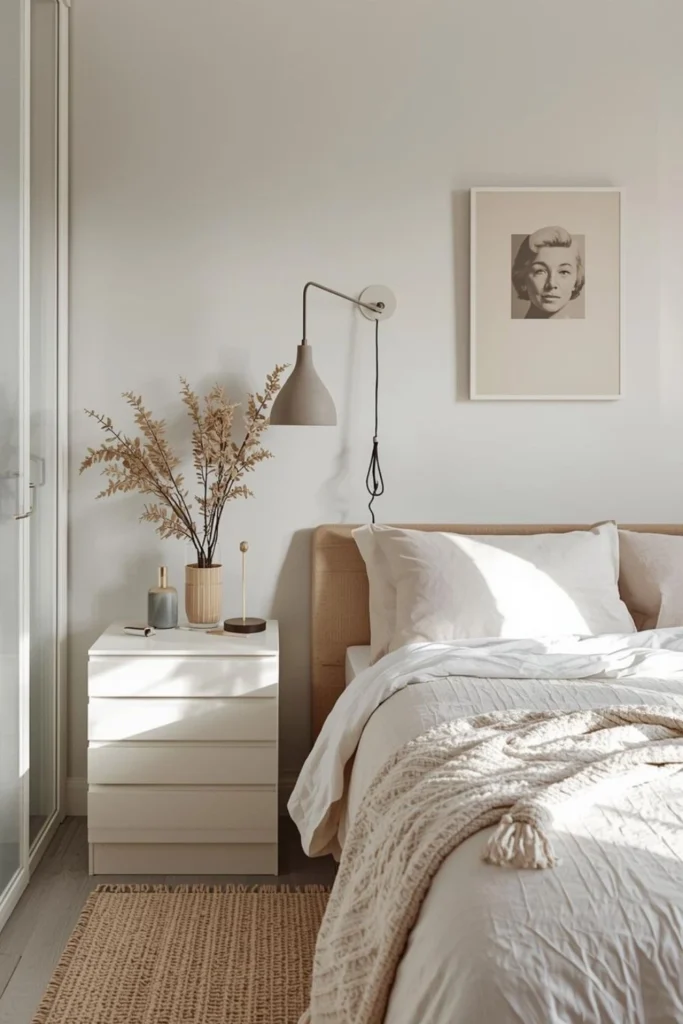
Clutter is one of the biggest obstacles to a calm bedroom. Excess items compete for attention and can subconsciously increase stress. A clutter-free environment allows the eyes and mind to rest, making it easier to relax. One of the most important Calm Bedroom Ideas is intentional simplicity—keeping only what serves a purpose or brings peace.
Start by clearing surfaces such as nightstands, dressers, and shelves. Store unnecessary items out of sight using drawers or closed storage. Decorative elements should be limited and meaningful, not purely decorative for decoration’s sake. A clean, organized bedroom creates a sense of control and clarity, which directly supports emotional calm and better sleep quality.
4. Use Soft, Ambient Lighting

Lighting dramatically influences how a bedroom feels, especially in the evening. Harsh overhead lighting can feel disruptive, while soft ambient lighting creates warmth and comfort. Calm Bedroom Ideas often emphasize layered lighting using bedside lamps, wall sconces, or floor lamps with warm-toned bulbs.
Soft lighting helps signal to the body that it is time to unwind. Adjustable lamps allow you to control brightness based on mood or time of day. Avoid cool white lighting, which can feel clinical and overstimulating. When lighting is gentle and evenly distributed, the bedroom becomes a soothing environment that supports relaxation and restful sleep.
5. Incorporate Natural Materials
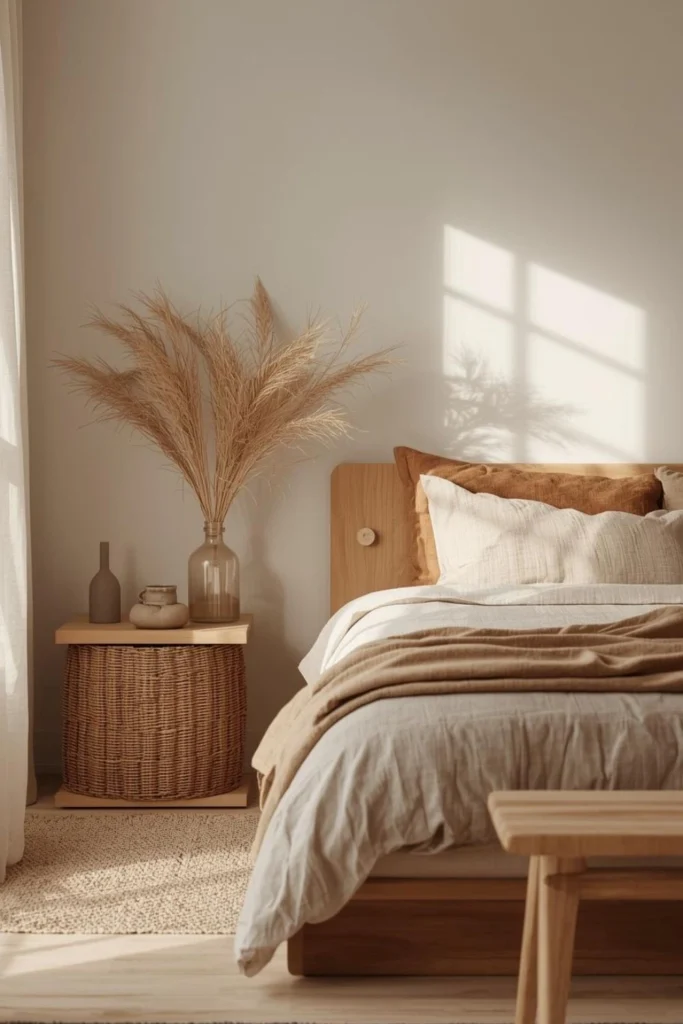
Natural materials introduce warmth and grounding energy into the bedroom. Wood, stone, cotton, linen, and wool help create a connection to nature, which is deeply calming. These materials add subtle texture and visual softness without overwhelming the space. Incorporating natural elements is a foundational principle in many Calm Bedroom Ideas.
Wooden bed frames, woven baskets, or linen curtains enhance comfort while maintaining simplicity. Natural materials age beautifully and bring authenticity to the room. They also balance modern design elements, preventing the space from feeling cold or impersonal. A bedroom rooted in natural textures feels peaceful, stable, and emotionally grounding.
6. Keep Furniture Simple and Balanced
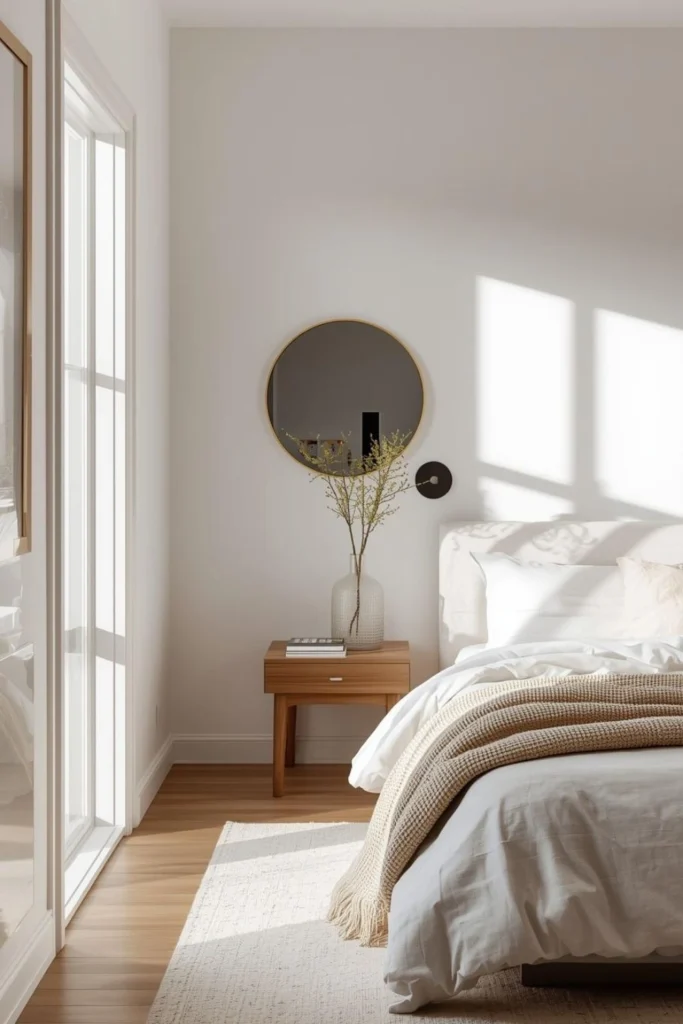
Oversized or excessive furniture can disrupt the calm flow of a bedroom. Simple, well-proportioned furniture allows the room to breathe and function efficiently. Calm Bedroom Ideas favor clean lines, low profiles, and thoughtful spacing to promote visual harmony.
Choose a bed frame, nightstands, and storage pieces that feel cohesive rather than competing. Avoid bulky designs or unnecessary furniture that crowds the space. Balanced furniture placement encourages ease of movement and visual symmetry, which contributes to a peaceful atmosphere. When furniture feels intentional and uncluttered, the bedroom becomes more restful and emotionally calming.
7. Introduce Soft Window Treatments

Window treatments influence both light control and privacy, making them essential in calm bedroom design. Light-filtering curtains or sheer drapes soften natural light and reduce harsh contrasts. Among effective Calm Bedroom Ideas, gentle window treatments help regulate brightness while maintaining a soothing ambiance.
Choose fabrics that move lightly and colors that blend with the overall palette. Floor-length curtains create vertical softness and a sense of enclosure, which enhances comfort. Avoid heavy patterns or stiff materials that can feel visually rigid. Soft window treatments allow the bedroom to feel cocooned and serene throughout the day.
8. Add Texture Without Overstimulating
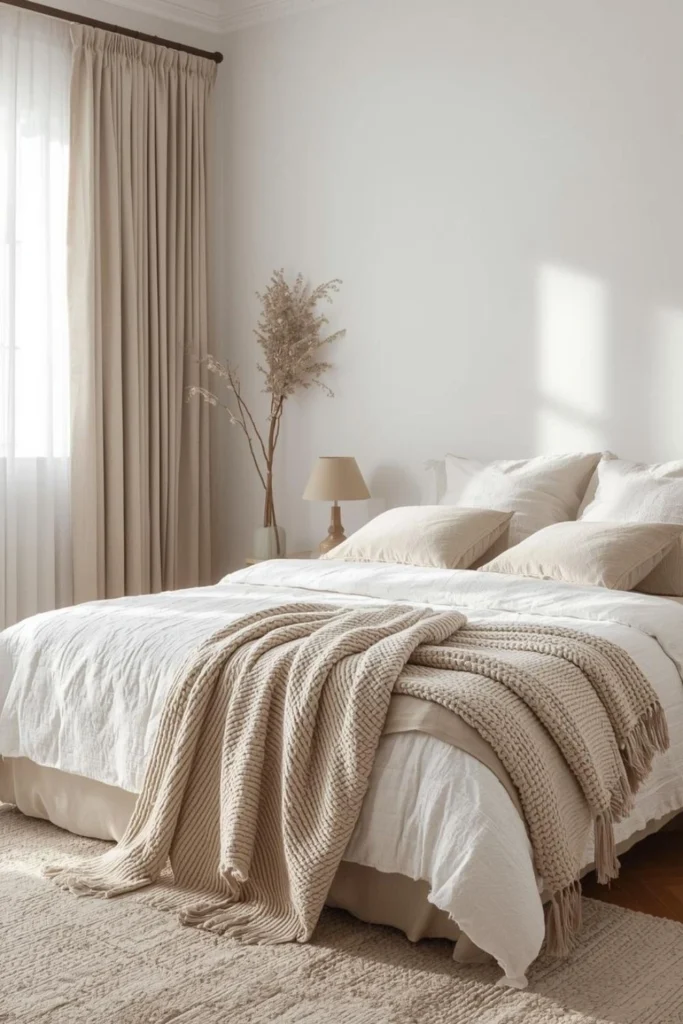
Texture adds depth and comfort, but too much can feel overwhelming. The key is subtle layering—combining smooth and soft textures in a controlled way. Calm Bedroom Ideas use texture to create warmth without introducing visual noise.
Incorporate texture through throw blankets, area rugs, upholstered headboards, or woven accents. Keep colors consistent to maintain harmony. Texture should invite touch while remaining understated. When balanced correctly, textured elements make the bedroom feel cozy and inviting without compromising its calming effect.
9. Limit Decorative Accessories
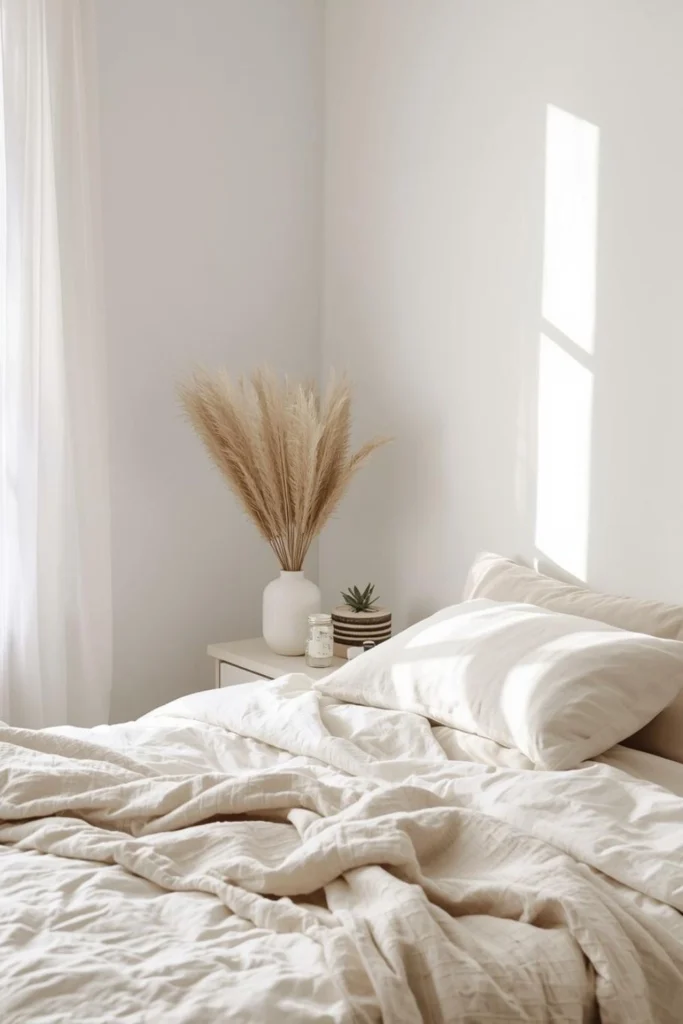
Decorative accessories should enhance calm, not distract from it. In a peaceful bedroom, fewer items with intentional placement are more effective than many small decorations. Calm Bedroom Ideas prioritize quality and meaning over quantity.
Select accessories that evoke tranquility, such as ceramic vases, simple artwork, or natural objects. Avoid overly ornate or brightly colored décor that draws attention away from rest. Each decorative element should contribute to a sense of calm rather than visual excitement. This mindful approach keeps the bedroom balanced and emotionally soothing.
10. Use Calming Artwork
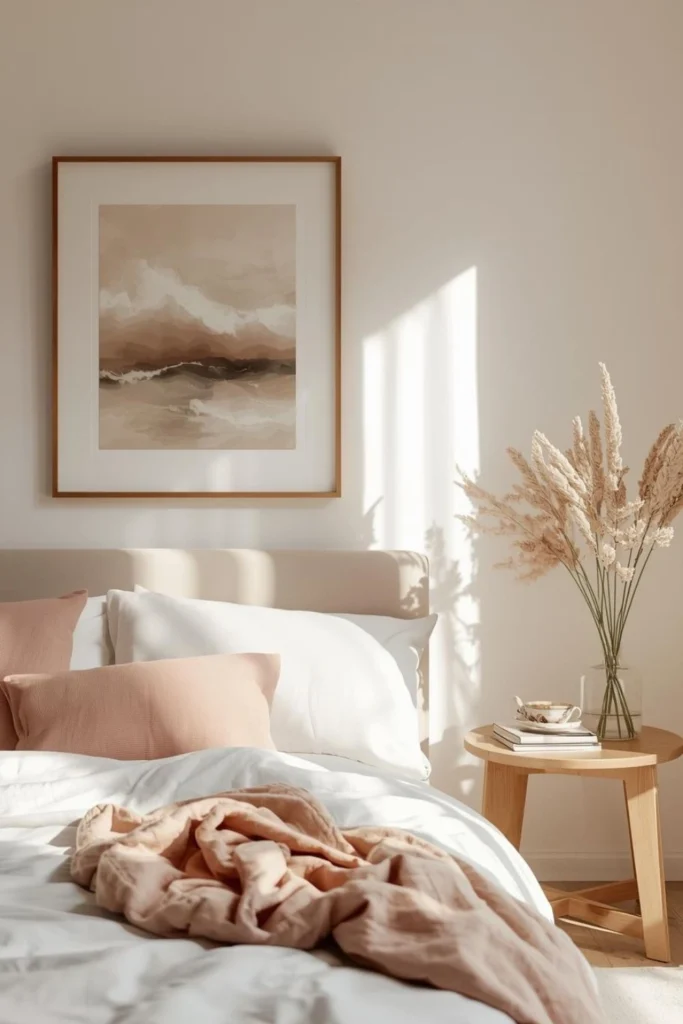
Artwork influences mood more than most people realize. Calm Bedroom Ideas often include art that features soft landscapes, abstract forms, or gentle color gradients. These visuals encourage relaxation and mental clarity rather than stimulation.
Choose artwork that feels personal yet understated. Large pieces can work well if the imagery is calm and the colors are muted. Avoid busy patterns or bold contrasts. Art in the bedroom should feel like a quiet companion, supporting rest rather than demanding attention.
11. Maintain a Balanced Layout

A balanced layout contributes to a sense of order and security. When furniture and décor are arranged symmetrically or thoughtfully spaced, the room feels grounded. Calm Bedroom Ideas emphasize balance to reduce subconscious tension.
Center the bed, ensure nightstands are proportional, and maintain clear pathways. Avoid awkward angles or overcrowded corners. Balance creates predictability, which is calming to the nervous system. A well-organized layout enhances both function and emotional ease.
12. Incorporate Gentle Scents
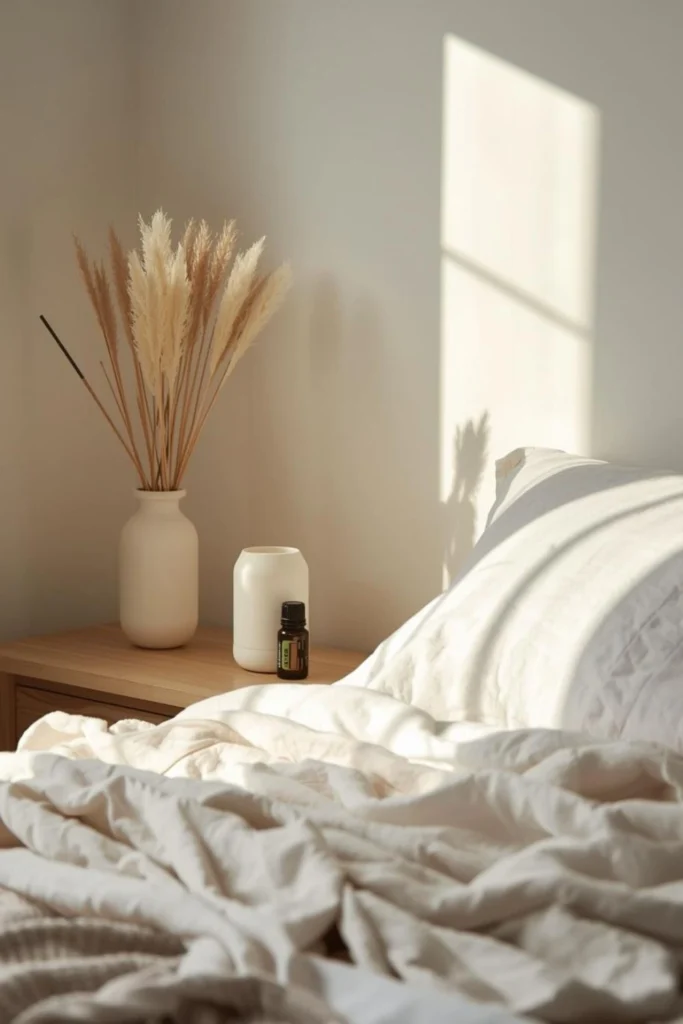
Scent is a subtle yet powerful contributor to calm. Light, natural fragrances such as lavender, chamomile, or sandalwood promote relaxation and sleep. As part of Calm Bedroom Ideas, scent should be gentle and consistent, never overpowering.
Use linen sprays, essential oil diffusers, or lightly scented candles. Avoid strong synthetic fragrances that can feel stimulating. A calm scent creates a comforting sensory layer that enhances the bedroom’s peaceful atmosphere and supports deeper rest.
13. Create a Technology-Free Zone

Technology can interfere with rest, both mentally and physically. Limiting screens in the bedroom is one of the most impactful Calm Bedroom Ideas. Removing televisions, laptops, or excessive device charging reduces mental stimulation before sleep.
Designate the bedroom as a space for rest and restoration rather than productivity. Use traditional alarm clocks instead of phones when possible. A technology-free environment encourages better sleep quality and reinforces the bedroom’s purpose as a calm retreat.
14. Keep the Atmosphere Intentional and Personal
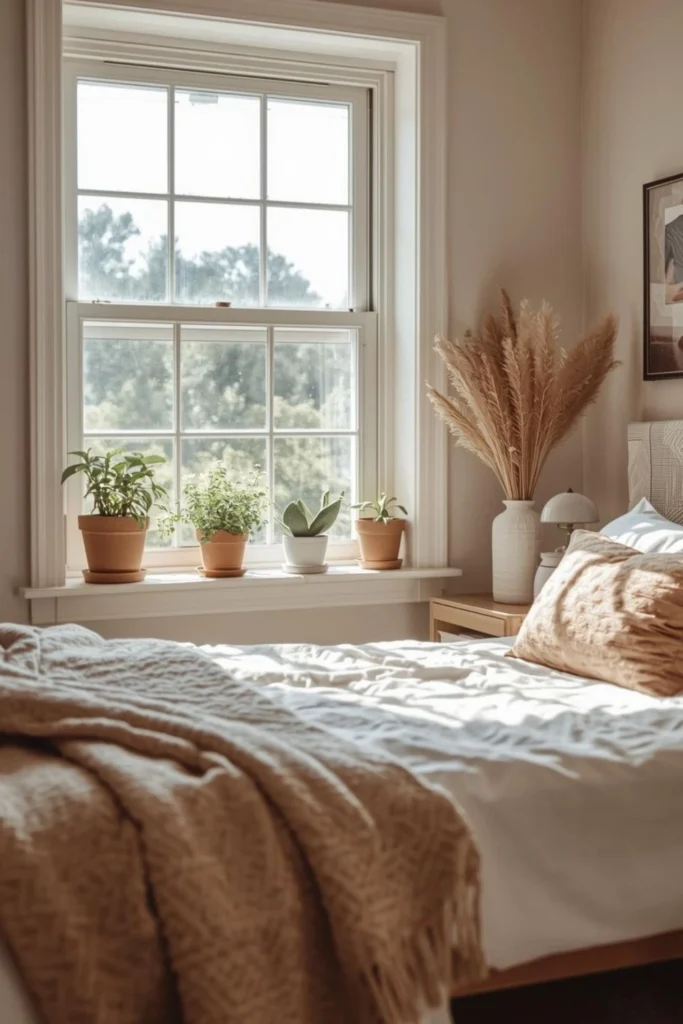
The most calming bedrooms feel personal yet restrained. Calm Bedroom Ideas are most effective when they reflect your lifestyle and emotional needs. Thoughtful design choices create a space that feels safe, familiar, and comforting.
Choose elements that resonate with you while maintaining simplicity. Whether it’s a favorite texture, calming color, or meaningful object, personal intention enhances emotional peace. A calm bedroom is not about perfection, but about creating a space that consistently supports rest and well-being.
Final Thoughts
Calm Bedroom Ideas are rooted in simplicity, balance, and sensory comfort. By focusing on soothing colors, soft textures, gentle lighting, and intentional design choices, you can transform your bedroom into a peaceful retreat that nurtures both body and mind. A calm bedroom is an investment in better sleep, emotional well-being, and daily restoration.